USB
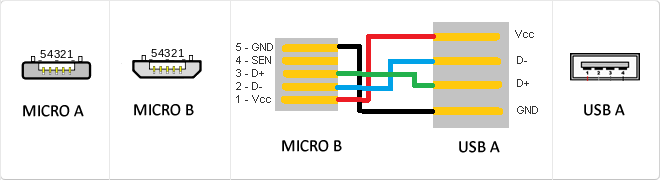
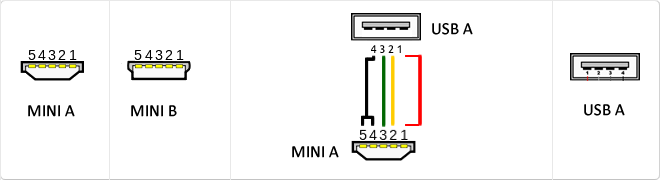
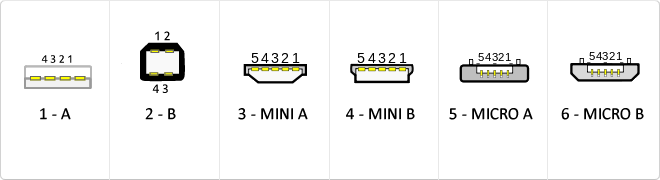
The USB (Universal Serial Bus) is a standard that defines the cables, connectors and used a bus to connect, communicate, computers, peripherals and electronic devices protocols Transmission Rates Low speed (USB 1.0). Transfer rate up to 1.5 Mbit/s (188 kB/s) used in keyboard, mouse ... transfer rate up to 12 Mbit/s (1.5 MB/s) High Speed ??(USB 2.0): Rate transferencia up to 480 Mbit/s (60 MB/s) SuperSpeed ??(USB 3.0) transfer rate up to 4.8 Gbit/s (600 MB/s) Connector Types 1 - USB type A (4 pin) 2. - USB type B (4 pin) 3 - Mini A (5-pin) 4 - Mini B (5-pin) 5 - Micro A (5-pin) 6 - Micro B (5-pin)
RACK 19
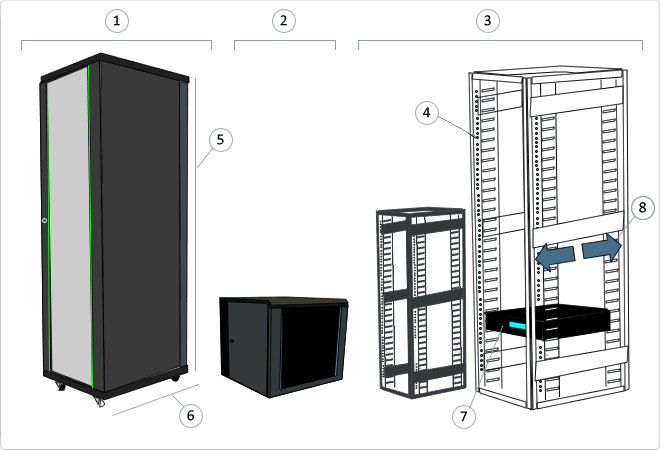
A rack is a metal support designed to house electronic, computer and communications equipment. The measures for the width are normalized to be compatible with most equipment manufacturers. They are also called racks, cabinets, cabinets or closets. Each column has holes at regular intervals called U rack units (Pictured: 4) grouped in threes. The height (Pictured:5) of the racks is standardized and external dimensions of 200 mm by 200 mm. Being normal that from 4U to 46/47U height width types (Pictured: 7). Standard 600 mm or 800 mm Types of background (Pictured: 6) The depth of the frame is not standardized, as this flexibility is granted (Pictured: 8) to the equipment. The most common are: - 450 mm - 600 mm - 800 mm - 900 mm - 1000 mm - 1200 mm Type 19-inch rack can find various types of 19-inch rack. Rack Mural (Pictured: 2): Used to accommodate electronic network. They are the smallest and are anchored to wall. Rack Pie (Pictured: 1): They are used primarily for servers, UPS and network electronics. Open Rack (Pictured: 3): Open Rack Racks are available only modelsstructure, eliminating doors and other accessories.
![]()
VGA
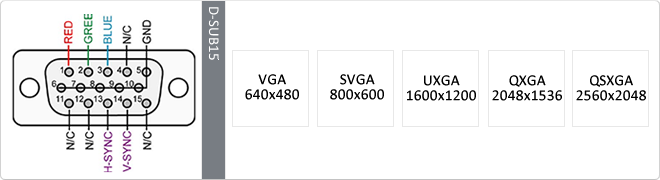
The term VGA (Video Graphics Array or Video Graphics Adapter) is a graphics display system for PCs developed by IBM. VGA has become one of the standards for the PC image. In text mode, VGA provides a resolution of 720 by 400 pixels. In graphics mode, the resolution is either 640 by 480 (with 16 colors) or 320 by 200 (with 256 colors). The color palette is 262,144.Unlike earlier graphic standards for PCs - MDA, CGA, EGA and VGA - uses analog signals rather than digital signals. Since its introduction in 1987, several other standards have been developed that offer greater resolution and more colors (SVGA, XGA ...), but VGA remains the denominator used. All personal computers manufactured today still have support VGA, and possibly some other more advanced connection.
MicroUSB
or horizontal. The micro USB with five pins, which pins identification (ID) Micro AB USB connectors special work. AB connectors with pin ID can allow the device to function as a connector A or B to standard USB technology. This gives the new smart phones and other devices the option to act as either a single storage device or as provi
Mini USB
The mini USB connectors are smaller than their standard counterparts and have USB fifth pin. The fifth pin is known as the pin ID and is typically not used in mini USB connectors. It was designed to allow later improved USB technology. The mini USB connectors have a cycle life of at least 5000 connections and disconnections, which accommodates the mobile nature of the devices that are designed to interact. The standard USB connectors are generally used with devices that are stationary and not disconnected often.
MiniDin
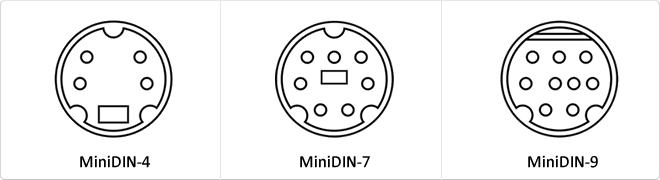
The mini-DIN connector designates a family of circular connectors, each with a diameter of 9.5 mm and a varied number of pins inside. Although initially designed as mere electrical connectors, they are very popular in electronics and computers, having succeeded the larger DIN connector. Both are standards of Deutsches Institut für Normung, the German standardization body.
USB 3.0
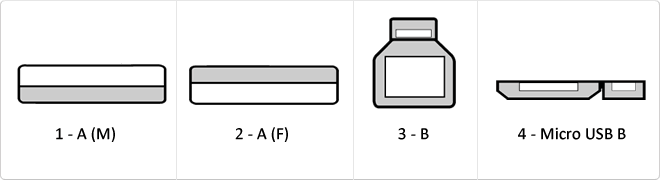
USB 3.0 is the second major revision of the standard Universal Serial Bus (USB) connectivity for computing. USB 3.0 has transmission speeds of up to 5 Gbit/s, which is 10 times faster than USB 2.0 (480 Mbit/s). Connector Types 1 - USB type A plug 2 - 3 USB type A female - USB type B 4 - Micro USB B
KVM
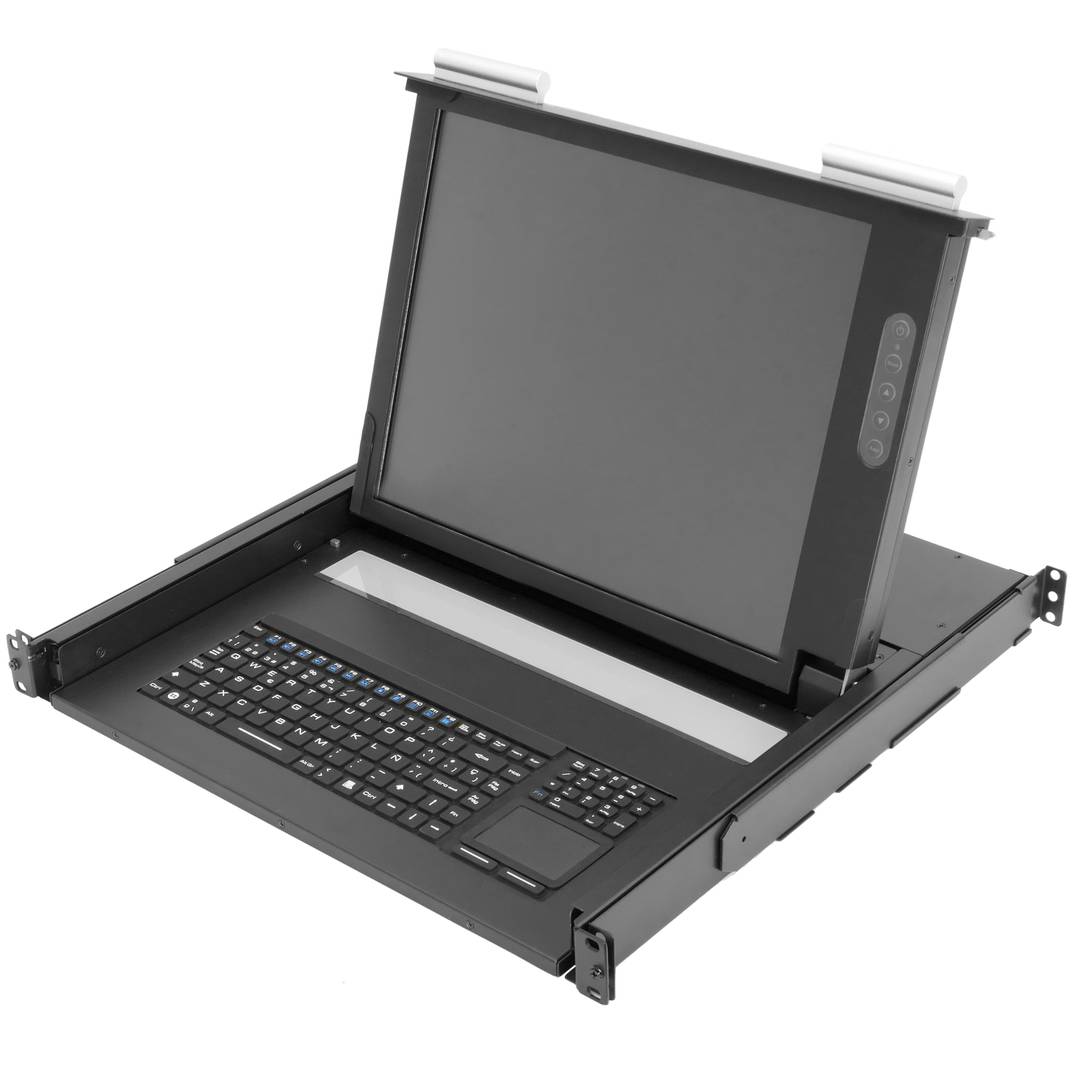
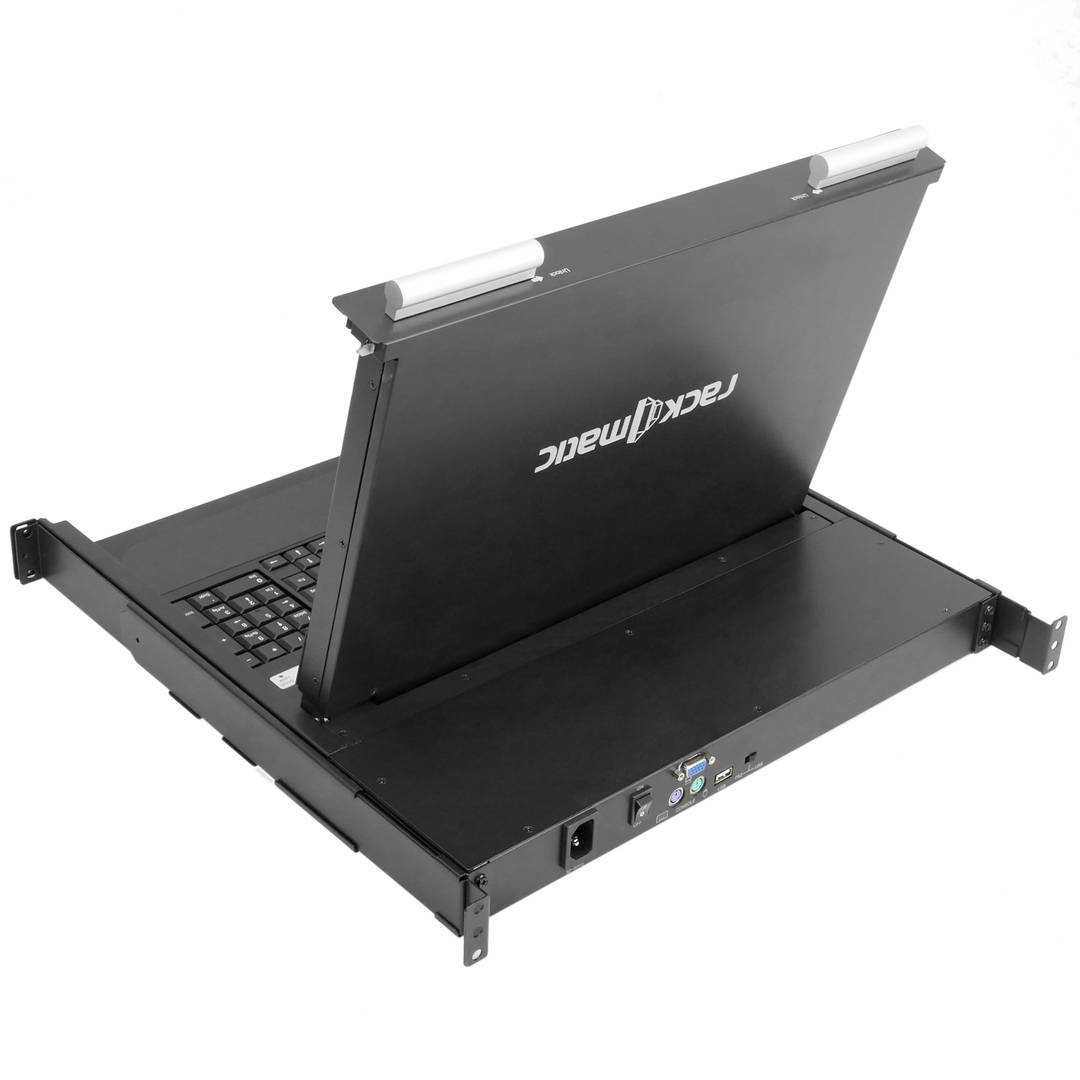
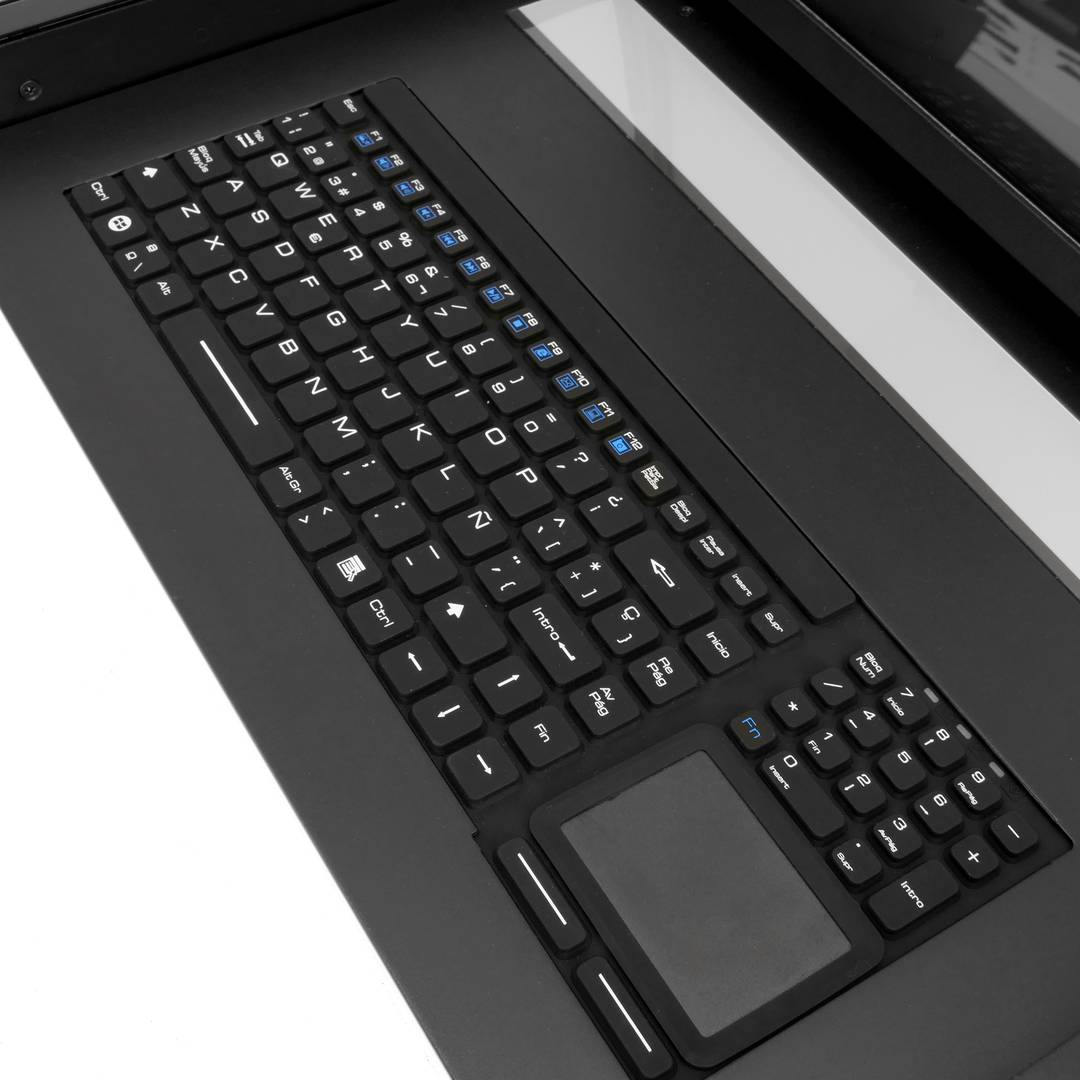
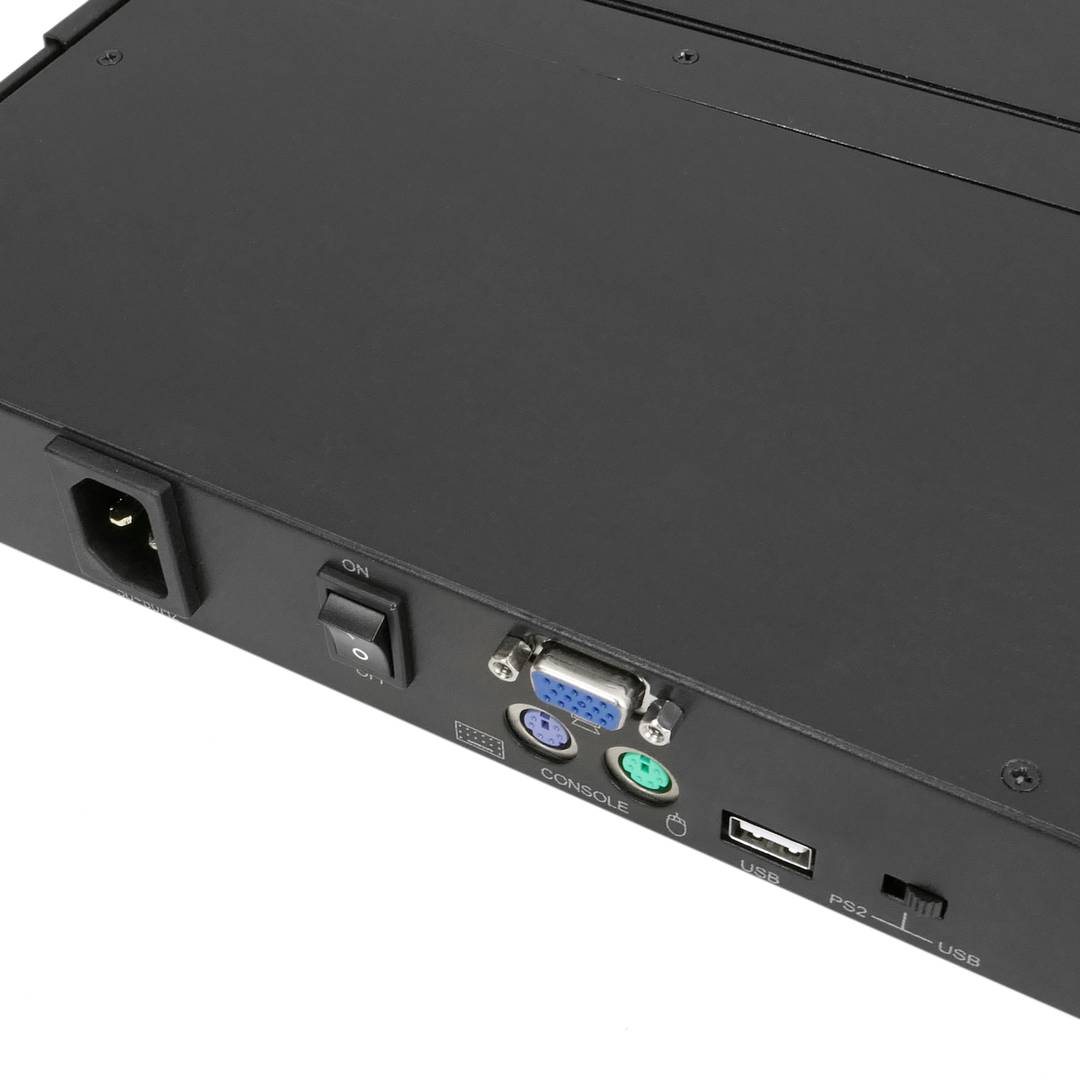
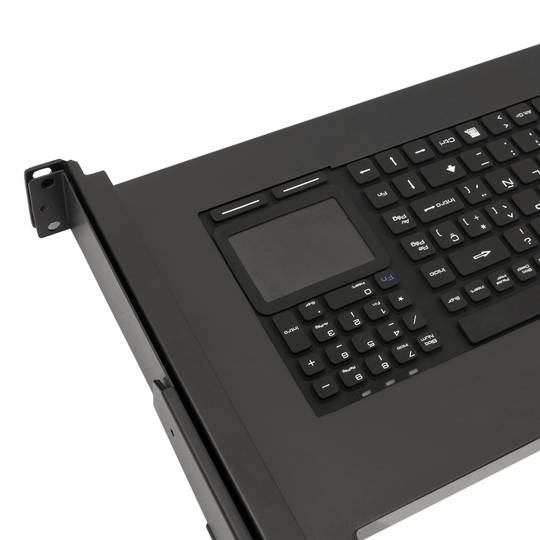
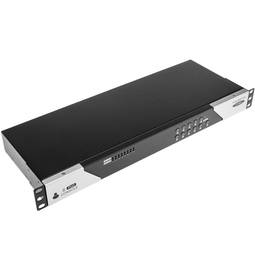
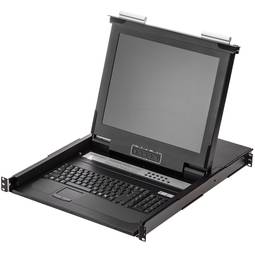
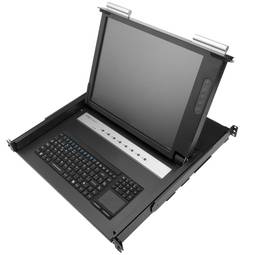
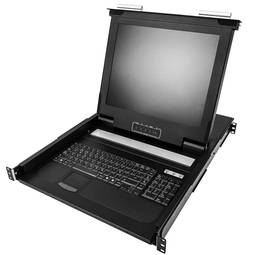
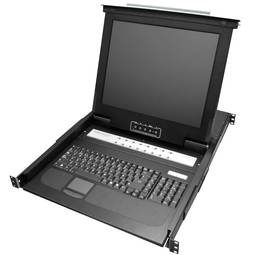
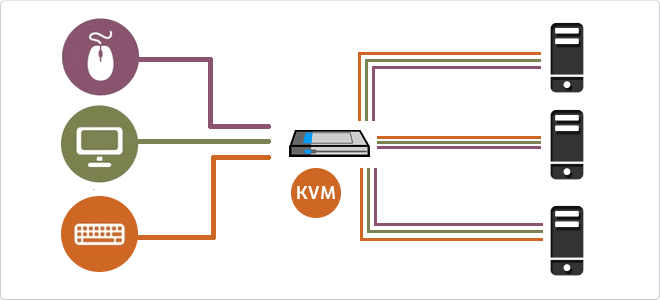
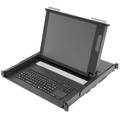
KVM switches or switches used to manage data centers where it is necessary to manage a large number of servers from a single computer. With KVM switches you can access many PCs from a single console keyboard various ways, buttons ...
Reversible USB Type-C
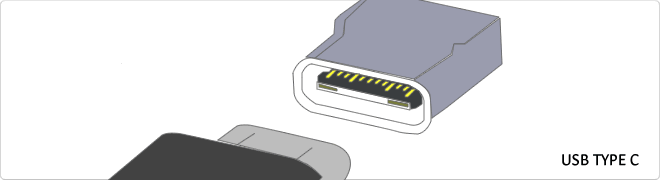
USB-C reversible USB version called USB cables USB Type C Type C or USB reversible. The important thing is this type of USB is that it has top and bottom. So you may save the blows that are given involuntarily to connect the connector upside down. It is also characterized in that when connected will make an audible "click". The USB-C or reversible USB cables can reach 10 Gbps and support USB 3.0, 3.1Use is estimated up to 10,000 applications and has some measures 8.4mm x 2.6mm is also compatible with USB 3.1 and USB indicate creators
IP65
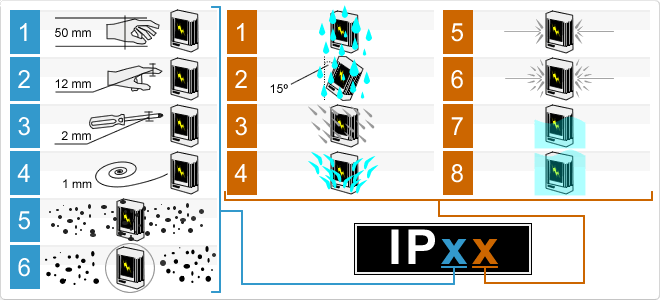
IP65 Although it seems very complicated nomenclature IP standards is only one division in two digits, where each digit indicates that it is being served to meet these regulations. For the first digit would be: 0 No protection 1 element to be used for testing (sphere 50 mm in diameter) should not get to go completely. 2 element to be used for the test (area of ??12.5 mm diameter) should not get to go completely. 3 element to be used for testing (sphere 2.5 mm in diameter) must not come at all. 4 element to be used for the test (sphere of 1 mm in diameter) must not come at all. 5 ingress of dust can not be avoided, but it must not enter an amount that interferes with the proper functioning of equipment. 6 polvo should not come under any circumstances in the case of the second digit: Level Protection Against Expected Results Test Method 0 The water enters the equipment quickly. 1 The equipment is placed in their usual work. Should not enter the water when it is dropped from 200 mm height from the team for 10 minutes (at a rate of 3-5 mm³ per minute) 2, the equipment is put into lugar normal work. You should not enter the water when the leaves fall, for 10 minutes (at a rate of 3-5 mm³ per minute). This test should be performed four times at a rate of one for every 15 ° rotation both vertically and horizontally, starting each time the normal position. 3 The equipment is placed in their usual work. You should not enter the water spray at an angle up to 60 ° right and leftvertically to an average of 10 liters per minute and a pressure of 80-100kN/m for a time not less than 5 minutes. 4 The equipment is placed in their usual work. You should not enter the water thrown from any angle to an average of 10 liters per minute and a pressure of 80-100kN/m for a time not less than 5 minutes. 5 The equipment is placed in their usual work. Should not enter waterthrown jet (from any angle) by means of a nozzle 6.3 mm in diameter, at an average of 12.5 liters per minute and a pressure of 30 kN/m for a time not less than 3 minutes and a no closer than 3 meters. 6 The equipment is placed in their usual work. You should not enter water squirted (from any angle) through a nozzle diameter of 12.5 mm, an average of 100 liters per minute and a pressure of 100 kN/m² for at least three minutes at a distance of not less than 3 meters. 7 The object must endure without any filtration complete immersion in 1 meter for 30 minutes. 8 electrical/electronic equipment must withstand (without filtration) complete and continuous immersion depth and during the time specified by the manufacturer of the product with the agreement ofclient, but provided they are more severe than those specified for the value 7. For IP65 should meet the following standard conditions. Would hold cirscuntancias be dusty and prevent to enter under any cirscuntacia, and bear no powerful jets of water.
IP Protection
hen we talk about IP code (International Protection) we talk about an international standard (IEC 60529) which classifies the protection against external factors, solid or liquid, that has a component or electronic device; LED strips, controllers, meters, security cameras, etc.
This alpha-numerically standard has been designed to sort different levels of protection. Nomenclature starts with IP followed by two numeric values.
- Example IP68:
The first value ranges from 0 to 6 and indicates the protection against solid agents. In this case, strong protection against dust.
The second value is between 0 and 8 and indicates the protection against liquid agents. In this case the complete and prolonged immersion during the time specified by the manufacturer.
We could say that the larger the number is greater IP protection has a device.
In below table, we can see different IP protections levels available.
| IPXX | First digit (IPxx) | Second digit (IPxx) |
| 0 | Unprotected. | Unprotected. |
| 1 | Protection against objects of> 50 mm diameter. | Protection against vertically dripping water. |
| 2 | Protection against objects of> 12.5 mm diameter. | Protection against inclined drip water up to 15°. |
| 3 | Protection against objects of> 2 mm in diameter. | Protection against water projected from any direction, up to 60°. |
| 4 | Protection against objects of> 1 mm in diameter. | Protection against splashing water any direction. |
| 5 | Ingress of dust is not entirely revented, but it must not enter in sufficient quantity to interfere with the satisfactory operation of the equipment . | Protection against water jets. |
| 6 | Dust tight. | Protection against strong jets of water. |
| 7 | | Protection against complete immersion up to 1 meter for 30 minutes. |
| 8 | | Protection against complete and prolonged immersion. |
![]()
Rack unit (U)
There are several cabinet heights according to the needs of the installation, this height can be measured in rack units (U).
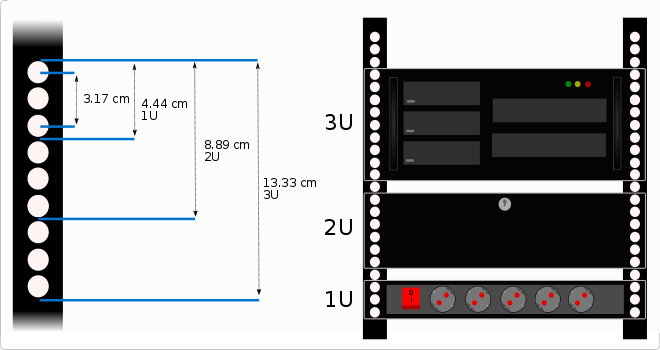
Each rack unit or U is the distance between each horizontal separation to place the different accessories inside the rack. This distance is 1.75 inches that is equal to 4.4445 cm high.
For example, if we say that a rack is 8U we will understand that it has 8 units to install device orAccessories of 4.44 cm in height.
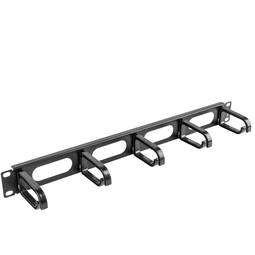
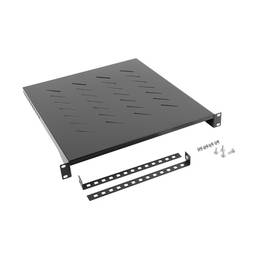
Normally these accessories, like trays, guides, strips, etc. Occupy a unit of U (1U), but we can find that other devices or accessories occupy more units, for example can be a rack box to install a PC, a UPS, etc. It can be said that there is also a half unit of U (0.5U), in this case, two units could be installed in a rack unit.
As far as I knowEndo the units of rack that occupy the devices that we are going to install we will know the height that we need for our rack.
The size of the rack unit (U) is based on the standard specification for racks defined in EIA-310.
![]()
Electrical cables according to number of conductors
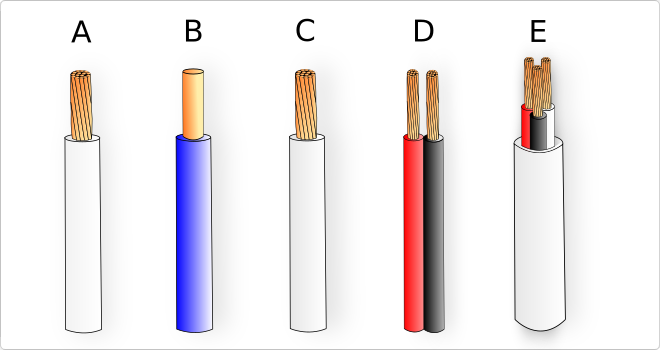
Within the different types of electrical cables we can find single or multifilament cables. The difference lies in the number of conductors that make up the cable. Single wire cables contain only a single conductive wire, whereas multi-wire cables contain more than one wire. Do not confuse multifile (A) or single wire (B) with monopolar (C), bipolar (D) or multipolar (E) cable. Monopolar cables have only oneSingle conductor, bipolar cables have two conductors, while multi-pole cables have more than two conductors. It may be said that any unipolar, bipolar or multipolar cable can be single-ended or multi-stranded. In the case of single wire cables we will talk about rigid cables, whereas the multifilament cables will be flexible.
In the following table you can see the difference between them.
VAC
VAC would be the abbreviation of Volt Altern Current which would be translated Volts of alternating current. The difference between VDC is that its sinusoidal oscillation achieving a more efficient energy transmission.
The alternating current is the energy that we receive in our homes, it is generated in the power plants by means of alternators.
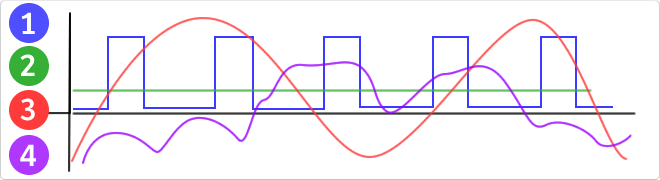
The intensity of this type of current varies with time, and changes direction 50 times throughsecond (50hz). The generated voltage changes in the form of sine wave so it is not constant.
In the image:
- Current by pulsations.
- Direct current (DC).
- Alternating current (AC).
- Variable current.