

https://cablematic.com/en/products/4g-lte-antenna-wifi-gsm-gprs-umts-sma-connector-white-40dbi-GS042/
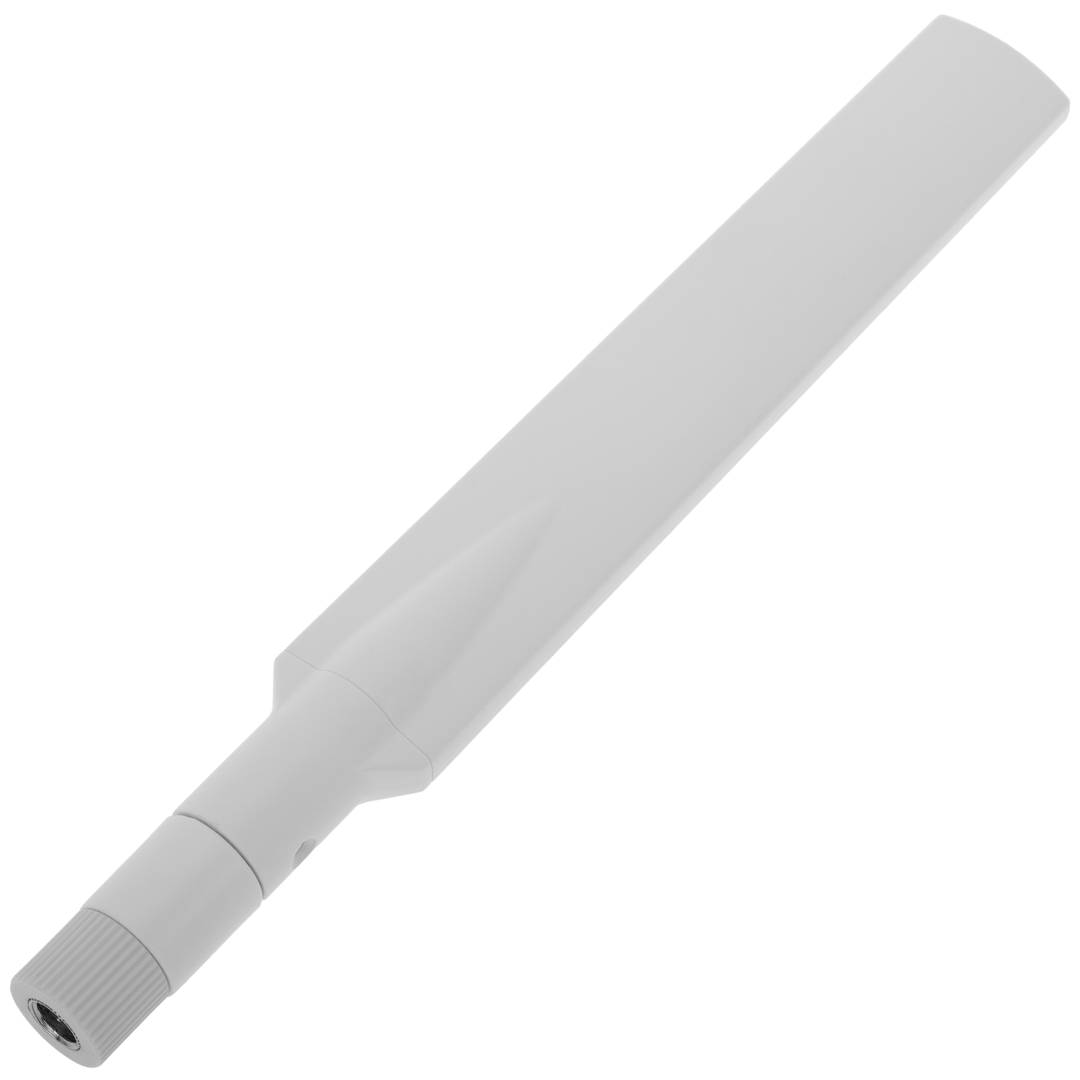



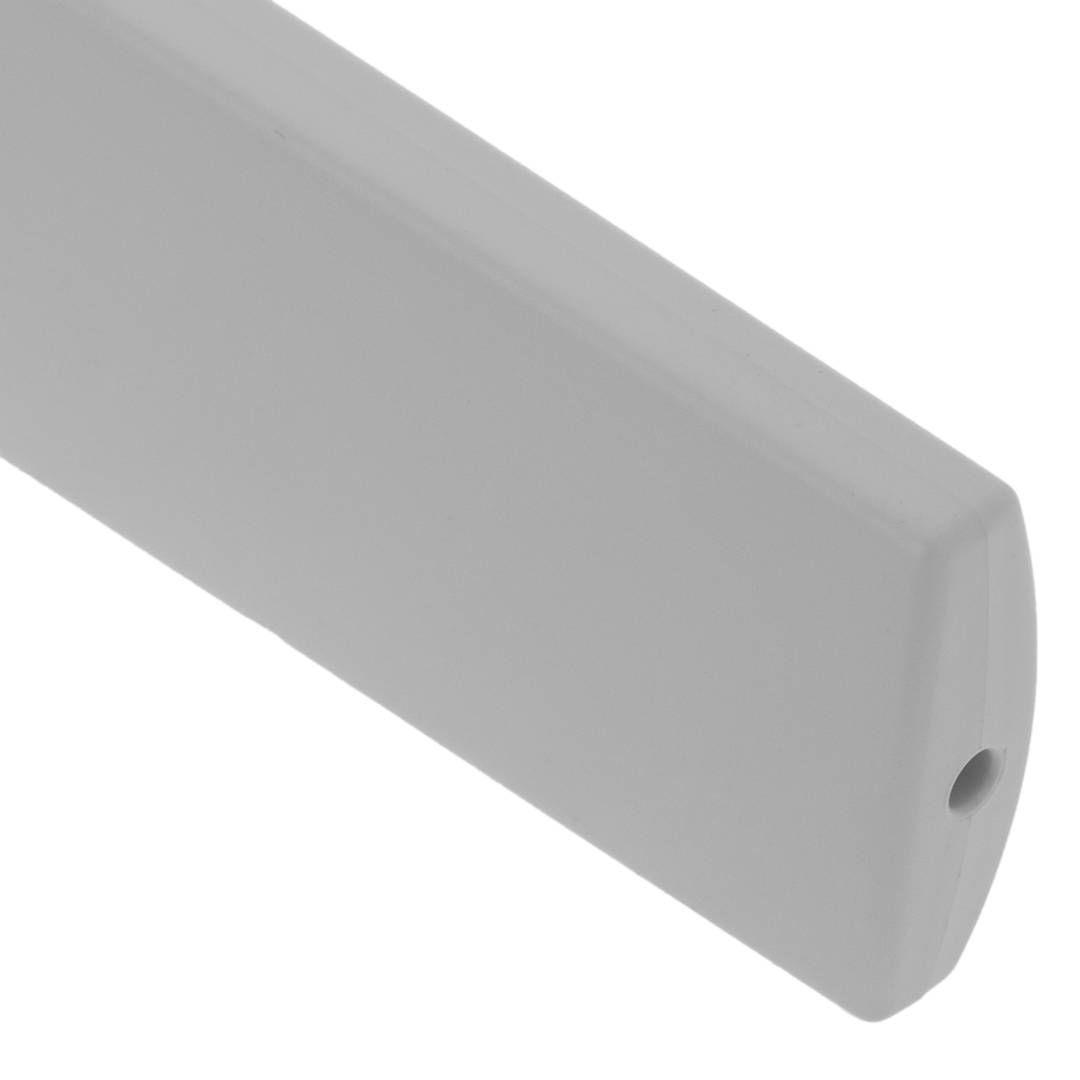
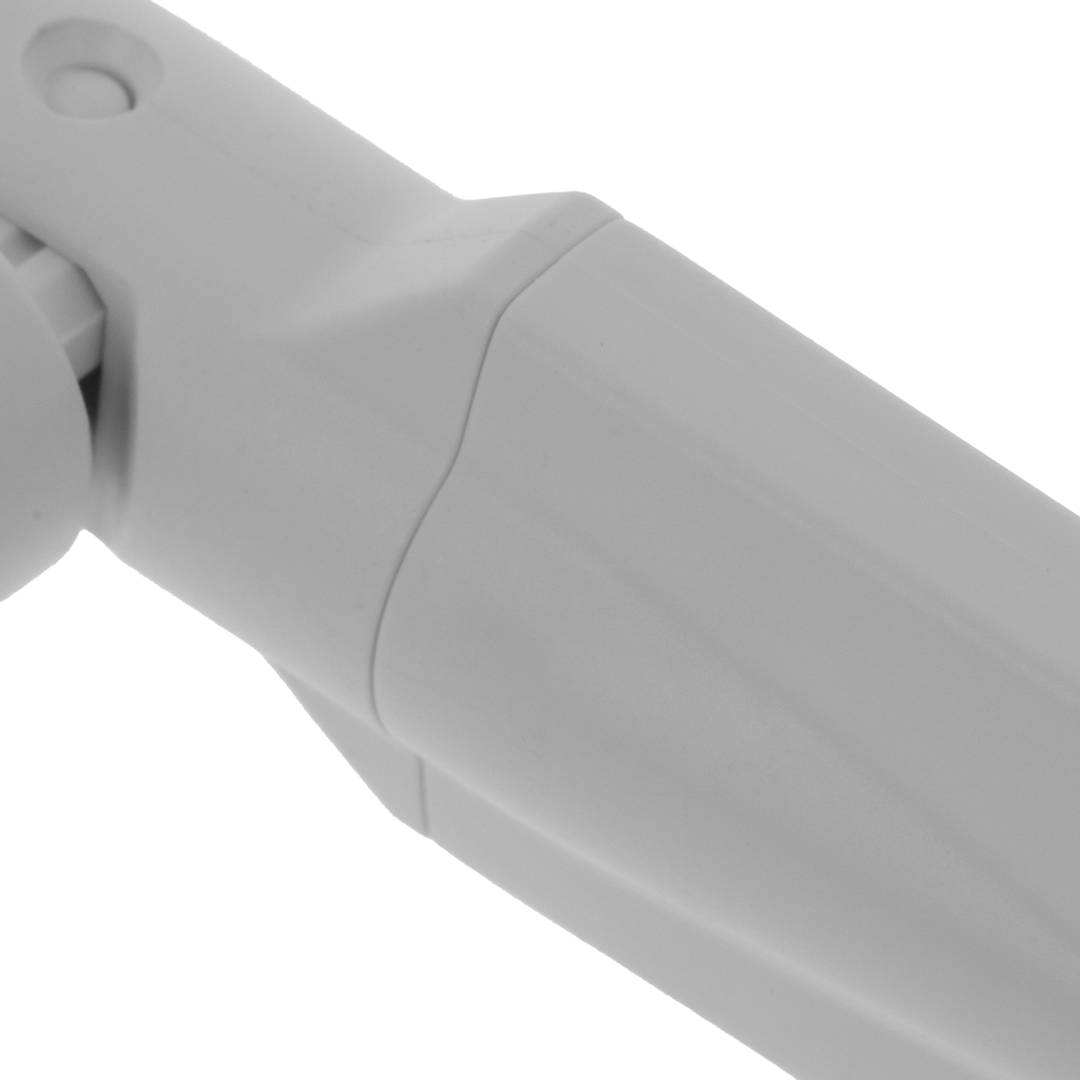


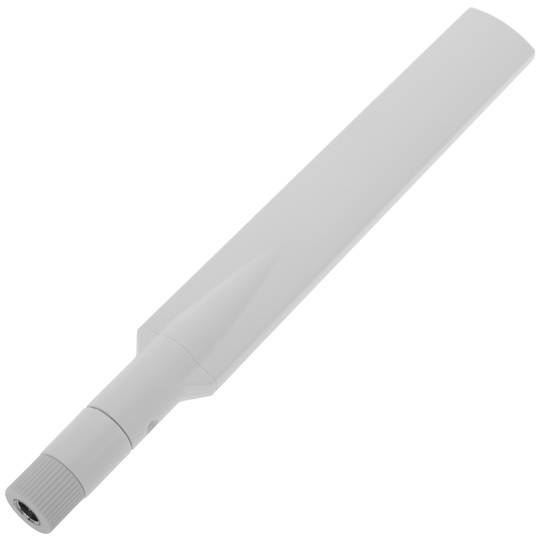
4G LTE antenna WIFI GSM GPRS UMTS SMA connector white 4.0dBi


- Supported frequency: 791-960, 1710-1880, 1920-2170, 2500-2700 MHz.
- Impedance: 50 Ohm.
- VSWR: 2.5: 1
- Gain: 1 to 4 dBi.
- Polarization: vertical.
![play_button]() Watch video
Watch video
More info
 Watch video
 2 years
warranty
 14 days
returns
 100%
100%safe
- Supported frequency: 791-960, 1710-1880, 1920-2170, 2500-2700 MHz.
- Impedance: 50 Ohm.
- VSWR: 2.5: 1
- Gain: 1 to 4 dBi.
- Polarization: vertical.
Related products

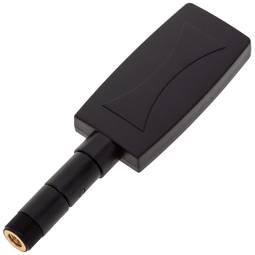
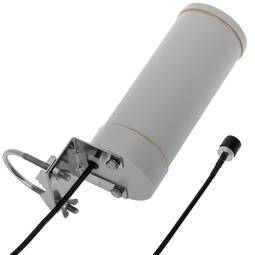

More info
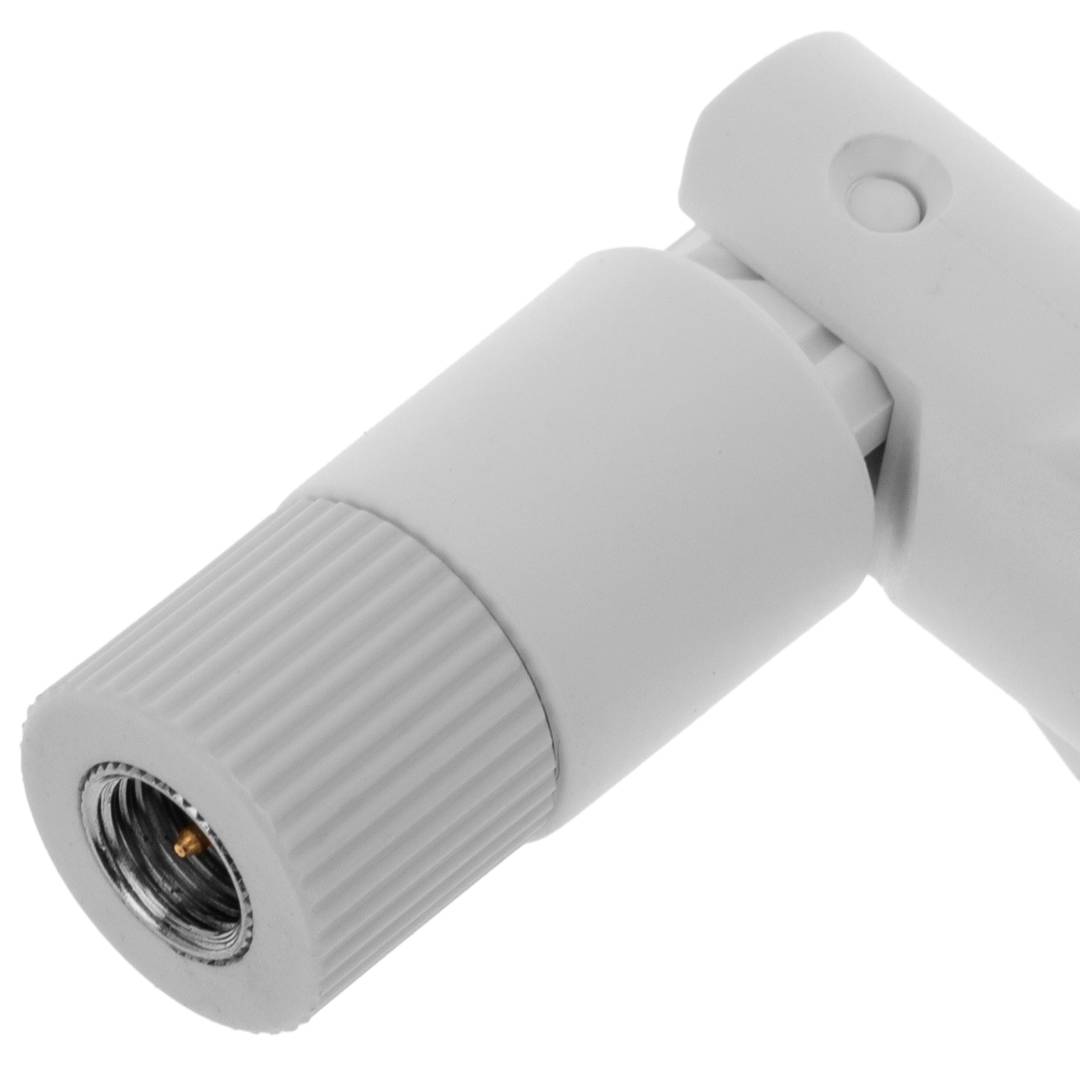
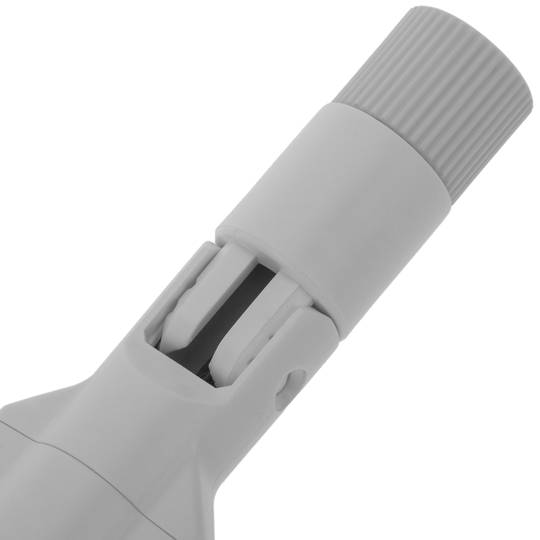
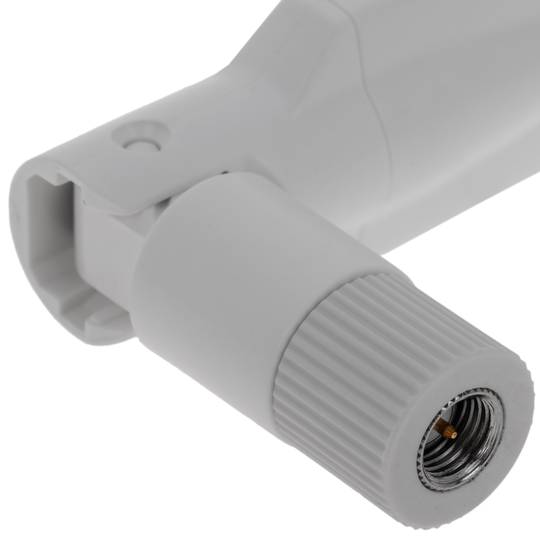
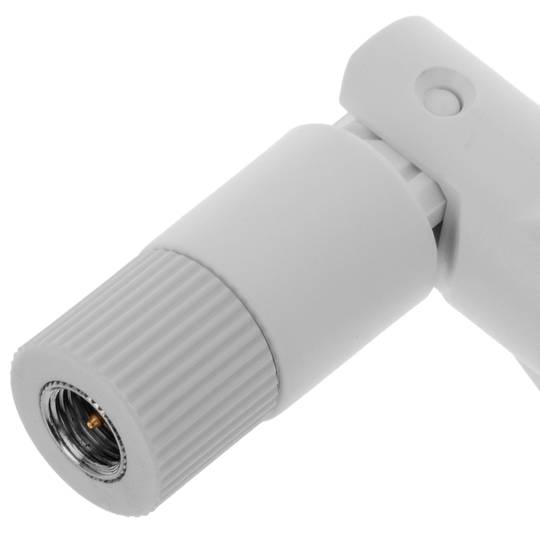
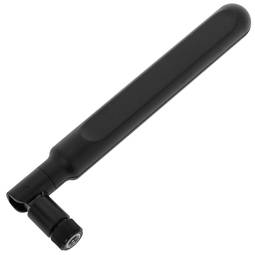
Omnidirectional antenna applicable to 4G LTE, GSM, GPRS, WIFI and UMTS data communication technologies. It is an adjustable antenna and SMA male connector to be coupled to a 4G terminal, 4G router, hub or access point.
Specifications
- Supported frequency: 791-960, 1710-1880, 1920-2170, 2500-2700 MHz.
- Impedance: 50 Ohm.
- VSWR: 2.5: 1
- Gain: 1 to 4 dBi.
- Polarization: vertical.
- Pattern: Omnidirectional.
- Power: 3W.
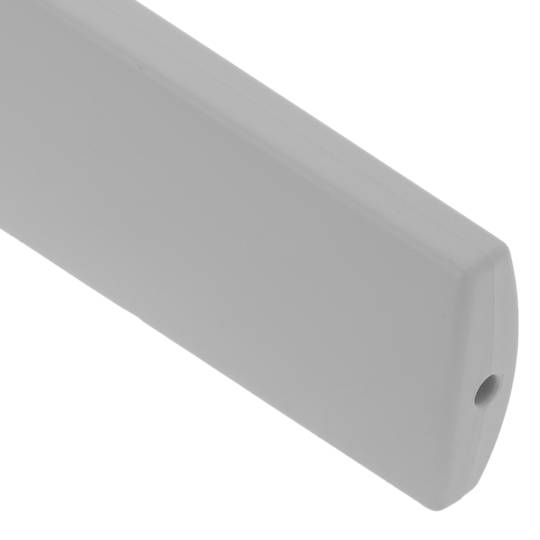
- Material: white PC/ABS.
- Weight: 39 g.
- Antenna size: 160 x 20 x 15 mm.
- Connector: SMA male.
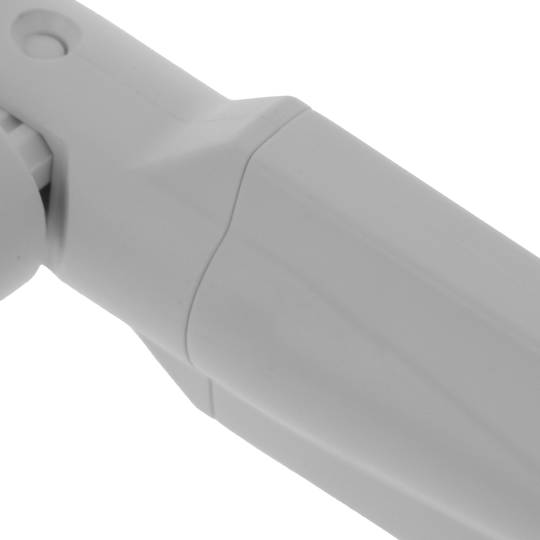
- Adjustable fixing system.
- Gross Weight: 20 g
- Product size (width x depth x height): 16.5 x 2.0 x 1.5 cm
- Number of packages: 1
- Packages size: 16.5 x 2.0 x 1.5 cm
Technical terms
- GPRS
- Impedance
- Hz
- GSM
- UMTS
- MiFi
- Wifi
- ABS
- dBi
- 4G
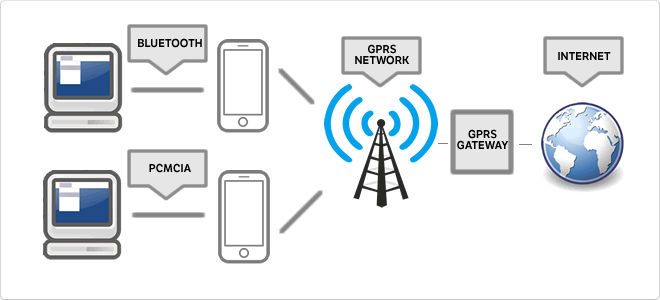
GPRS (General Packet Radio Service) is a key evolution in second-generation (GSM) mobile networks, introducing packet switching over an infrastructure originally designed for circuit switching.
This technology optimizes radio resource utilization by assigning channels only during actual data transfer, enabling permanent IP connectivity and more efficient spectrum use. The GPRS architecture integrates new logical nodes into the GSM core network, primarily the SGSN and GGSN, which handle packet routing and interfacing with external data networks like the Internet.
| Specification | Value/Description |
|---|---|
| Theoretical Data Rate | 56 kbps to 114 kbps |
| Switching Method | Packet Switching |
| Coding Schemes | CS-1, CS-2, CS-3, CS-4 |
| Generation | 2.5G |
The implementation of GPRS served as the catalyst for the transition toward mobile broadband services, enabling WAP browsing and multimedia messaging (MMS) for the first time. Its current relevance lies in its persistence as a critical fallback layer for IoT devices and embedded systems requiring global coverage and redundancy in areas where LTE or 5G technologies are not feasible due to hardware constraints.
Terminal Operational Classification
Devices are categorized by their ability to handle voice and data services: Class A allows simultaneous use; Class B connects to both but suspends data during calls; Class C requires manual switching between modes.
Main Advantages
- "Always-on" connectivity without call setup latency for data.
- Billing based on data volume rather than connection time.
- Compatibility with IP and X.25 protocols.
- Dynamic radio spectrum optimization via multiplexing.
GPRS laid the foundation for the packet-based infrastructure that defines modern mobility.