

07/11/2026 8:37 a.m.
https://cablematic.com/en/products/wifi-smart-smoke-detector-compatible-with-google-home-alexa-and-ifttt-AN133/
https://cablematic.com/en/products/wifi-smart-smoke-detector-compatible-with-google-home-alexa-and-ifttt-AN133/
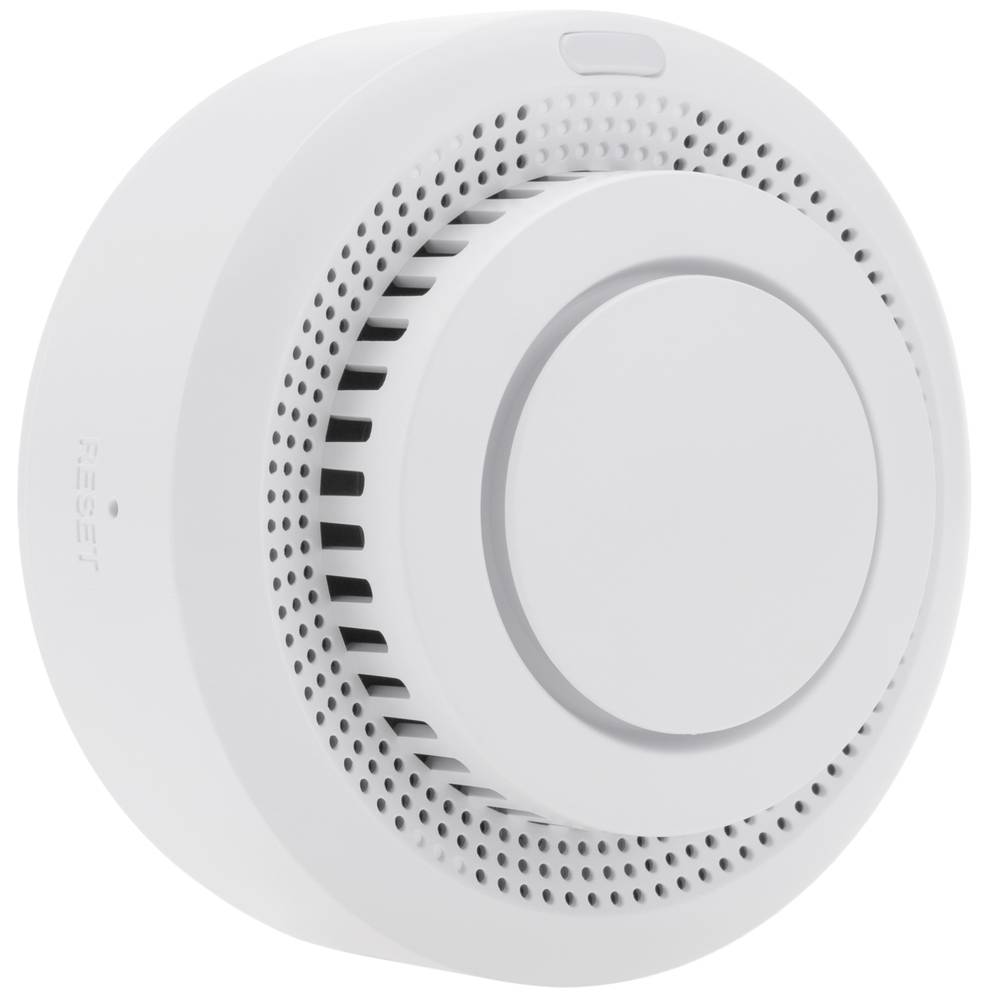


WiFi smart smoke detector compatible with Google Home, Alexa and IFTTT
WiFi smart smoke detector compatible with Google Home, Alexa and IFTTT
REF: AN133

Specifications
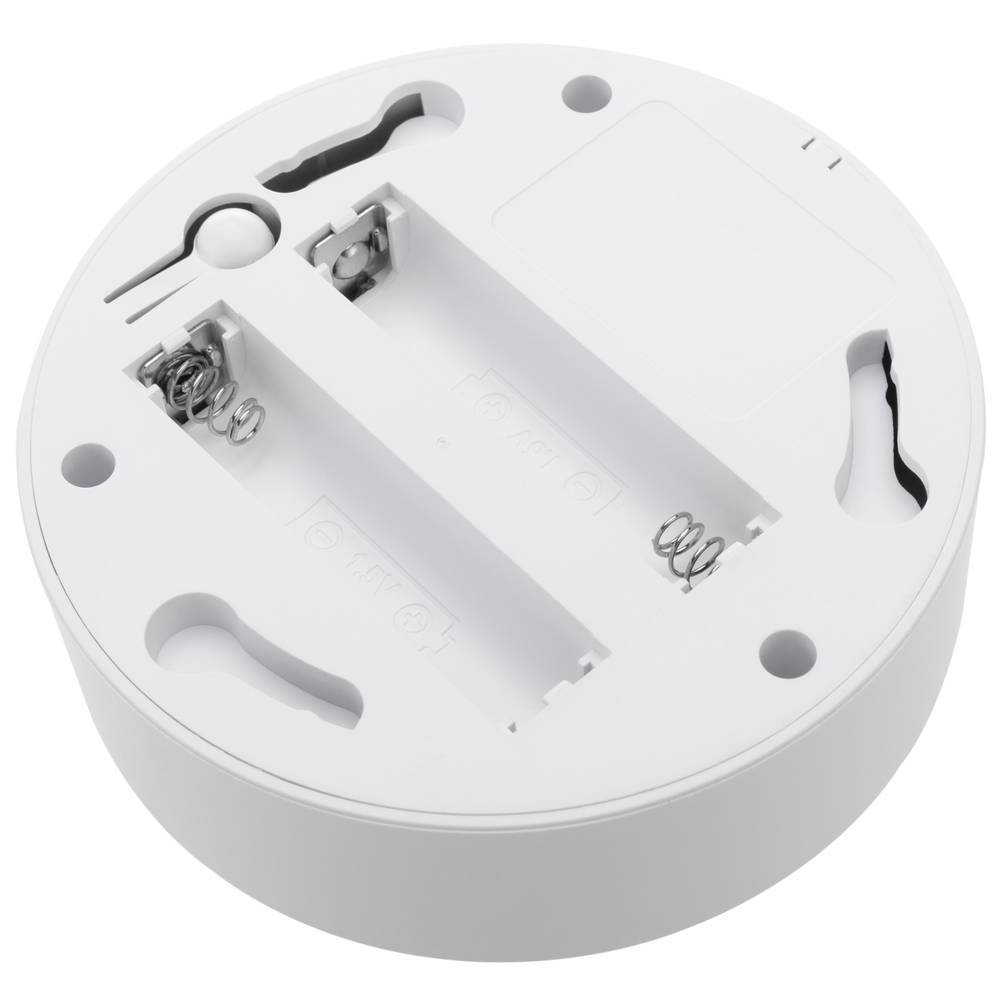
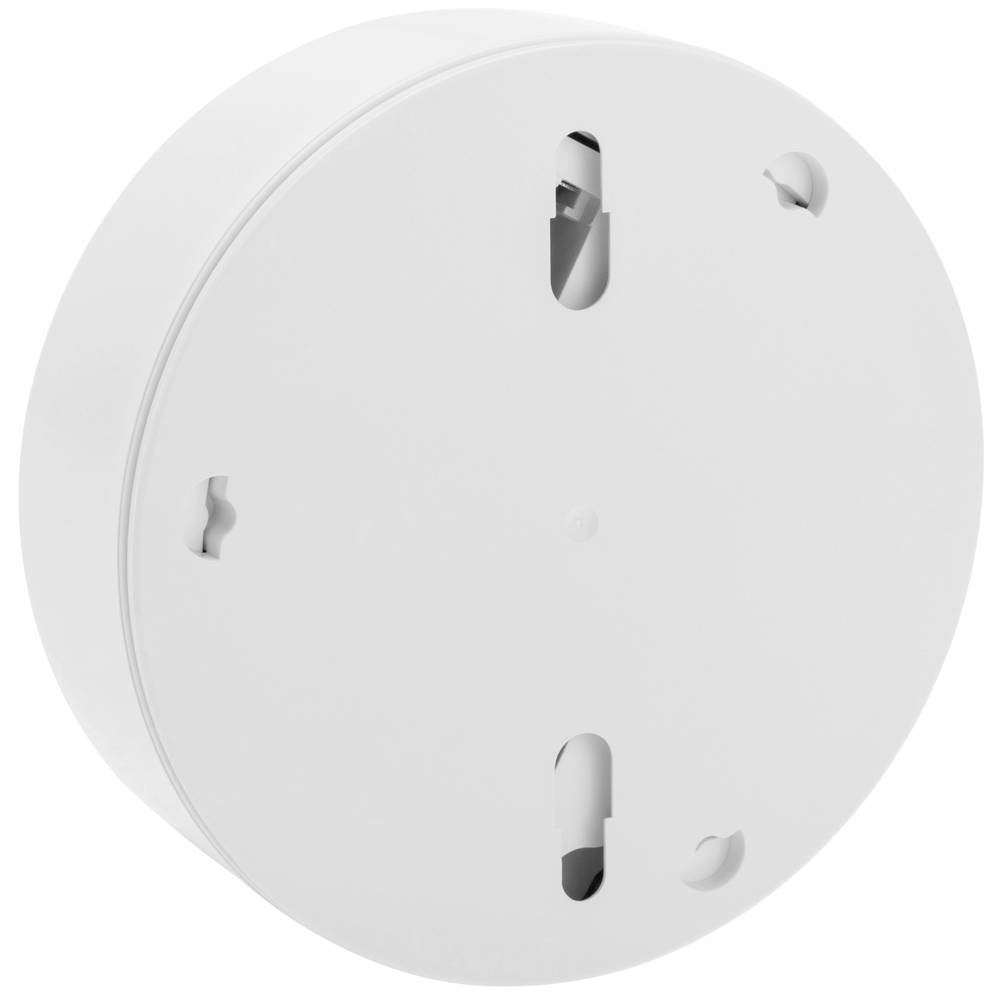
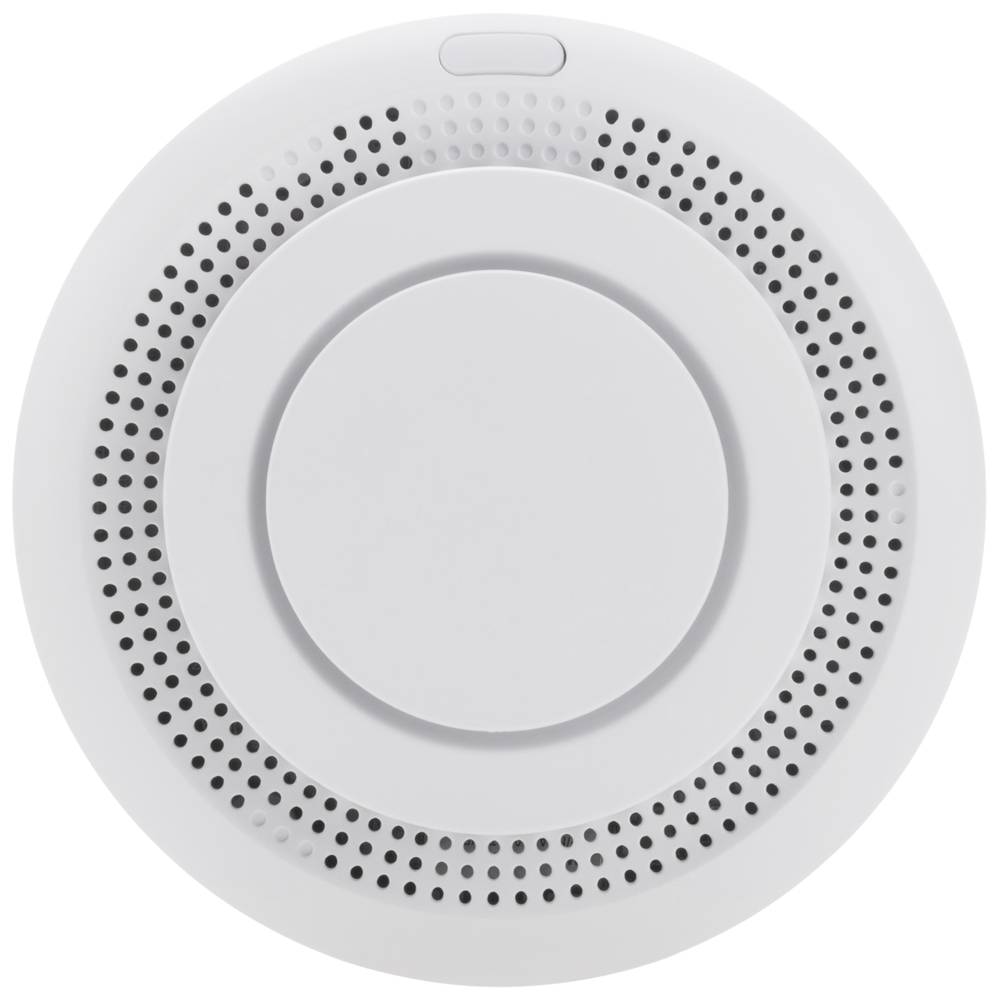
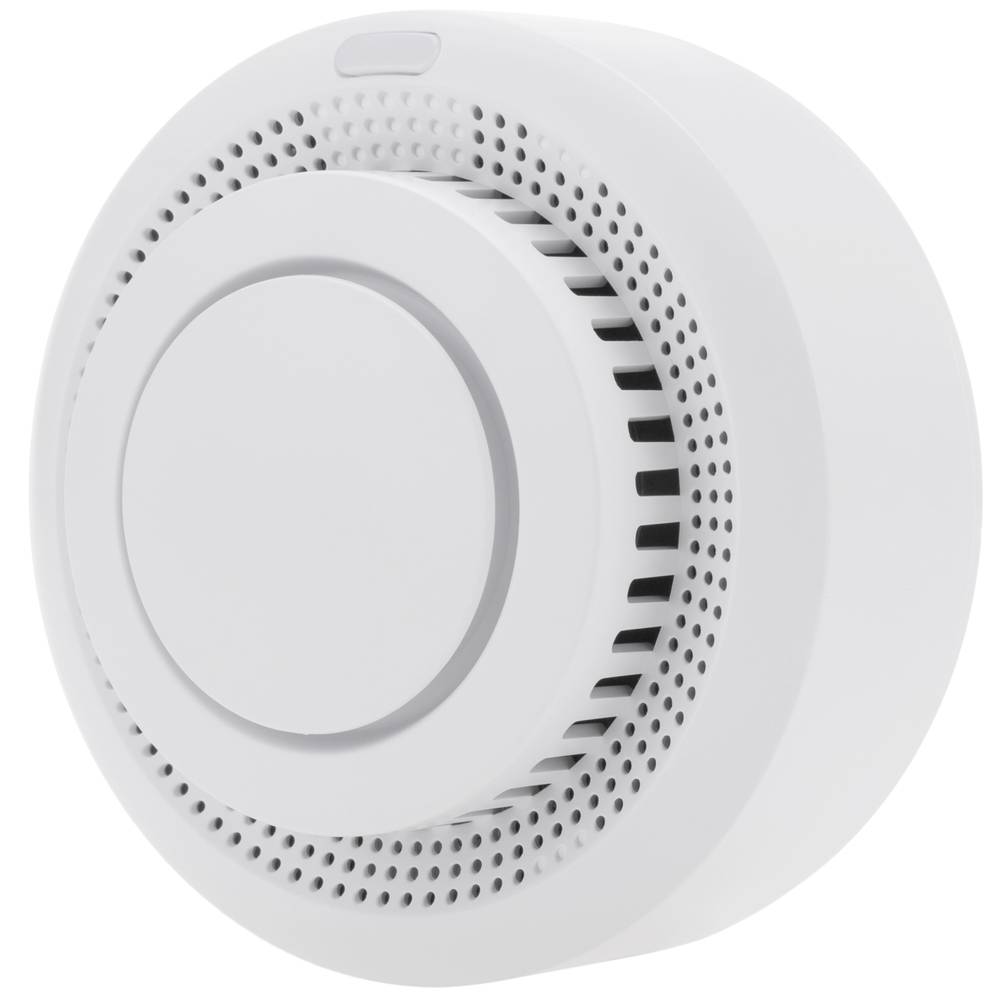
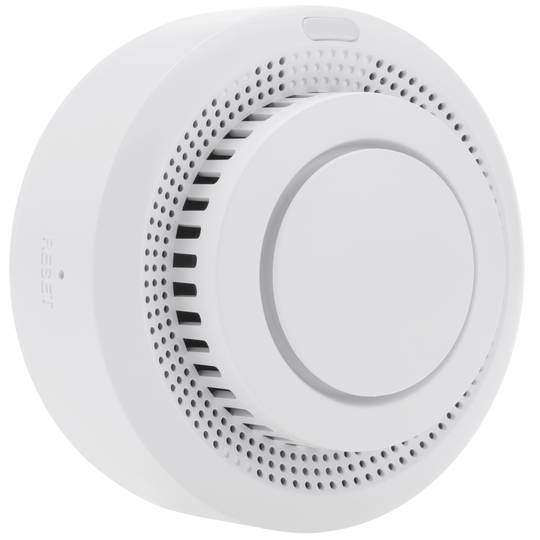
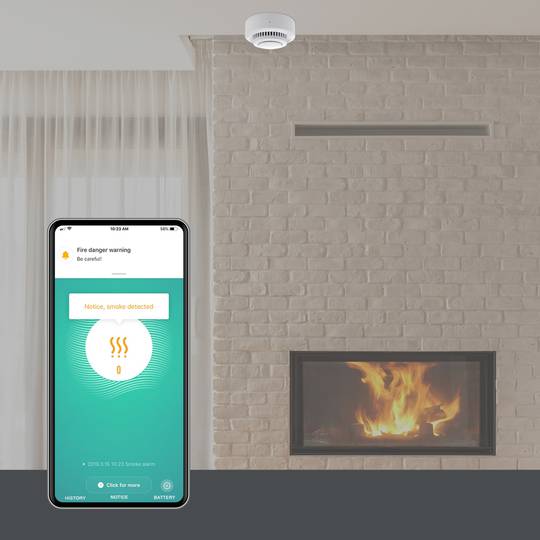
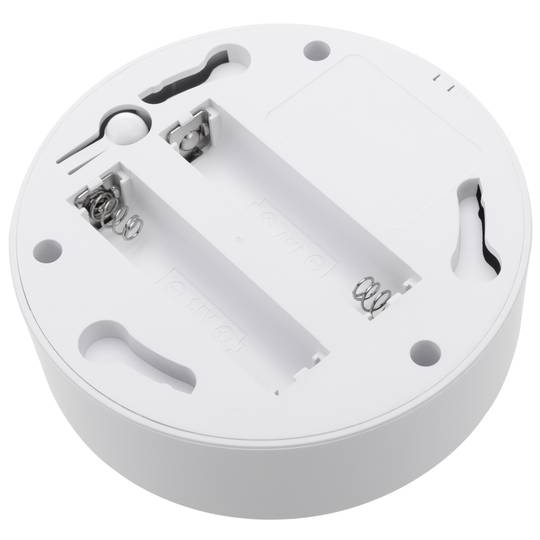
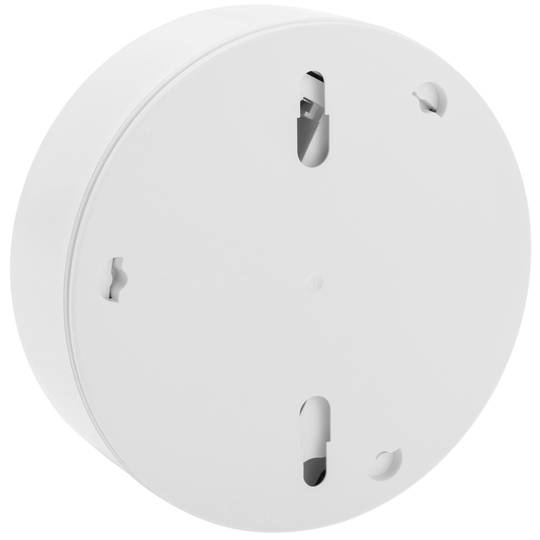
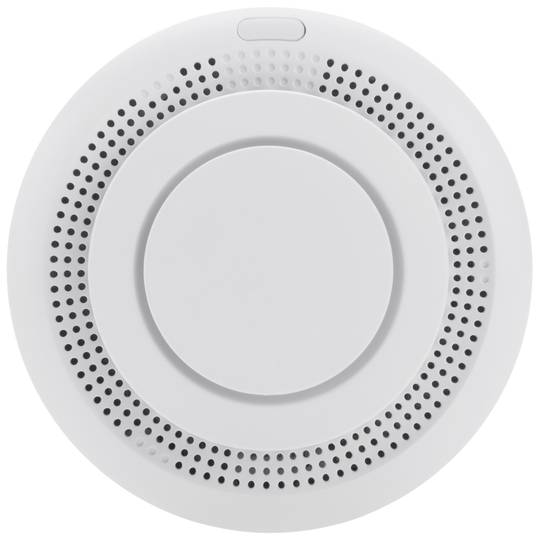
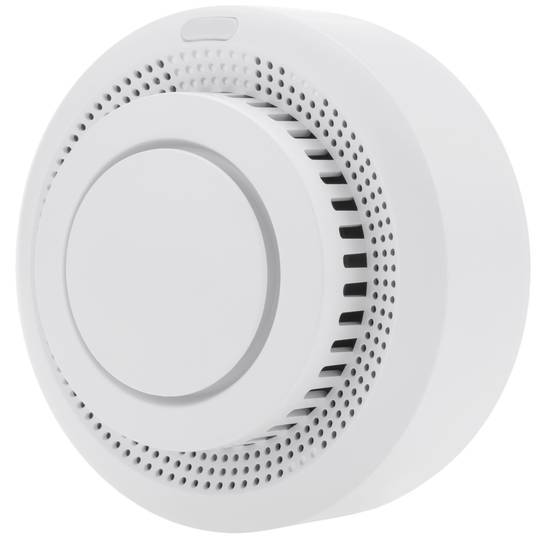
- Smart, photoelectric WiFi smoke detector, in white, compatible with Google Home, Alexa and IFTTT.
- Allows you to manage the on / off of the device that is connected through the WiFi network.
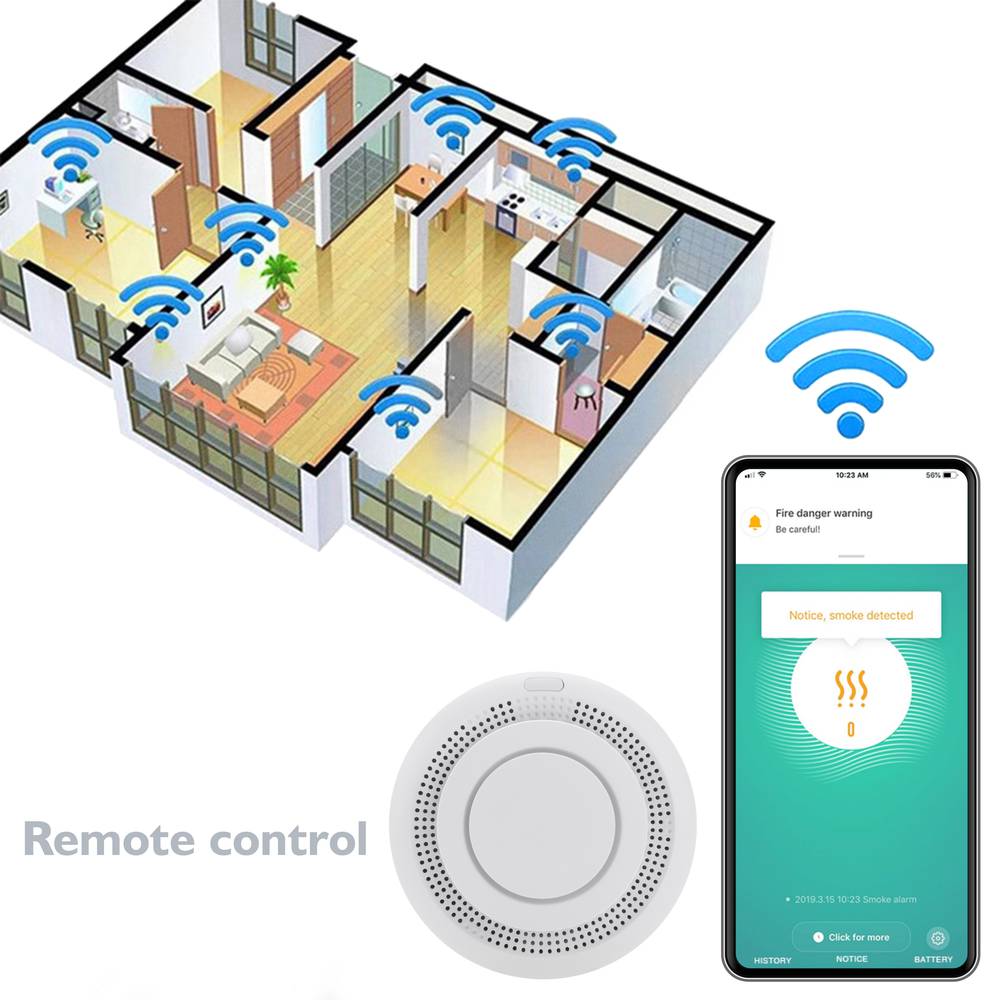
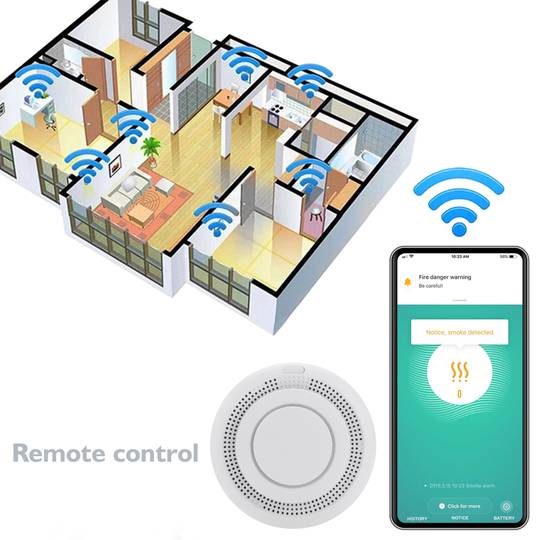
- Through the App, it is possible to program the device's on / off times and its management both in the local network and through the Internet.
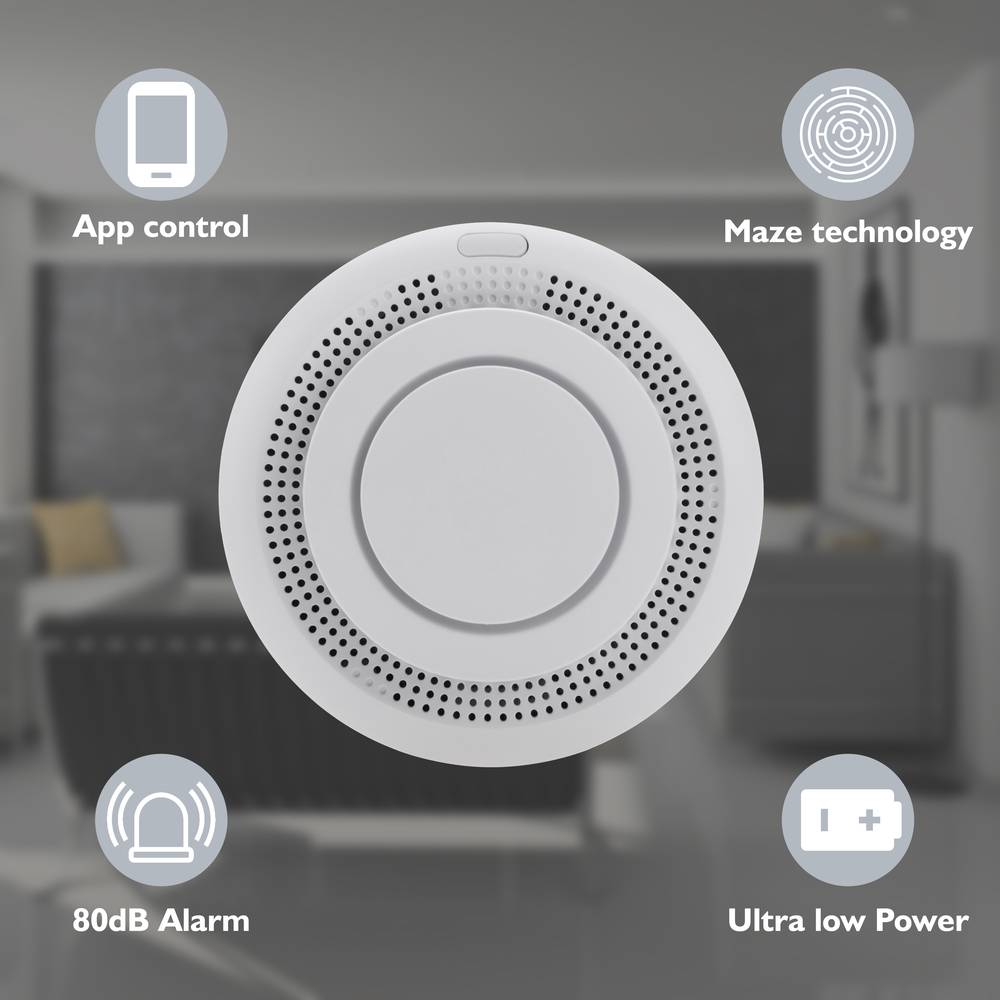
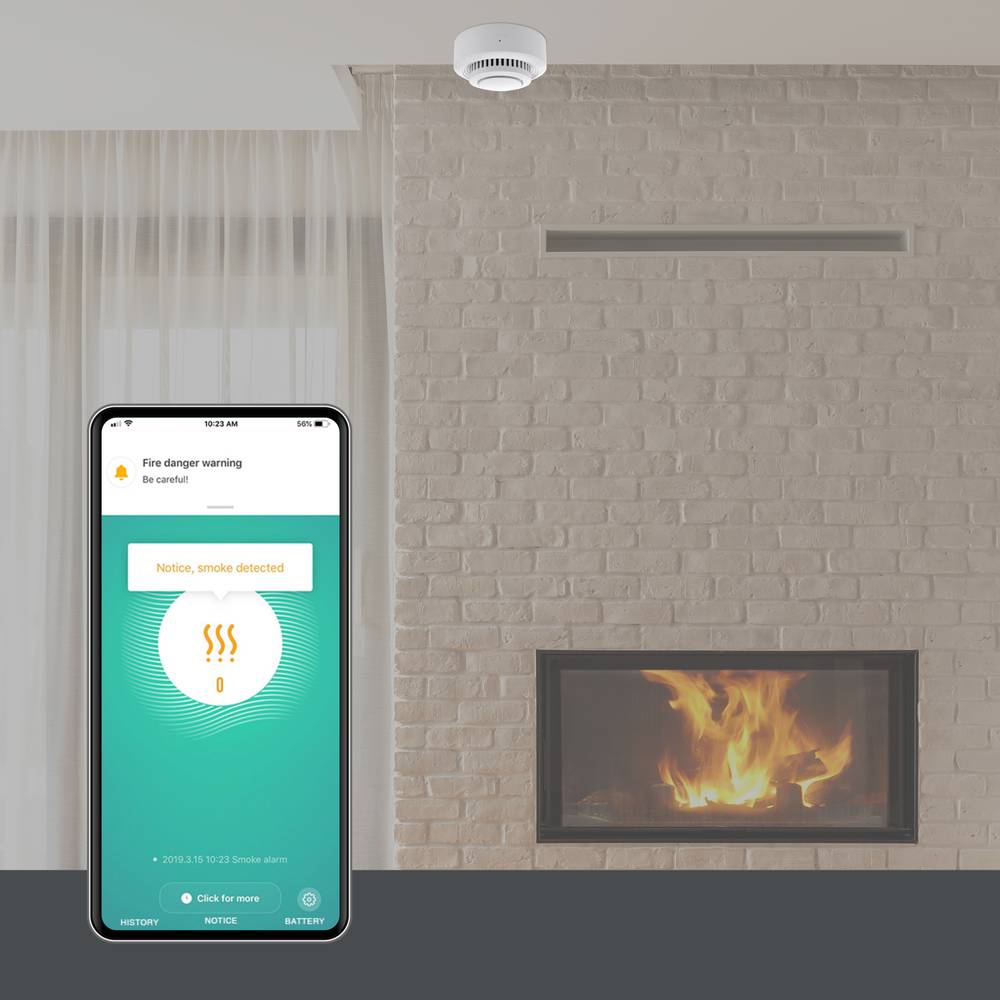
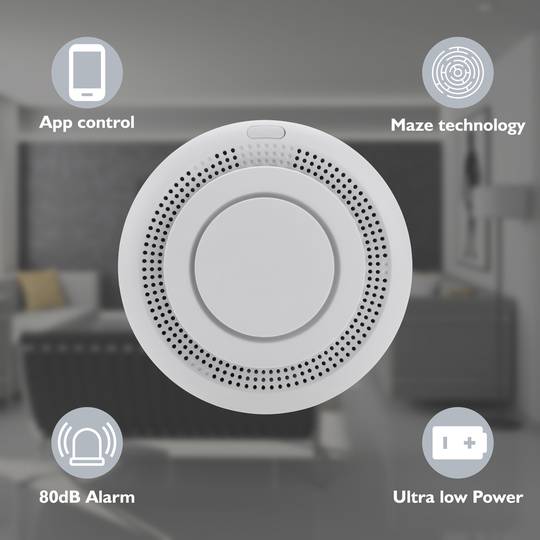
- It incorporates an alarm and an LED that lights up when identifying the presence of smoke.
- Compatible with 2.4 GHz IEE 802.11 b / g / n wireless standard.
![play_button]() Watch video
Watch video
More info
 Watch video
PVP
€17.55
Price including VAT:
€17.55
PVD
€17.06
PVP: Retail price.
Check conditions.
PVP: Sale price to distributors.
Check conditions.
 2 years
warranty
 14 days
returns
 100%
100%safe
We will notify you when it is back in stock.
Specifications
- Smart, photoelectric WiFi smoke detector, in white, compatible with Google Home, Alexa and IFTTT.
- Allows you to manage the on / off of the device that is connected through the WiFi network.
- Through the App, it is possible to program the device's on / off times and its management both in the local network and through the Internet.
- It incorporates an alarm and an LED that lights up when identifying the presence of smoke.
- Compatible with 2.4 GHz IEE 802.11 b / g / n wireless standard.

Keywords
Did not find what you were looking for? These topic could help you
Purchased together regularly

More info
Devices for the intelligent management and automation of different electronic devices, executing actions either locally or through the Internet. Through Wi-Fi wireless technology, it allows you to open, close, turn off, turn on electrical appliances, regulate lighting elements, air conditioning, blinds, awnings, doors, curtains, water supply, gas, electricity, etc. centralized in a server in the cloud and controlled by a mobile application, it manages the different sensors or home automation devices in a simple way. Compatible with IFTTT, smart speakers like Google Home and Alexa.
specs
- Smart, photoelectric WiFi smoke detector, in white, compatible with Google Home, Alexa and IFTTT.
- Allows you to manage the on / off of the device that is connected through the WiFi network.
- Through the App, it is possible to program the device's on / off times and its management both in the local network and through the Internet.
- It incorporates an alarm and an LED that lights up when identifying the presence of smoke.
- Compatible with 2.4 GHz IEE 802.11 b / g / n wireless standard.
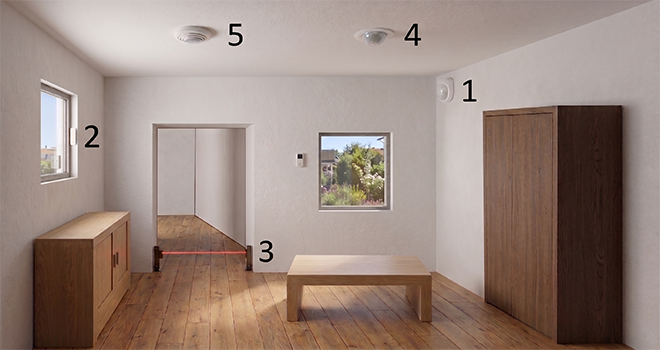
- Detection capacity in premises of a maximum of 20 m². Ideal for installation on the roofs of houses, living rooms, cafes, theaters, cinemas, dance halls, etc.
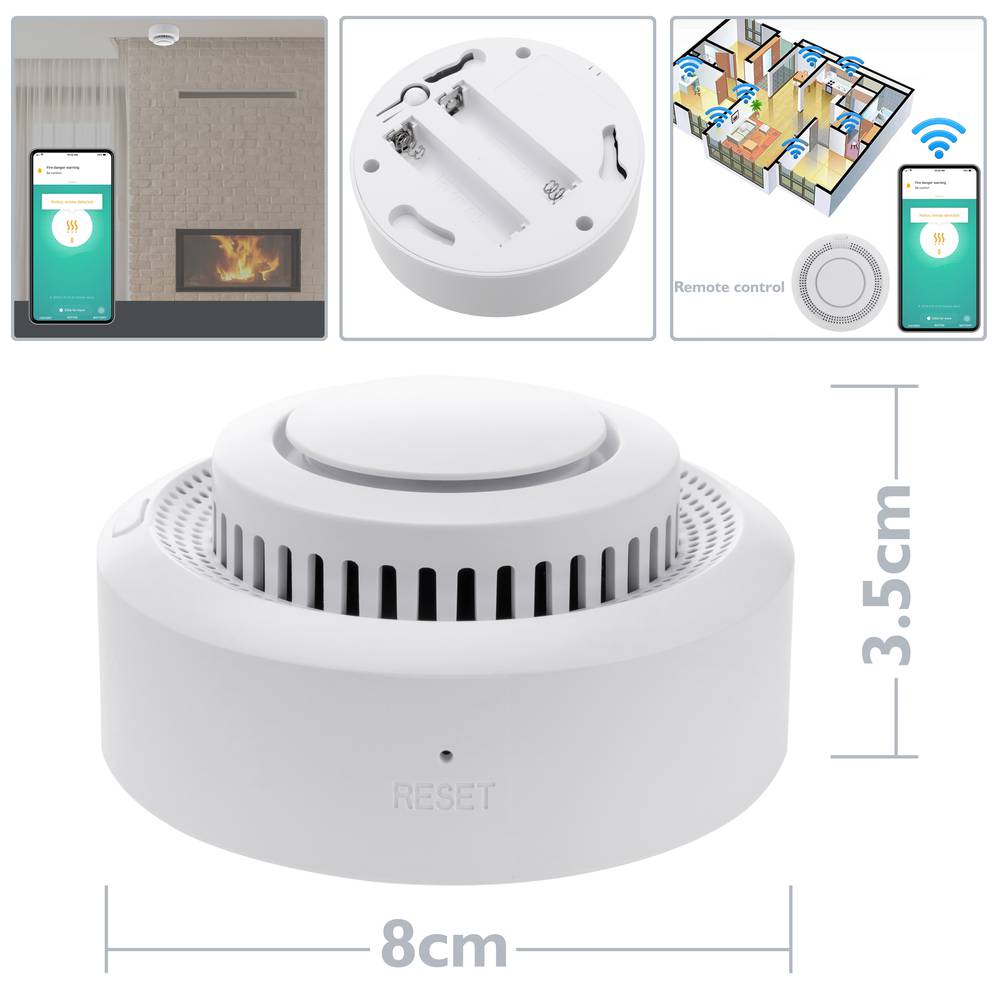
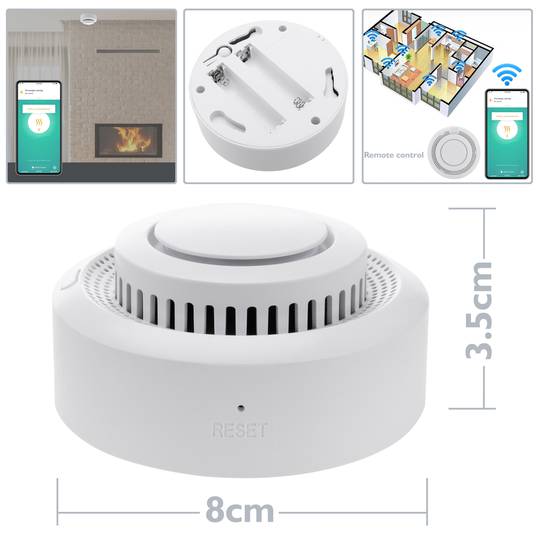
- Dimensions: 80 x 35 mm (diameter x height).
- Gross Weight: 150 g
- Product size (width x depth x height): 8.0 x 8.0 x 3.5 cm
- Number of packages: 1
- Packages size: 9.0 x 8.5 x 5.0 cm
Technical terms
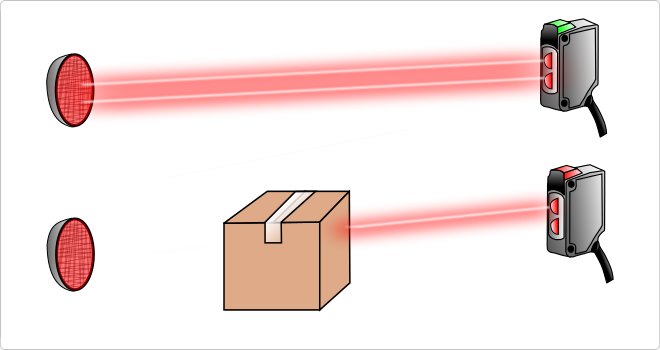
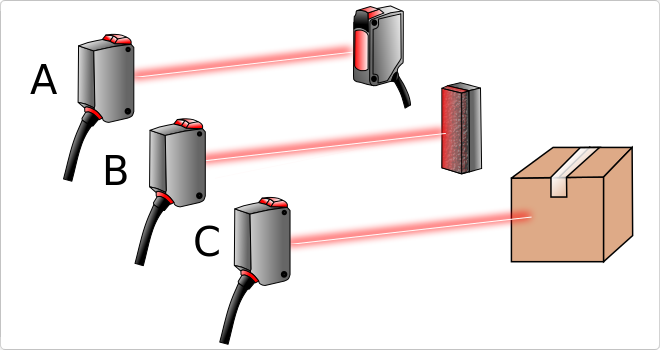
- Retro-reflective photocells with reflector
- Hz
- Wifi
- Types of photoelectric sensors
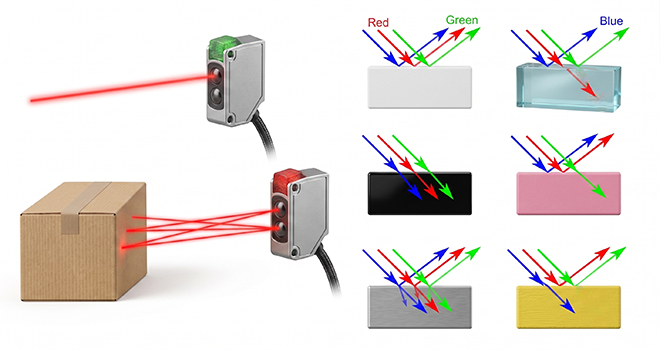
- Self-reflective photocells
- Movement detector
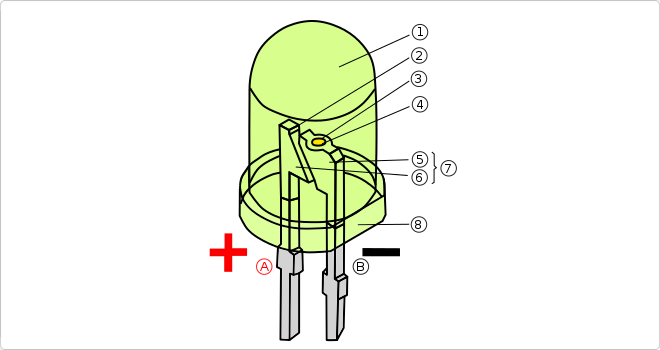
- LED
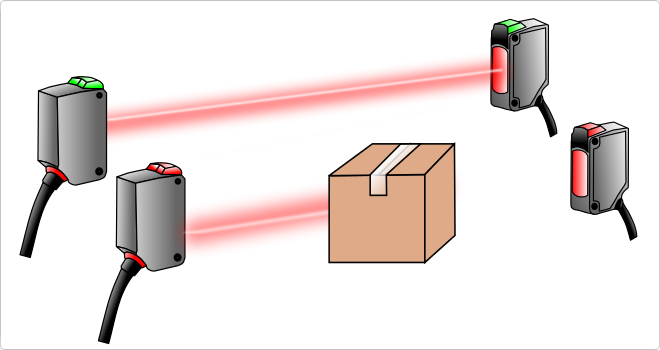
- Barrier Photocells
Retro-reflective photocells with reflector
They are identical to diffuse-reflective photocells, their transmitter and receiver are located in a single device, thus minimizing installation time as it is not necessary to power a transmitter module and a receiver module separately. Another advantage of these types of photocells is that thanks to their reflector, fairly long sensing distances can be achieved; however, they do not reach the range that through-beam types can achieve.
Their operation is simple and you have surely seen them installed in elevators or parking garage doors.
The device emits a beam of light toward a reflector, this reflector bounces the light back toward the transmitter, which will be in charge of performing the action.
Unlike diffuse-reflective sensing cells, they are not guided by the color of the object, but by its degree of opacity. The module emits a beam of light toward a reflector, this reflector bounces the light and the receiver receives it again; if an object crosses between the reflector and the emitter, the light is cut off by the object and the receiver does not receive the light.
If, on the contrary, the object were transparent or translucent, it would let this light beam pass through and the photocell would not detect the object.
The same can happen with shiny or polished objects, as these can act as the reflector, emitting return light; this is why it is necessary to evaluate beforehand which type of photocell to install according to the case and object to be detected. To avoid this, there is a type of cell that has a polarized filter, which helps to attenuate this reflection and minimize potential detection errors.
Thanks to this type of polarized photocell, it is possible to detect almost transparent objects or shiny objects that may emit unwanted reflections.
Their operation is simple and you have surely seen them installed in elevators or parking garage doors.
The device emits a beam of light toward a reflector, this reflector bounces the light back toward the transmitter, which will be in charge of performing the action.
Unlike diffuse-reflective sensing cells, they are not guided by the color of the object, but by its degree of opacity. The module emits a beam of light toward a reflector, this reflector bounces the light and the receiver receives it again; if an object crosses between the reflector and the emitter, the light is cut off by the object and the receiver does not receive the light.
If, on the contrary, the object were transparent or translucent, it would let this light beam pass through and the photocell would not detect the object.
The same can happen with shiny or polished objects, as these can act as the reflector, emitting return light; this is why it is necessary to evaluate beforehand which type of photocell to install according to the case and object to be detected. To avoid this, there is a type of cell that has a polarized filter, which helps to attenuate this reflection and minimize potential detection errors.
Thanks to this type of polarized photocell, it is possible to detect almost transparent objects or shiny objects that may emit unwanted reflections.