

06/01/2026 9:51 p.m.
https://cablematic.com/en/products/2-rechargeable-batteries-18650-37v-2200mah-YZ060/
https://cablematic.com/en/products/2-rechargeable-batteries-18650-37v-2200mah-YZ060/

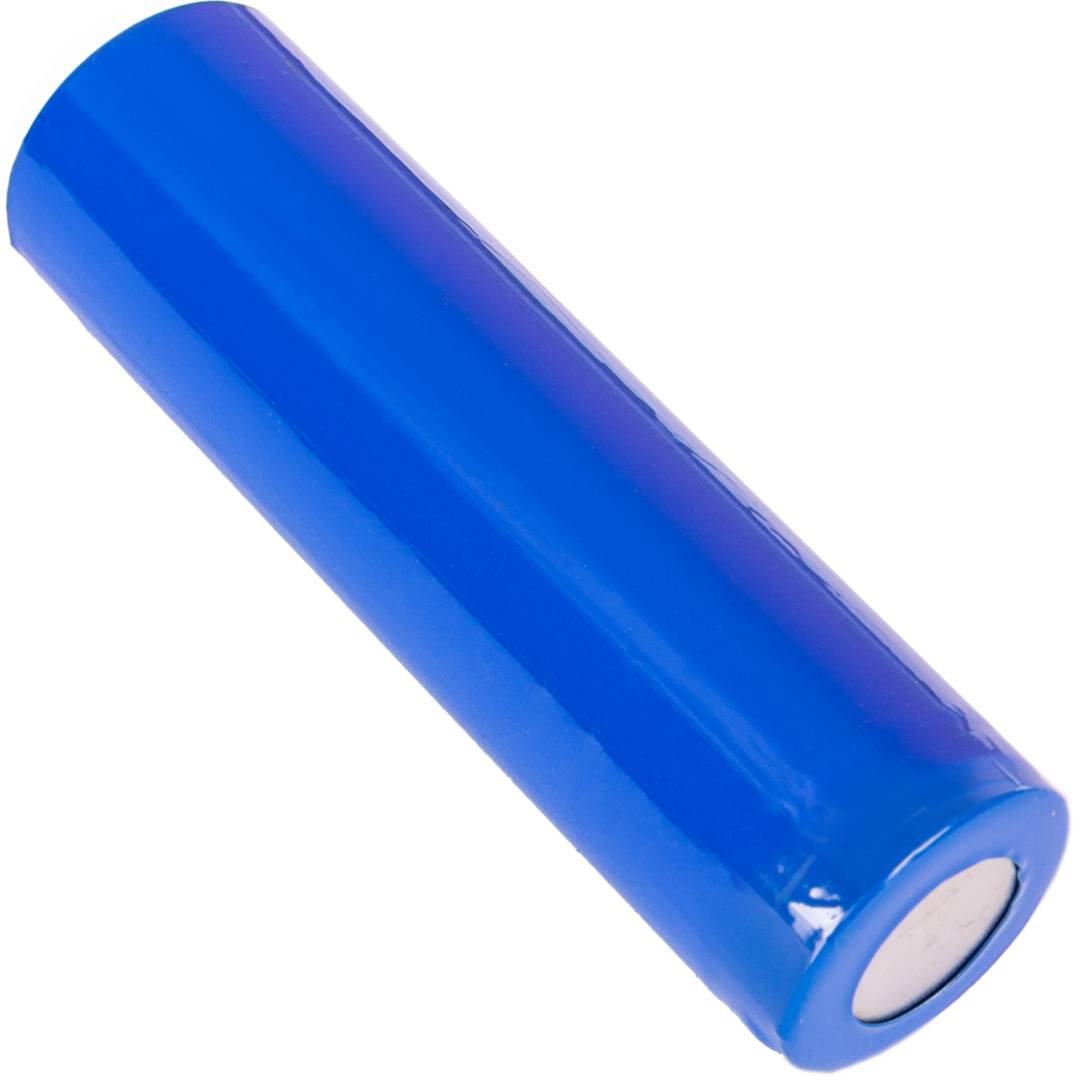
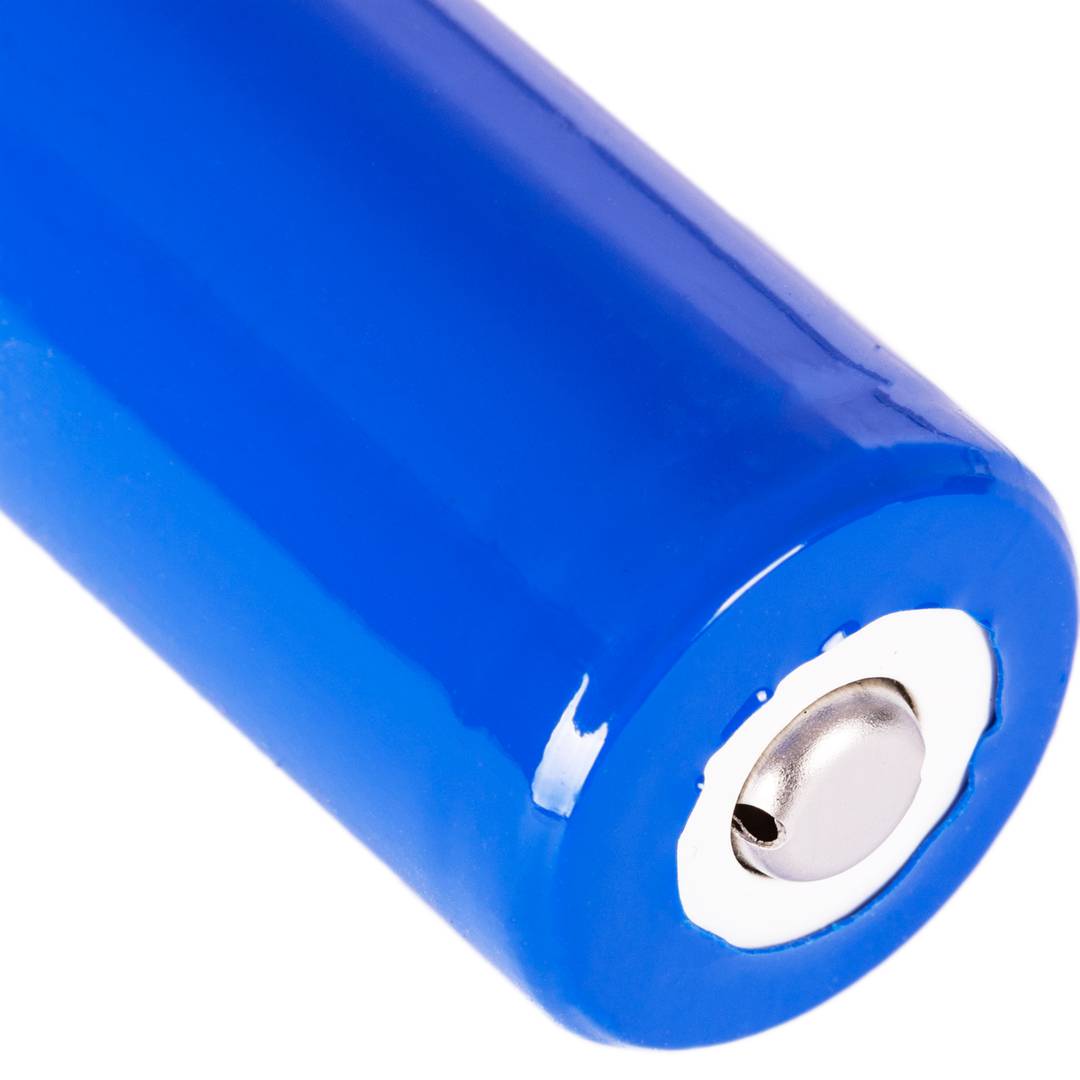
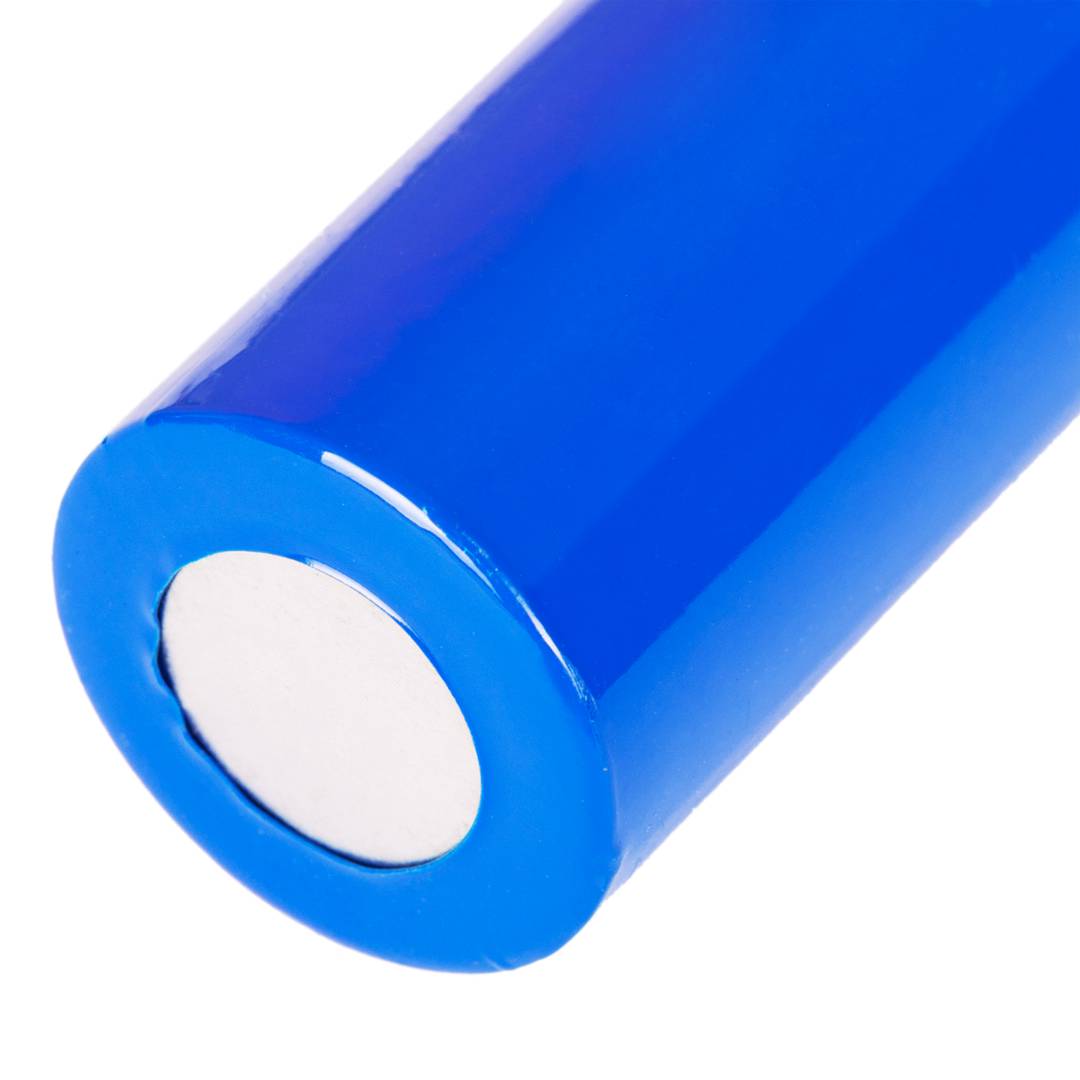


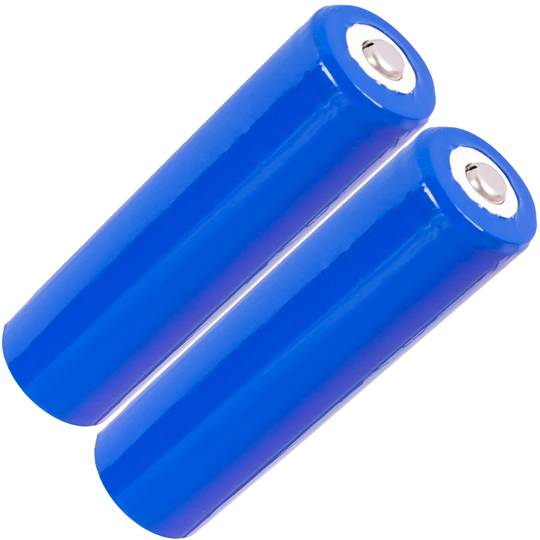
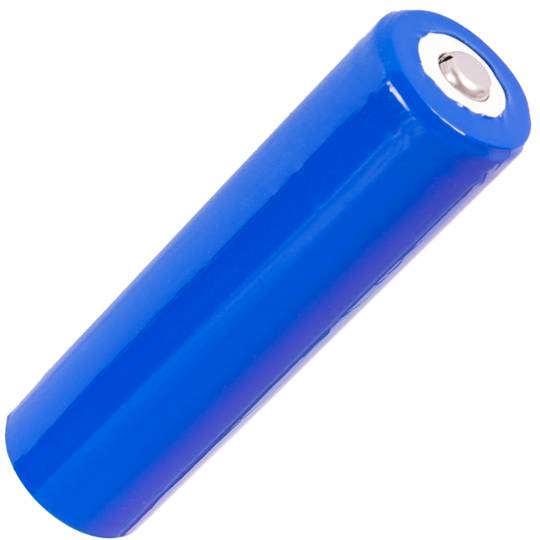
2 rechargeable batteries 18650 3.7V 2200mAh
2 rechargeable batteries 18650 3.7V 2200mAh
REF: YZ060

Specifications
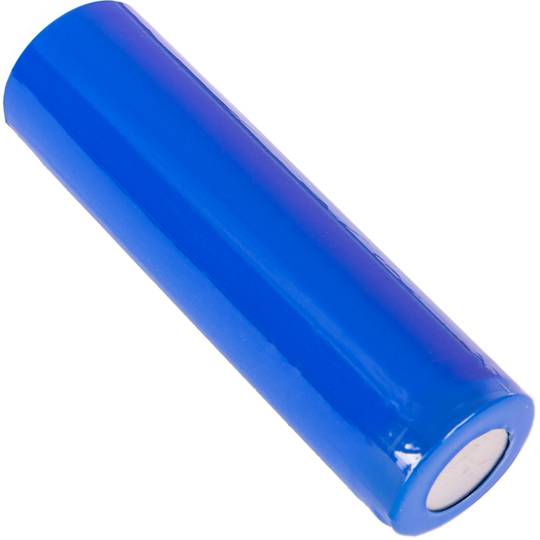
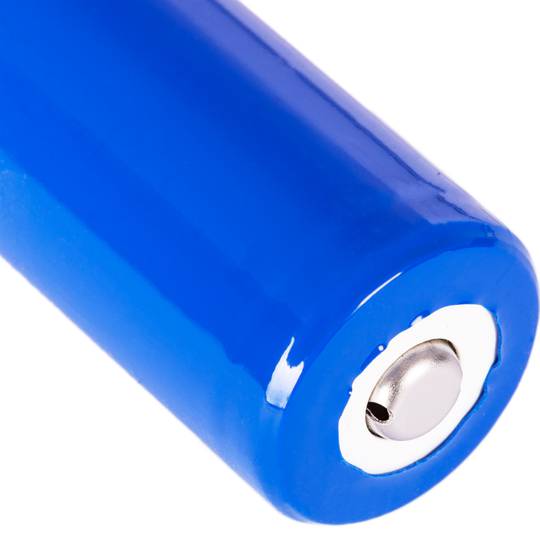
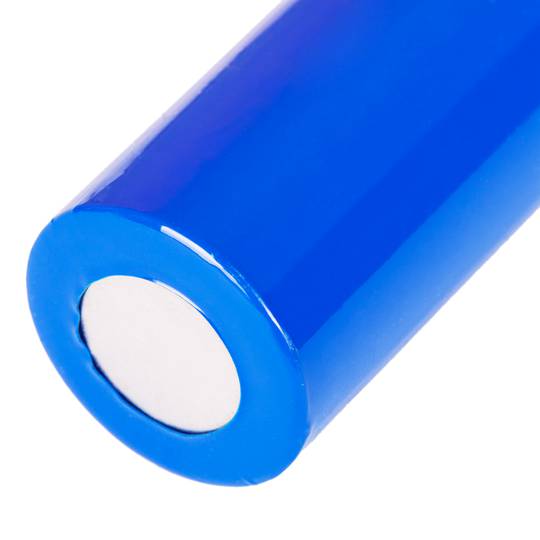
- 18650 format rechargeable battery.
- Pack of 2 units.
- Li-Ion (lithium ion) battery that allows a charge of 2200 mAh.
- Supplies voltage of 3.7V.
- Color blue.
![play_button]() Watch video
Watch video
More info
 Watch video
PVP
€14.35
Price including VAT:
€14.35
PVD
€11.54
PVP: Retail price.
Check conditions.
PVP: Sale price to distributors.
Check conditions.
 2 years
warranty
 14 days
returns
 100%
100%safe
We will notify you when it is back in stock.
Specifications
- 18650 format rechargeable battery.
- Pack of 2 units.
- Li-Ion (lithium ion) battery that allows a charge of 2200 mAh.
- Supplies voltage of 3.7V.
- Color blue.
Related products

Keywords
Did not find what you were looking for? These topic could help you
Purchased together regularly
More info
Pack of 2 rechargeable batteries in 18650 format. Li-Ion (lithium ion) battery that allows a charge of 2200 mAh. Supplies voltage of 3.7V. The 18650 battery is a rechargeable lithium ion battery, known for its high energy density, long life and low self-discharge. It has a diameter of 18 mm and a length of 65 mm, with a capacity of 2200 mAh and a nominal voltage of 3.7V. It is used in portable electronic devices or energy storage systems. It offers advantages such as high capacity, ability to handle high discharge currents, and long life. However, it requires specific handling and chargers to ensure safety, avoiding overcharges, overdischarges and short circuits.
Specifications
- 18650 format rechargeable battery.
- Pack of 2 units.
- Li-Ion (lithium ion) battery that allows a charge of 2200 mAh.
- Supplies voltage of 3.7V.
- Color blue.
- Measurements (diameter x length): 18 x 65 mm.
- Gross Weight: 100 g
- Product size (width x depth x height): 6.8 x 3.8 x 3.8 cm
- Number of packages: 1
- Packages size: 7.0 x 4.0 x 2.0 cm
Technical terms
- Lithium batteries
- Battery charging cycles
Lithium batteries
Li-Ion or Lithium batteries are one of the most common batteries used today.
We can find this type of battery in mobile phones, wireless headphones, UPS, smartwatches, cars, etc.
Lithium is a very light metal capable of generating ions easily, making it ideal for the manufacture of batteries.
Unlike other types of batteries, they are a bit more expensive, but in return, they are much smaller and lighter, capable of doubling the duration of a Ni-Cd battery.
Thanks to their composition, they can be manufactured in different shapes, adapting to the device where they are to be located, and their low memory effect makes them ideal for any type of device.
Summarizing their positive points:
We can find this type of battery in mobile phones, wireless headphones, UPS, smartwatches, cars, etc.
Lithium is a very light metal capable of generating ions easily, making it ideal for the manufacture of batteries.
Unlike other types of batteries, they are a bit more expensive, but in return, they are much smaller and lighter, capable of doubling the duration of a Ni-Cd battery.
Thanks to their composition, they can be manufactured in different shapes, adapting to the device where they are to be located, and their low memory effect makes them ideal for any type of device.
Summarizing their positive points:
- Easy to find
- Many different sizes and shapes
- Small size
- Lightweight
- Capable of accumulating more charge
- Less memory effect
- Long lasting
- Low self-discharge rate.
- Lifespan of about 3 years.
- Limited number of charges, between 300 and 1000.
- They are more expensive.
- They can overheat to the point of exploding.
- Poorer performance in cold conditions.
- Highly variable voltage.
- Lithium-ion polymer batteries.
- Lithium iron phosphate (LiFePO4).
- Olivine-type lithium iron phosphate batteries.
| BATTERY TYPE | NI-CD | NI-MH | LI-ION | LI-PO |
| Charging time | 10 to 14 hours | 2 to 4 hours | 2 to 4 hours | 1 to 1.5 hours |
| Discharge time/month | 30.00 % | 20.00 % | 6.00 % | 6.00 % |
| Number of recharges | approx. 500 | approx. 1000 | approx. 4000 | approx. 5000 |
| Discharge | Necessary | Recommended | Failure at 2.5 v | Failure at 2.5 v |
| Overcharge | Supported | NOT recommended | Supported | Supported |
| Power/kilo | 50 Wh/kg | 70 Wh/Kg | 110-160 Wh/Kg | 100-130 Wh-Kg |
| Memory effect | Very High | Low | None | None |
| Ah (Ampere hours) | 0.5 – 1Ah | 0.5 – 10 Ah | - | - |
| Voltage per cell | 1.2 V | 1.2 V | 3.7 V | 3.7 V |