

09/26/2026 9:30 p.m.
https://cablematic.com/en/products/black-decker-bdcd8-qw-72v-ultra-compact-driver-drill-BD157/
https://cablematic.com/en/products/black-decker-bdcd8-qw-72v-ultra-compact-driver-drill-BD157/
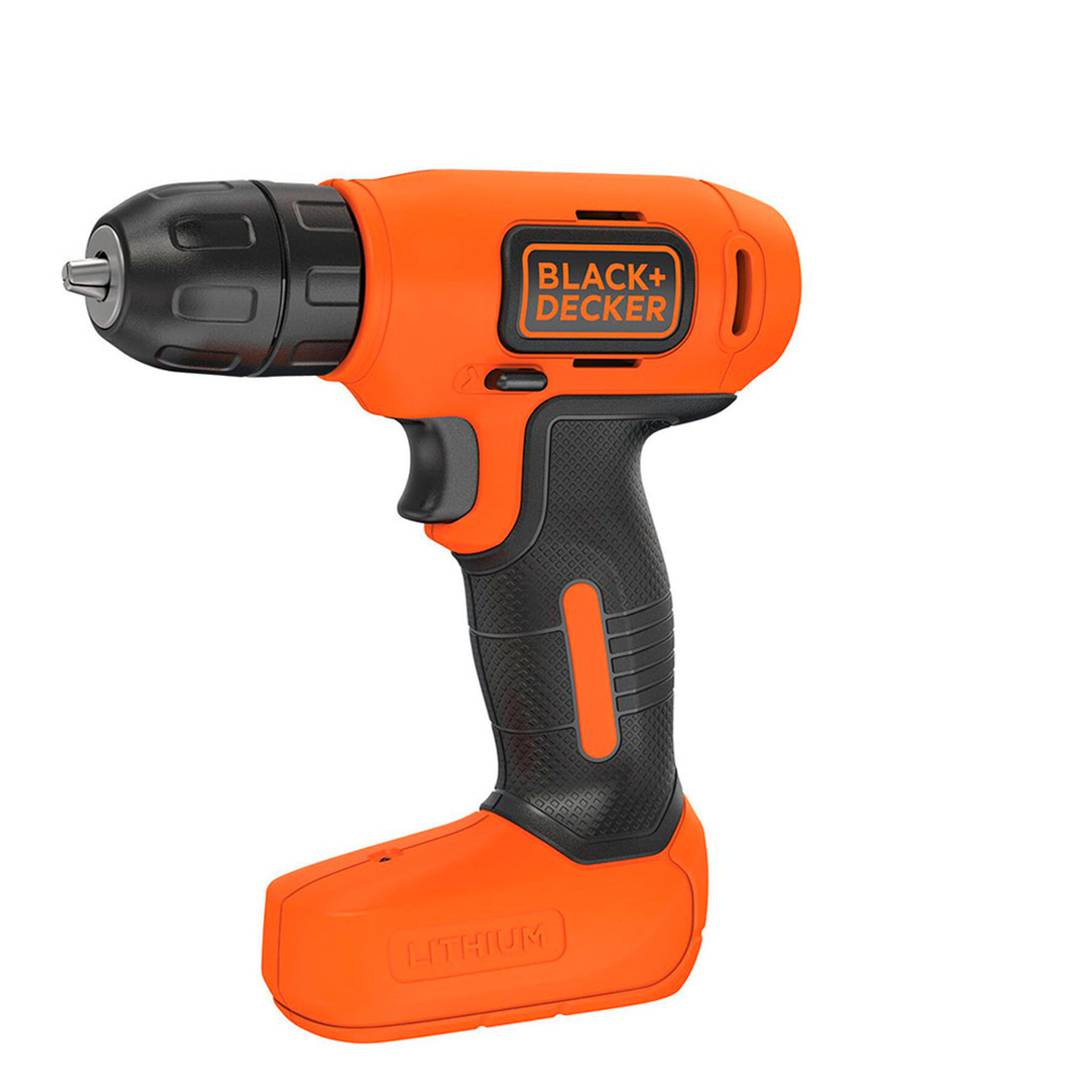

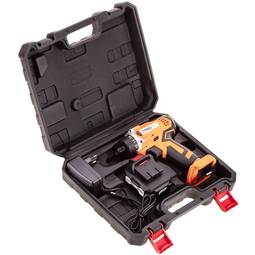
Black & Decker BDCD8-QW 7.2V Ultra Compact Driver-Drill
Black & Decker BDCD8-QW 7.2V Ultra Compact Driver-Drill
REF: BD157
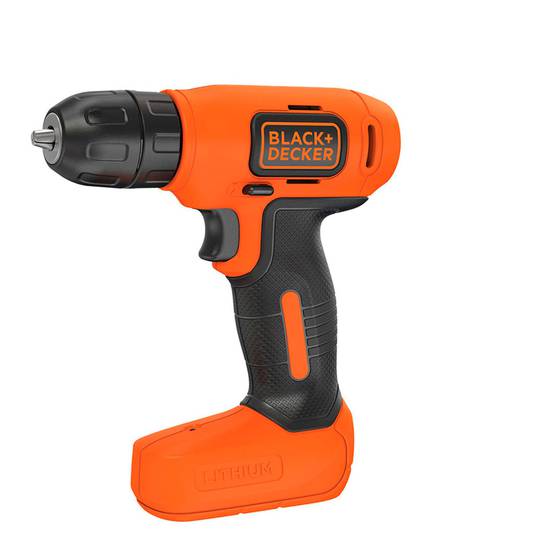
Specifications
- Power: 7.2V and 1.5A
- reversible function
- 10mm chuck
- Drilling capacity: 20mm in wood and 10mm in steel
- Speed: 400rpm
PVP
€43.24
Price including VAT:
€43.24
PVD
€40.24
PVP: Retail price.
Check conditions.
PVP: Sale price to distributors.
Check conditions.
 2 years
warranty
 14 days
returns
 100%
100%safe
We will notify you when it is back in stock.
Specifications
- Power: 7.2V and 1.5A
- reversible function
- 10mm chuck
- Drilling capacity: 20mm in wood and 10mm in steel
- Speed: 400rpm
Related products
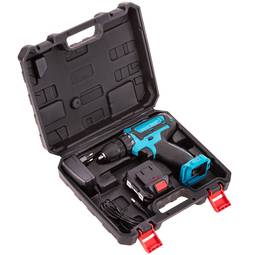
More info
The Ultra Compact Drill Driver is a lightweight and handy tool that will help you with DIY and repair tasks. With a power of 7.2V and 1.5A, it has a drilling capacity of 20mm in wood and 10mm in steel. It is equipped with a reversible function, a 10mm chuck, a speed of 400rpm and a charge indicator LED light. It has a rechargeable lithium battery through a micro USB charger in 3 hours. It is ideal for those looking for a quality, robust and versatile tool. Thanks to its compact and lightweight design, it is easy to transport and handle. It is made of durable and resistant materials to give you a long service life. Allows drilling, screwdriving, reverse screwdriving and unscrewing tasks. Its compact design and excellent performance will allow you to work accurately and quickly. Manufactured by Black & Decker, with reference BDCD8-QW.
Specifications
- Power: 7.2V and 1.5A
- reversible function
- 10mm chuck
- Drilling capacity: 20mm in wood and 10mm in steel
- Speed: 400rpm
- micro usb charger
- Charge in 3h
- LED charge indicator light
- Lithium battery
- ultra compact and lightweight
- Made with durable and resistant materials
- Ideal for drilling, screwdriving, reverse-driving and unscrewing
- Gross Weight: 818 g
- Number of packages: 1
Technical terms
- Lithium batteries
- Battery charging cycles
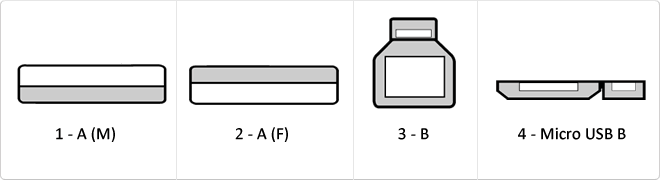
- USB
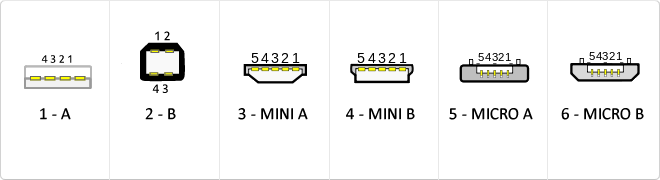
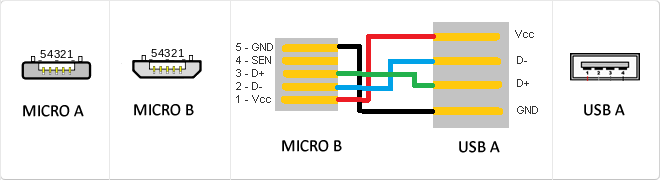
- MicroUSB
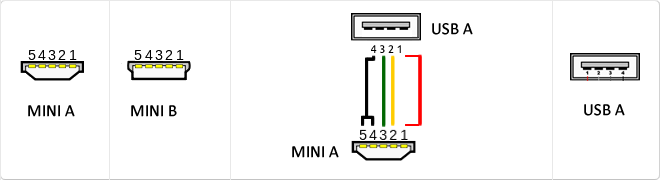
- Mini USB
- USB 3.0
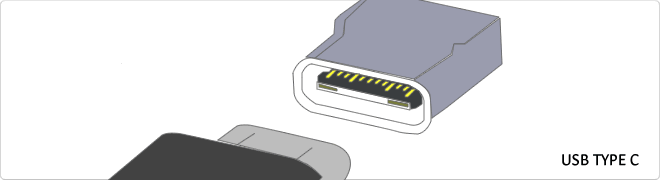
- Reversible USB Type-C
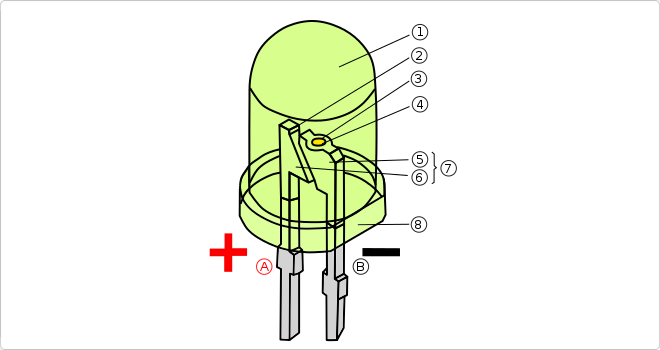
- LED
Lithium batteries
Li-Ion or Lithium batteries are one of the most common batteries used today.
We can find this type of battery in mobile phones, wireless headphones, UPS, smartwatches, cars, etc.
Lithium is a very light metal capable of generating ions easily, making it ideal for the manufacture of batteries.
Unlike other types of batteries, they are a bit more expensive, but in return, they are much smaller and lighter, capable of doubling the duration of a Ni-Cd battery.
Thanks to their composition, they can be manufactured in different shapes, adapting to the device where they are to be located, and their low memory effect makes them ideal for any type of device.
Summarizing their positive points:
We can find this type of battery in mobile phones, wireless headphones, UPS, smartwatches, cars, etc.
Lithium is a very light metal capable of generating ions easily, making it ideal for the manufacture of batteries.
Unlike other types of batteries, they are a bit more expensive, but in return, they are much smaller and lighter, capable of doubling the duration of a Ni-Cd battery.
Thanks to their composition, they can be manufactured in different shapes, adapting to the device where they are to be located, and their low memory effect makes them ideal for any type of device.
Summarizing their positive points:
- Easy to find
- Many different sizes and shapes
- Small size
- Lightweight
- Capable of accumulating more charge
- Less memory effect
- Long lasting
- Low self-discharge rate.
- Lifespan of about 3 years.
- Limited number of charges, between 300 and 1000.
- They are more expensive.
- They can overheat to the point of exploding.
- Poorer performance in cold conditions.
- Highly variable voltage.
- Lithium-ion polymer batteries.
- Lithium iron phosphate (LiFePO4).
- Olivine-type lithium iron phosphate batteries.
| BATTERY TYPE | NI-CD | NI-MH | LI-ION | LI-PO |
| Charging time | 10 to 14 hours | 2 to 4 hours | 2 to 4 hours | 1 to 1.5 hours |
| Discharge time/month | 30.00 % | 20.00 % | 6.00 % | 6.00 % |
| Number of recharges | approx. 500 | approx. 1000 | approx. 4000 | approx. 5000 |
| Discharge | Necessary | Recommended | Failure at 2.5 v | Failure at 2.5 v |
| Overcharge | Supported | NOT recommended | Supported | Supported |
| Power/kilo | 50 Wh/kg | 70 Wh/Kg | 110-160 Wh/Kg | 100-130 Wh-Kg |
| Memory effect | Very High | Low | None | None |
| Ah (Ampere hours) | 0.5 – 1Ah | 0.5 – 10 Ah | - | - |
| Voltage per cell | 1.2 V | 1.2 V | 3.7 V | 3.7 V |