

09/27/2026 12:50 p.m.
https://cablematic.com/en/products/brightening-led-lighting-kit-5w-fiber-optic-illuminator-rgb-200-fibers-075-mm-length-25-m-FC001/
https://cablematic.com/en/products/brightening-led-lighting-kit-5w-fiber-optic-illuminator-rgb-200-fibers-075-mm-length-25-m-FC001/
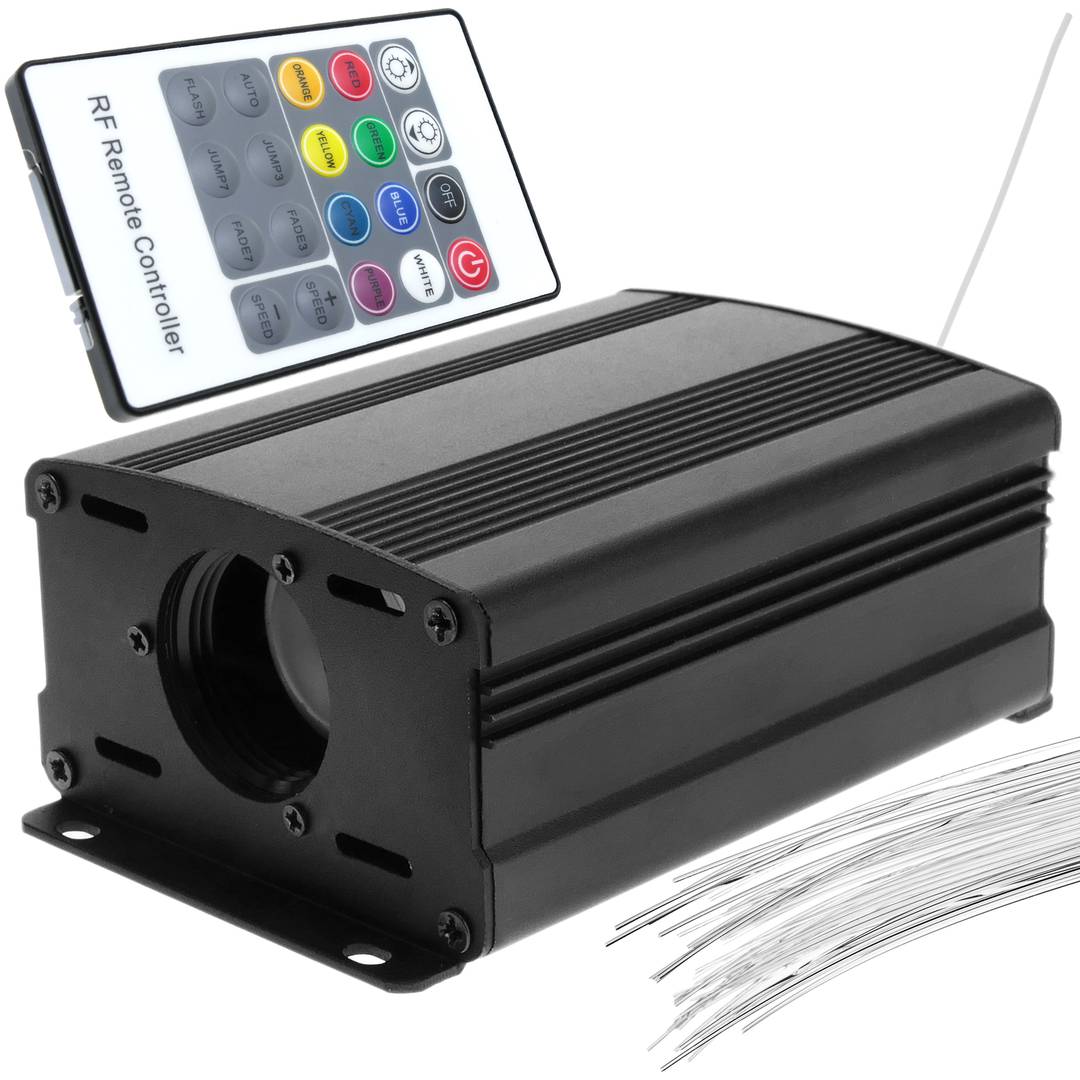



Brightening LED lighting kit 5W fiber optic illuminator RGB 200 fibers 0.75 mm length 2.5 m
Brightening LED lighting kit 5W fiber optic illuminator RGB 200 fibers 0.75 mm length 2.5 m
REF: FC001

Specifications
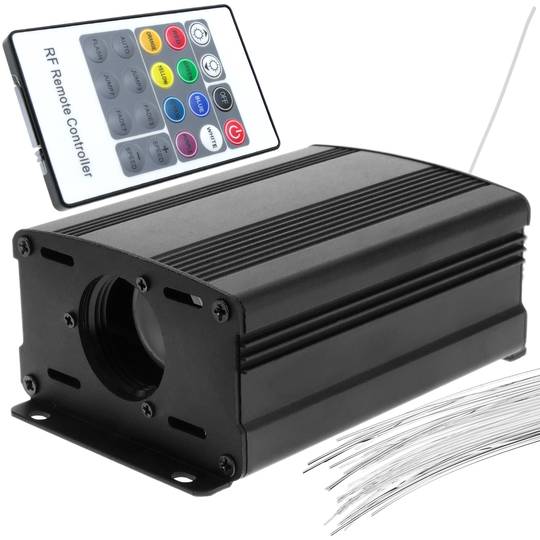
- 5W RGB LED illuminator with radio frequency remote control.
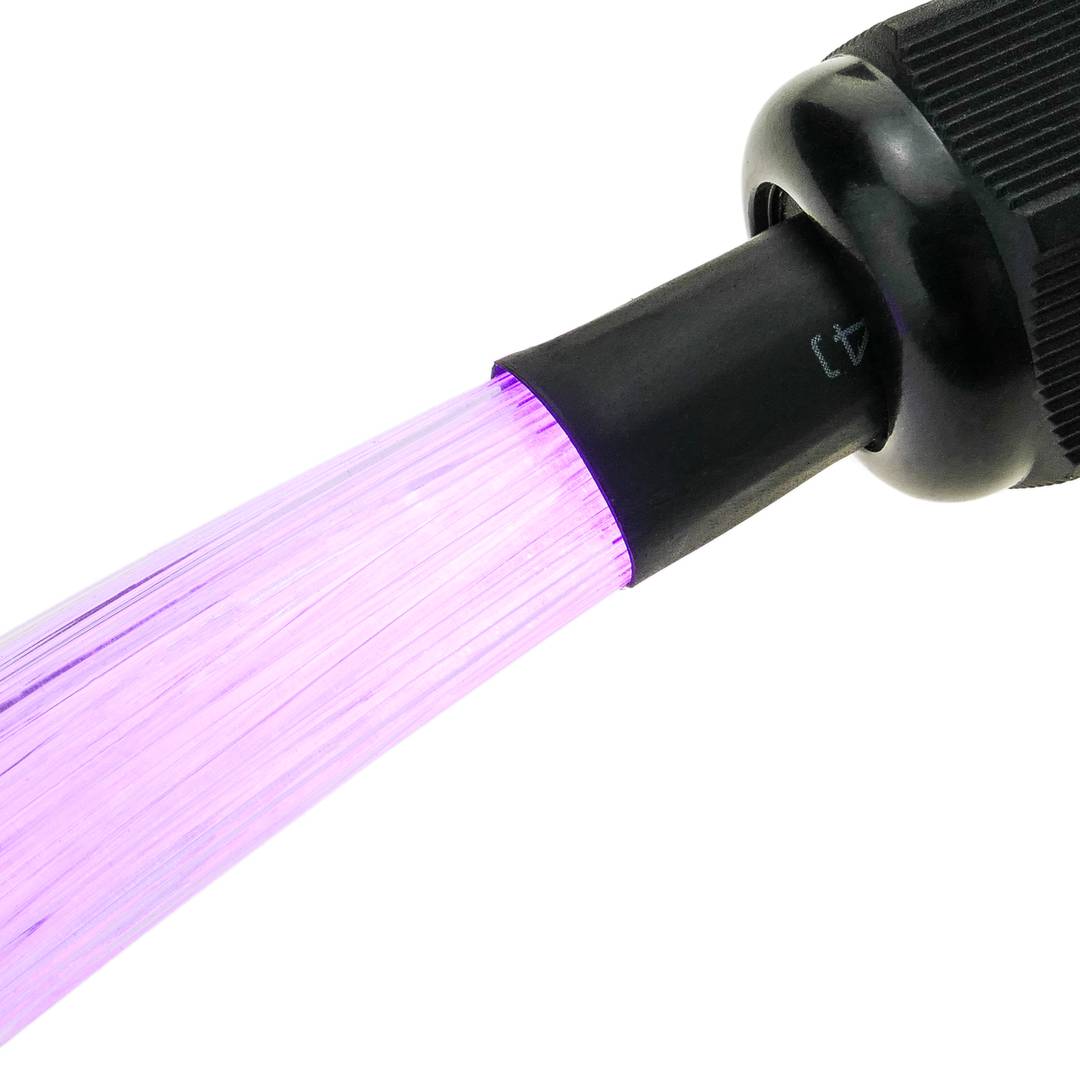
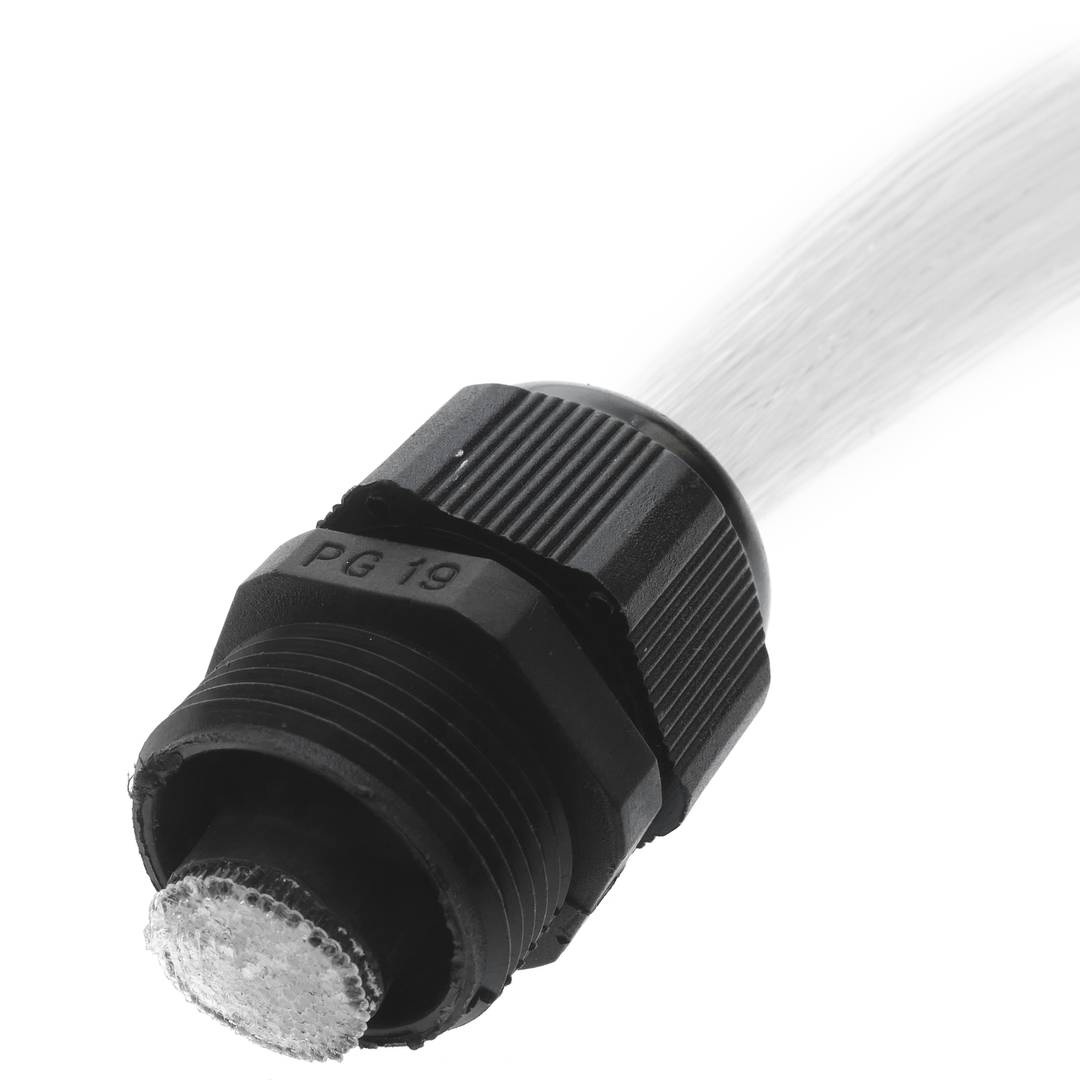
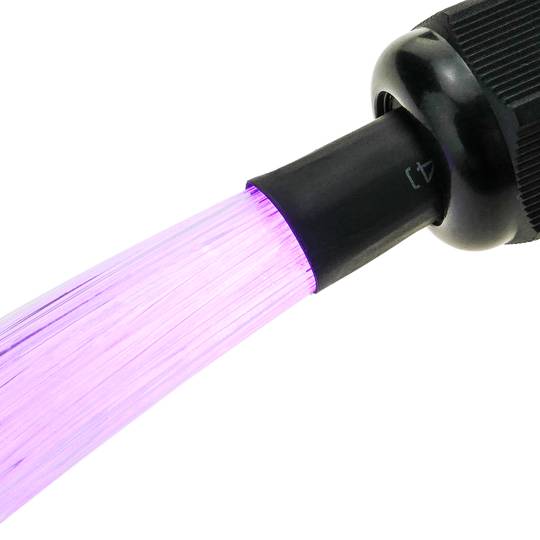
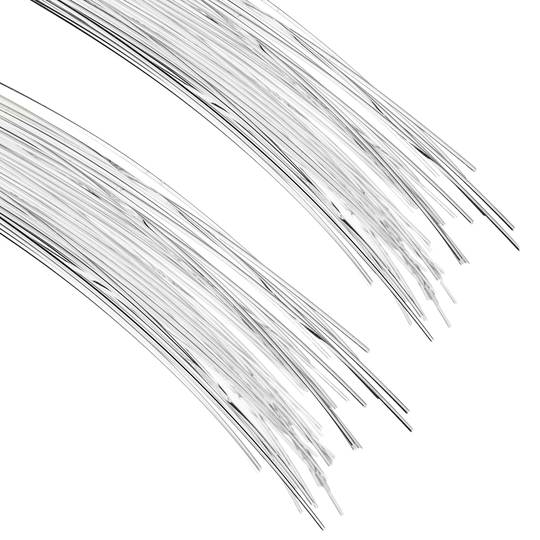
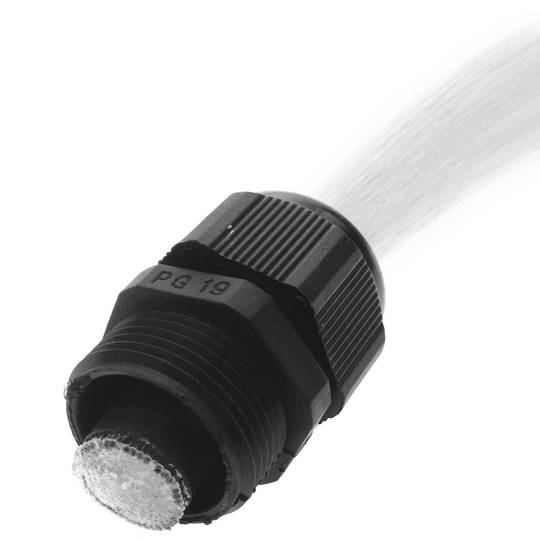
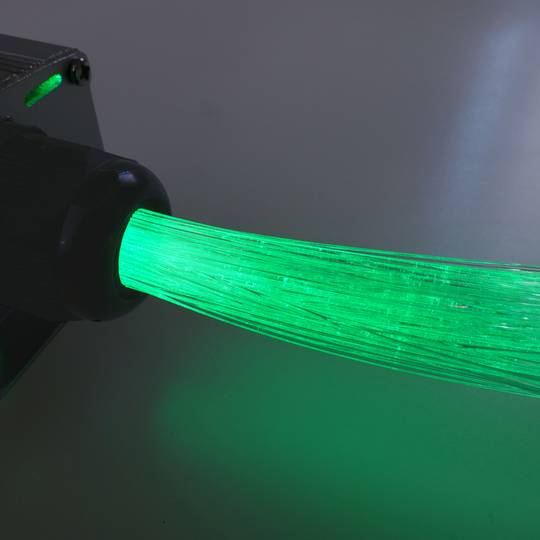
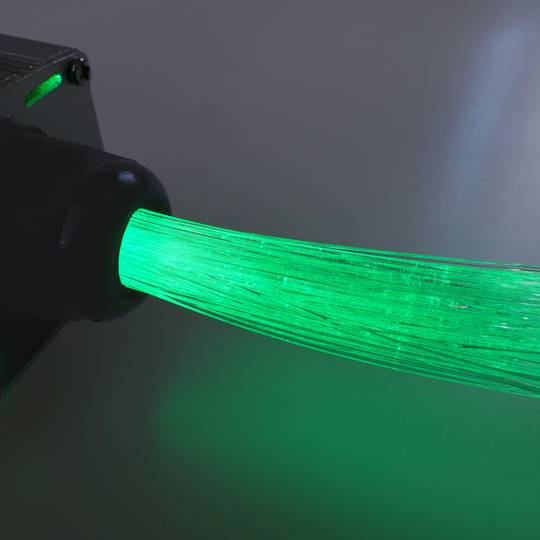
- 200-fiber optical cable, 0.75 m thick and 2.5 m long. Fibers mounted in PG19 cable glands (19 mm inner section for fiber passage).
- LED illuminator based on a single 5W RGB LED (2W R, 2W G, and 2W B).
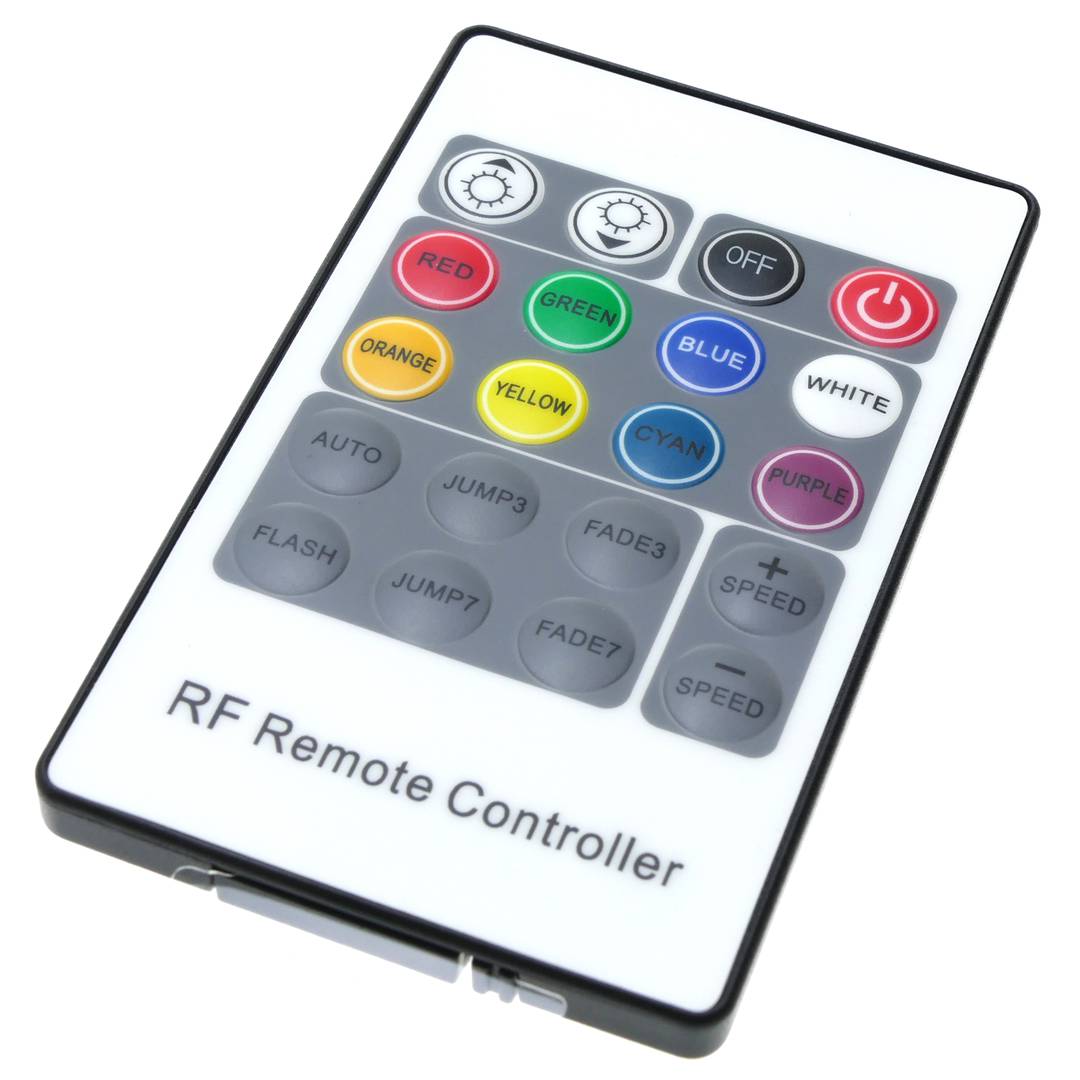
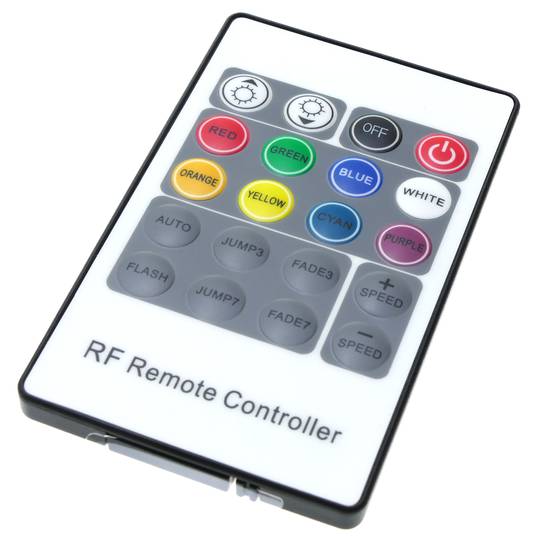
- Programming via radio frequency (RF) remote control. This remote control allows you to program color, intensity, effects, etc.
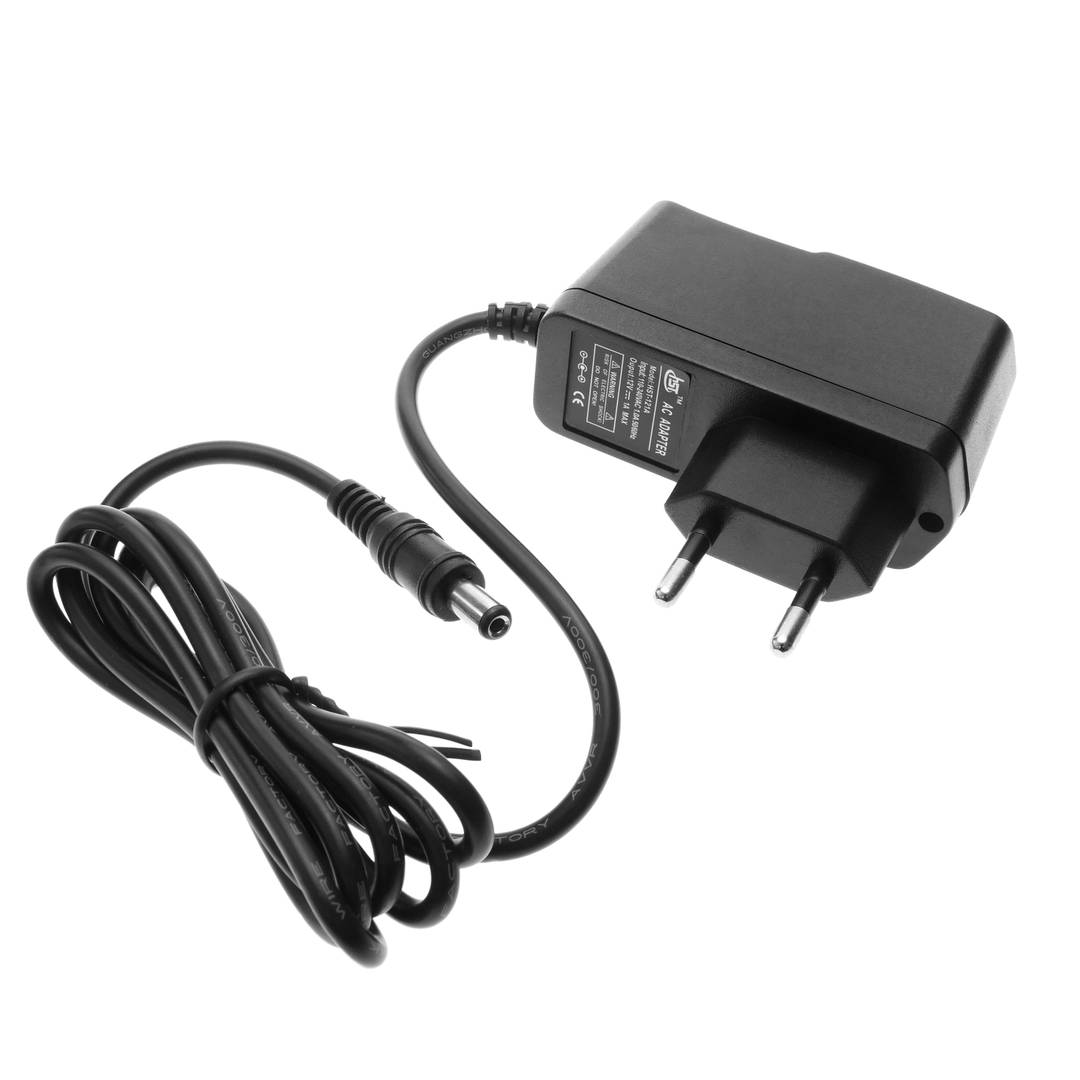
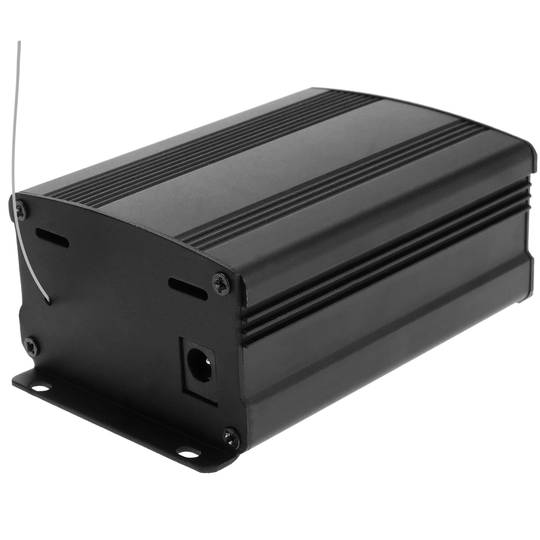
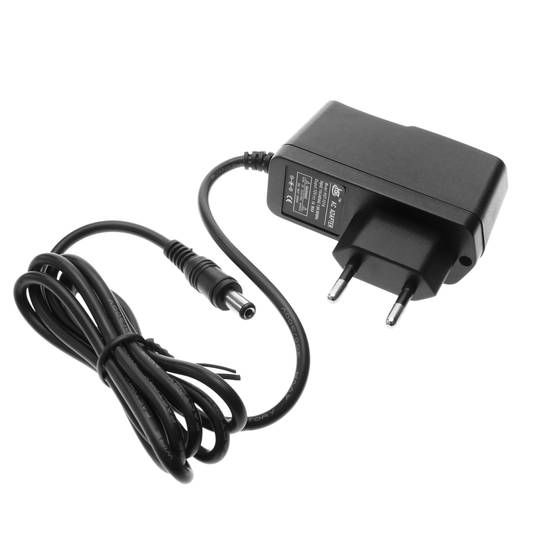
- External power supply of 12 VDC at 1 A.
![play_button]() Watch video
Watch video
More info
 Watch video
PVP
€80.99
Price including VAT:
€80.99
PVD
€75.55
PVP: Retail price.
Check conditions.
PVP: Sale price to distributors.
Check conditions.
 2 years
warranty
 14 days
returns
 100%
100%safe
We will notify you when it is back in stock.
Specifications
- 5W RGB LED illuminator with radio frequency remote control.
- 200-fiber optical cable, 0.75 m thick and 2.5 m long. Fibers mounted in PG19 cable glands (19 mm inner section for fiber passage).
- LED illuminator based on a single 5W RGB LED (2W R, 2W G, and 2W B).
- Programming via radio frequency (RF) remote control. This remote control allows you to program color, intensity, effects, etc.
- External power supply of 12 VDC at 1 A.
Purchased together regularly
More info
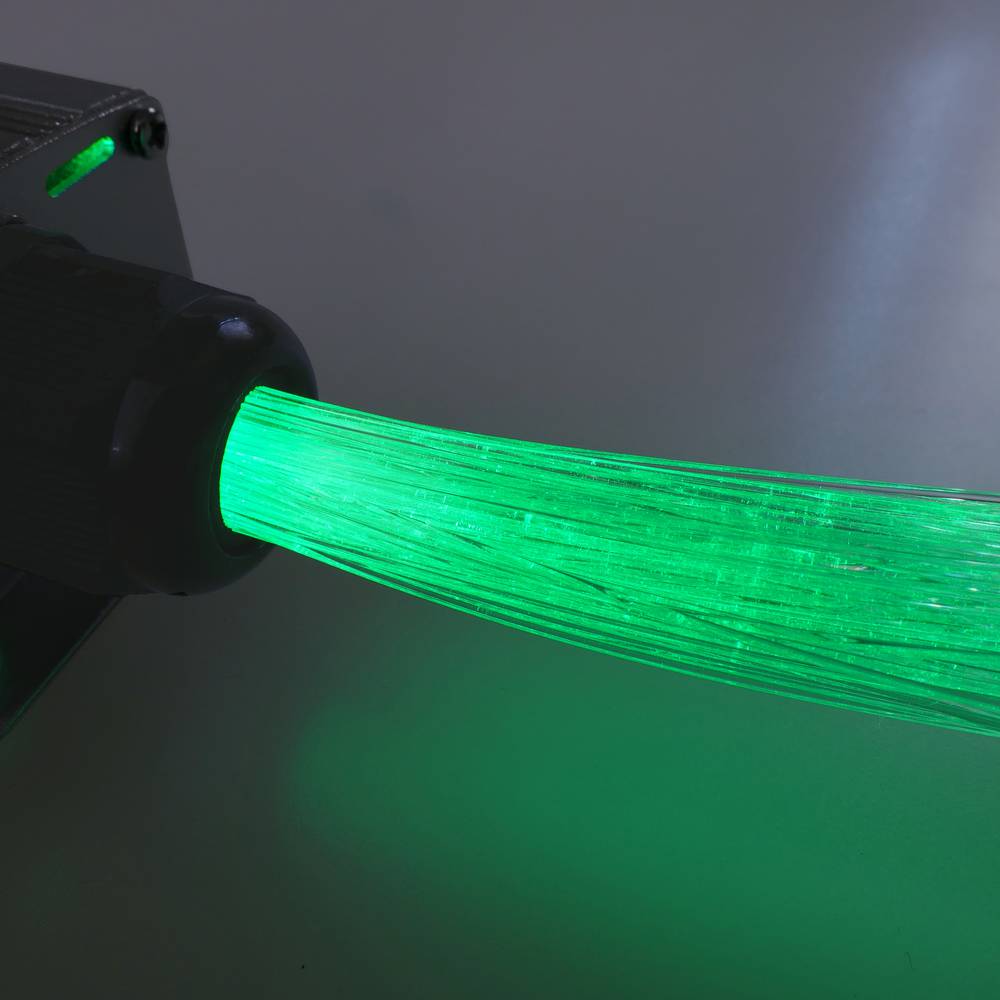
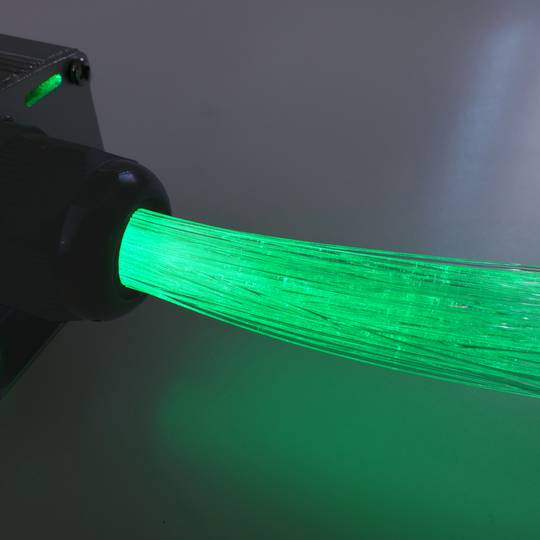
LED lighting propagated through optical fiber. The combination of optical fiber with an LED light generator achieves spectacular effects and has many applications. The system consists of an LED light generator (illuminator) to which the optical fiber is connected. The light propagates through the optical fiber until it reaches the opposite end of the optical fiber, providing brilliant illumination. The LED light source (illuminator) is the only component that requires a power supply and can be hidden anywhere safely. Fiber optic cables are insulated, safe, can be installed outdoors, in water, or in flammable areas, and do not generate heat. Ideal for lighting and decoration, interior lighting, creating starry ceilings, garden lighting, commercial signs, etc.
An LED lighting installation with fiber optic propagation requires two clearly differentiated parts:
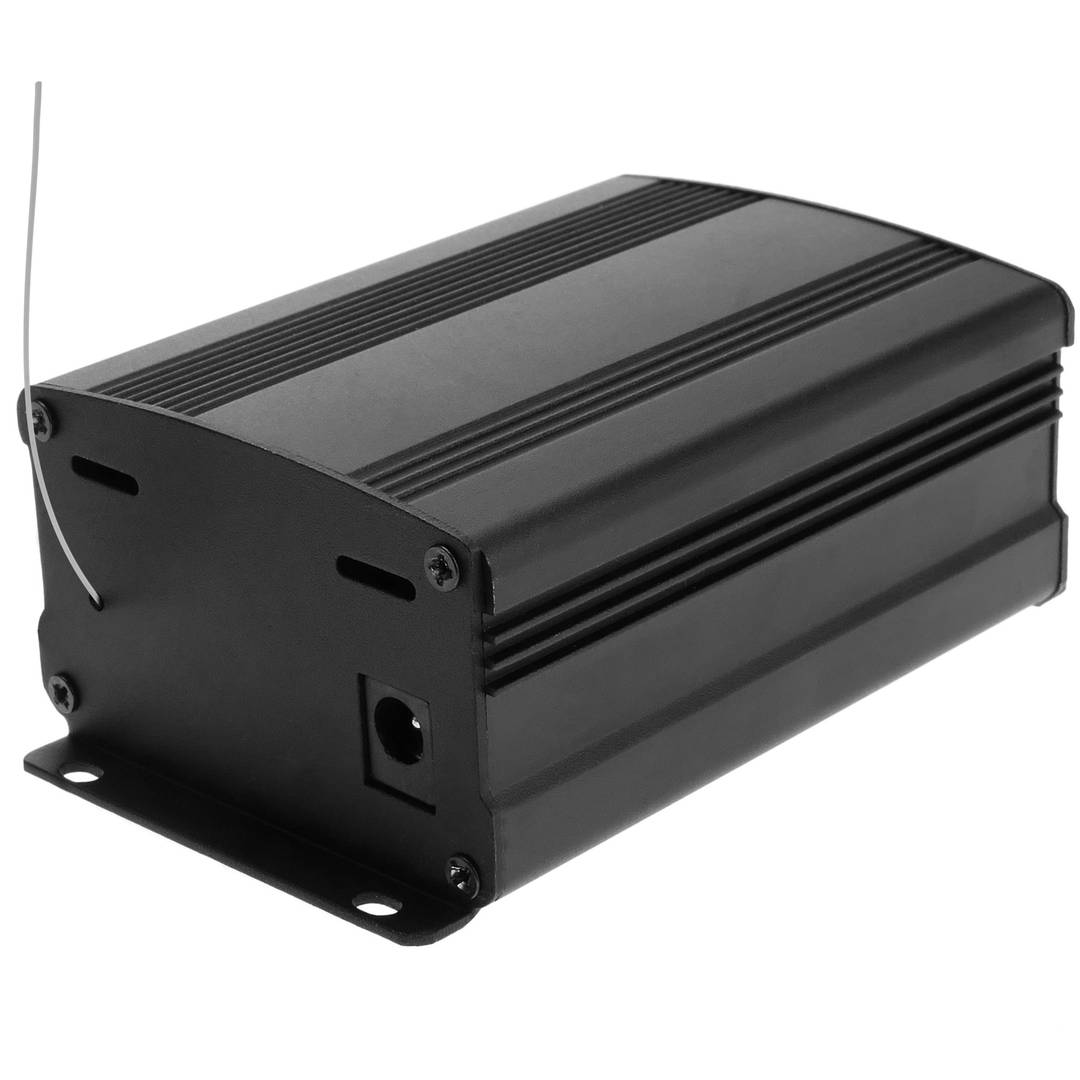
- The LED light emitter (LED illuminator). This is an LED bulb to which the optical fiber is connected. The illuminator can be monochrome (a single light color) or RGB (multiple colors programmable via remote control).
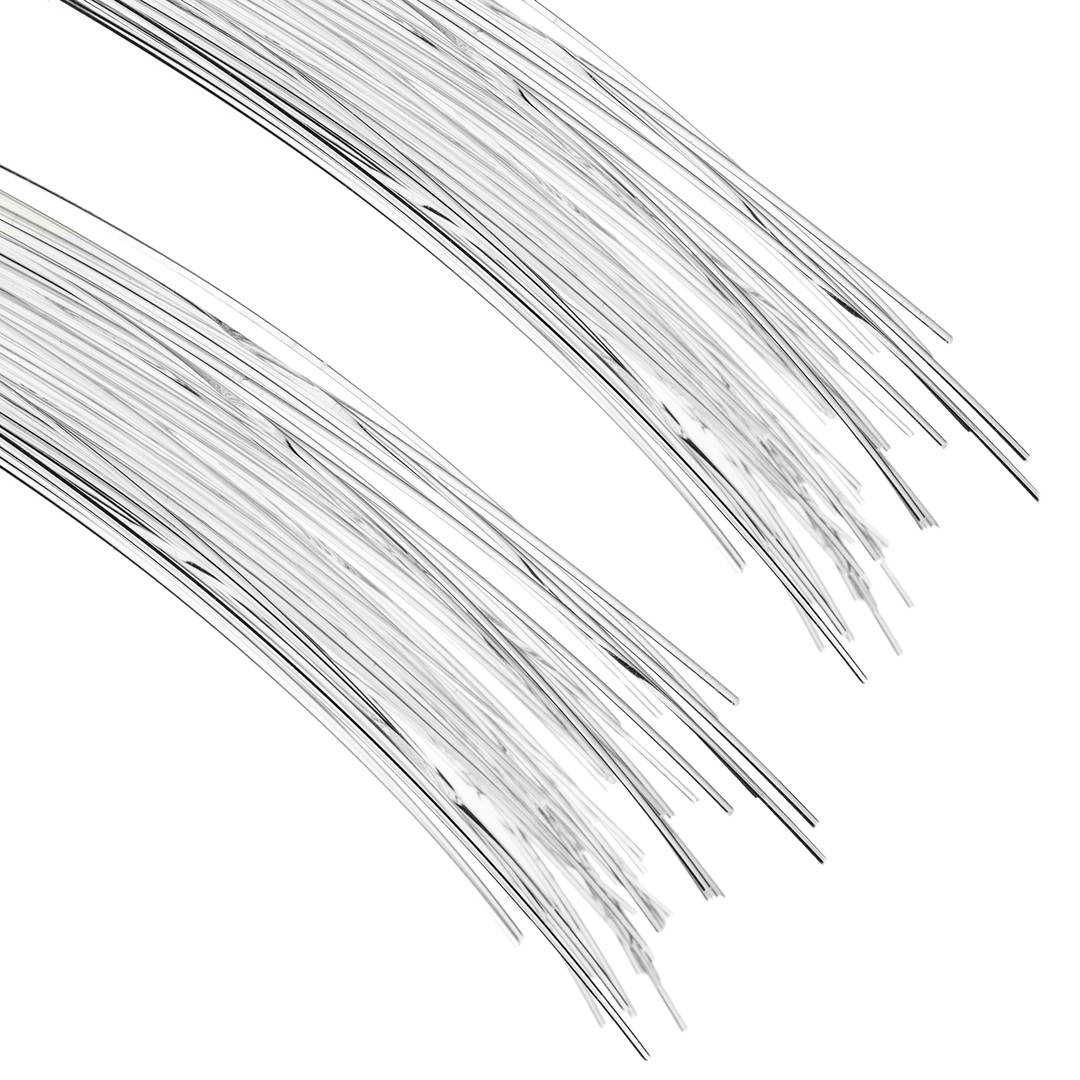
- Fiber optic bundle through which the LED light generated by the illuminator is propagated. It can be a single fiber or have multiple ends that divide the light. It can also have different fiber thicknesses (thicker fiber transmits more light). The fiber length can also be variable (up to 4 m there is very little loss, but above 4 m, light loss increases).
Specs
- 5W RGB LED illuminator with radio frequency remote control.
- 200-fiber optical cable, 0.75 m thick and 2.5 m long. Fibers mounted in PG19 cable glands (19 mm inner section for fiber passage).
- LED illuminator based on a single 5W RGB LED (2W R, 2W G, and 2W B).
- Programming via radio frequency (RF) remote control. This remote control allows you to program color, intensity, effects, etc.
- External power supply of 12 VDC at 1 A.
- Size: 126 x 35 x 65 mm.
- Gross Weight: 680 g
- Product size (width x depth x height): 31.0 x 26.0 x 8.5 cm
- Number of packages: 1
- Packages size: 31.0 x 26.0 x 8.5 cm
Technical terms
- Advantages of LED technology
- RF or Radio Frequency
- VDC
- LED
Advantages of LED technology
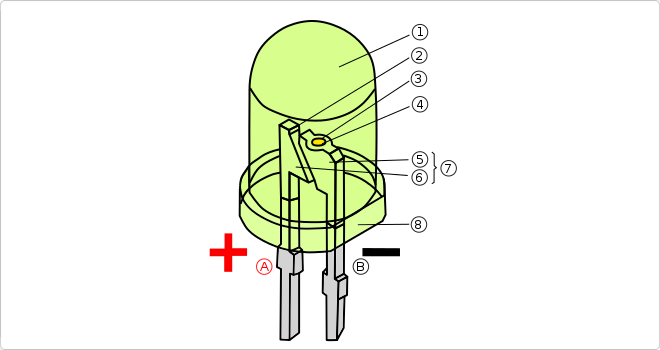
The use of LED bulbs has grown exponentially due to its great advantages. The LEDs are diodes that when passing the current emit light, these LEDs are controlled with a driver or power supply, providing a very stable power source and thanks to its dissipation system can achieve high performance and many hours of illumination .
D: Duration in years
A: Saving
I: incandescent
H: Halogen
F: Fluorescent
D: Led Diode
- Duration of up to 50,000 hours, thanks to its dissipation system and voltControlled air.
- Fast on. The LED lights up much faster than a conventional light bulb.
- They do not emit almost heat, so they do not burn when touched.
- They contain no gas, no mercury, no pollutants.
- They consume 80% less than traditional light bulbs. Thanks to its continuous research, it is possible that this type of technology continues to evolve and reduce its consumption.
- LWhich emit, do not radiate ultraviolet or infrared rays.
- Low maintenance, since the LEDs do not melt, it only decreases its power. This dramatically lowers maintenance costs.
- Different shades, we can find different types of LEDs where we will find different shades of light, which can go from 2700K (yellow light) to 8000K (white light) without using filters.
- Sturdiness,If we compare with conventional light bulbs we find that LED technology withstands the vibrations much better. Ideal for what type of extreme installations.
- Emitting a direct light, the LED is characterized by being a directional light, so there is no loss of light.
D: Duration in years
A: Saving
I: incandescent
H: Halogen
F: Fluorescent
D: Led Diode