

08/05/2026 6:05 p.m.
https://cablematic.com/en/products/cable-dvi-vga-245-male-to-male-18-m-VG073/
https://cablematic.com/en/products/cable-dvi-vga-245-male-to-male-18-m-VG073/


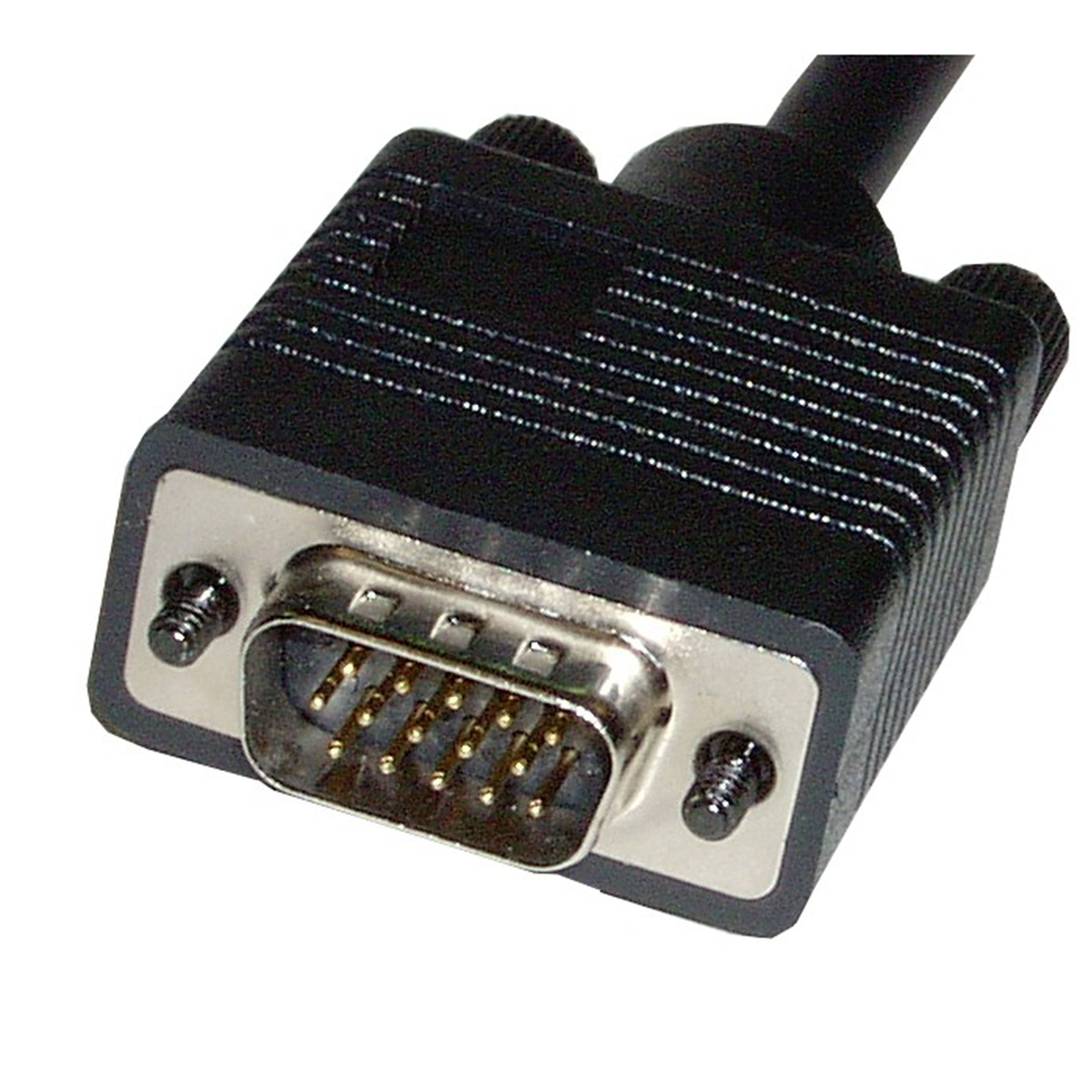
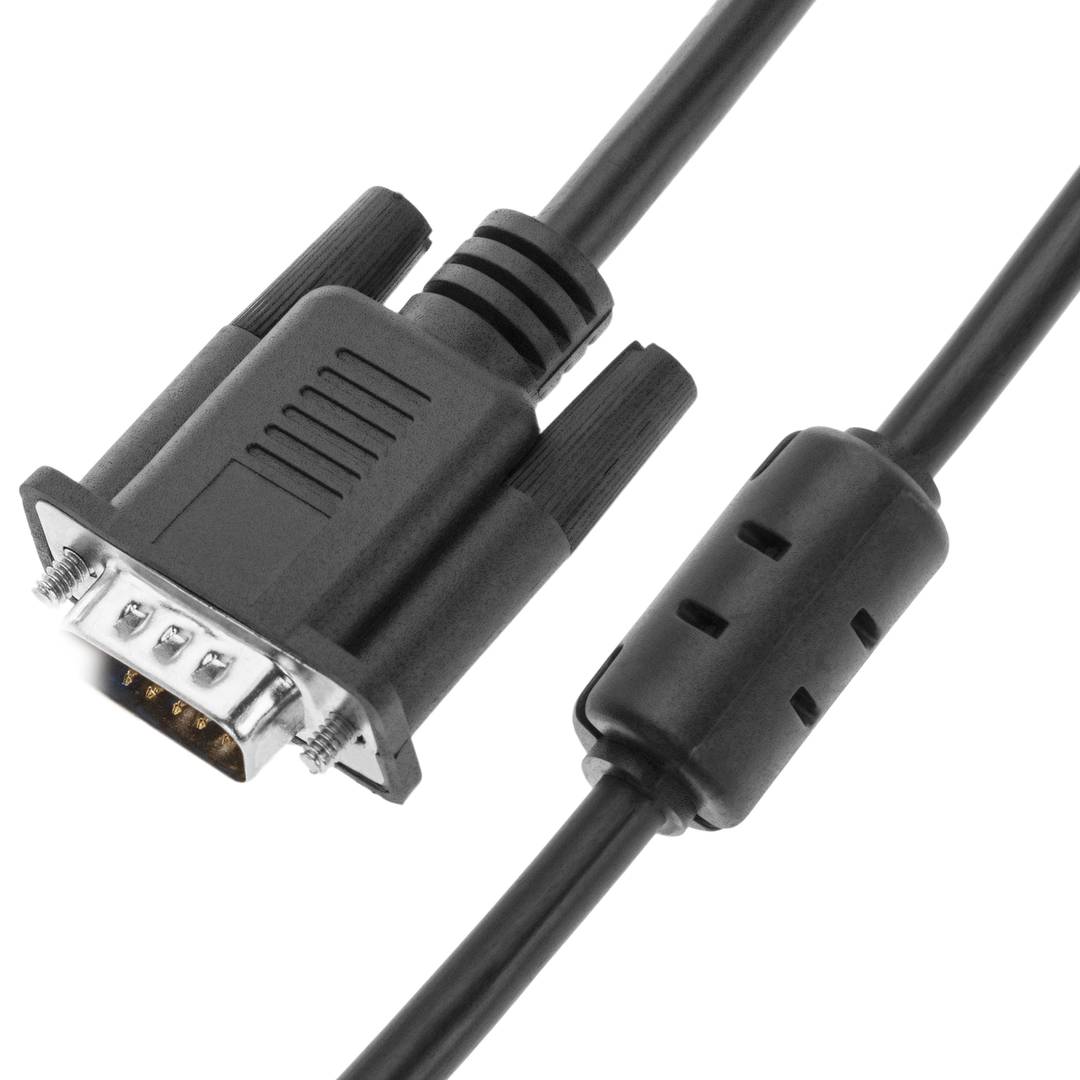
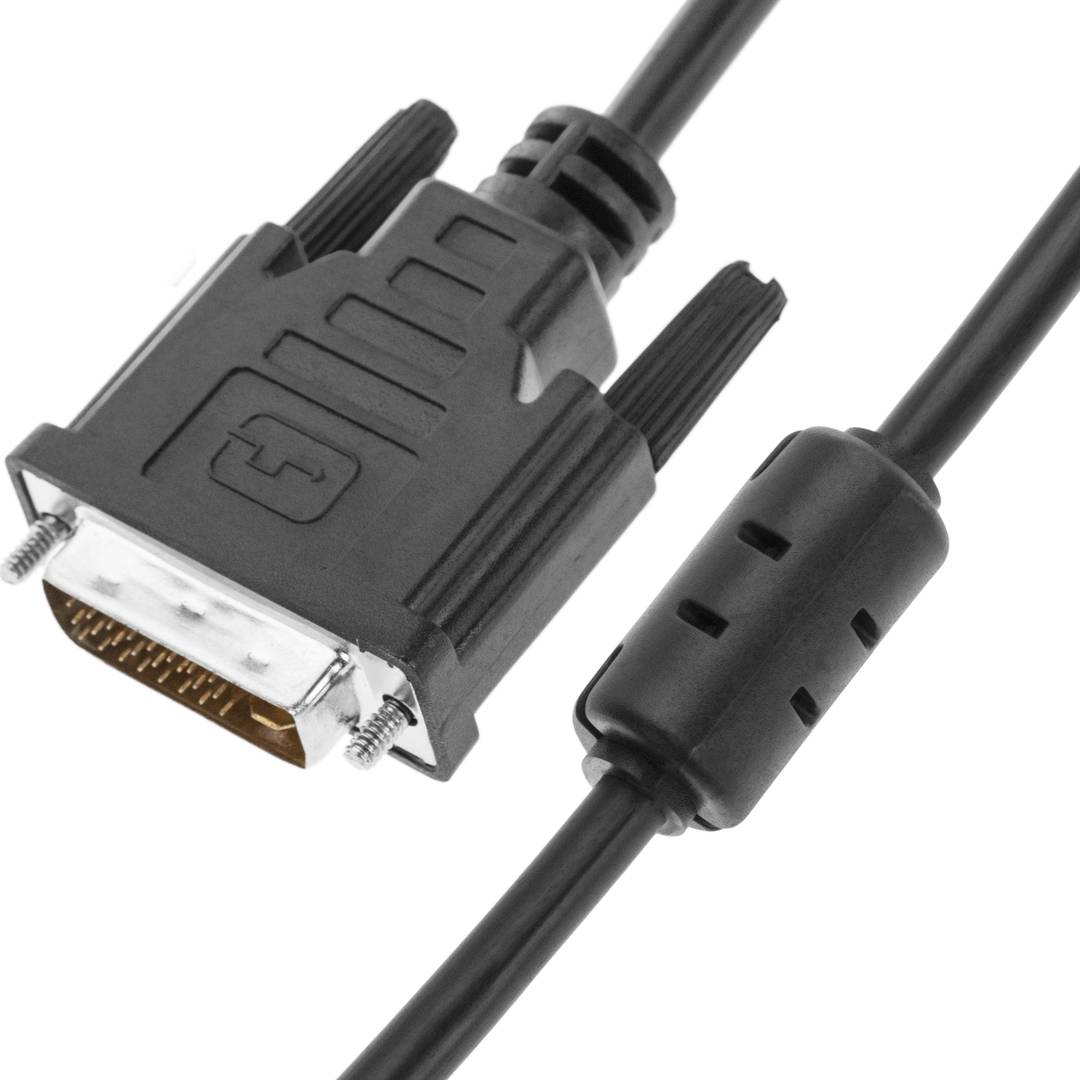
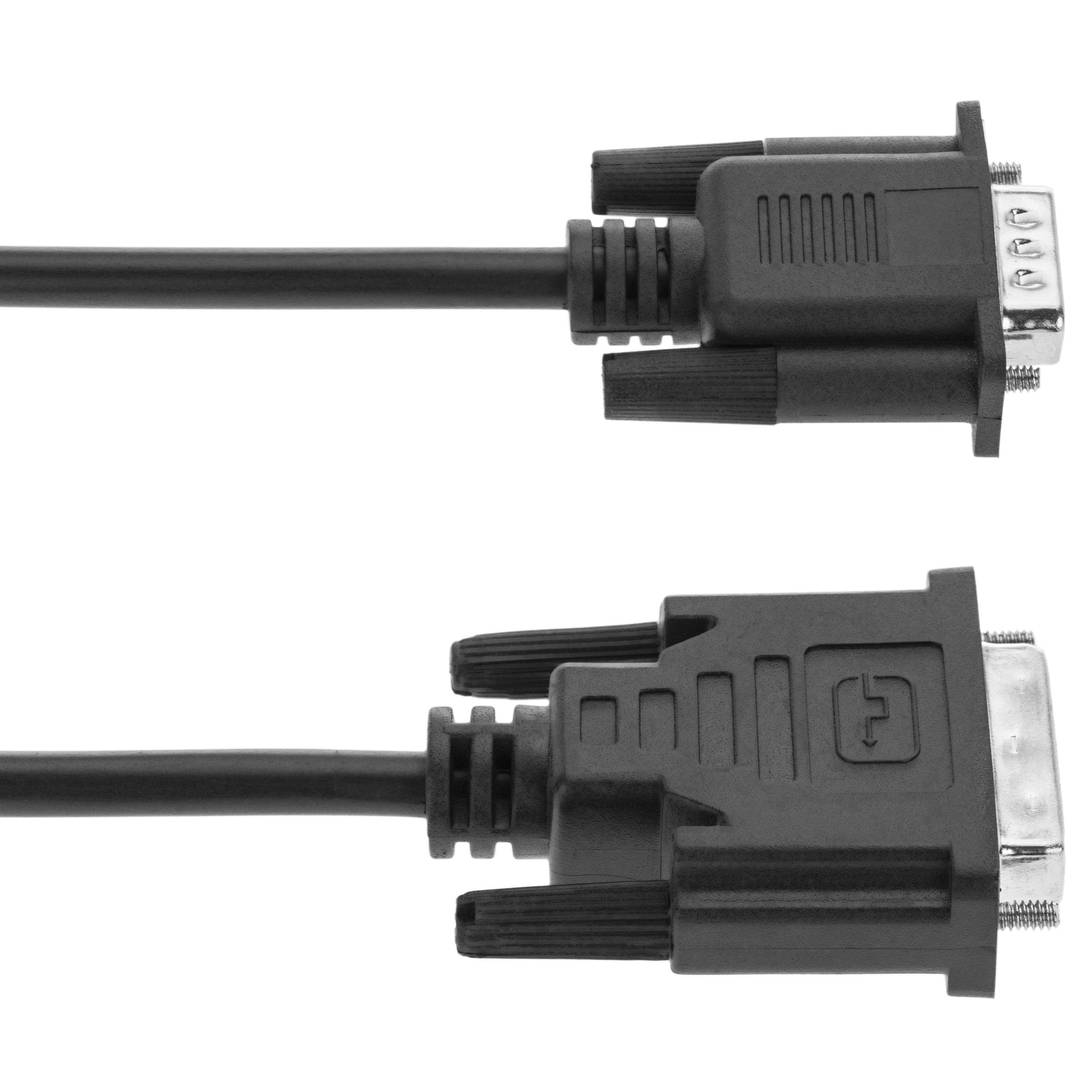
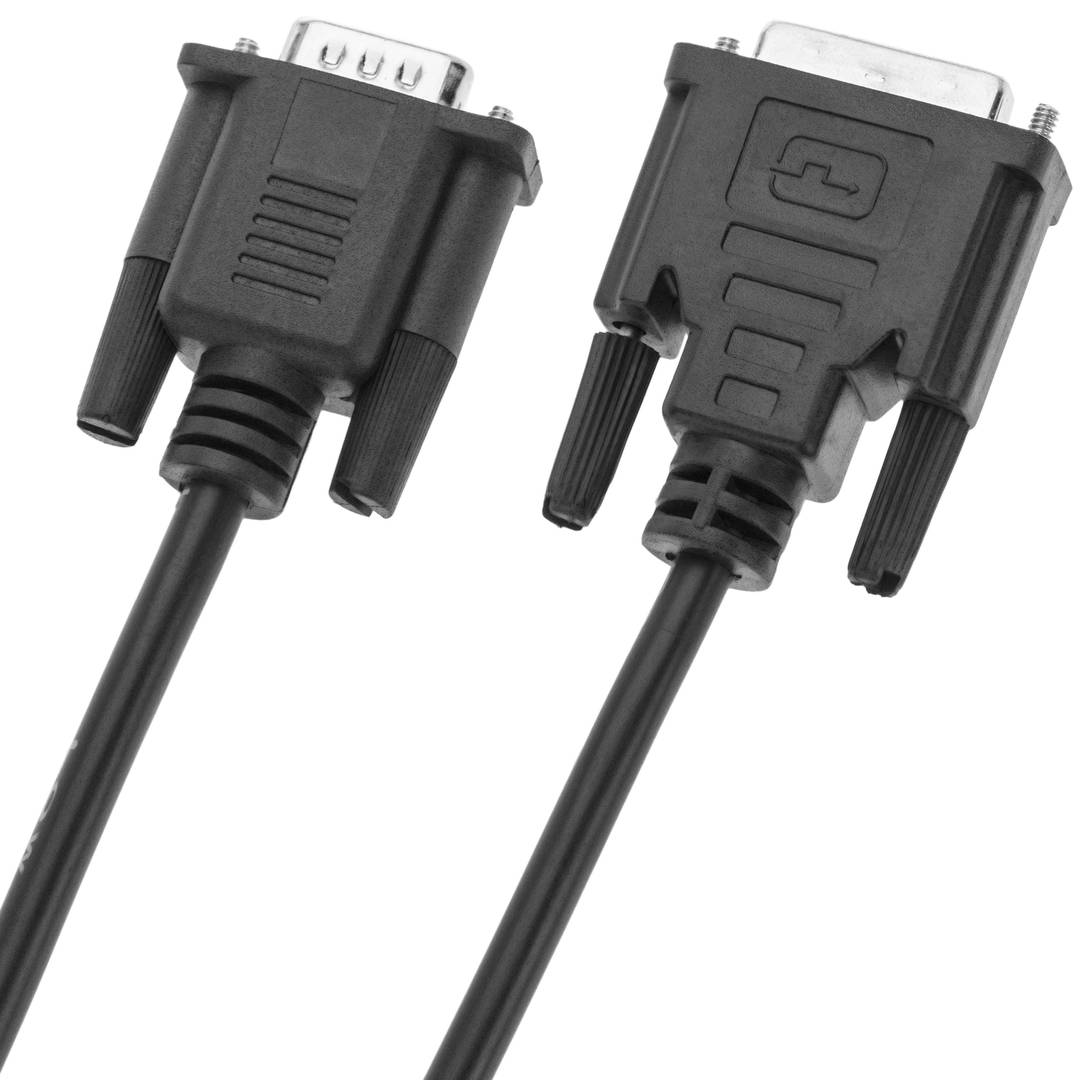
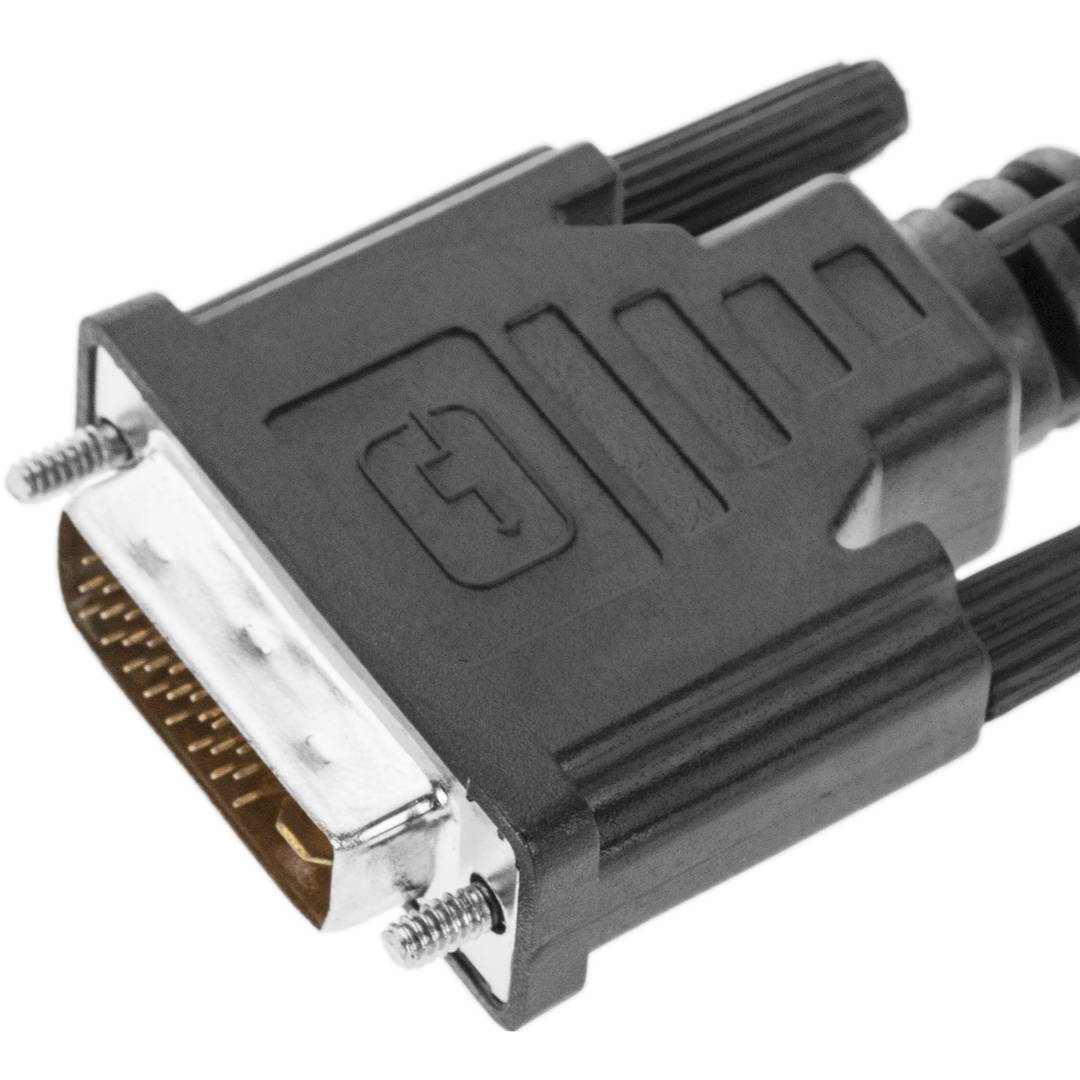
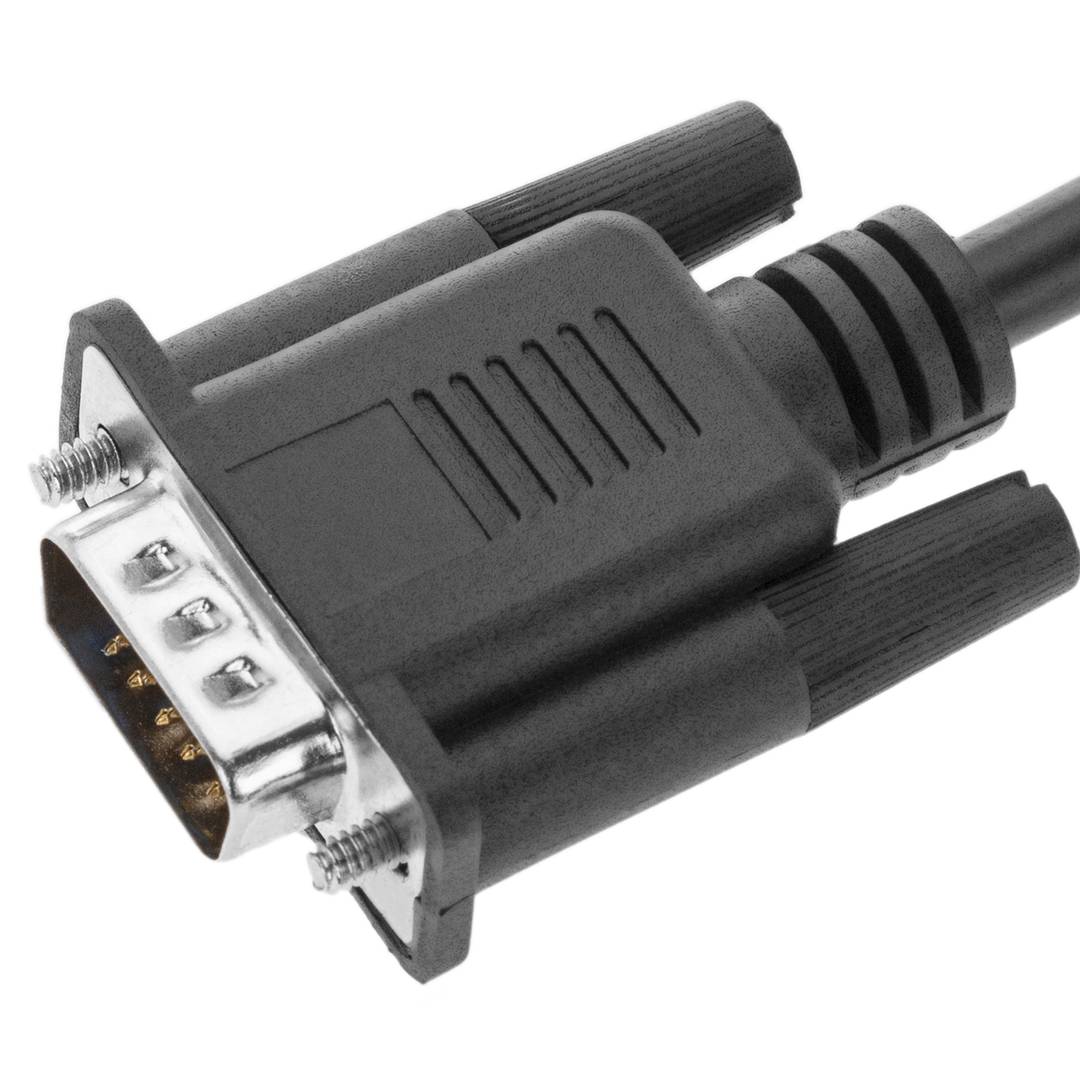


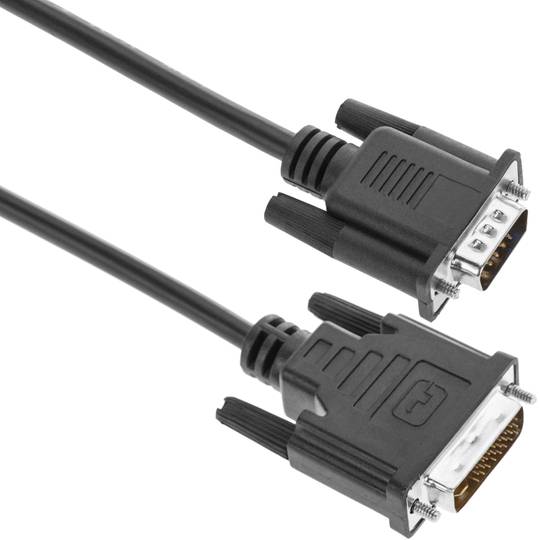
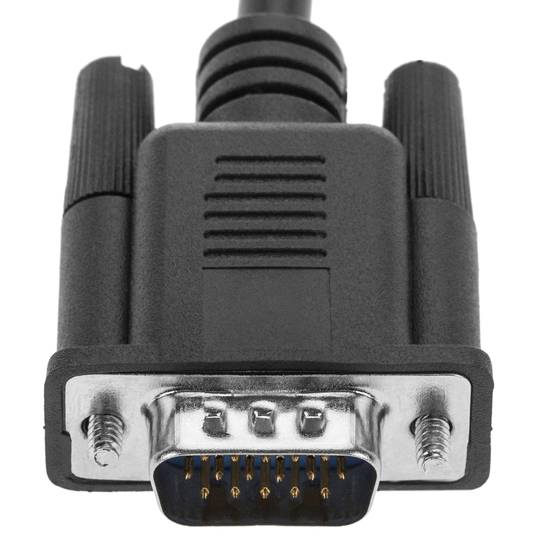
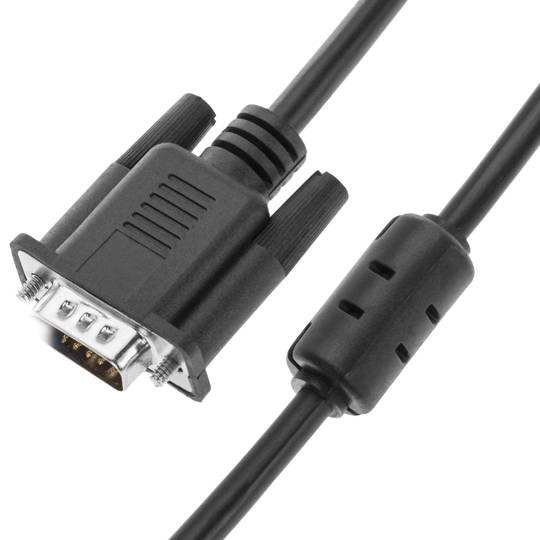
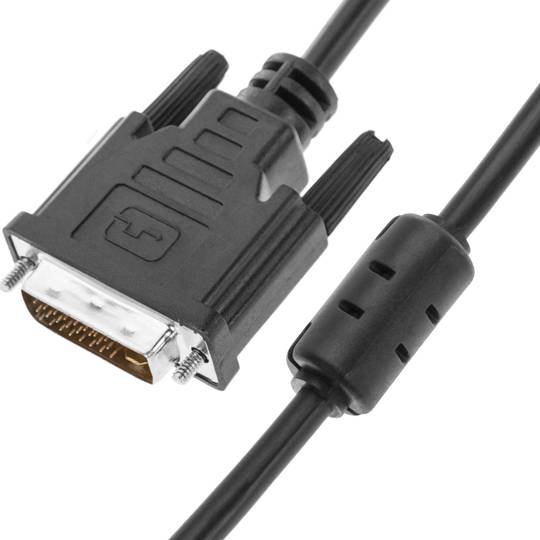
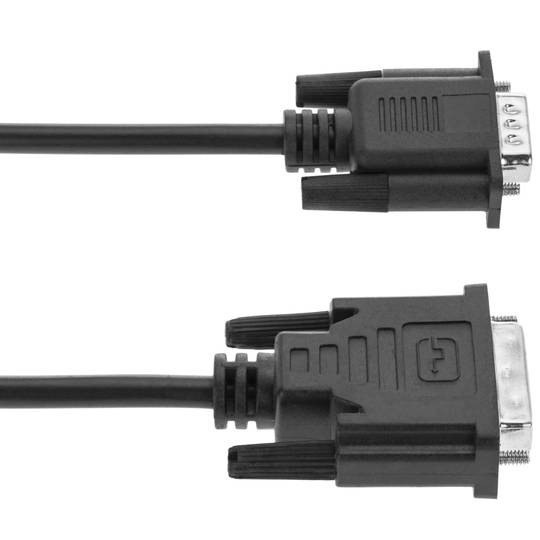
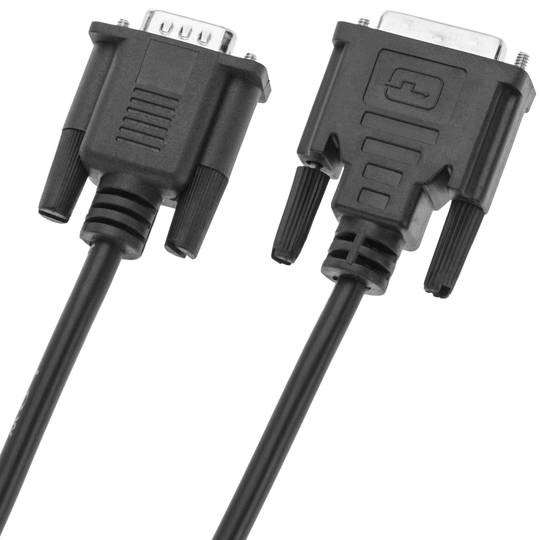
Cable DVI-VGA 24+5 male to male 1.8 m
Cable DVI-VGA 24+5 male to male 1.8 m
REF: VG073

Specifications
- Cable with DVI connectors.
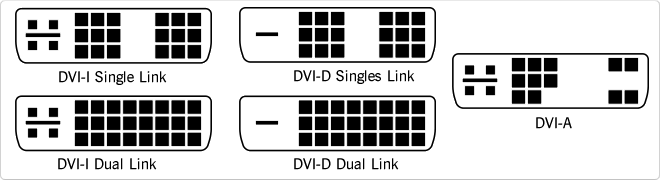
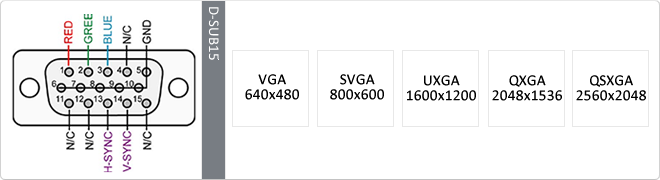
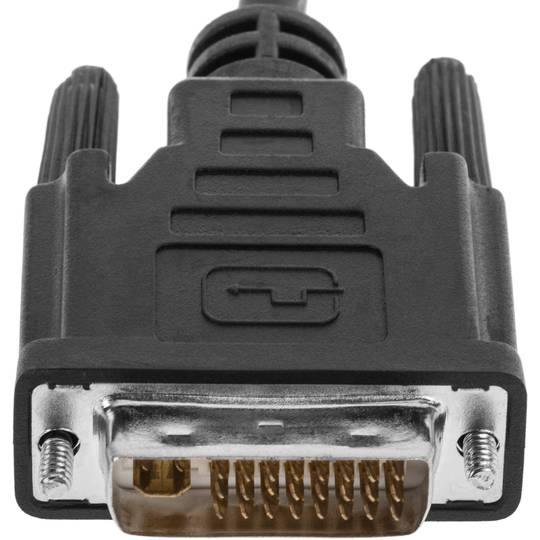
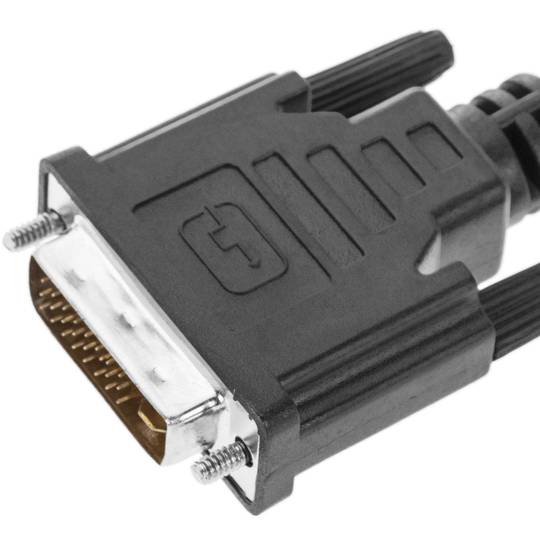
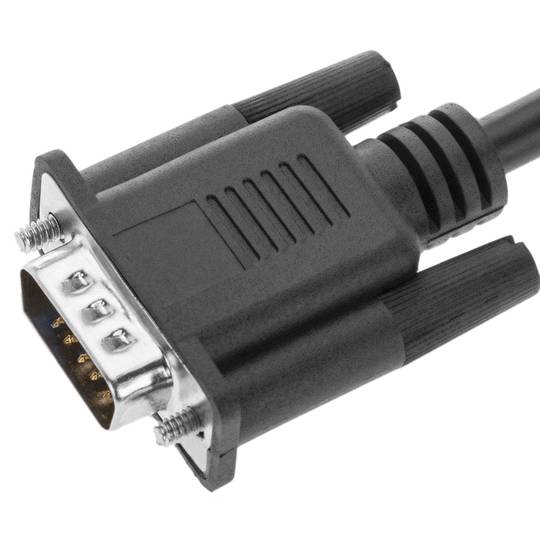
- Model with a DVIA-M connector on one end and an HD15-M connector on the other.
- Designed to connect high-performance monitors to newer graphics cards with DVI connectors.
- Cable length: 1.8m.
![play_button]() Watch video
Watch video
More info
 Watch video
PVP
€9.28
Price including VAT:
€9.28
PVD
€7.25
PVP: Retail price.
Check conditions.
PVP: Sale price to distributors.
Check conditions.
 2 years
warranty
 14 days
returns
 100%
100%safe
Specifications
- Cable with DVI connectors.
- Model with a DVIA-M connector on one end and an HD15-M connector on the other.
- Designed to connect high-performance monitors to newer graphics cards with DVI connectors.
- Cable length: 1.8m.
Related products
Purchased together regularly

More info
Cable with DVI connectors. Model with a DVIA-M connector on one end and an HD15-M connector on the other. Designed to connect high-performance monitors to newer graphics cards with DVI connectors. Cable length: 1.8m.
- Gross Weight: 270 g
- Number of packages: 1
Technical terms
- DVI
- VGA
DVI
DVI (Digital Visual Interface) is a video interface standard designed to maximize the visual quality of digital display devices such as flat-panel LCD monitors and digital projectors.
It is the cable used to connect a computer to a screen so images look very clear. Think of it as a pipe that sends digital data directly from your PC to the monitor without losing quality along the way.
| Specification | Detail |
|---|---|
| Signal Type | Digital and Analog |
| Max Resolution | 2560 × 1600 (Dual Link) |
Connector Variants
There are three main types: DVI-D (digital only), DVI-A (analog only), and DVI-I (integrated, supporting both). Dual Link modes double the bandwidth for higher performance.
Key Advantages
- Keeps the digital signal pure from source to display.
- Supports resolutions higher than traditional VGA.
- Backward compatible with analog signals via passive adapters.
Mostly succeeded by modern HDMI and DisplayPort standards.