

10/19/2026 10:26 p.m.
https://cablematic.com/en/products/cr1620-3v-lithium-battery-5-units-EN035/
https://cablematic.com/en/products/cr1620-3v-lithium-battery-5-units-EN035/
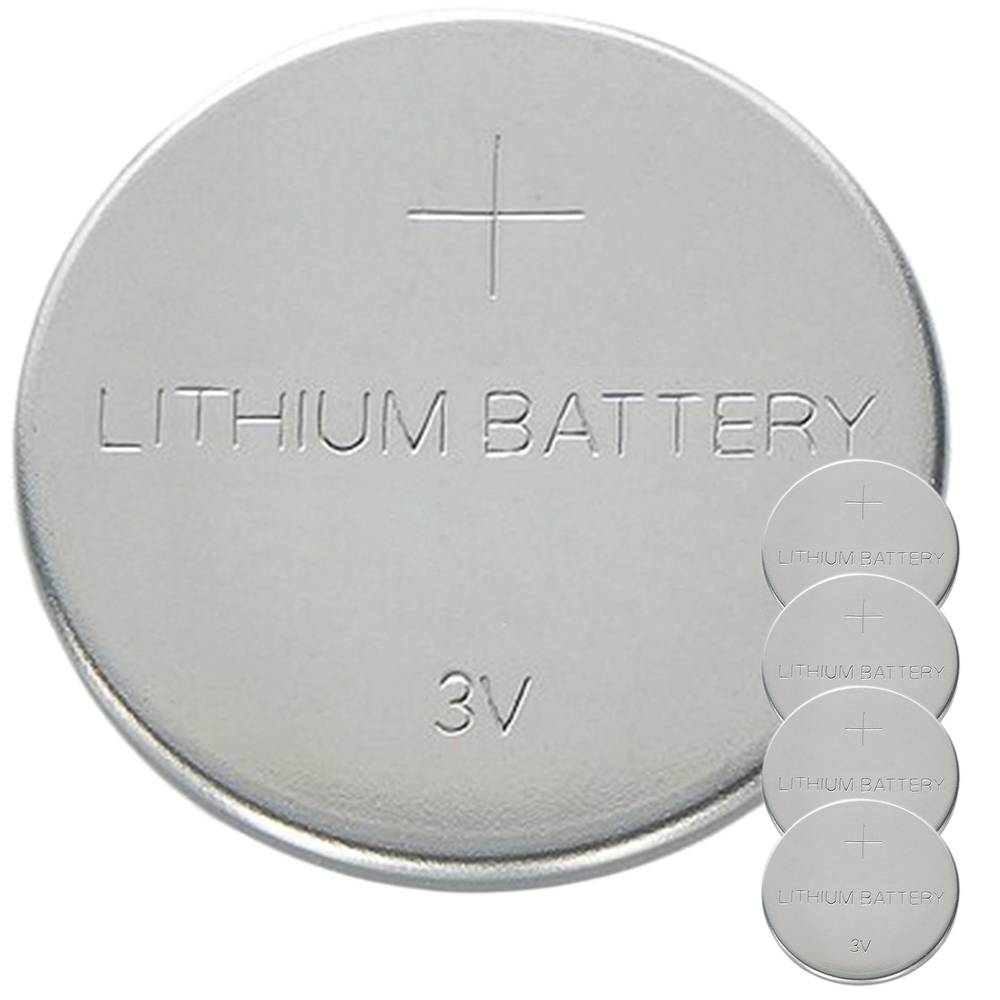
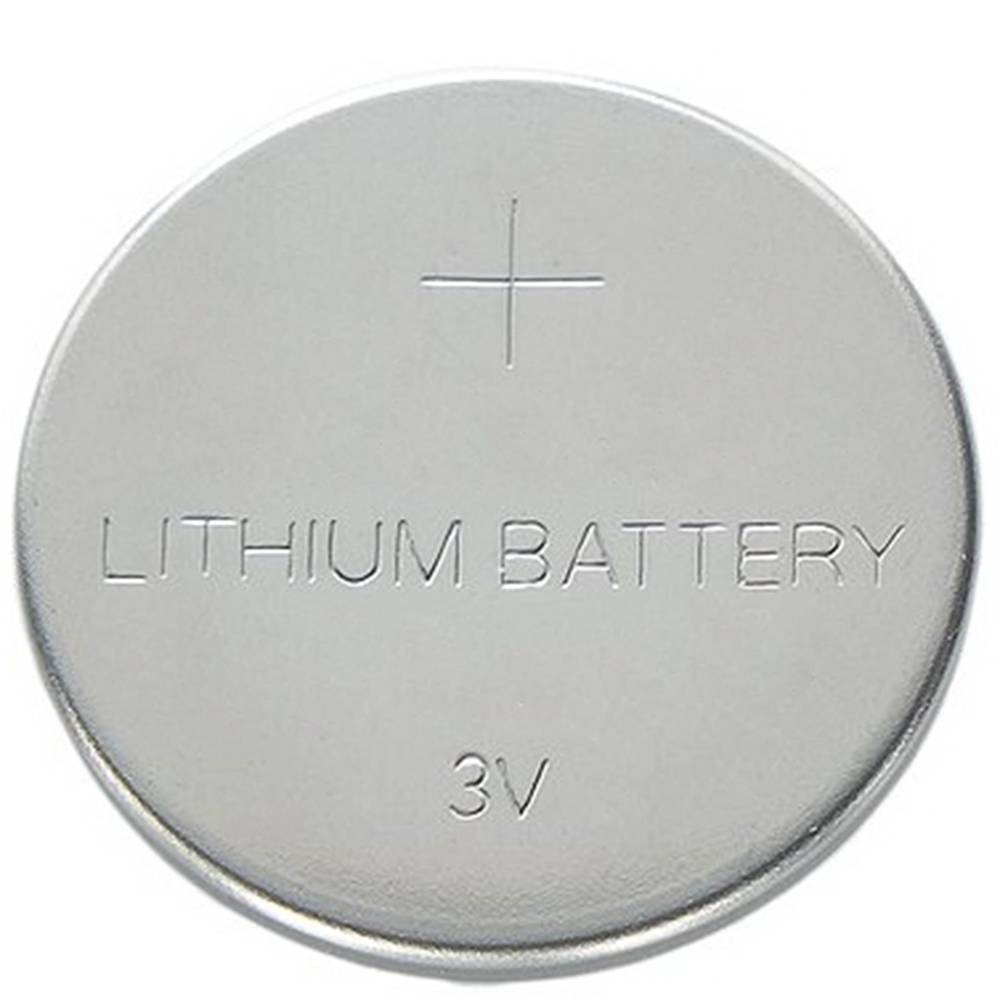


CR1620 3V Lithium Battery 5 units
CR1620 3V Lithium Battery 5 units
REF: EN035

Specifications
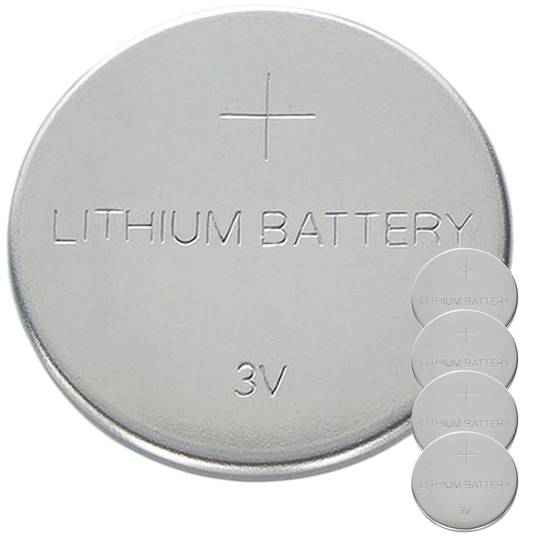
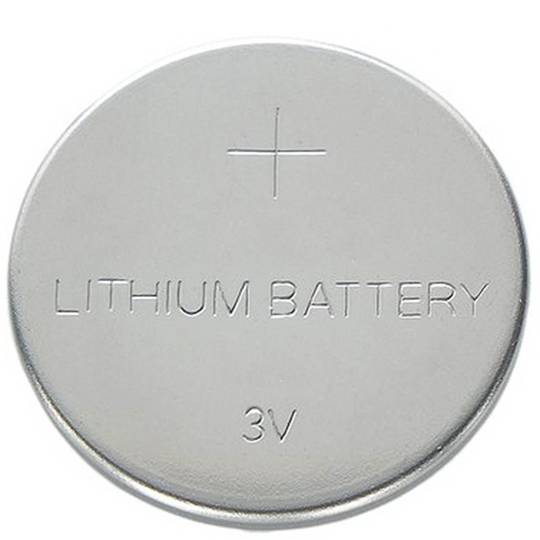
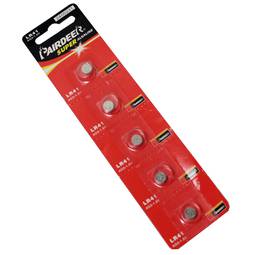
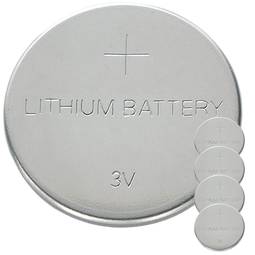
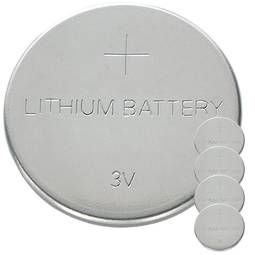
- Blister pack of 5 CR1620 3V lithium button cell batteries.
- Lithium technology that offers high energy density and a low self-discharge rate.
- Stable power supply with a nominal voltage of 3V for low power consumption devices.
- Standardized circular cell format that facilitates integration into integrated circuits and controls.
- Presentation in a pack of 5 units that centralizes the stock of spare parts for technical maintenance.
![play_button]() Watch video
Watch video
More info
 Watch video
PVP
€2.08
Price including VAT:
€2.08
PVD
€1.87
PVP: Retail price.
Check conditions.
PVP: Sale price to distributors.
Check conditions.
 2 years
warranty
 14 days
returns
 100%
100%safe
We will notify you when it is back in stock.
Specifications
- Blister pack of 5 CR1620 3V lithium button cell batteries.
- Lithium technology that offers high energy density and a low self-discharge rate.
- Stable power supply with a nominal voltage of 3V for low power consumption devices.
- Standardized circular cell format that facilitates integration into integrated circuits and controls.
- Presentation in a pack of 5 units that centralizes the stock of spare parts for technical maintenance.
Related products
Keywords
Did not find what you were looking for? These topic could help you
Purchased together regularly
More info
Lithium batteries provide the necessary power supply for compact electronic devices that require a constant power source. Their technology allows measuring equipment, remote controls, and various precision components to remain operational, ensuring that the hardware maintains its configuration or uninterrupted function in both professional and home environments.
Specs
- Blister pack of 5 CR1620 3V lithium button cell batteries.
- Lithium technology that offers high energy density and a low self-discharge rate.
- Stable power supply with a nominal voltage of 3V for low power consumption devices.
- Standardized circular cell format that facilitates integration into integrated circuits and controls.
- Presentation in a pack of 5 units that centralizes the stock of spare parts for technical maintenance.
- Gross Weight: 20 g
- Product size (width x depth x height): 1.5 x 1.5 x 0.3 cm
- Number of packages: 1
- Packages size: 20.0 x 5.0 x 0.4 cm
Technical terms
- Battery charging cycles
- Lithium batteries
- Button batteries
- Types of batteries
Battery charging cycles
A charge cycle occurs when you use 100% of your battery's capacity. Lifespan is defined by total cycles before capacity drops below 80%.
| Parameter | Technical Description |
|---|---|
| DoD | Depth of Discharge level. |
| SoH | State of Health of the cell. |
Lifespan Calculation
Maintain the battery between 20% and 80% to maximize chemical stability and longevity.
Advantages
Controlled charging reduces heat and prevents lithium plating.
Note: Use original chargers for optimal safety.