

https://cablematic.com/en/products/displayport-cable-male-to-male-4k-8k-14-for-digital-video-and-audio-1-meter-YP101/

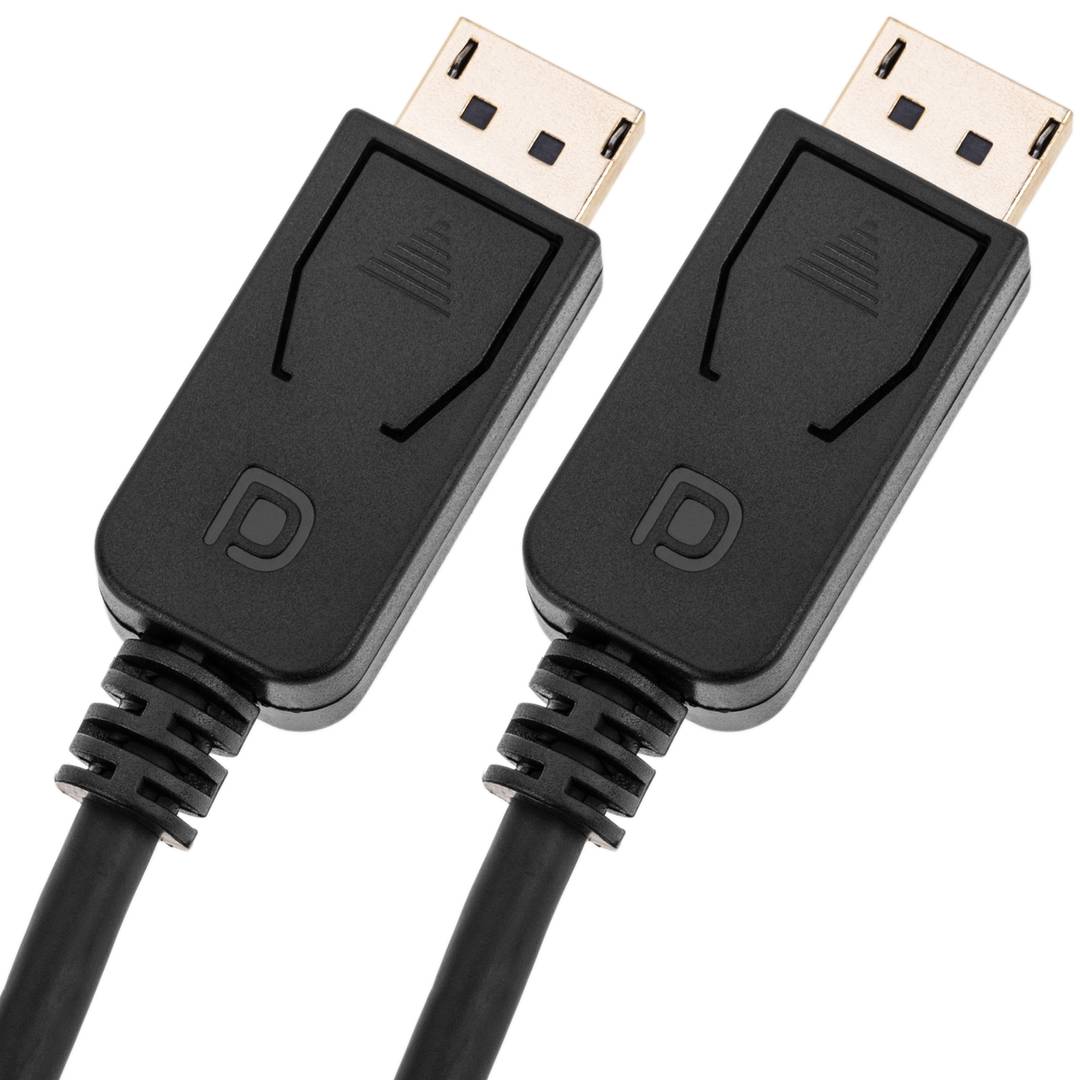



Displayport cable male to male 4K 8K 1.4 for digital video and audio 1 meter

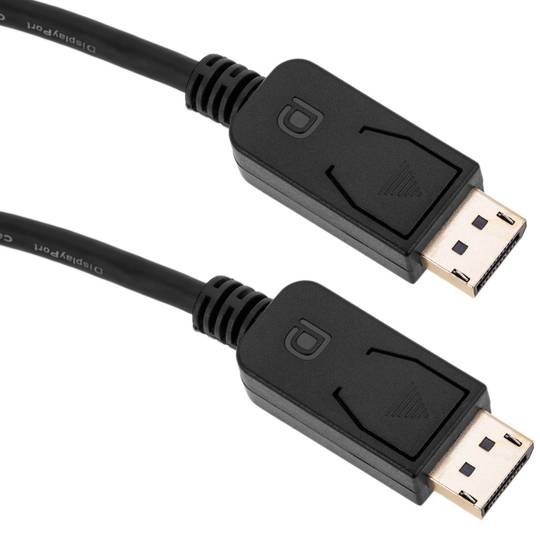

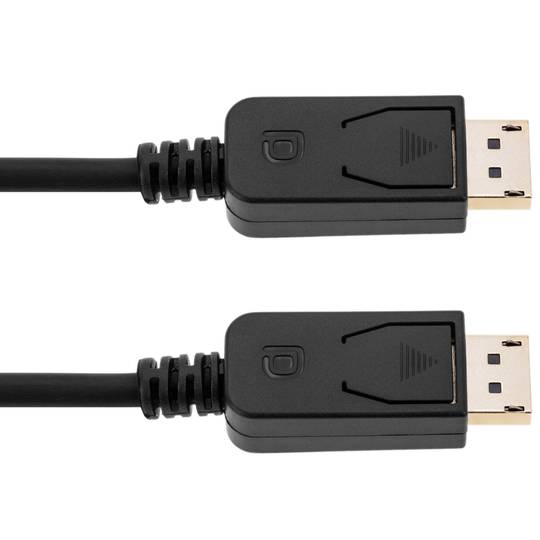


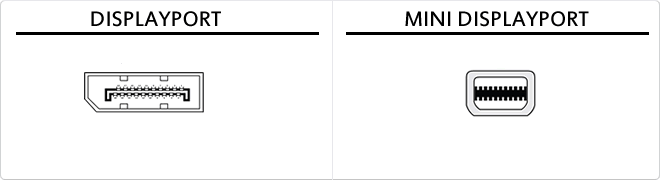
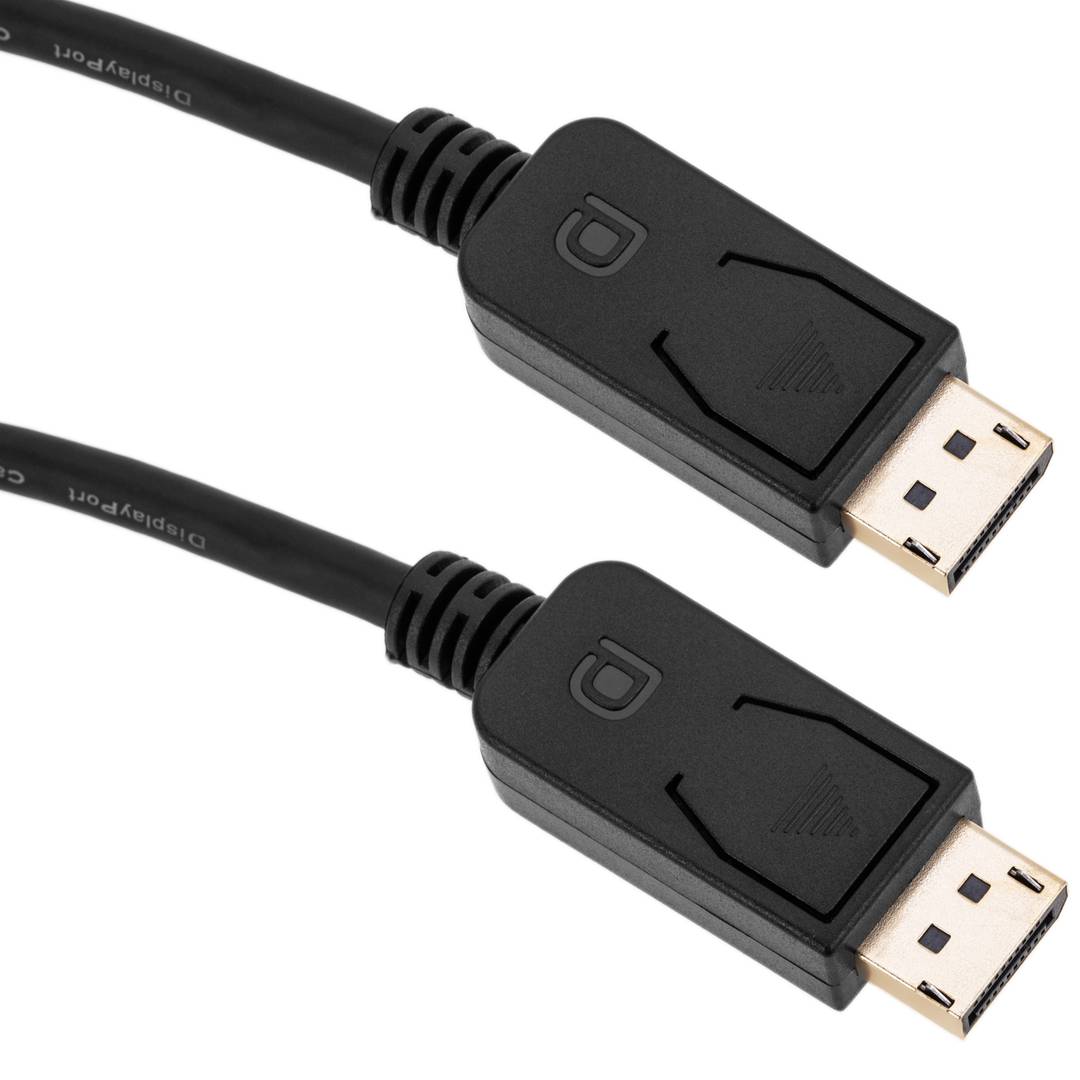
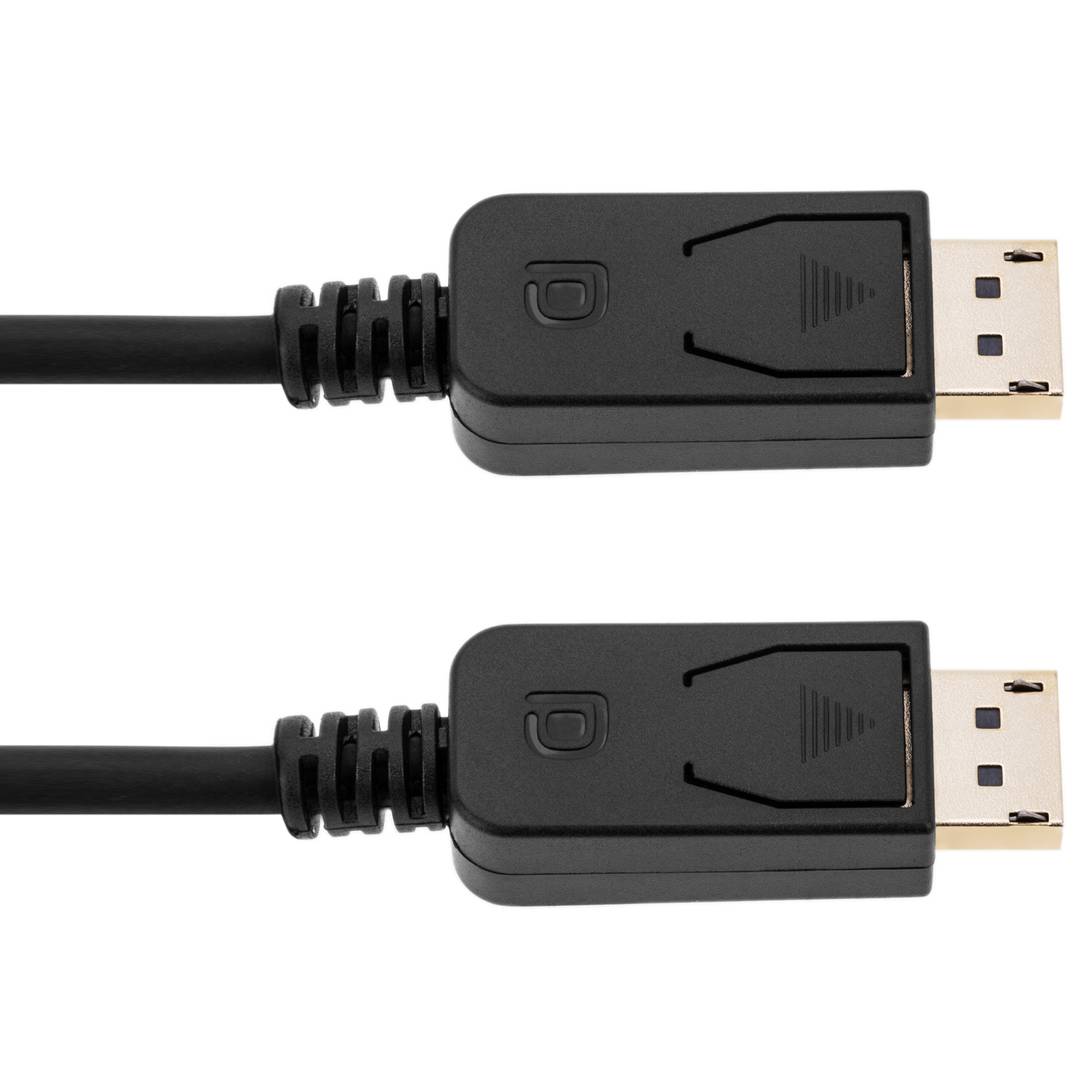
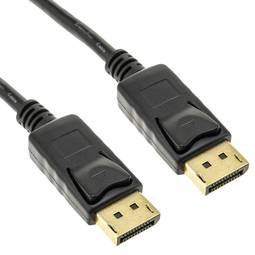
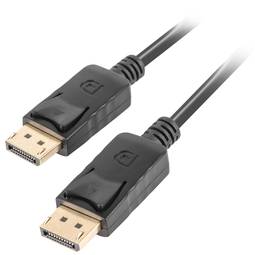
- DisplayPort 4K 8K cable, with male DisplayPort connectors on both ends, 1 meter long.
- Compatible with DisplayPort 1.4, HDCP 2.2, DSC 1.2 and earlier.
- Supports video resolution up to 8Kx4K at 60Hz.
- Support for HBR3 (High Bit Rate 3) bandwidths up to 32.4 Gbps.
- Supports MST (Multi-Stream Transport) for serial connection of multiple monitors.
![play_button]() Watch video
Watch video
More info
 Watch video
 2 years
warranty
 14 days
returns
 100%
100%safe
- DisplayPort 4K 8K cable, with male DisplayPort connectors on both ends, 1 meter long.
- Compatible with DisplayPort 1.4, HDCP 2.2, DSC 1.2 and earlier.
- Supports video resolution up to 8Kx4K at 60Hz.
- Support for HBR3 (High Bit Rate 3) bandwidths up to 32.4 Gbps.
- Supports MST (Multi-Stream Transport) for serial connection of multiple monitors.
Related products



Purchased together regularly






More info
Displayport 8K 1.4 cable for 8K digital audio and video transmission, with male DisplayPort connectors on both ends of the cable. Allows you to easily connect a computer DP port to an HD television, monitor or projector with a DP port. Allows you to transfer high definition audio and video.
Specifications
- DisplayPort 4K 8K cable, with male DisplayPort connectors on both ends, 1 meter long.
- Compatible with DisplayPort 1.4, HDCP 2.2, DSC 1.2 and earlier.
- Supports video resolution up to 8Kx4K at 60Hz.
- Support for HBR3 (High Bit Rate 3) bandwidths up to 32.4 Gbps.
- Supports MST (Multi-Stream Transport) for serial connection of multiple monitors.
- Ideal for connecting a DisplayPort (DP) port on a PC to a monitor, projector, HDTV, etc.
- Gross Weight: 70 g
- Product size (width x depth x height): 2.3 x 1.8 x 100.0 cm
- Number of packages: 1
- Packages size: 16.0 x 11.5 x 2.0 cm
Technical terms
- HD High definition
- DisplayPort
- HDCP
- Gbps
- HDTV
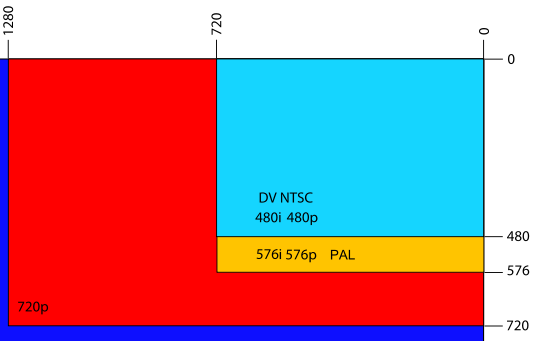
HD (High Definition) is the technical standard designed to surpass the resolution limitations of standard definition (SD) systems, offering higher pixel density.
The architecture of High Definition is based on a significant increase in spatial resolution, typically using a 16:9 aspect ratio. At the hardware level, HD requires an image processor capable of managing dense data streams and high-speed communication buses to minimize latency in digital signal transmission.
| Specification | Standard Value |
|---|---|
| Minimum Resolution | 1280 x 720 pixels |
| Aspect Ratio | 16:9 |
The deployment of the HD standard has reconfigured data storage and transmission paradigms in modern networks, serving as the minimum baseline for professional video.
Progressive and Interlaced Scanning
HD systems operate using progressive or interlaced modes to optimize bandwidth usage.
Key Advantages
- Superior clarity and texture detail.
- Native widescreen format.
- Integrated digital multichannel audio.
Reference standard for the modern audiovisual industry.