

08/01/2026 10:42 p.m.
https://cablematic.com/en/products/expresscard-1xdb25-parallel-card-TP061/
https://cablematic.com/en/products/expresscard-1xdb25-parallel-card-TP061/
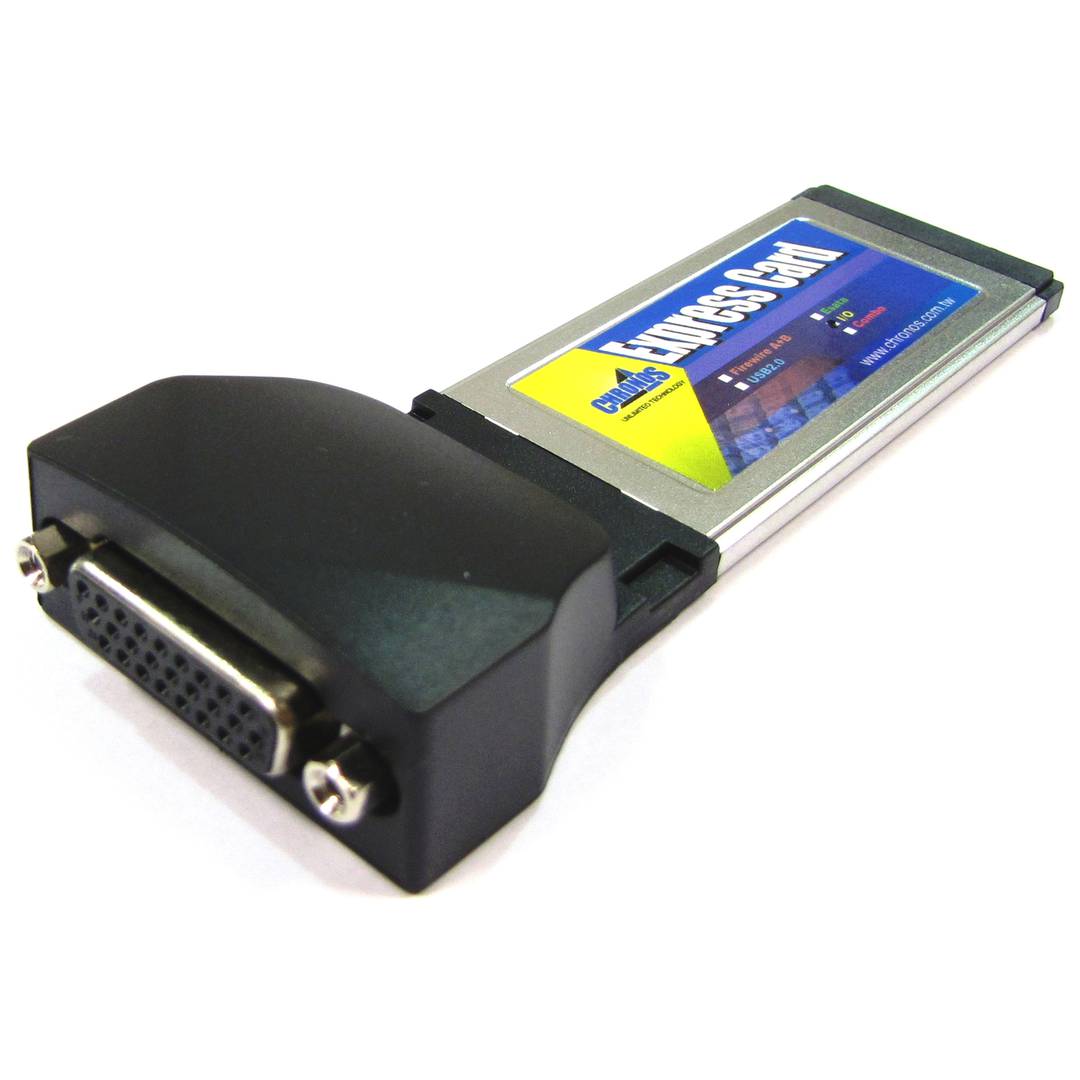


ExpressCard 1xDB25 parallel card
ExpressCard 1xDB25 parallel card
REF: TP061

Specifications
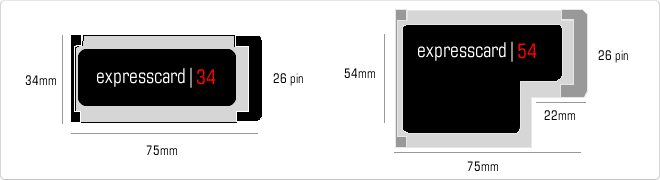
- ExpressCard 34mm.
- ExpressCard transfer of 250Mb/s.
- ECRC support and error management support.
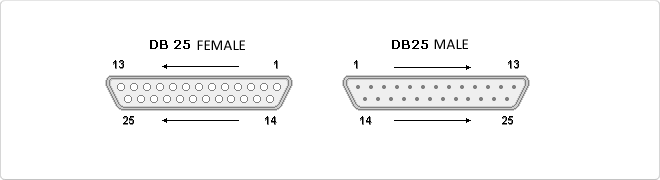
- It has compact connector DB26-Female of 3 lines integrated in the card.
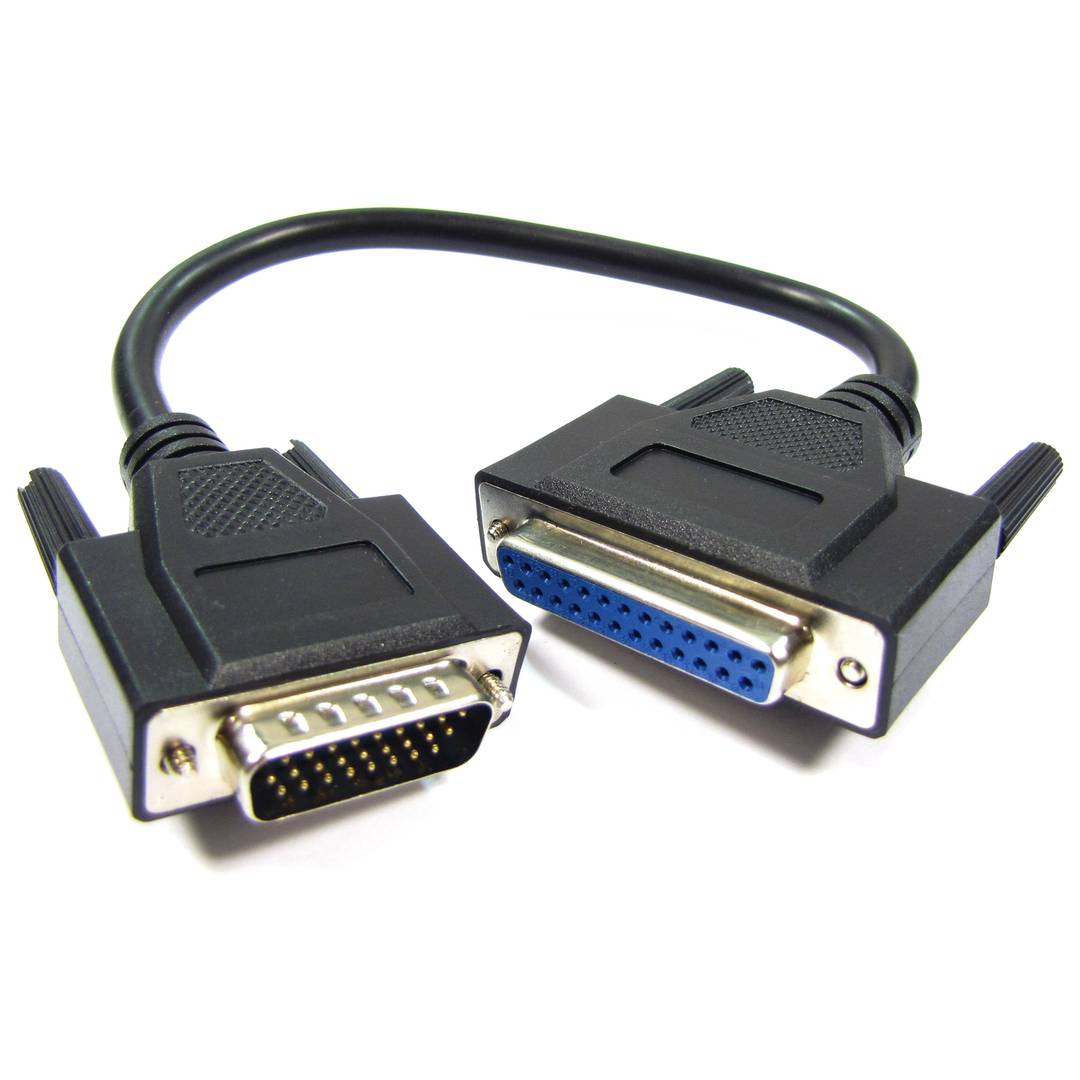
- It is supplied small cable of 15cm DB26-Male of 3 lines to DB25-Female.
PVP
€16.19
Price including VAT:
€16.19
PVD
€13.86
PVP: Retail price.
Check conditions.
PVP: Sale price to distributors.
Check conditions.
 2 years
warranty
 14 days
returns
 100%
100%safe
We will notify you when it is back in stock.
Specifications
- ExpressCard 34mm.
- ExpressCard transfer of 250Mb/s.
- ECRC support and error management support.
- It has compact connector DB26-Female of 3 lines integrated in the card.
- It is supplied small cable of 15cm DB26-Male of 3 lines to DB25-Female.
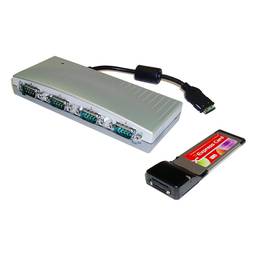
More info
ExpressCard of 34mm of 1 parallel port IEEE 1284 compatible SPP/EPP/ECP.
Characteristics of the card
- ExpressCard 34mm.
- ExpressCard transfer of 250Mb/s.
- ECRC support and error management support.
- It has compact connector DB26-Female of 3 lines integrated in the card.
- It is supplied small cable of 15cm DB26-Male of 3 lines to DB25-Female.
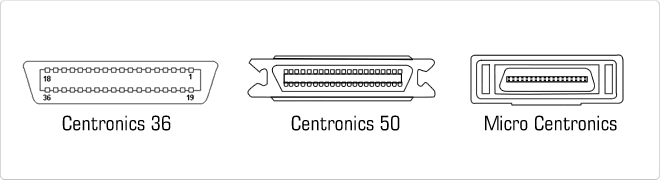
- SIt supports the pre-existing parallel centronic ports.
- Support for Windows and Linux environments.
- Gross Weight: 200 g
- Number of packages: 1
Technical terms
- EPP
- Parallel
- Centronics
- Expresscard
- IEEE 1284
- SPP
- ECP
EPP
EPP (Enhanced Parallel Port) is a signaling method defined in the IEEE 1284 standard for high-speed bidirectional communication between PCs and peripherals. It was specifically designed for data-intensive devices.
Think of it as a wider highway where traffic can flow in both directions at the same time, making the exchange of information much faster than on a narrow one-way street.
| Feature | Specification |
|---|---|
| Transfer Rate | Up to 2 MB/s |
| Interface | Parallel DB-25 |
Hardware-Driven Handshaking
EPP implements the handshaking protocol in hardware, which significantly reduces the CPU overhead compared to standard software-controlled parallel ports.
Key Advantages
- Higher data throughput than standard modes.
- Maintains backward compatibility with older devices.
- Low latency for peripheral devices.
IEEE 1284 was the performance bridge before USB reached the market.