

https://cablematic.com/en/products/external-amplifier-500mw-80211-a-AN077/


External Amplifier 500mW 802.11-a


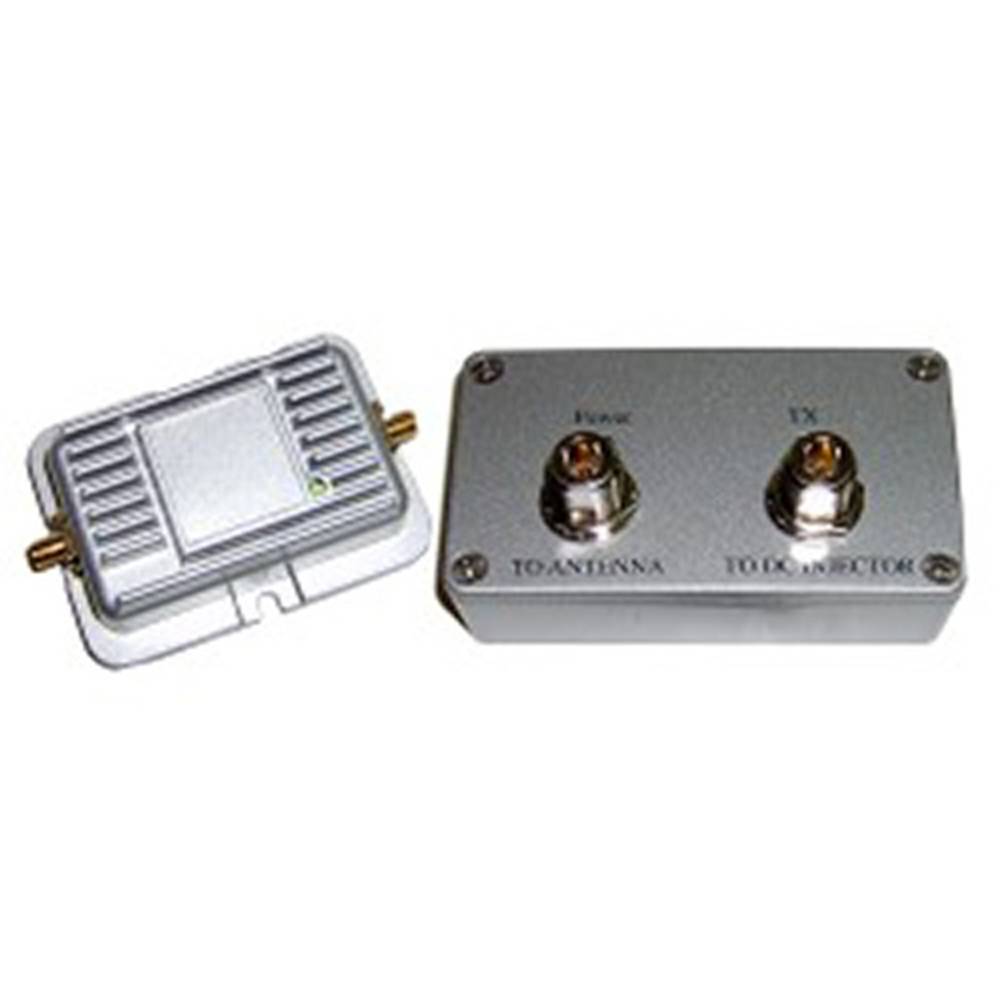
- Bi-directional amplifier that operates in the 5.xGHZ band, ideal for applications based on 802.11-a wireless network.
- Ideal to compensate the loss of power radiated by long distances of cables, to have more range, or other uses.
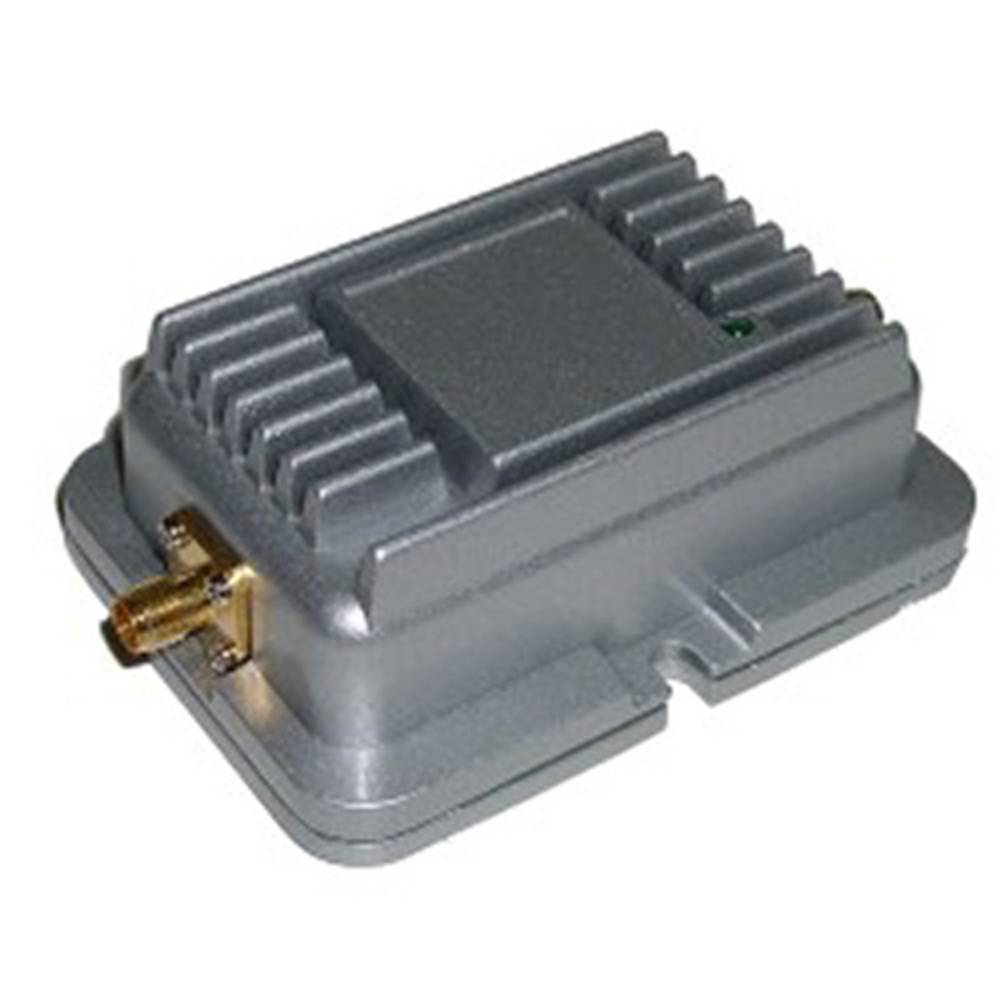
- Manufactured in metal and totally airtight to be installed outdoors and with protection from electric shocks caused by external elements.
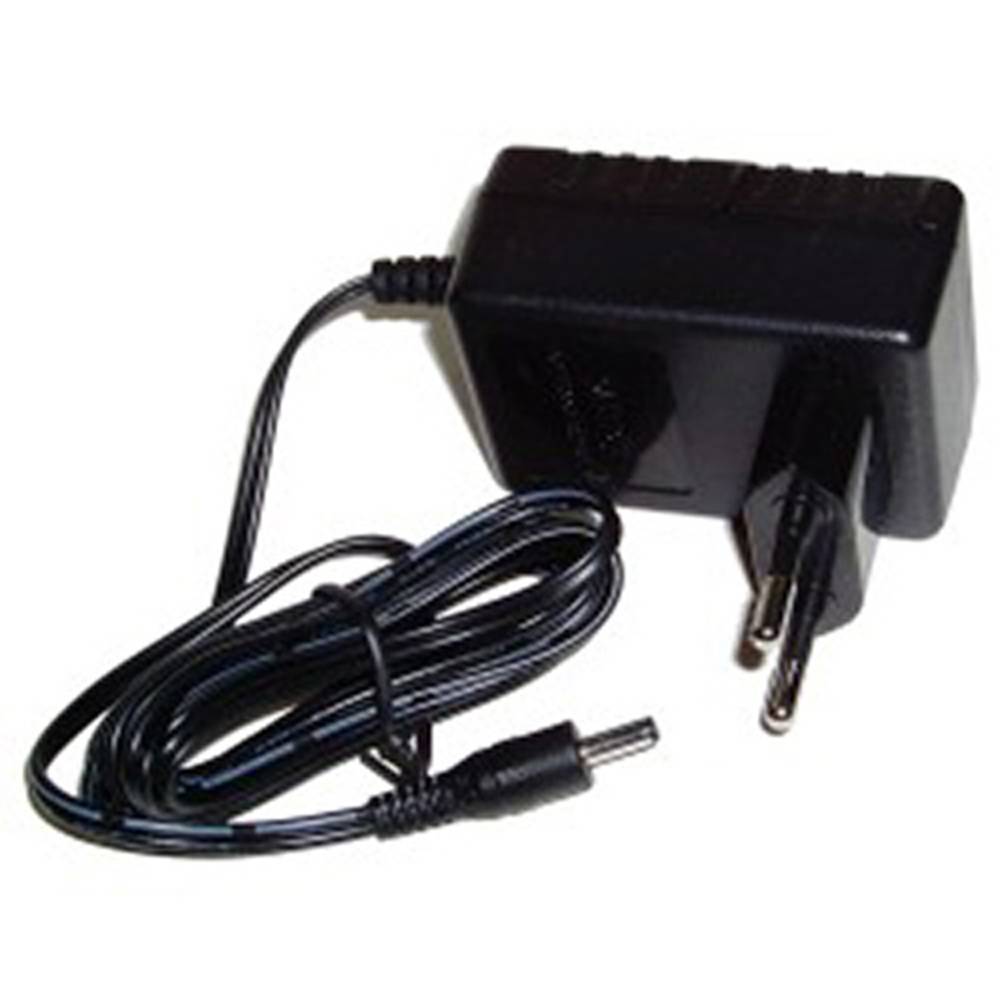
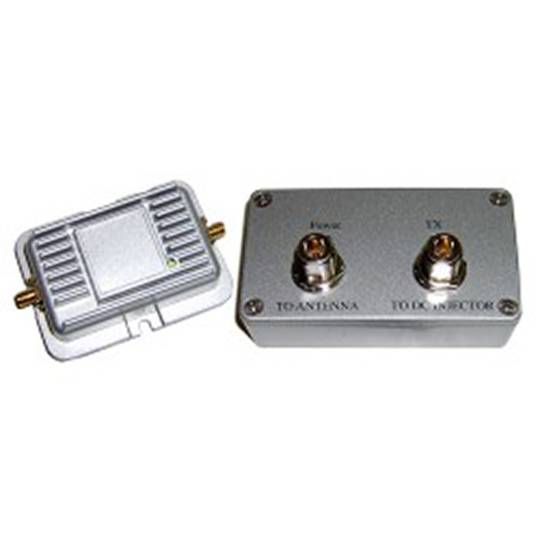
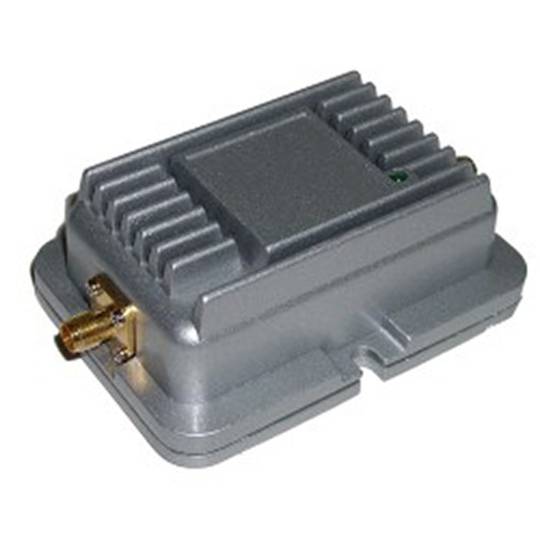
- It is basically composed of three elements: the DC injector (or DC-Injector), the power supply and the outdoor amplifier.
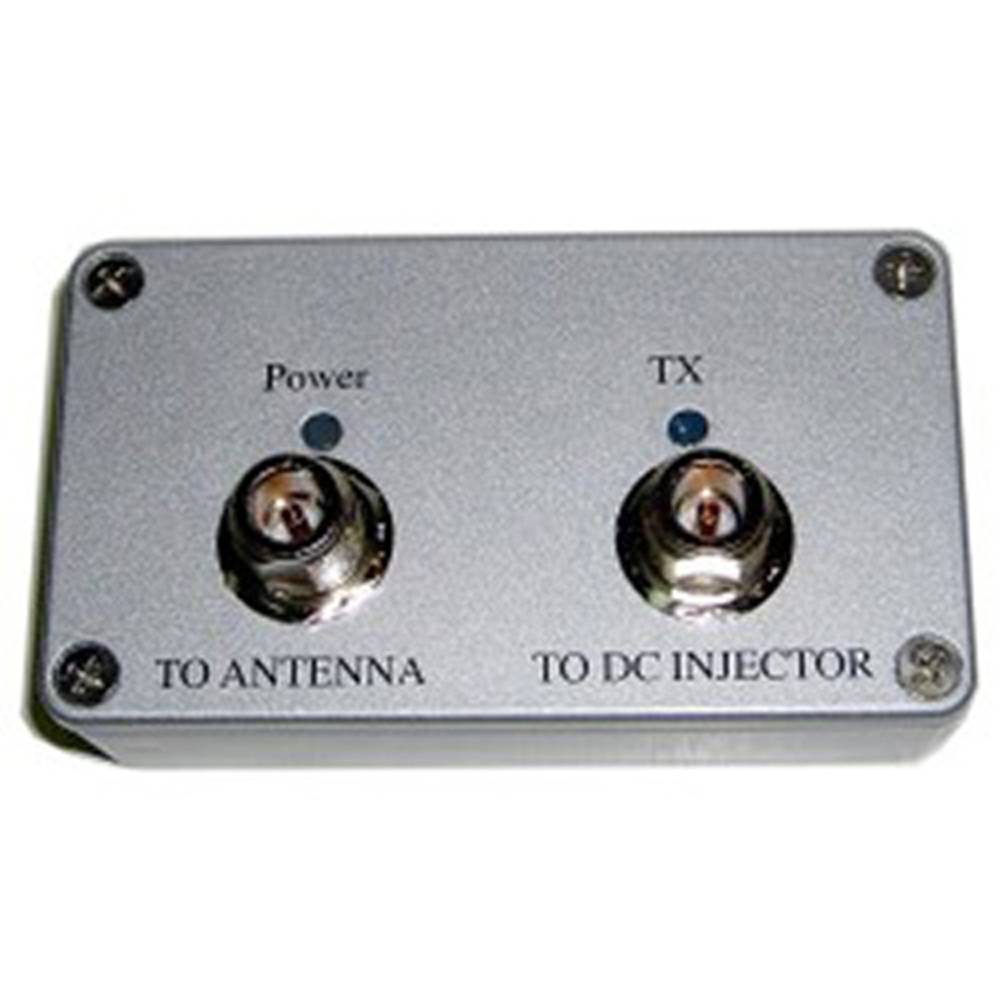
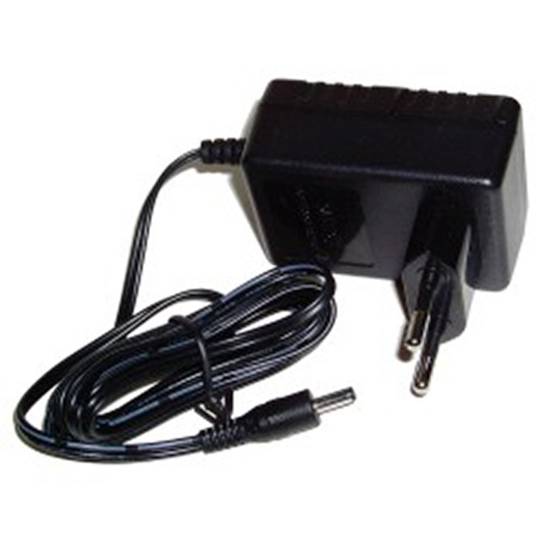
- The DC injector is installed inside and unifies in the same cable that goes to the amplifier, the signal to be radiated (from the network equipment or similar) and the power supply (from the 6VDC power supply).

 2 years
warranty
 14 days
returns
- Bi-directional amplifier that operates in the 5.xGHZ band, ideal for applications based on 802.11-a wireless network.
- Ideal to compensate the loss of power radiated by long distances of cables, to have more range, or other uses.
- Manufactured in metal and totally airtight to be installed outdoors and with protection from electric shocks caused by external elements.
- It is basically composed of three elements: the DC injector (or DC-Injector), the power supply and the outdoor amplifier.
- The DC injector is installed inside and unifies in the same cable that goes to the amplifier, the signal to be radiated (from the network equipment or similar) and the power supply (from the 6VDC power supply).
More info
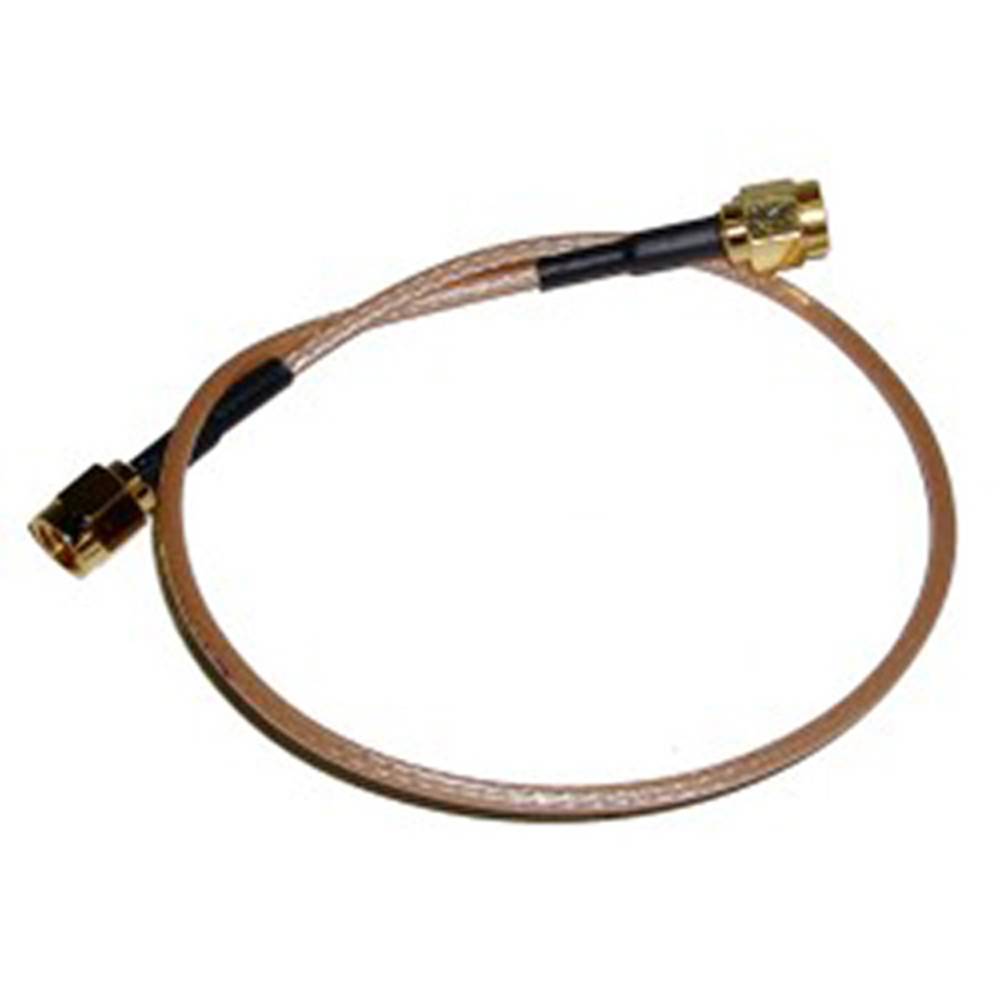
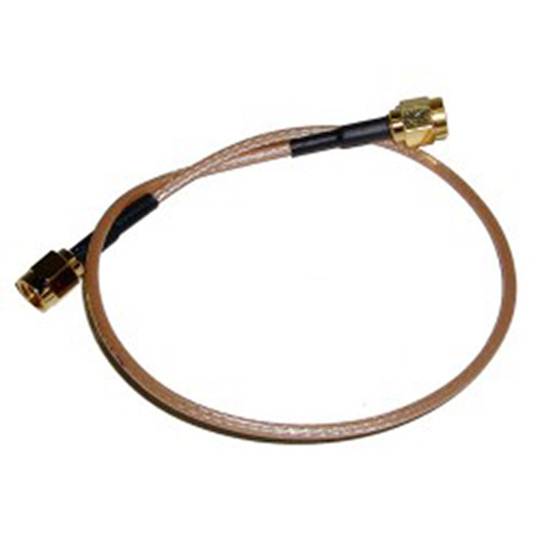
Bi-directional amplifier that operates in the 5.xGHZ band, ideal for applications based on 802.11-a wireless network. Ideal to compensate the loss of power radiated by long distances of cables, to have more range, or other uses. Manufactured in metal and totally airtight to be installed outdoors and with protection from electric shocks caused by external elements. It is basically composed of three elements: the DC injector (or DC-Injector), the power supply and the outdoor amplifier. The DC injector is installed inside and unifies in the same cable that goes to the amplifier, the signal to be radiated (from the network equipment or similar) and the power supply (from the 6VDC power supply). The amplifier has an input from the DC injector and an output that goes to the antenna, and it amplifies thesignals sent and received, apart from separating the data signals from the electric signals, from which it is fed. The amplifier has N-Female connectors (50 Ohm), while the injector has SMA-Female and rSMA-Female connectors. Transmission gain of 27dB (max adjusted automatically). Output power of 500 mW. Reception gain of 15dB (typical). Compatible with 802 compliant wireless networks.11-a. Amplifier size of 115 x 65 x 48 mm. Injector size of 7.8 x 5.6 x 2.9 cm. Supplied with rSMA-Male to SMA-Male hose to connect the injector to the access point.
- Gross Weight: 820 g
- Product size (width x depth x height): 13.0 x 9.0 x 3.0 cm
- Number of packages: 1
- Packages size: 26.0 x 18.0 x 6.0 cm
Technical terms
- Impedance
- Hz
- Wifi
Impedance (Z) is the total opposition that a circuit offers to alternating current (AC) flow when a specific voltage is applied.
Unlike simple resistance, impedance is a complex quantity comprising resistance (the real part) and reactance (the imaginary part, representing inductive or capacitive effects). In the frequency domain, impedance is represented as a phasor, accounting for both magnitude and phase shift between voltage and current. In DC circuits, impedance reduces to pure resistance with zero phase angle.
| Parameter | Technical Spec |
|---|---|
| Symbol | Z |
| Unit | Ohm (Ω) |
Impedance management is critical in high-speed hardware design and signal integrity. In modern PCB manufacturing, controlled impedance ensures that high-frequency signals reach their destination without reflections, which is vital for PCIe or DDR5 performance.
Complex Domain Analysis
Mathematical modeling of impedance using the j-operator allows engineers to optimize filter performance and resonance characteristics in electronic systems.
Key Advantages
- Maximum power transfer through impedance matching.
- Minimized signal reflections in high-frequency transmission lines.
- Improved electromagnetic compatibility (EMC).
Note: Impedance is the cornerstone of modern AC circuit theory and high-frequency design.