

09/19/2026 12:43 p.m.
https://cablematic.com/en/products/hq-fiber-optic-terminator-for-led-illuminator-with-glass-ball-lighting-for-ceiling-FC094/
https://cablematic.com/en/products/hq-fiber-optic-terminator-for-led-illuminator-with-glass-ball-lighting-for-ceiling-FC094/
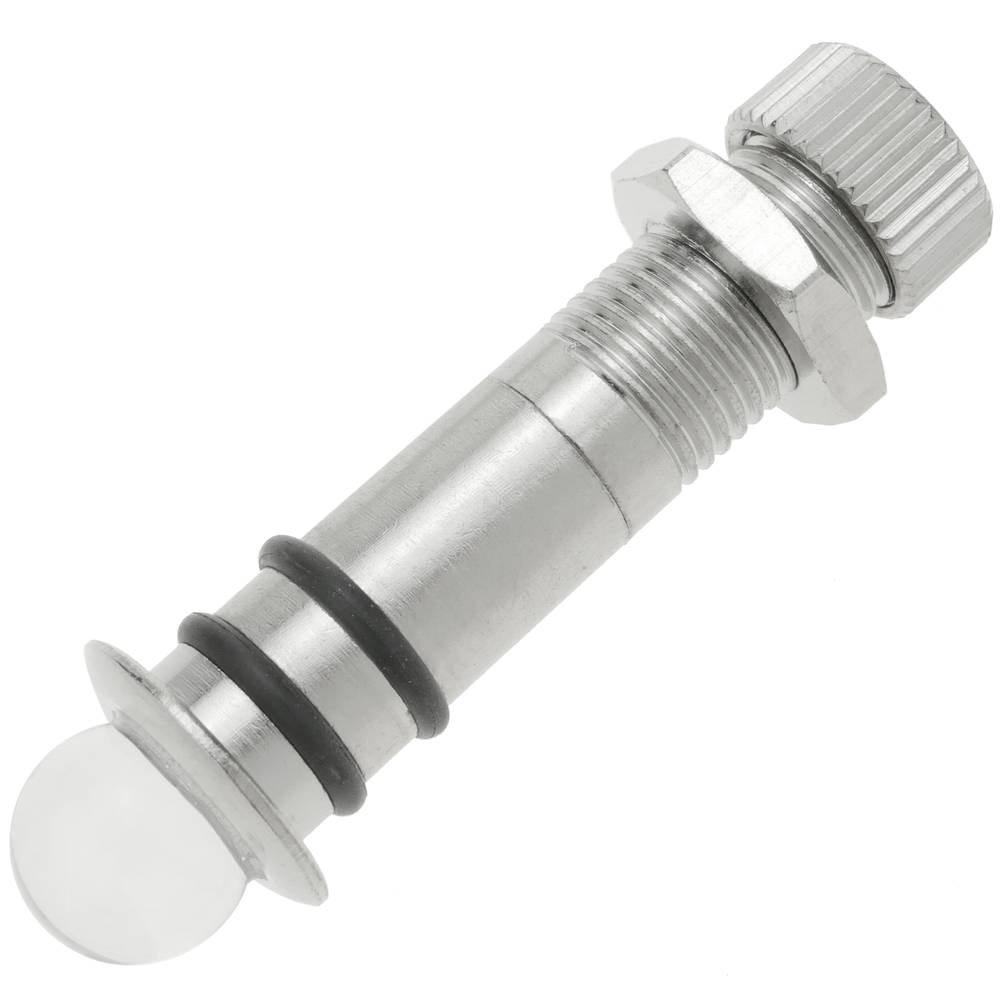
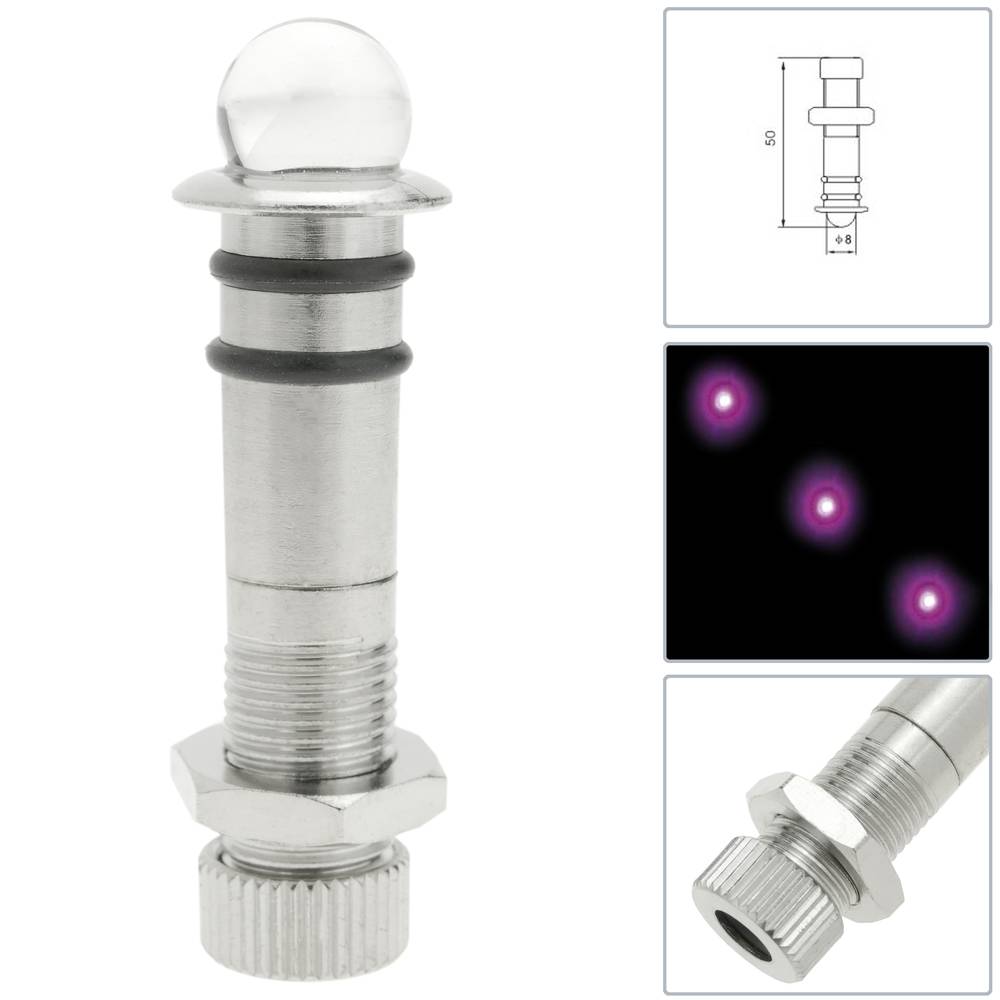


HQ fiber optic terminator for LED illuminator with glass ball lighting for ceiling
HQ fiber optic terminator for LED illuminator with glass ball lighting for ceiling
REF: FC094

Specifications
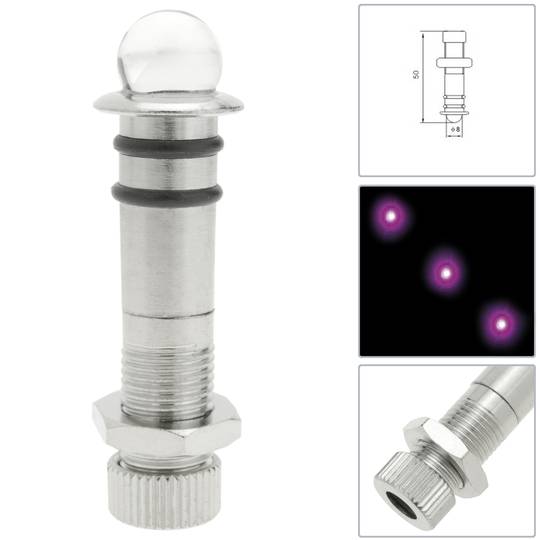
- Final finishers for a fiber optic LED lighting installation. These terminators are the ideal termination for an installation of fiber optic lights. Installation on the ceiling, walls, panels, etc.
- The installation is simple, because you simply have to drill the false ceiling, put the terminator in the hole, and insert the optical fiber into the terminator.
- Diameter of the drill: 9 mm. Maximum diameter of the outer part: 8 mm. Total length: 50 mm.
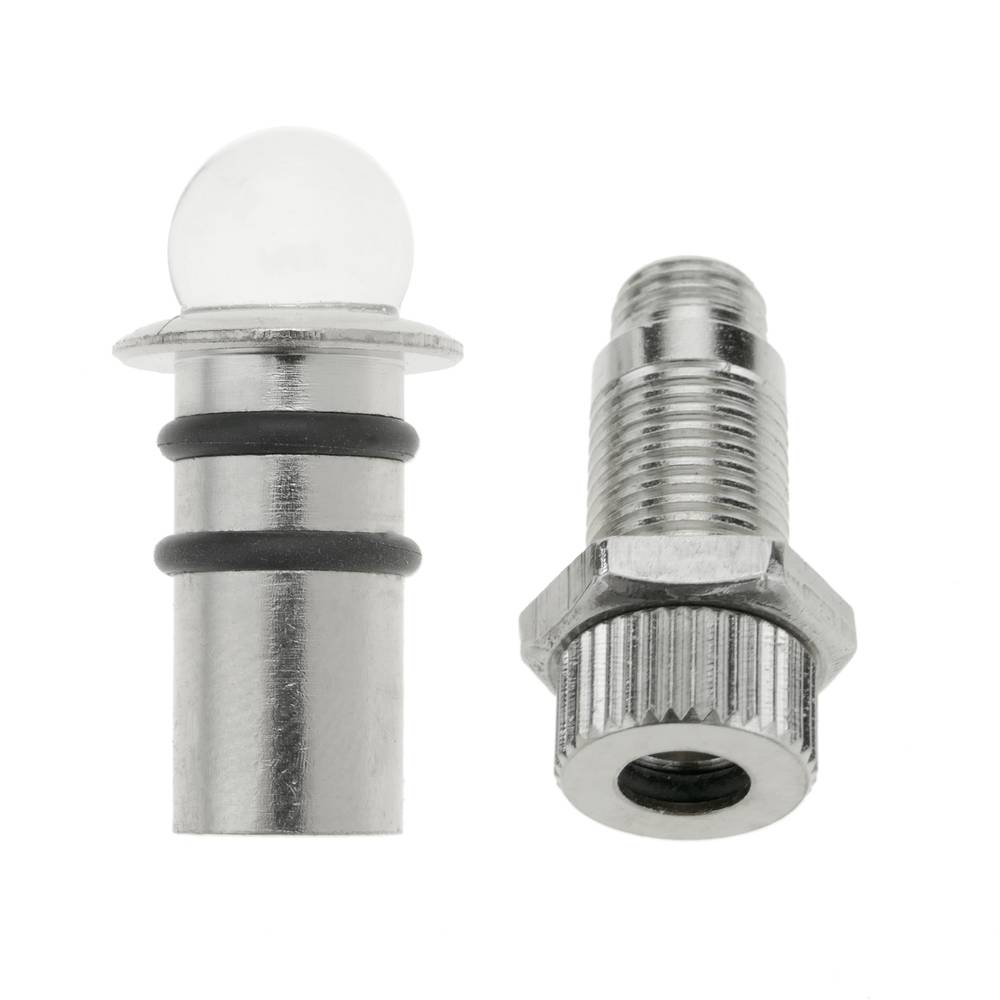
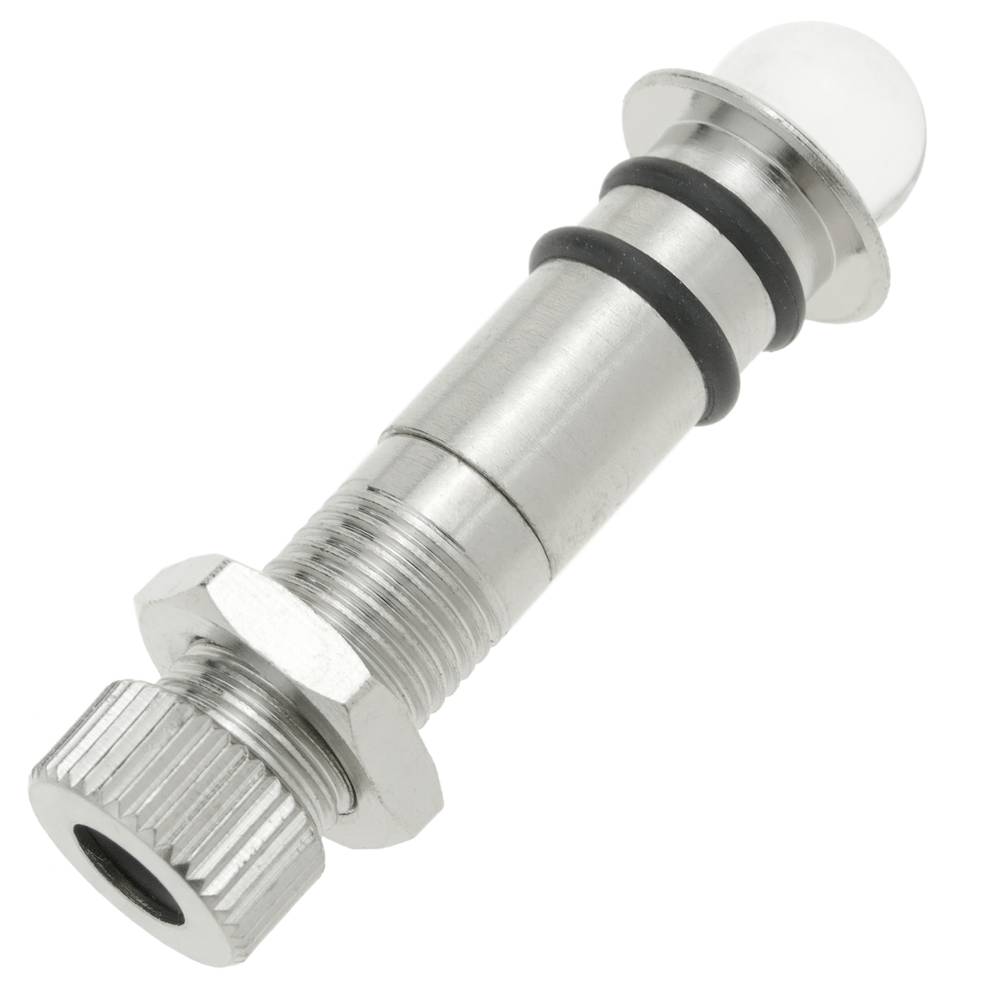
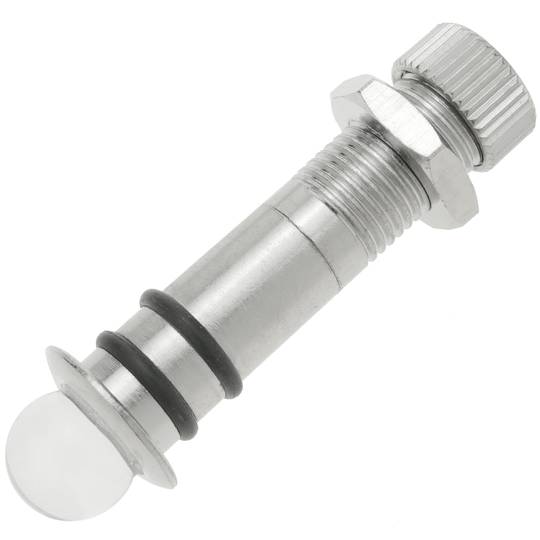
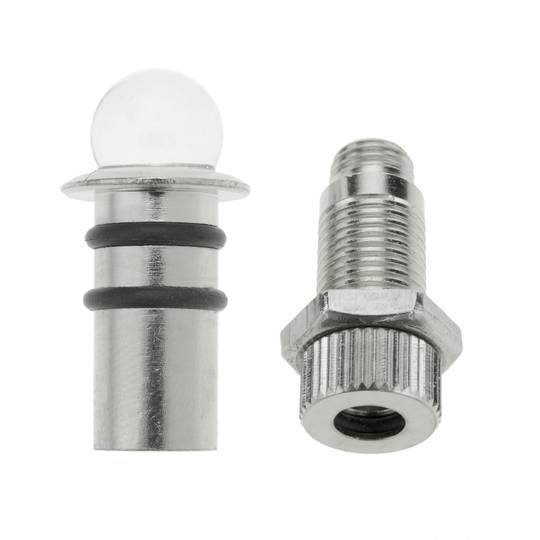
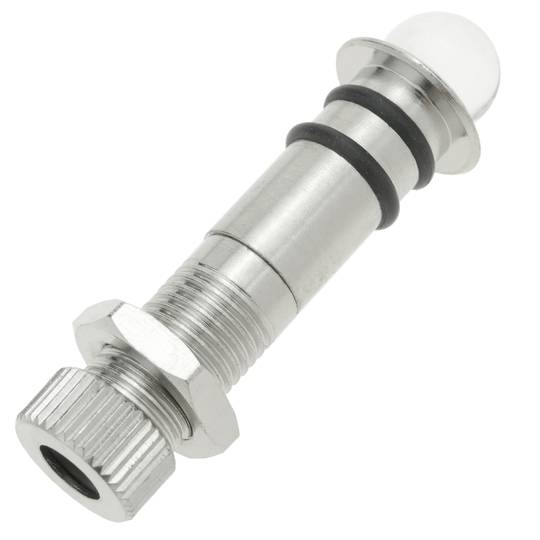
- Manufactured in glass (external head) and metal (inner body). With round ball type exterior shape.
- Includes a single high quality unit (HQ).
![play_button]() Watch video
Watch video
More info
 Watch video
PVP
€7.79
Price including VAT:
€7.79
PVD
€6.26
PVP: Retail price.
Check conditions.
PVP: Sale price to distributors.
Check conditions.
 2 years
warranty
 14 days
returns
 100%
100%safe
We will notify you when it is back in stock.
Specifications
- Final finishers for a fiber optic LED lighting installation. These terminators are the ideal termination for an installation of fiber optic lights. Installation on the ceiling, walls, panels, etc.
- The installation is simple, because you simply have to drill the false ceiling, put the terminator in the hole, and insert the optical fiber into the terminator.
- Diameter of the drill: 9 mm. Maximum diameter of the outer part: 8 mm. Total length: 50 mm.
- Manufactured in glass (external head) and metal (inner body). With round ball type exterior shape.
- Includes a single high quality unit (HQ).
More info
Final finishers for a fiber optic LED lighting installation. These terminators are the ideal termination for an installation of fiber optic lights. Installation on the ceiling, walls, panels, etc. The installation is simple, because you simply have to drill the false ceiling, put the terminator in the hole, and insert the optical fiber into the terminator. LED lighting with fiber optic propagation. The combination of optical fiber with a LED light generator, gets spectacular effects and many applications. The system consists of an LED light generator (illuminator) to which the optical fiber is connected. The light propagates through the optical fiber until it reaches the opposite end of the optical fiber, illuminating brilliantly. The LED light source (illuminator) is the only component that needs power and can be hidden anywhere secure. Fiber optic cables are insulated, they are safe, they can be installed outdoors, in water, flammable areas, and do not generate heat through lighting. Ideal for lighting and decoration, interior lighting, making starry ceilings, garden lighting, commercial signs, etc.
Specifications
- Final finishers for a fiber optic LED lighting installation. These terminators are the ideal termination for an installation of fiber optic lights. Installation on the ceiling, walls, panels, etc.
- The installation is simple, because you simply have to drill the false ceiling, put the terminator in the hole, and insert the optical fiber into the terminator.
- Diameter of the drill: 9 mm. Maximum diameter of the outer part: 8 mm. Total length: 50 mm.
- Manufactured in glass (external head) and metal (inner body). With round ball type exterior shape.
- Includes a single high quality unit (HQ).
- Gross Weight: 20 g
- Product size (width x depth x height): 5.2 x 1.6 x 1.6 cm
- Number of packages: 1
- Packages size: 5.2 x 1.6 x 1.6 cm
Technical terms
- LED
LED
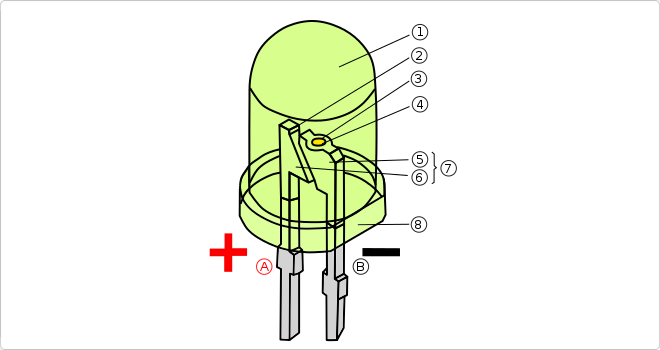
The word LED, which is the acronym for Light Emitting Diode, is a passive optoelectronic component characterized by its versatility, taking on many forms and being integrated into many optical elements, from screens to light bulbs and even photographic flashes.
One of its best features is its low energy consumption, as well as its longer lifespan, its durability that perfectly withstands almost any type of vibration, in addition to low heat emission.
In the diagram:
One of its best features is its low energy consumption, as well as its longer lifespan, its durability that perfectly withstands almost any type of vibration, in addition to low heat emission.
In the diagram:
- Anode
- Cathode
- Lens/epoxy encapsulation (plastic capsule).
- Metal contact (conducting wire).
- Reflective cavity (reflective cup).
- Semiconductor termination.
- Anvil.
- Post.
- Anvil and post assembly replacing the filament.
- Flat edge.