

05/15/2026 7:18 a.m.
https://cablematic.com/en/products/infrared-photoelectric-electronic-sensor-e18-d80nk-AJ026/
https://cablematic.com/en/products/infrared-photoelectric-electronic-sensor-e18-d80nk-AJ026/
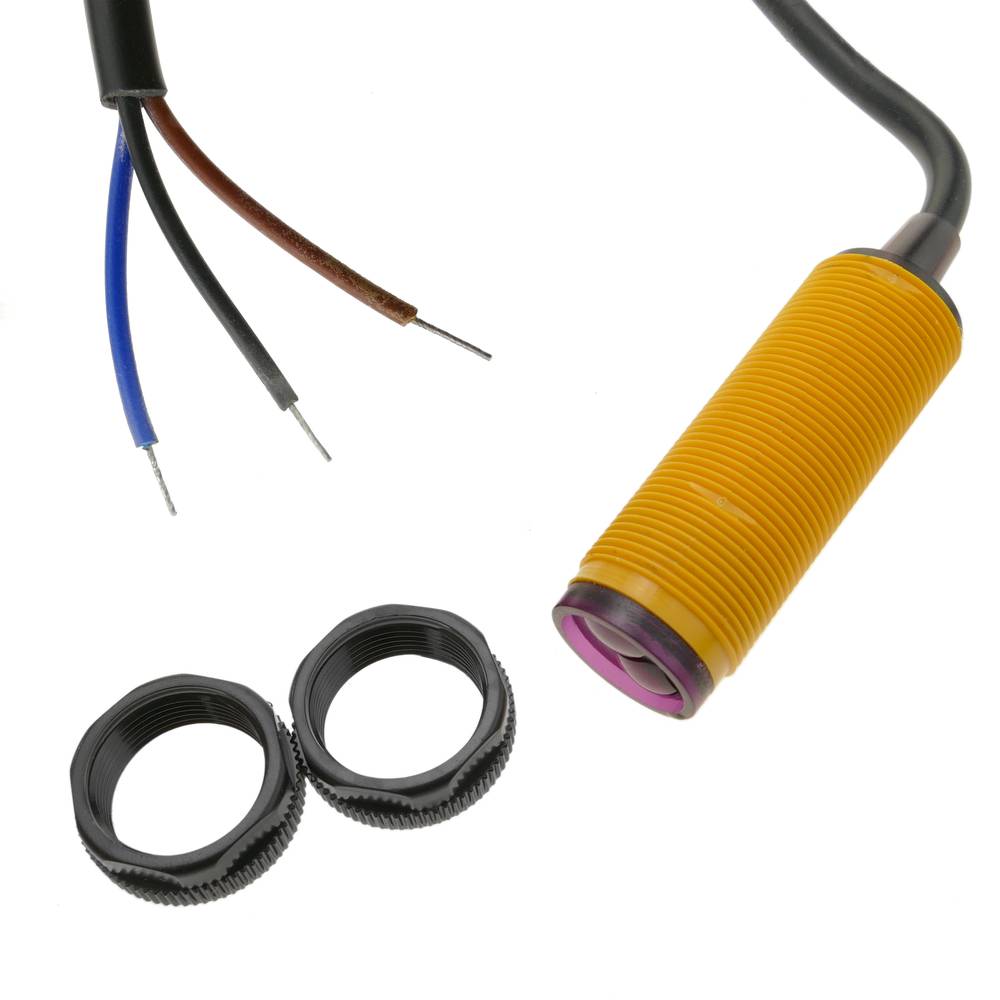
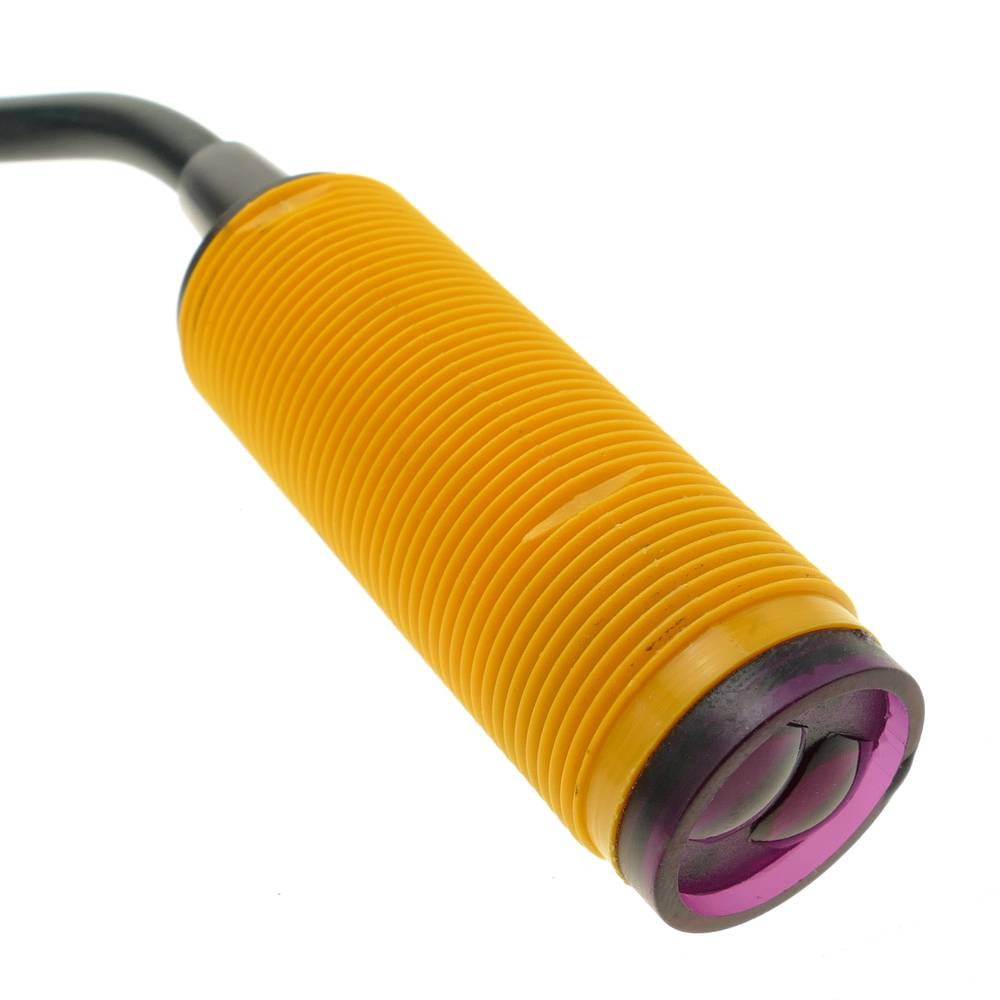
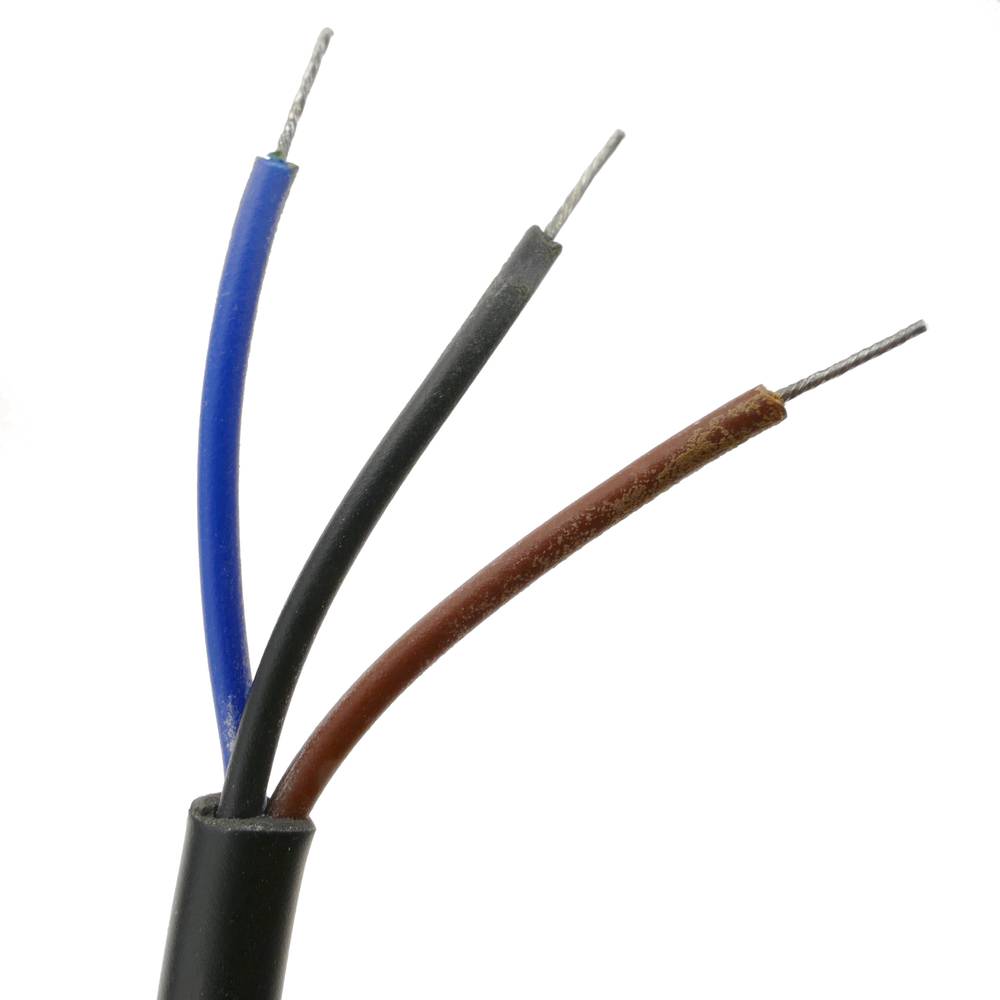
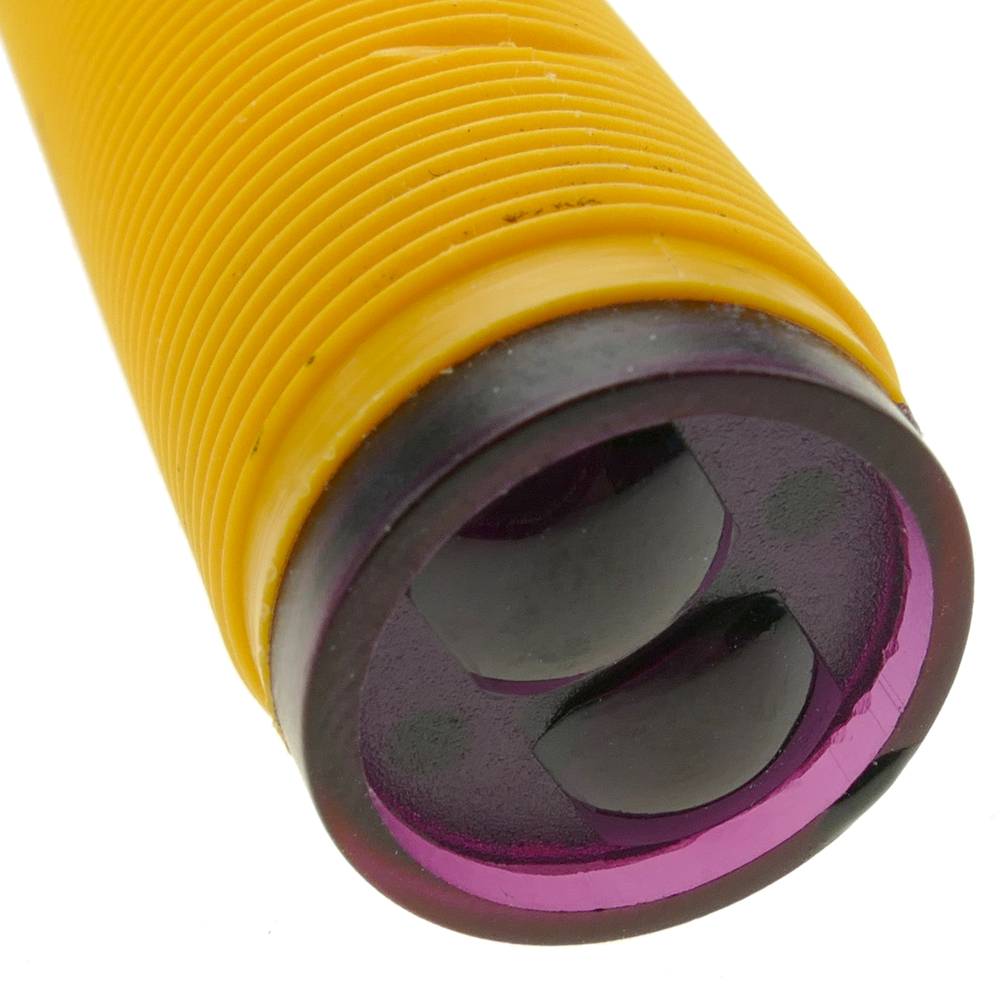
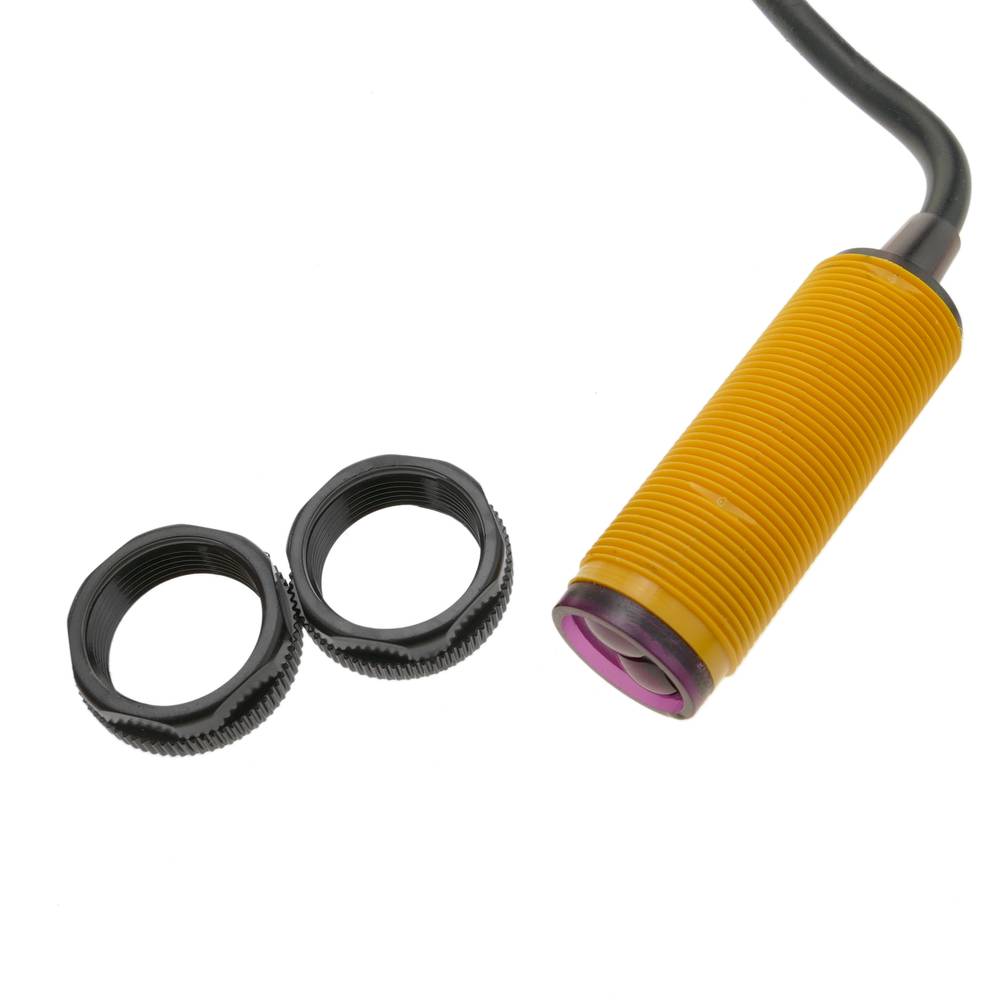


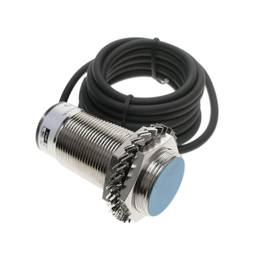
Infrared photoelectric electronic sensor E18-D80NK
Infrared photoelectric electronic sensor E18-D80NK
REF: AJ026

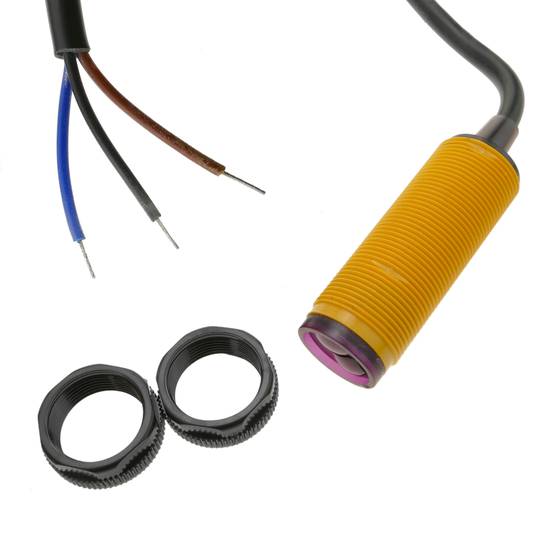
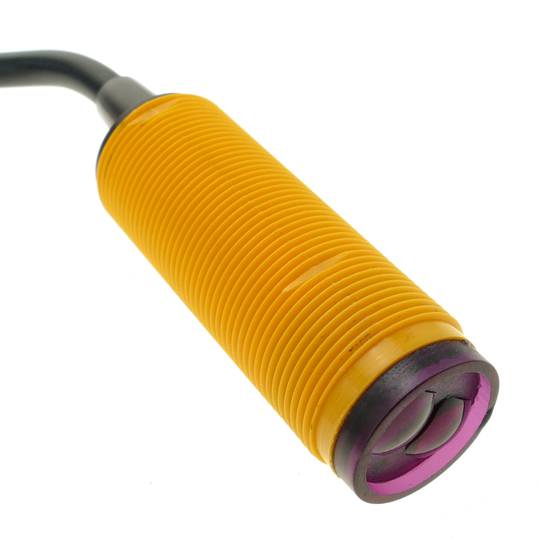
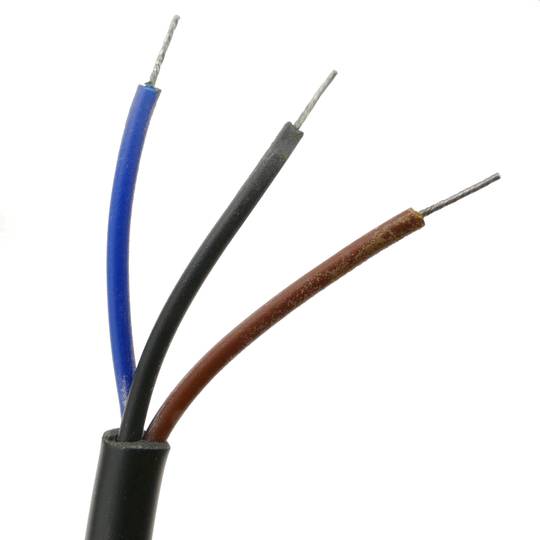
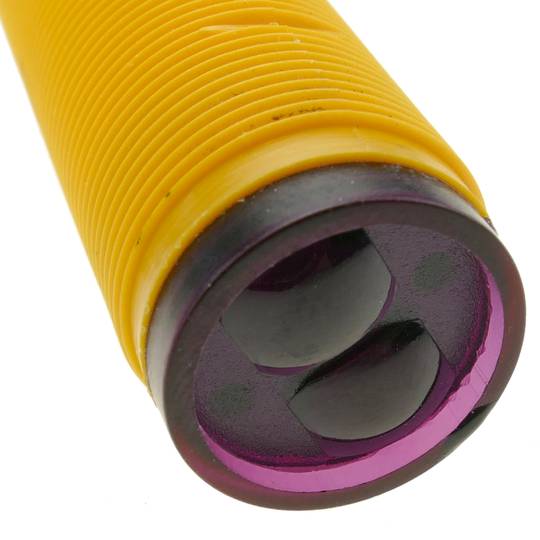
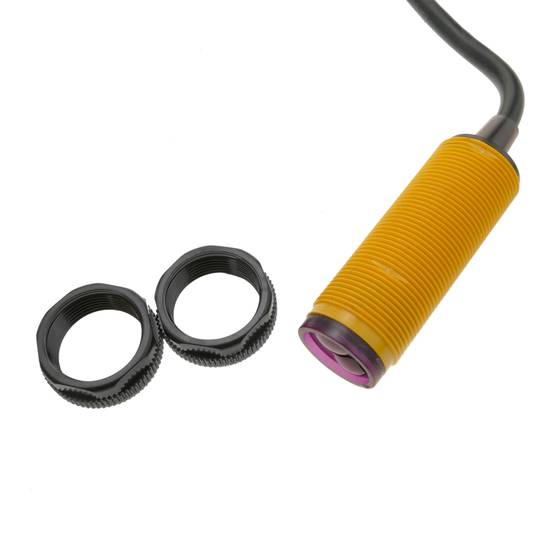
Specifications
- Infrared photoelectric electronic sensor (model E18-D80NK).
- Electronic analog to digital converter.
- Approximate size: 50 x 18 x 18 mm.
- Device designed for integrators and designers of electronic circuits.
- High quality electronic components mounted on printed circuit board.
![play_button]() Watch video
Watch video
More info
 Watch video
PVP
€10.53
Price including VAT:
€10.53
PVD
€8.46
PVP: Retail price.
Check conditions.
PVP: Sale price to distributors.
Check conditions.
 2 years
warranty
 14 days
returns
 100%
100%safe
Specifications
- Infrared photoelectric electronic sensor (model E18-D80NK).
- Electronic analog to digital converter.
- Approximate size: 50 x 18 x 18 mm.
- Device designed for integrators and designers of electronic circuits.
- High quality electronic components mounted on printed circuit board.
Related products
Keywords
Did not find what you were looking for? These topic could help you
Purchased together regularly


More info
Infrared photoelectric electronic sensor (model E18-D80NK). Electronic analog to digital converter. Approximate size: 50 x 18 x 18 mm. Device designed for integrators and designers of electronic circuits. High quality electronic components mounted on printed circuit board.
- Gross Weight: 30 g
- Product size (width x depth x height): 5.0 x 1.8 x 1.8 cm
- Number of packages: 1
- Packages size: 5.5 x 3.0 x 1.8 cm
Technical terms
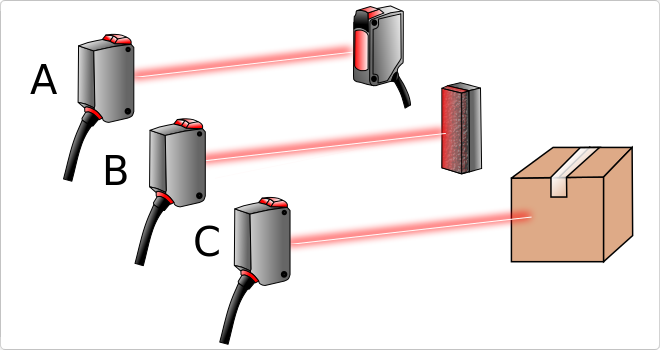
- Self-reflective photocells
- Types of photoelectric sensors
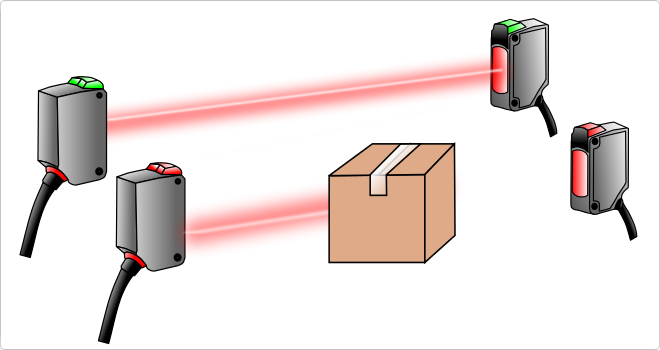
- Barrier Photocells
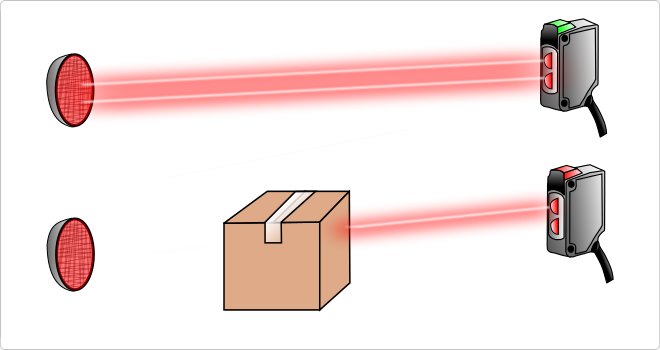
- Reflective photocells with reflector
Self-reflective photocells
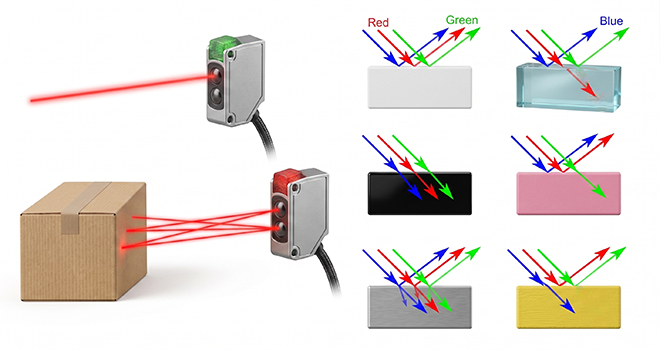
This is one of the most economical models of detectors by photocell, but against is one of the least recommended in situations with high humidity or places with a lot of dust or dirt. The reception distance is also shortened as opposed to the barrier, so they do not have as much detection range. This factor is directly linked to the color of the object, since the light emitted must bounce on it, it will not haveThe same index of reflection an object of black color (that absorbs the light) to a white object (that bounces the light), therefore, objects of light colors will be better detected with a self-reflecting photocell.
This type of sensors unlike those of barrier, its emitter and receiver are in a single device. The emitter emits light on the object, when light reaches the object it bounces and is received by the receiver, qYou will be in charge of executing the action, like stopping a tape, adding a unit, triggering a mechanism, etc.
As it is a single device its installation is minimized, since it is only necessary to feed a point, unlike the barrier that are two points. They are ideal for installations where it is complicated or there is no space to place the receiving device.
This type of photocells can be divided into 3 groups,Standard or self-reflecting photocells, background suppression and autoreflective foreground photocells (FGS, Foreground suppression)
This type of sensors unlike those of barrier, its emitter and receiver are in a single device. The emitter emits light on the object, when light reaches the object it bounces and is received by the receiver, qYou will be in charge of executing the action, like stopping a tape, adding a unit, triggering a mechanism, etc.
As it is a single device its installation is minimized, since it is only necessary to feed a point, unlike the barrier that are two points. They are ideal for installations where it is complicated or there is no space to place the receiving device.
This type of photocells can be divided into 3 groups,Standard or self-reflecting photocells, background suppression and autoreflective foreground photocells (FGS, Foreground suppression)
- Self-reflective or non-suppressed photocells (the standards) are those whose detection distance is affected by the color of the detected object. As a result of this small inconvenience,Have improved these sensors by creating two variants, with background suppression and foreground suppression.
- Self-reflective or suppressed photocells work in the same way as the previous ones, but also use several triangulations of the light to calculate the exact position in which the object is. Thanks to these triangulations the sensor is able to ignore any object that may be behind and pUeda interfere in the detection, in such a way that they are not so affected by lighter colors, shapes or brightness of the object.
- Self-reflective photocells with foreground suppression are those that work just like background suppression but focus on the background surface, adjusting the detection zone at that distance. Basically, what the sensor does is focus on the background and will detect any object thatIs placed on said background, for example, is the system used for the detection of objects on a conveyor belt or other surface.