

10/20/2026 5:38 a.m.
https://cablematic.com/en/products/laser-barcode-reader-1d-model-ws3200-wireless-usb-BP007/
https://cablematic.com/en/products/laser-barcode-reader-1d-model-ws3200-wireless-usb-BP007/
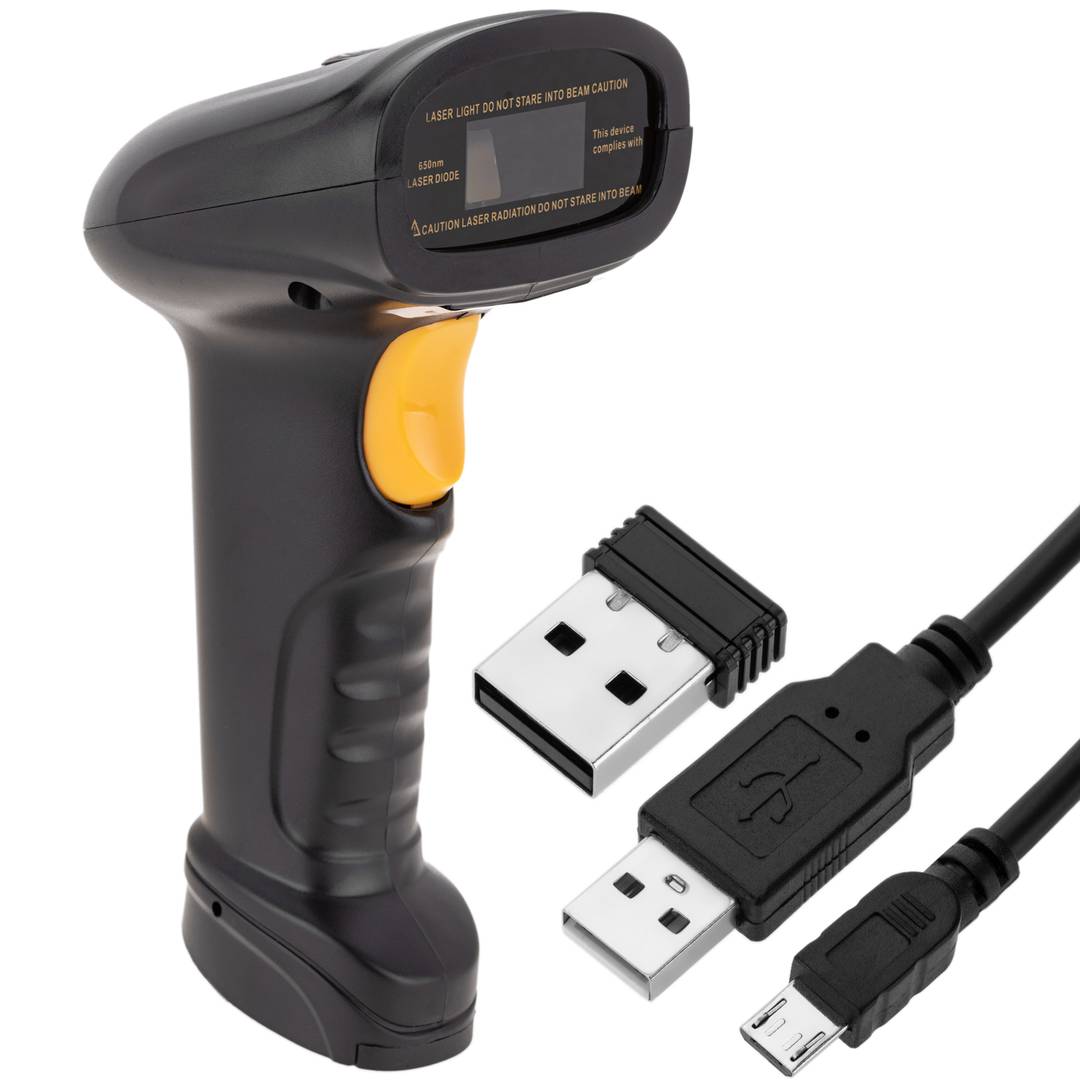
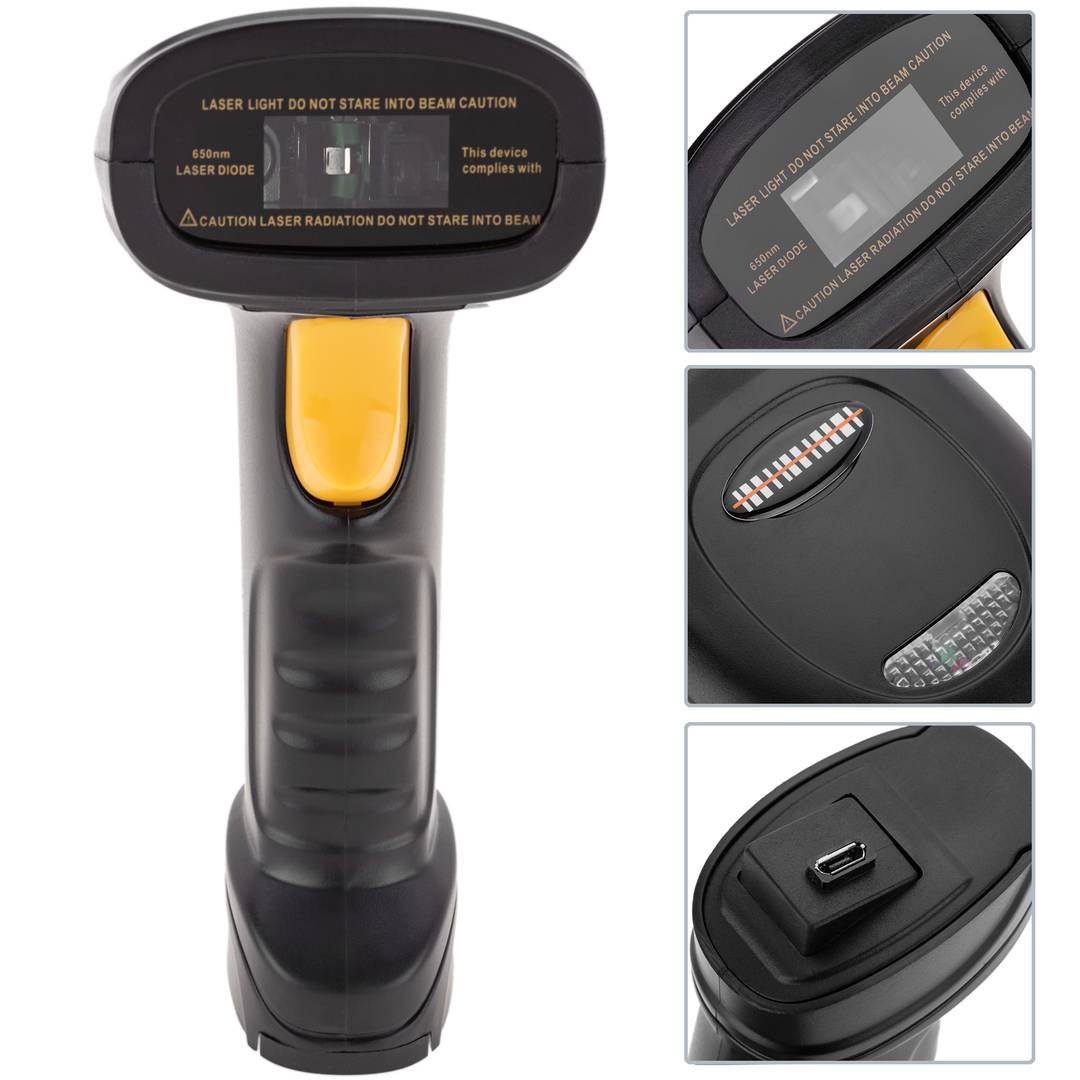
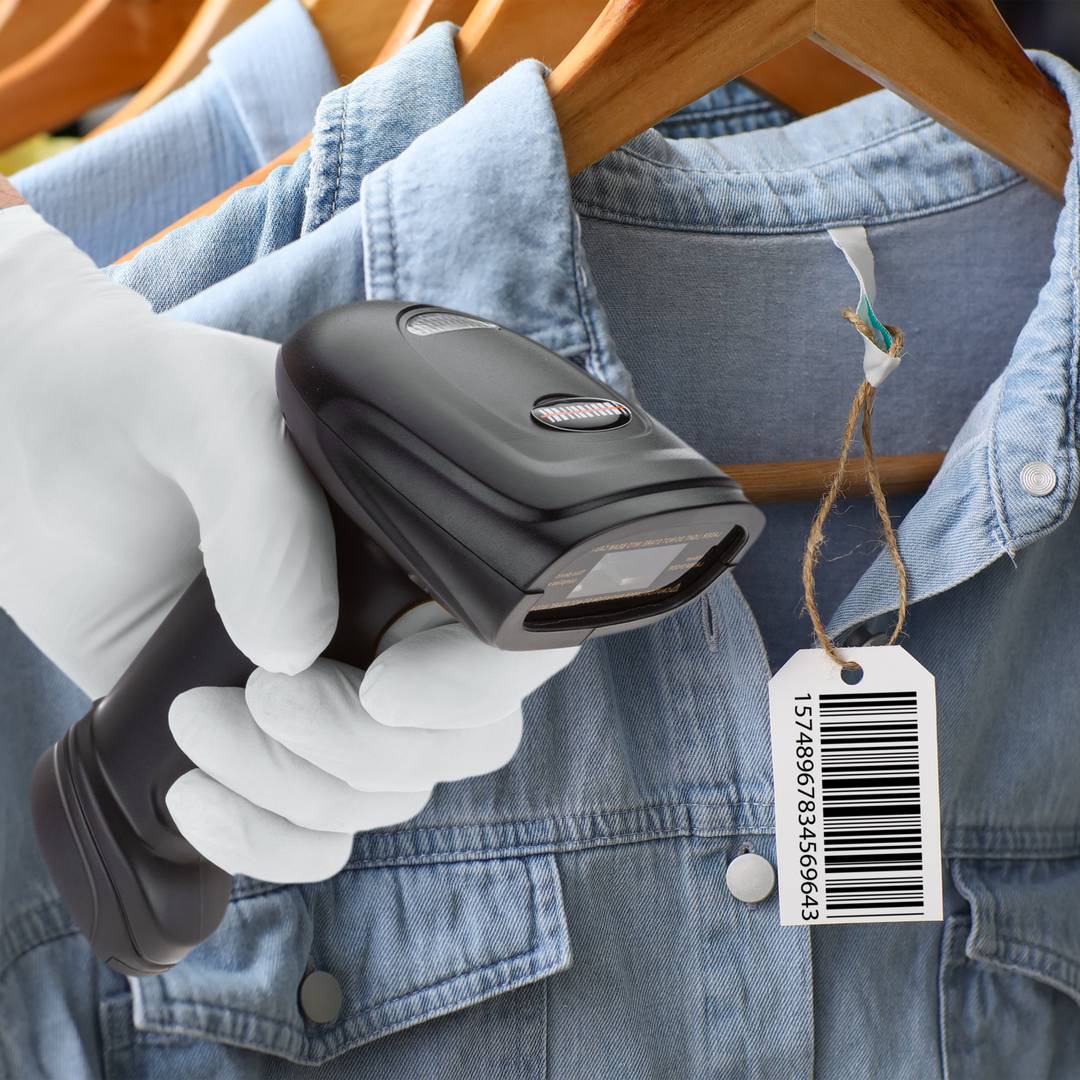
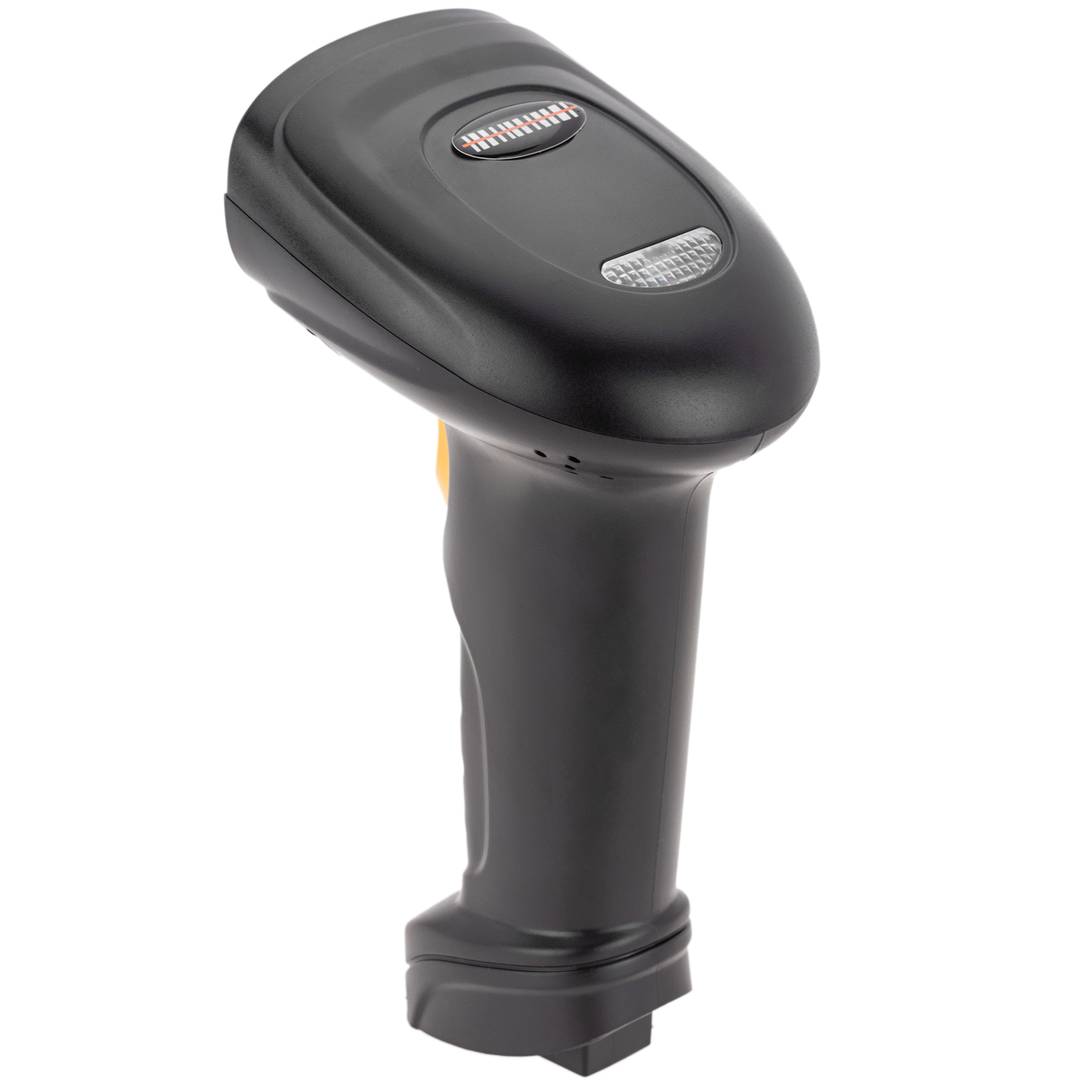
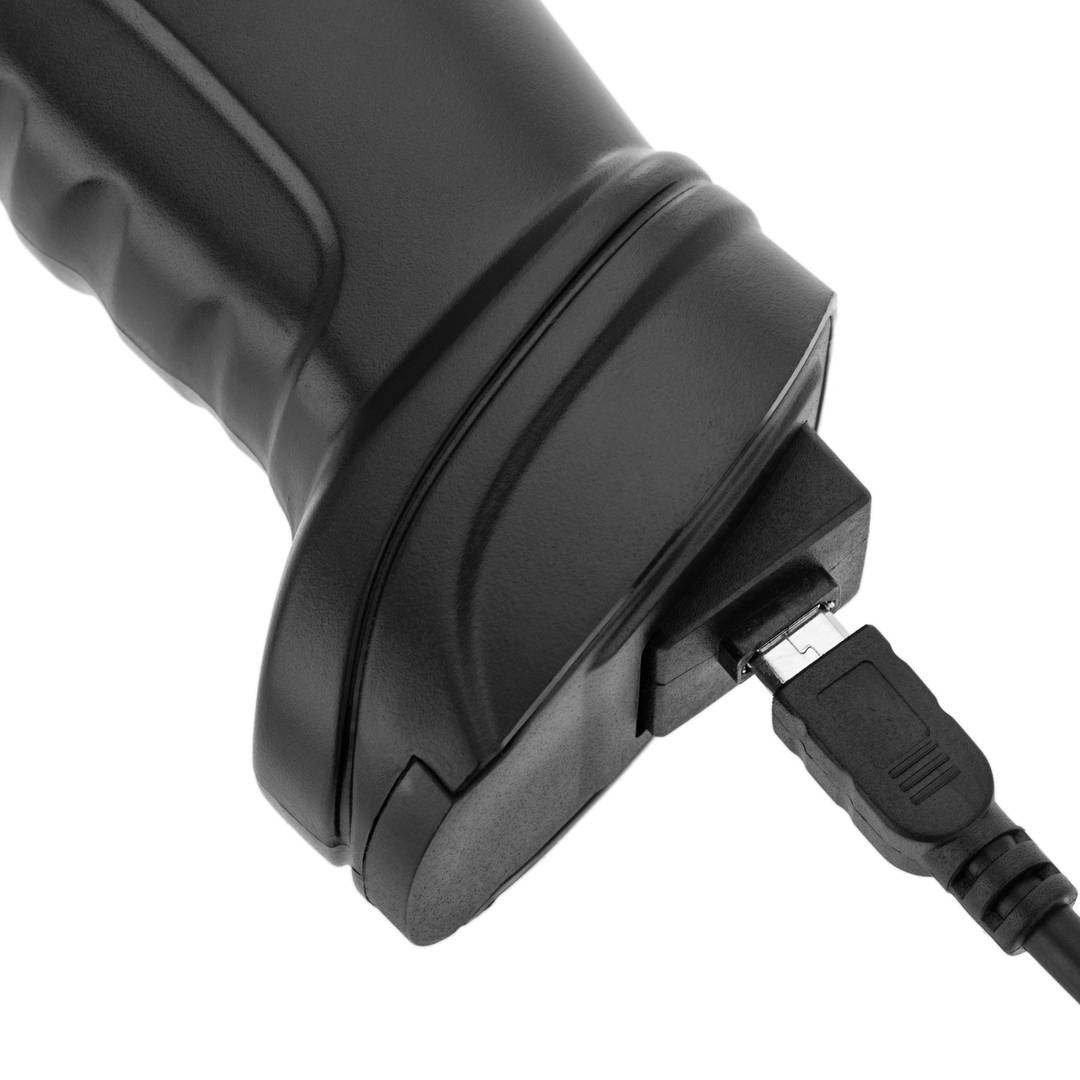
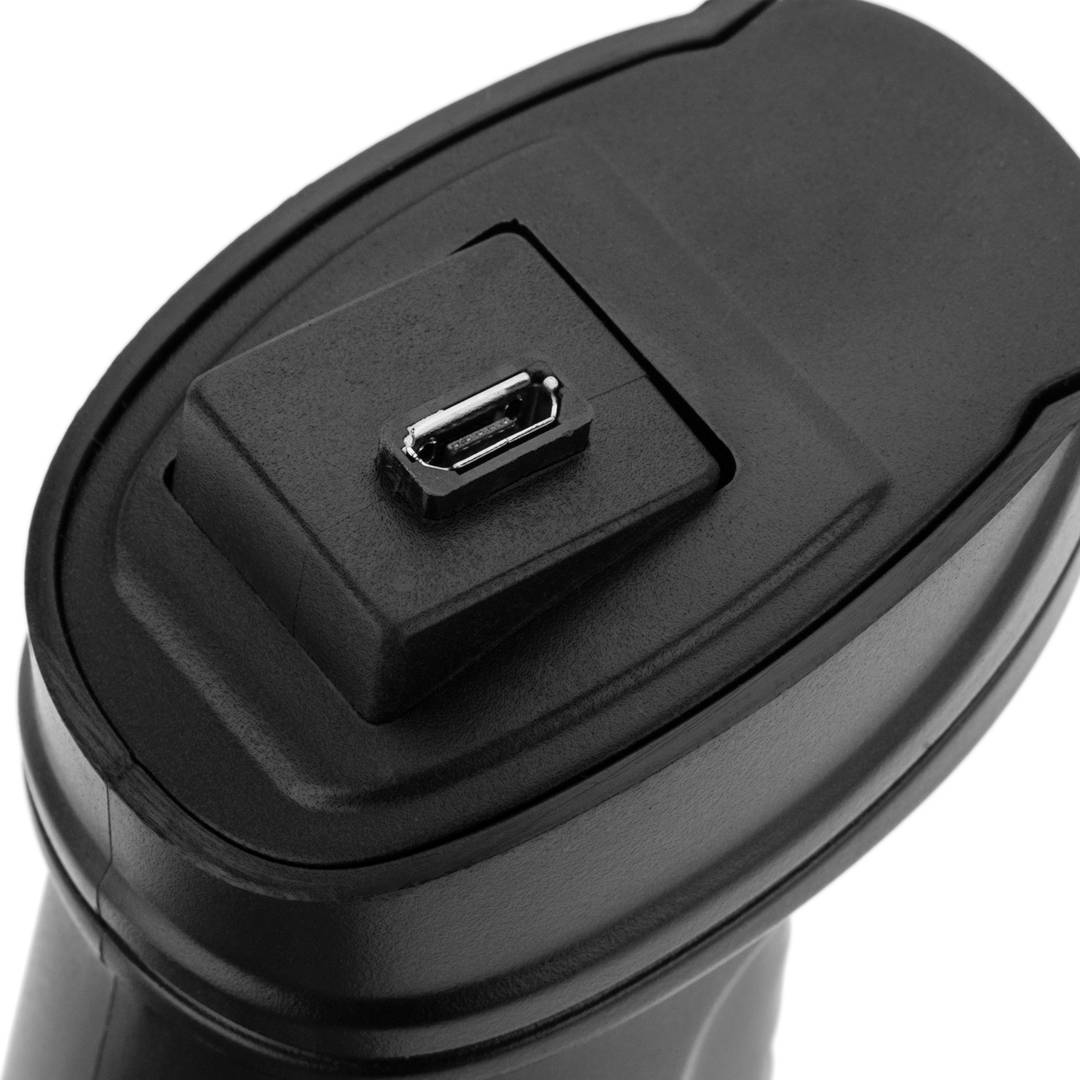
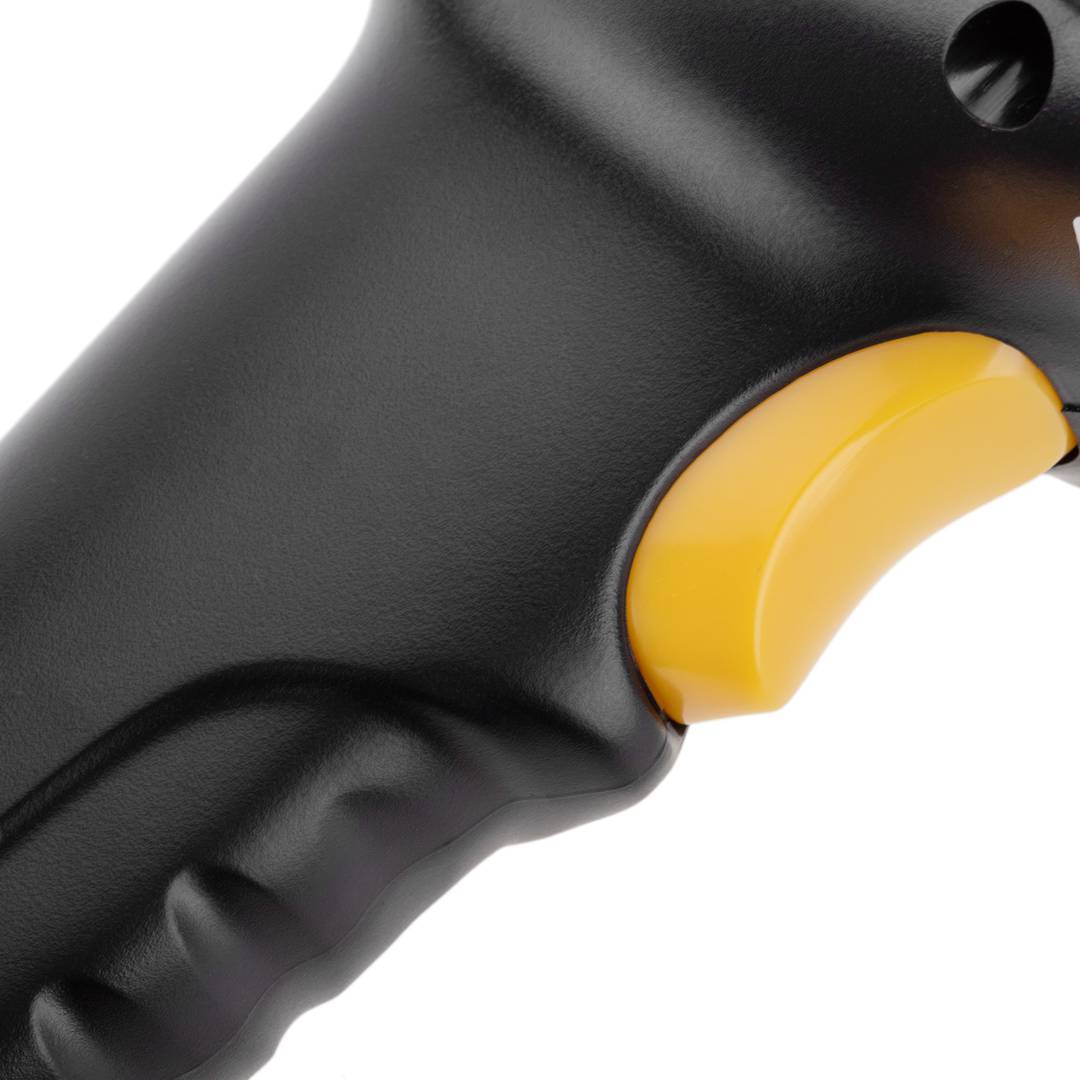
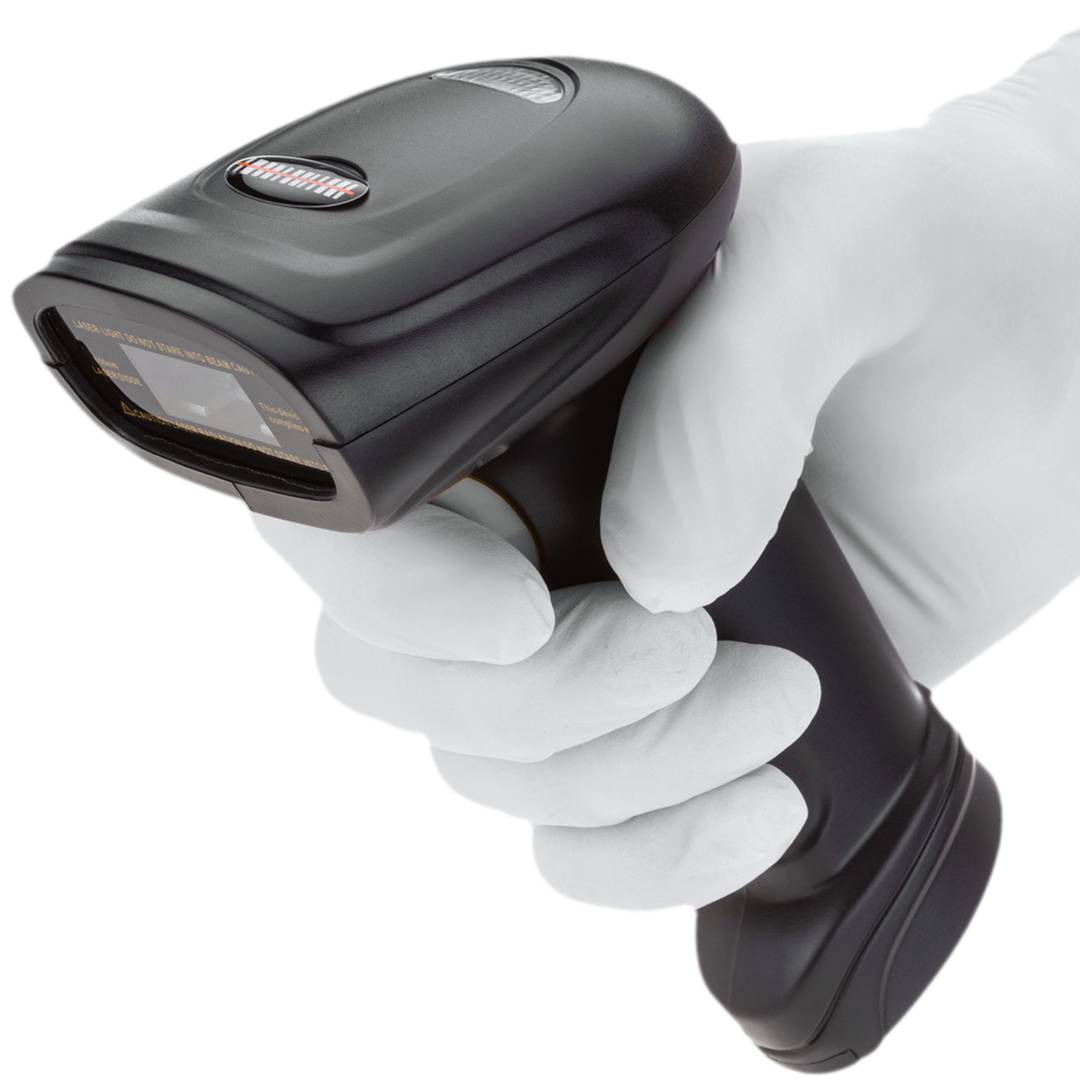
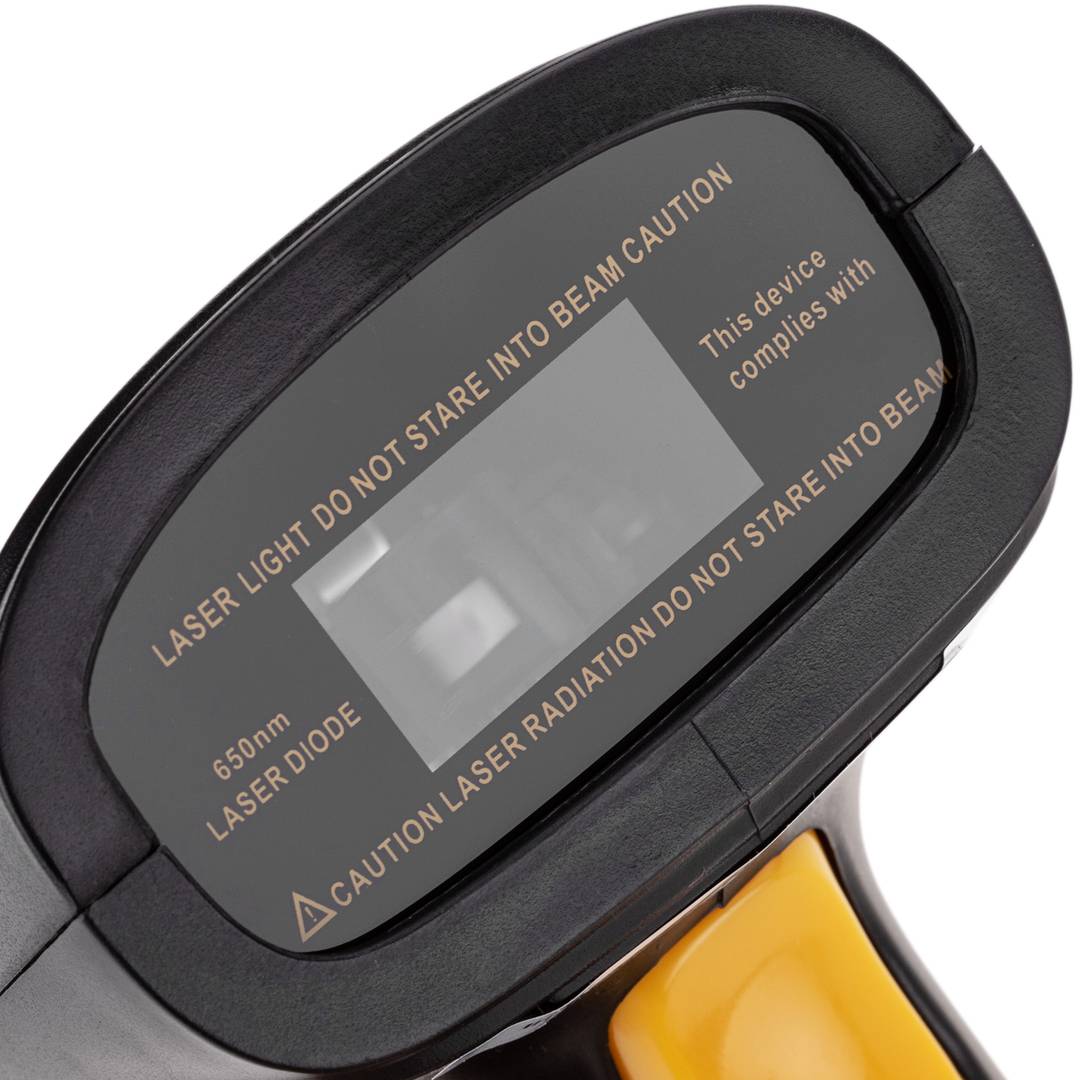
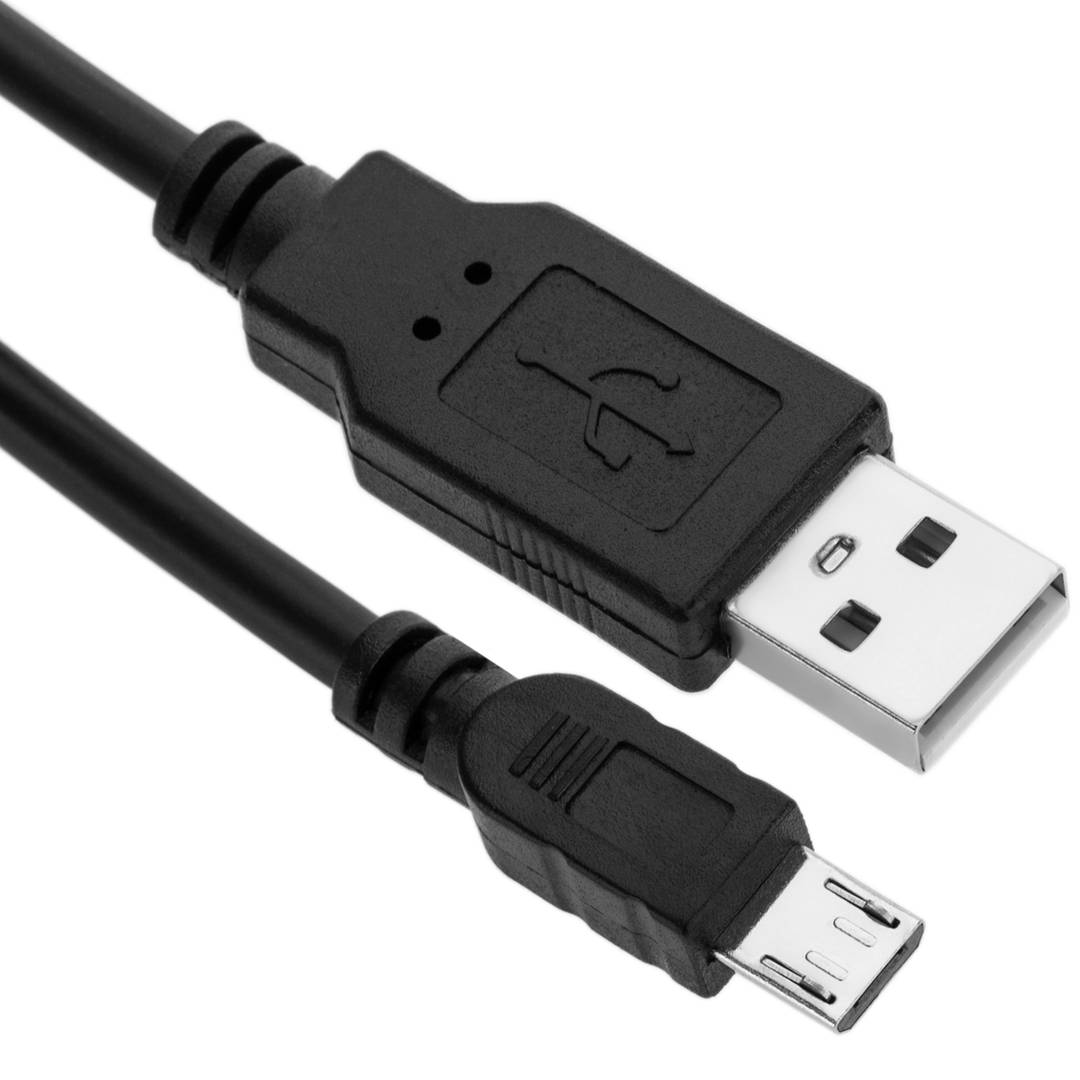


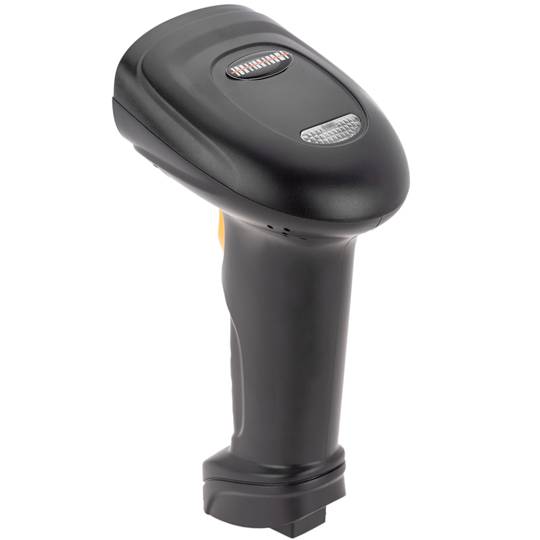
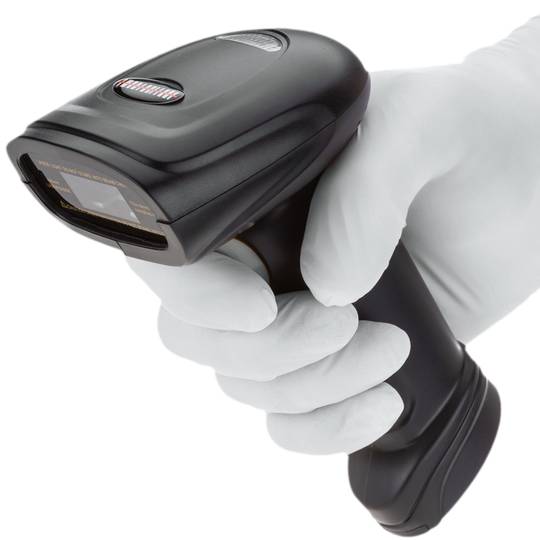
Laser barcode reader 1D model WS3200 Wireless USB
Laser barcode reader 1D model WS3200 Wireless USB
REF: BP007

Specifications
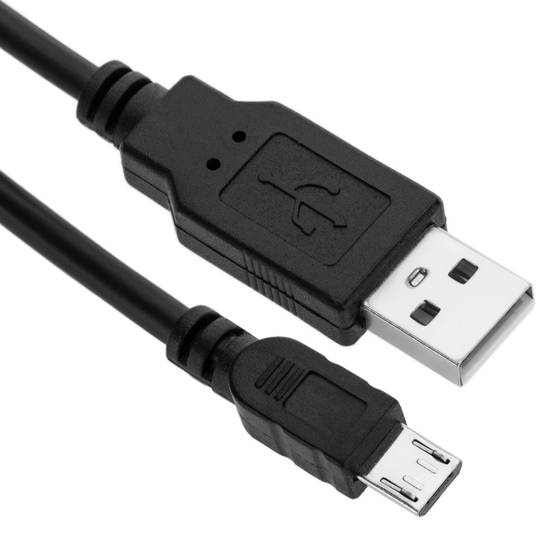
- USB type A male connection interface.
- Barcode reading distance: 0mm to 250mm.
- It is powered from the USB port. Requires 5 VDC.
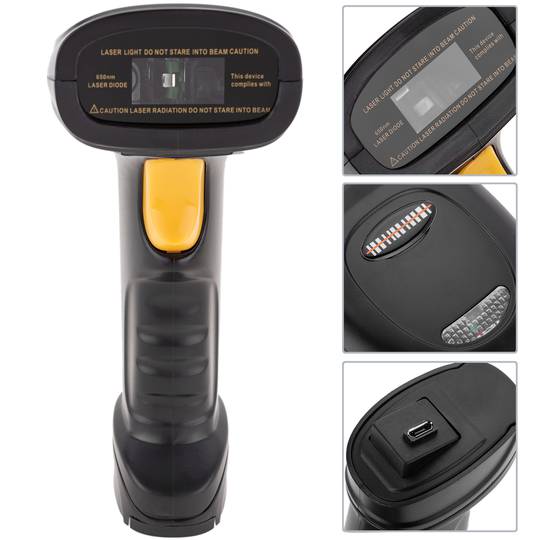
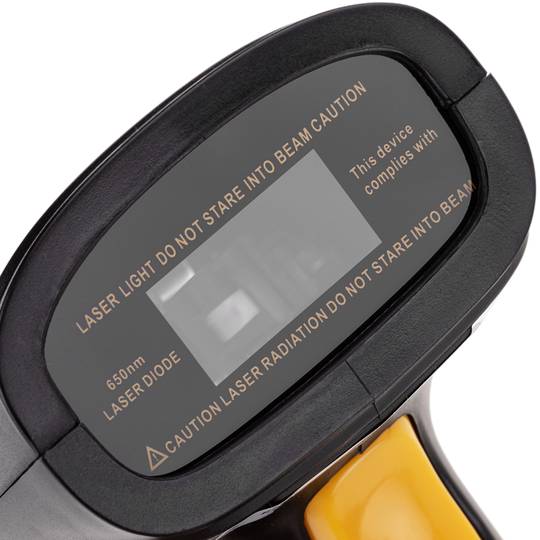
- 650 nm laser diode.
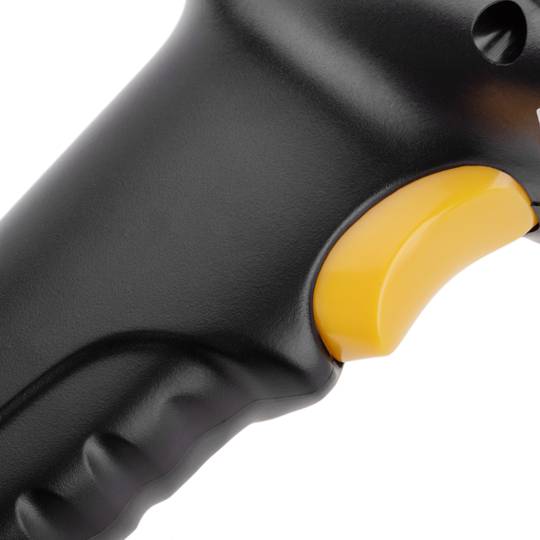
- Manual reading mode (pull the trigger) or automatic (pass code).
![play_button]() Watch video
Watch video
More info
 Watch video
PVP
€79.07
Price including VAT:
€79.07
PVD
€71.28
PVP: Retail price.
Check conditions.
PVP: Sale price to distributors.
Check conditions.
 2 years
warranty
 14 days
returns
 100%
100%safe
We will notify you when it is back in stock.
Specifications
- USB type A male connection interface.
- Barcode reading distance: 0mm to 250mm.
- It is powered from the USB port. Requires 5 VDC.
- 650 nm laser diode.
- Manual reading mode (pull the trigger) or automatic (pass code).
More info
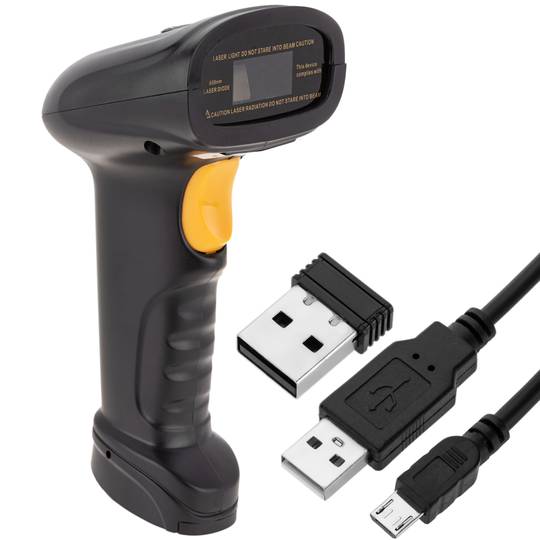
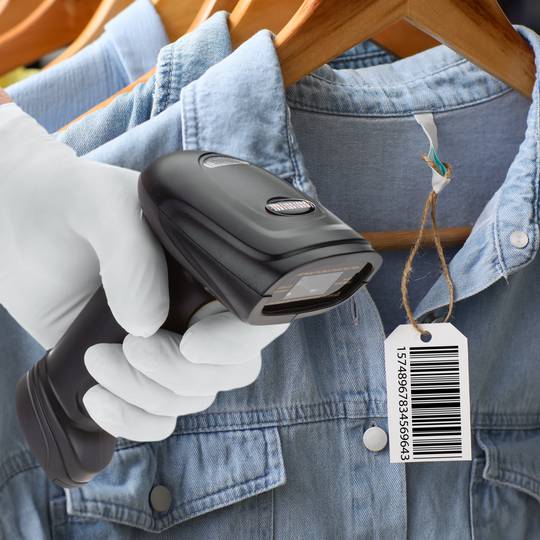
Wireless barcode reader laser gun that allows the reading of the most popular standards. Compact model based on USB interface. Wireless model (without cables) with internal battery. It also allows cable operation.
specs
- USB type A male connection interface.
- Barcode reading distance: 0mm to 250mm.
- It is powered from the USB port. Requires 5 VDC.
- 650 nm laser diode.
- Manual reading mode (pull the trigger) or automatic (pass code).
- Decodes UPC-A, UPC-E, EAN-13, JAN-13, Code128, ENA-8, JAN-8, ISBN, ISSN, Code39, Code128, Code93, Code11, Codabar, Interleaved 2 of 5, Industrial 2 of 5 , Chinese 2 of 5, MSI / Piessey, UK / Plessey and UCC / EAN128 and China Postage.
- Decoding speed: 100 times per second.
- USB cable length: 1.8 m.
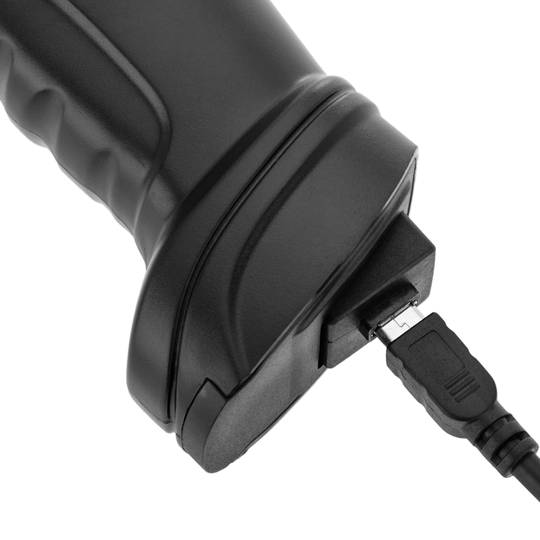
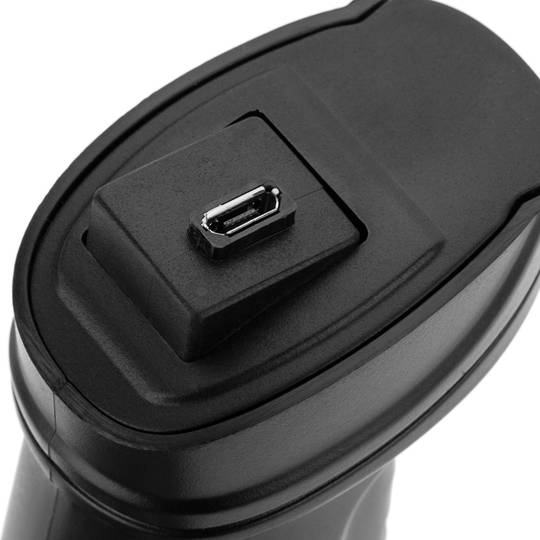
- A USB charger is supplied that has a USB A female to micro USB C male connection.
- It operates on the 2.4 GHz frequency.
- Transmission distance of up to 150m (indoor) and up to 300m (outdoor), depending on the environment.
- Reading angle: 60 degrees vertical and 45 degrees horizontal.
- Internal memory for storing 50,000 barcodes.
- 800 mAh internal lithium battery.
- Gross Weight: 356 g
- Product size (width x depth x height): 7.0 x 9.5 x 17.0 cm
- Number of packages: 1
- Packages size: 18.5 x 11.0 x 8.5 cm
Technical terms
- Lithium batteries
- Battery charging cycles
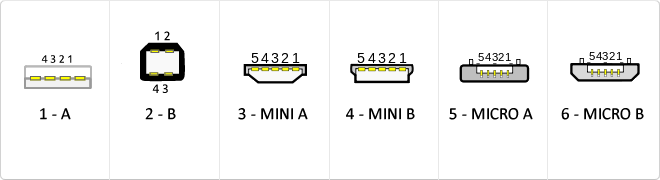
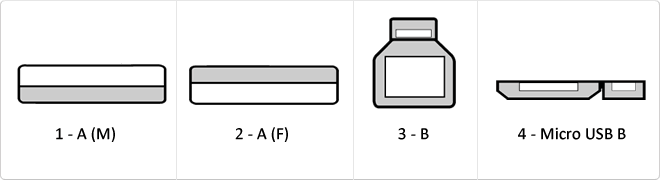
- USB
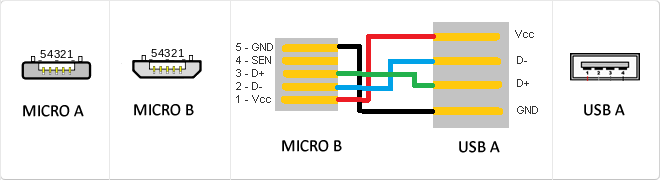
- MicroUSB
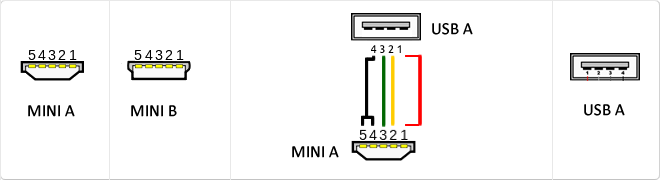
- Mini USB
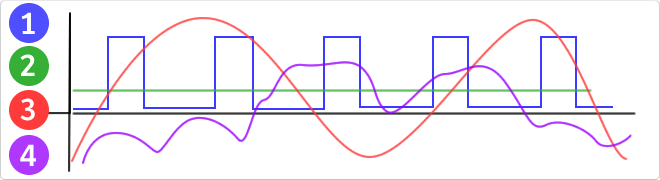
- Hz
- USB 3.0
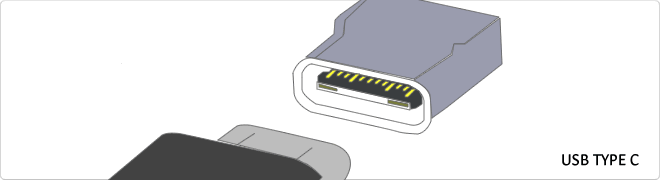
- Reversible USB Type-C
- VDC
Lithium batteries
Li-Ion or Lithium batteries are one of the most common batteries used today.
We can find this type of battery in mobile phones, wireless headphones, UPS, smartwatches, cars, etc.
Lithium is a very light metal capable of generating ions easily, making it ideal for the manufacture of batteries.
Unlike other types of batteries, they are a bit more expensive, but in return, they are much smaller and lighter, capable of doubling the duration of a Ni-Cd battery.
Thanks to their composition, they can be manufactured in different shapes, adapting to the device where they are to be located, and their low memory effect makes them ideal for any type of device.
Summarizing their positive points:
We can find this type of battery in mobile phones, wireless headphones, UPS, smartwatches, cars, etc.
Lithium is a very light metal capable of generating ions easily, making it ideal for the manufacture of batteries.
Unlike other types of batteries, they are a bit more expensive, but in return, they are much smaller and lighter, capable of doubling the duration of a Ni-Cd battery.
Thanks to their composition, they can be manufactured in different shapes, adapting to the device where they are to be located, and their low memory effect makes them ideal for any type of device.
Summarizing their positive points:
- Easy to find
- Many different sizes and shapes
- Small size
- Lightweight
- Capable of accumulating more charge
- Less memory effect
- Long lasting
- Low self-discharge rate.
- Lifespan of about 3 years.
- Limited number of charges, between 300 and 1000.
- They are more expensive.
- They can overheat to the point of exploding.
- Poorer performance in cold conditions.
- Highly variable voltage.
- Lithium-ion polymer batteries.
- Lithium iron phosphate (LiFePO4).
- Olivine-type lithium iron phosphate batteries.
| BATTERY TYPE | NI-CD | NI-MH | LI-ION | LI-PO |
| Charging time | 10 to 14 hours | 2 to 4 hours | 2 to 4 hours | 1 to 1.5 hours |
| Discharge time/month | 30.00 % | 20.00 % | 6.00 % | 6.00 % |
| Number of recharges | approx. 500 | approx. 1000 | approx. 4000 | approx. 5000 |
| Discharge | Necessary | Recommended | Failure at 2.5 v | Failure at 2.5 v |
| Overcharge | Supported | NOT recommended | Supported | Supported |
| Power/kilo | 50 Wh/kg | 70 Wh/Kg | 110-160 Wh/Kg | 100-130 Wh-Kg |
| Memory effect | Very High | Low | None | None |
| Ah (Ampere hours) | 0.5 – 1Ah | 0.5 – 10 Ah | - | - |
| Voltage per cell | 1.2 V | 1.2 V | 3.7 V | 3.7 V |