

https://cablematic.com/en/products/mhl-to-hdmi-converter-cable-for-samsung-galaxy-s3-and-s4-samsung-galaxy-note-MH012/
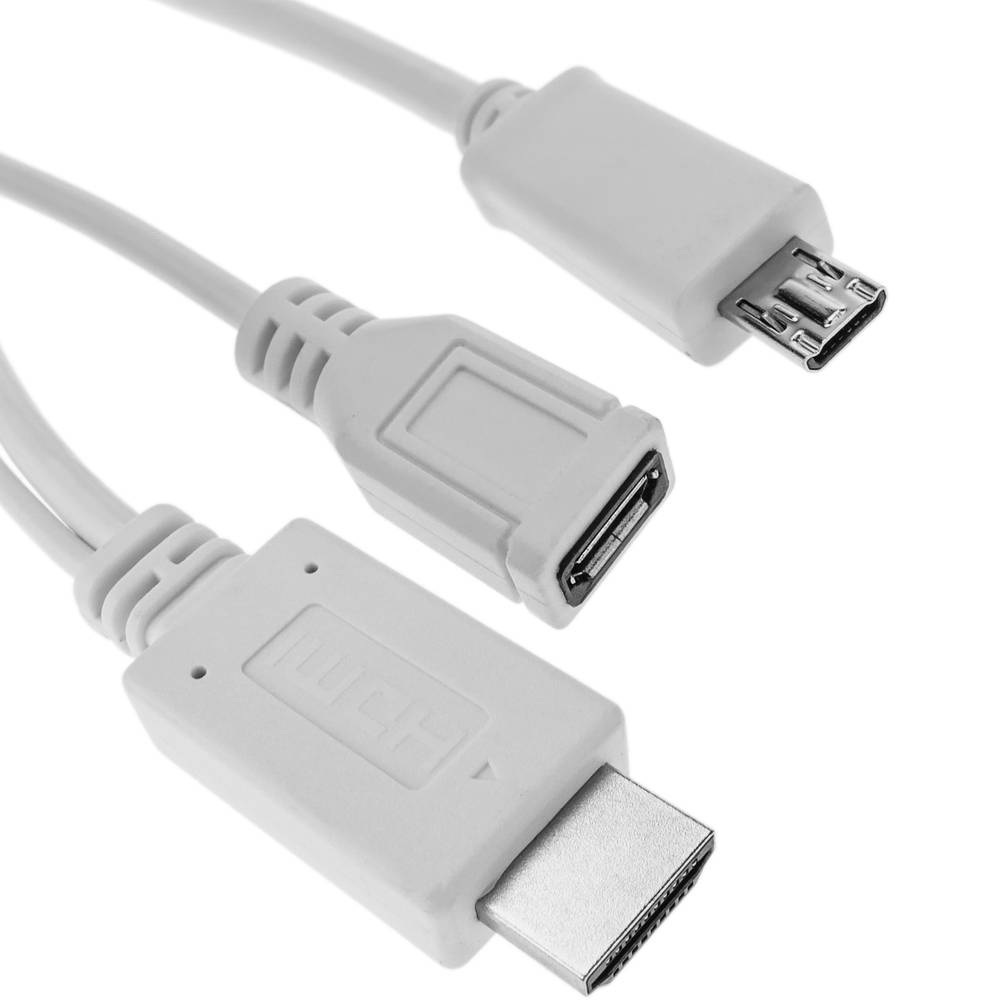
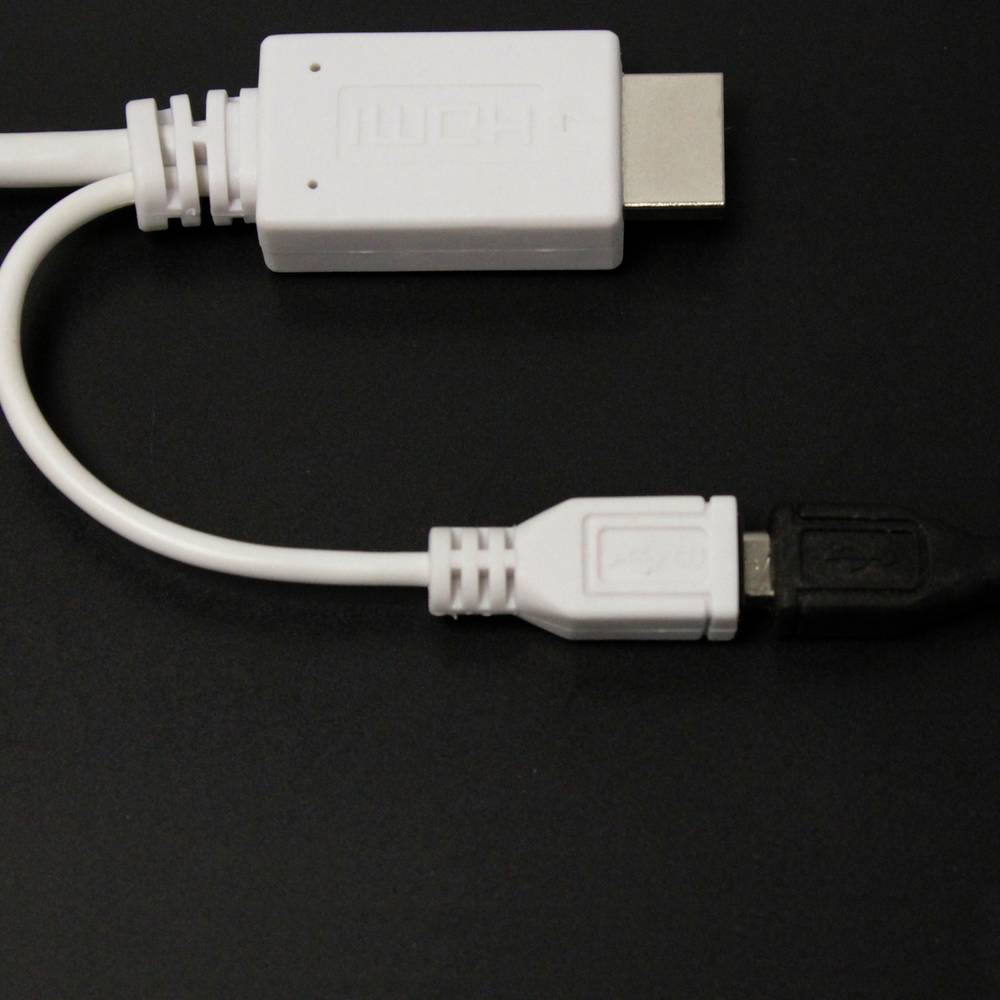


MHL to HDMI converter cable for Samsung Galaxy S3 and S4 Samsung Galaxy Note

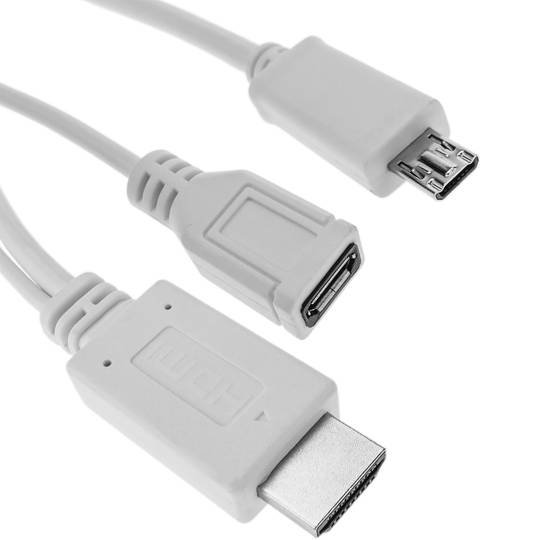
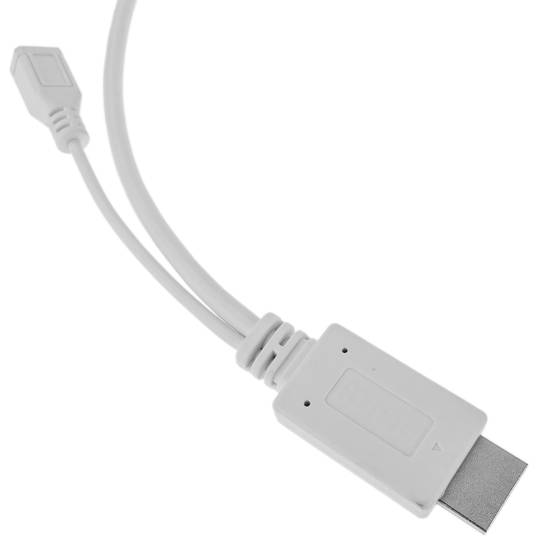
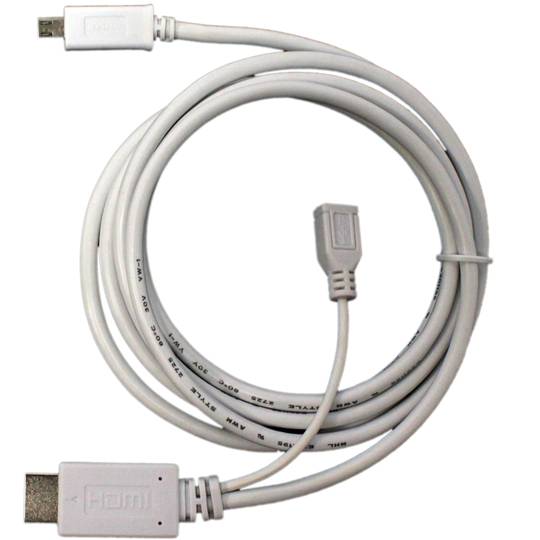


- MHL to HDMI Adapter
- Mobile High Definition Link (MHL)
- Allows you to connect mobile devices to high definition TV
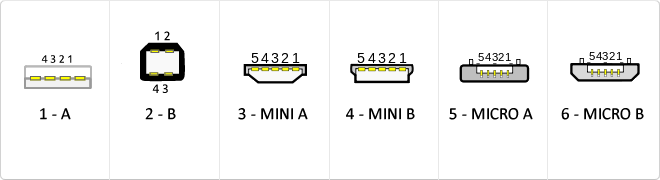
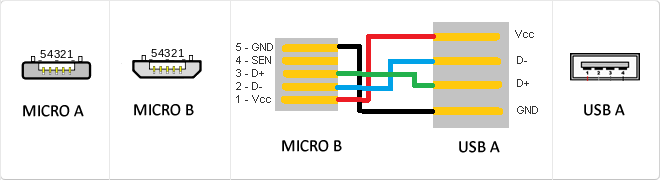
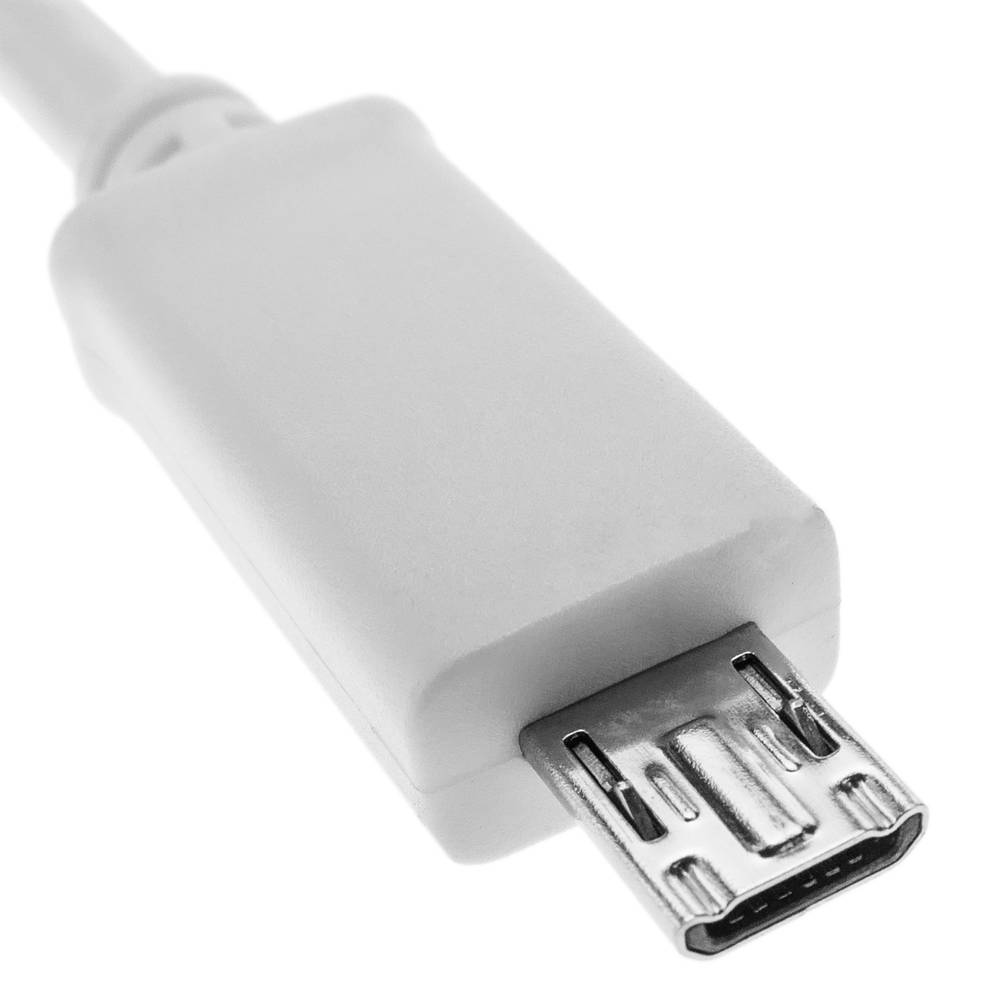
- 1.8m cable terminated in male micro USB connector
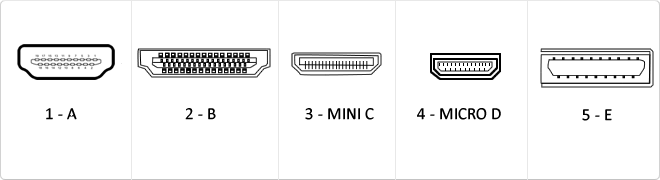
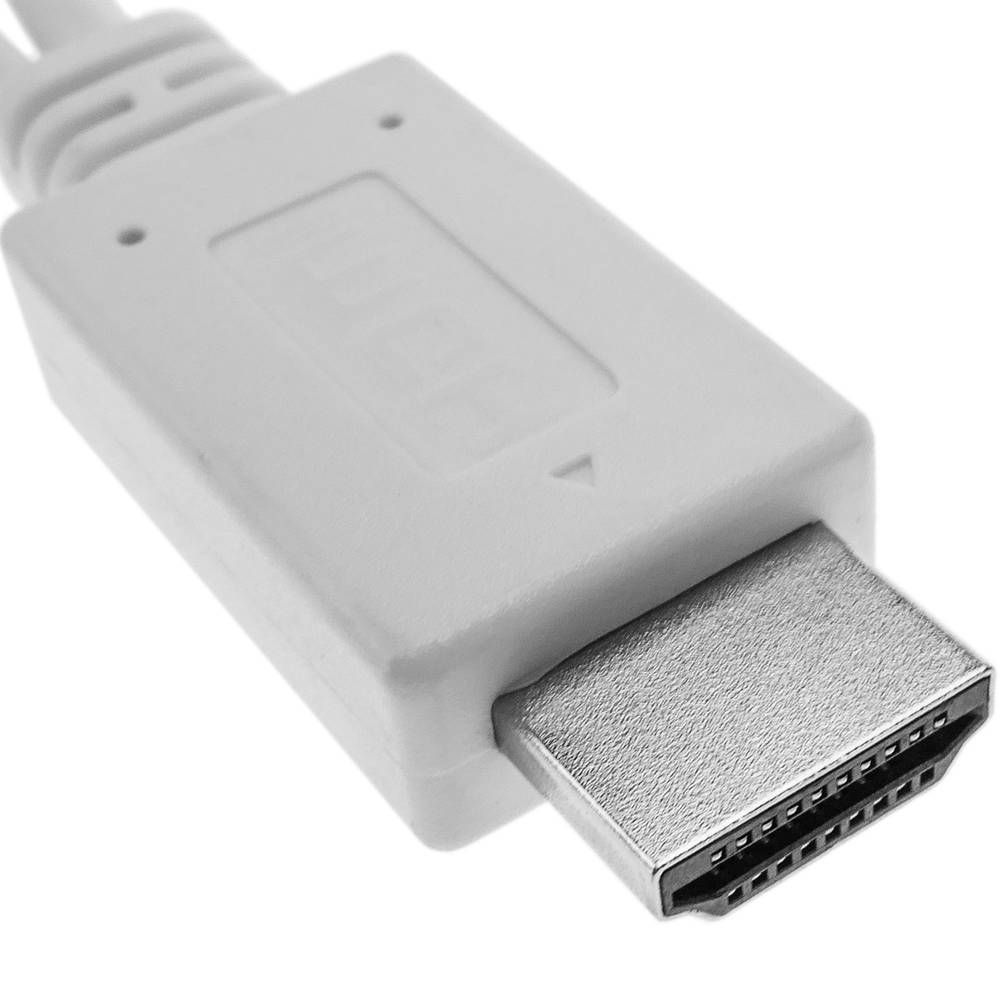
- HDMI type A-male connector
![play_button]() Watch video
Watch video
More info
 Watch video
 2 years
warranty
 14 days
returns
 100%
100%safe
- MHL to HDMI Adapter
- Mobile High Definition Link (MHL)
- Allows you to connect mobile devices to high definition TV
- 1.8m cable terminated in male micro USB connector
- HDMI type A-male connector
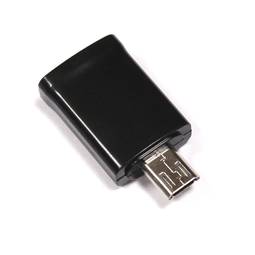
Purchased together regularly

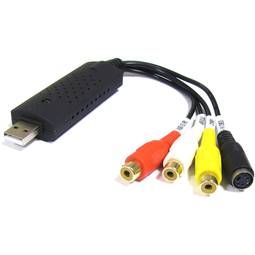
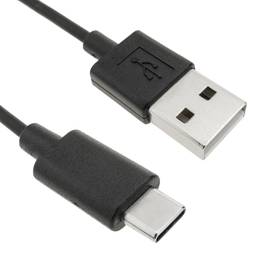
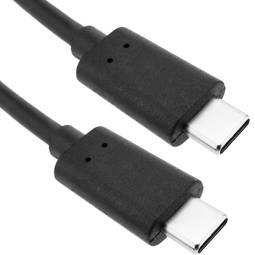
More info
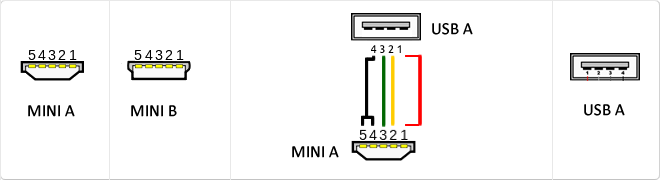
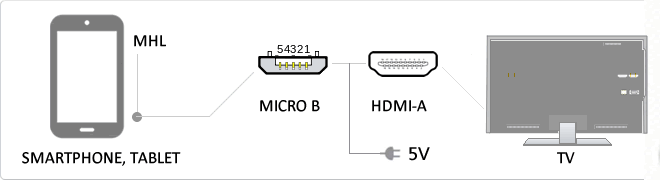
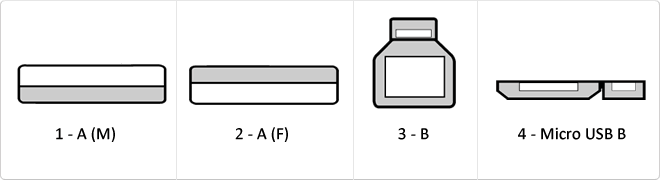
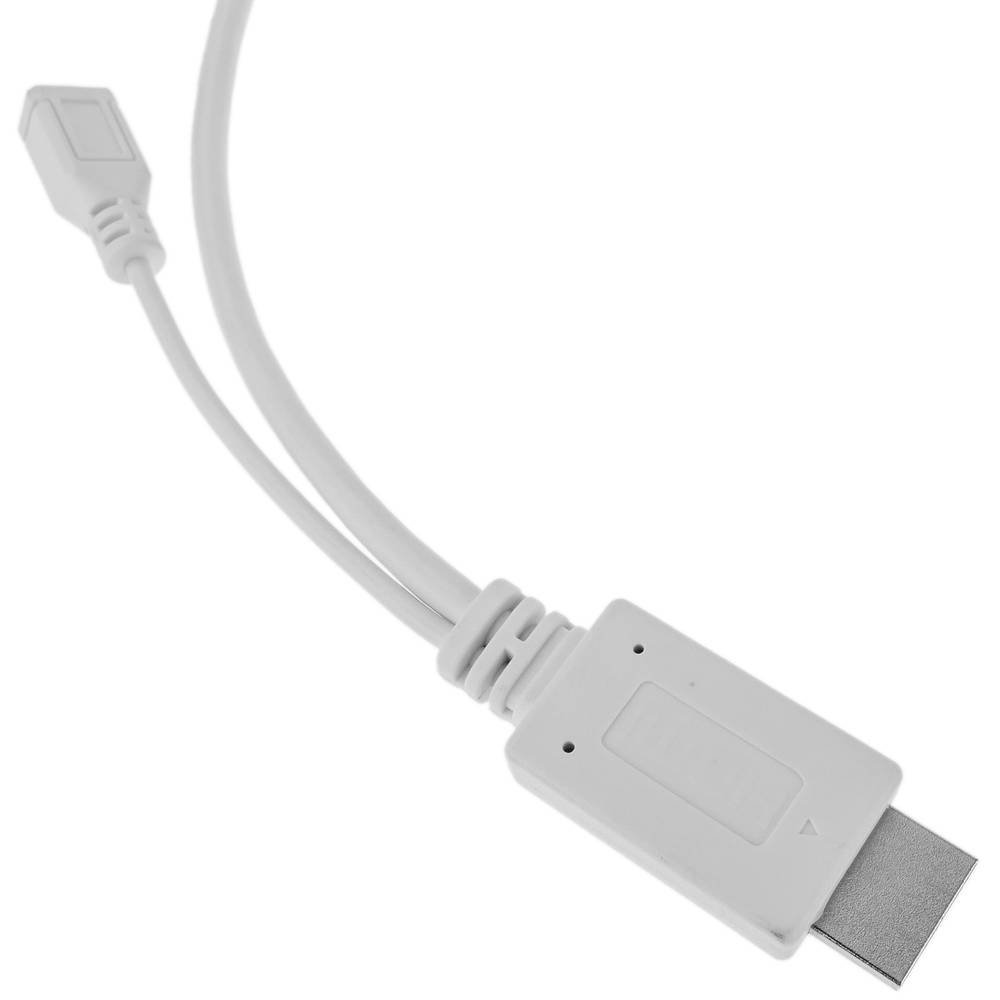
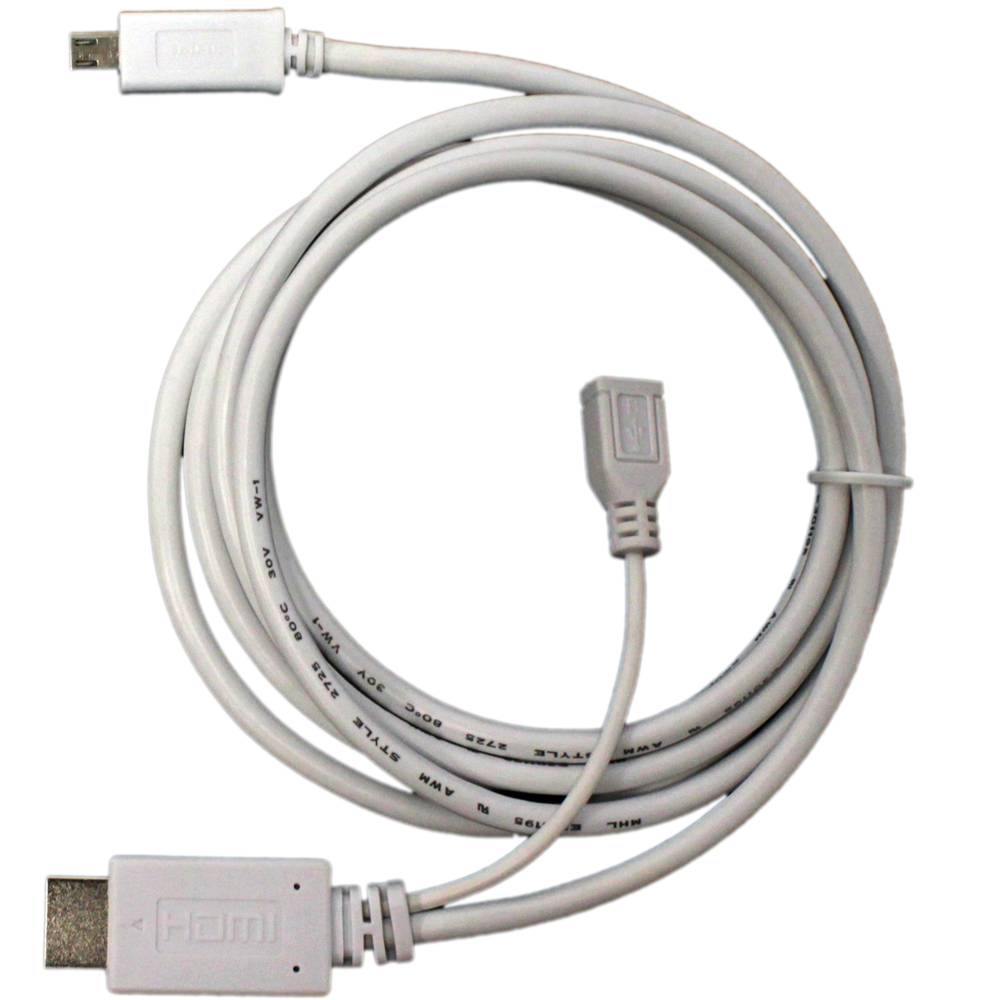
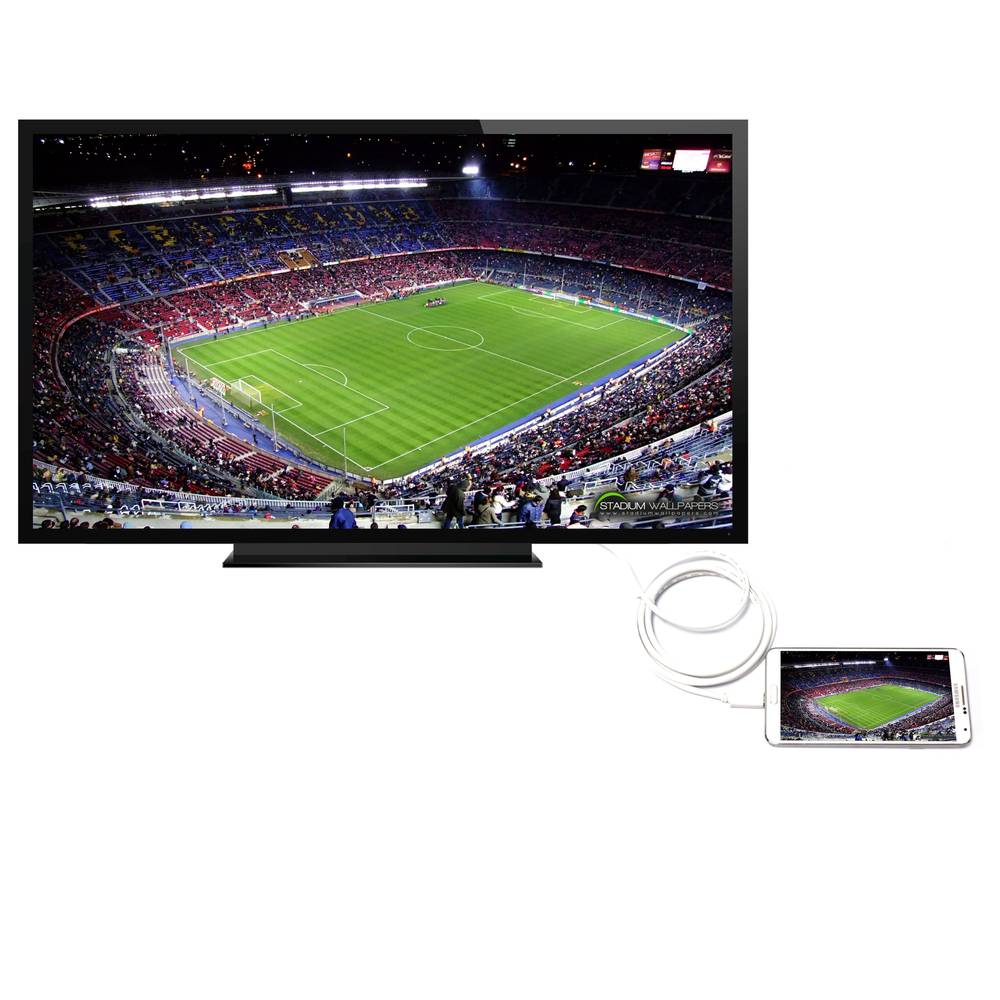
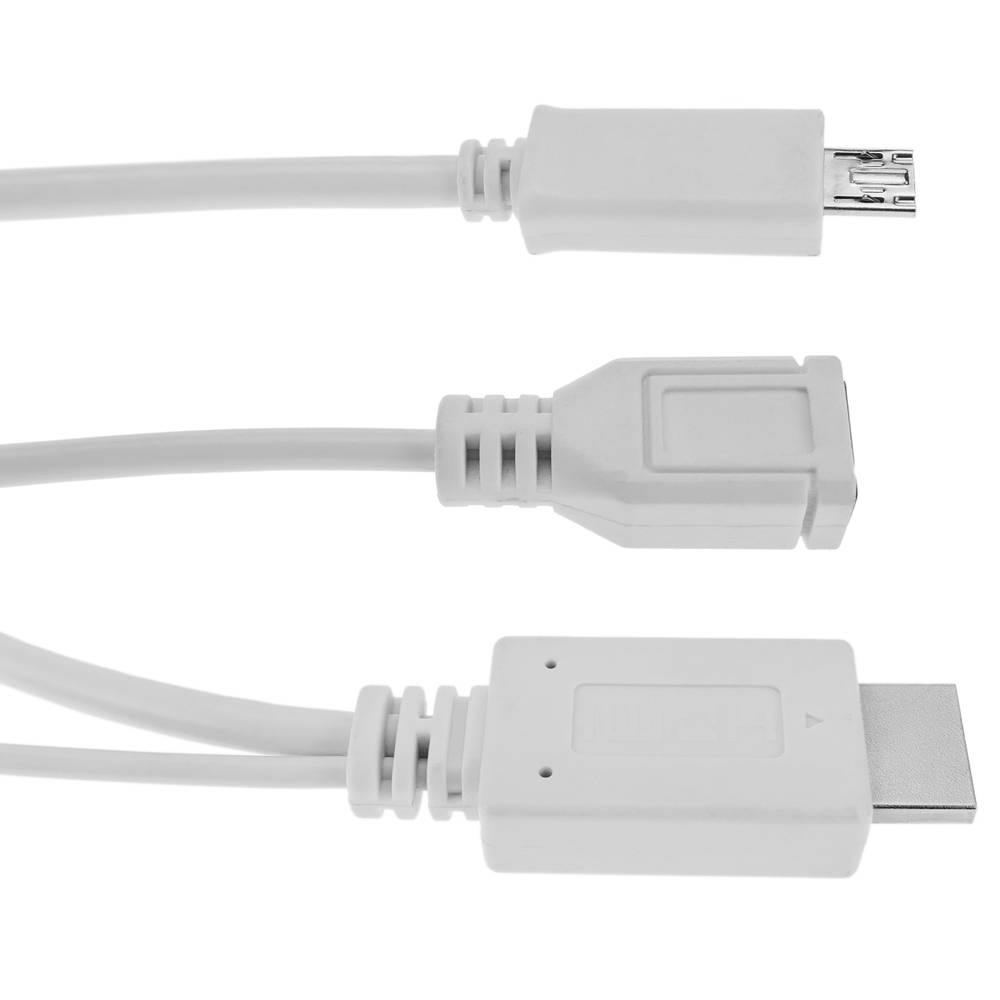
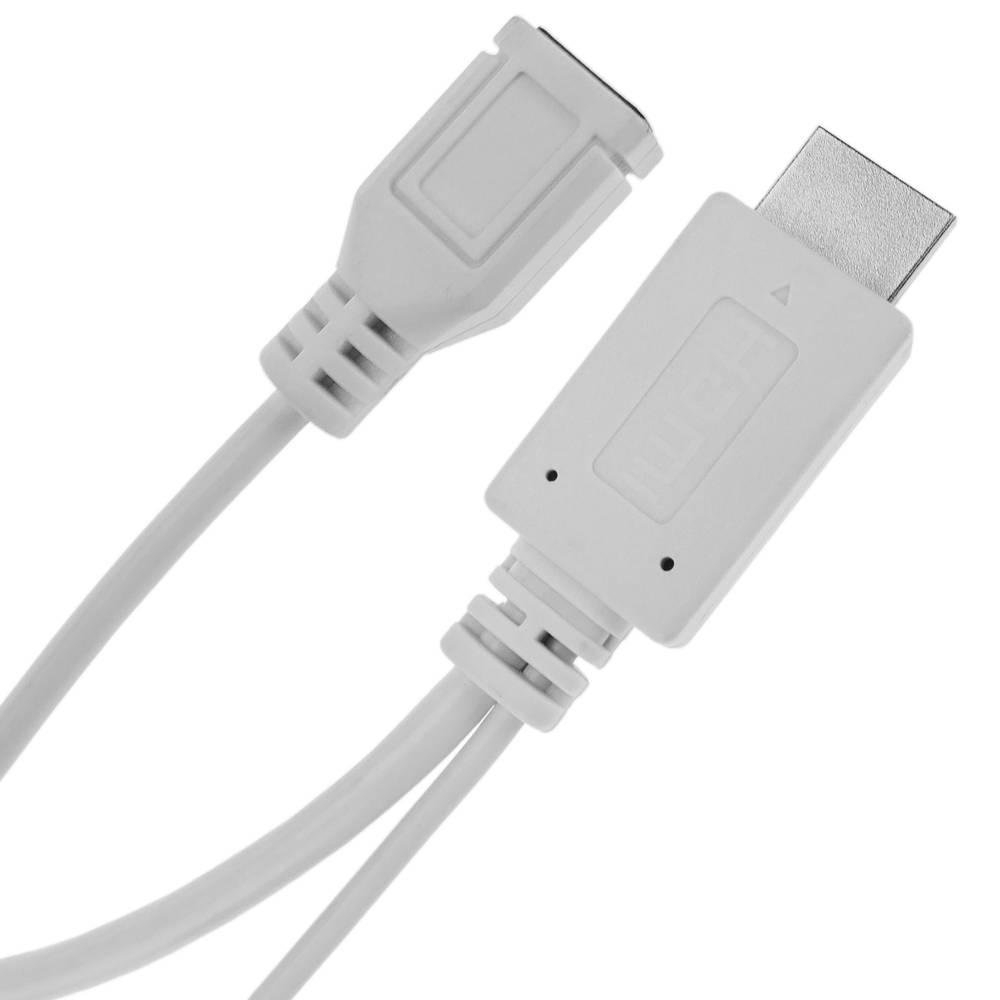
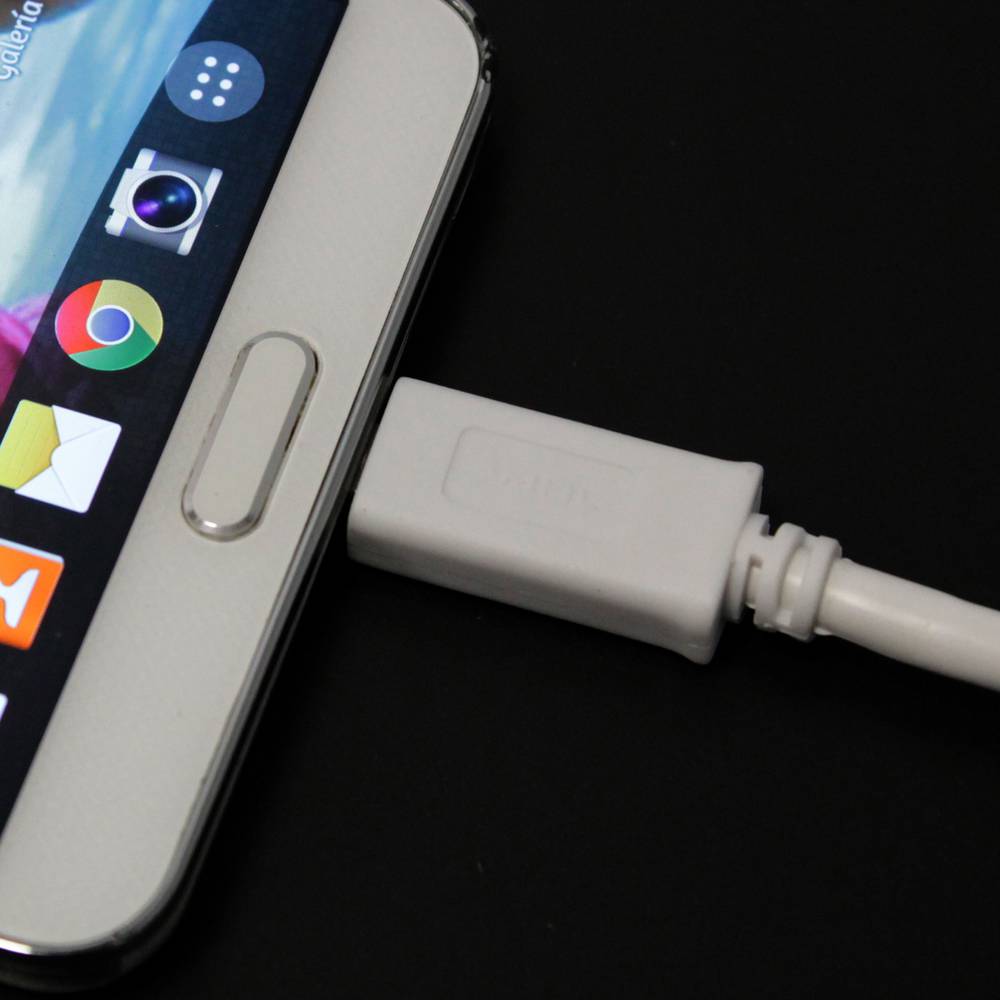
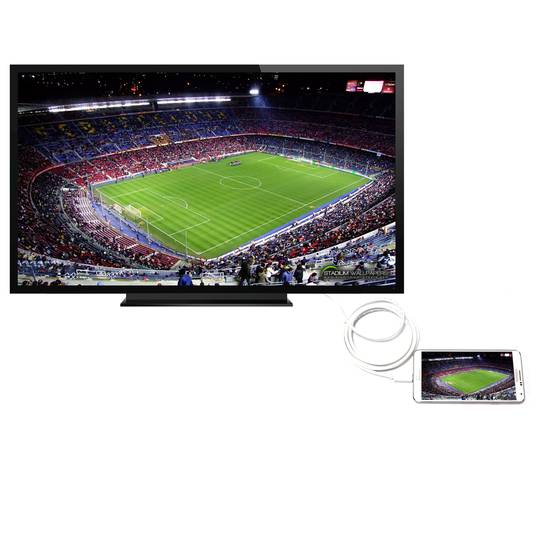
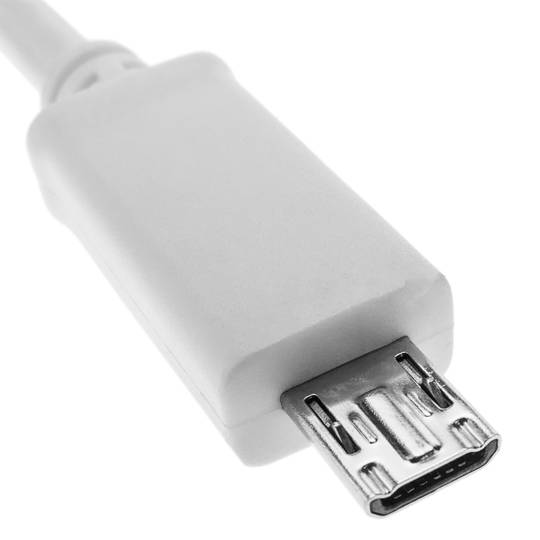
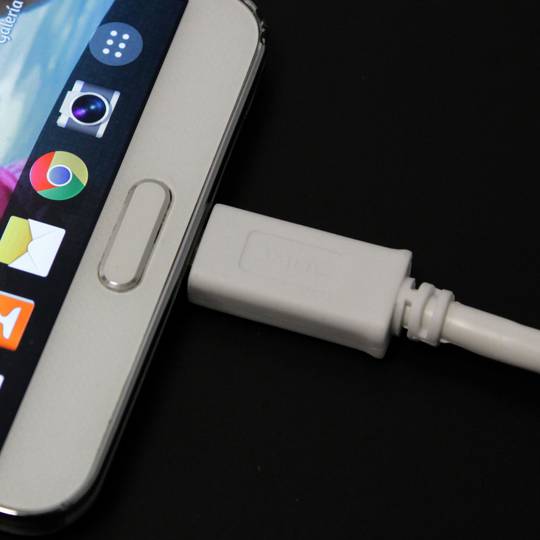
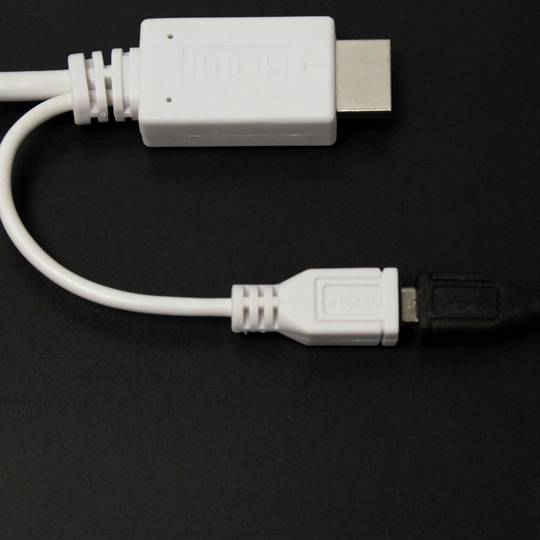
MHL to HDMI adapter allows you to connect MHL-compatible mobile devices to high-definition televisions with an HDMI interface. The 1.8m cable ends in a male micro USB connector to connect to the mobile device and a male HDMI connector on the other end. The HDMI connector also features a micro USB port to power the cable (no 5VDC power supply). This connection offers compatibility with HDMI, MHL and HDCP, allowing you to enjoy digital content at resolutions of 25-75 MHz. This cable is compatible with the Samsung Galaxy S3, S4, Note II and other Samsung models compatible with the MHL standard, which They have an internal 11-pin connector, different from the 5-pin connector of the micro USB standard.
Specifications
- MHL to HDMI Adapter
- Mobile High Definition Link (MHL)
- Allows you to connect mobile devices to high definition TV
- 1.8m cable terminated in male micro USB connector
- HDMI type A-male connector
- Micro USB female port for cable power
- Gross Weight: 90 g
- Number of packages: 1
Technical terms
- HDMI
- USB
- MicroUSB
- Mini USB
- Hz
- MHL
- USB 3.0
- HDCP
- Reversible USB Type-C
HDMI (High-Definition Multimedia Interface) is a digital interface standard designed for the simultaneous transmission of uncompressed audio and video streams from a compatible source to a digital display or receiver.
This interface employs Transition-Minimized Differential Signaling (TMDS) to maintain data integrity at high frequencies. Throughout its revisions, HDMI has evolved from a basic digital video solution into a complex data bus capable of carrying 4K signals at 60Hz, dynamic metadata, and bidirectional control protocols between devices.
| Version | Bandwidth | Audio/Video Support |
|---|---|---|
| 1.0 - 1.2 | 4.9 Gbit/s | 1080p @ 60Hz, 8 LPCM channels |
| 1.3 - 1.4 | 10.2 Gbit/s | 4K @ 30Hz, Deep Color, ARC, Ethernet |
| 2.0 | 18.0 Gbit/s | 4K @ 60Hz, 32 audio channels, HDR |
The mass adoption of the HDMI standard has transformed the interconnect architecture in multimedia data centers and high-performance workstations. Its ability to integrate Audio Return Channels (ARC/eARC) and Ethernet connectivity (HEC) has drastically simplified structural cabling, eliminating the need for multiple redundant analog and digital cables while ensuring signal integrity over significant distances through active equalization.
CEC Control and Multi-Streaming Integration
A critical innovation in version 2.0 is the ability to deliver simultaneous dual video streams on the same screen and up to four independent audio streams, optimizing bandwidth for multi-user applications.
Key Advantages
- Pure digital transmission avoiding D/A signal degradation.
- Full backward compatibility across all standard versions.
- Native support for high-resolution audio formats like Dolby TrueHD and DTS-HD.
- Support for 21:9 cinema aspect ratios and dynamic lip-sync.
Note: Final interface performance is dependent on the cable certification (Standard, High Speed, or Premium High Speed).