

https://cablematic.com/en/products/omni-directional-sma-male-antenna-from-433-mhz-to-25-dbi-80mm-AM032/

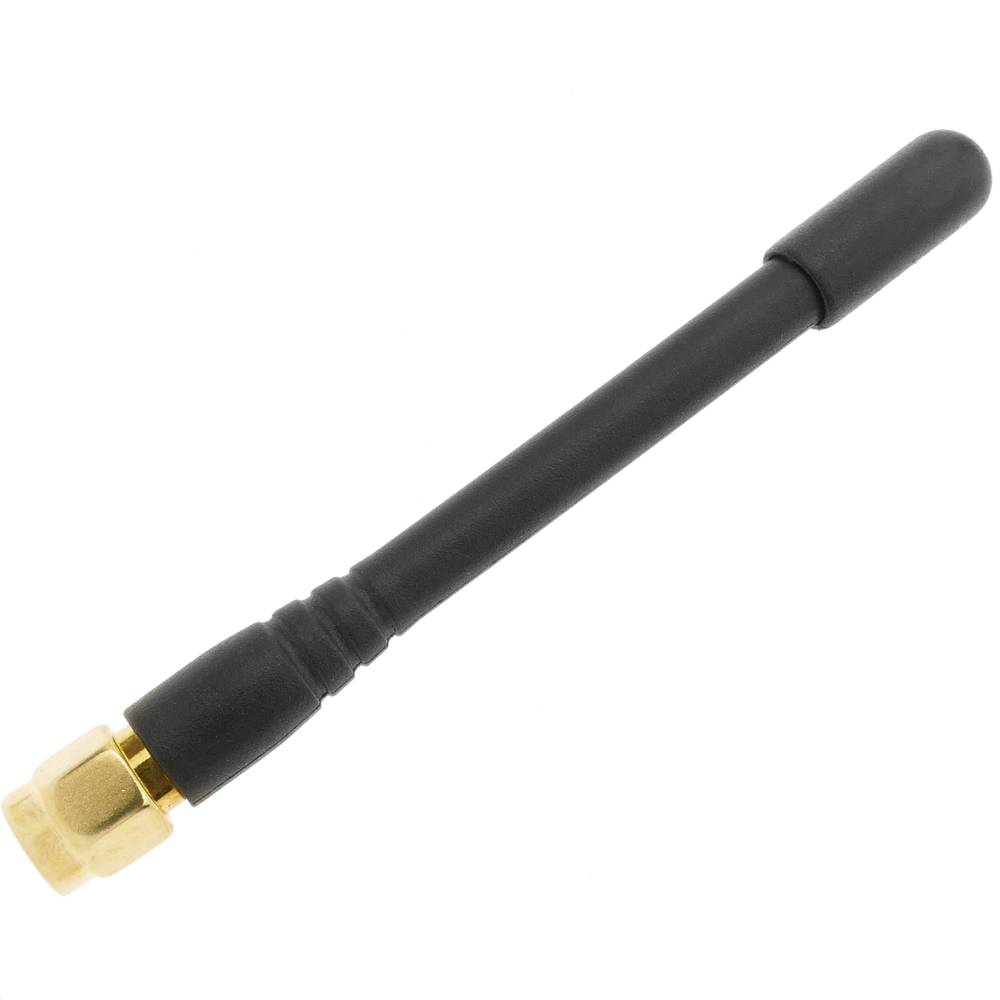


Omni-directional SMA male antenna from 433 MHz to 2.5 dBi 80mm

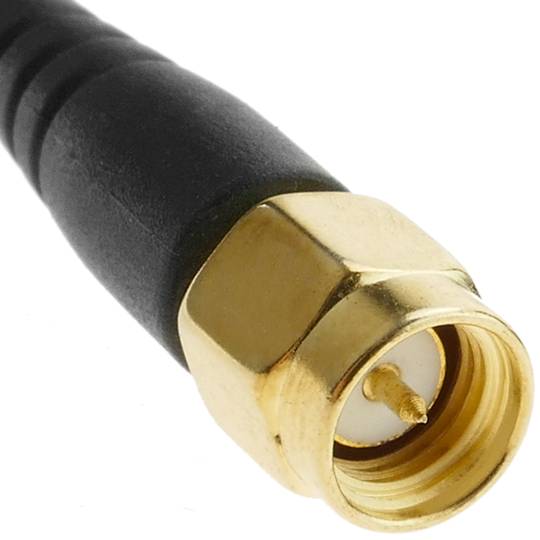
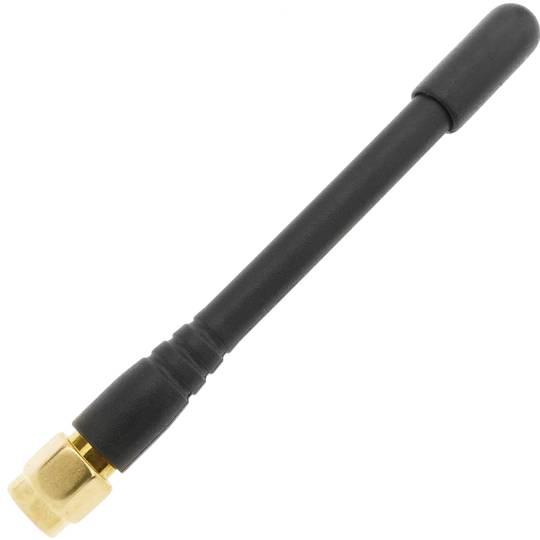
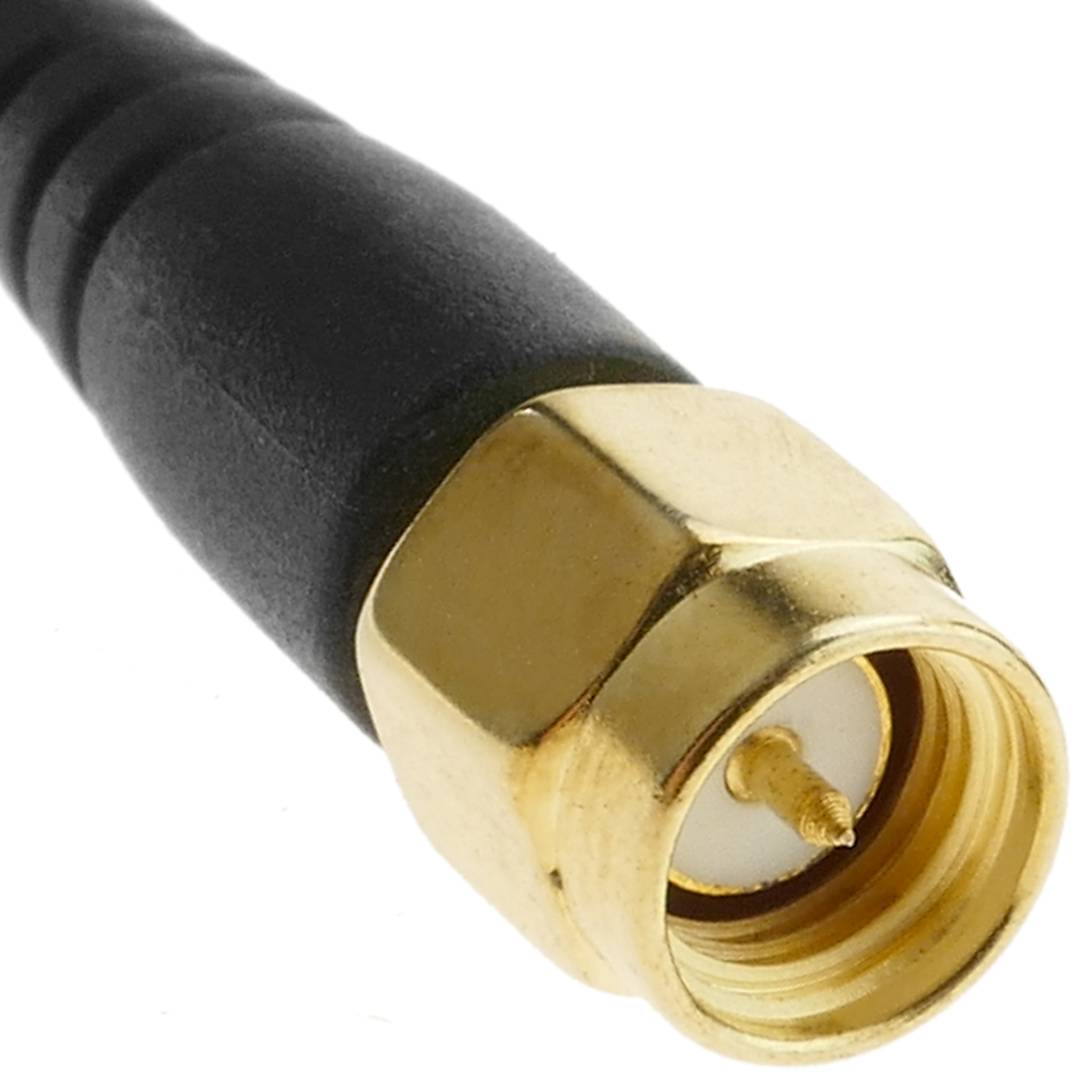
- Omnidirectional antenna for frequencies of 433MHz.
- It has a male SMA connector for connection with peripherals.
- Antenna gain: 2.5 dBi.
- Compact design of size 8 x 80 x 7 mm (width x height x depth).
- Ideal for amplifying RF radio frequency signals such as remote controls, sensors, transceivers, etc.
![play_button]() Watch video
Watch video
More info
 Watch video
 2 years
warranty
 14 days
returns
 100%
100%safe
- Omnidirectional antenna for frequencies of 433MHz.
- It has a male SMA connector for connection with peripherals.
- Antenna gain: 2.5 dBi.
- Compact design of size 8 x 80 x 7 mm (width x height x depth).
- Ideal for amplifying RF radio frequency signals such as remote controls, sensors, transceivers, etc.
Keywords
Did not find what you were looking for? These topic could help you
Purchased together regularly


More info
Omnidirectional antenna for wireless communication at different distances. These types of antennas emit circular radio waves on the horizontal plane in all directions. Ideal for amplifying the coverage of the signal depending on its working frequency.
specs
- Omnidirectional antenna for frequencies of 433MHz.
- It has a male SMA connector for connection with peripherals.
- Antenna gain: 2.5 dBi.
- Compact design of size 8 x 80 x 7 mm (width x height x depth).
- Ideal for amplifying RF radio frequency signals such as remote controls, sensors, transceivers, etc.
- Gross Weight: 60 g
- Product size (width x depth x height): 0.8 x 0.7 x 8.0 cm
- Number of packages: 1
- Packages size: 8.0 x 1.0 x 1.0 cm
Technical terms
- dBi
- Hz
- RF or Radio Frequency
dBi (decibels relative to isotropic) is a logarithmic unit of measure that expresses the gain of an antenna compared to a theoretical isotropic antenna that radiates energy uniformly in all directions.
Imagine a light bulb that shines in all directions equally. If you put a reflector on it so the light concentrates in a single spot, that light will be much more intense there. The dBi measures how much extra "strength" the signal gains by focusing it in a specific direction instead of wasting it everywhere.
| Attribute | Specification |
|---|---|
| Reference | Isotropic radiator (0 dBi) |
| Scale Type | Logarithmic |
Directivity and Energy Focus
A higher dBi value does not mean the antenna produces more energy, but rather that it redirects existing energy more precisely, narrowing the beam angle to reach greater distances.
Advantages
- Increased range for wireless links.
- Reduction of side and rear interference.
- Better signal-to-noise ratio in the main direction.
A higher dBi value indicates a more directional and longer-range signal.