

10/19/2026 1:18 a.m.
https://cablematic.com/en/products/on-line-ups-tower-optima-t10-3000va-3000w-UP133/
https://cablematic.com/en/products/on-line-ups-tower-optima-t10-3000va-3000w-UP133/
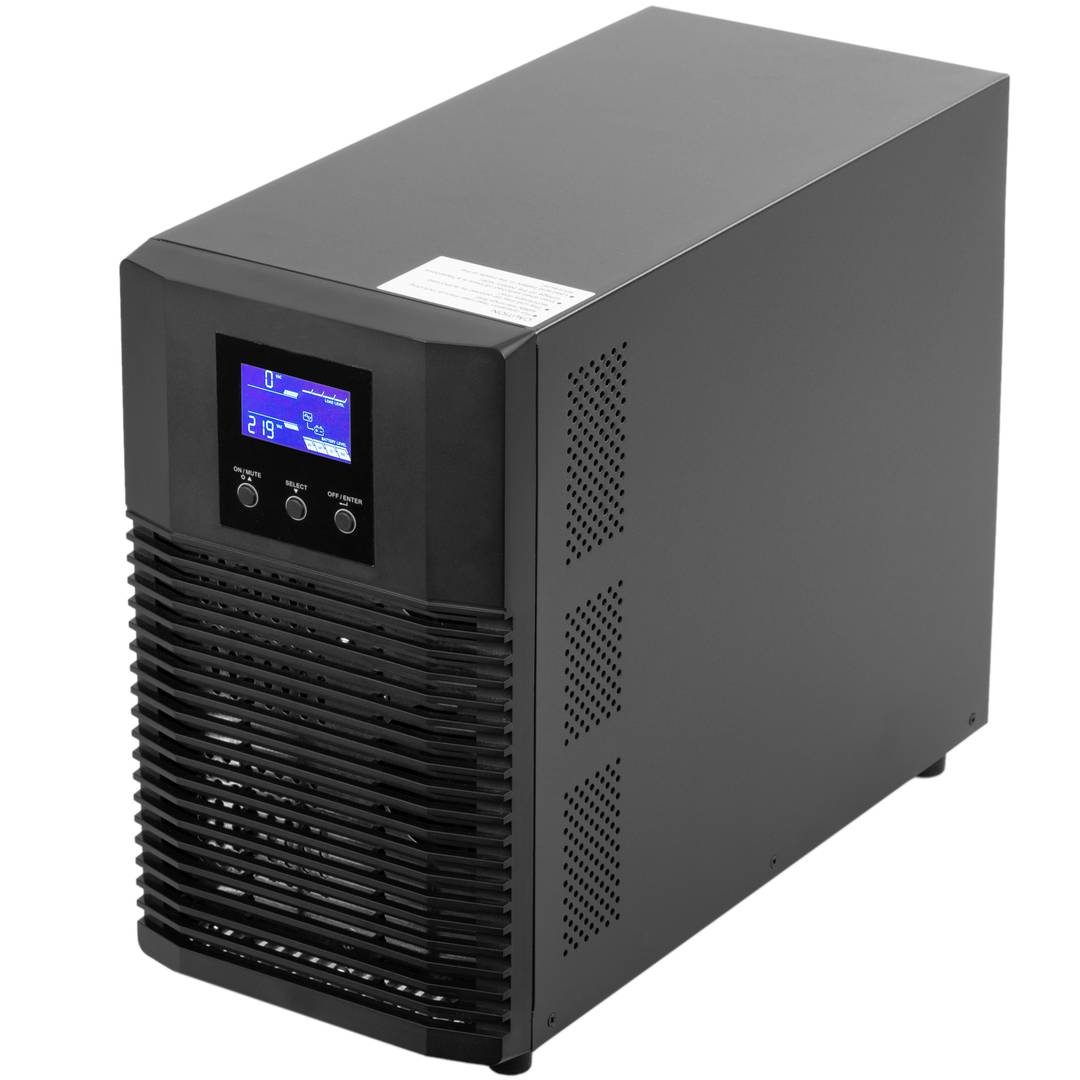
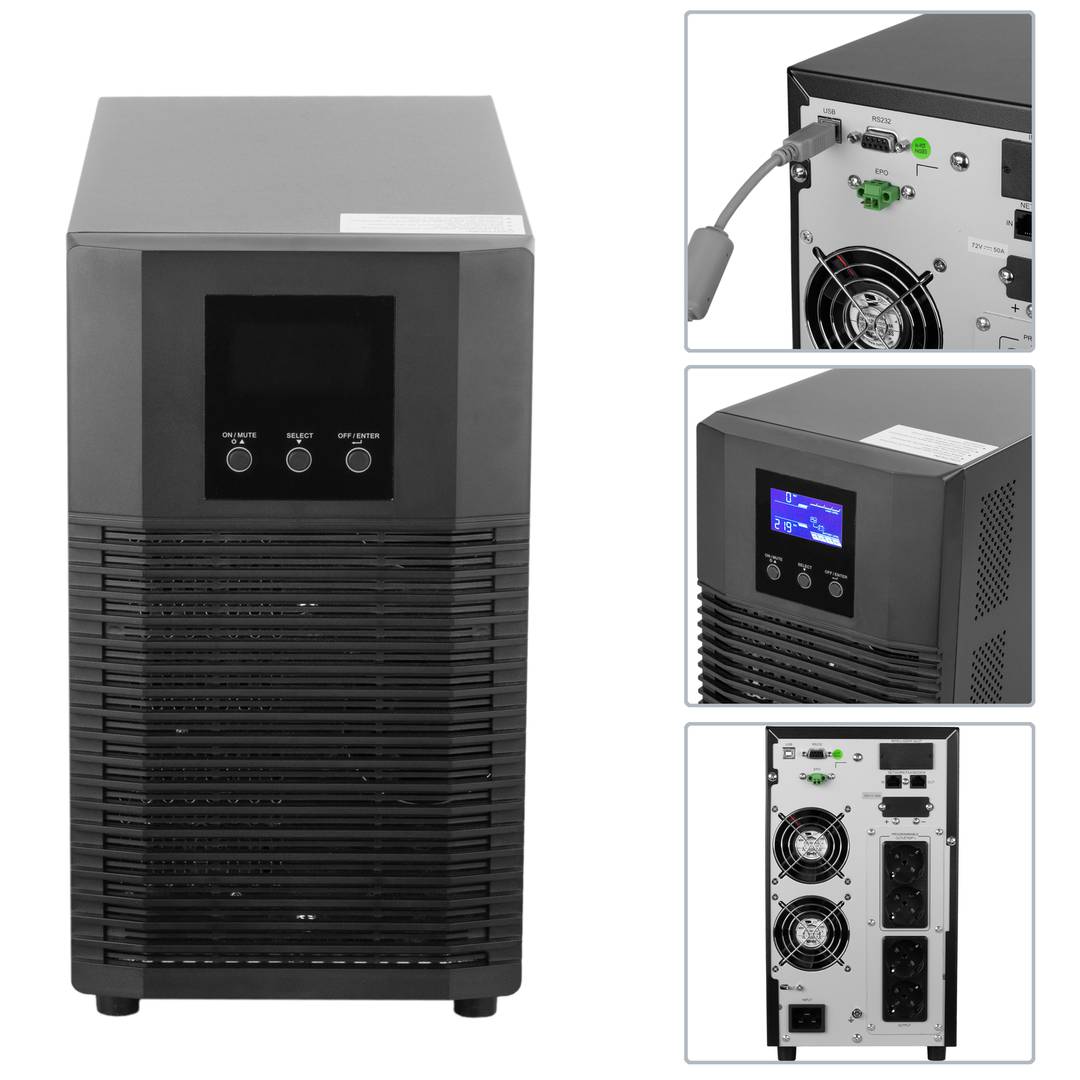
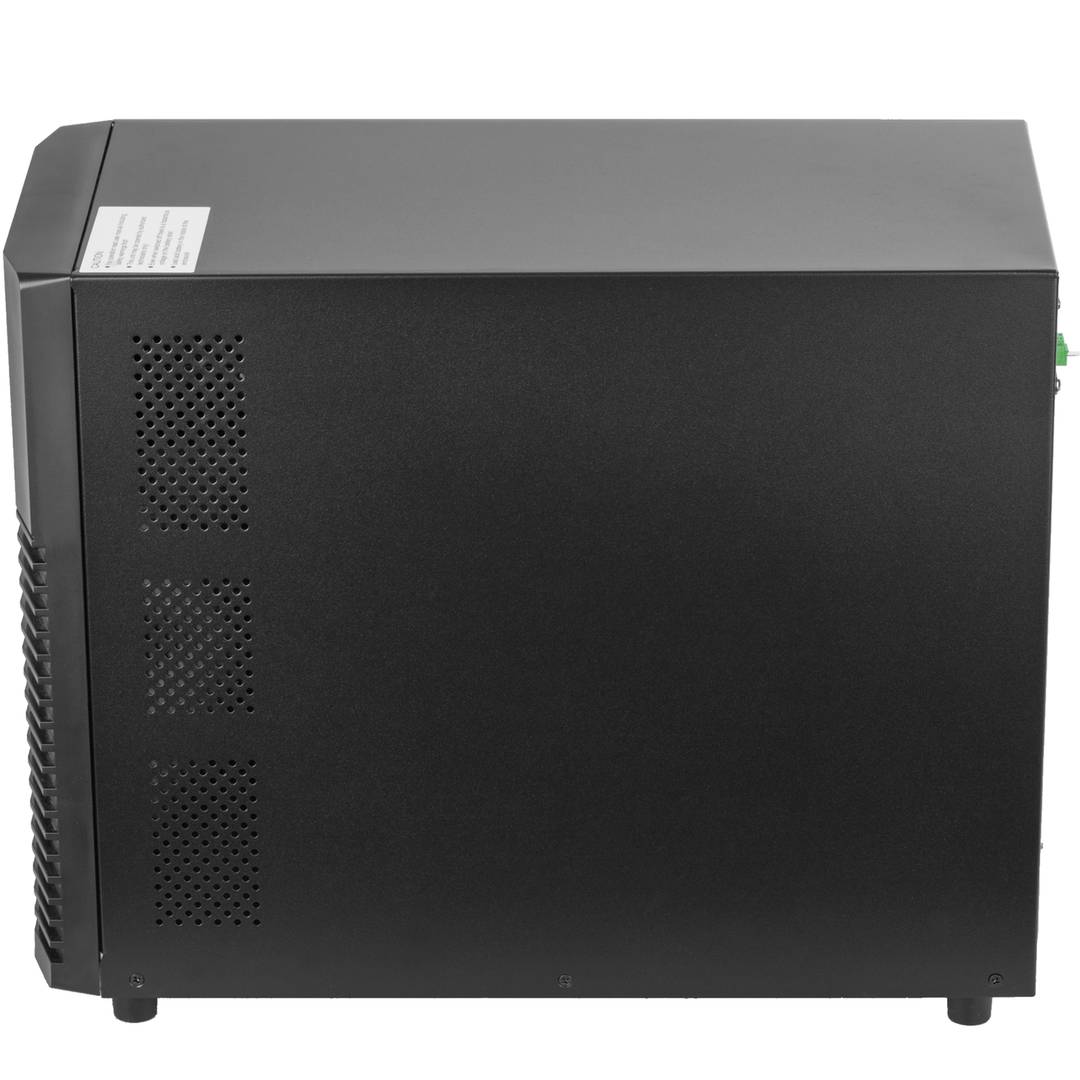


On-line UPS Tower Optima-T10 3000VA 3000W
On-line UPS Tower Optima-T10 3000VA 3000W
REF: UP133



Specifications
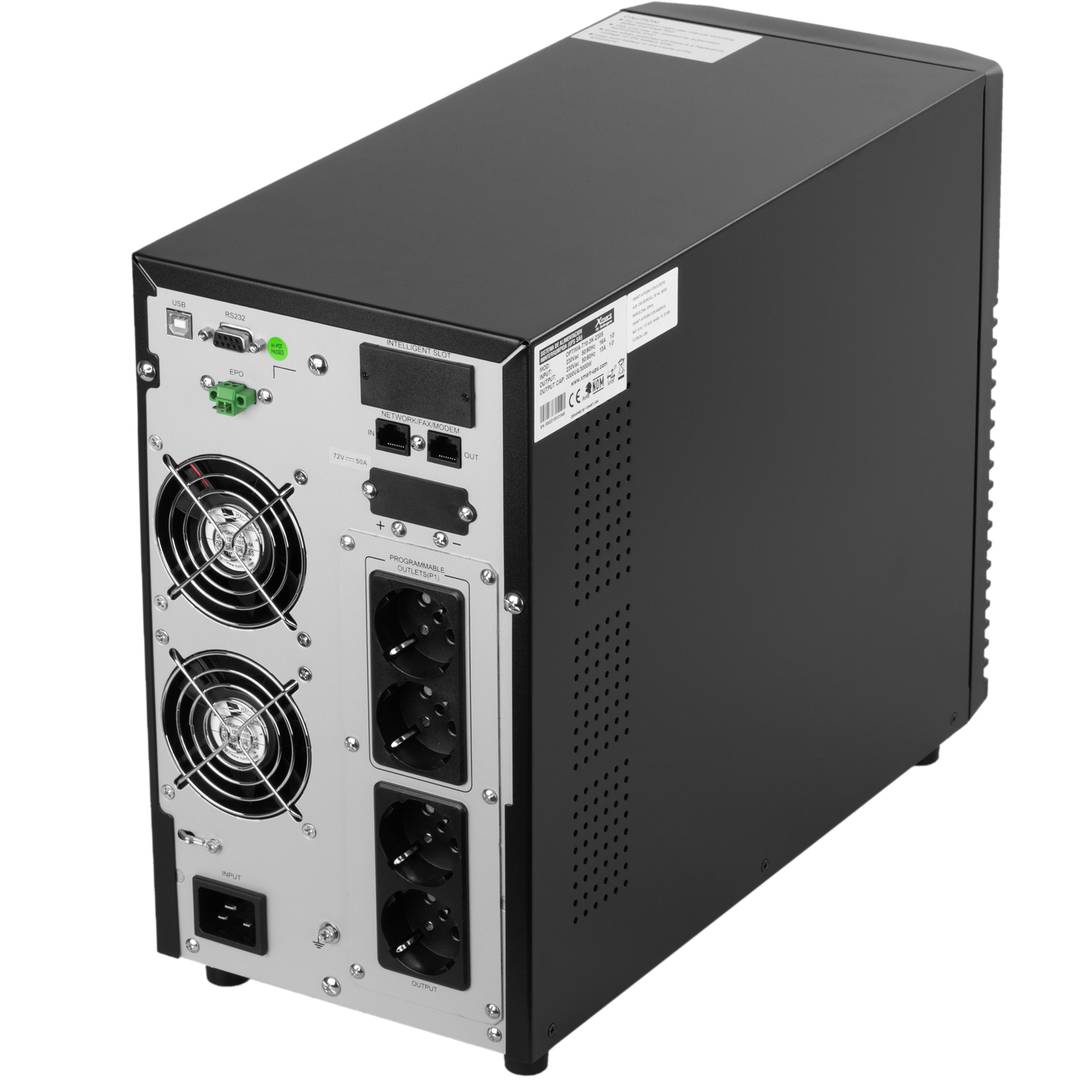
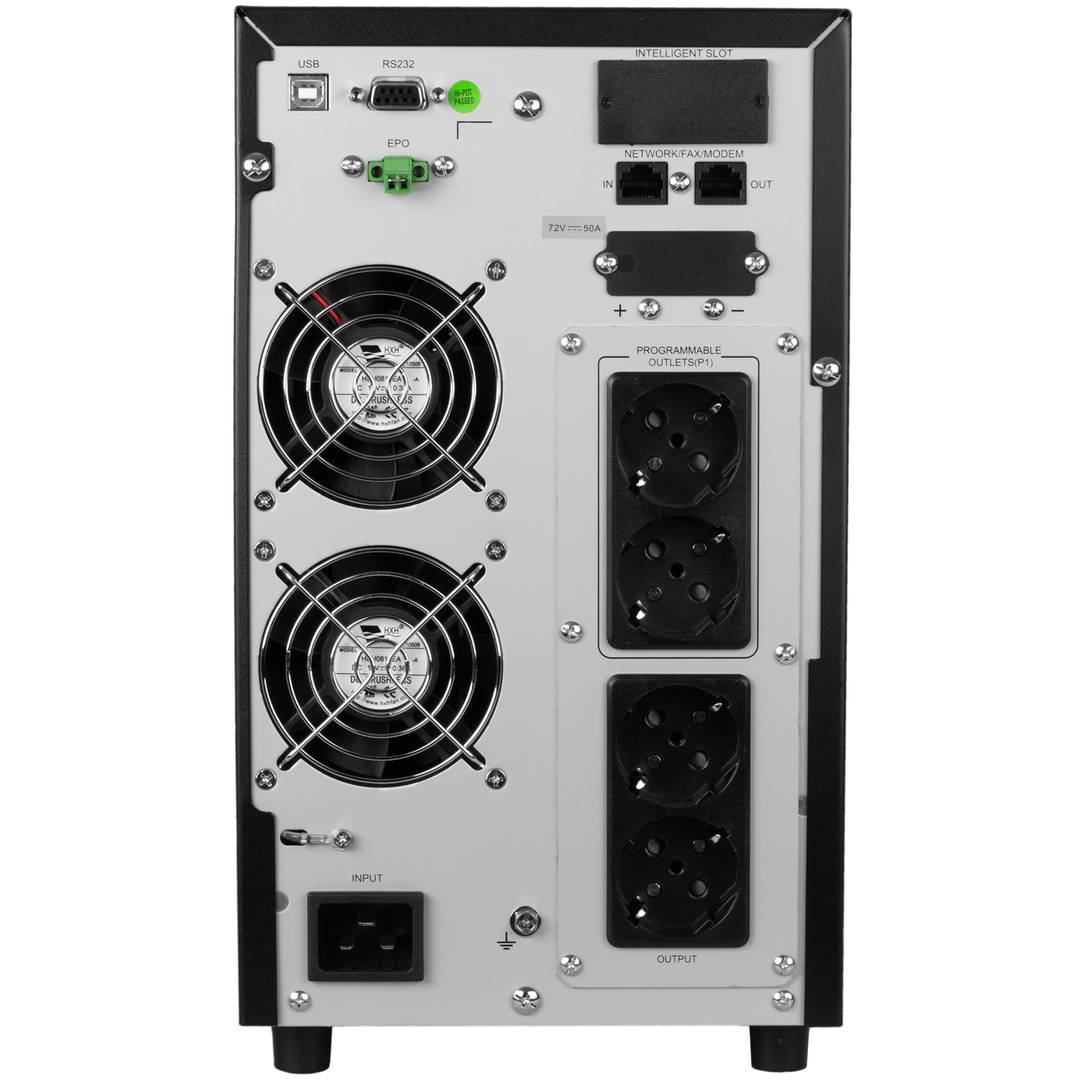
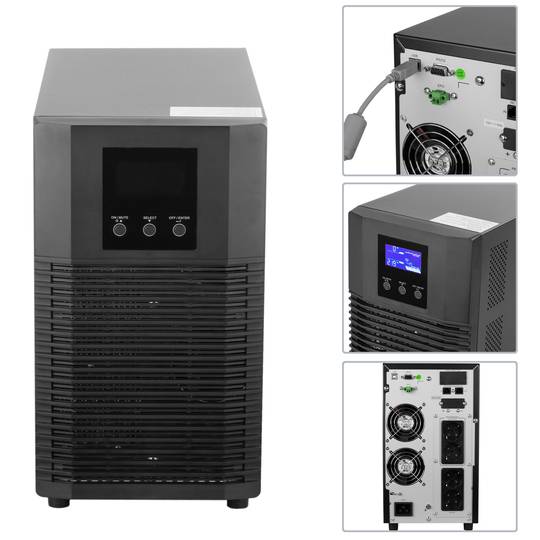
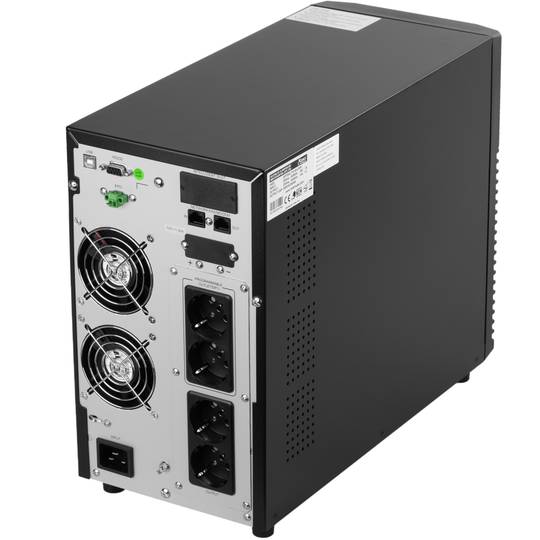
- UPS in tower format with C20 electrical network connector in black. Includes 1.8 meter C19 to schuko cable.
- Working voltage: 200-240 VAC 50/60 Hz Auto-sensing 4.2A.
- Work operations: On-line, battery mode, bypass mode, eco mode, frequency converter mode, fault mode.
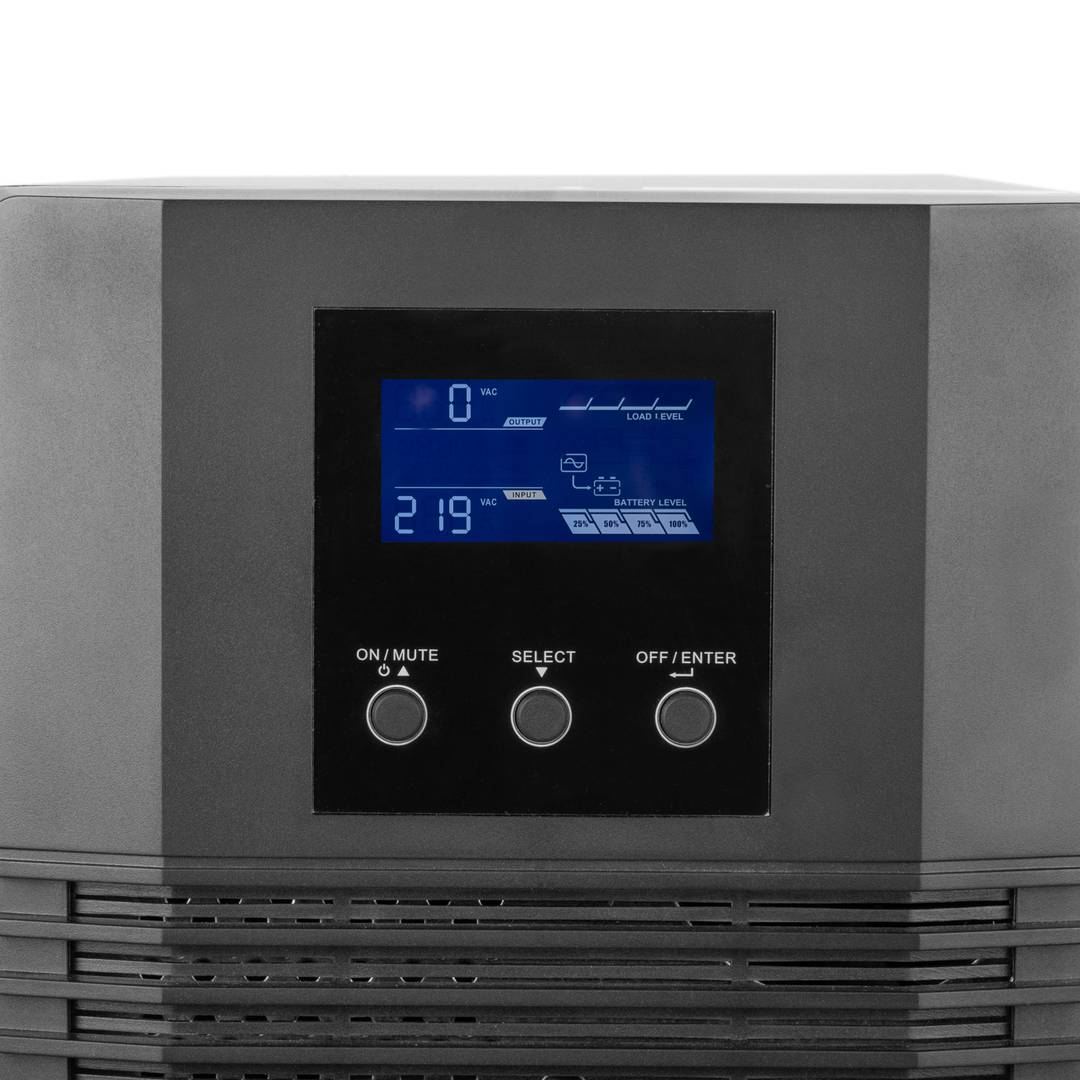
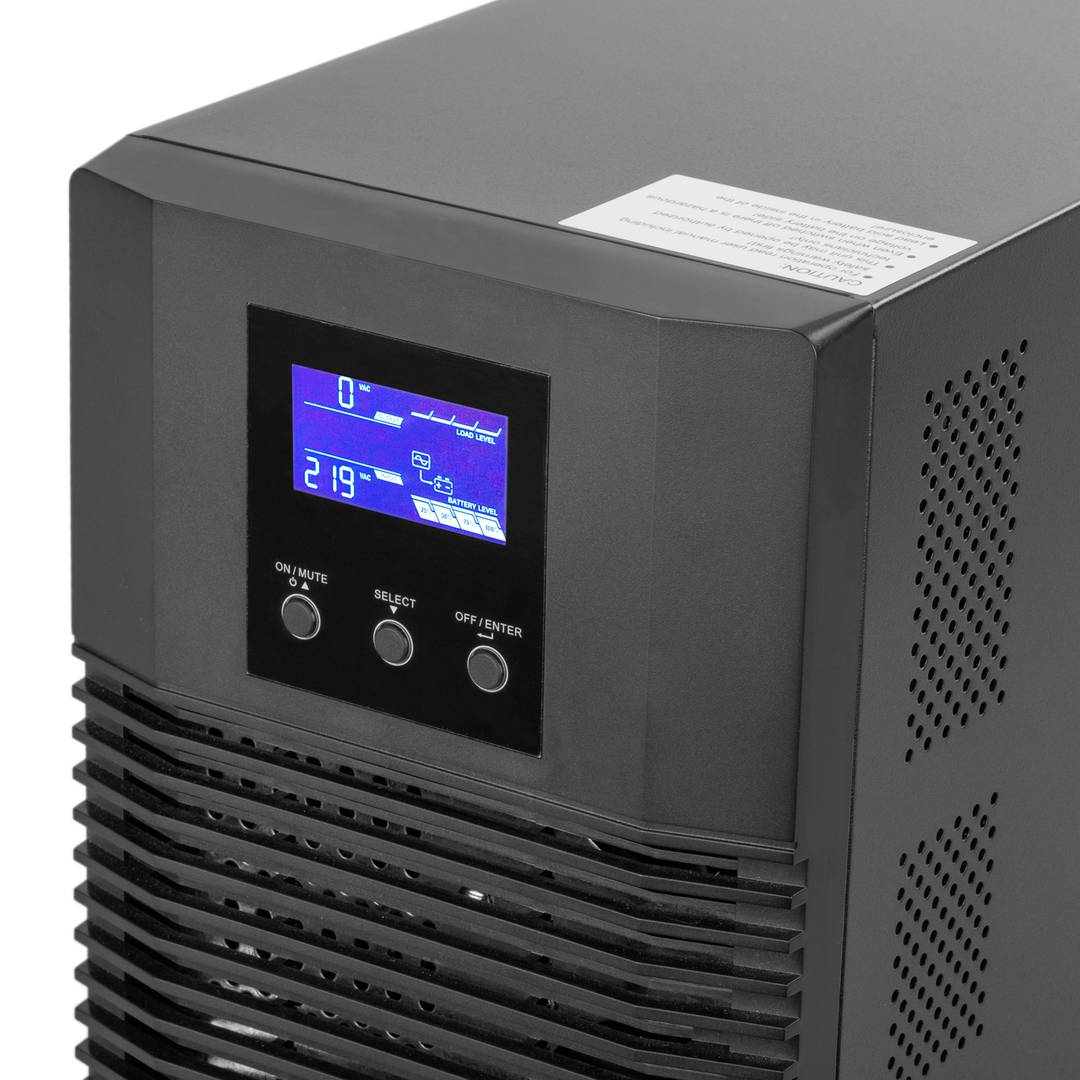
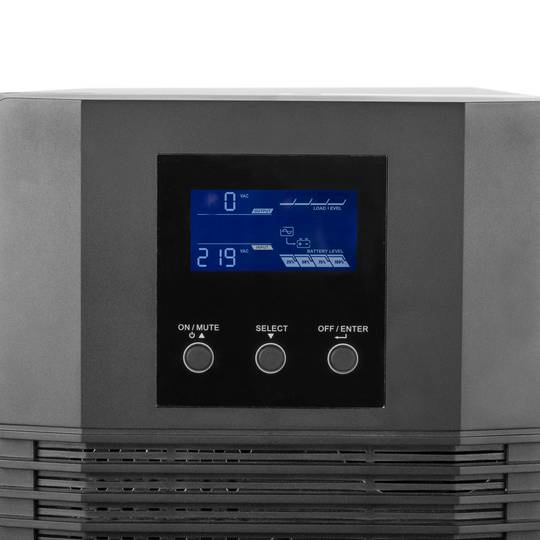
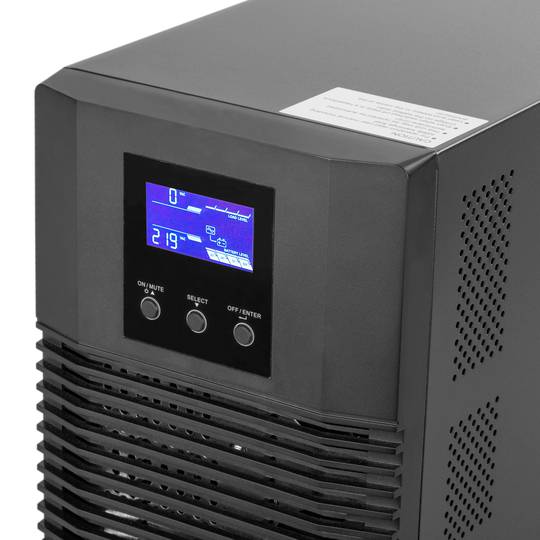
- LCD display for supervision of the UPS operating mode.
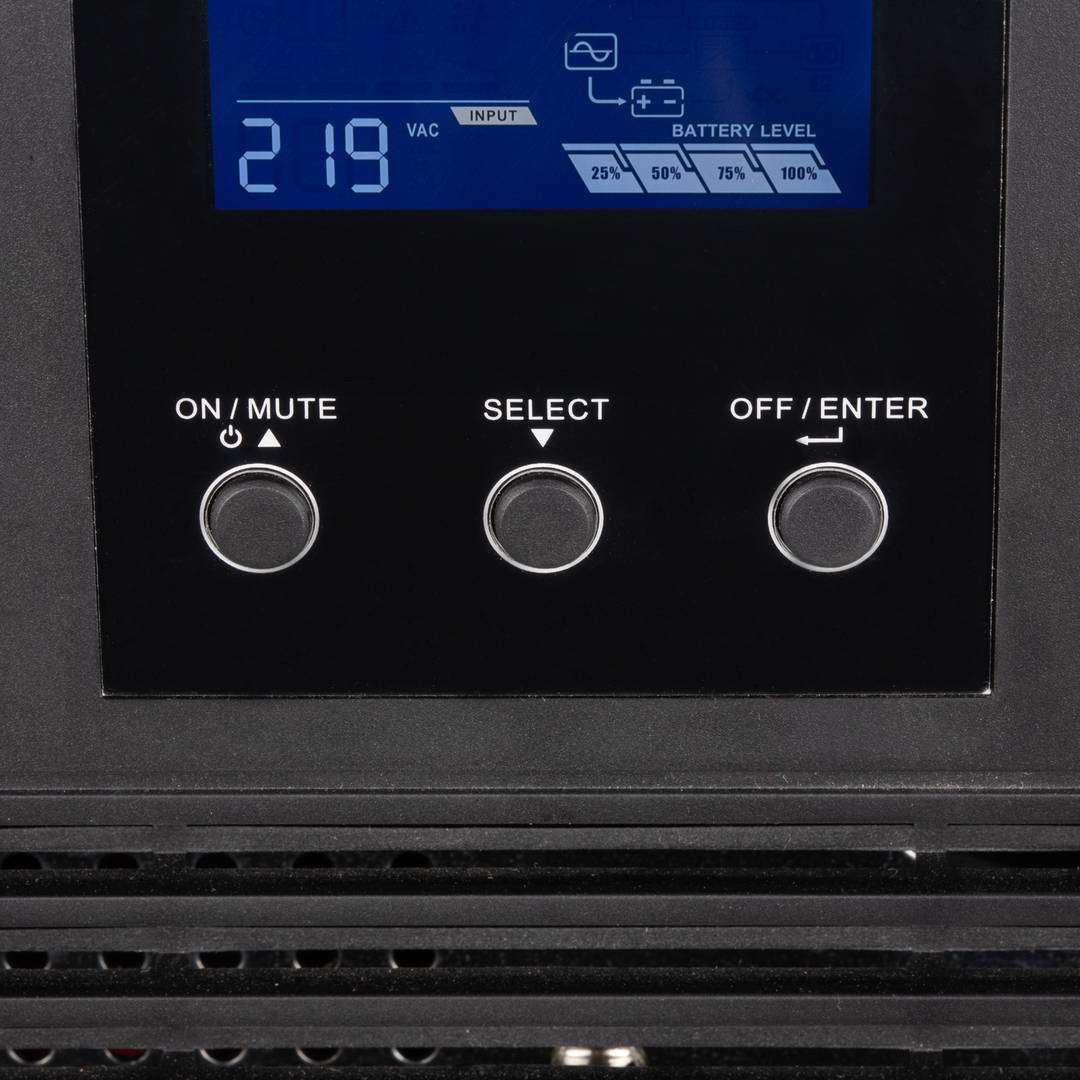
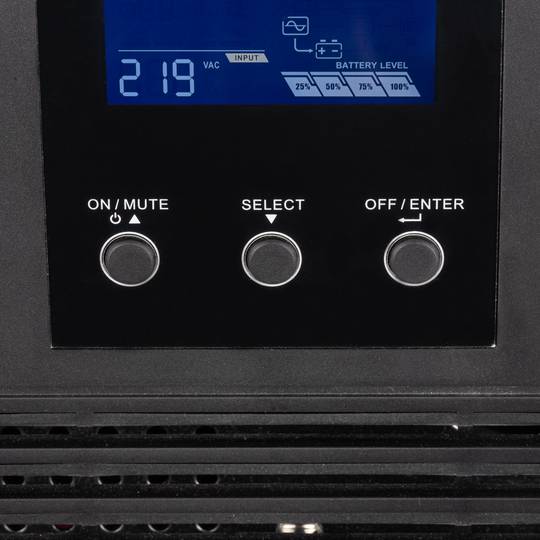
- Front panel with ON/MUTE start buttons, Select to show the UPS parameters, OFF/ENTER to turn off the UPS and confirmation when in configuration mode.
![play_button]() Watch video
Watch video
More info
 Watch video
PVP
€884.00
Price including VAT:
€884.00
PVD
€717.54
PVP: Retail price.
Check conditions.
PVP: Sale price to distributors.
Check conditions.
 2 years
warranty
 14 days
returns
 100%
100%safe
Specifications
- UPS in tower format with C20 electrical network connector in black. Includes 1.8 meter C19 to schuko cable.
- Working voltage: 200-240 VAC 50/60 Hz Auto-sensing 4.2A.
- Work operations: On-line, battery mode, bypass mode, eco mode, frequency converter mode, fault mode.
- LCD display for supervision of the UPS operating mode.
- Front panel with ON/MUTE start buttons, Select to show the UPS parameters, OFF/ENTER to turn off the UPS and confirmation when in configuration mode.
Related products
Keywords
Did not find what you were looking for? These topic could help you
More info
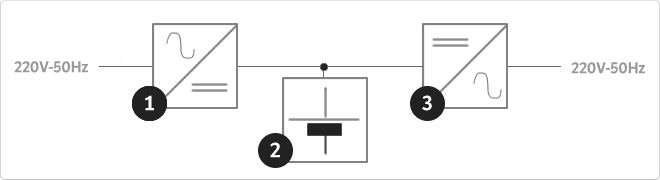
Uninterruptible Power Supply Single-phase UPS (Uninterruptible Power Supply) with on-line double conversion technology, which uses a rectifier and current inverter offering an electrical signal free of harmonics, voltage peaks, protecting the installation where they are connected. Device designed to provide electrical power for a limited time to all devices that are connected to UPS.
specs
- UPS in tower format with C20 electrical network connector in black. Includes 1.8 meter C19 to schuko cable.
- Working voltage: 200-240 VAC 50/60 Hz Auto-sensing 4.2A.
- Work operations: On-line, battery mode, bypass mode, eco mode, frequency converter mode, fault mode.
- LCD display for supervision of the UPS operating mode.
- Front panel with ON/MUTE start buttons, Select to show the UPS parameters, OFF/ENTER to turn off the UPS and confirmation when in configuration mode.
- Acoustic alarm on startup, battery mode, overload, low battery and UPS failure.
- It has 4 female schuko ports for connecting devices. 2 programmable ports and 2 standard ports.
- Capacity: 3000VA/3000W charging, possibility of connecting a battery bank to increase the autonomy of the UPS.
- Inside the UPS it has 6 batteries of 12 volts and 9AH.
- Boot time: 7 to 10 seconds.
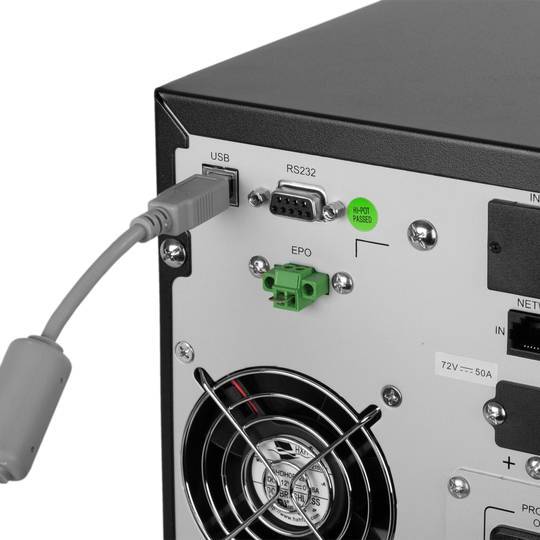
- It has an RJ45 IN/OUT connector to protect devices with this interface.
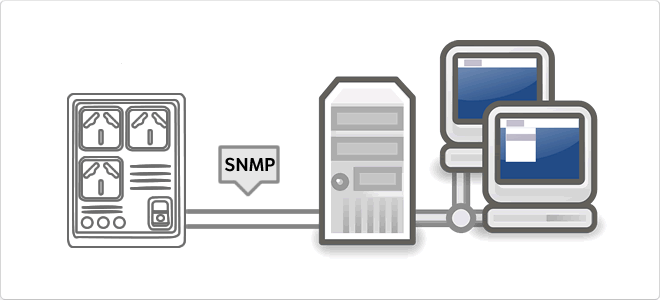
- Possibility of installing SNMP module for remote management of the UPS via local network or Internet (not included).
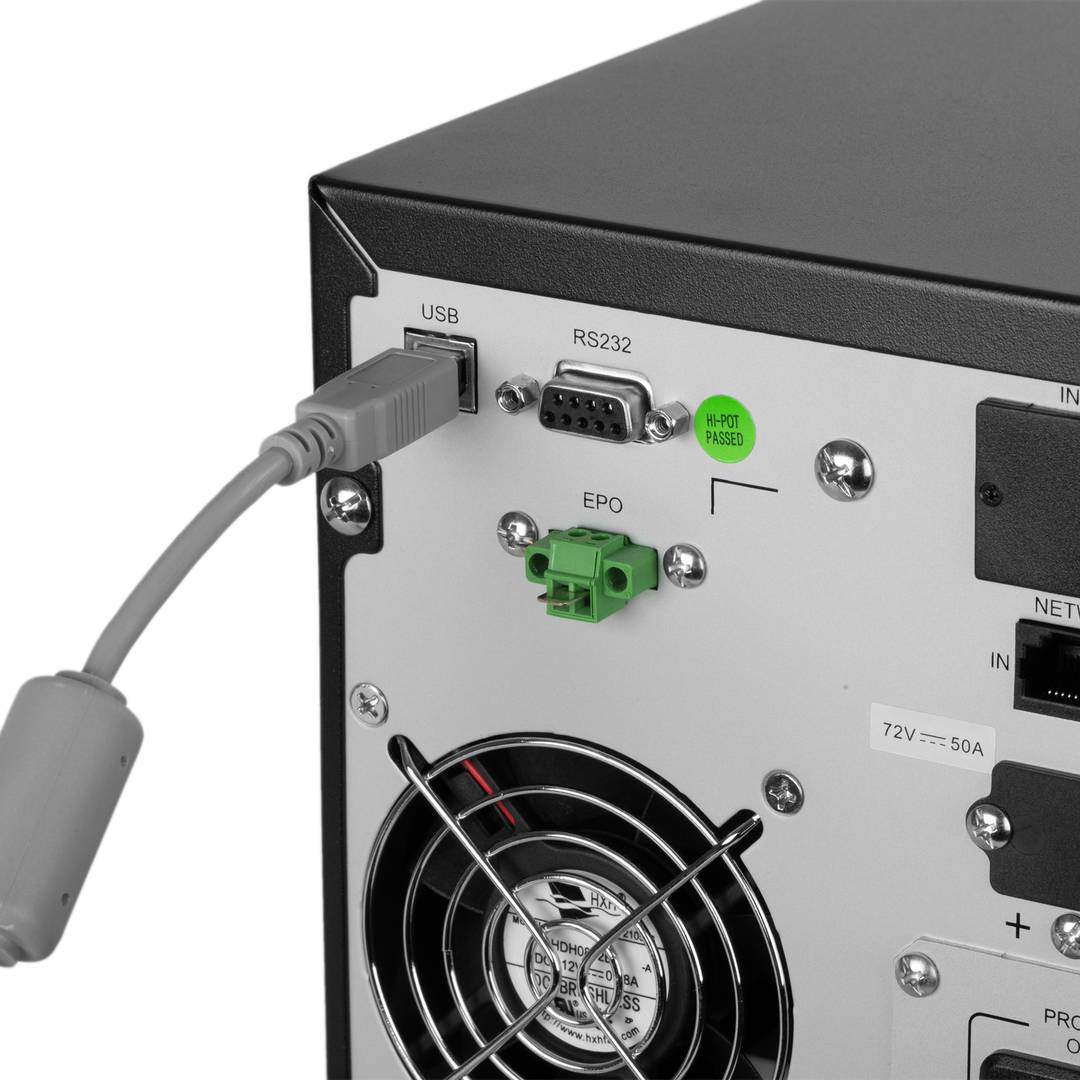
- It has a USB connection and RS32 port for managing the UPS.
- Software compatible with Windows, Mac OS X, Linux, VMWare systems.
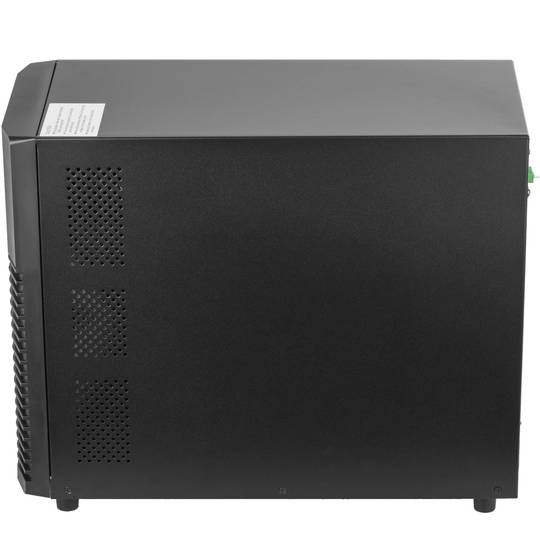
- Dimensions: 190 x 318 x 421 mm (width x height x depth) and 28 kilos of weight.
- Complies with regulations: ISO 9001, ISO 14001.
- Gross Weight: 29.0 kg
- Product size (width x depth x height): 19.0 x 41.5 x 33.5 cm
- Number of packages: 1
- Packages size: 56.0 x 46.0 x 32.0 cm
Technical terms
- Power Bank
- Categories network cables
- Battery charging cycles
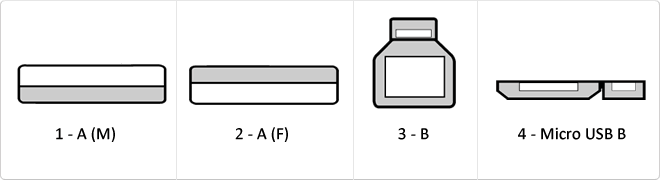
- USB
- MicroUSB
- Mini USB
- Hz
- UPS
- USB 3.0
- SNMP
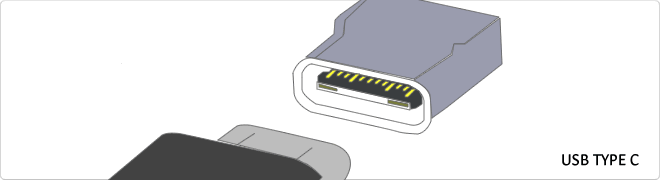
- Reversible USB Type-C
- Schuko
- Single-phase
- RJ45
- VAC
Power Bank
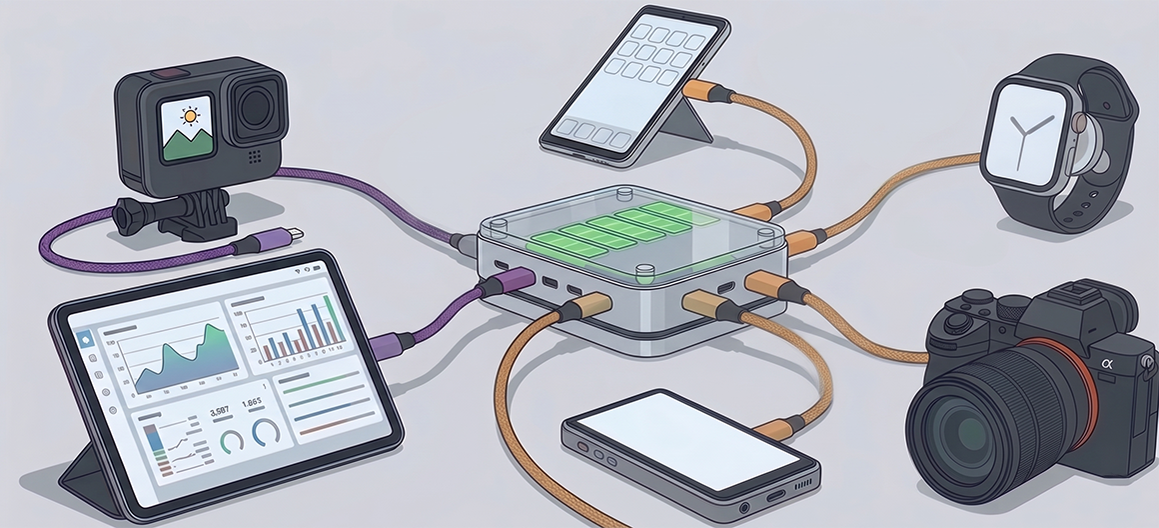
The battery bank or Power Bank is an ideal solution if you are running out of battery on your device when you really need it.
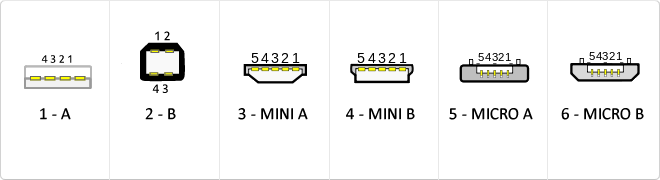
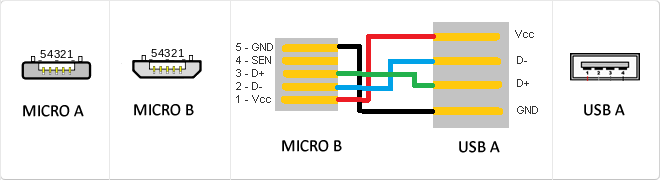
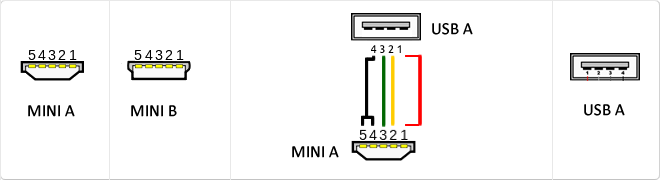
It's charged using a miniUSB or microUSB cable directly connected to a power source or USB port (PC or MAC).
Its operation is very simple, you only need to connect the battery bank to your smartphone, tablet, MP3, Ipod, etc. and automatically will start charging.
The provided charge to the device depends on the capacity in mAh of the battery bank, usually can perform a full charge of a device and depending on the capacity of the power bank, it can do it a few times.
To calculate the times you can charge your device simply divide the capacity of powerbank between the battery capacity of the device.
Example:
If the battery bank is 7.200mAh i your device is an Apple iPhone, Samsung Galaxy or similar with 1.800mA battery, you can charge up to 4 times without going through the plug.
The charging time of your device using a powerbank is very similar to the charging time using the original charger.
Ideal for long trips, meetings, campsites, etc.
It's charged using a miniUSB or microUSB cable directly connected to a power source or USB port (PC or MAC).
Its operation is very simple, you only need to connect the battery bank to your smartphone, tablet, MP3, Ipod, etc. and automatically will start charging.
The provided charge to the device depends on the capacity in mAh of the battery bank, usually can perform a full charge of a device and depending on the capacity of the power bank, it can do it a few times.
To calculate the times you can charge your device simply divide the capacity of powerbank between the battery capacity of the device.
Example:
If the battery bank is 7.200mAh i your device is an Apple iPhone, Samsung Galaxy or similar with 1.800mA battery, you can charge up to 4 times without going through the plug.
The charging time of your device using a powerbank is very similar to the charging time using the original charger.
Ideal for long trips, meetings, campsites, etc.