

06/10/2026 6:42 a.m.
https://cablematic.com/en/products/parallel-cardbus-card-1-port-TP052/
https://cablematic.com/en/products/parallel-cardbus-card-1-port-TP052/
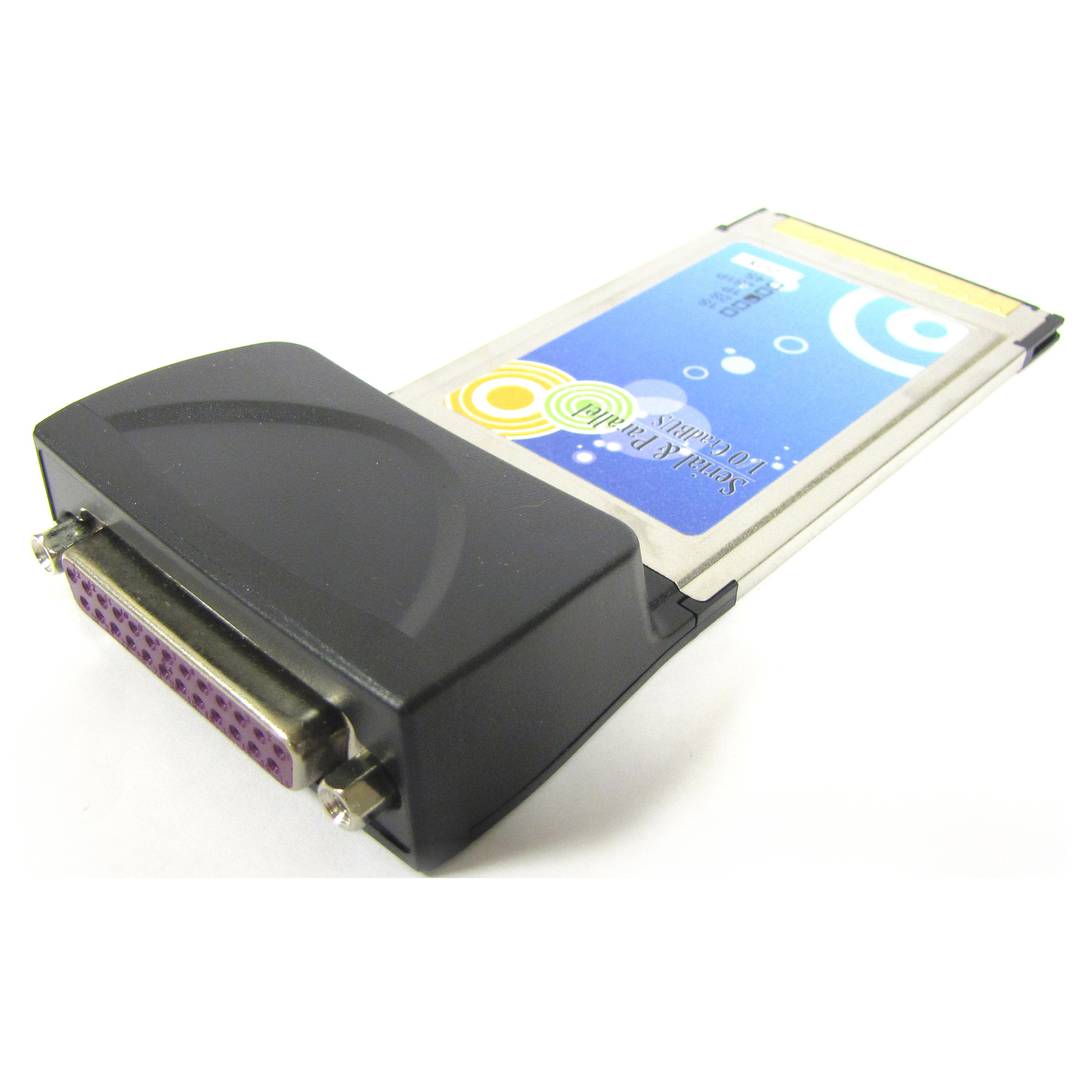


Parallel CardBus Card (1-Port)
Parallel CardBus Card (1-Port)
REF: TP052


Specifications
- Card compatible with the CARDBUS 32-bit type II slot standard and with an IEEE1284 SPP/EPP/ECP parallel port.
- Data transmission speed of up to 2.7 MB/s.
- Port of IRQ and I/O totally PnP.
- 32 byte FIFO Buffer.
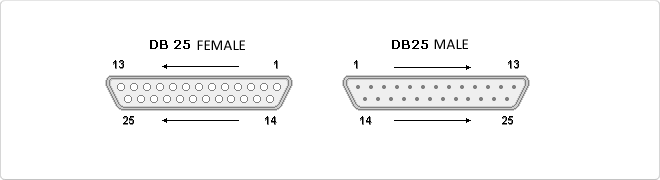
- The card has a DB25-Female connector.
![play_button]() Watch video
Watch video
More info
 Watch video
PVP
€9.37
Price including VAT:
€9.37
PVD
€8.22
PVP: Retail price.
Check conditions.
PVP: Sale price to distributors.
Check conditions.
 2 years
warranty
 14 days
returns
 100%
100%safe
We will notify you when it is back in stock.
Specifications
- Card compatible with the CARDBUS 32-bit type II slot standard and with an IEEE1284 SPP/EPP/ECP parallel port.
- Data transmission speed of up to 2.7 MB/s.
- Port of IRQ and I/O totally PnP.
- 32 byte FIFO Buffer.
- The card has a DB25-Female connector.
Related products

More info
Card compatible with the CARDBUS 32-bit type II slot standard and with an IEEE1284 SPP/EPP/ECP parallel port. Data transmission speed of up to 2.7 MB/s. Port of IRQ and I/O totally PnP. 32 byte FIFO Buffer. The card has a DB25-Female connector. Compatible with Windows 98/ME/2000/XP and Linux environments.
- Gross Weight: 210 g
- Number of packages: 1
Technical terms
- EPP
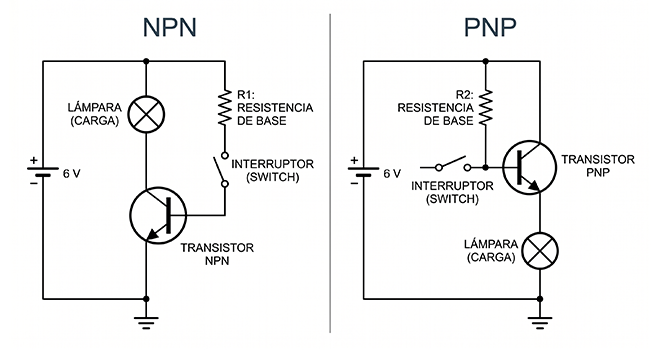
- Differences between PNP and NPN
- Parallel
- IEEE 1284
- SPP
- ECP
EPP
EPP (Enhanced Parallel Port) is a signaling method defined in the IEEE 1284 standard for high-speed bidirectional communication between PCs and peripherals. It was specifically designed for data-intensive devices.
Think of it as a wider highway where traffic can flow in both directions at the same time, making the exchange of information much faster than on a narrow one-way street.
| Feature | Specification |
|---|---|
| Transfer Rate | Up to 2 MB/s |
| Interface | Parallel DB-25 |
Hardware-Driven Handshaking
EPP implements the handshaking protocol in hardware, which significantly reduces the CPU overhead compared to standard software-controlled parallel ports.
Key Advantages
- Higher data throughput than standard modes.
- Maintains backward compatibility with older devices.
- Low latency for peripheral devices.
IEEE 1284 was the performance bridge before USB reached the market.