

10/15/2026 10:17 a.m.
https://cablematic.com/en/products/pce-2600n-durometer-PC215/
https://cablematic.com/en/products/pce-2600n-durometer-PC215/
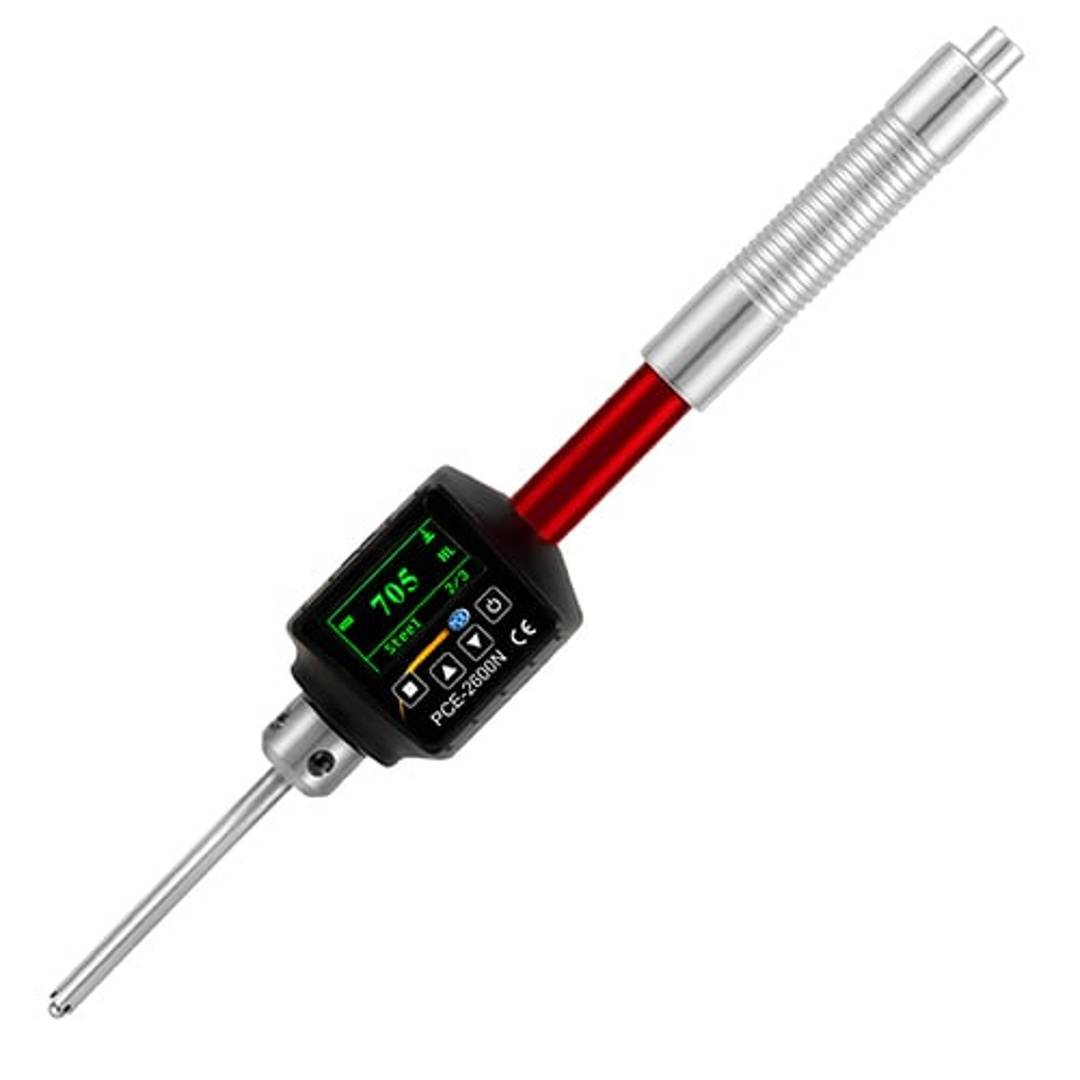
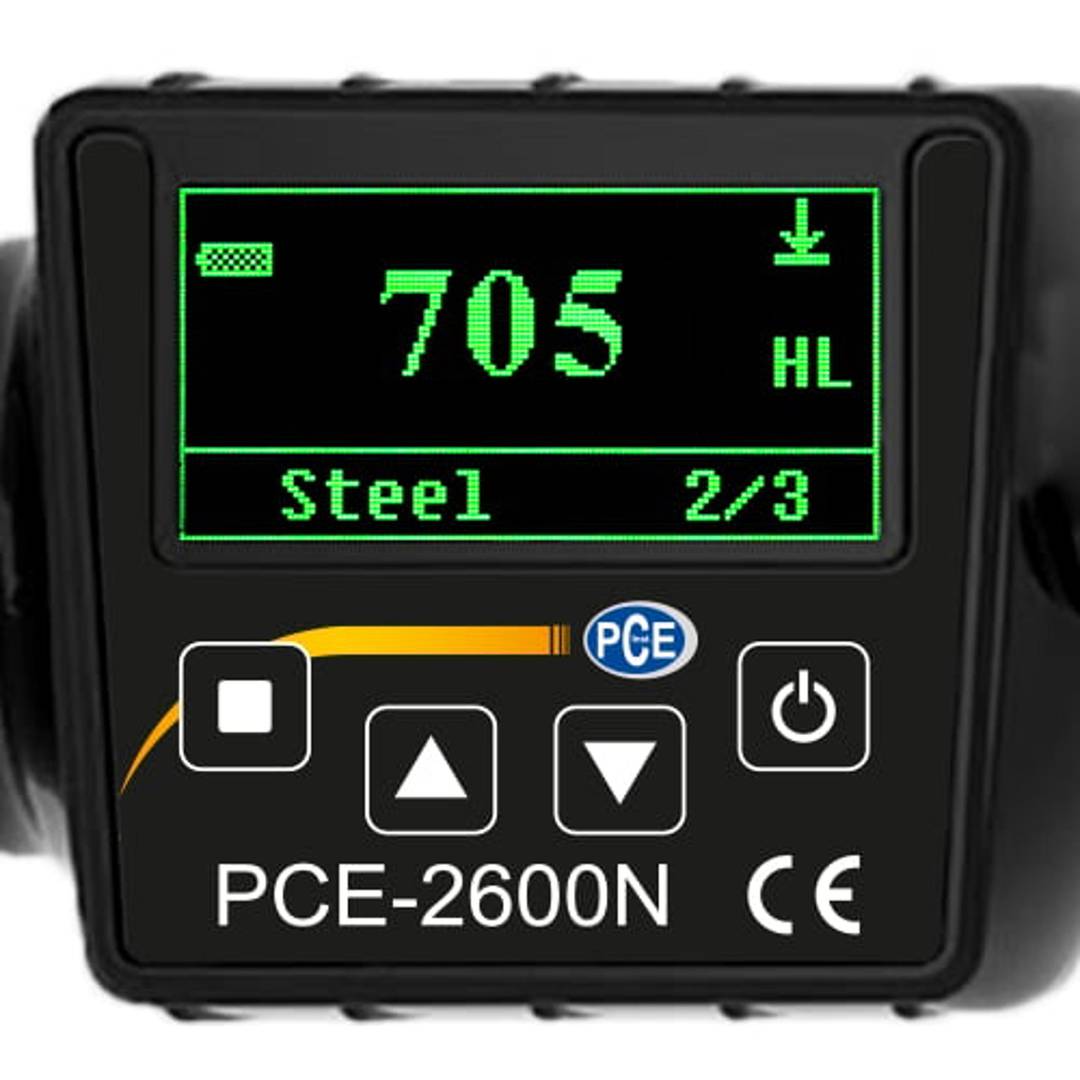
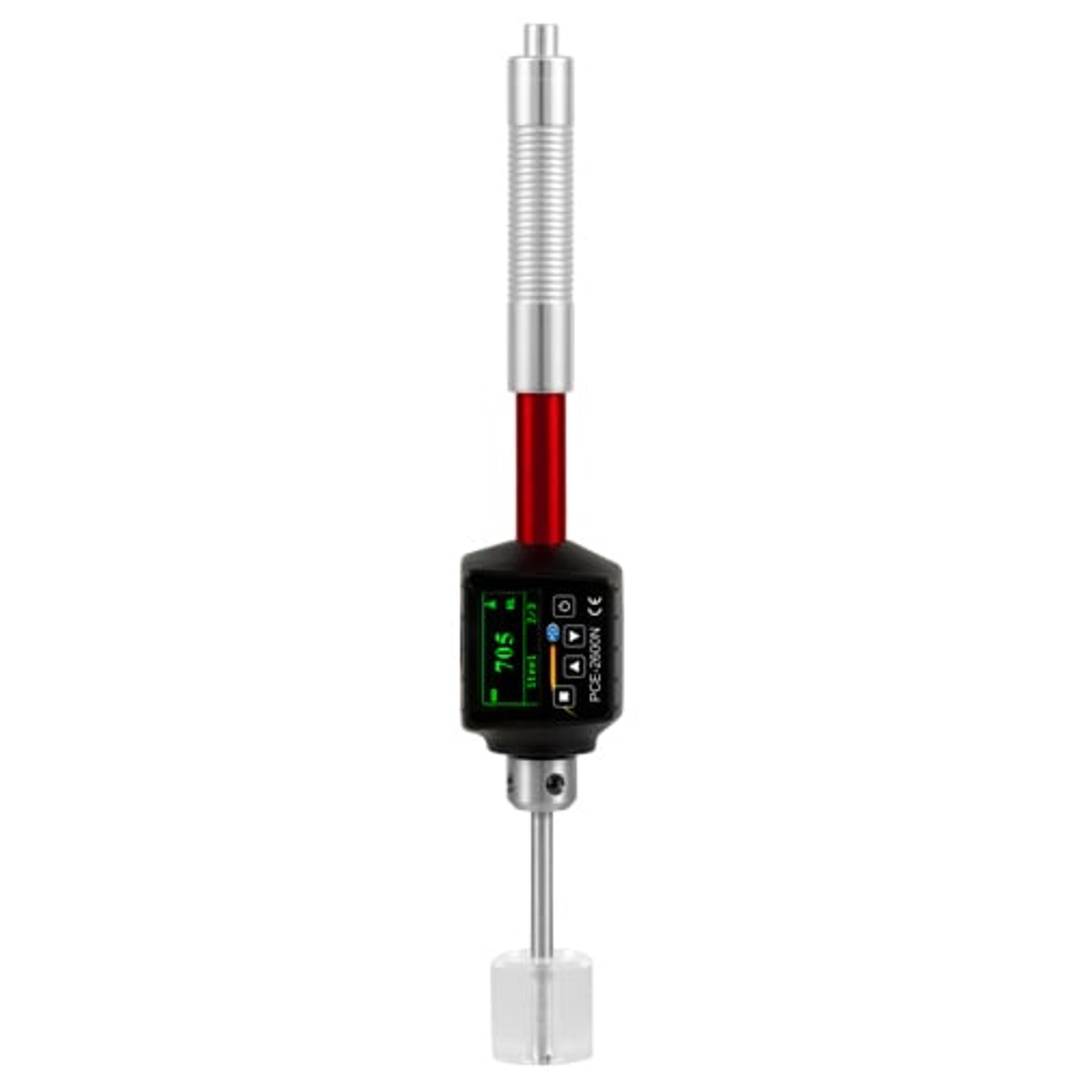
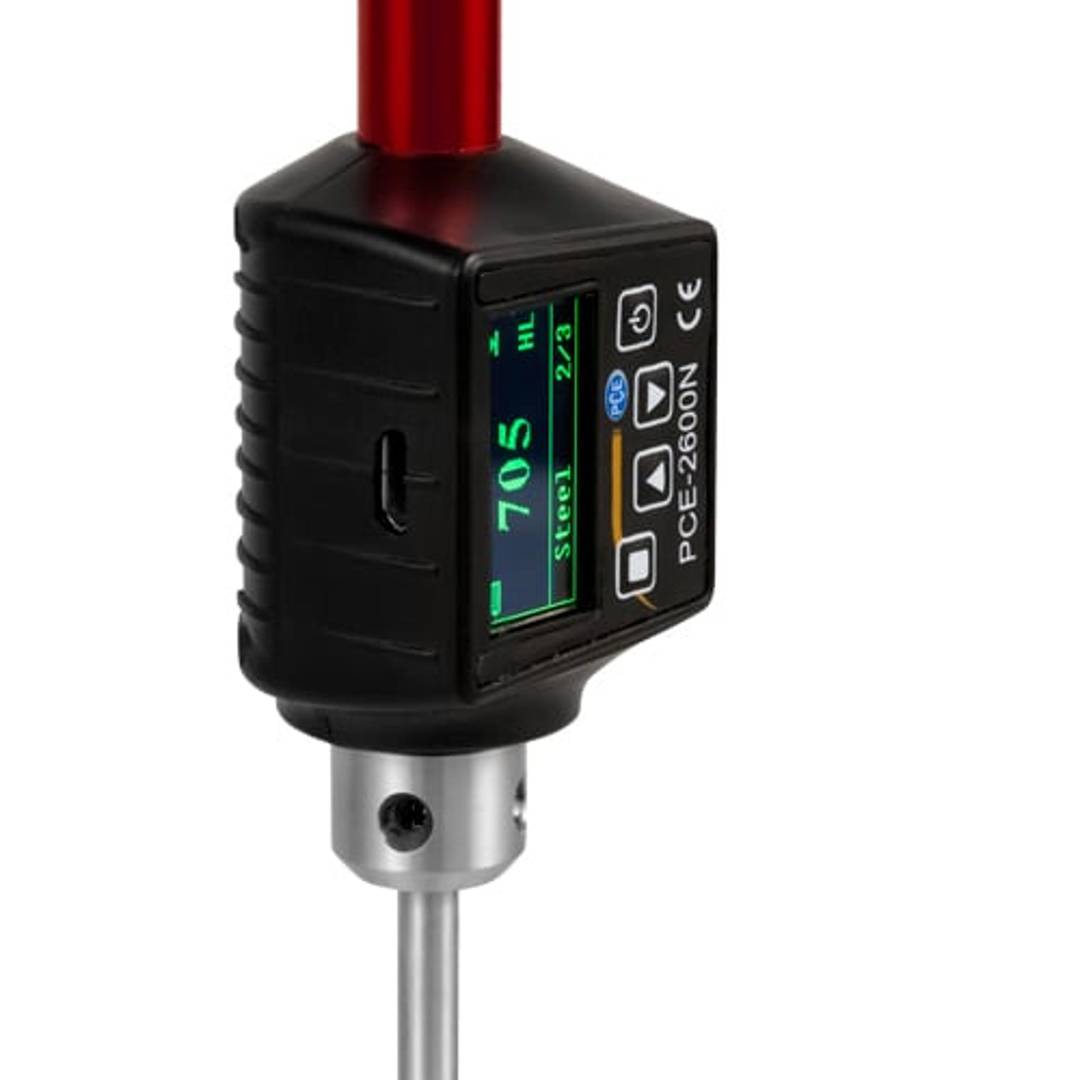
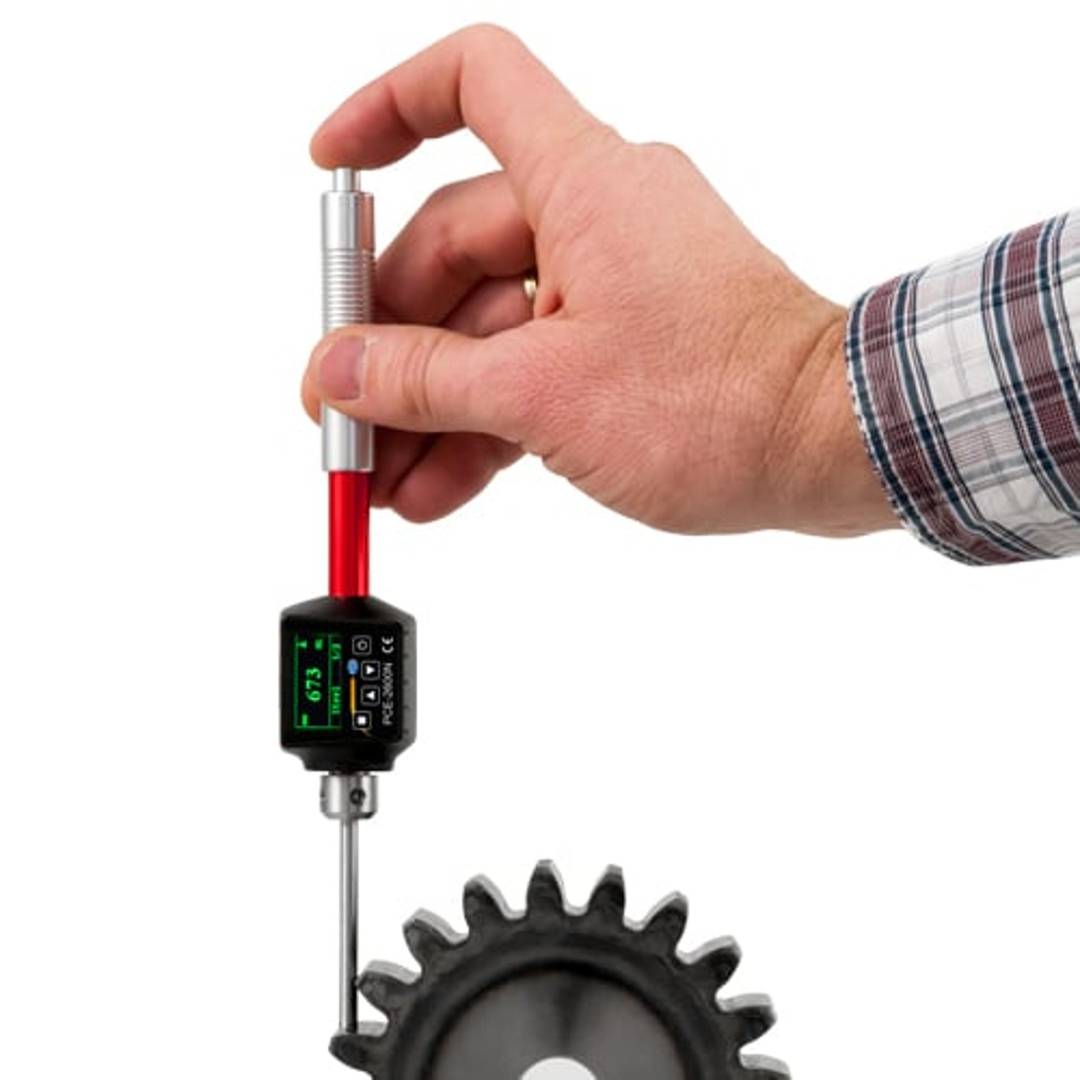


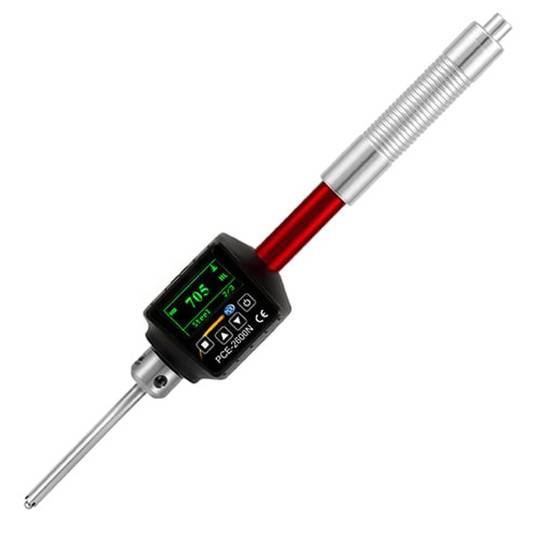
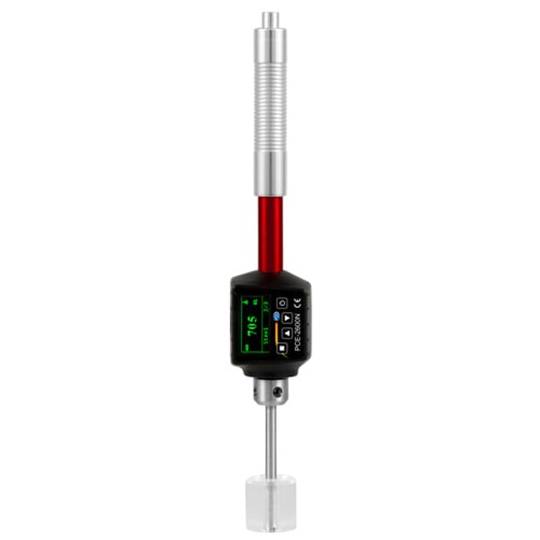
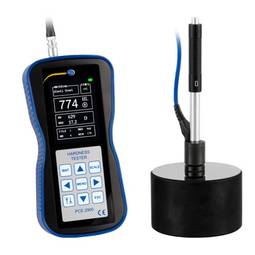
PCE-2600N Durometer
PCE-2600N Durometer
REF: PC215



Specifications
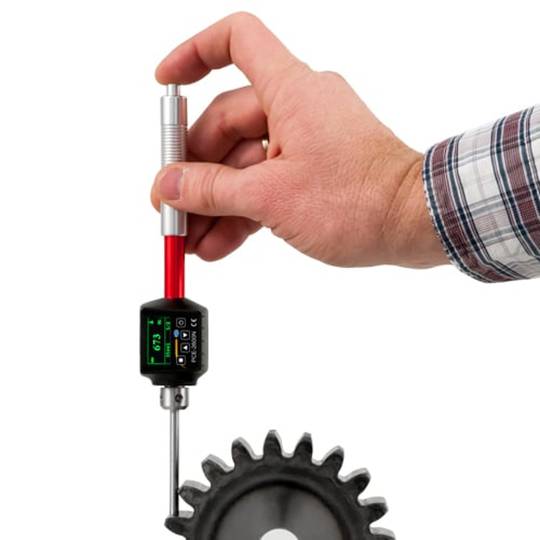
- Durometer to measure surface hardness.
- Ideal for quality control and goods receipt control.
- Clear OLED display for easy operation.
- Internal storage of measured values.
- Alarm limit value.
PVP
€1,293.84
Price including VAT:
€1,293.84
PVD
€1,204.62
PVP: Retail price.
Check conditions.
PVP: Sale price to distributors.
Check conditions.
 2 years
warranty
 14 days
returns
 100%
100%safe
Specifications
- Durometer to measure surface hardness.
- Ideal for quality control and goods receipt control.
- Clear OLED display for easy operation.
- Internal storage of measured values.
- Alarm limit value.
Related products
Keywords
Did not find what you were looking for? These topic could help you
More info
The material checking device has a compact design, which makes it an ideal tool for material input and output control. In addition, it has a limit alarm, which means that the user can set a limit value for which the device emits an acoustic or visual signal. This means that the user will receive an immediate notification if the hardness exceeds the limit value. On the other hand, the durometer is equipped with a lithium-ion battery, which means that the equipment is portable and can be taken anywhere. This means that the user can measure hardness in 360° without having to worry about the socket. The collected data can be saved in the internal memory of the device and later retrieved on the screen. This internal memory can also be used to save measurement parameters such as material type, alarm limit value, etc. It is a compact, practical and easy-to-use device that allows the user to measure hardness quickly and accurately. Manufactured by PCE with reference PCE-2600N.
Specifications
- Durometer to measure surface hardness.
- Ideal for quality control and goods receipt control.
- Clear OLED display for easy operation.
- Internal storage of measured values.
- Alarm limit value.
- 360° measurement.
- Supports different types of metal.
- Compact construction for one-handed operation.
- Battery powered.
- Gross Weight: 4.155 kg
- Number of packages: 1
Technical terms
- Battery charging cycles
- Movement detector
- Lithium batteries
Battery charging cycles
A charge cycle occurs when you use 100% of your battery's capacity. Lifespan is defined by total cycles before capacity drops below 80%.
| Parameter | Technical Description |
|---|---|
| DoD | Depth of Discharge level. |
| SoH | State of Health of the cell. |
Lifespan Calculation
Maintain the battery between 20% and 80% to maximize chemical stability and longevity.
Advantages
Controlled charging reduces heat and prevents lithium plating.
Note: Use original chargers for optimal safety.