


10/18/2026 6:22 p.m.
https://cablematic.com/en/products/pce-csm-7-colorimeter-PC344/
https://cablematic.com/en/products/pce-csm-7-colorimeter-PC344/
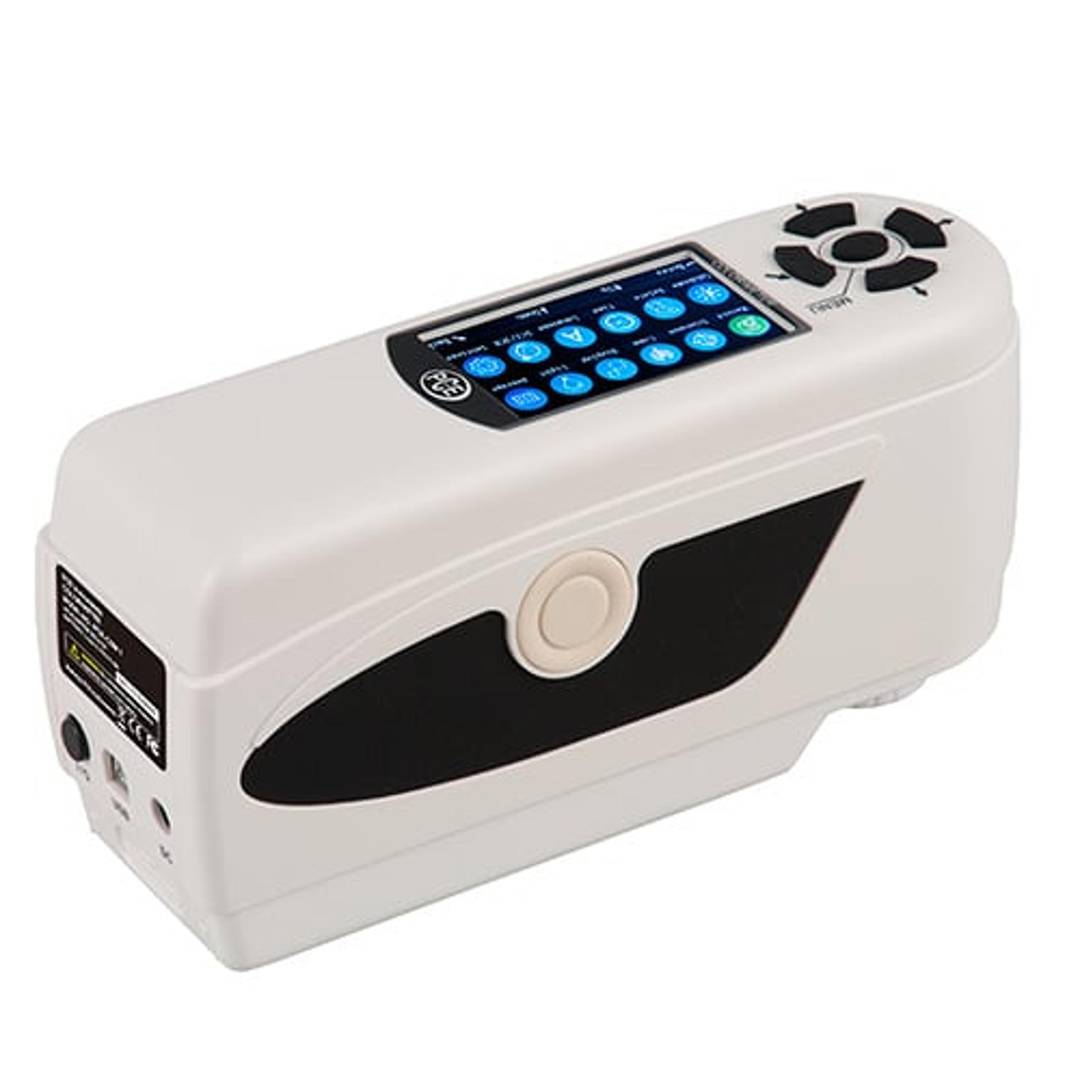
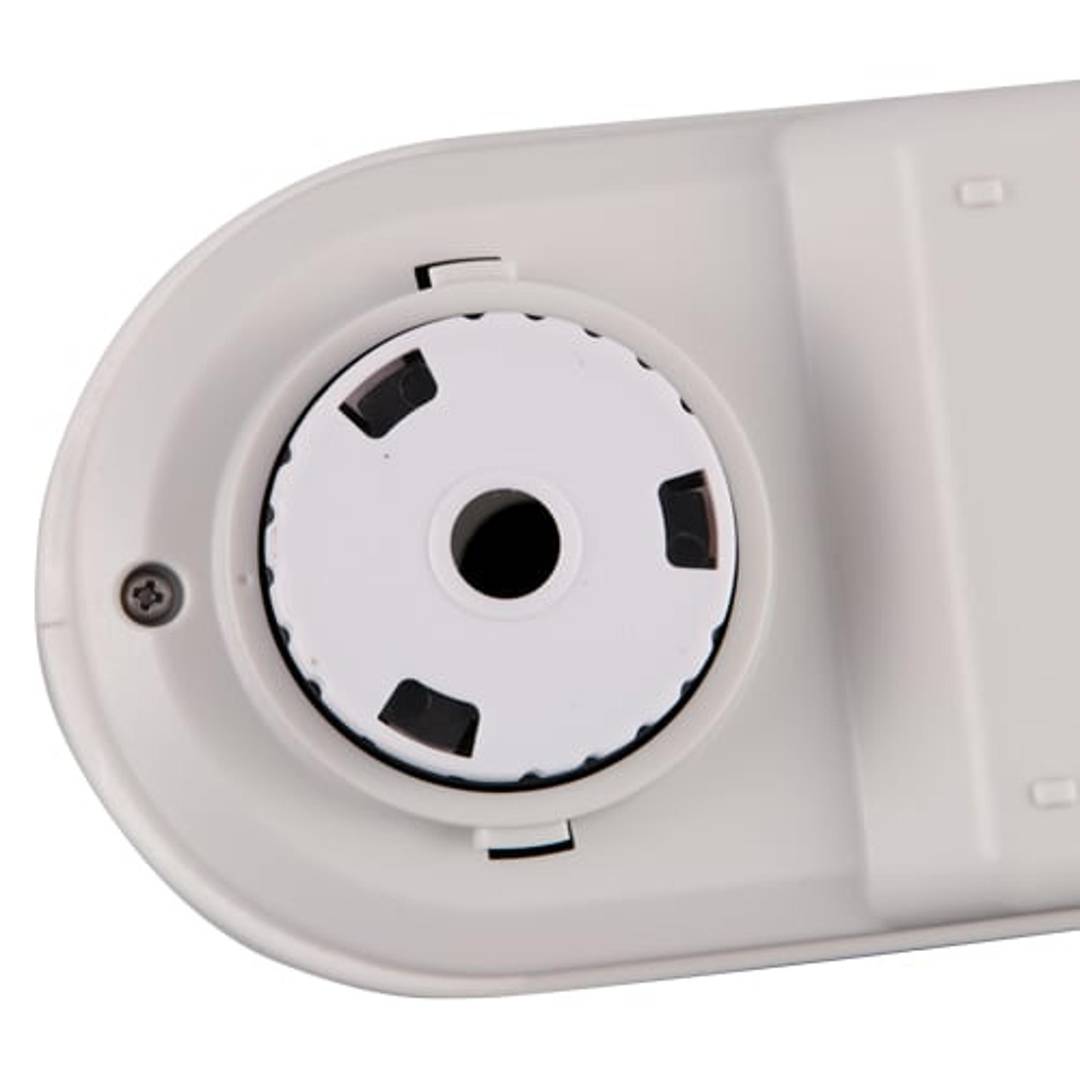
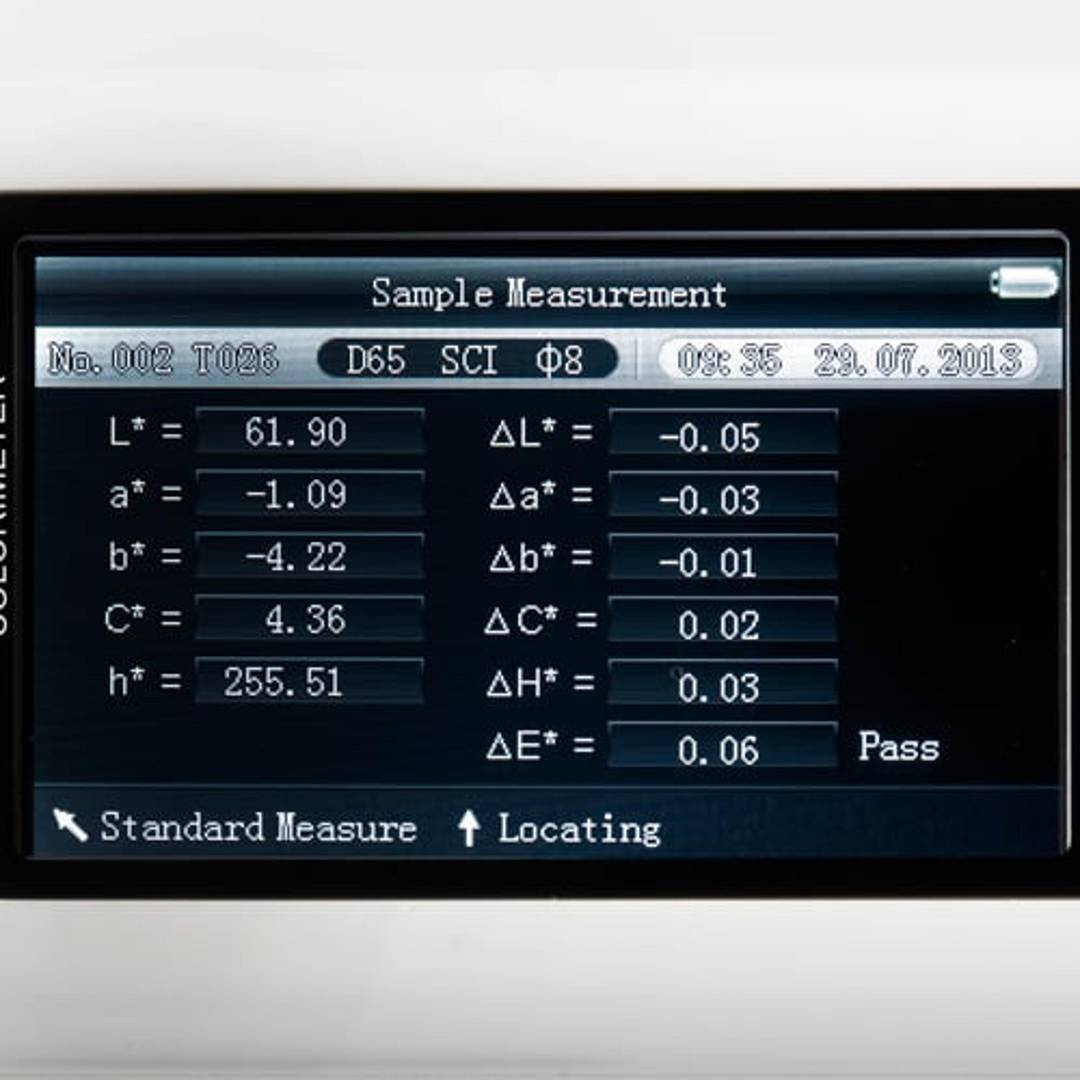
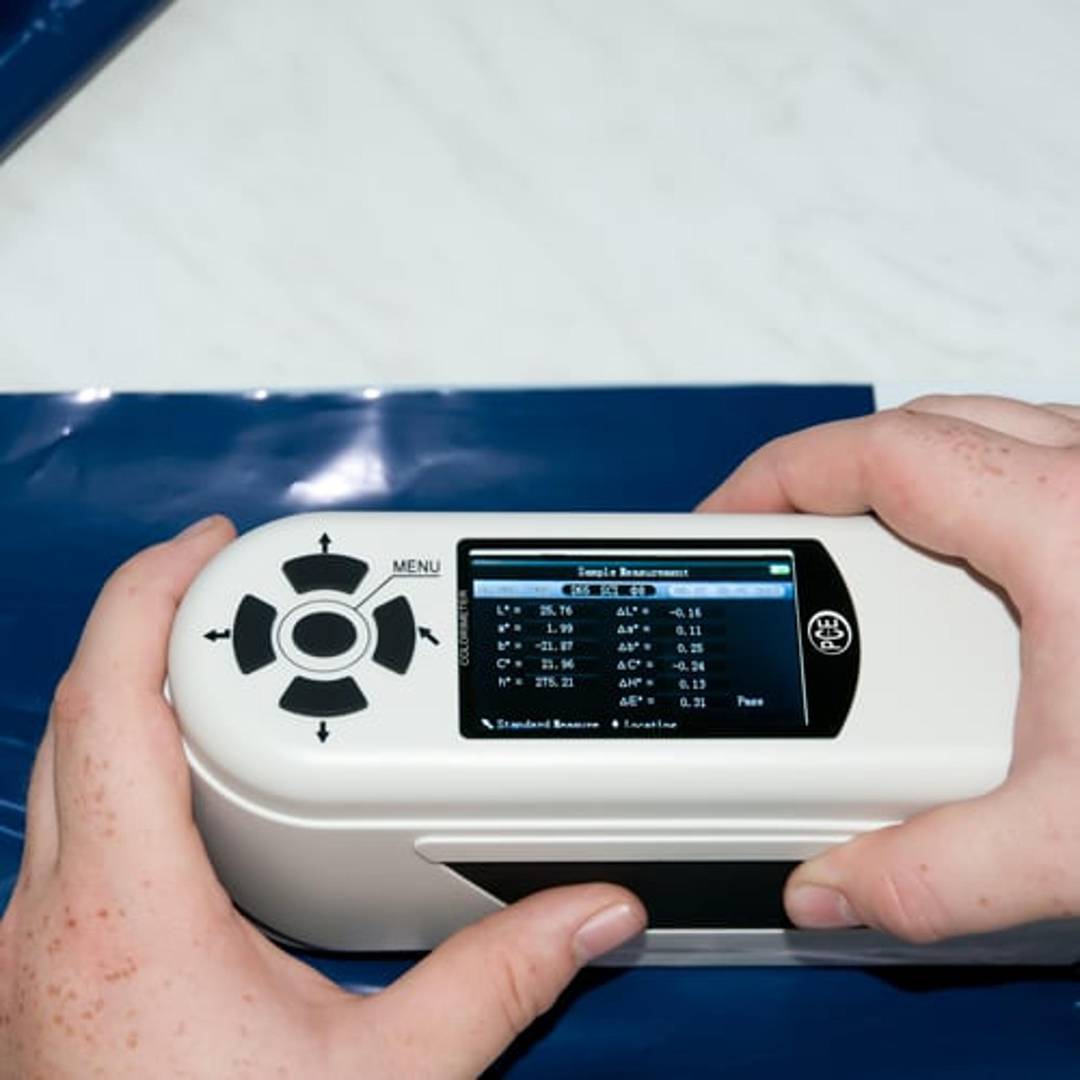


PCE-CSM 7 Colorimeter
PCE-CSM 7 Colorimeter
REF: PC344


Specifications
- Ideal for professional use.
- Automatic black and white calibration.
- Ion-Lithium battery.
- Simple user interface.
- Measurement mode for different colors.
PVP
€3,449.73
Price including VAT:
€3,449.73
PVD
€3,211.86
PVP: Retail price.
Check conditions.
PVP: Sale price to distributors.
Check conditions.
 2 years
warranty
 14 days
returns
 100%
100%safe
Specifications
- Ideal for professional use.
- Automatic black and white calibration.
- Ion-Lithium battery.
- Simple user interface.
- Measurement mode for different colors.
Related products


More info
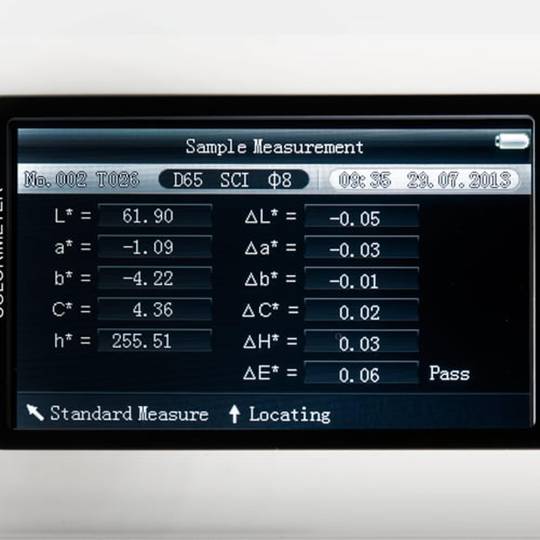
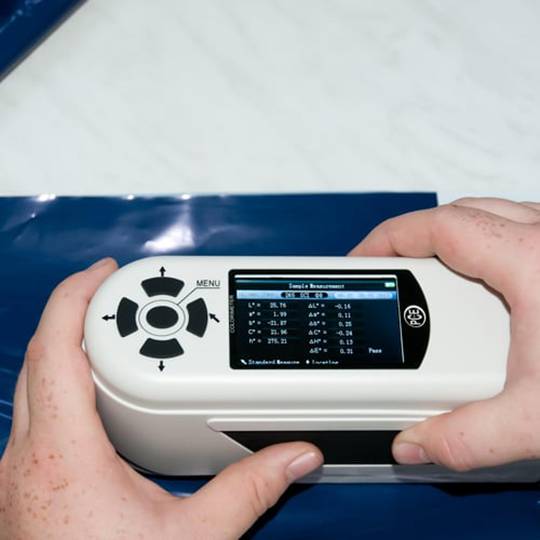
The colorimeter features extensive functionality and offers accurate measurement of whiteness and yellowness indices. It makes measurements of the colors white, black, red, green, yellow and blue. It is powered by a lithium-ion battery, which gives it great autonomy. It offers a wide variety of measurements, and its ergonomic design allows comfortable handling for the user. It also includes software to facilitate the transfer and evaluation of the measurement results. Ideal for companies looking to ensure the quality of their products, since the portable whiteness meter allows a reliable measurement of whiteness and yellowness indices. This tool is also easy to use, and offers accurate and reliable results. Manufactured by PCE with reference PCE-CSM 7.
Specifications
- Ideal for professional use.
- Automatic black and white calibration.
- Ion-Lithium battery.
- Simple user interface.
- Measurement mode for different colors.
- Degree of white and yellowness.
- Color measurement of black, white, red, green, yellow and blue.
- Software included.
- Gross Weight: 2.5 kg
- Number of packages: 1
Technical terms
- Battery charging cycles
- Lithium batteries
Battery charging cycles
A charge cycle occurs when you use 100% of your battery's capacity. Lifespan is defined by total cycles before capacity drops below 80%.
| Parameter | Technical Description |
|---|---|
| DoD | Depth of Discharge level. |
| SoH | State of Health of the cell. |
Lifespan Calculation
Maintain the battery between 20% and 80% to maximize chemical stability and longevity.
Advantages
Controlled charging reduces heat and prevents lithium plating.
Note: Use original chargers for optimal safety.