

10/11/2026 9:53 p.m.
https://cablematic.com/en/products/pce-pfg-100-dynamometer-PC205/
https://cablematic.com/en/products/pce-pfg-100-dynamometer-PC205/
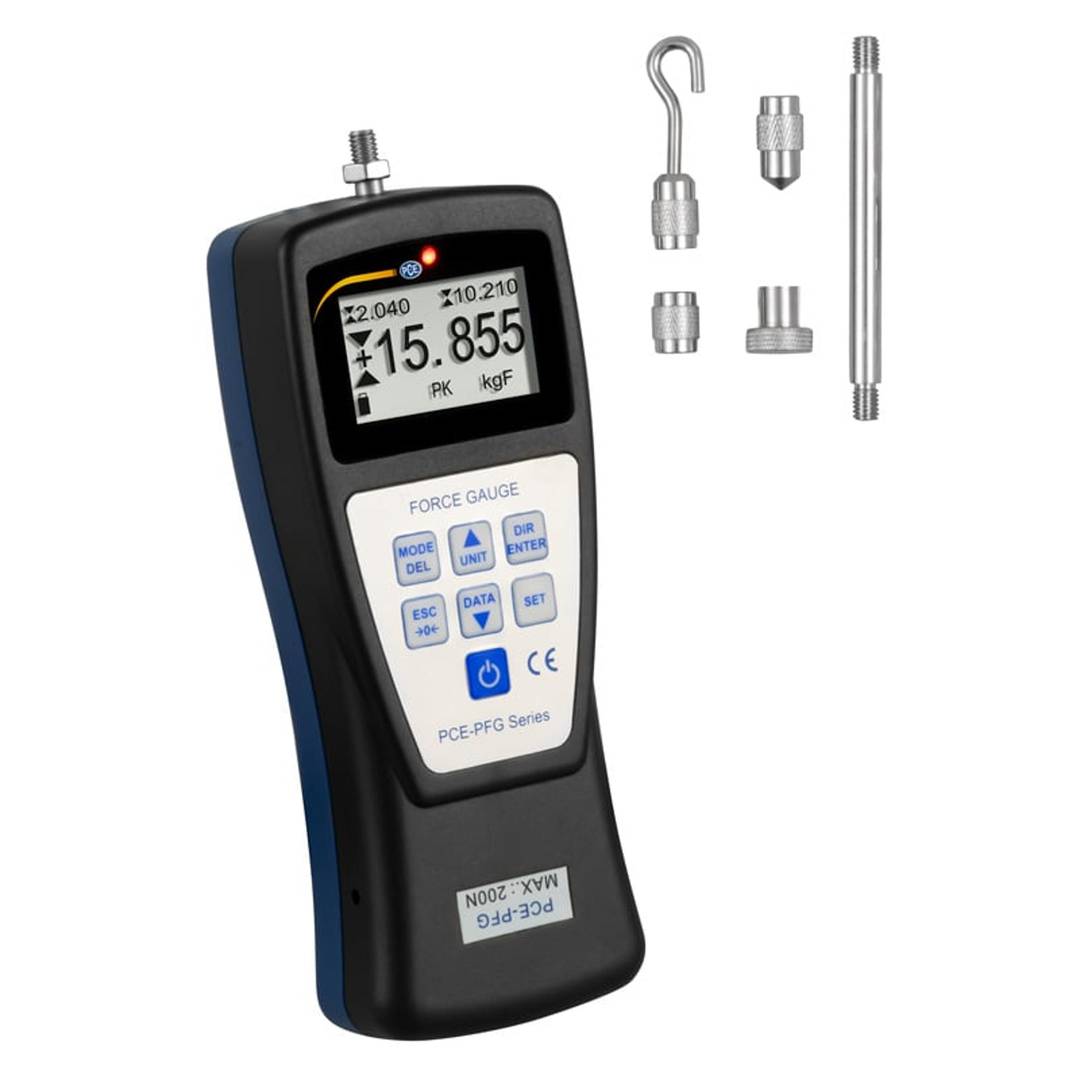


PCE-PFG 100 Dynamometer
PCE-PFG 100 Dynamometer
REF: PC205


Specifications
- Digital handheld device for measuring tensile and compressive forces.
- 500 Hz sample rate.
- Measurement modes: Real-time measurement (RT), peak value measurement (PEAK), configurable average measurement (Average), automatic data logging of up to 100 measurements.
- Rotating graphic display.
- Internal load cell.
PVP
€454.88
Price including VAT:
€454.88
PVD
€423.51
PVP: Retail price.
Check conditions.
PVP: Sale price to distributors.
Check conditions.
 2 years
warranty
 14 days
returns
 100%
100%safe
Specifications
- Digital handheld device for measuring tensile and compressive forces.
- 500 Hz sample rate.
- Measurement modes: Real-time measurement (RT), peak value measurement (PEAK), configurable average measurement (Average), automatic data logging of up to 100 measurements.
- Rotating graphic display.
- Internal load cell.
Related products
Keywords
Did not find what you were looking for? These topic could help you
More info
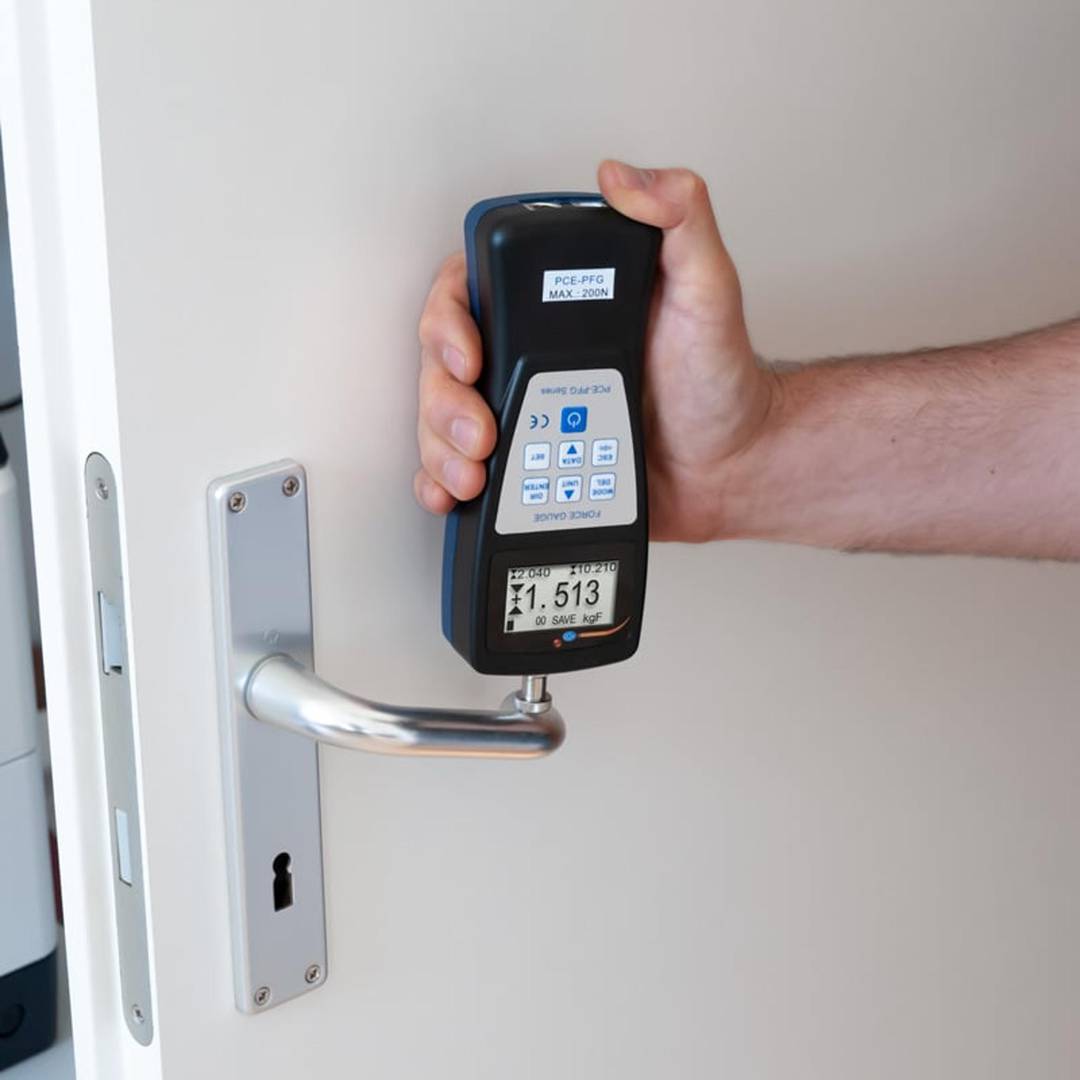
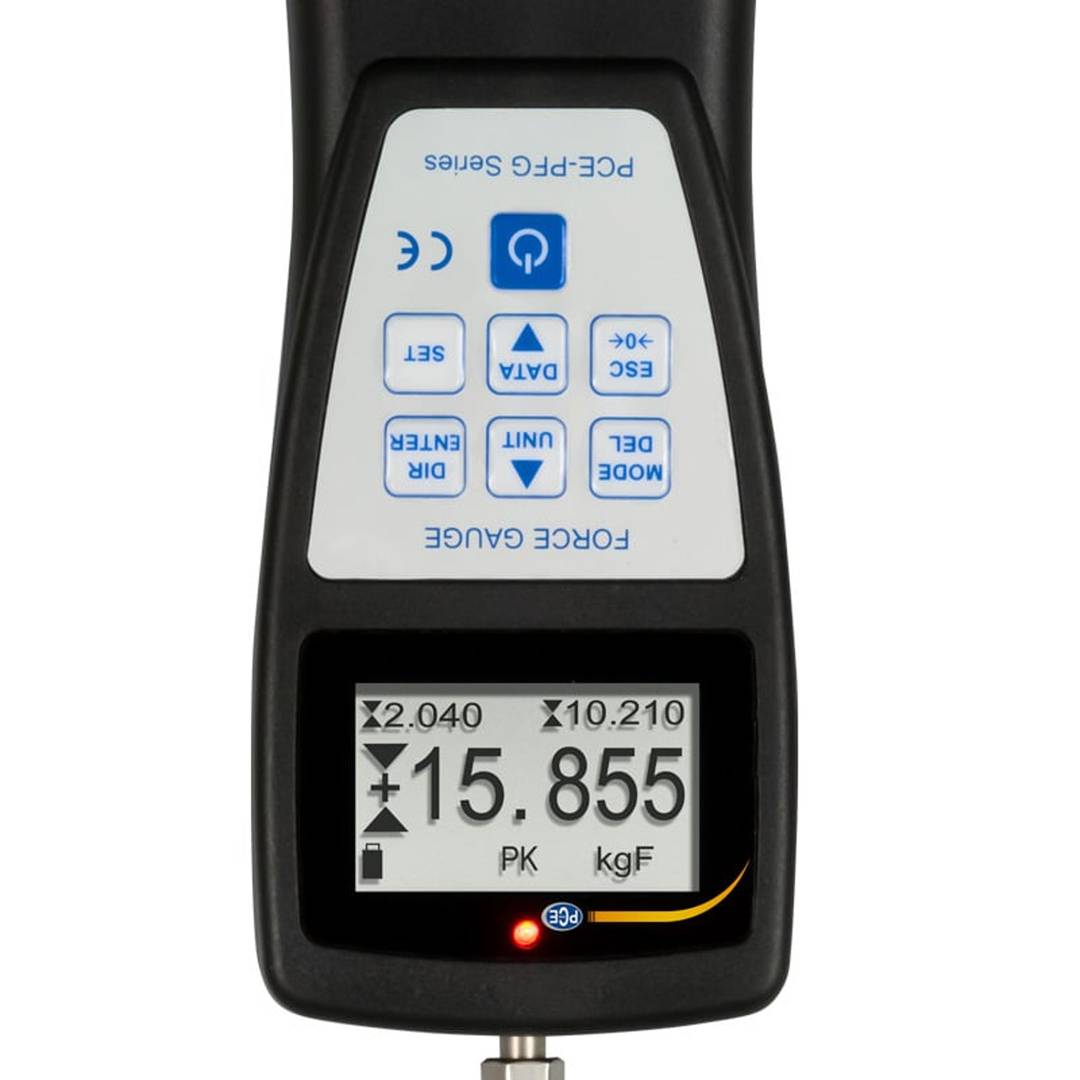
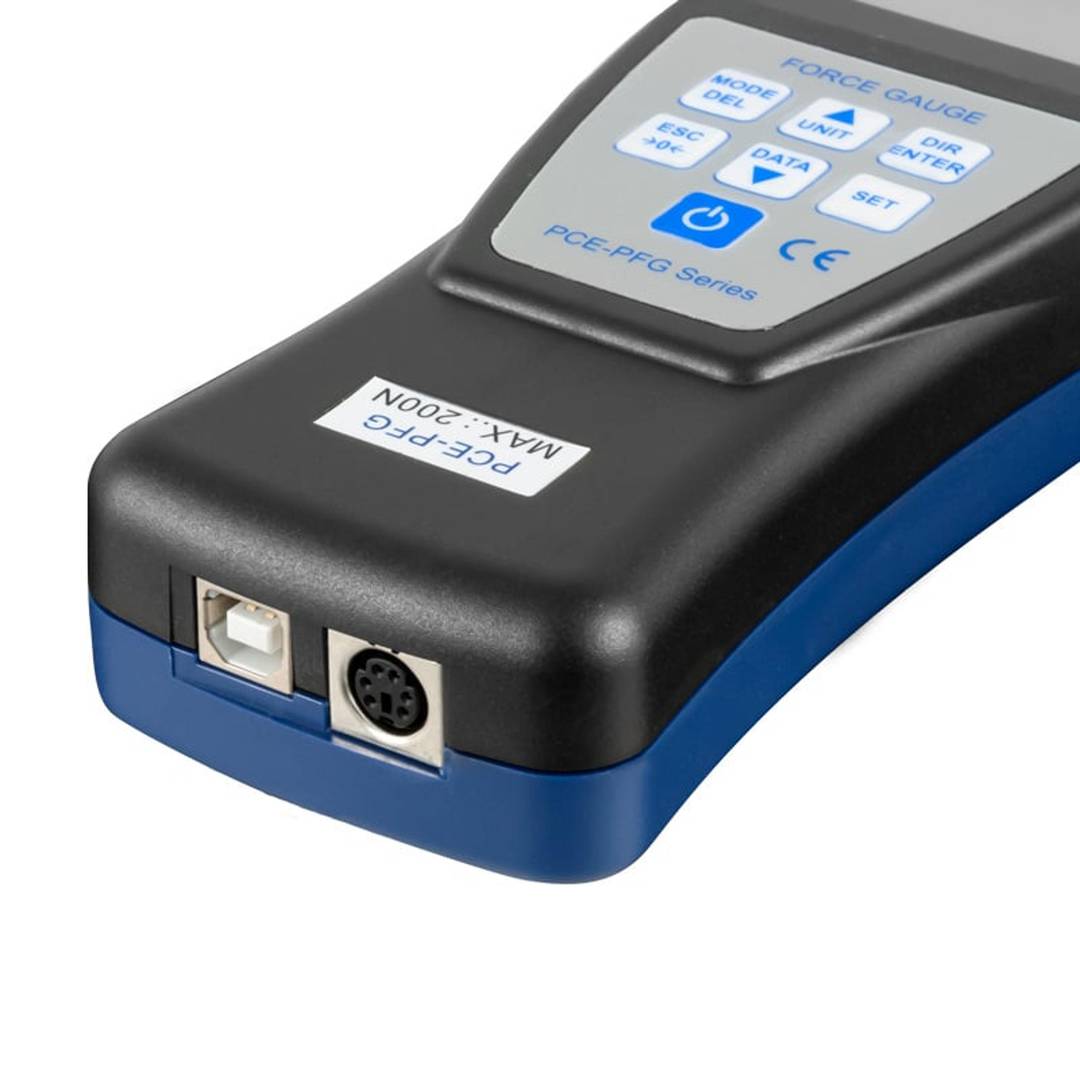
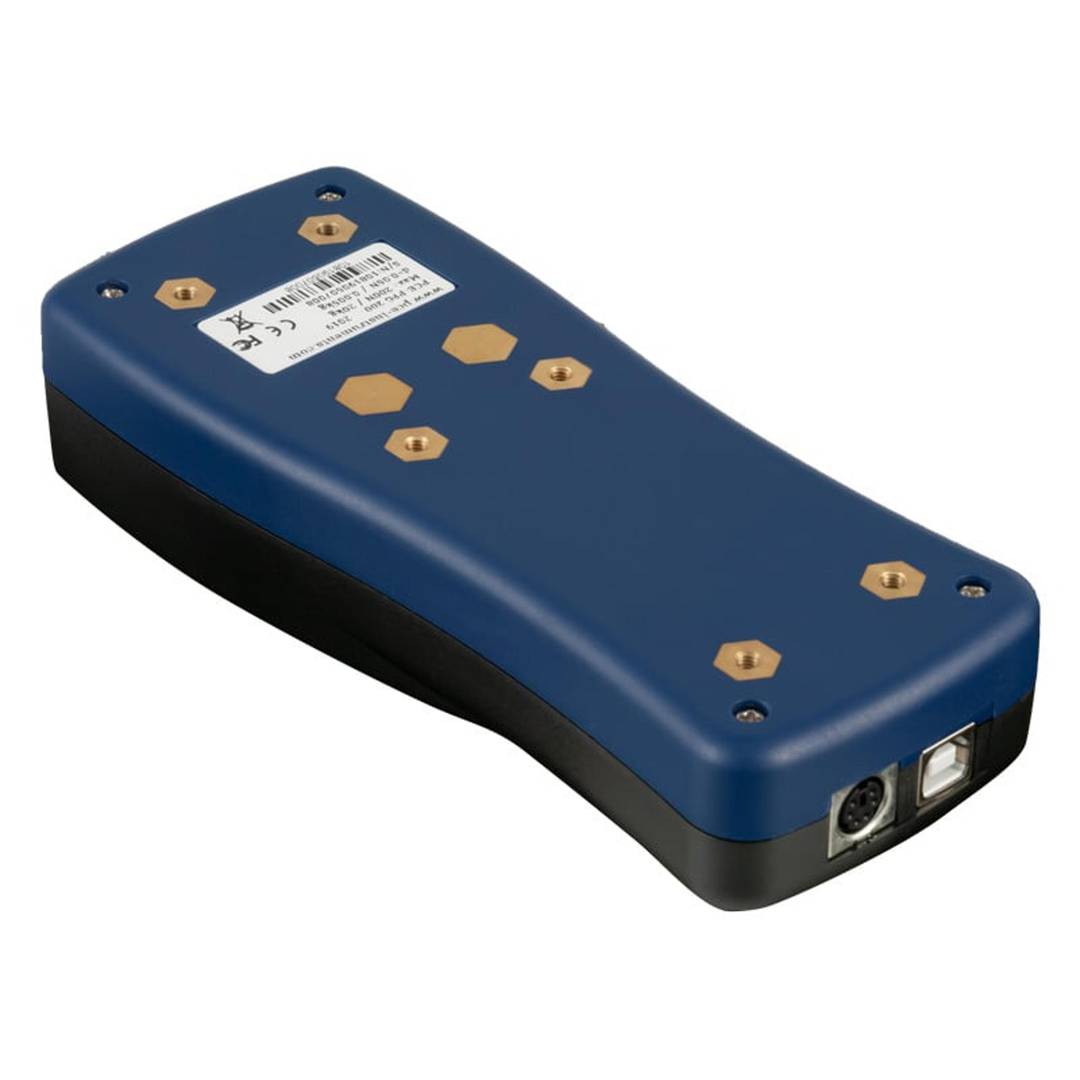
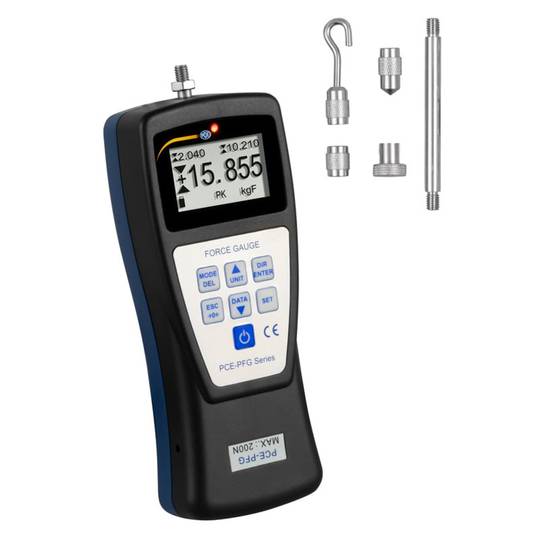
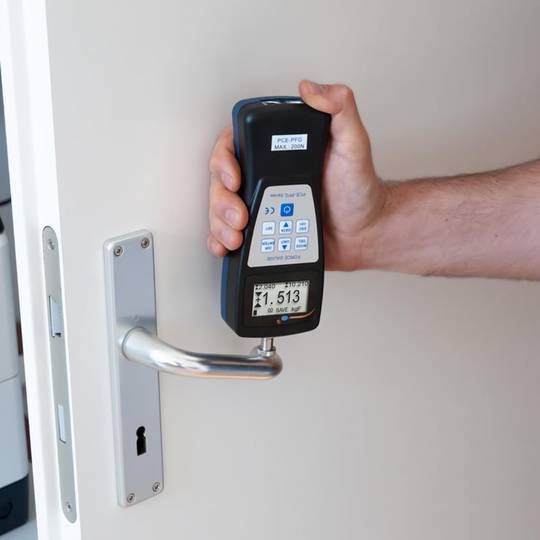
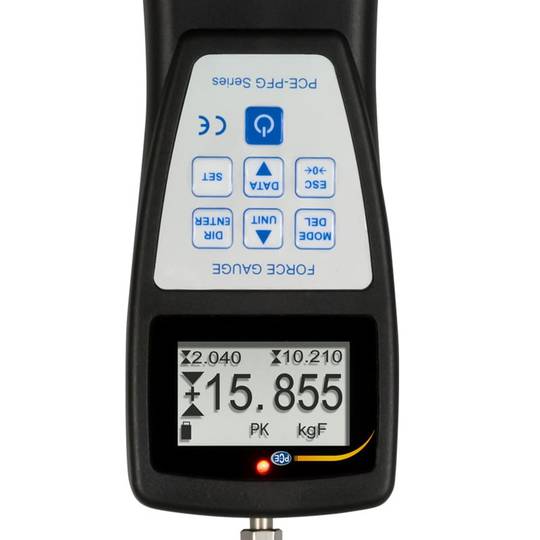
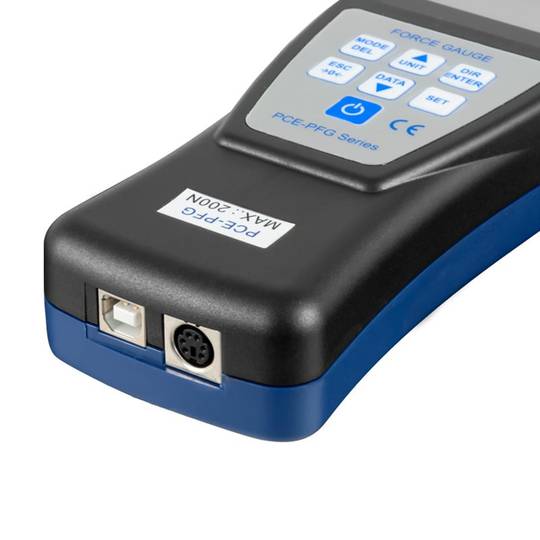
The dynamometer is a handheld digital device for measuring tensile and compressive forces. It is equipped with a sampling frequency of 500 Hz, and has different measurement modes such as real-time measurement (RT), peak value measurement (PEAK), configurable average measurement (Average) and automatic data logging of up to 100 measurements. . The graphic display allows viewing of measurement values and statistical analysis, as well as rotating for better viewing. To connect the dynamometer to a computer, the USB interface can be used. The device also offers the MIN limit value function. MAX, which activates colored LEDs (green, yellow, red) and a switching output. On the back there are four M4 threaded holes for mounting the device on a testing machine, and the force is applied to the internal load cell via an M6 threaded rod. The delivery content includes different adapters. The rechargeable battery allows continuous work for 36 hours (without the backlight activated), which makes the dynamometer a very reliable handheld device. Manufactured by PCE with reference PCE-PFG 100.
Specifications
- Digital handheld device for measuring tensile and compressive forces.
- 500 Hz sample rate.
- Measurement modes: Real-time measurement (RT), peak value measurement (PEAK), configurable average measurement (Average), automatic data logging of up to 100 measurements.
- Rotating graphic display.
- Internal load cell.
- Limit value function MIN. MAX, which activates colored LEDs (green, yellow, red) and a switching output.
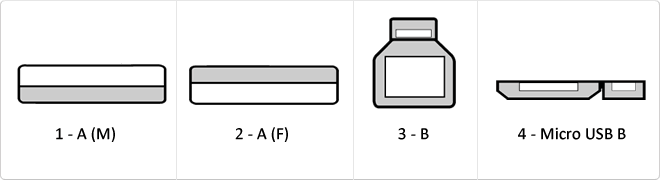
- USB-B connection.
- Four M4 threaded holes for mounting the device on a testing machine.
- M6 threaded rod to apply force on the internal load cell.
- Adapters included in the delivery content.
- Rechargeable lithium battery that allows continuous work for 36 hours (without the backlight activated).
- Ideal for tensile and compression force measurements in laboratories, industries, workshops, etc.
- USB-B interface.
- Color Black.
- LED backlight.
- Gross Weight: 1.05 kg
- Number of packages: 1
Technical terms
- LED
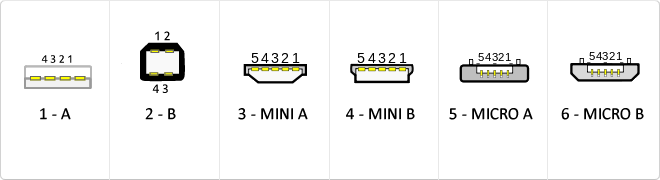
- USB
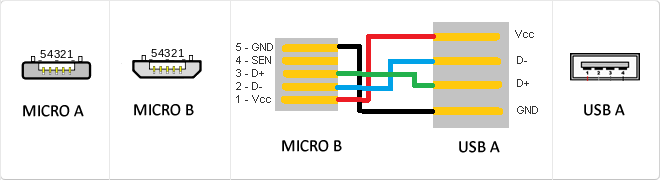
- MicroUSB
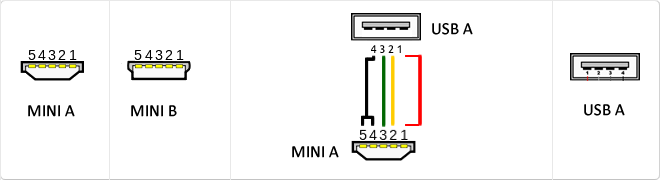
- Mini USB
- Hz
- USB 3.0
- Reversible USB Type-C
- Battery charging cycles
- Lithium batteries
LED
The word LED, which is the acronym for Light Emitting Diode, is a passive optoelectronic component characterized by its versatility, taking on many forms and being integrated into many optical elements, from screens to light bulbs and even photographic flashes.
One of its best features is its low energy consumption, as well as its longer lifespan, its durability that perfectly withstands almost any type of vibration, in addition to low heat emission.
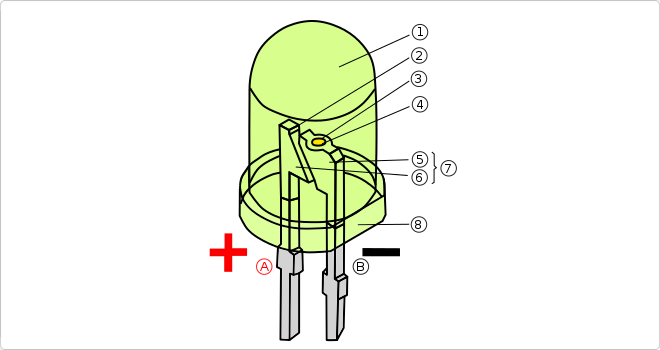
In the diagram:
One of its best features is its low energy consumption, as well as its longer lifespan, its durability that perfectly withstands almost any type of vibration, in addition to low heat emission.
In the diagram:
- Anode
- Cathode
- Lens/epoxy encapsulation (plastic capsule).
- Metal contact (conducting wire).
- Reflective cavity (reflective cup).
- Semiconductor termination.
- Anvil.
- Post.
- Anvil and post assembly replacing the filament.
- Flat edge.