

10/27/2026 7:07 a.m.
https://cablematic.com/en/products/pci-express-card-spp-epp-ecp-parallel-1-port-low-profile-TP032/
https://cablematic.com/en/products/pci-express-card-spp-epp-ecp-parallel-1-port-low-profile-TP032/
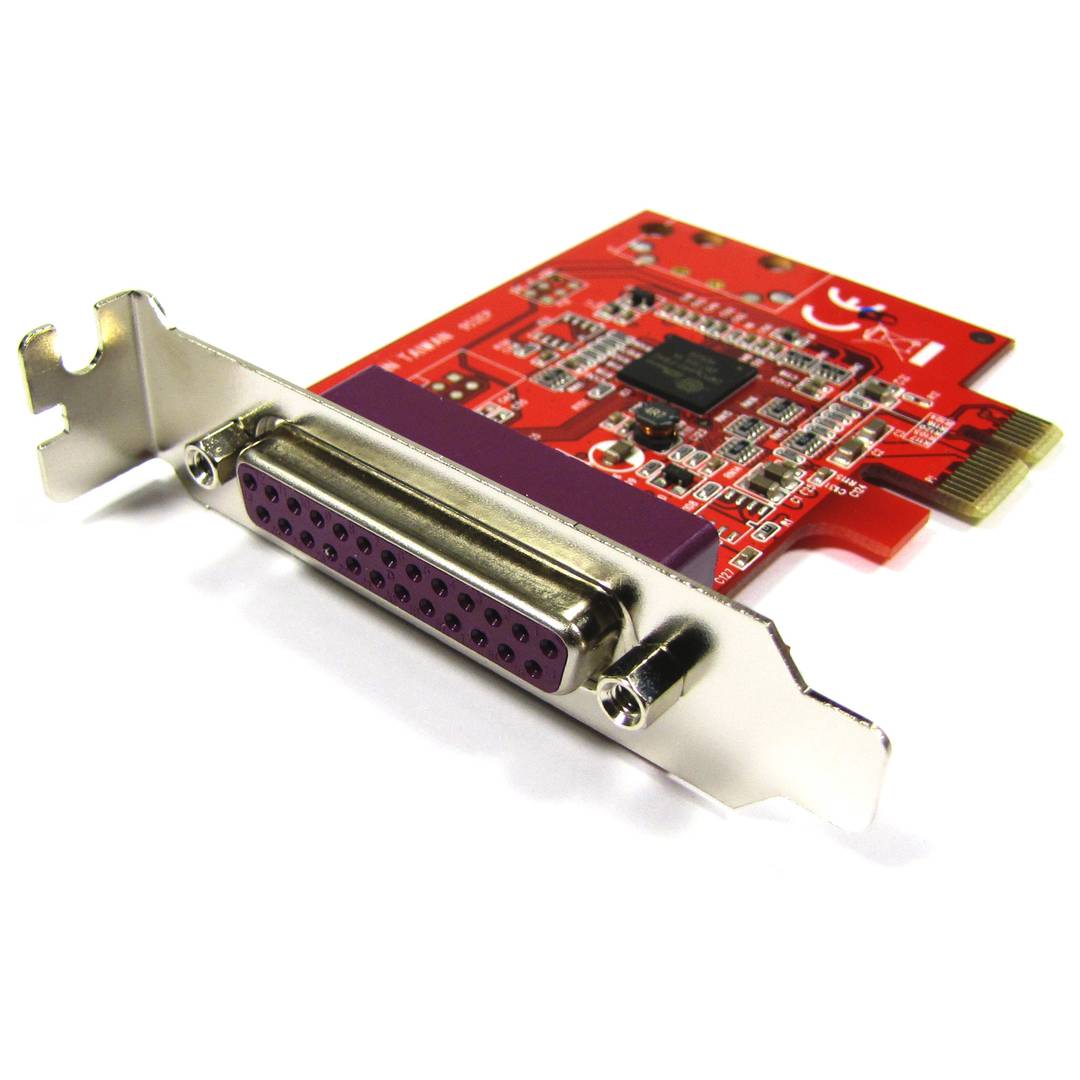


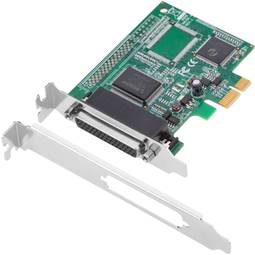
PCI-Express Card SPP EPP ECP Parallel 1 port low profile
PCI-Express Card SPP EPP ECP Parallel 1 port low profile
REF: TP032

Specifications
- PCIE transfer speed at 250Mbytes/sec.
- It works at 5V and 3.3V.
- Compatible with PCIE interface (PCI-Express).
- ECRC support and advanced error handling of the PCIE bus.
- Parallel port compatible with IEEE1284 supporting SPP/EPP/ECP modes.
PVP
€38.75
Price including VAT:
€38.75
PVD
€34.05
PVP: Retail price.
Check conditions.
PVP: Sale price to distributors.
Check conditions.
 2 years
warranty
 14 days
returns
 100%
100%safe
Specifications
- PCIE transfer speed at 250Mbytes/sec.
- It works at 5V and 3.3V.
- Compatible with PCIE interface (PCI-Express).
- ECRC support and advanced error handling of the PCIE bus.
- Parallel port compatible with IEEE1284 supporting SPP/EPP/ECP modes.
Related products
Purchased together regularly
More info
PCIE (PCI-Express) card of a parallel port SPP/EPP/ECP.
Characteristics of the cards
- PCIE transfer speed at 250Mbytes/sec.
- It works at 5V and 3.3V.
- Compatible with PCIE interface (PCI-Express).
- ECRC support and advanced error handling of the PCIE bus.
- Parallel port compatible with IEEE1284 supporting SPP/EPP/ECP modes.
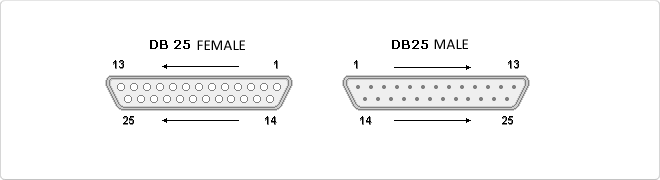
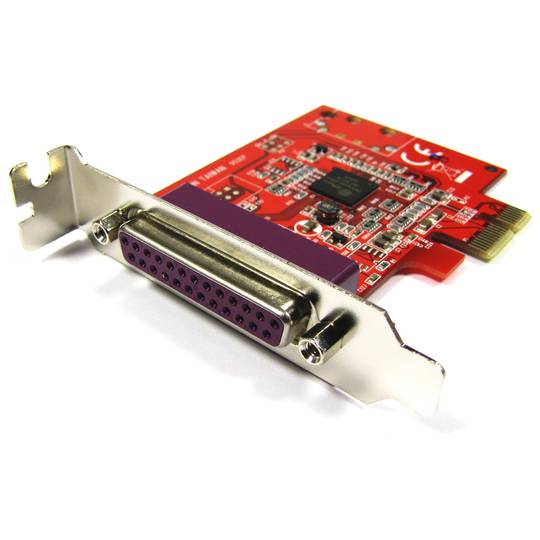
- DB25-Female connector on own bmetallic card racket.
- Based on DB25-Female connectors.
- Support for Windows and Linux environments.
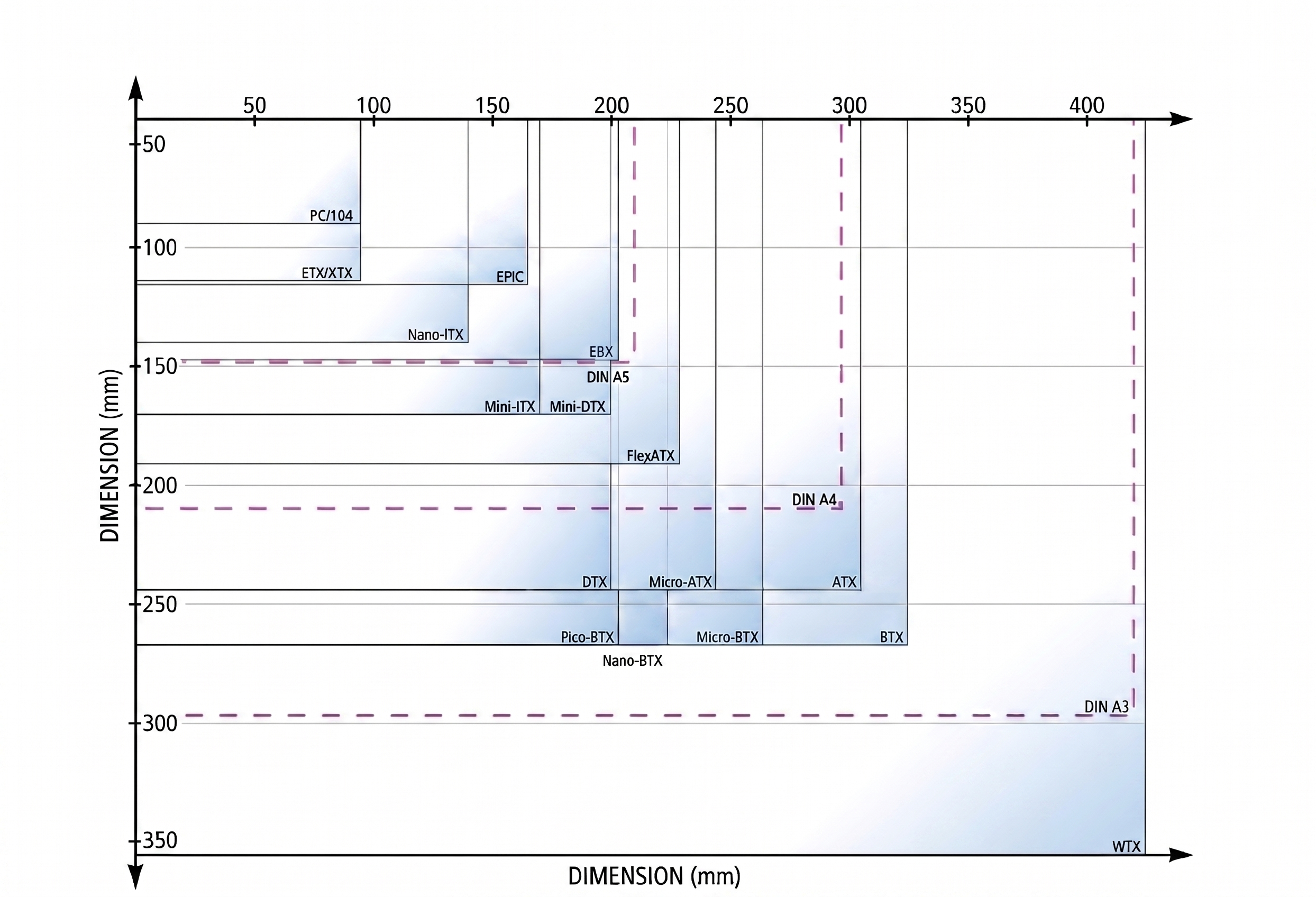
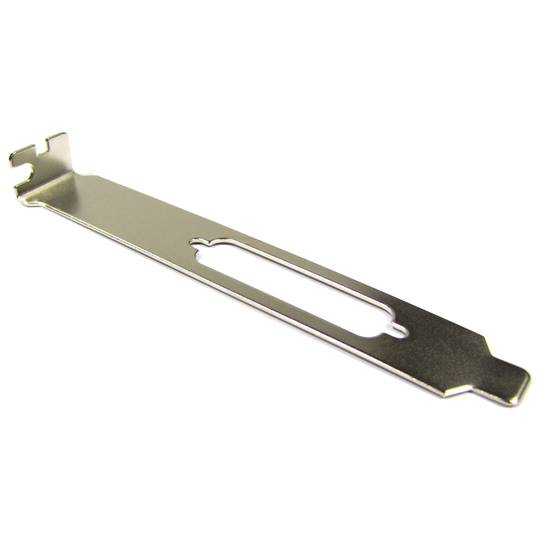
- Low profile card (low profile) to be installed in a Flex-ATX format housing.
- Gross Weight: 130 g
- Product size (width x depth x height): 24.0 x 15.0 x 3.0 cm
- Number of packages: 1
- Packages size: 13.0 x 11.0 x 2.0 cm
Technical terms
- EPP
- ATX
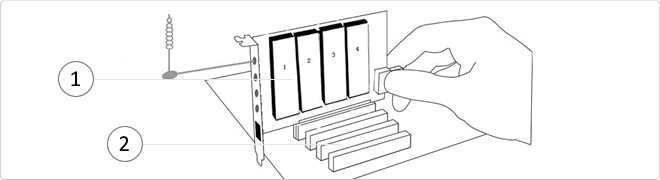
- PCI - MiniPCI
- Parallel
- IEEE 1284
- SPP
- ECP
EPP
EPP (Enhanced Parallel Port) is a signaling method defined in the IEEE 1284 standard for high-speed bidirectional communication between PCs and peripherals. It was specifically designed for data-intensive devices.
Think of it as a wider highway where traffic can flow in both directions at the same time, making the exchange of information much faster than on a narrow one-way street.
| Feature | Specification |
|---|---|
| Transfer Rate | Up to 2 MB/s |
| Interface | Parallel DB-25 |
Hardware-Driven Handshaking
EPP implements the handshaking protocol in hardware, which significantly reduces the CPU overhead compared to standard software-controlled parallel ports.
Key Advantages
- Higher data throughput than standard modes.
- Maintains backward compatibility with older devices.
- Low latency for peripheral devices.
IEEE 1284 was the performance bridge before USB reached the market.