

10/24/2026 8:59 a.m.
https://cablematic.com/en/products/pci-express-to-superspeed-usb-30-external-4-port-UU005/
https://cablematic.com/en/products/pci-express-to-superspeed-usb-30-external-4-port-UU005/
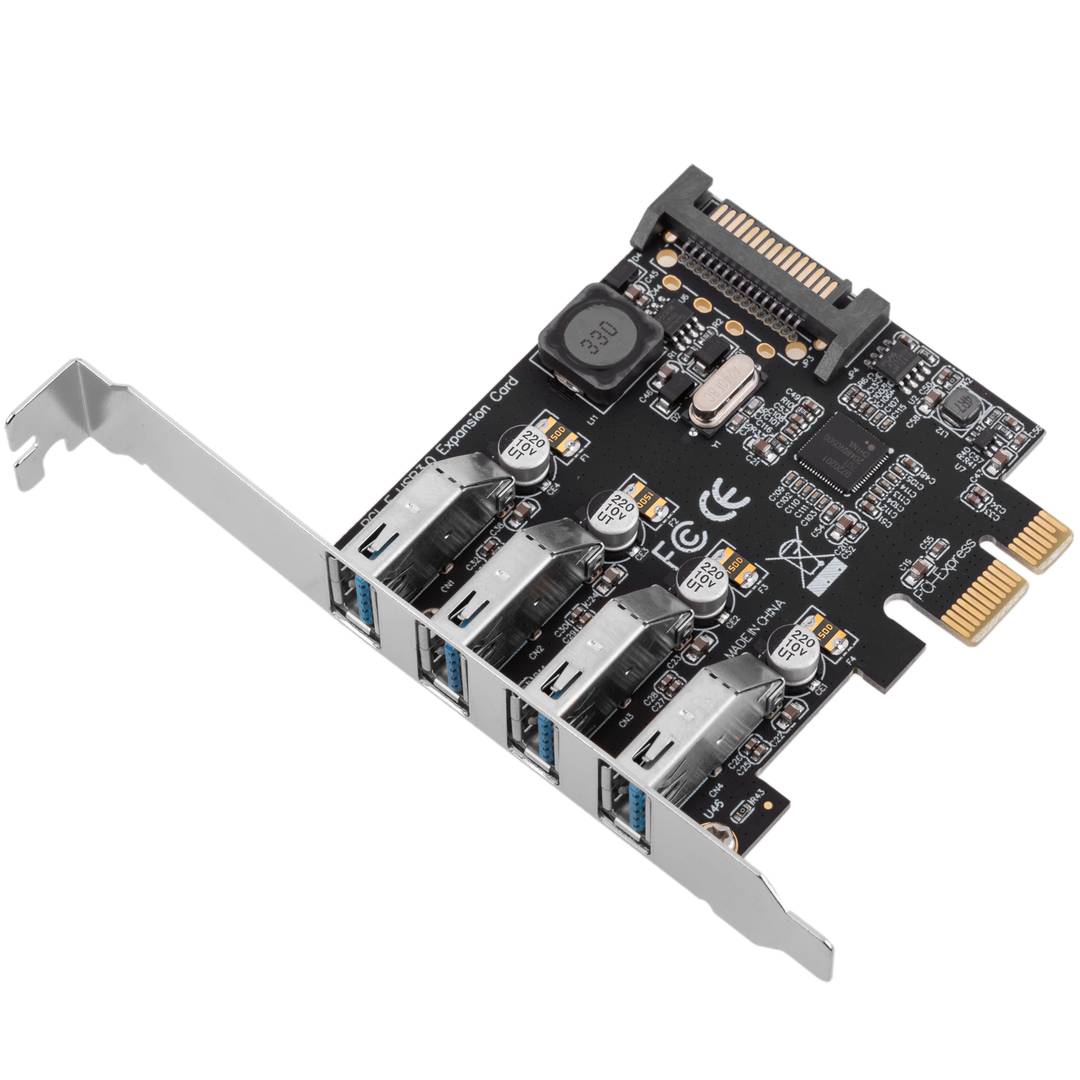
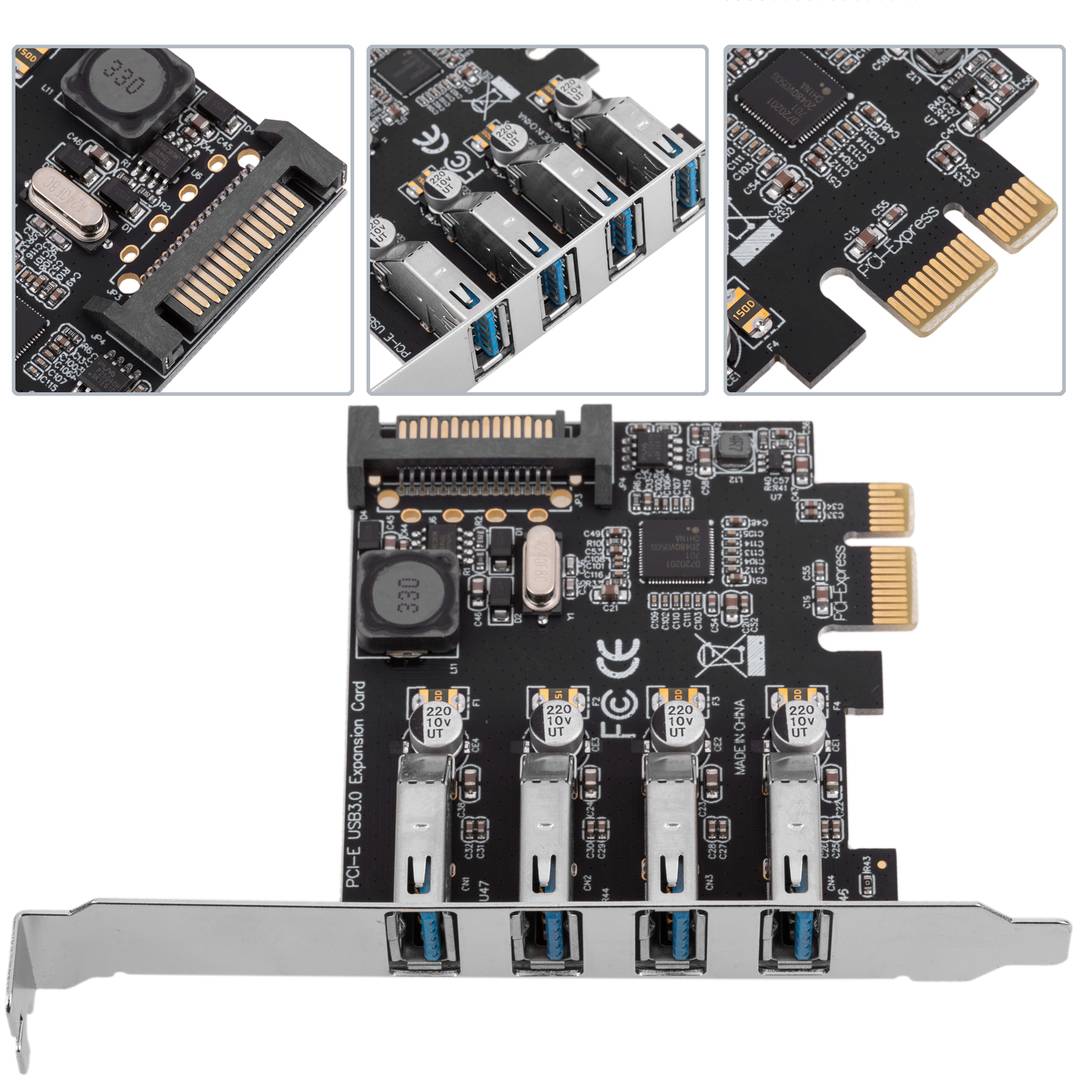
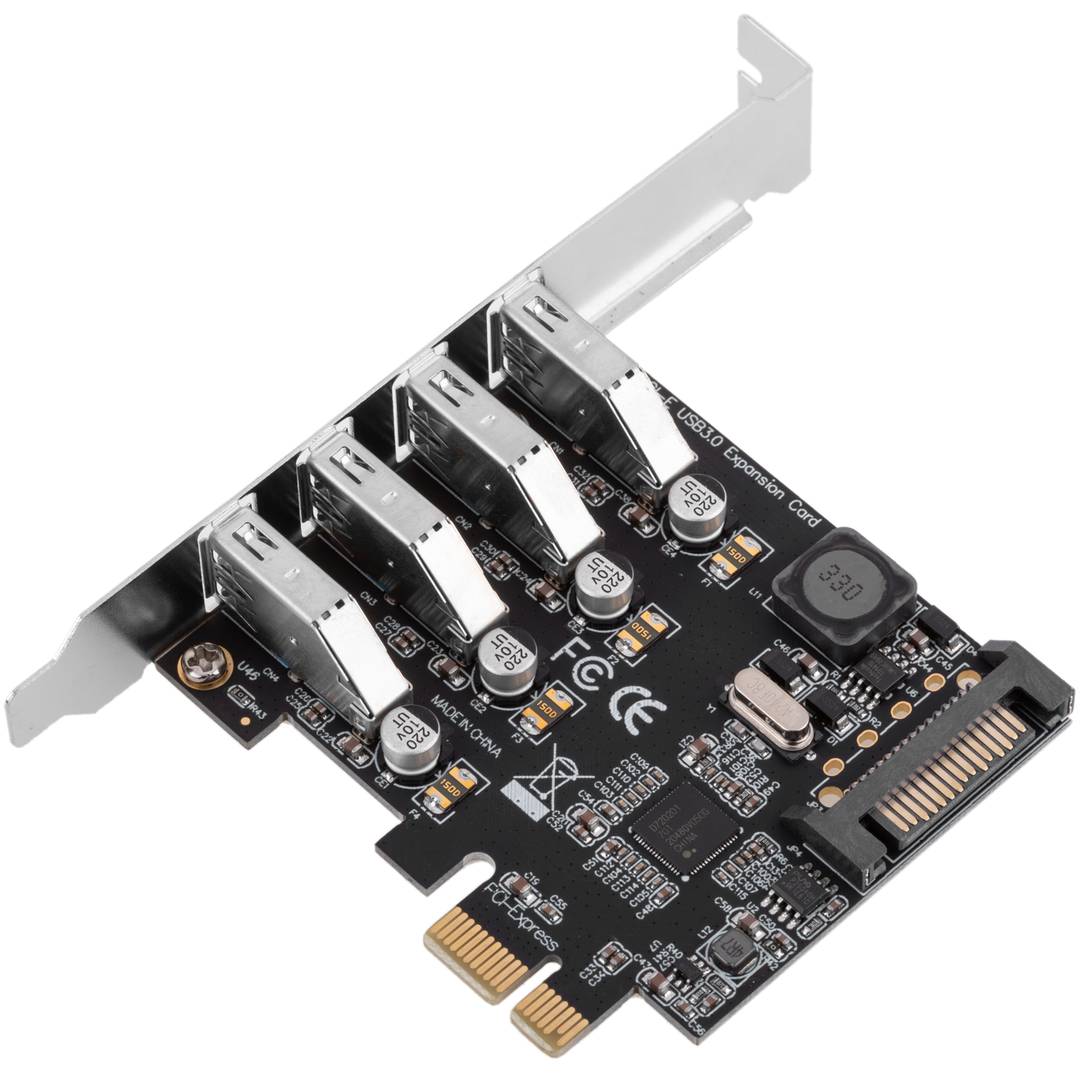
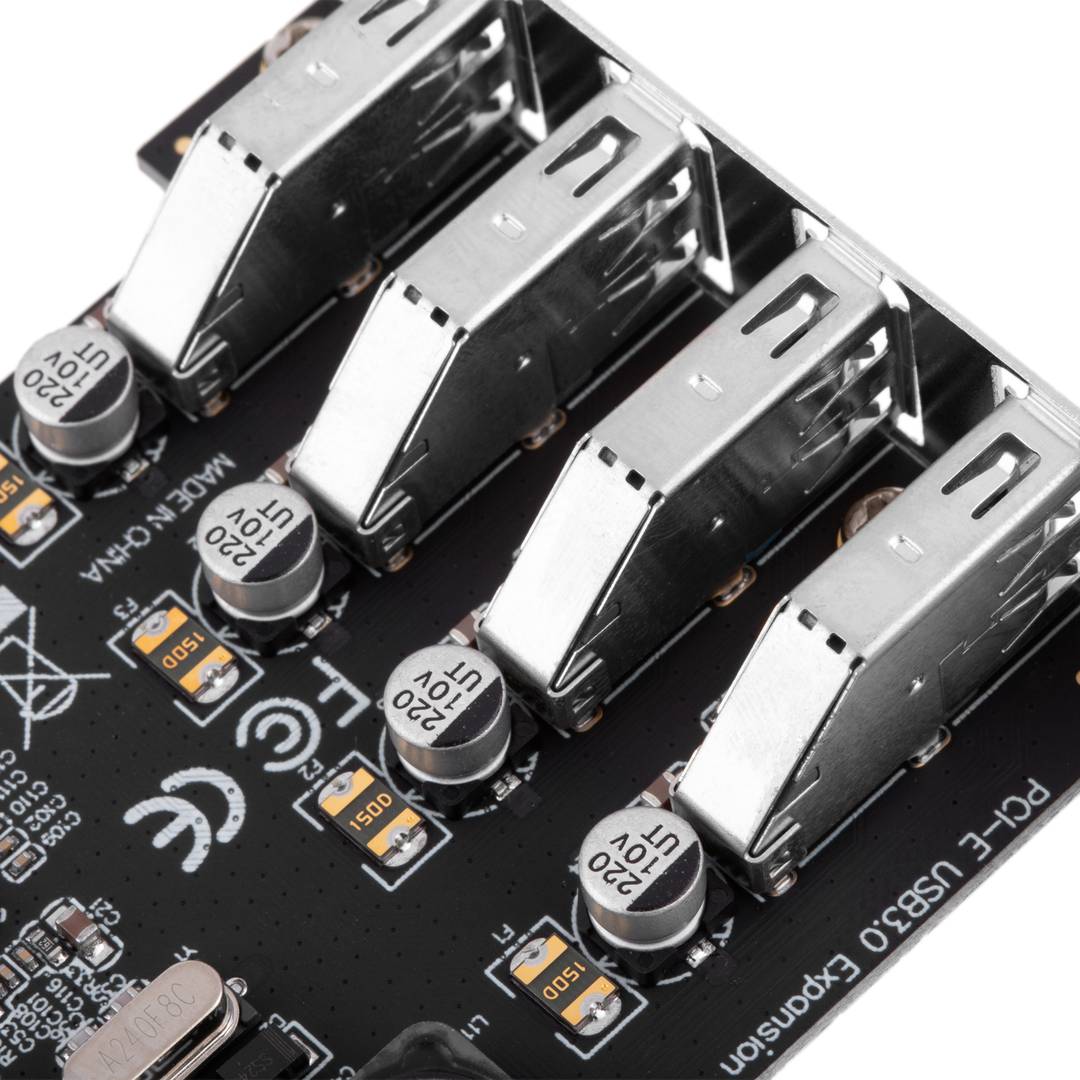
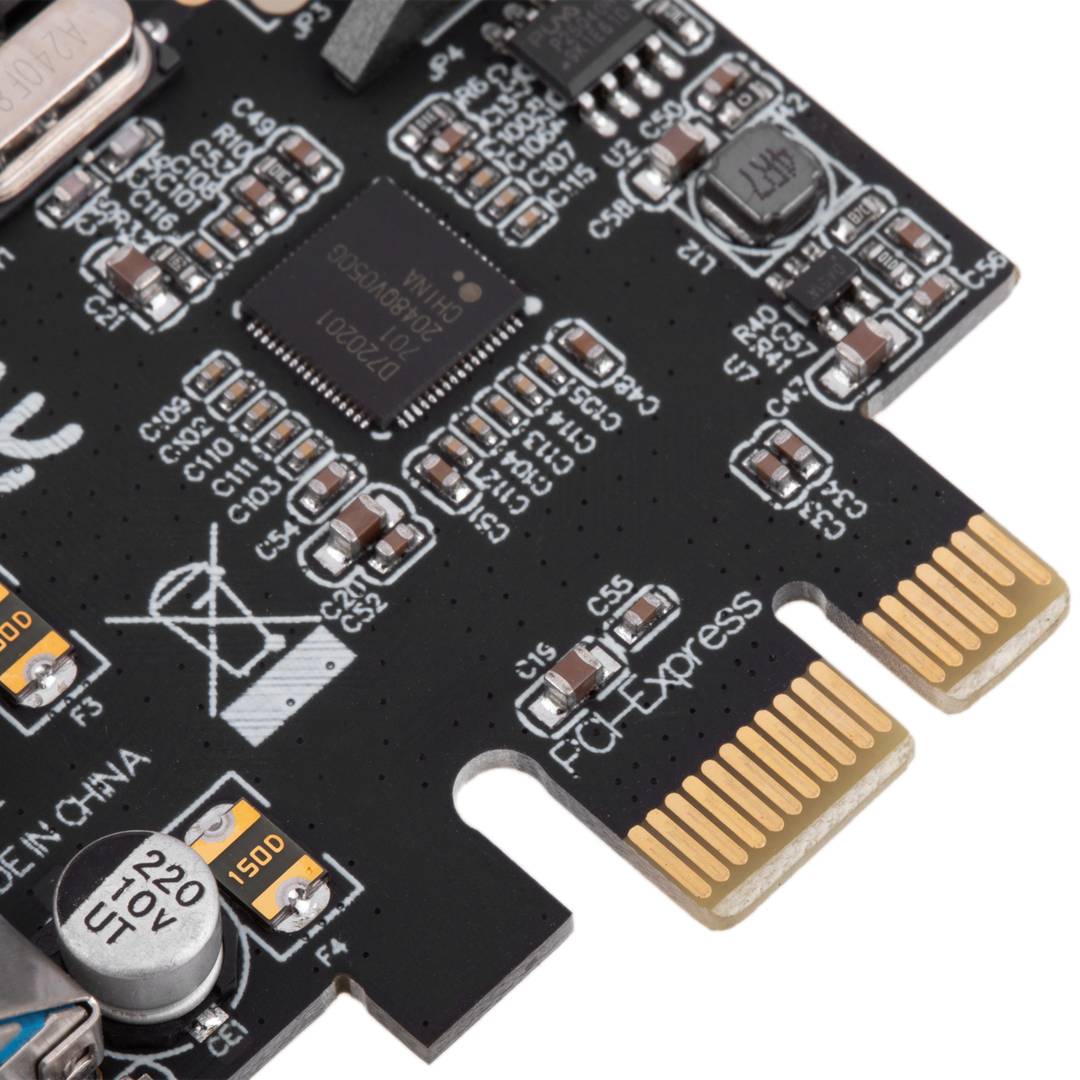


PCI-Express to SuperSpeed USB 3.0 External 4-port
PCI-Express to SuperSpeed USB 3.0 External 4-port
REF: UU005

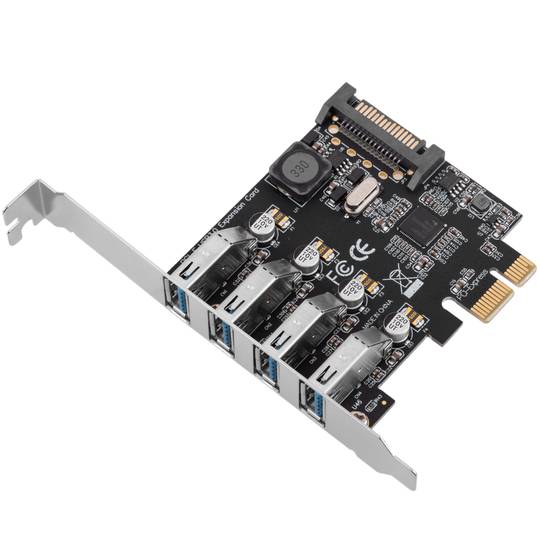
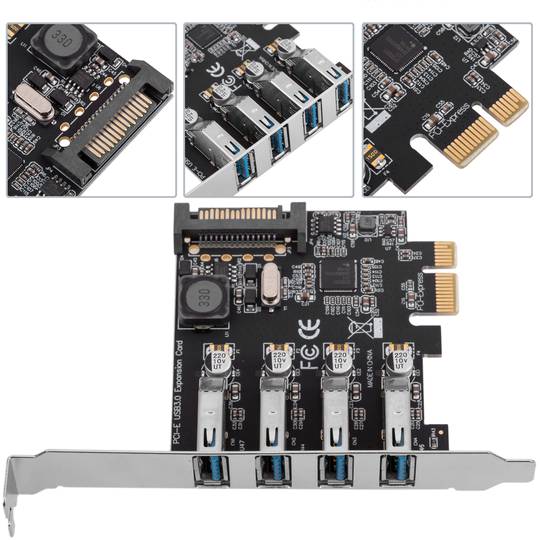

Specifications
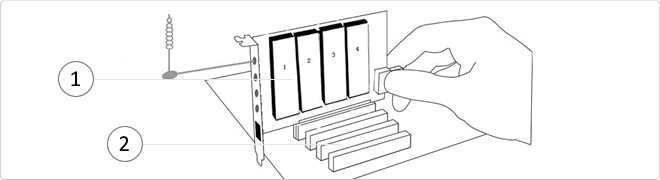
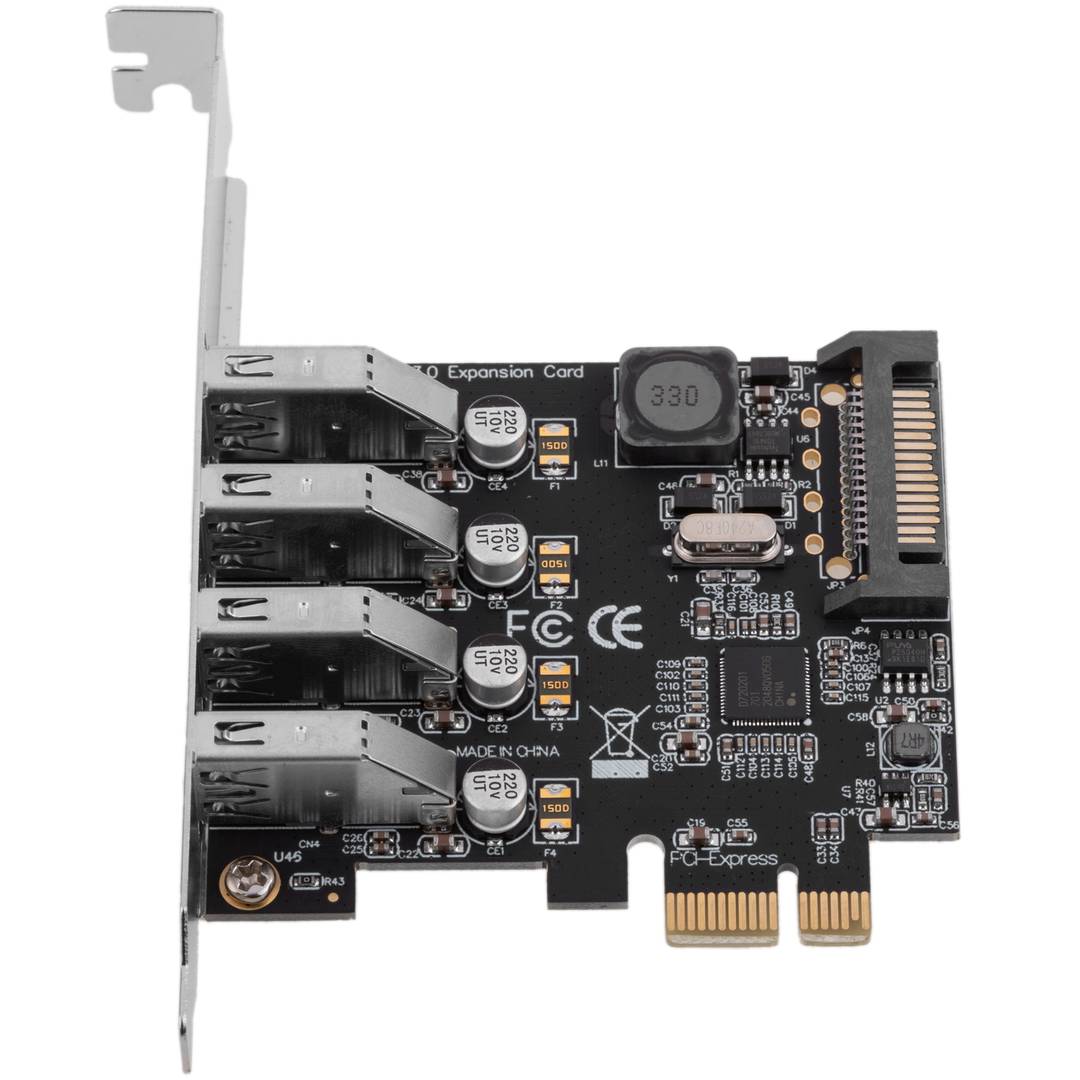
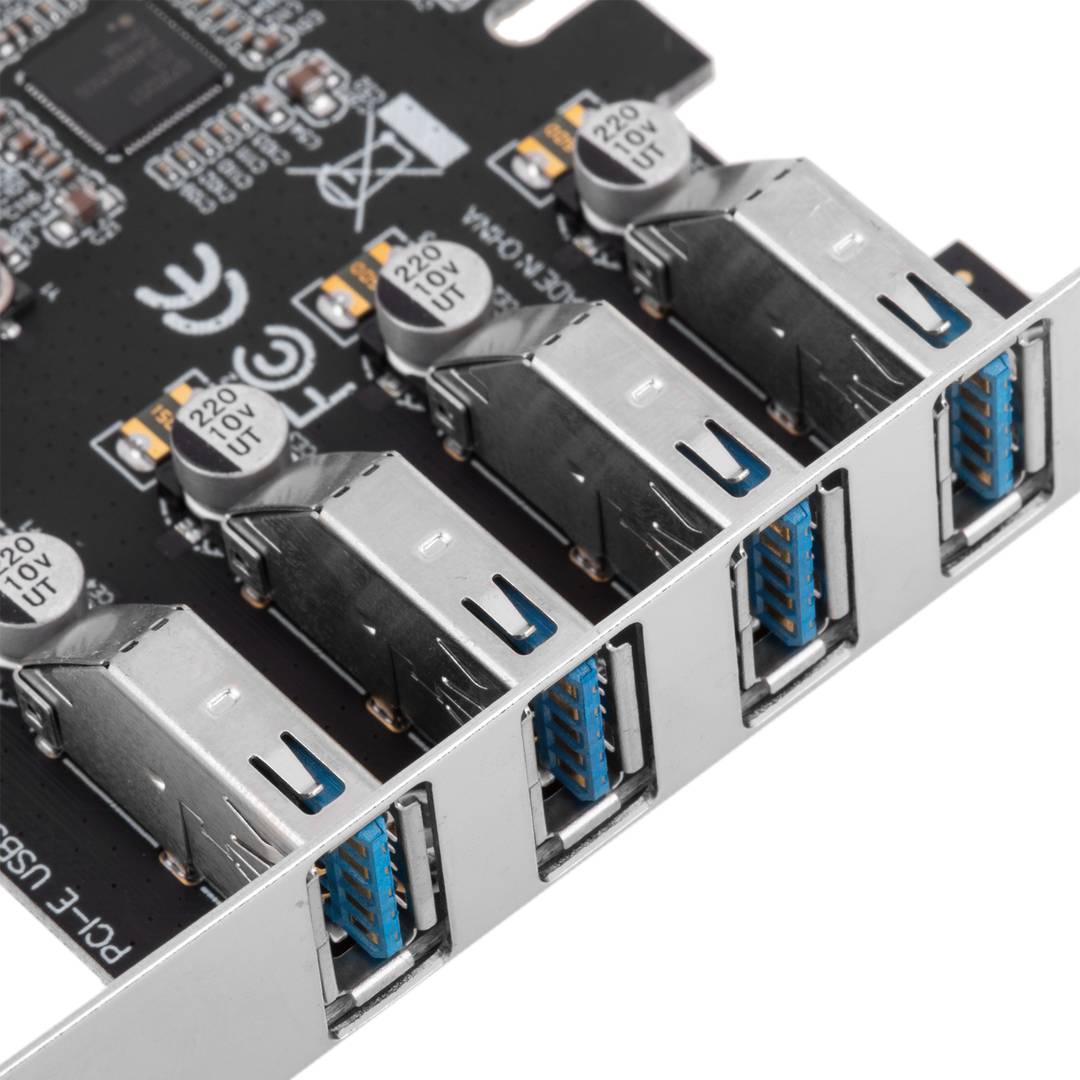
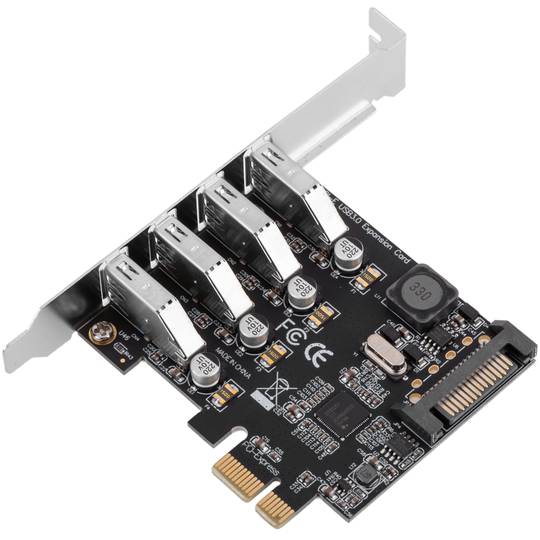
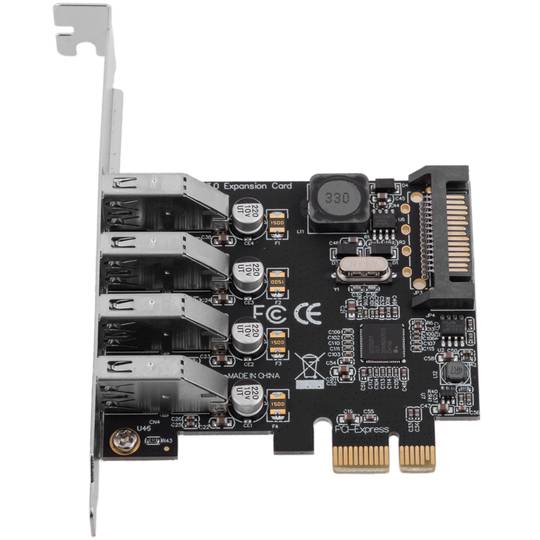
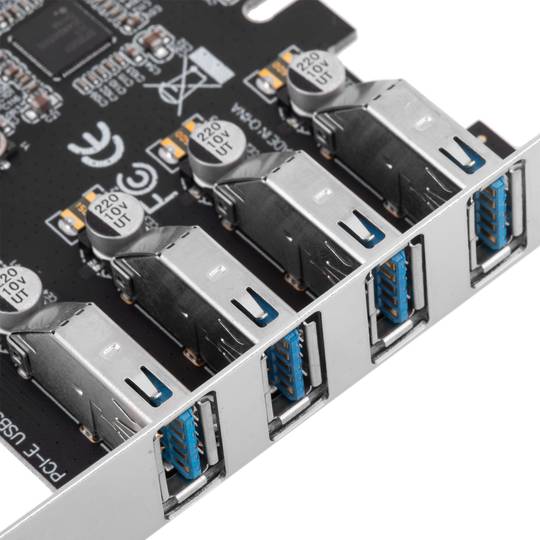
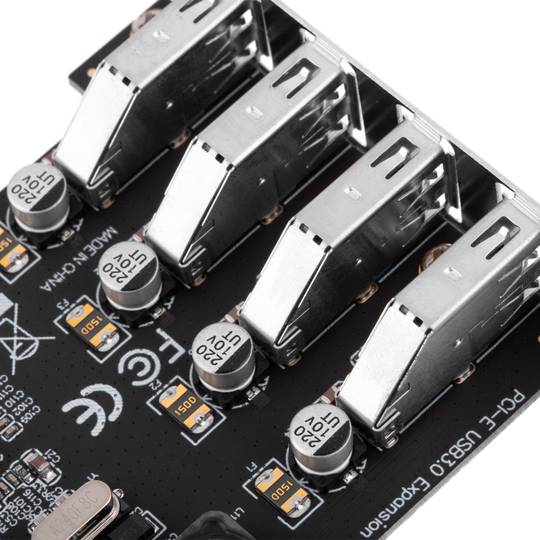
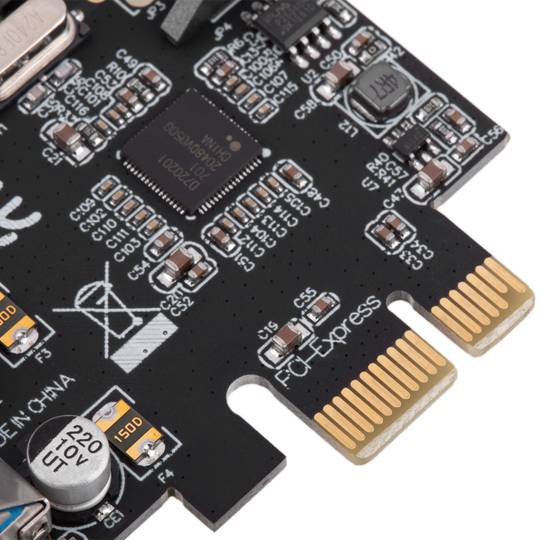
- PCI-Express (PCIe) card with 4 USB 3.0 or SuperSpeed USB ports.
- The USB 3.0 port supports transmission speeds of 1.5 Mbps, 12 Mbps, 480 Mbps and 5 Gbps.
- Compatible with USB 1.1 and USB 2.0 standards.
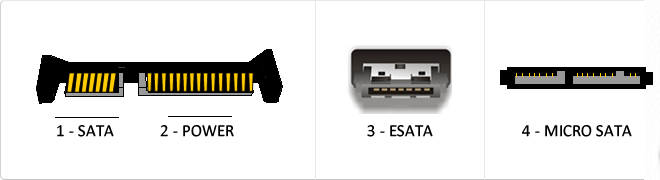
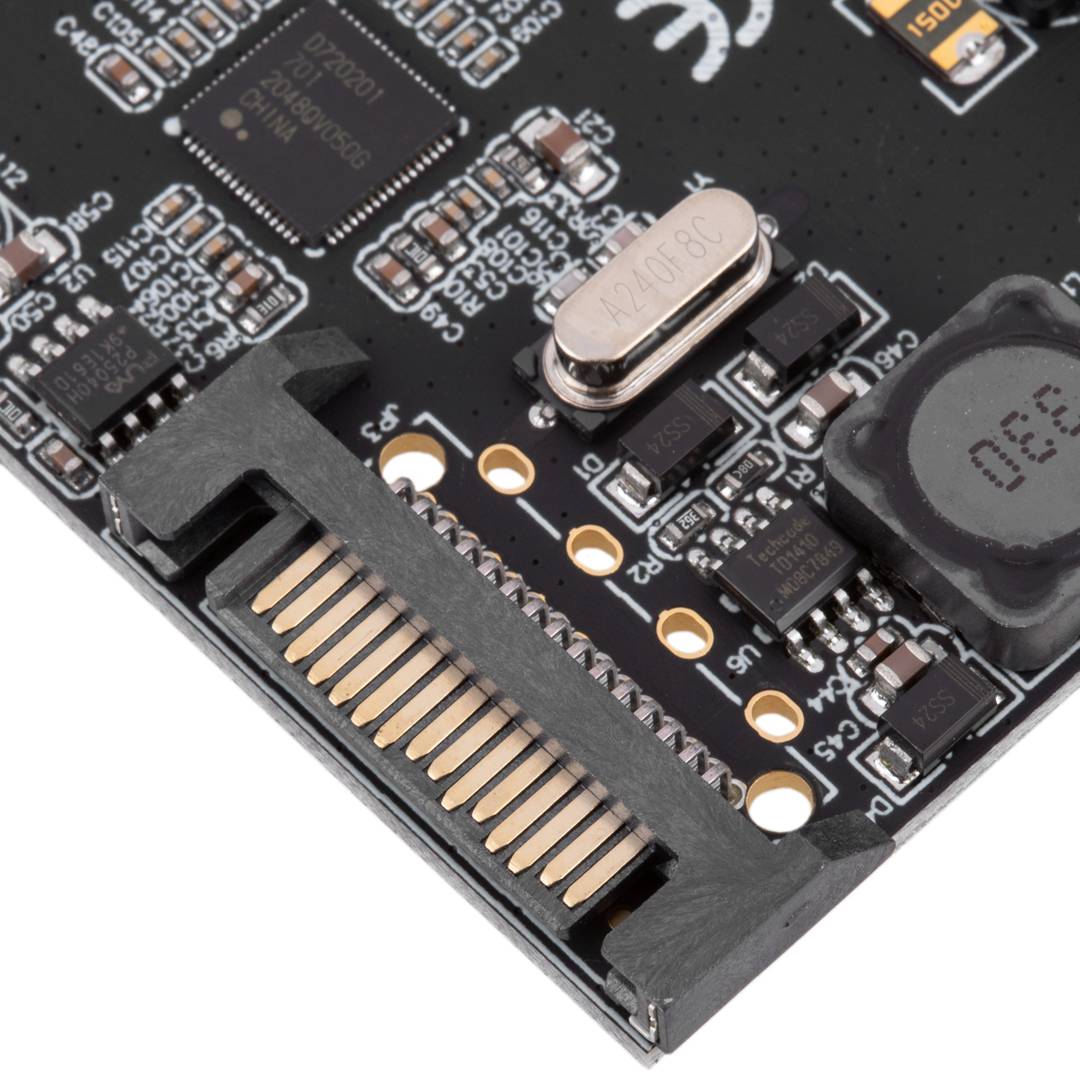
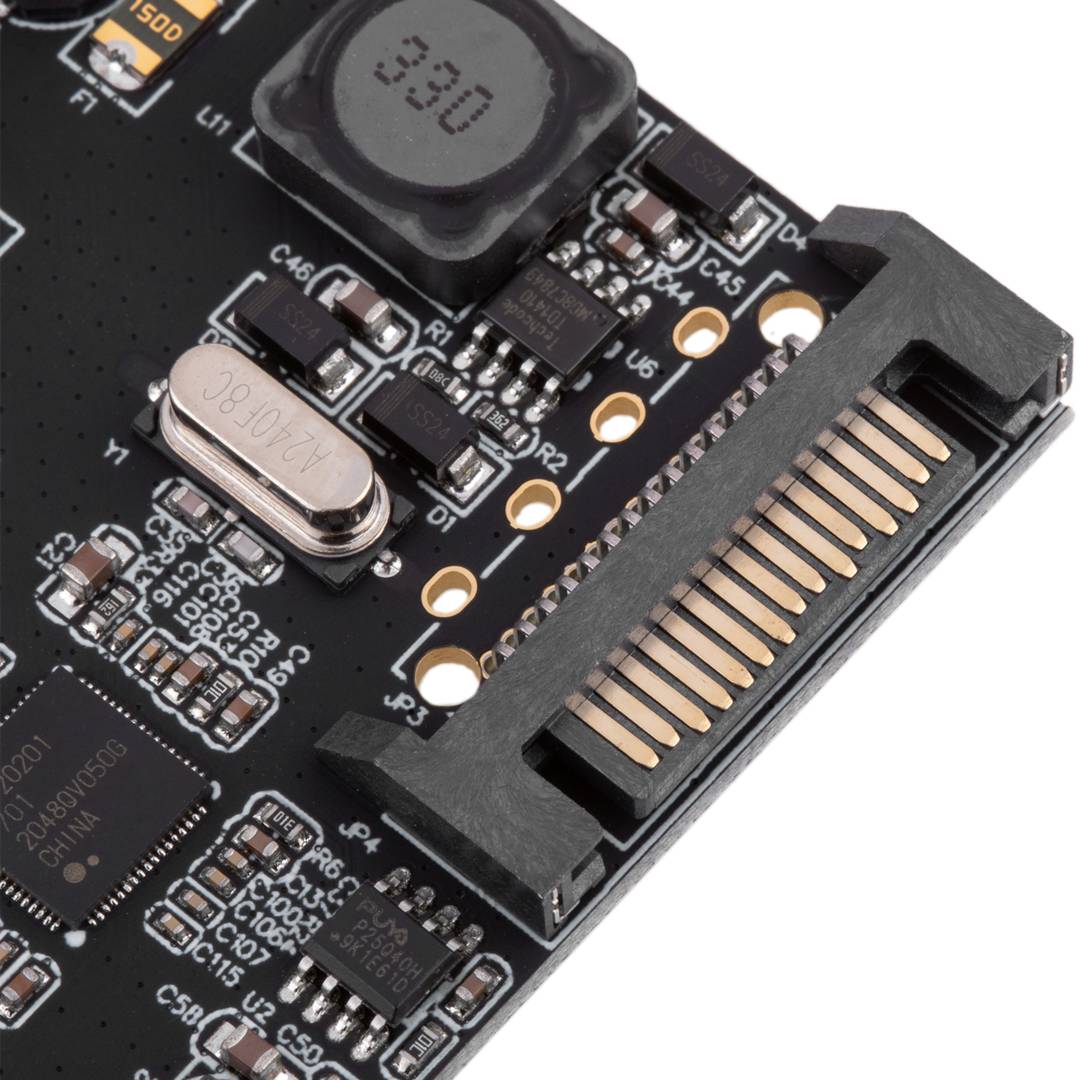
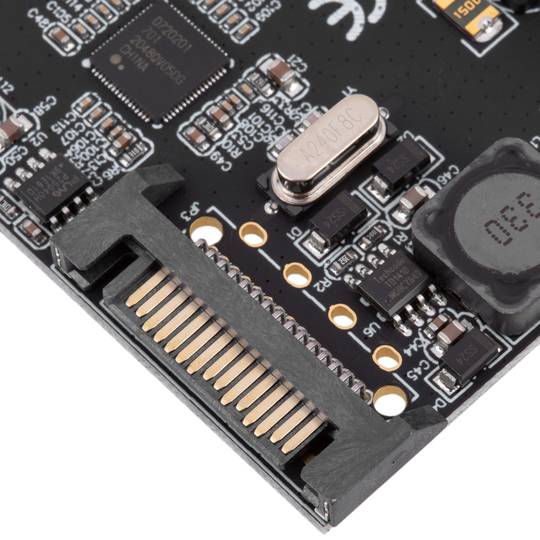
- It has a 15-pin SATA power connector for direct connection to the internal ATX power supply of the computer chassis that supplies power to USB devices connected to the ports (900 mA maximum per port).
- Compatible with Windows environments.
![play_button]() Watch video
Watch video
More info
 Watch video
PVP
€32.73
Price including VAT:
€32.73
PVD
€28.63
PVP: Retail price.
Check conditions.
PVP: Sale price to distributors.
Check conditions.
 2 years
warranty
 14 days
returns
 100%
100%safe
We will notify you when it is back in stock.
Specifications
- PCI-Express (PCIe) card with 4 USB 3.0 or SuperSpeed USB ports.
- The USB 3.0 port supports transmission speeds of 1.5 Mbps, 12 Mbps, 480 Mbps and 5 Gbps.
- Compatible with USB 1.1 and USB 2.0 standards.
- It has a 15-pin SATA power connector for direct connection to the internal ATX power supply of the computer chassis that supplies power to USB devices connected to the ports (900 mA maximum per port).
- Compatible with Windows environments.
Related products
Keywords
Did not find what you were looking for? These topic could help you
Purchased together regularly
More info
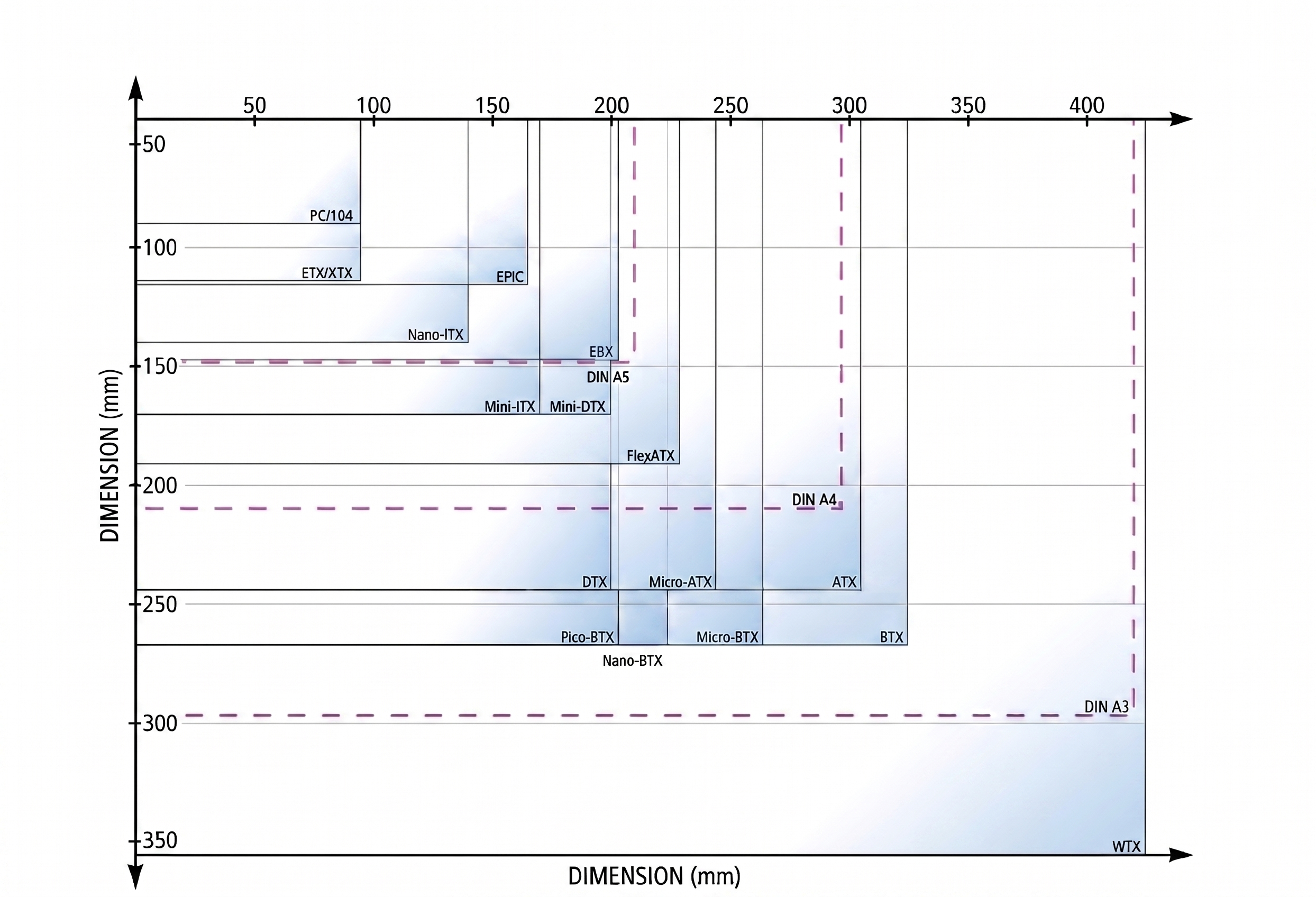
PCI-Express (PCIe) card with 4 USB 3.0 or SuperSpeed USB ports. The USB 3.0 port supports transmission speeds of 1.5 Mbps, 12 Mbps, 480 Mbps and 5 Gbps. Compatible with USB 1.1 and USB 2.0 standards. It has a 15-pin SATA power connector for direct connection to the internal ATX power supply of the computer chassis that supplies power to USB devices connected to the ports (900 mA maximum per port). Compatible with Windows environments. Bracket for long profile ATX plate.
- Gross Weight: 150 g
- Product size (width x depth x height): 2.2 x 10.2 x 12.1 cm
- Number of packages: 1
- Packages size: 23.7 x 14.8 x 3.2 cm
Technical terms
- USB
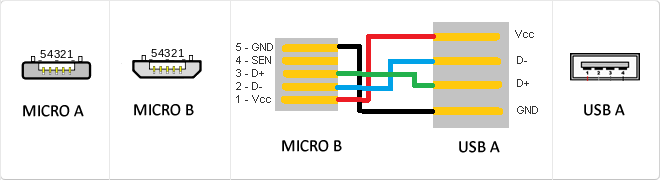
- MicroUSB
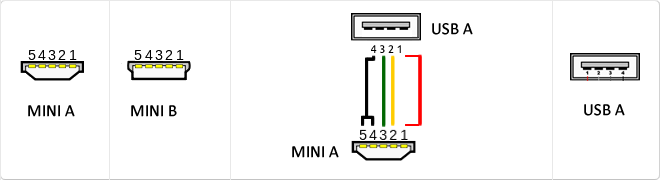
- Mini USB
- Types SATA connectors
- USB 3.0
- PCI - MiniPCI
- Reversible USB Type-C
- ATX
- Gbps
USB
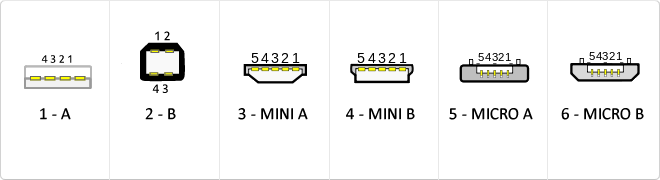
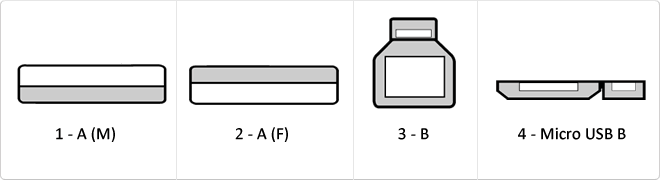
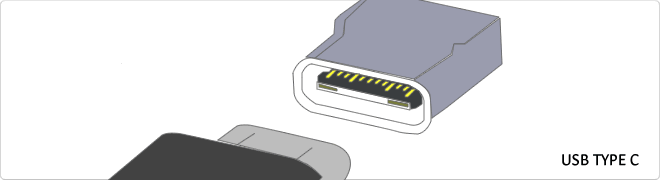
The USB (Universal Serial Bus) is a standard that defines the cables, connectors and used a bus to connect, communicate, computers, peripherals and electronic devices protocols Transmission Rates Low speed (USB 1.0). Transfer rate up to 1.5 Mbit/s (188 kB/s) used in keyboard, mouse ... transfer rate up to 12 Mbit/s (1.5 MB/s) High Speed ??(USB 2.0): Rate transferencia up to 480 Mbit/s (60 MB/s) SuperSpeed ??(USB 3.0) transfer rate up to 4.8 Gbit/s (600 MB/s) Connector Types 1 - USB type A (4 pin) 2. - USB type B (4 pin) 3 - Mini A (5-pin) 4 - Mini B (5-pin) 5 - Micro A (5-pin) 6 - Micro B (5-pin)