

08/31/2026 10:25 p.m.
https://cablematic.com/en/products/photoelectric-cell-sensor-switch-nonc-24vdc-250vac-thrubeam-TZ072/
https://cablematic.com/en/products/photoelectric-cell-sensor-switch-nonc-24vdc-250vac-thrubeam-TZ072/
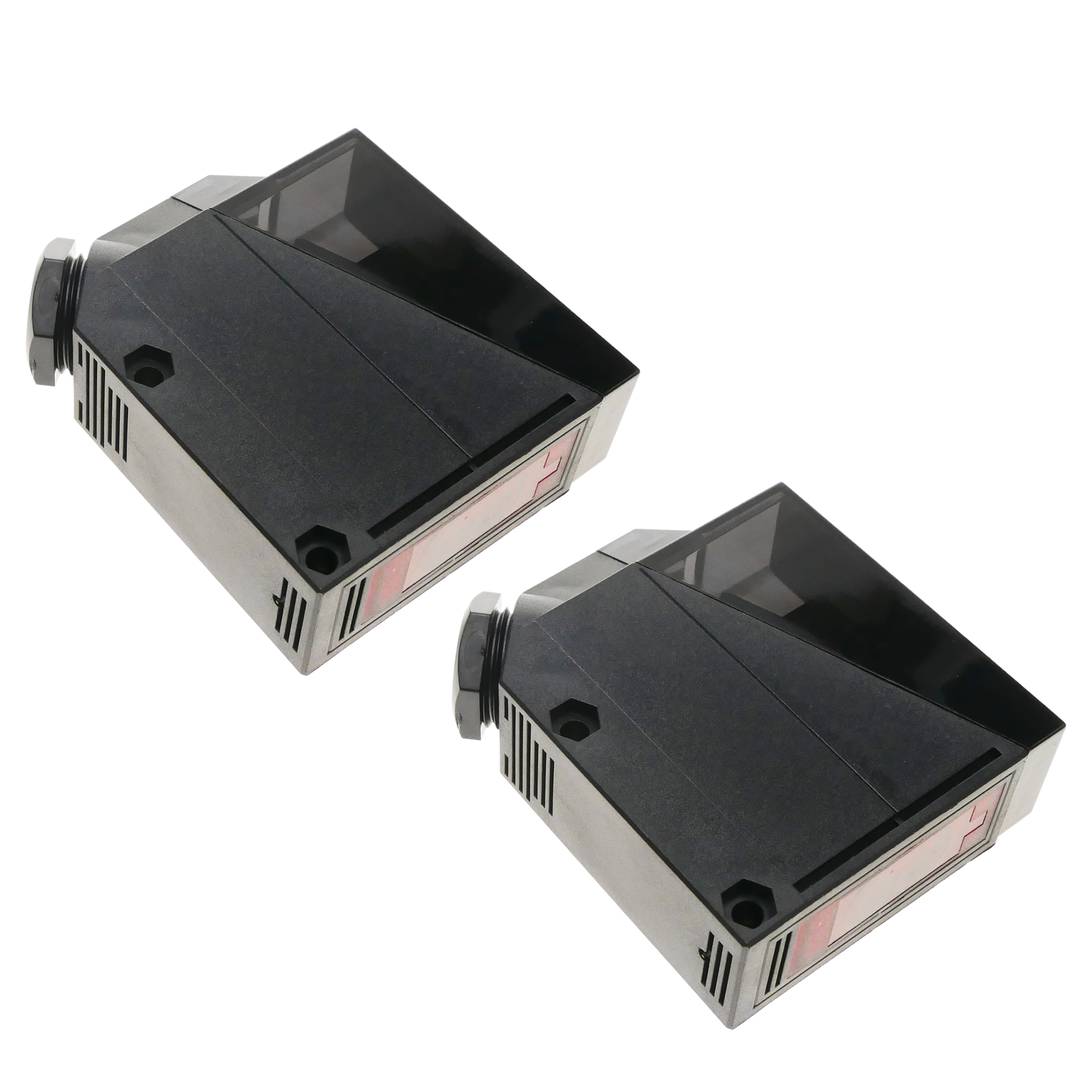
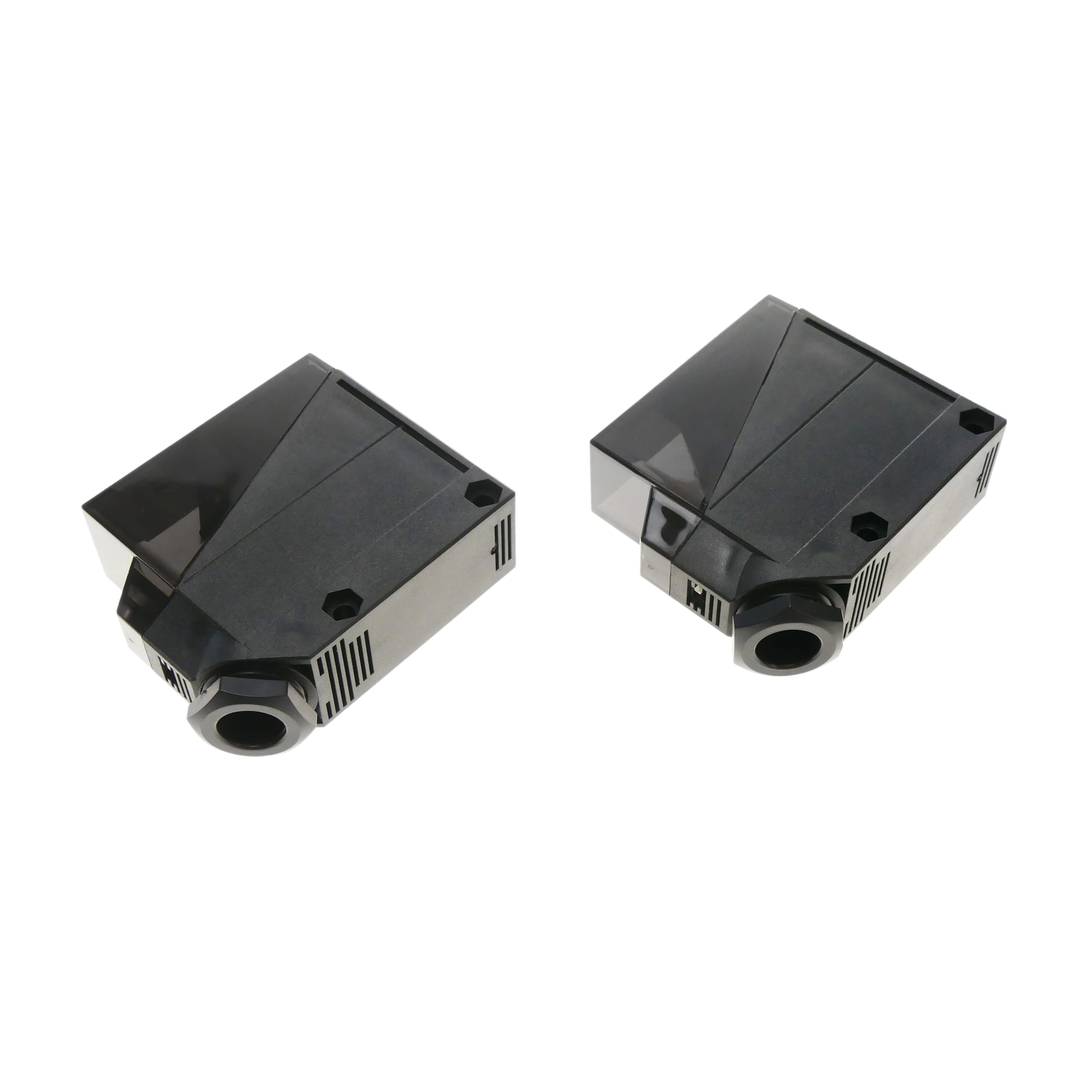
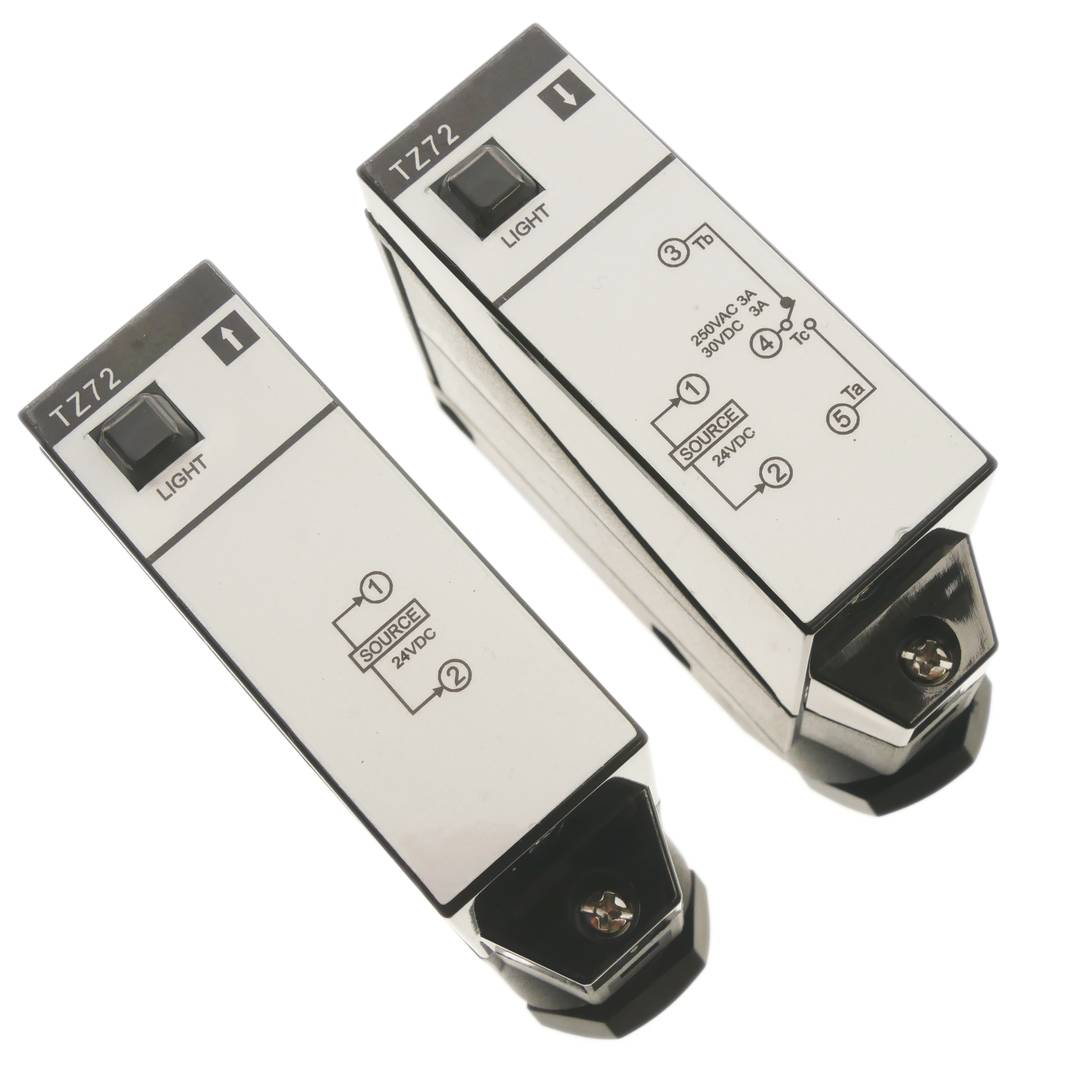
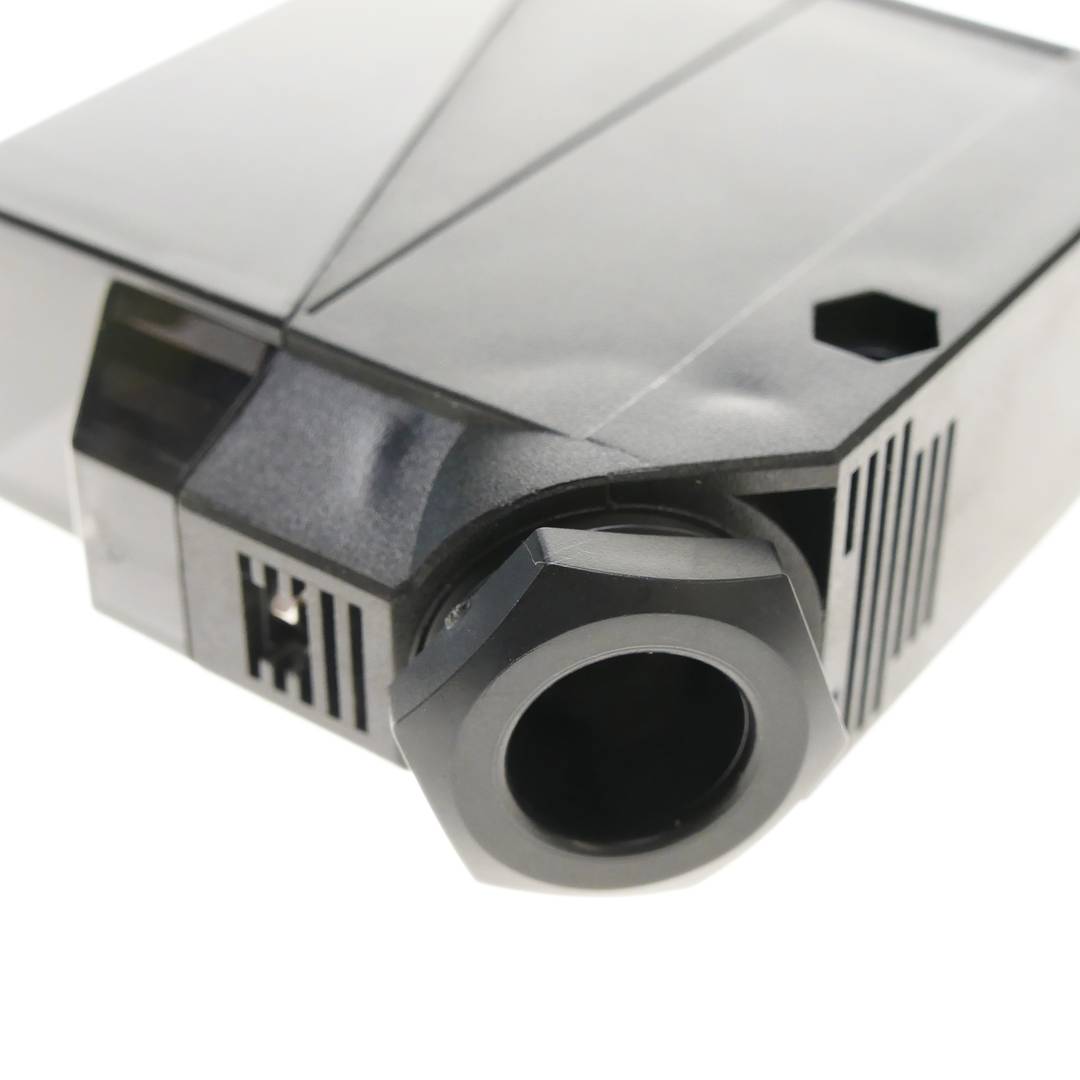
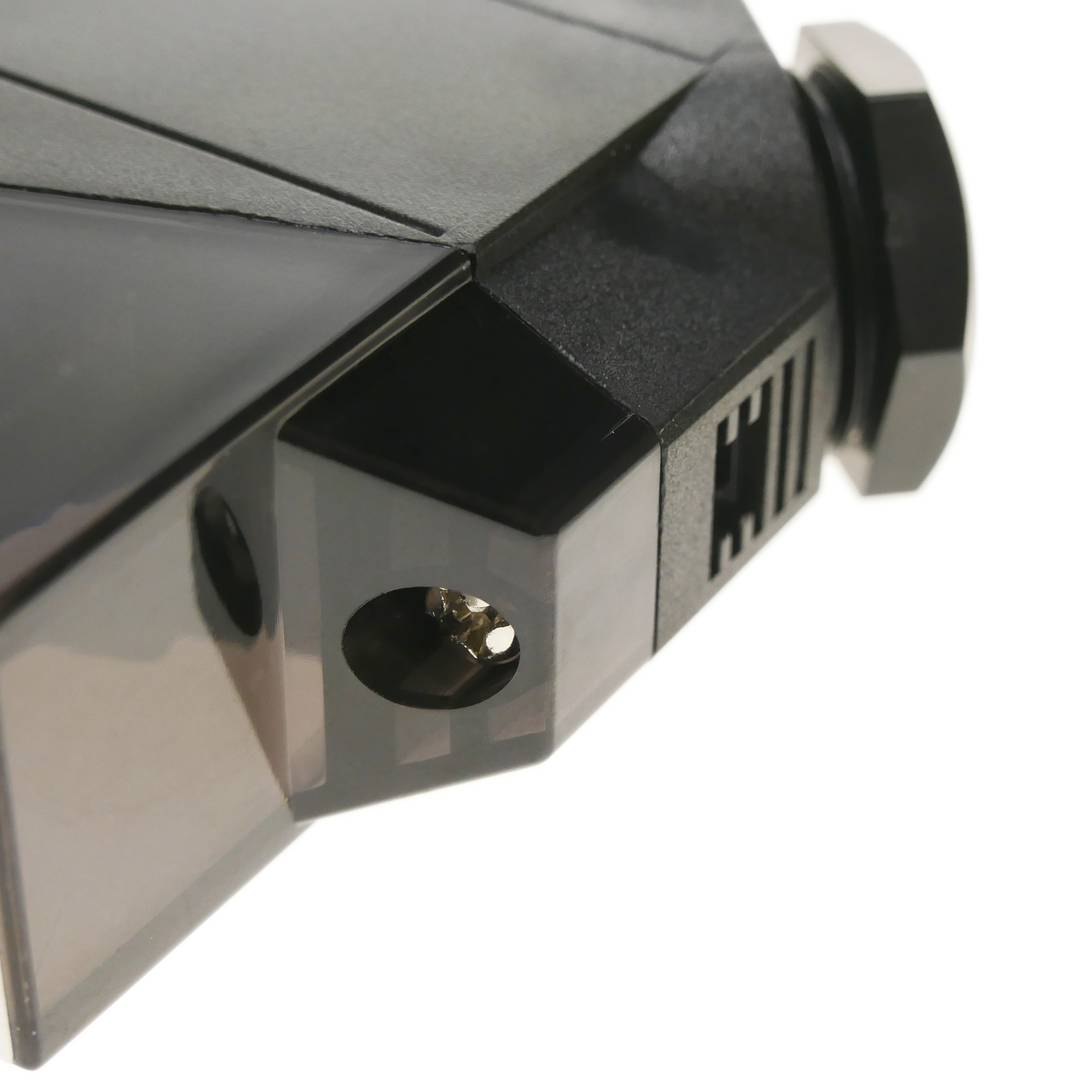


Photoelectric cell sensor switch NO+NC 24VDC 250VAC thrubeam
Photoelectric cell sensor switch NO+NC 24VDC 250VAC thrubeam
REF: TZ072

Specifications
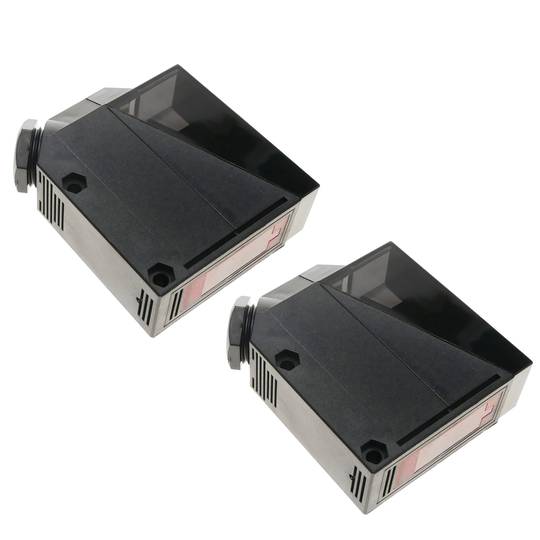
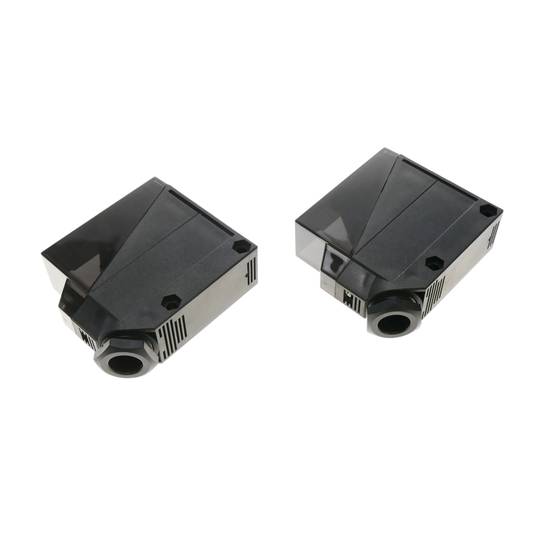
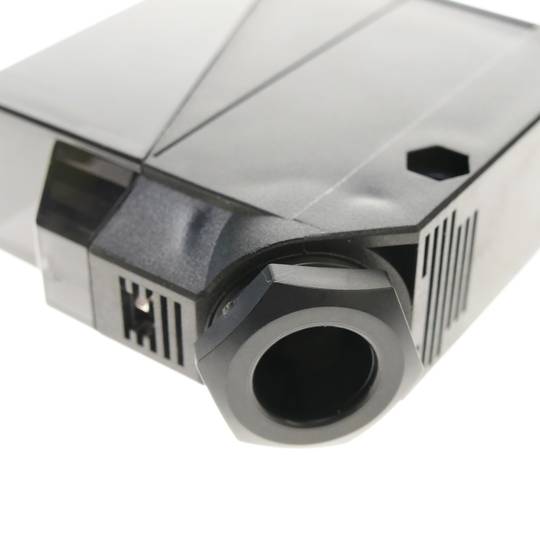
- Photoelectric sensor (photoelectric cell) barrier type, which is composed of a transmitter and a receiver.
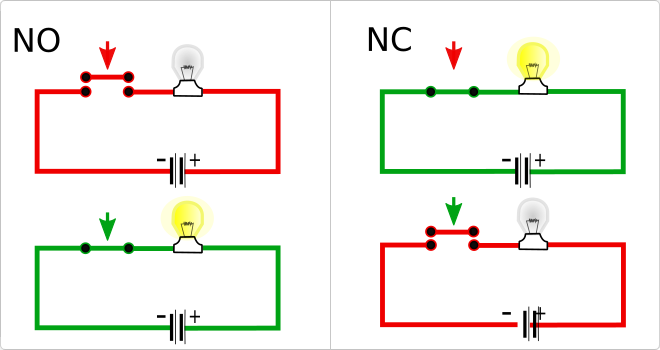
- Operation NO (normally open) and NC (normally closed).
- Cubic sensors size 75 x 65 x 25 mm.
- Operating voltage: 24-30 VDC (3A).
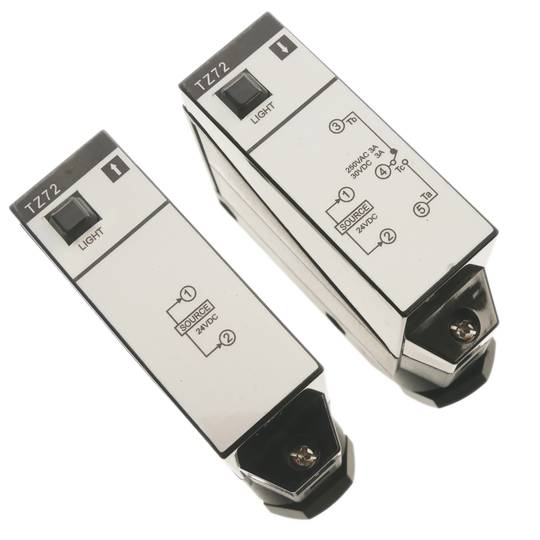
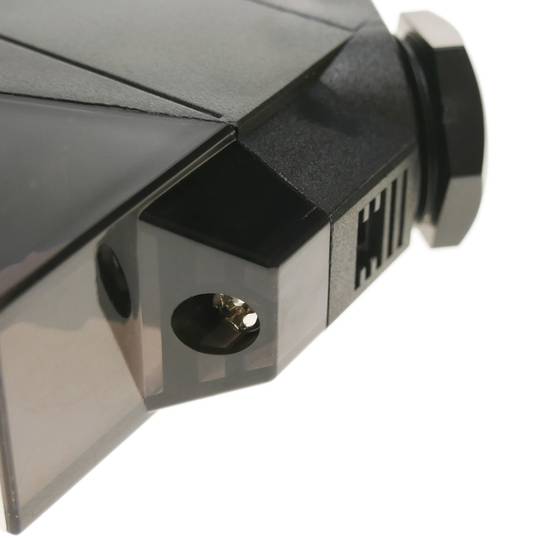
- It has 5 receiver connectors, and two connectors for the transmitter. Maximum distance between transmitter and receiver 10 m.
![play_button]() Watch video
Watch video
More info
 Watch video
PVP
€50.61
Price including VAT:
€50.61
PVD
€44.08
PVP: Retail price.
Check conditions.
PVP: Sale price to distributors.
Check conditions.
 2 years
warranty
 14 days
returns
 100%
100%safe
We will notify you when it is back in stock.
Specifications
- Photoelectric sensor (photoelectric cell) barrier type, which is composed of a transmitter and a receiver.
- Operation NO (normally open) and NC (normally closed).
- Cubic sensors size 75 x 65 x 25 mm.
- Operating voltage: 24-30 VDC (3A).
- It has 5 receiver connectors, and two connectors for the transmitter. Maximum distance between transmitter and receiver 10 m.
Related products

Keywords
Did not find what you were looking for? These topic could help you
Purchased together regularly
More info
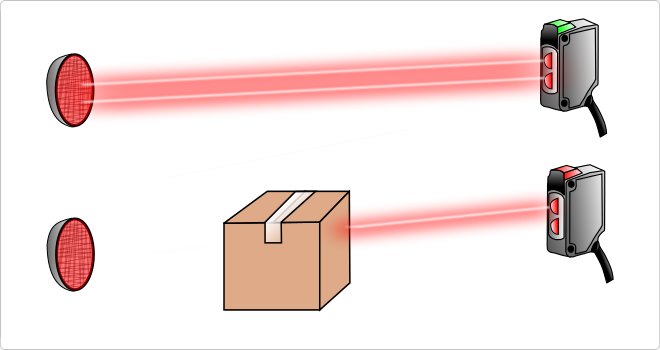
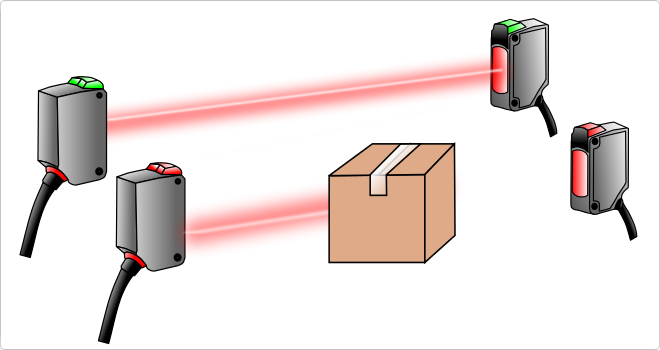
Photoelectric sensors (photoelectric cells) are those that respond to the change in the intensity of a light, allowing the activation or deactivation of a signal depending on the values received from that light. Barrier photocells, in which the emitter and the receiver are separated into separate bodies, positioned aligned and both components facing each other. This is the most reliable mode of operation, since all the power emitted by the transmitter is sent directly to the receiver, causing dirt and humidity in the environment to a lesser extent affect its operation.
specs
- Photoelectric sensor (photoelectric cell) barrier type, which is composed of a transmitter and a receiver.
- Operation NO (normally open) and NC (normally closed).
- Cubic sensors size 75 x 65 x 25 mm.
- Operating voltage: 24-30 VDC (3A).
- It has 5 receiver connectors, and two connectors for the transmitter. Maximum distance between transmitter and receiver 10 m.
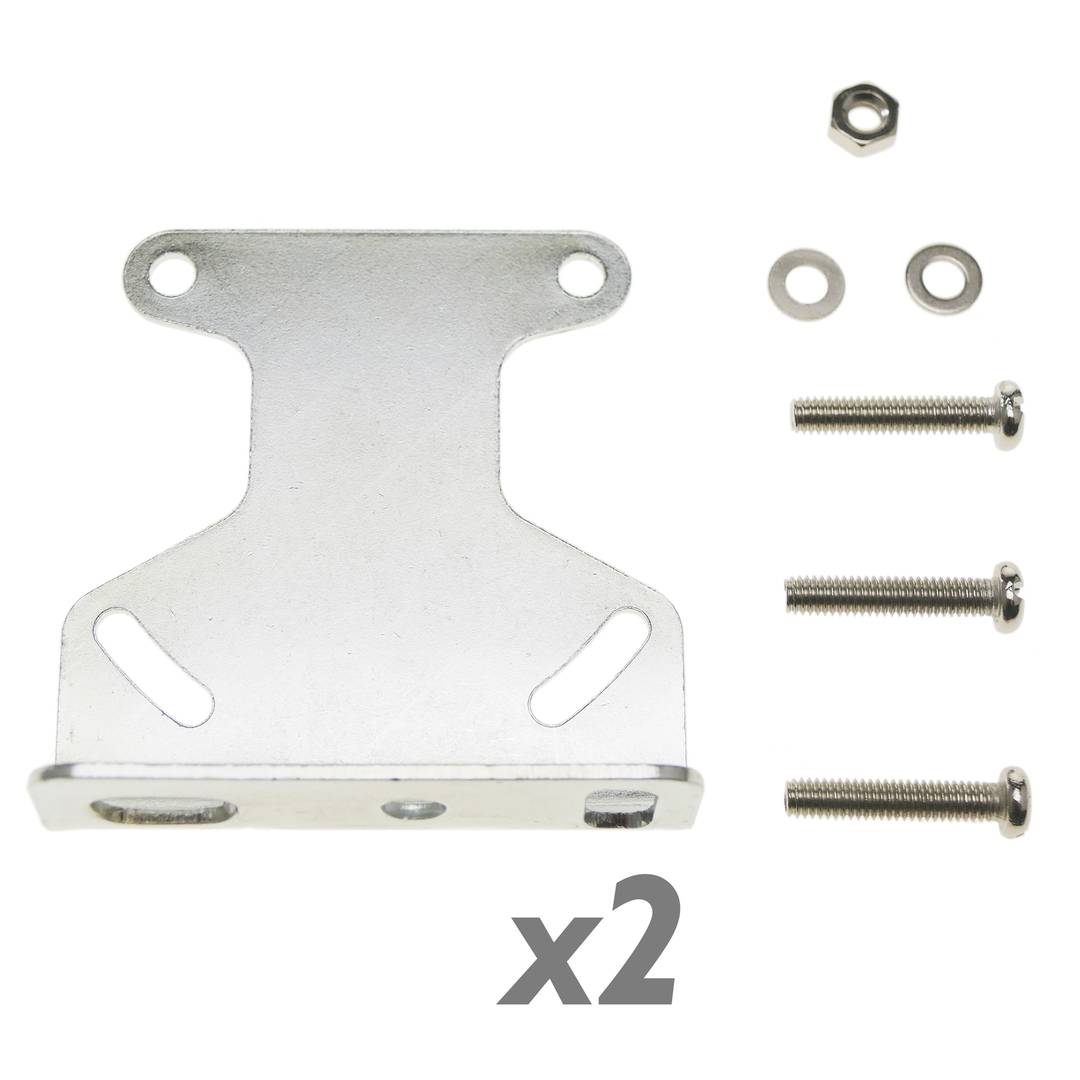
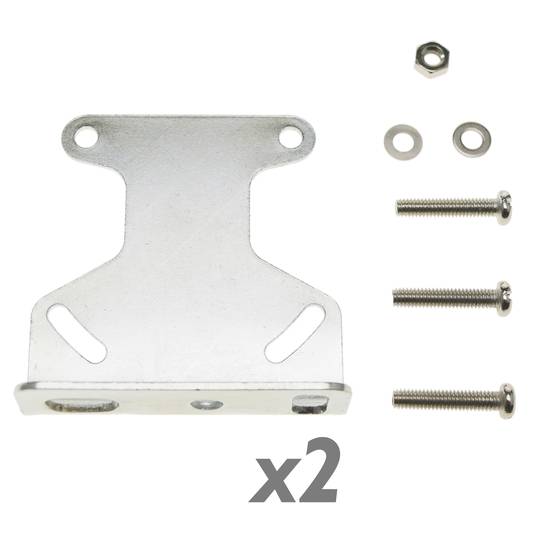
- Metal bracket for wall mounting is supplied.
- To guarantee the maximum distance of self-reflection, it is recommended to use a catadioptric mirror. The self-reflection distance can be reduced by the use of other surfaces with a lower reflection capacity.
- Gross Weight: 80 g
- Product size (width x depth x height): 7.5 x 2.5 x 6.5 cm
- Number of packages: 1
- Packages size: 12.5 x 9.5 x 7.5 cm
Technical terms
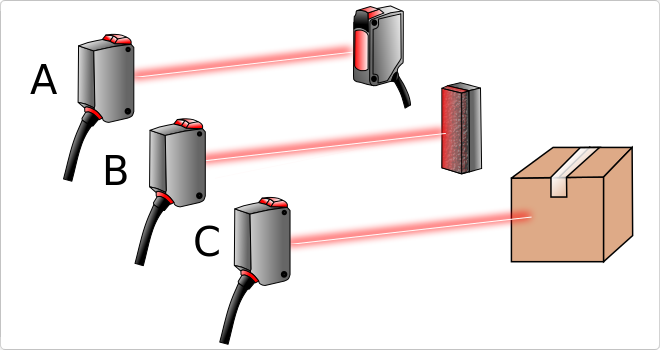
- Retro-reflective photocells with reflector
- Self-reflective photocells
- Barrier Photocells
- VDC
- Differences between NO and NC
- Types of photoelectric sensors
- Catadioptric
Retro-reflective photocells with reflector
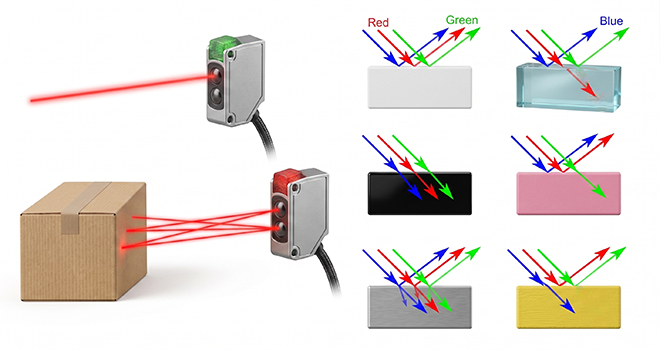
They are identical to diffuse-reflective photocells, their transmitter and receiver are located in a single device, thus minimizing installation time as it is not necessary to power a transmitter module and a receiver module separately. Another advantage of these types of photocells is that thanks to their reflector, fairly long sensing distances can be achieved; however, they do not reach the range that through-beam types can achieve.
Their operation is simple and you have surely seen them installed in elevators or parking garage doors.
The device emits a beam of light toward a reflector, this reflector bounces the light back toward the transmitter, which will be in charge of performing the action.
Unlike diffuse-reflective sensing cells, they are not guided by the color of the object, but by its degree of opacity. The module emits a beam of light toward a reflector, this reflector bounces the light and the receiver receives it again; if an object crosses between the reflector and the emitter, the light is cut off by the object and the receiver does not receive the light.
If, on the contrary, the object were transparent or translucent, it would let this light beam pass through and the photocell would not detect the object.
The same can happen with shiny or polished objects, as these can act as the reflector, emitting return light; this is why it is necessary to evaluate beforehand which type of photocell to install according to the case and object to be detected. To avoid this, there is a type of cell that has a polarized filter, which helps to attenuate this reflection and minimize potential detection errors.
Thanks to this type of polarized photocell, it is possible to detect almost transparent objects or shiny objects that may emit unwanted reflections.
Their operation is simple and you have surely seen them installed in elevators or parking garage doors.
The device emits a beam of light toward a reflector, this reflector bounces the light back toward the transmitter, which will be in charge of performing the action.
Unlike diffuse-reflective sensing cells, they are not guided by the color of the object, but by its degree of opacity. The module emits a beam of light toward a reflector, this reflector bounces the light and the receiver receives it again; if an object crosses between the reflector and the emitter, the light is cut off by the object and the receiver does not receive the light.
If, on the contrary, the object were transparent or translucent, it would let this light beam pass through and the photocell would not detect the object.
The same can happen with shiny or polished objects, as these can act as the reflector, emitting return light; this is why it is necessary to evaluate beforehand which type of photocell to install according to the case and object to be detected. To avoid this, there is a type of cell that has a polarized filter, which helps to attenuate this reflection and minimize potential detection errors.
Thanks to this type of polarized photocell, it is possible to detect almost transparent objects or shiny objects that may emit unwanted reflections.