

05/12/2026 11:20 p.m.
https://cablematic.com/en/products/photoelectric-cell-sensor-switch-npn-nonc-10-30vdc-m18-10cm-reflective-TZ076/?srsltid=AfmBOop_fSKWL-W4LZrxlJk9LE0ViCWLouae6rqUoCENHRkciCGKwZzY
https://cablematic.com/en/products/photoelectric-cell-sensor-switch-npn-nonc-10-30vdc-m18-10cm-reflective-TZ076/?srsltid=AfmBOop_fSKWL-W4LZrxlJk9LE0ViCWLouae6rqUoCENHRkciCGKwZzY
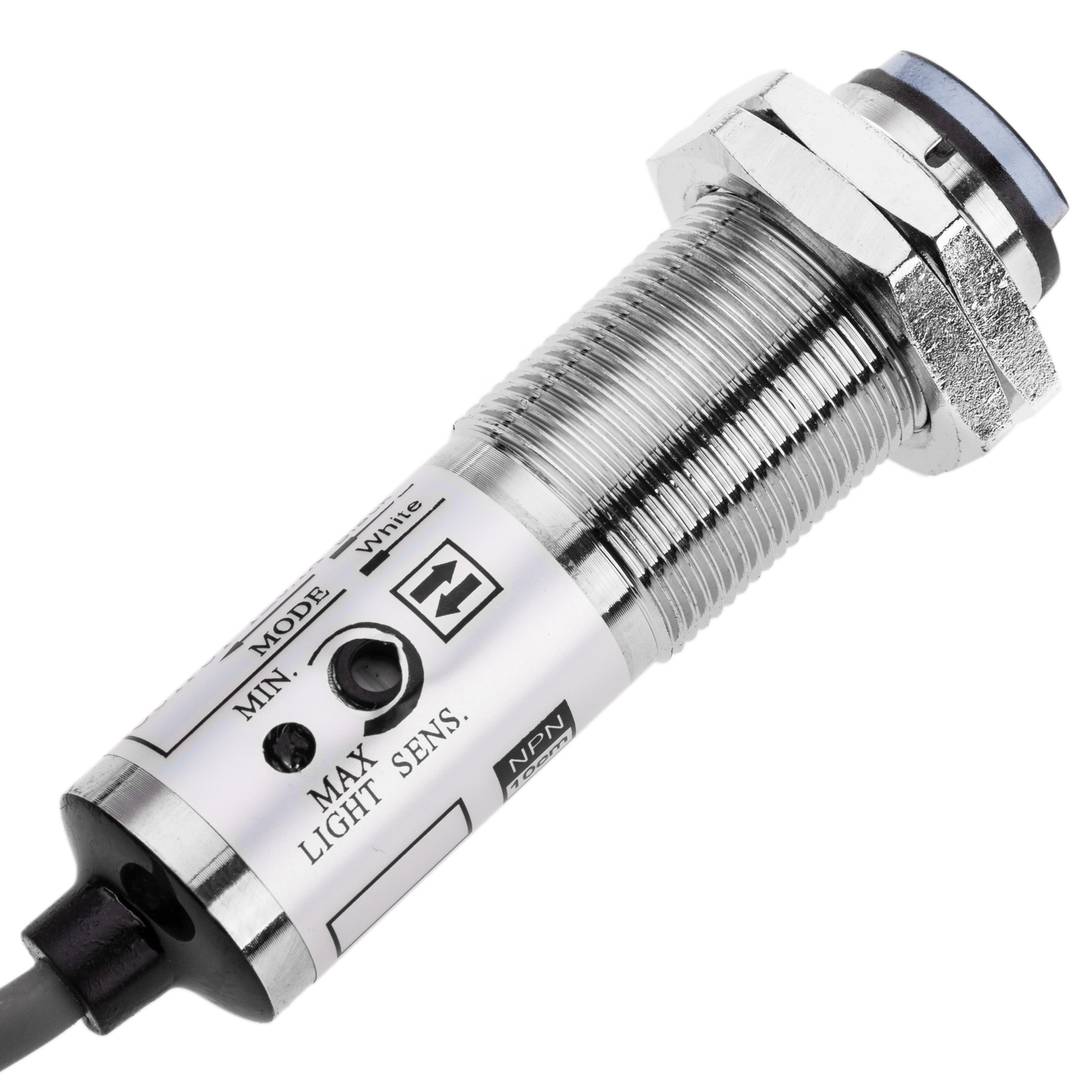
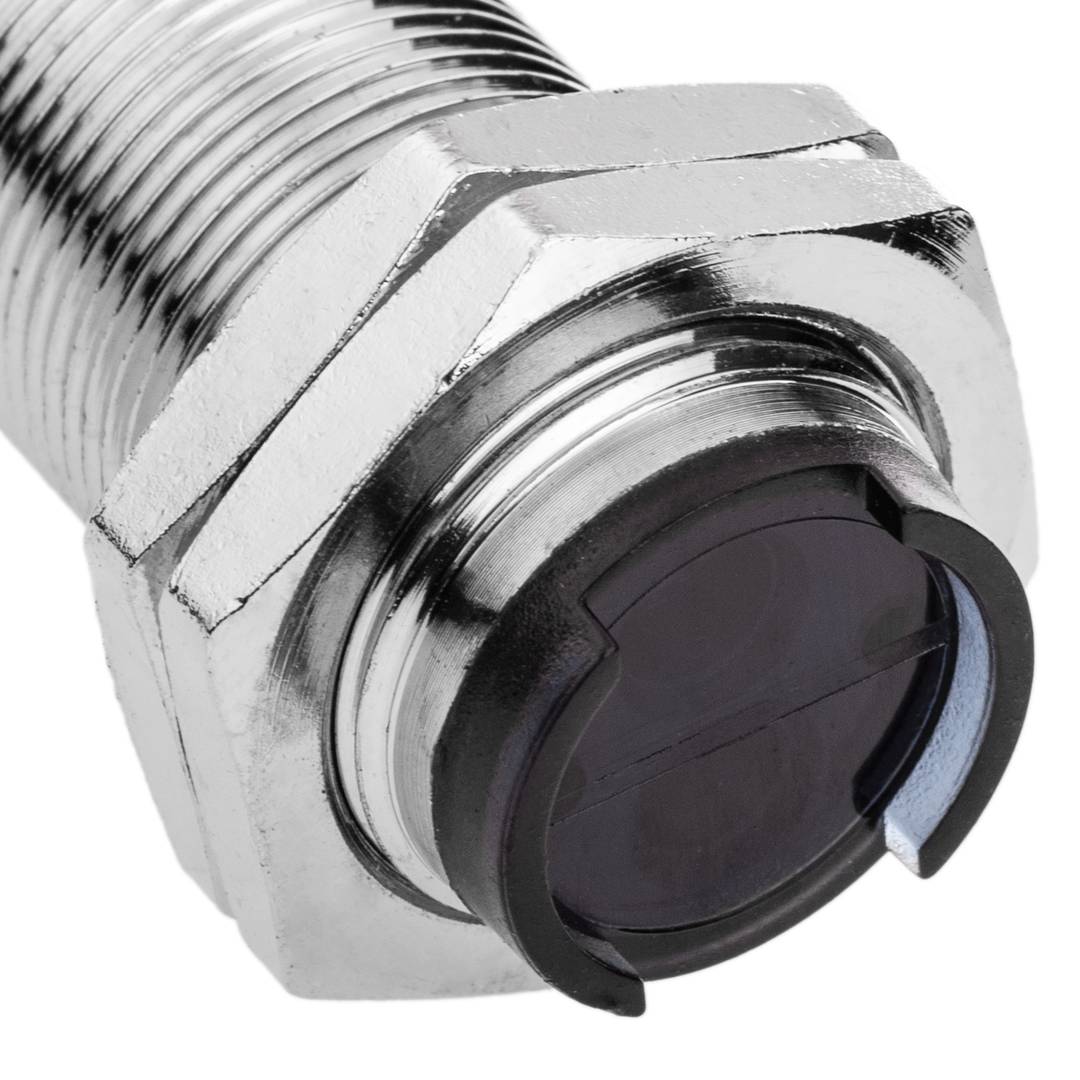
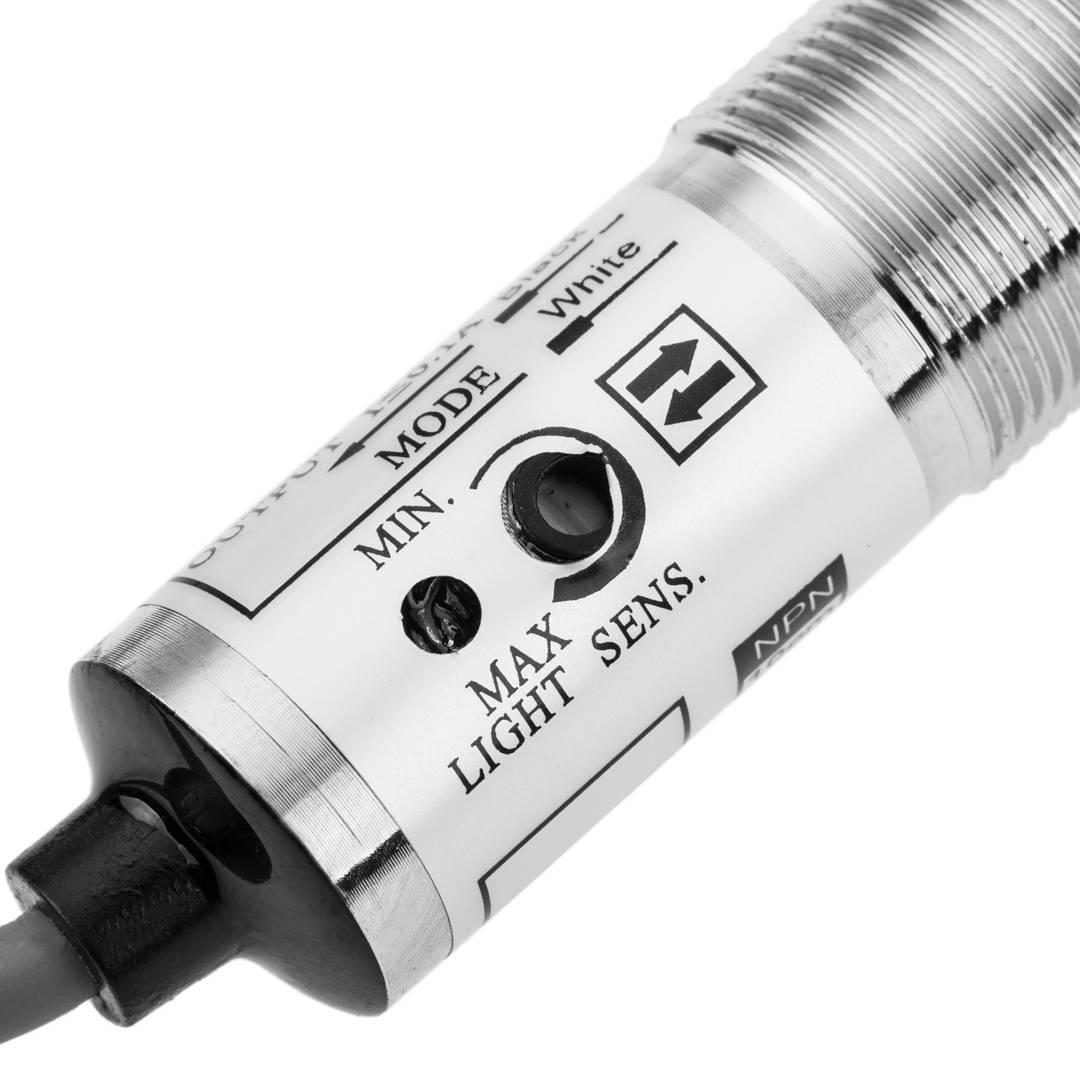
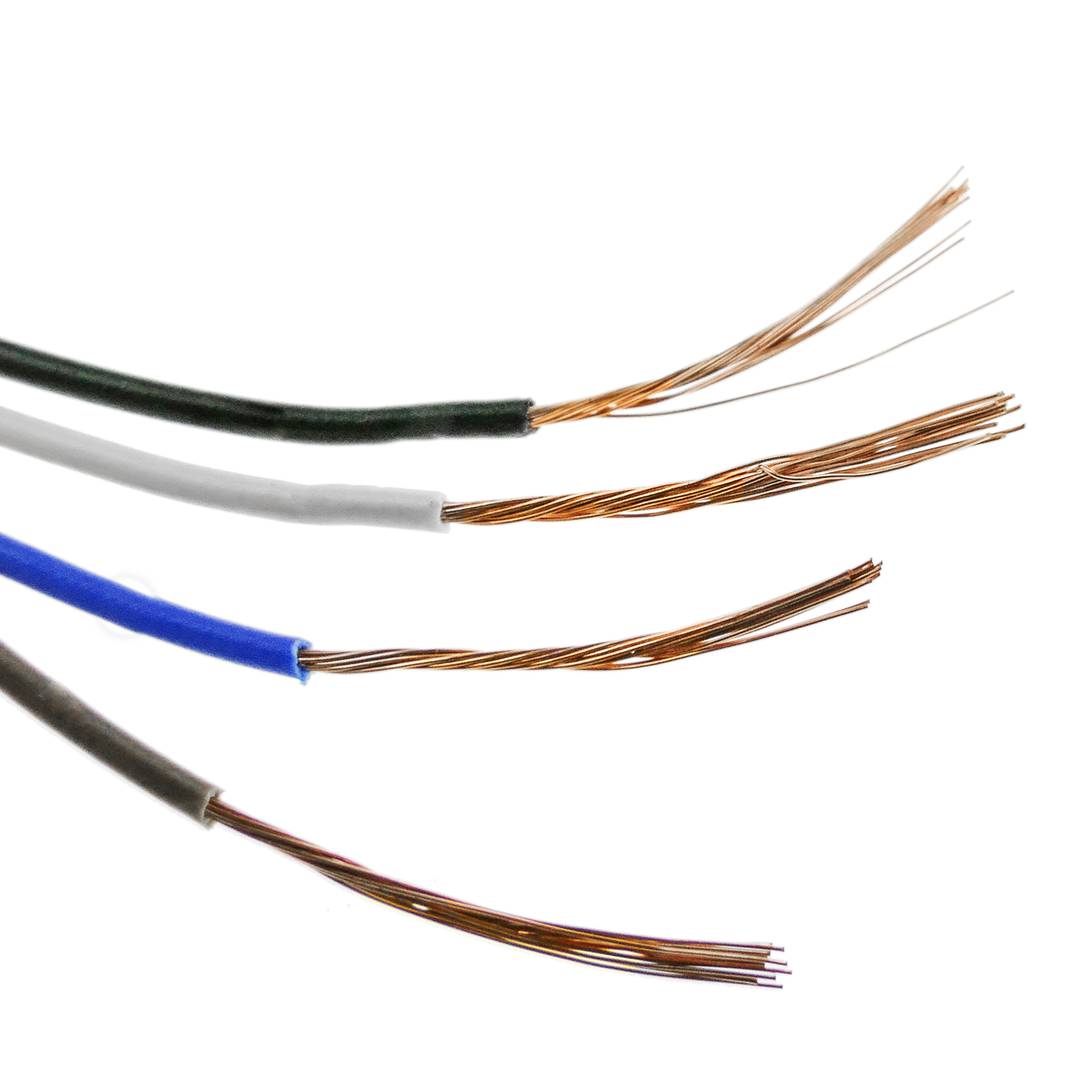



Photoelectric cell sensor switch NPN NO+NC 10-30VDC M18 10cm reflective
Photoelectric cell sensor switch NPN NO+NC 10-30VDC M18 10cm reflective
REF: TZ076


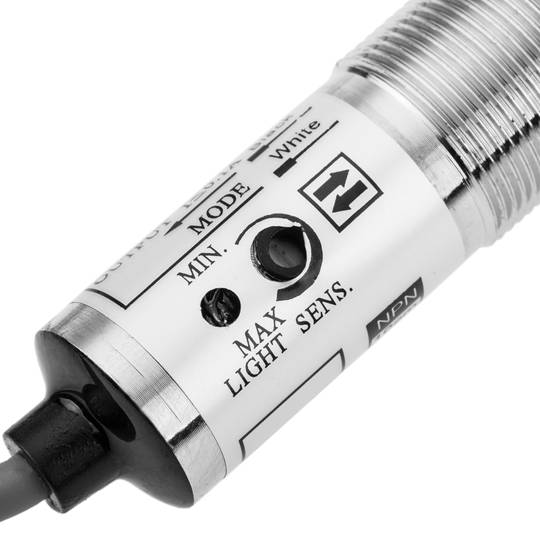


Specifications
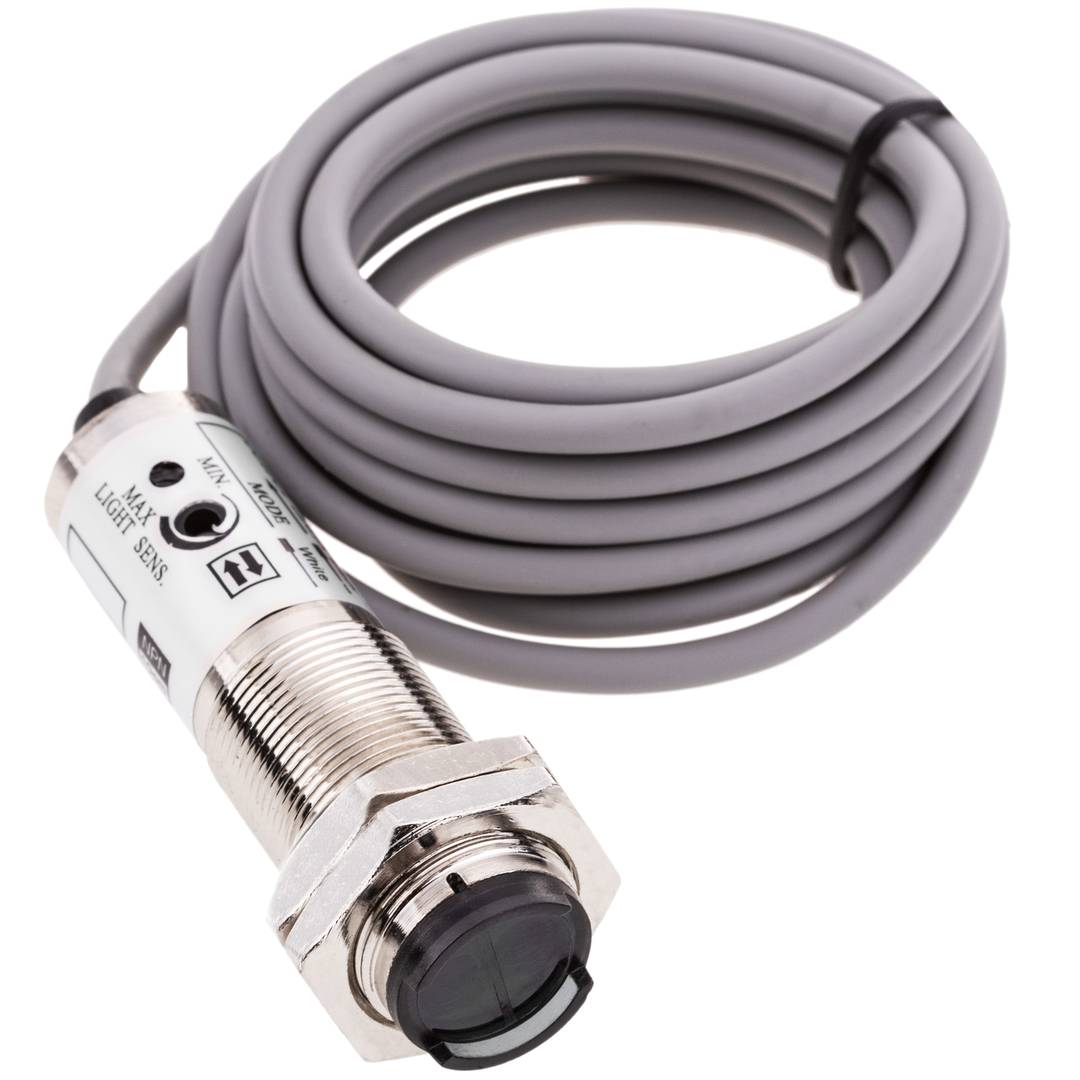
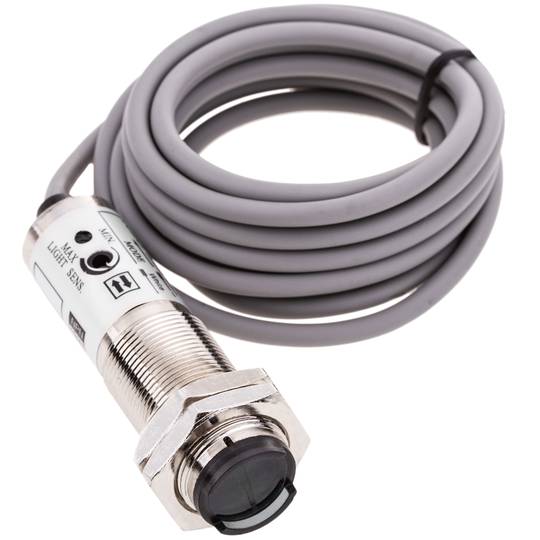
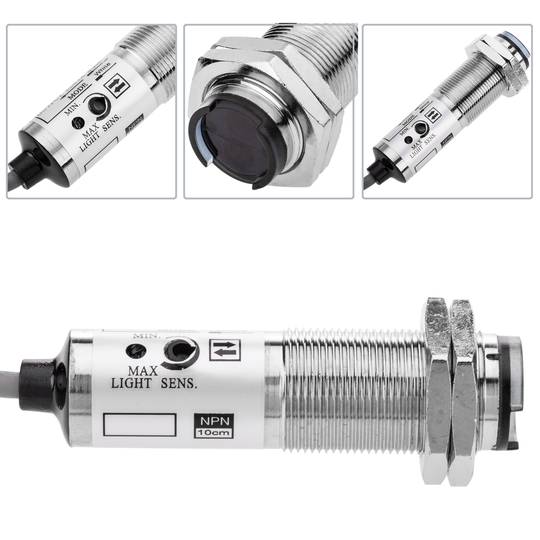
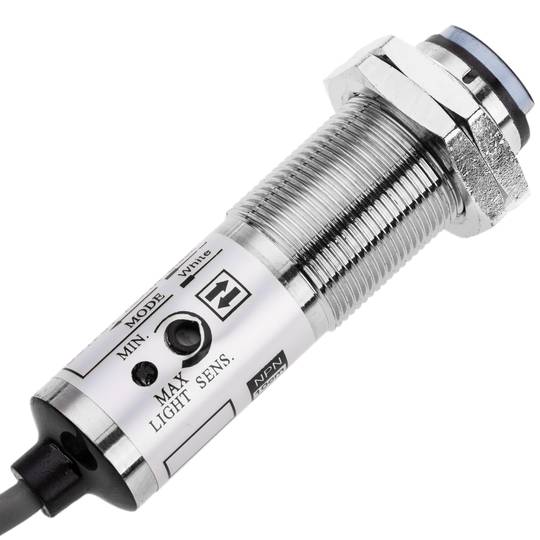
- Self-reflective photoelectric sensor (photoelectric cell), consisting of an emitter / receiver integrated in the same housing.
- NPN output type (negative output -). NO and NC operations.
- Rounded sensors length 65 mm. M18 metric (18 mm).
- Operating voltage: 10-30 VDC.
- Sensing distance (Sn): 10 cm.
![play_button]() Watch video
Watch video
More info
 Watch video
PVP
€21.93
Price including VAT:
€21.93
PVD
€19.10
PVP: Retail price.
Check conditions.
PVP: Sale price to distributors.
Check conditions.
 2 years
warranty
 14 days
returns
 100%
100%safe
We will notify you when it is back in stock.
Specifications
- Self-reflective photoelectric sensor (photoelectric cell), consisting of an emitter / receiver integrated in the same housing.
- NPN output type (negative output -). NO and NC operations.
- Rounded sensors length 65 mm. M18 metric (18 mm).
- Operating voltage: 10-30 VDC.
- Sensing distance (Sn): 10 cm.
Related products

Keywords
Did not find what you were looking for? These topic could help you
More info
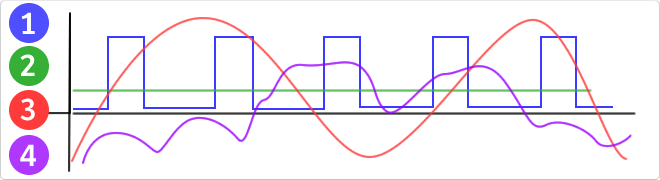
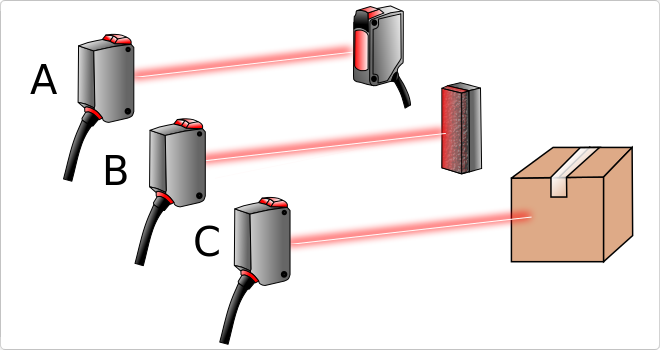
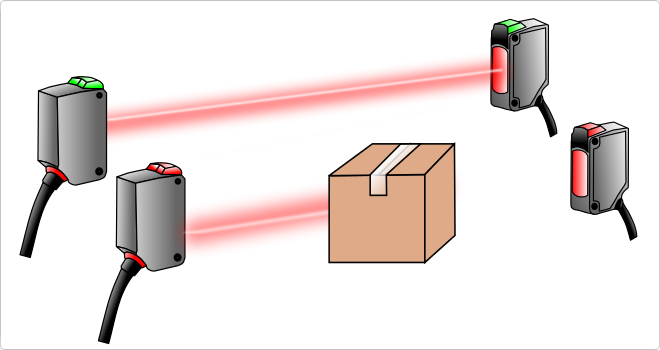
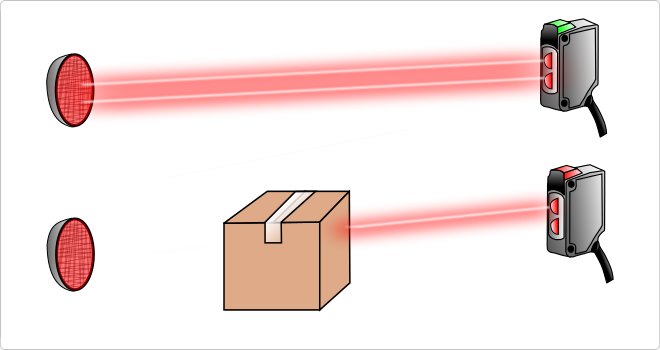
Photoelectric sensors (photoelectric cells) are those that respond to the change in the intensity of a light, allowing the activation or deactivation of a signal depending on the values received from that light. Self-reflective photocells, in which the emitter and receiver are inside the same housing. The light emitted by the emitter falls on the object to be detected and is reflected, the receiver being in charge of capturing this reflected light.
specs
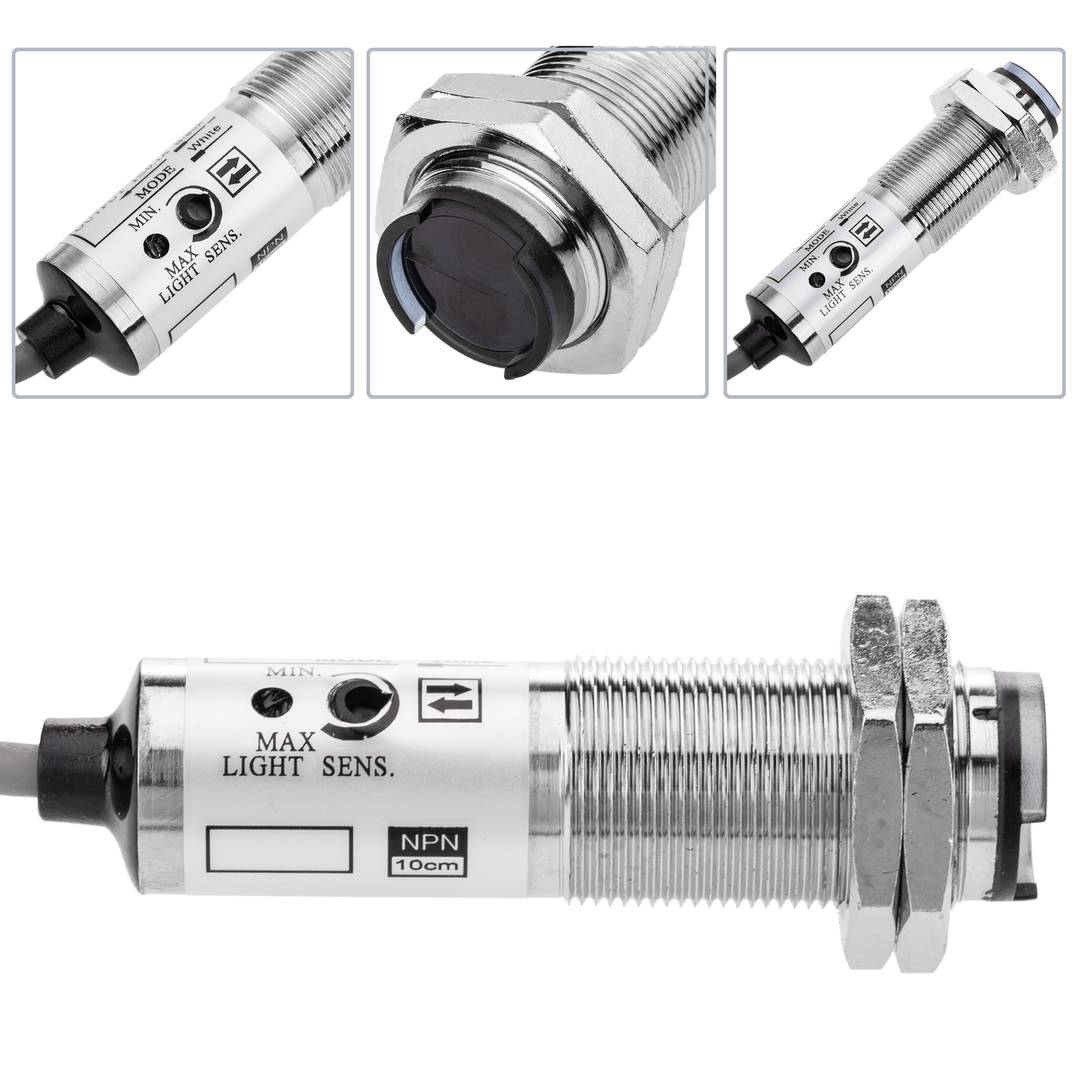
- Self-reflective photoelectric sensor (photoelectric cell), consisting of an emitter / receiver integrated in the same housing.
- NPN output type (negative output -). NO and NC operations.
- Rounded sensors length 65 mm. M18 metric (18 mm).
- Operating voltage: 10-30 VDC.
- Sensing distance (Sn): 10 cm.
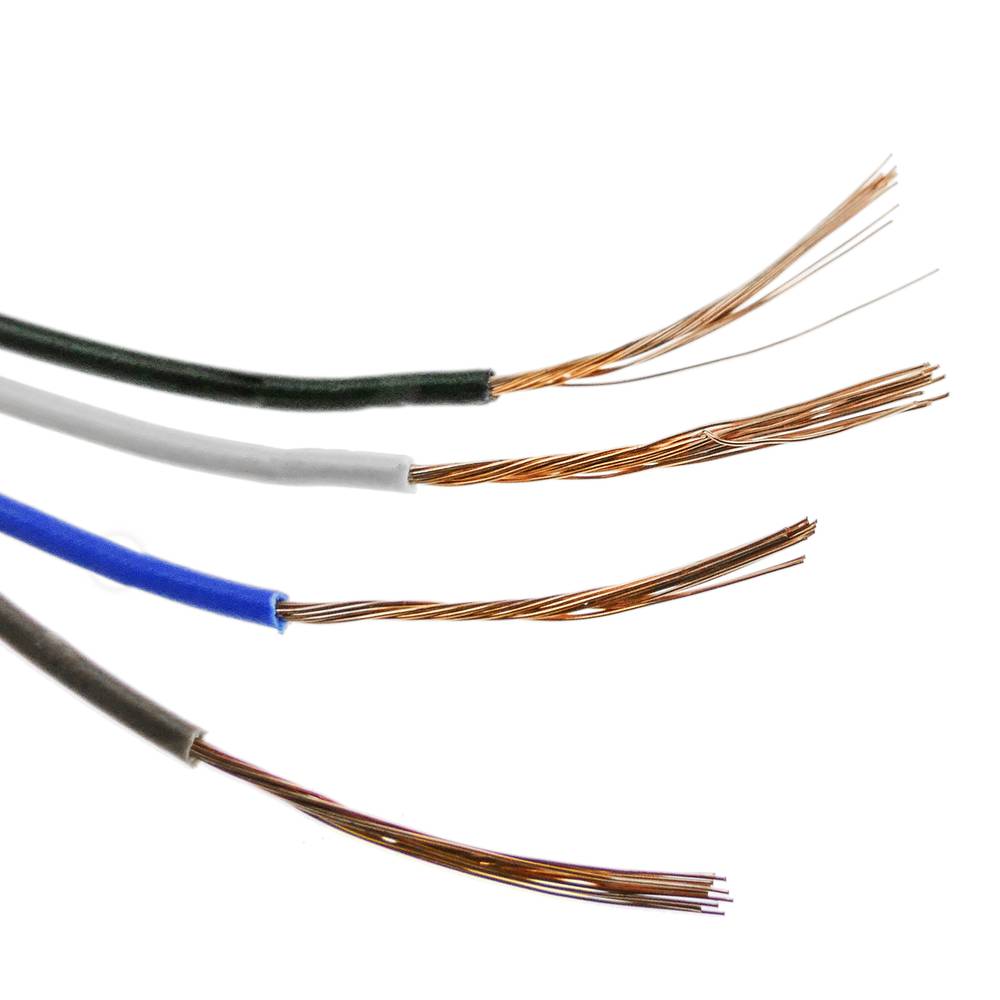
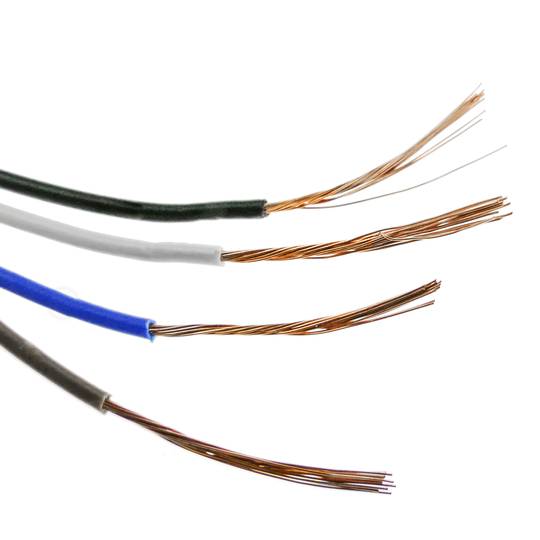
- It has a 4-wire cable (white, black, blue, and brown).
- It has a potentiometer to adjust the sensitivity.
- Gross Weight: 120 g
- Product size (width x depth x height): 7.0 x 1.8 x 1.8 cm
- Number of packages: 1
- Packages size: 11.0 x 8.2 x 5.6 cm
Technical terms
- Differences between PNP and NPN
- Self-reflective photocells
- VDC
- Types of photoelectric sensors
- Barrier Photocells
- Reflective photocells with reflector
Differences between PNP and NPN
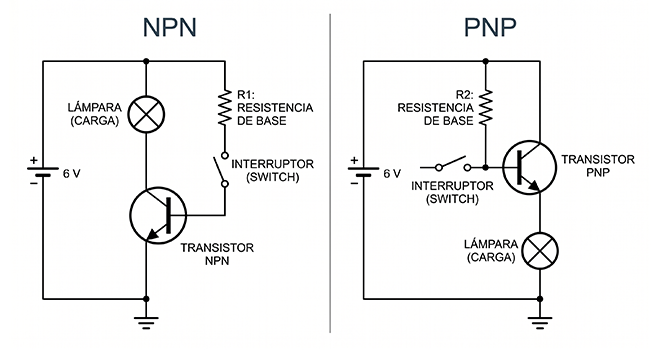
If we talk about industrial automation we will find different terms related to the design of the internal circuit and the type of transmitter. PNP and NPN are two so-called bipolar or called (BJTs) transistors. These transistors that are controlled by current allow basically the amplification of the same through the circuit. Both PNP and NPN have the same function, provide amplification of the currentAnd/or switching. The only difference between them is the way in which the current or energy is assigned to each of its connectors.
- PNP (sinking or Pointing iN Proudly) is one of the types of transistors most used in electrical circuits, this type of transistor differs in that it receives positive voltage at its emitter terminal and negative voltage at its base terminal. Positive voltage to the transmitter allowsThe current flows from the emitter to the collector, since there is negative current to the base. As the voltage goes down from the base the transistor is on and conducts through the power at the output load.
- NPN (Sourcing or Not Pointing iN) is another transistor, unlike the PNP it is faster in its switching, since it works with reference 0V, it has less immunity to the noise and a smaller fall of tenZion. This type of transistor works in a completely opposite way to PNP. The NPN transistor receives positive voltage at the collector terminal. This positive voltage allows current to flow through the collector to the emitter, as there is enough base voltage to power the transistor. As the current increases at the base, the transistor is activated more and more until it is completely driven from the collector to the emitter and encoderGo the circuit. The opposite happens when the voltage decreases from the base, until the current is so low that the transistor no longer leads through the collector to the emitter and shuts off.