

10/11/2026 11:05 p.m.
https://cablematic.com/en/products/remote-control-rf-wireless-led-panel-receiver-JL023/
https://cablematic.com/en/products/remote-control-rf-wireless-led-panel-receiver-JL023/
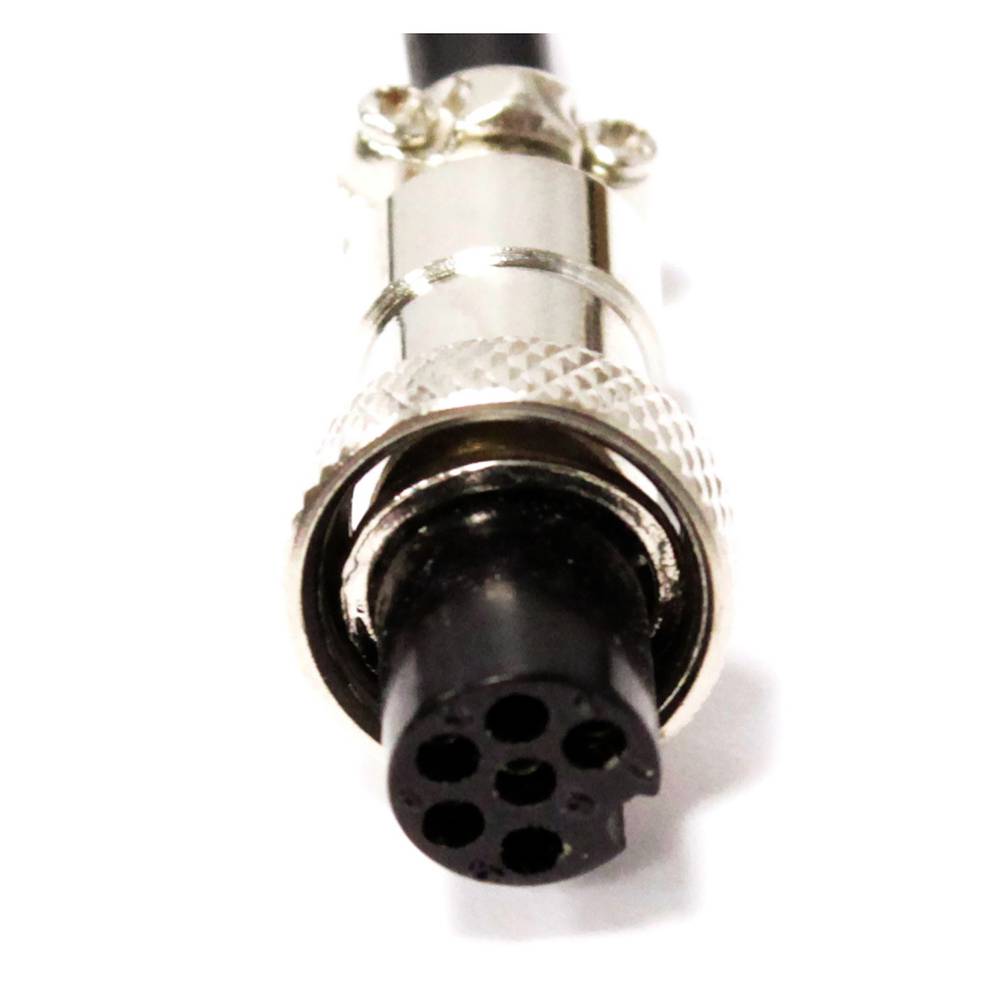
Remote Control RF Wireless LED panel - Receiver


Remote Control RF Wireless LED panel - Receiver
REF: JL023

OUTLET
Specifications
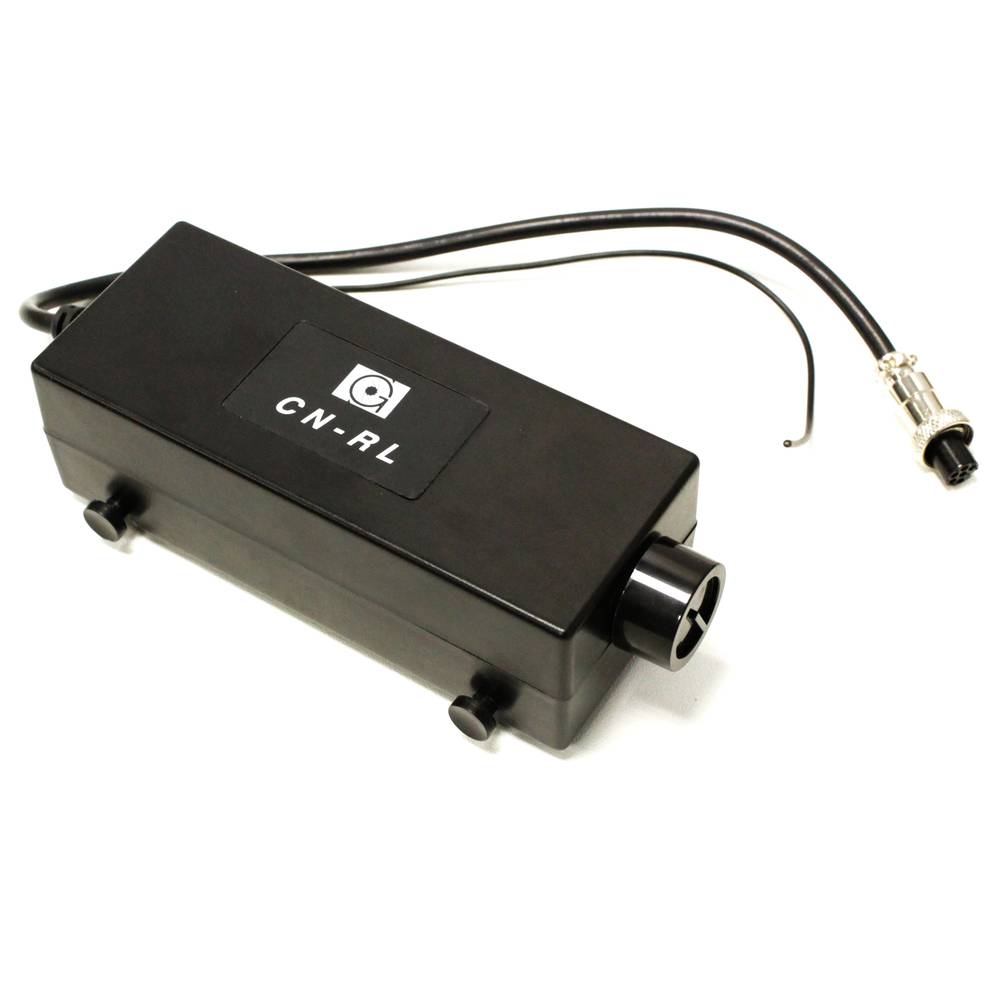
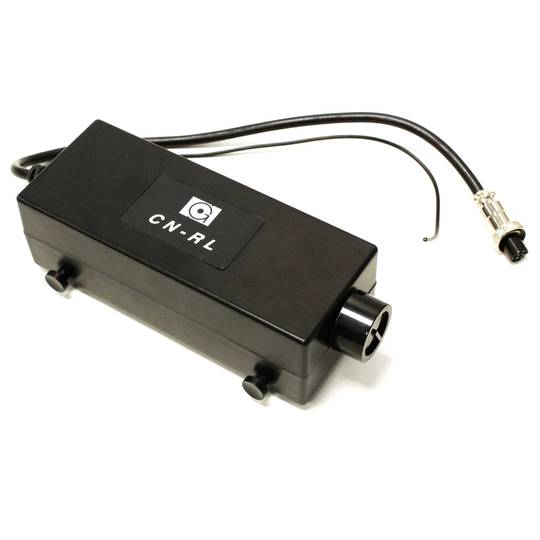
- Receiver module for regulating the light intensity of LED panels
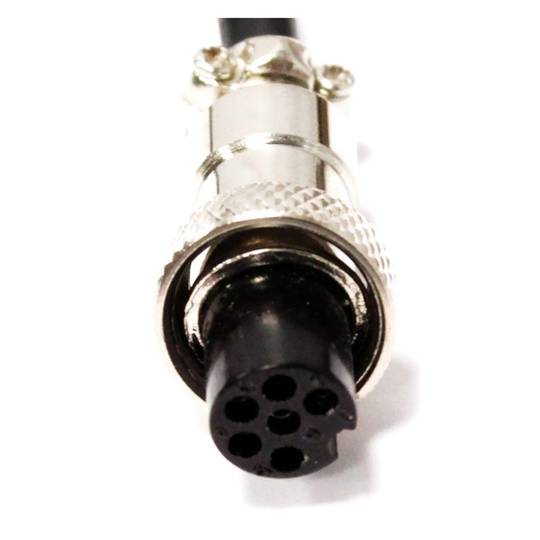
- Connection via 5-pin aviation connector
- It has 4 fixing tabs to the back of the LED panel
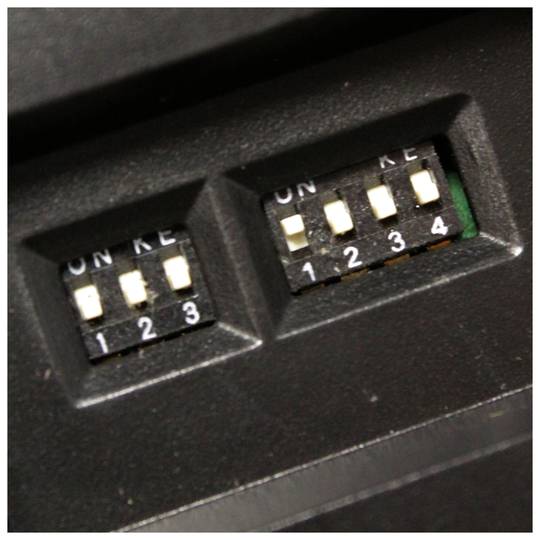
- Potentiometer in the device itself to regulate the LED panel
- Ideal for controlling all LED panels from the same receiver
![play_button]() Watch video
Watch video
More info
 Watch video
PVP
€26.76
€17.39
Price including VAT:
€17.39
PVD
€23.53
€15.29
PVP: Retail price.
Check conditions.
PVP: Sale price to distributors.
Check conditions.
 2 years
warranty
 14 days
returns
OUTLET
Specifications
- Receiver module for regulating the light intensity of LED panels
- Connection via 5-pin aviation connector
- It has 4 fixing tabs to the back of the LED panel
- Potentiometer in the device itself to regulate the LED panel
- Ideal for controlling all LED panels from the same receiver
Related products
Keywords
Did not find what you were looking for? These topic could help you
More info
Receiver modules for regulating light intensity for LED panels, ideal for controlling the lighting of LED panels. These receivers connect to the LED panel via a 5-pin aviation connector located on the back. The receiver has 4 fixing tabs to the LED panel for a professional finish. In addition, it has a potentiometer to adjust the brightness of the LED panel. These receivers are sold separately, allowing one receiver to be connected to each LED panel, controlling all LED panels from the same receiver.
Specifications
- Receiver module for regulating the light intensity of LED panels
- Connection via 5-pin aviation connector
- It has 4 fixing tabs to the back of the LED panel
- Potentiometer in the device itself to regulate the LED panel
- Ideal for controlling all LED panels from the same receiver
- Receivers sold separately
- Gross Weight: 260 g
- Number of packages: 1
Technical terms
- LED
LED
The word LED, which is the acronym for Light Emitting Diode, is a passive optoelectronic component characterized by its versatility, taking on many forms and being integrated into many optical elements, from screens to light bulbs and even photographic flashes.
One of its best features is its low energy consumption, as well as its longer lifespan, its durability that perfectly withstands almost any type of vibration, in addition to low heat emission.
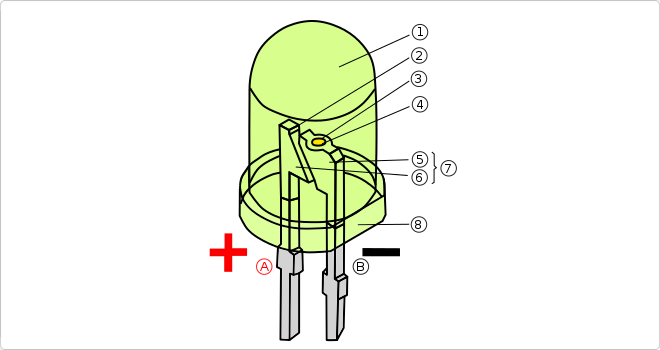
In the diagram:
One of its best features is its low energy consumption, as well as its longer lifespan, its durability that perfectly withstands almost any type of vibration, in addition to low heat emission.
In the diagram:
- Anode
- Cathode
- Lens/epoxy encapsulation (plastic capsule).
- Metal contact (conducting wire).
- Reflective cavity (reflective cup).
- Semiconductor termination.
- Anvil.
- Post.
- Anvil and post assembly replacing the filament.
- Flat edge.