

https://cablematic.com/en/products/rg-316-cable-20cm-mc-card-lucent-malesma-female-RG092/
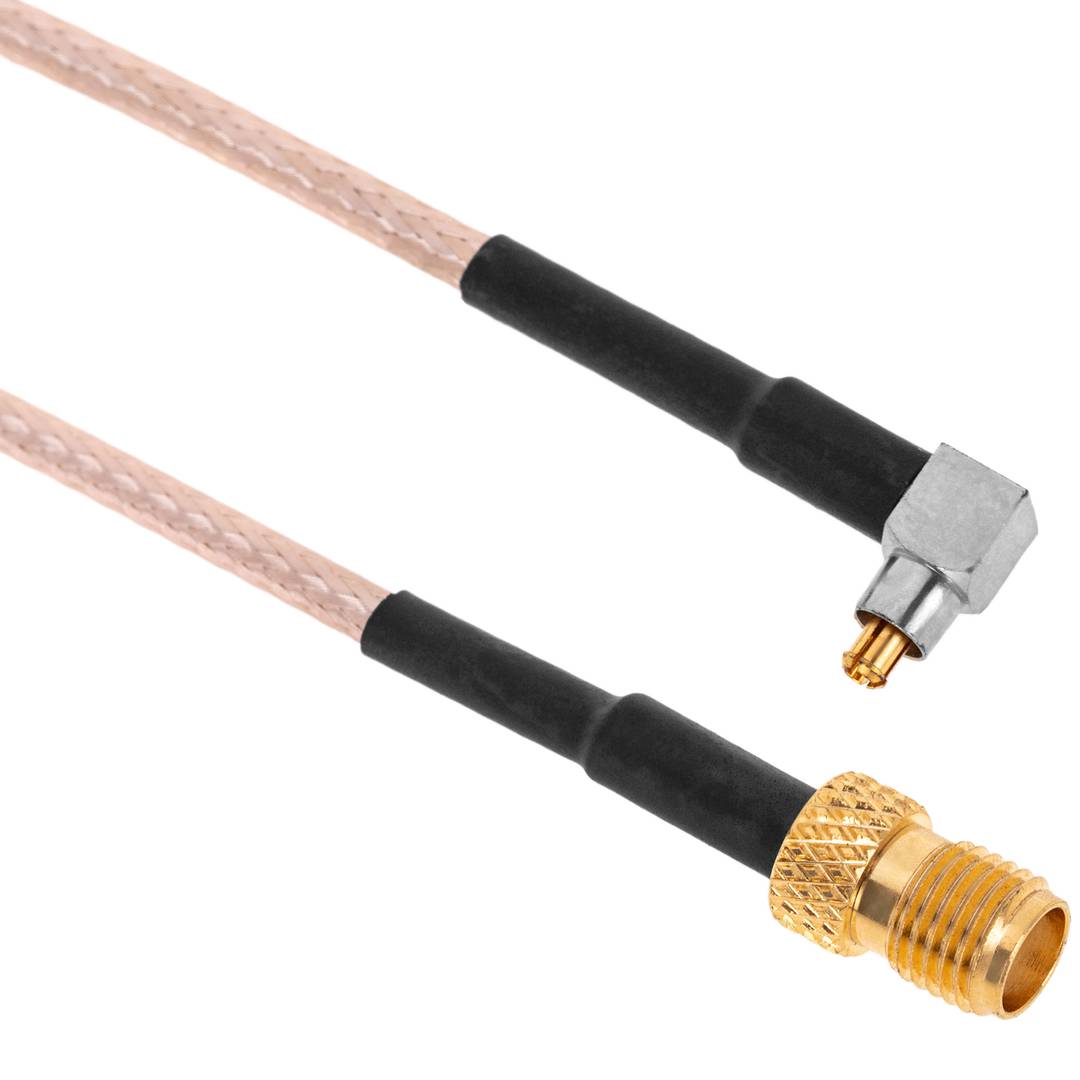


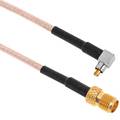
RG-316 Cable 20cm (MC-Card Lucent Male/SMA-Female)

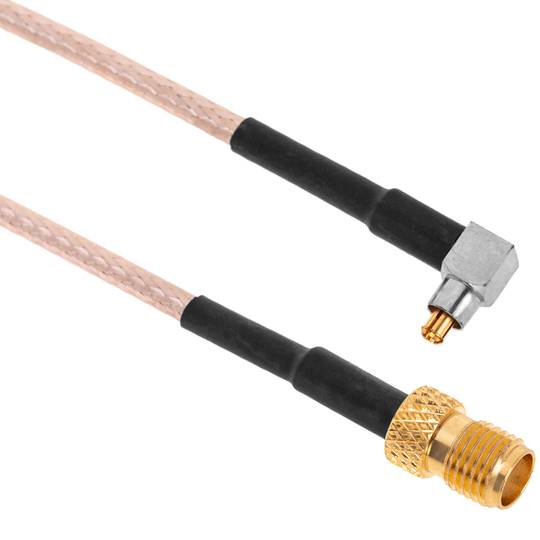
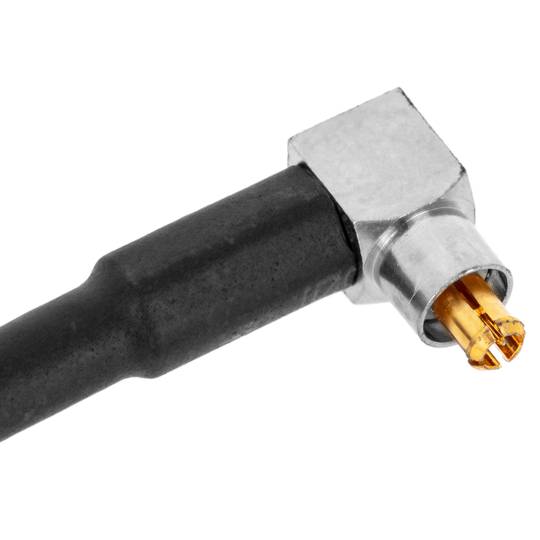
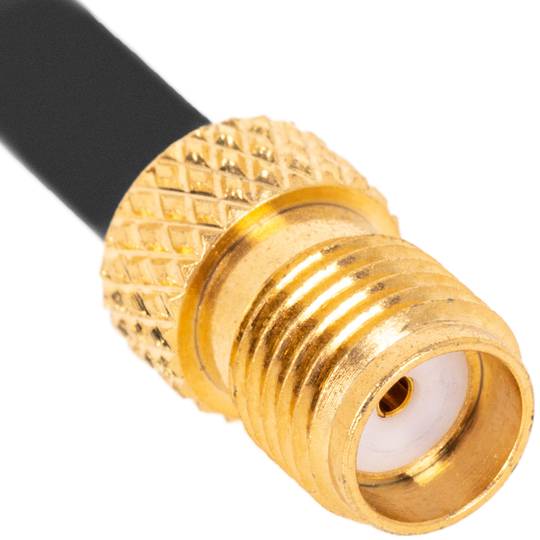
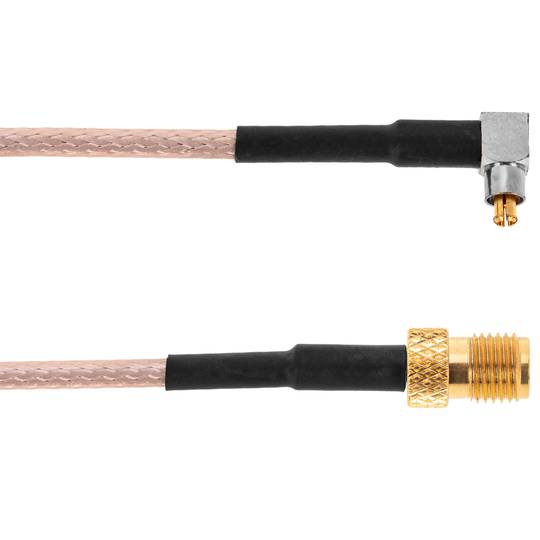
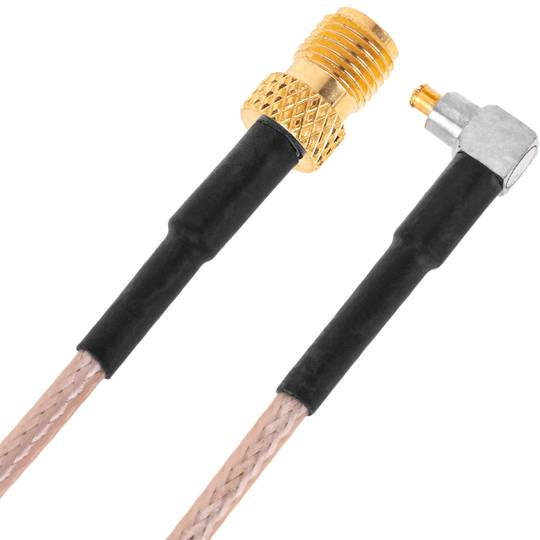
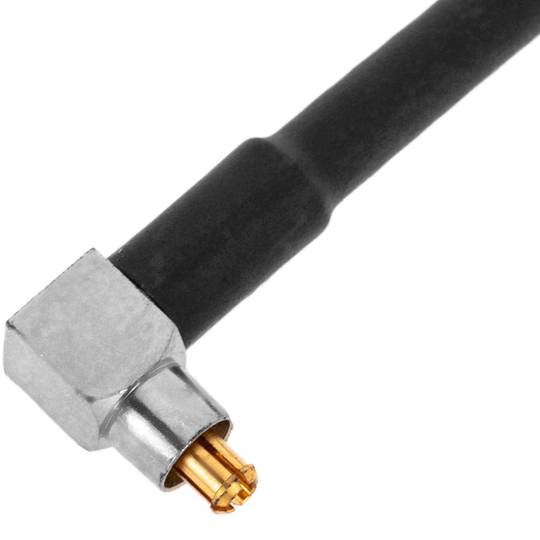
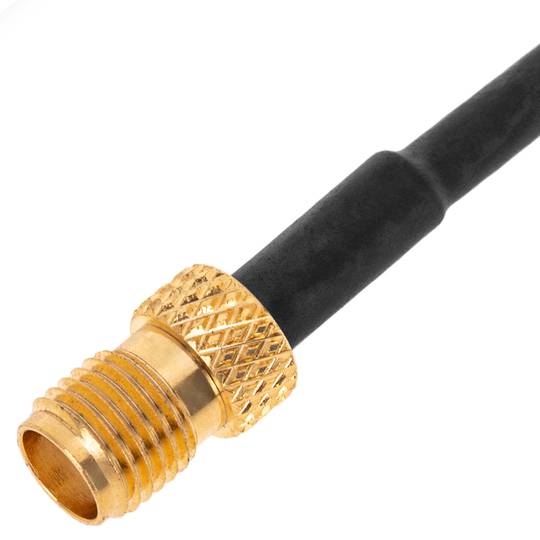
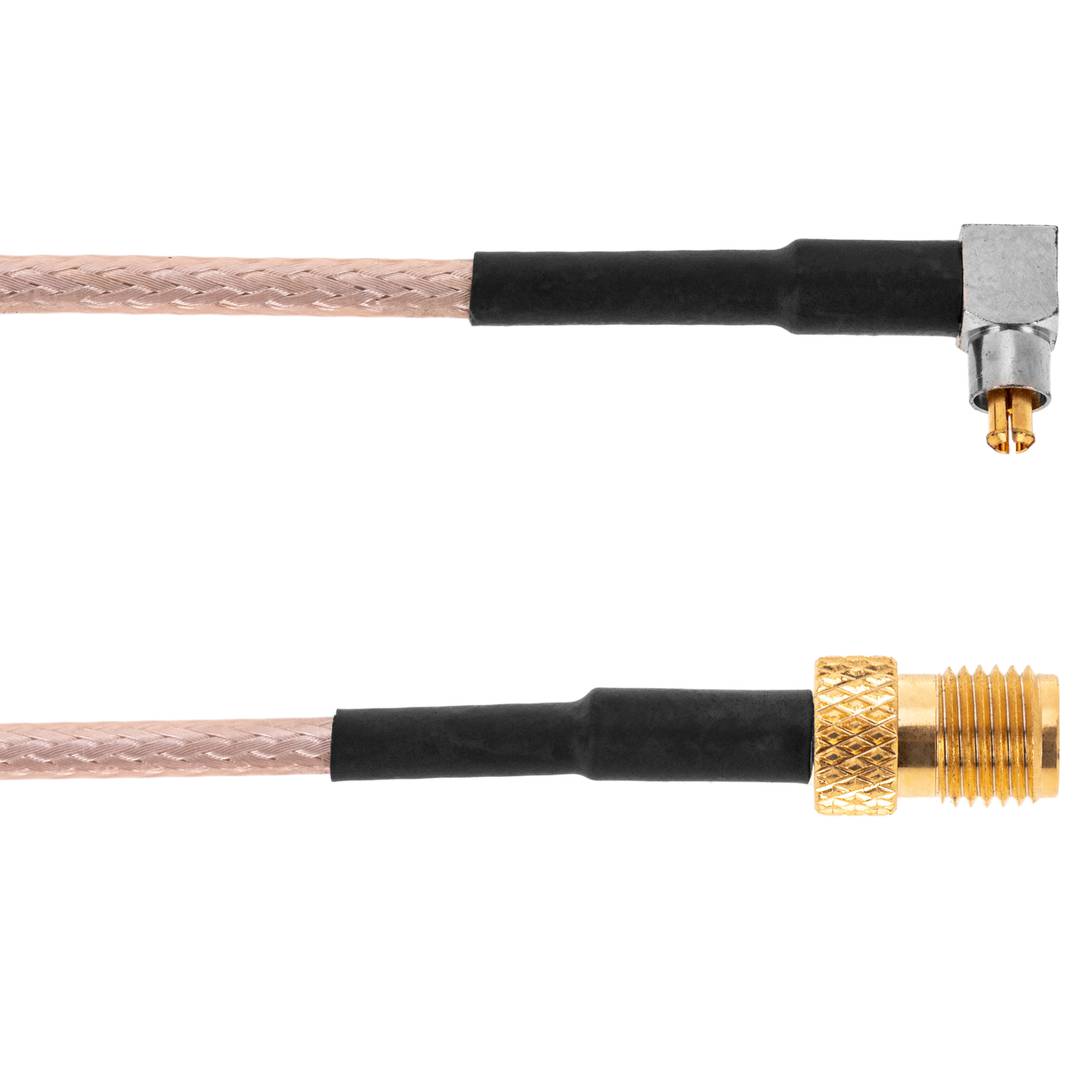
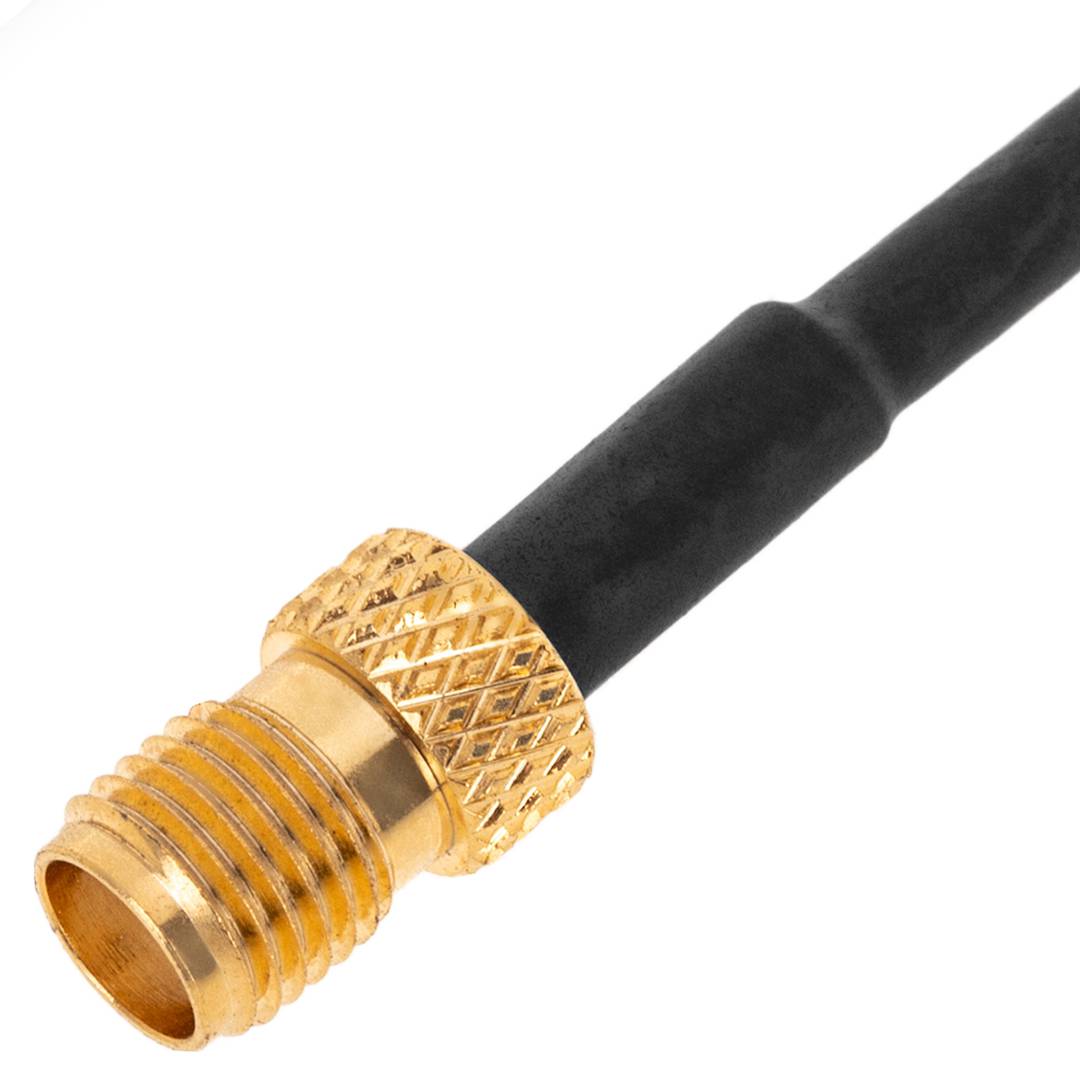
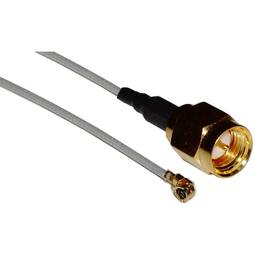
- 20cm cable based on coaxial connectors used in access points and 802.11 wireless adapters for connection to antennas and their wiring.
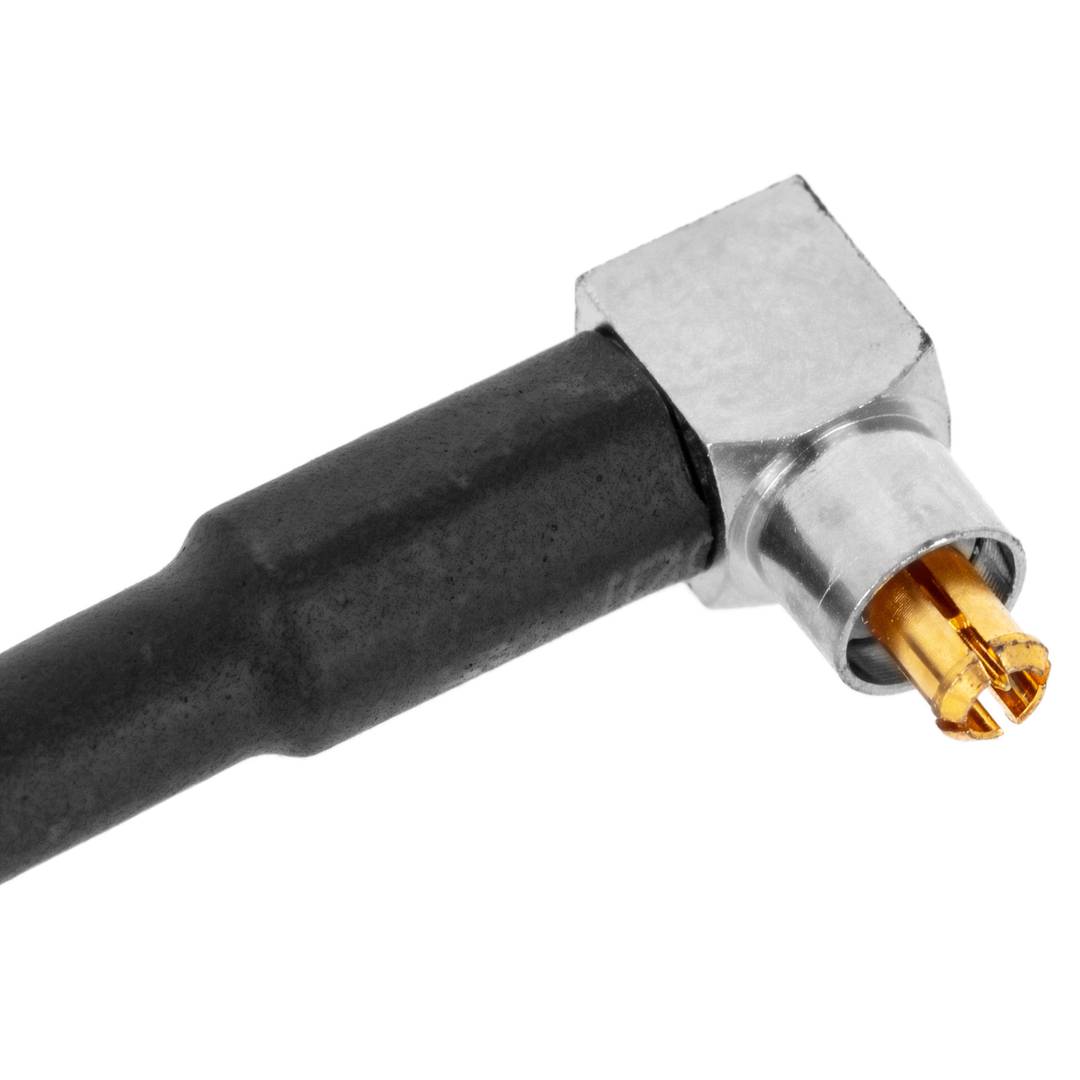
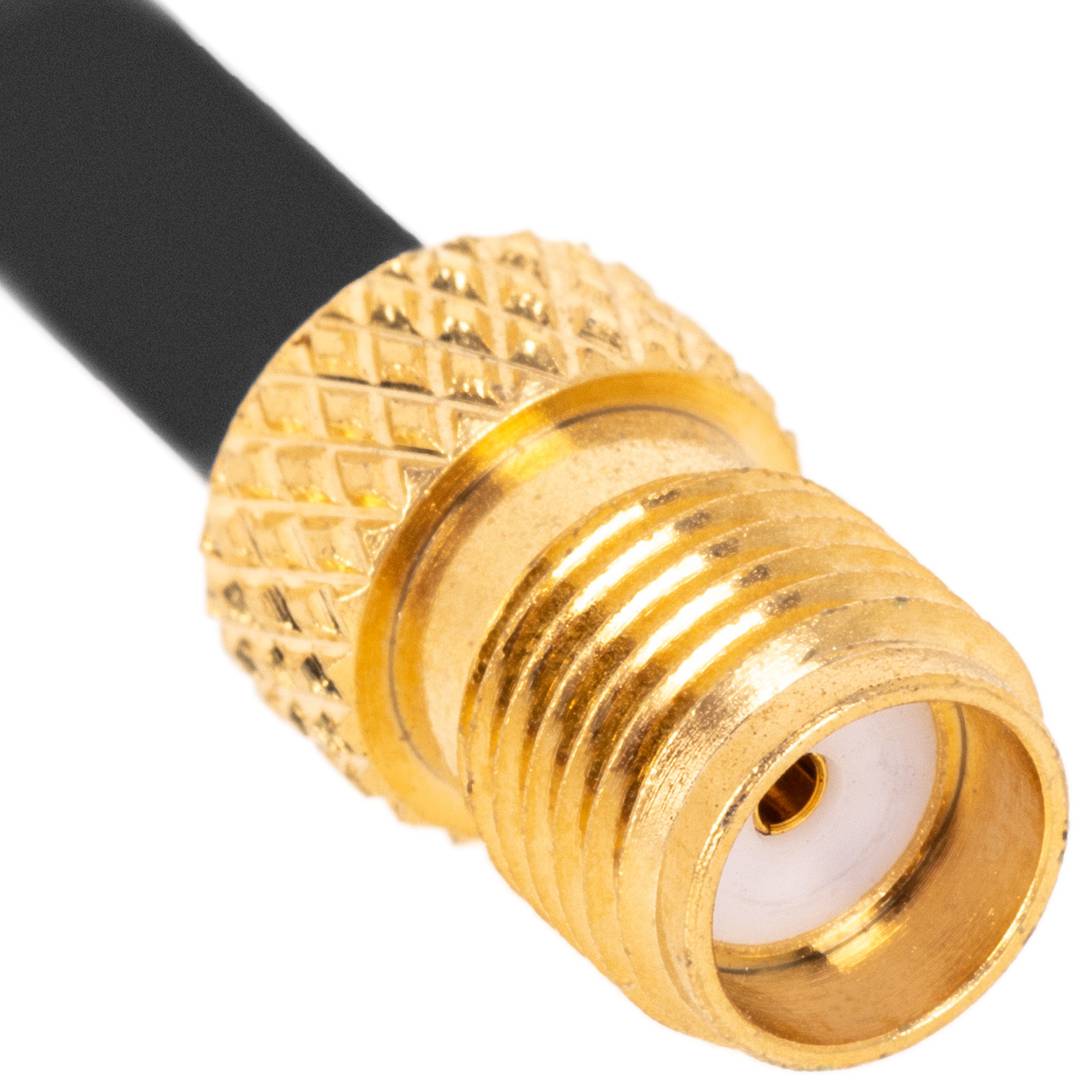
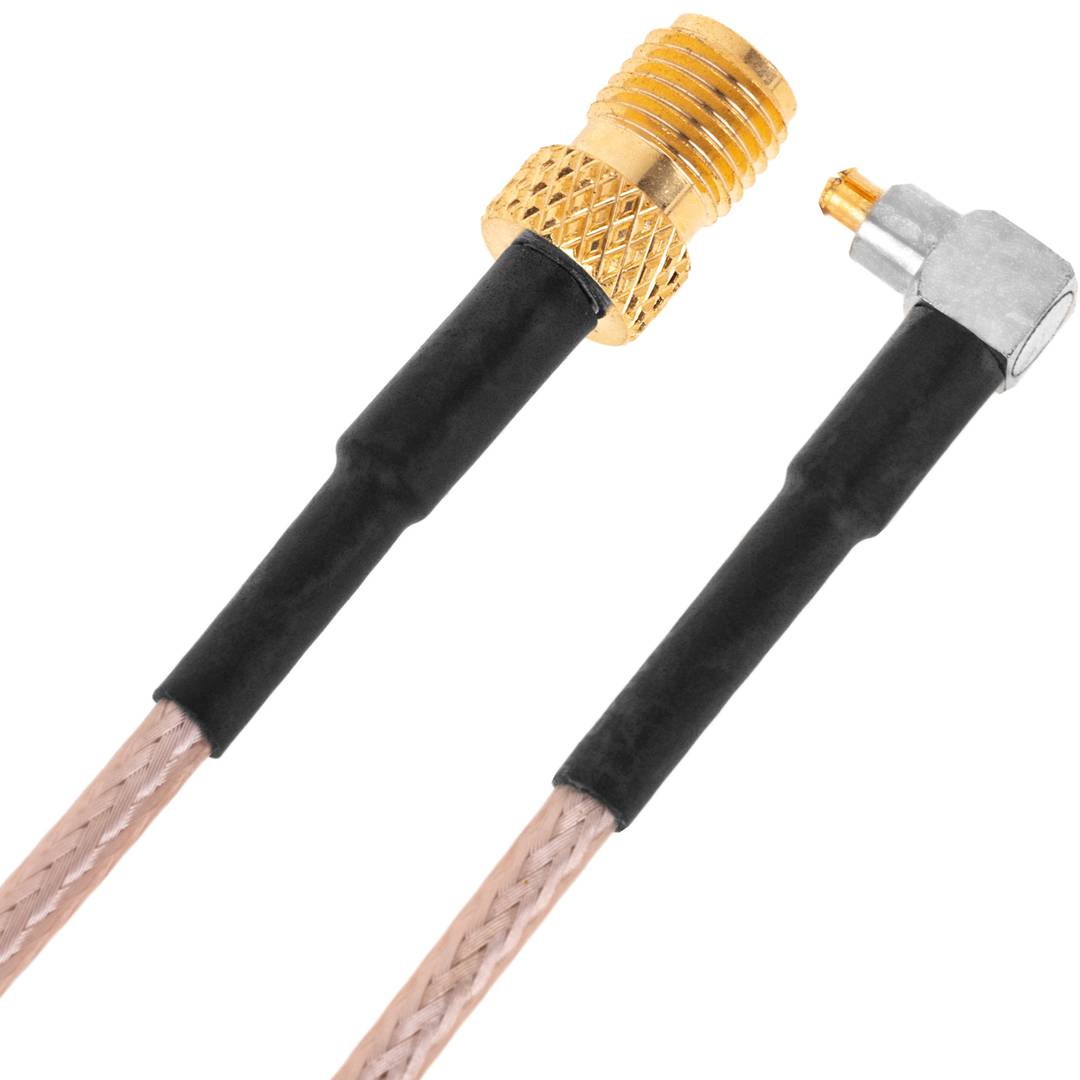
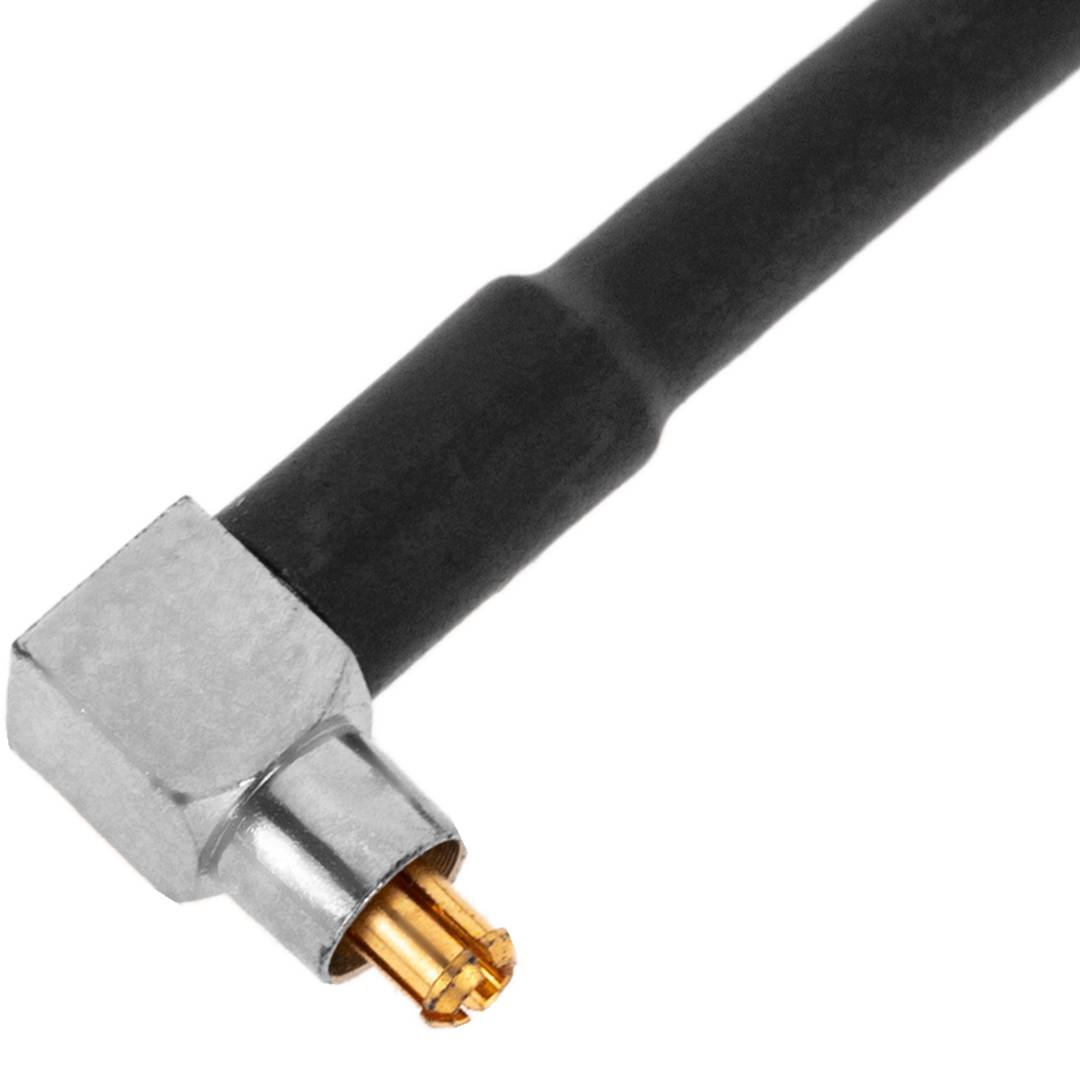
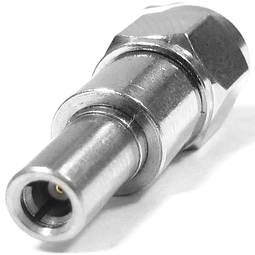
- Cable with Lucent MC-Male connector on one end and SMA-Female on the other end.
- Cable type RG-316 with loss of gain of 1.5 dBi/m, and therefore the loss in concrete for this length is 0.3 dBi.
![play_button]() Watch video
Watch video
More info
 Watch video
 2 years
warranty
 14 days
returns
- 20cm cable based on coaxial connectors used in access points and 802.11 wireless adapters for connection to antennas and their wiring.
- Cable with Lucent MC-Male connector on one end and SMA-Female on the other end.
- Cable type RG-316 with loss of gain of 1.5 dBi/m, and therefore the loss in concrete for this length is 0.3 dBi.
Related products
More info
20cm cable based on coaxial connectors used in access points and 802.11 wireless adapters for connection to antennas and their wiring. Cable with Lucent MC-Male connector on one end and SMA-Female on the other end. Cable type RG-316 with loss of gain of 1.5 dBi/m, and therefore the loss in concrete for this length is 0.3 dBi.
- Gross Weight: 10 g
- Product size (width x depth x height): 22.0 x 1.0 x 1.0 cm
- Number of packages: 1
Technical terms
- dBi
- Wifi
dBi (decibels relative to isotropic) is a logarithmic unit of measure that expresses the gain of an antenna compared to a theoretical isotropic antenna that radiates energy uniformly in all directions.
Imagine a light bulb that shines in all directions equally. If you put a reflector on it so the light concentrates in a single spot, that light will be much more intense there. The dBi measures how much extra "strength" the signal gains by focusing it in a specific direction instead of wasting it everywhere.
| Attribute | Specification |
|---|---|
| Reference | Isotropic radiator (0 dBi) |
| Scale Type | Logarithmic |
Directivity and Energy Focus
A higher dBi value does not mean the antenna produces more energy, but rather that it redirects existing energy more precisely, narrowing the beam angle to reach greater distances.
Advantages
- Increased range for wireless links.
- Reduction of side and rear interference.
- Better signal-to-noise ratio in the main direction.
A higher dBi value indicates a more directional and longer-range signal.