

https://cablematic.com/en/products/tp-link-archer-t2u-plus-ac600-usb-20-wireless-adapter-TP181/
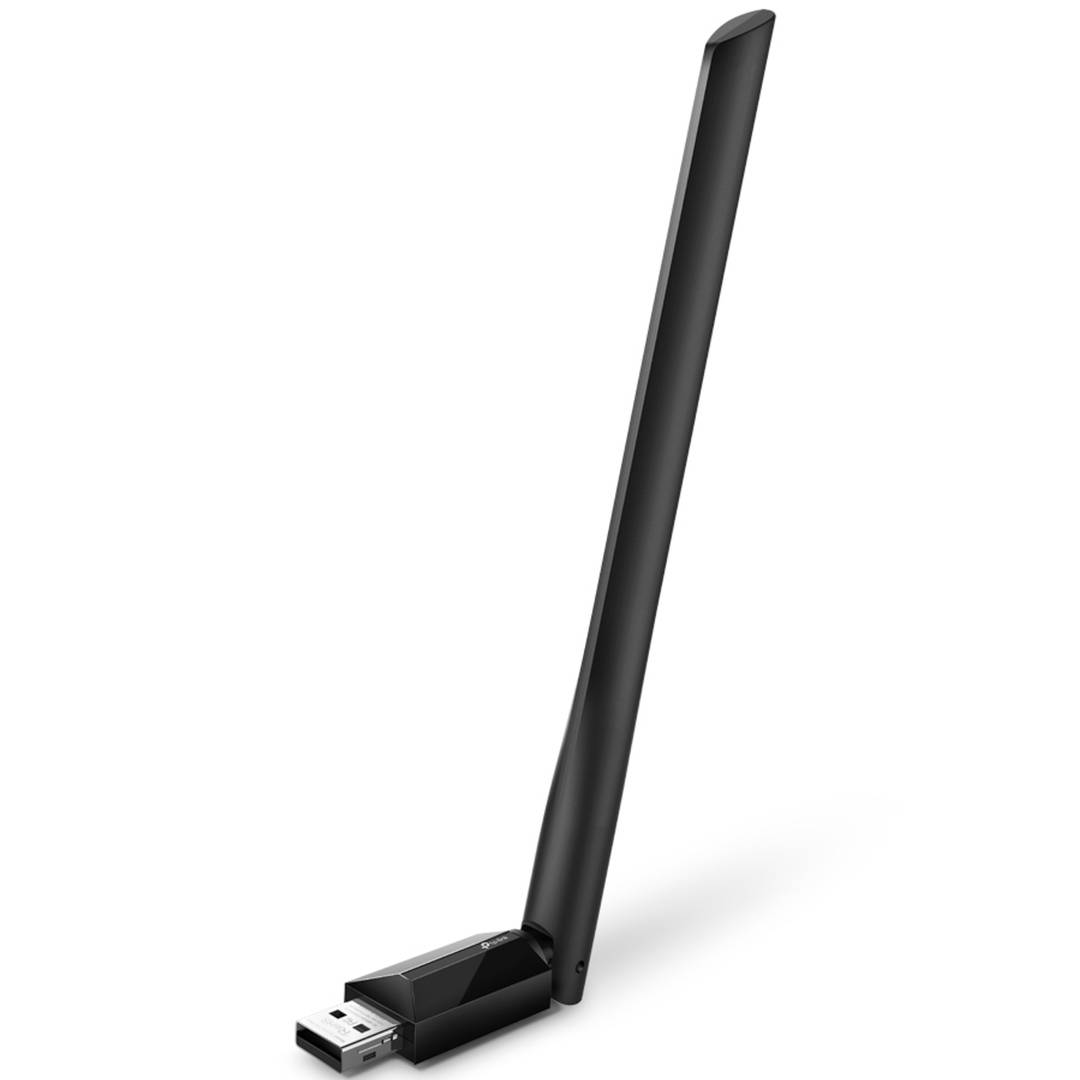



TP-Link Archer T2U Plus AC600 USB 2.0 Wireless Adapter

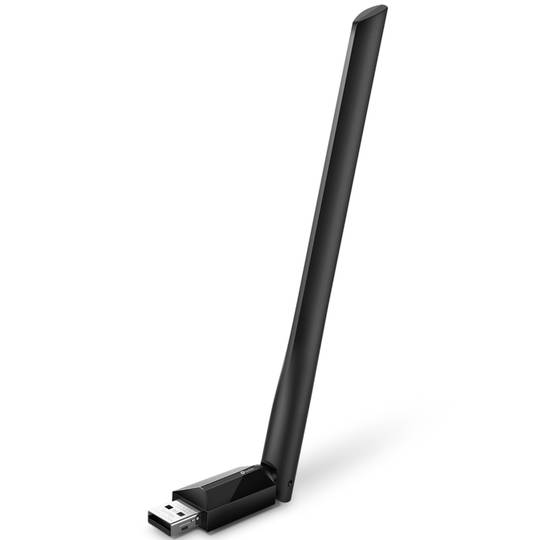

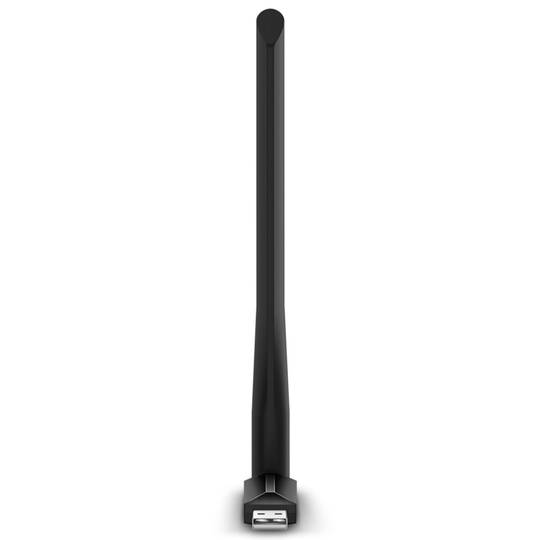
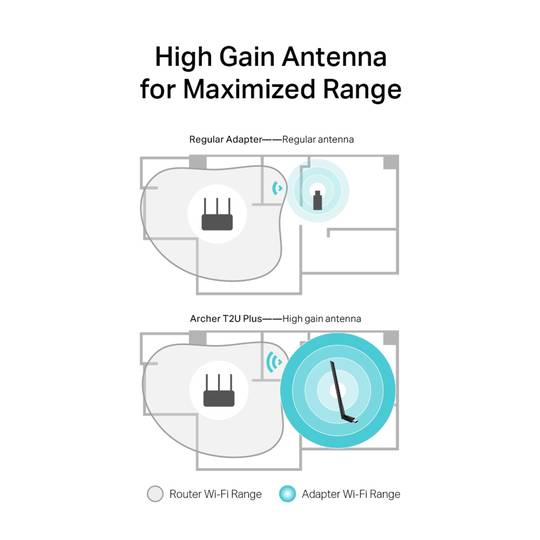
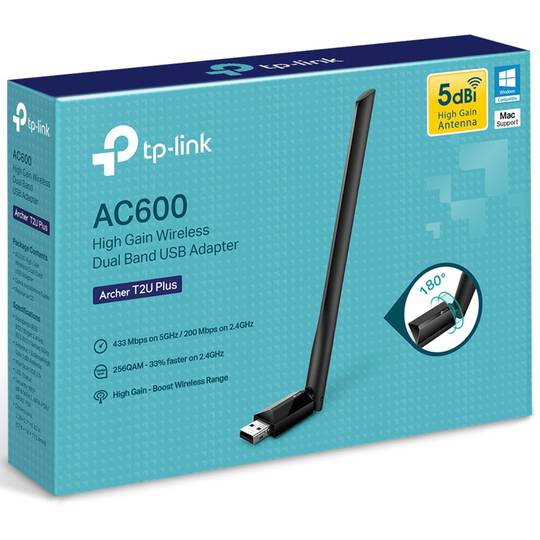
- USB 2.0 Wi-Fi adapter.
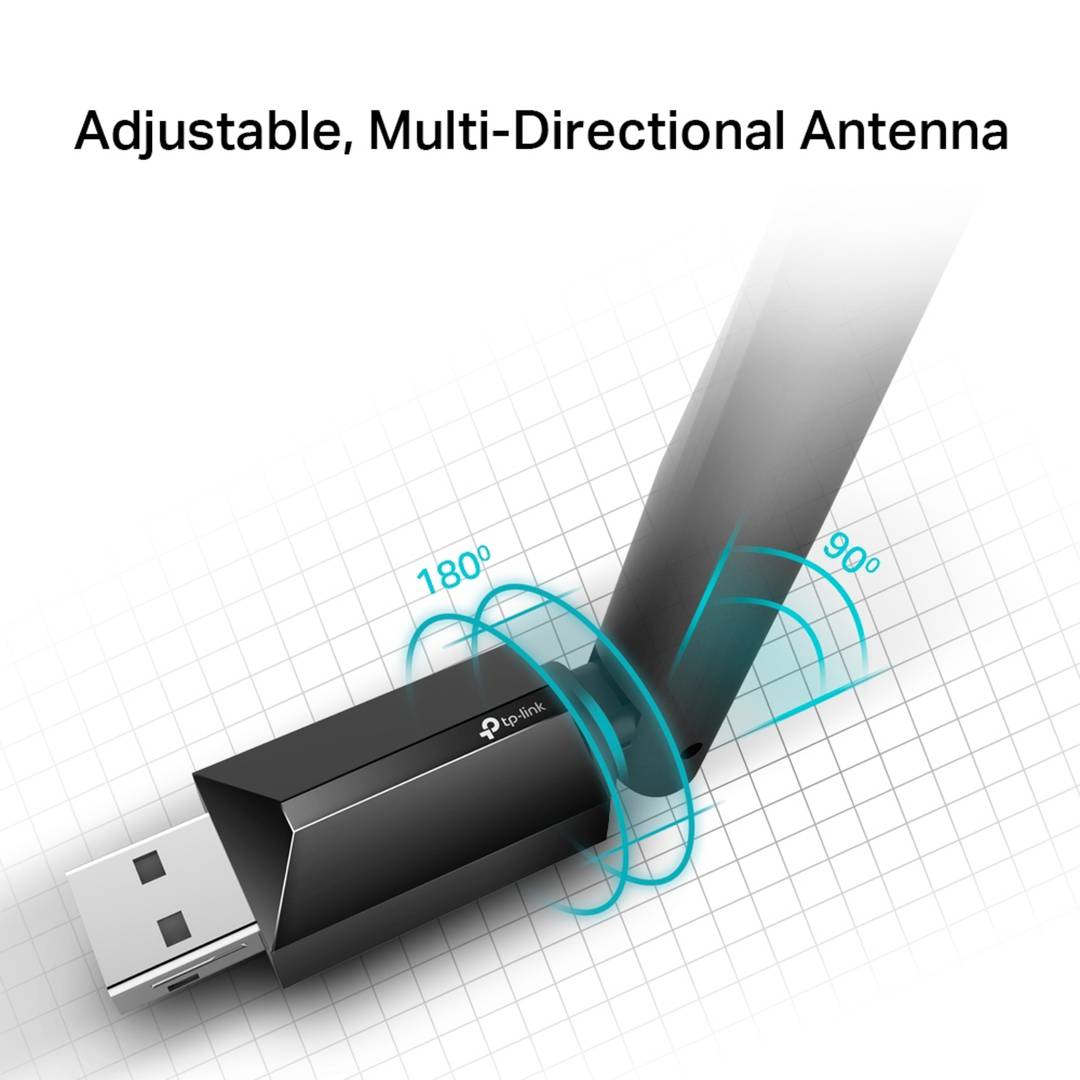
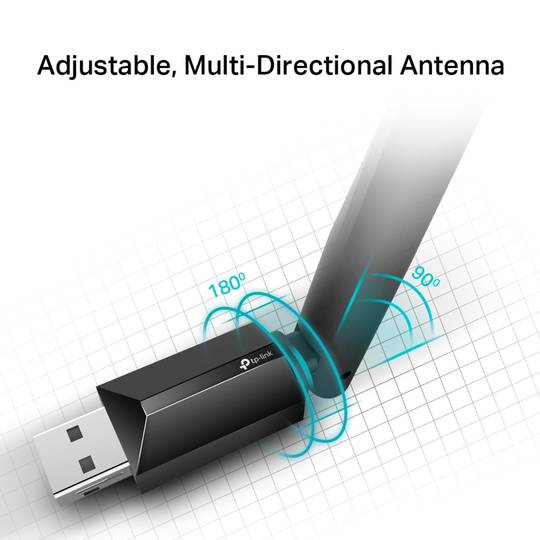
- 5 dBi adjustable dual band antenna.
- 1.0 meter USB cable.
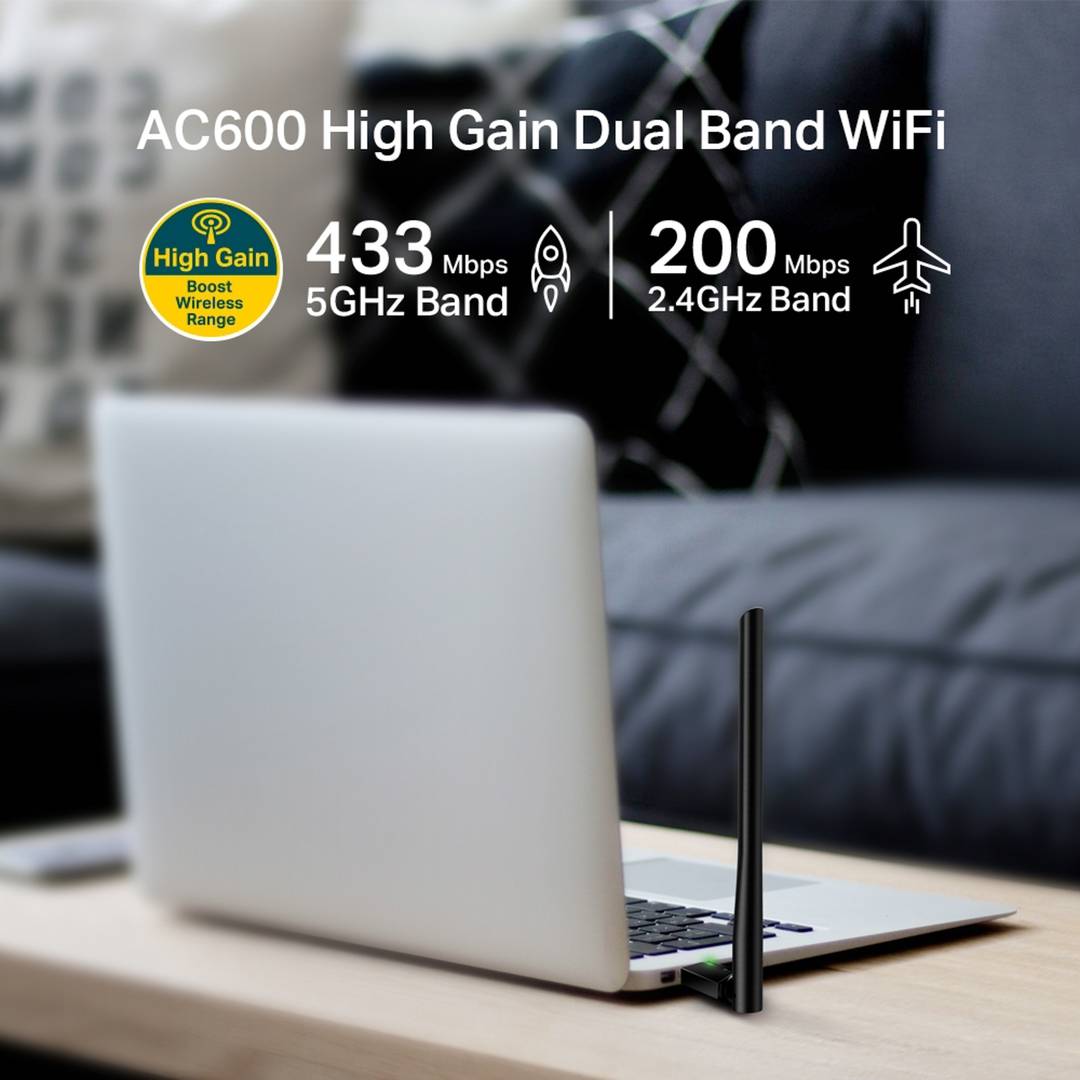
- High power gain and speed up to 600 Mbps.
- LED indicator of operating status.
![play_button]() Watch video
Watch video
More info
 Watch video
 2 years
warranty
 14 days
returns
 100%
100%safe
- USB 2.0 Wi-Fi adapter.
- 5 dBi adjustable dual band antenna.
- 1.0 meter USB cable.
- High power gain and speed up to 600 Mbps.
- LED indicator of operating status.
Related products

More info
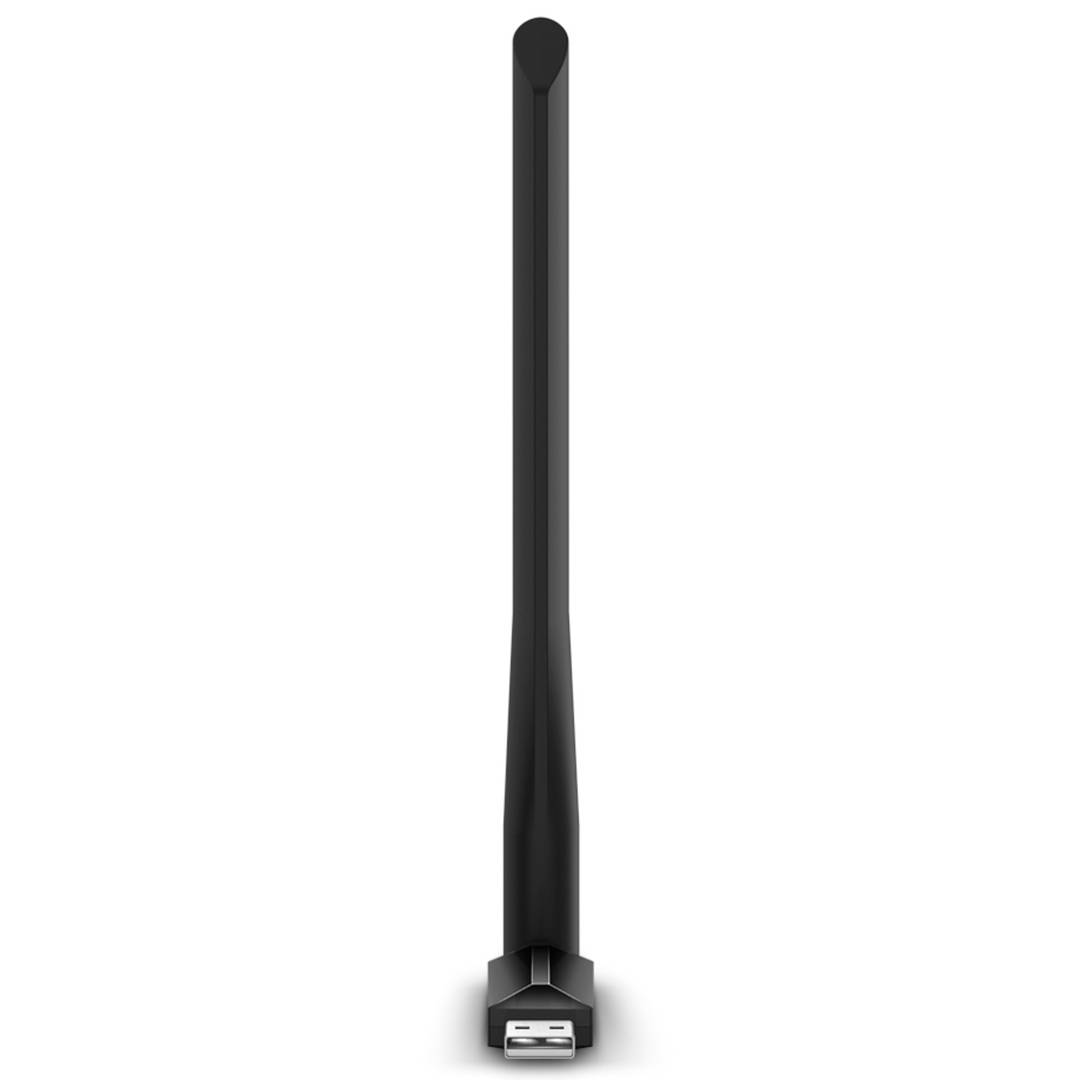
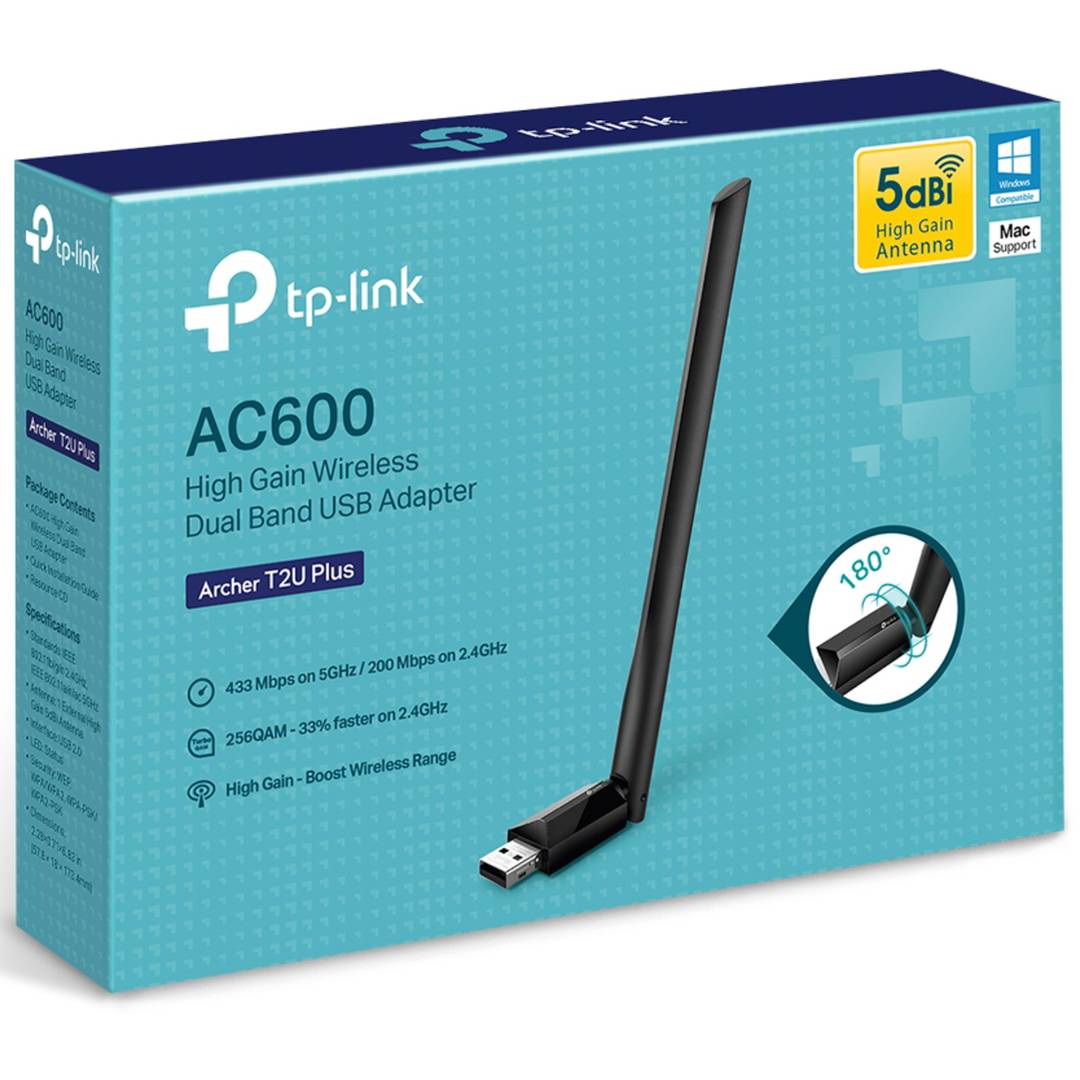
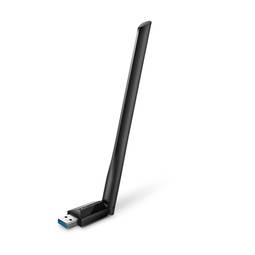
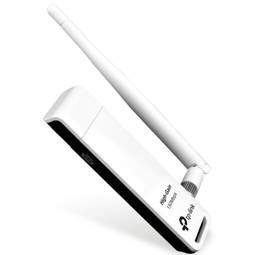
Archer T2U Plus USB 2.0 wireless adapter from the prestigious brand TP-Link. It is a high-gain USB adapter with dual adjustable antenna. Wi-Fi High speed: 200 Mbps in the 2.4Ghz band, and 433 Mbps in the 5GHz band.
Specifications
- USB 2.0 Wi-Fi adapter.
- 5 dBi adjustable dual band antenna.
- 1.0 meter USB cable.
- High power gain and speed up to 600 Mbps.
- LED indicator of operating status.
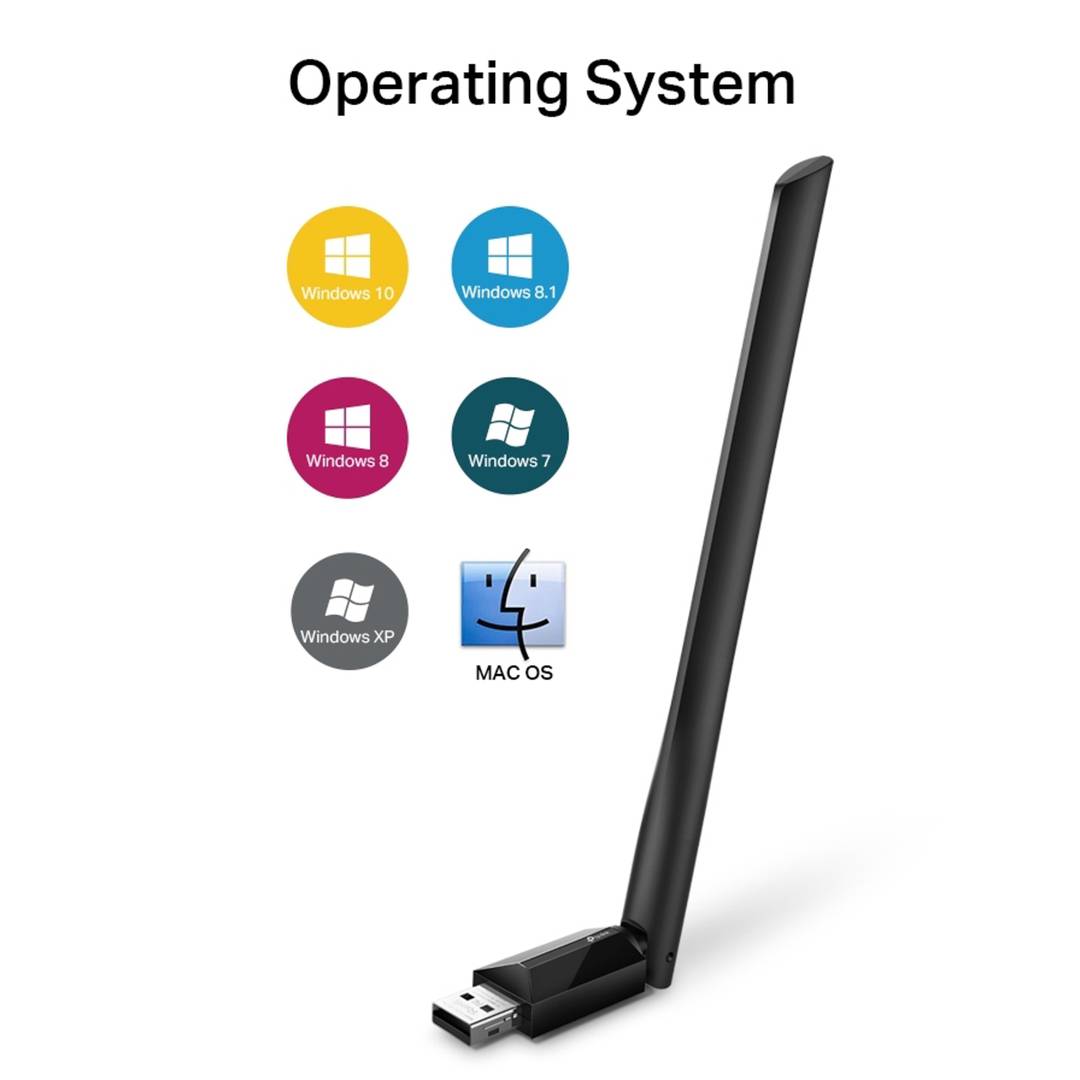
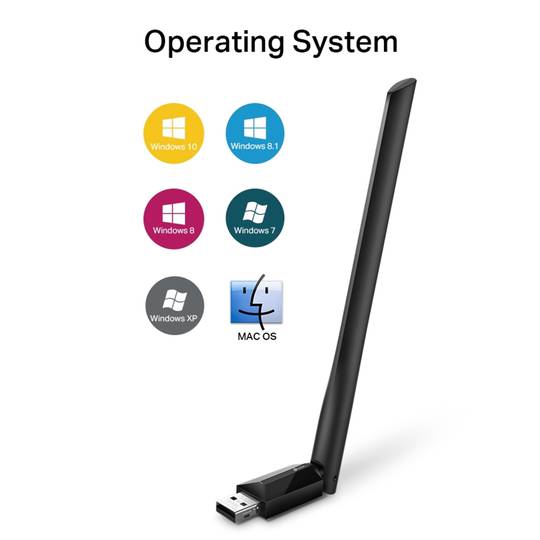
- Includes software with drivers for most operating systems on the market.
- Gross Weight: 200 g
- Product size (width x depth x height): 5.8 x 1.8 x 17.3 cm
- Number of packages: 1
- Packages size: 20.5 x 15.0 x 4.0 cm
Technical terms
- dBi
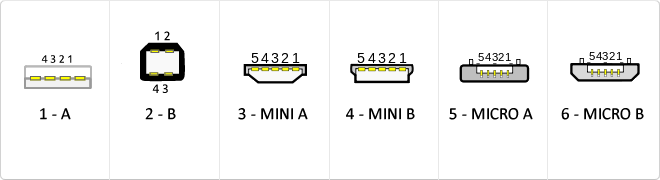
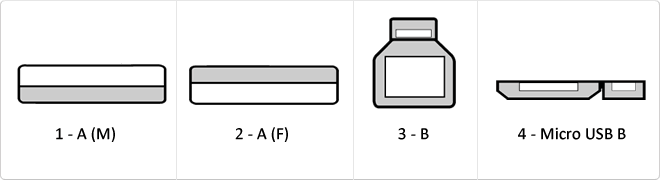
- USB
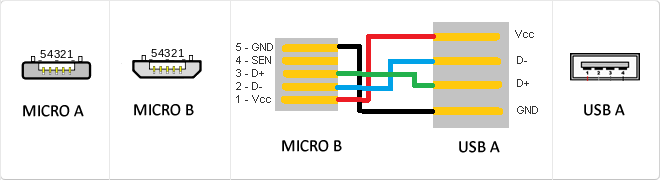
- MicroUSB
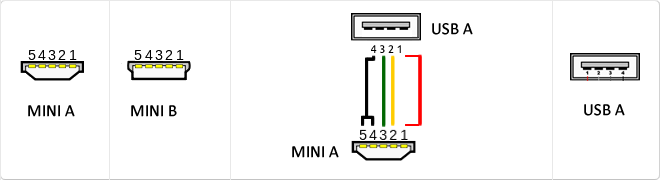
- Mini USB
- USB 3.0
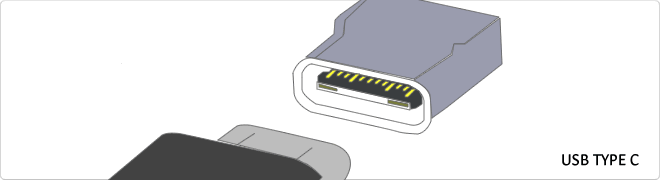
- Reversible USB Type-C
dBi (decibels relative to isotropic) is a logarithmic unit of measure that expresses the gain of an antenna compared to a theoretical isotropic antenna that radiates energy uniformly in all directions.
Imagine a light bulb that shines in all directions equally. If you put a reflector on it so the light concentrates in a single spot, that light will be much more intense there. The dBi measures how much extra "strength" the signal gains by focusing it in a specific direction instead of wasting it everywhere.
| Attribute | Specification |
|---|---|
| Reference | Isotropic radiator (0 dBi) |
| Scale Type | Logarithmic |
Directivity and Energy Focus
A higher dBi value does not mean the antenna produces more energy, but rather that it redirects existing energy more precisely, narrowing the beam angle to reach greater distances.
Advantages
- Increased range for wireless links.
- Reduction of side and rear interference.
- Better signal-to-noise ratio in the main direction.
A higher dBi value indicates a more directional and longer-range signal.