

10/16/2026 9:54 a.m.
https://cablematic.com/en/products/tp-link-tl-sg116e-16-port-gigabit-switch-TP537/
https://cablematic.com/en/products/tp-link-tl-sg116e-16-port-gigabit-switch-TP537/
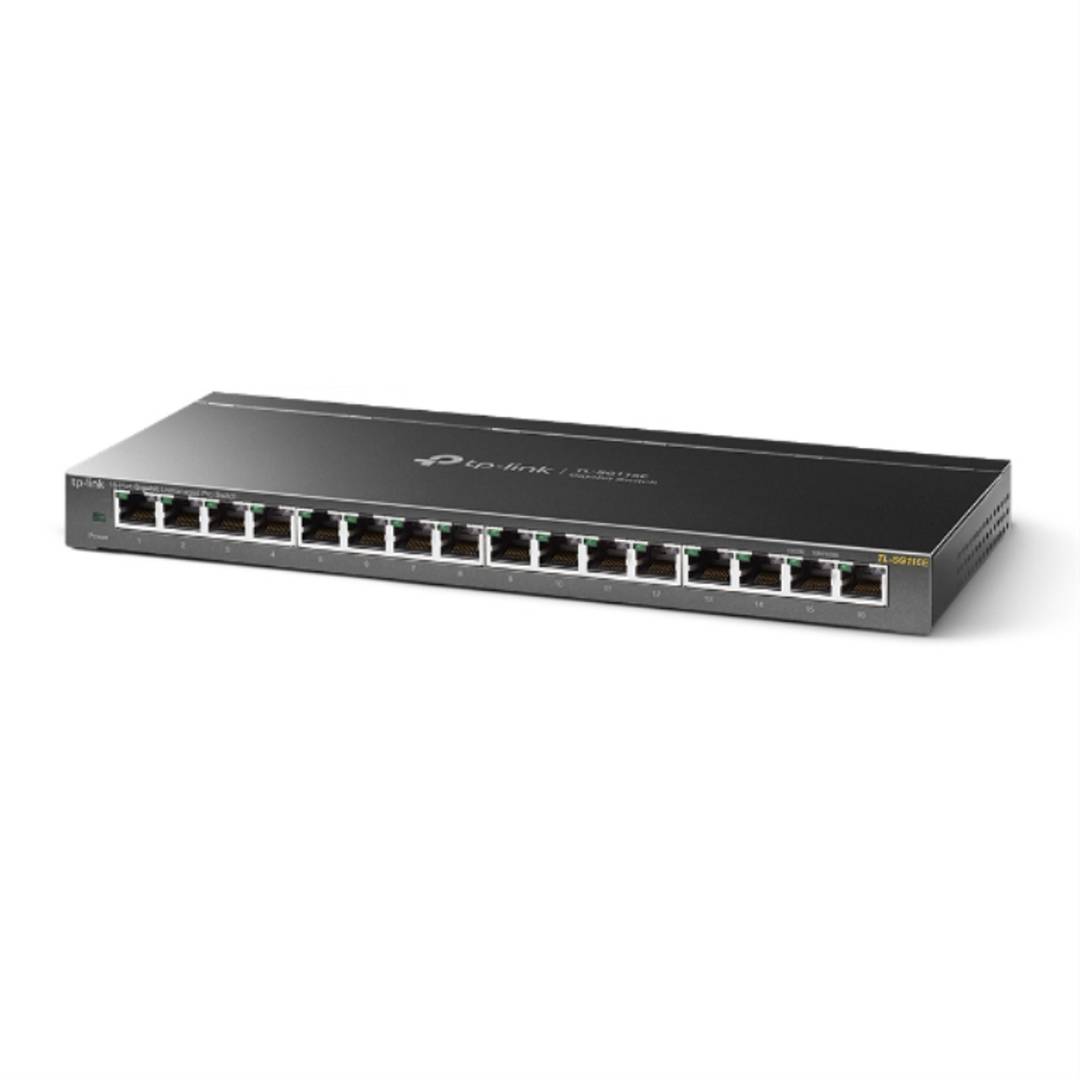

TP-LINK TL-SG116E 16-port gigabit switch
TP-LINK TL-SG116E 16-port gigabit switch
REF: TP537

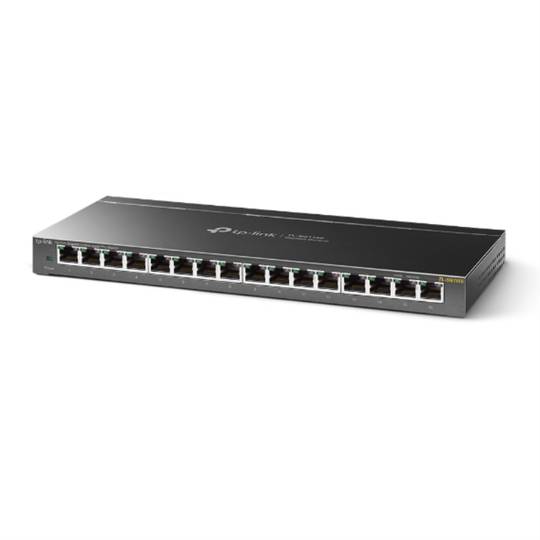
Specifications
- Switch Type: Unmanaged, Switch Layer: L2.
- Basic type RJ-45 Ethernet switching ports: Gigabit Ethernet (10/100/1000).
- Full bidirectional (Full duplex).
- MAC address table: 8000 entries.
- Switching capacity: 32 Gbit/s.
PVP
€94.64
Price including VAT:
€94.64
PVD
€76.82
PVP: Retail price.
Check conditions.
PVP: Sale price to distributors.
Check conditions.
 2 years
warranty
 14 days
returns
 100%
100%safe
Specifications
- Switch Type: Unmanaged, Switch Layer: L2.
- Basic type RJ-45 Ethernet switching ports: Gigabit Ethernet (10/100/1000).
- Full bidirectional (Full duplex).
- MAC address table: 8000 entries.
- Switching capacity: 32 Gbit/s.
Related products
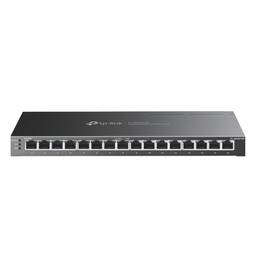
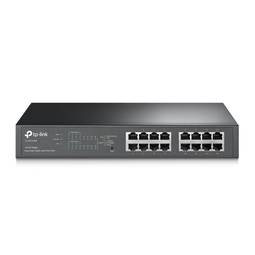
More info
L2 layer unmanaged switch. It is equipped with 16 Gigabit Ethernet (10/100/1000) RJ-45 switching ports at full duplex speeds. It has a MAC address table of 8,000 entries and a switching capacity of 32 Gbit/s. Supported network standards: IEEE 802.1Q, IEEE 802.1p, IEEE 802.3, IEEE 802.3ab, IEEE 802.3u. Manufactured by Tp-link with reference TL-SG116E.
Specifications
- Switch Type: Unmanaged, Switch Layer: L2.
- Basic type RJ-45 Ethernet switching ports: Gigabit Ethernet (10/100/1000).
- Full bidirectional (Full duplex).
- MAC address table: 8000 entries.
- Switching capacity: 32 Gbit/s.
- Network standards: IEEE 802.1Q, IEEE 802.1p, IEEE 802.3, IEEE 802.3ab, IEEE 802.3u.
- Ideal for local area networks, high-speed connections, data traffic switching.
- Colour: Black.
- Technology: Packet switching, IEEE 802.3x flow control, Back pressure flow control, Auto MDI/MDIX.
- Gross Weight: 1.0 kg
- Number of packages: 1
Technical terms
- MDIX
- Gbps
- RJ45
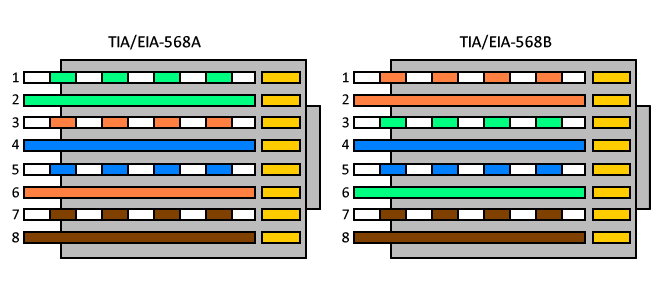
- Categories network cables
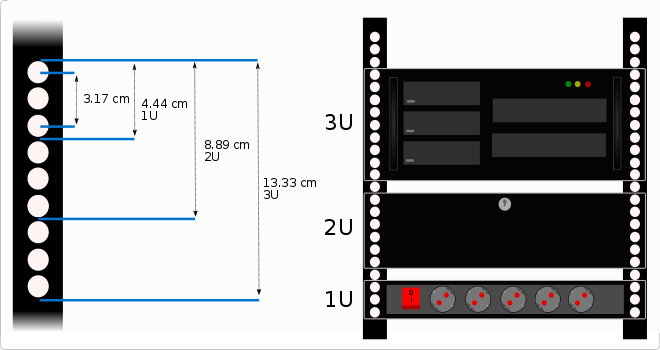
- Rack unit (U)
MDIX
MDI port on a hub or media converter that implements an internal filter function. This means that an "integrated" device cable connection can be used to connect a station to this port, since the crosstalk must be made within the port, rather than on the cable.