

10/13/2026 11:02 p.m.
https://cablematic.com/en/products/wireless-receiver-module-z-wave-3000w-230vac-1-relay-WZ041/
https://cablematic.com/en/products/wireless-receiver-module-z-wave-3000w-230vac-1-relay-WZ041/
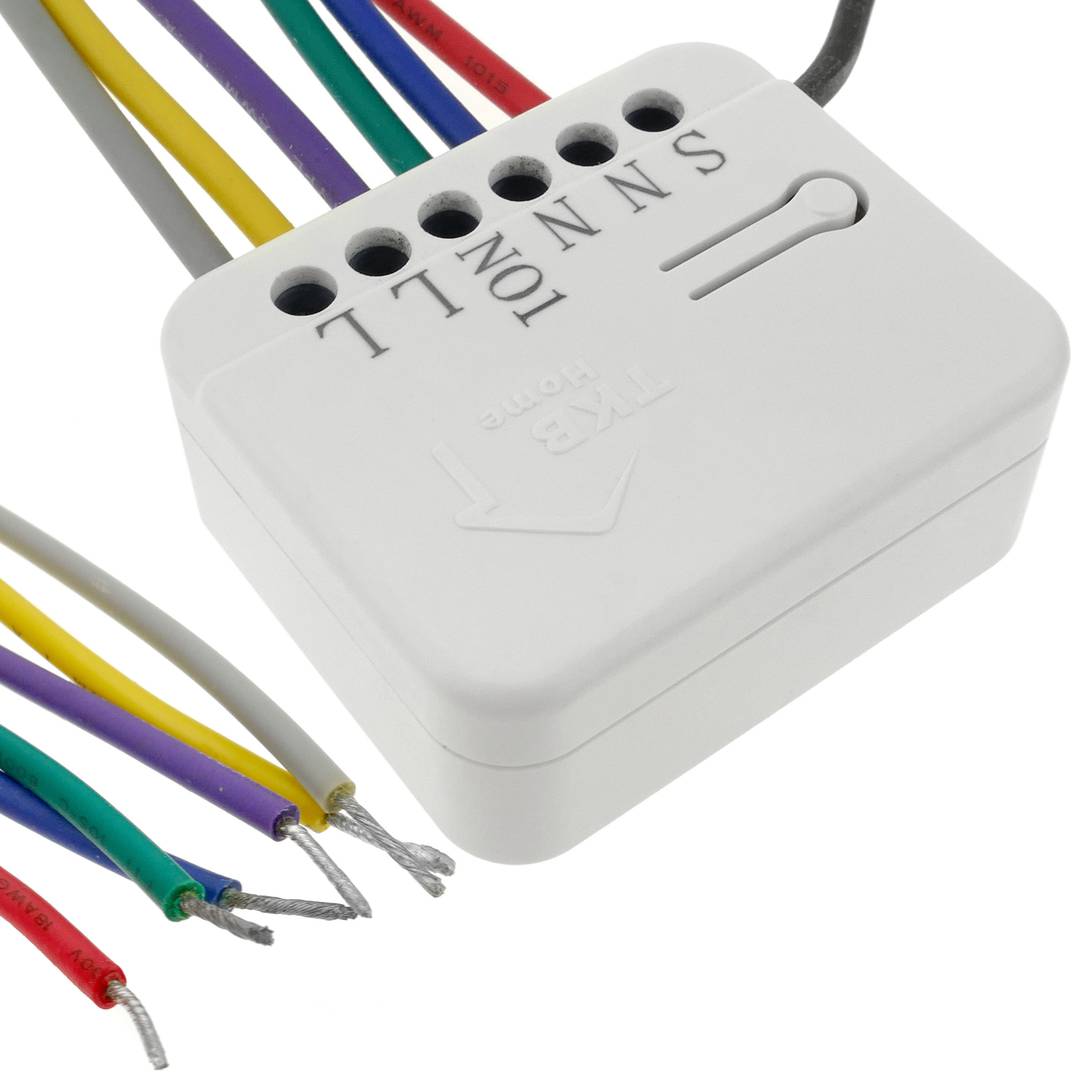
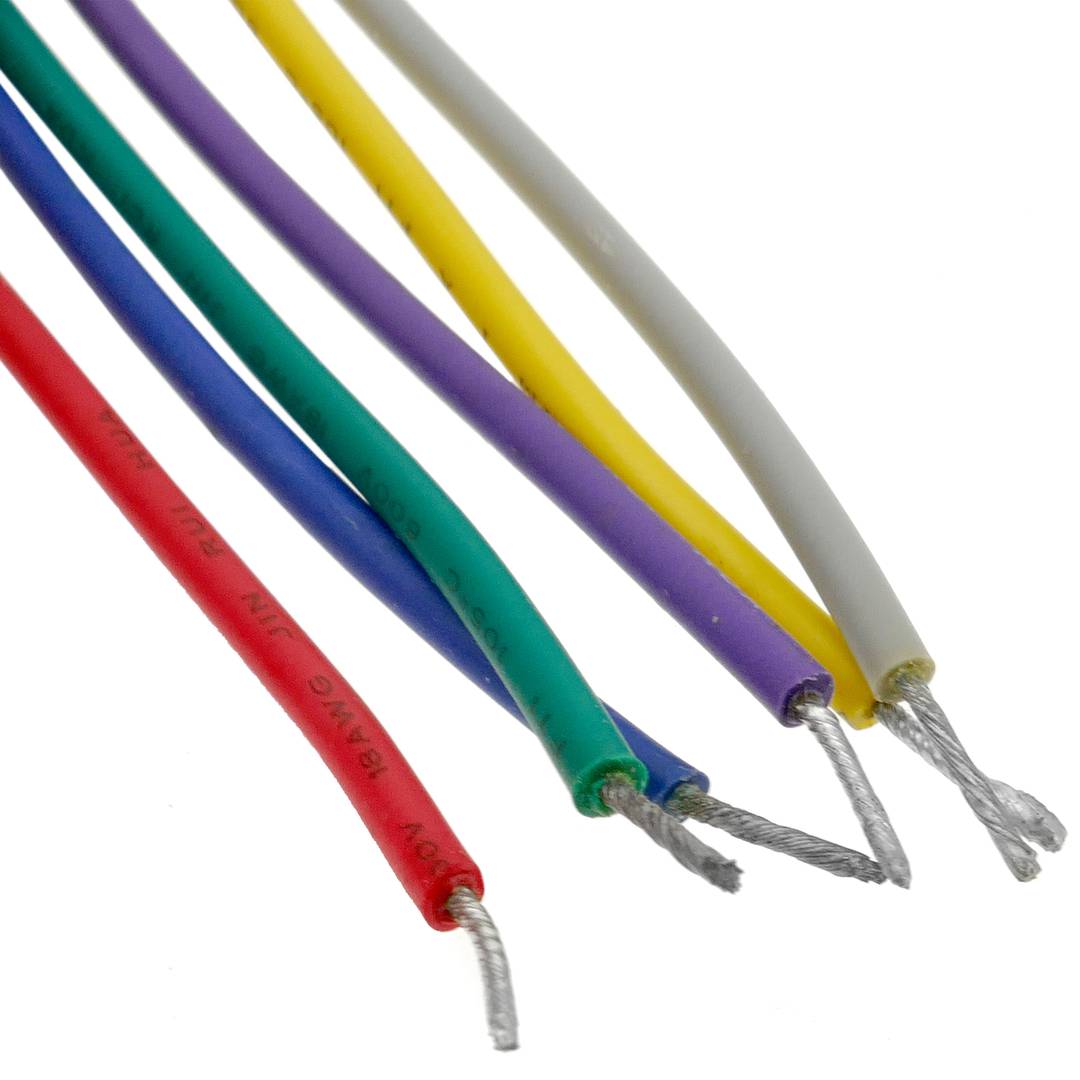
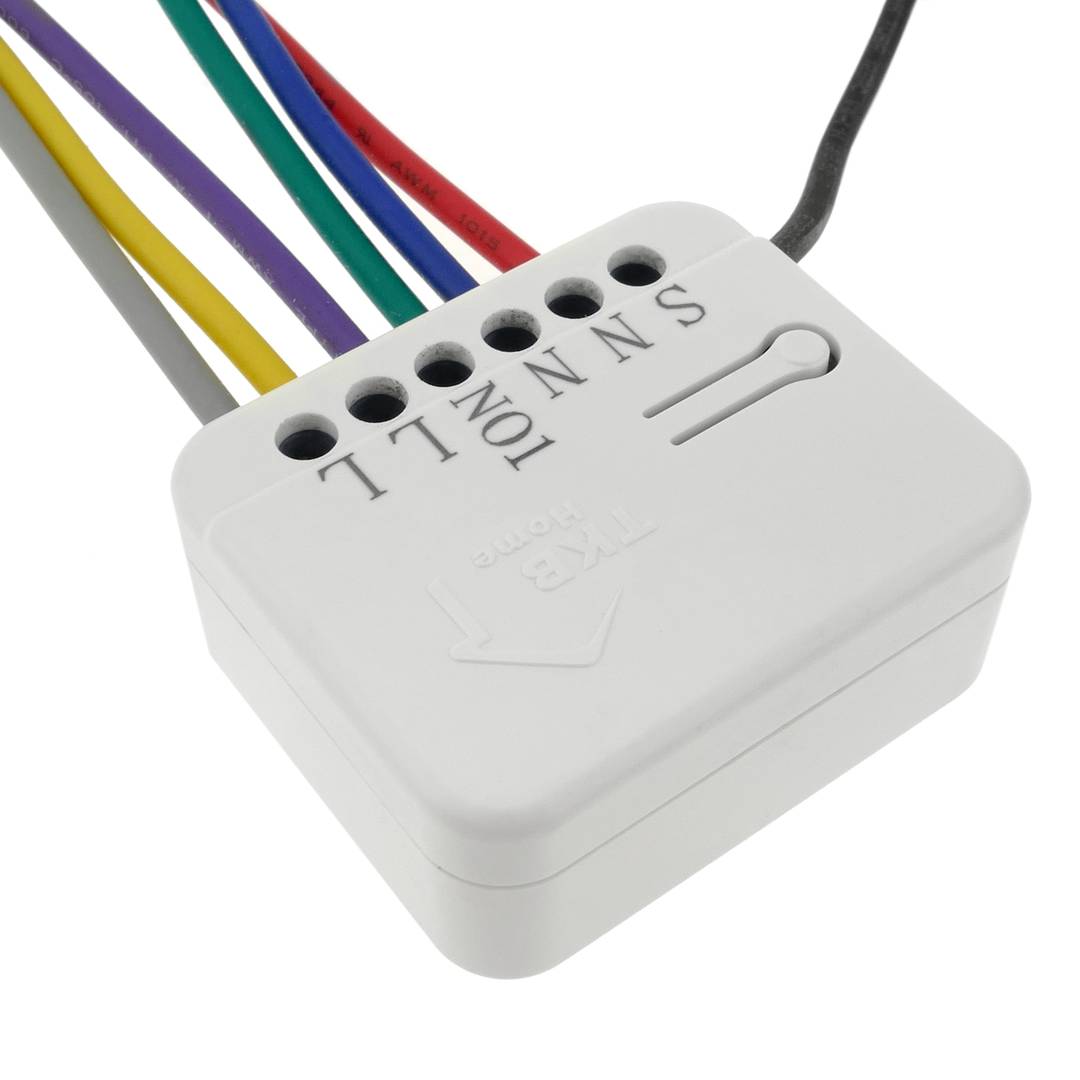
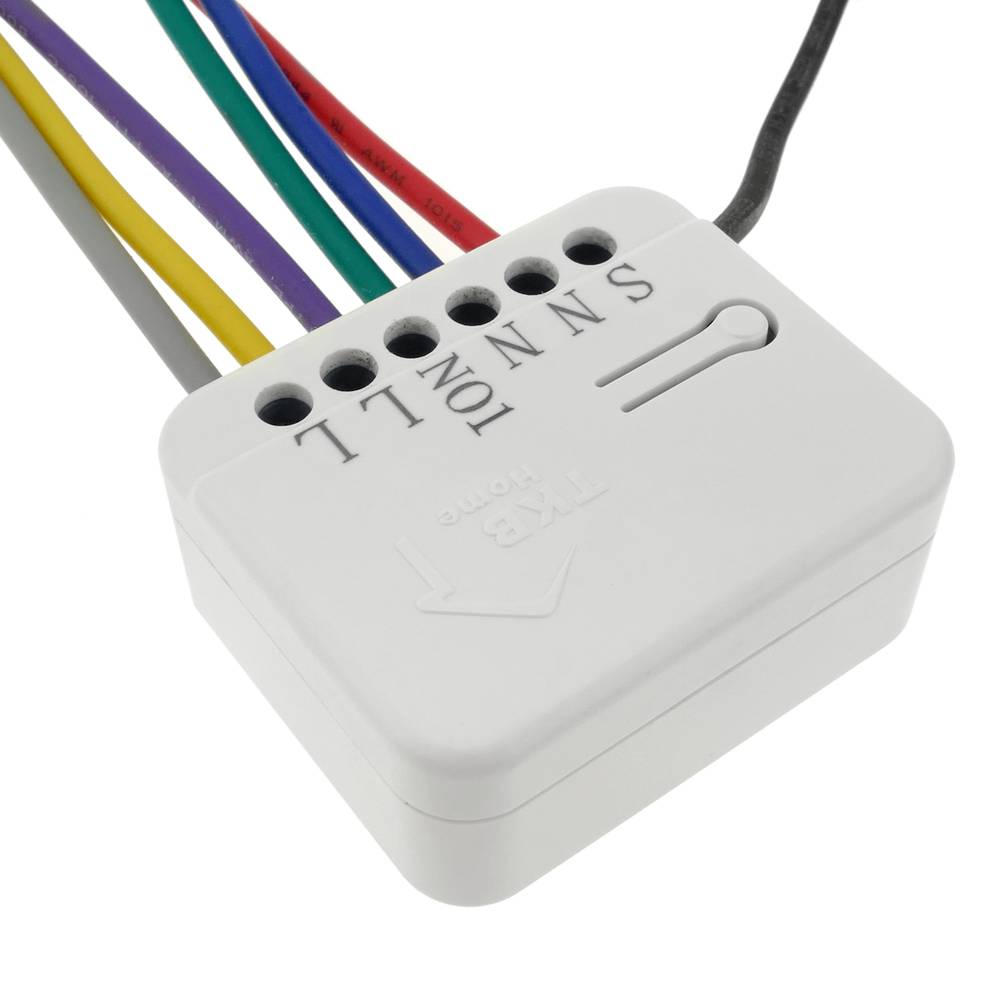
Wireless receiver module Z-Wave 3000W 230VAC 1-relay


Wireless receiver module Z-Wave 3000W 230VAC 1-relay
REF: WZ041

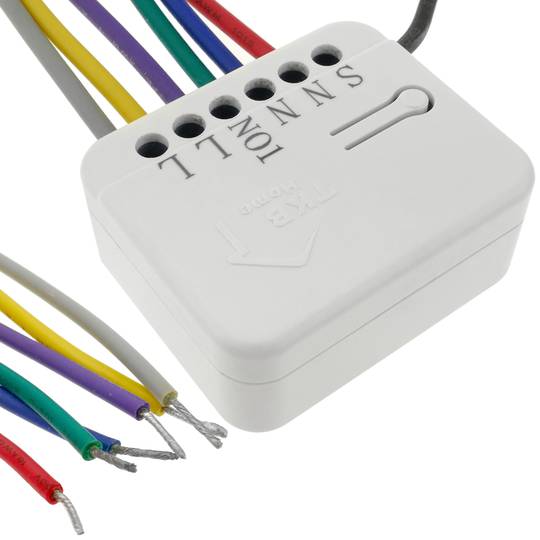
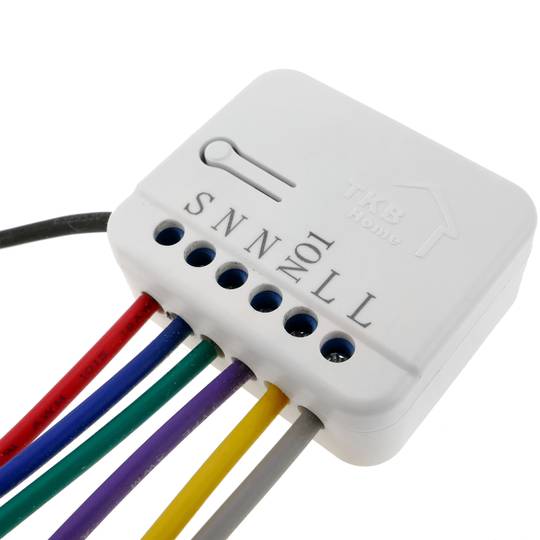

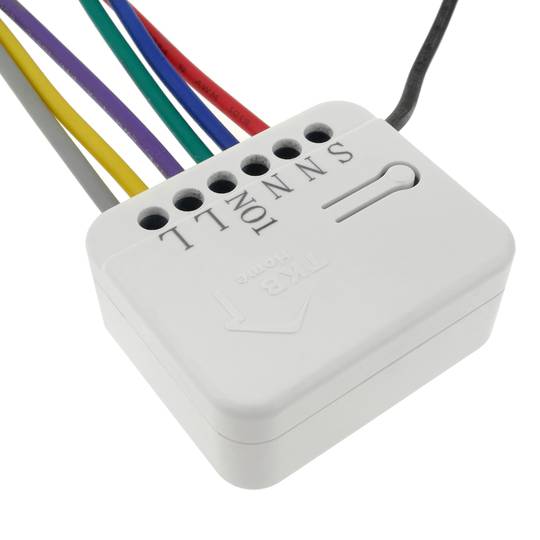

OUTLET
Specifications
- Z-Wave receiver that controls a relay, which allows lamp controlras and devices.
- Maximum power: 3000W.
- Voltage: 230VAC/50Hz.
- Control of a device.
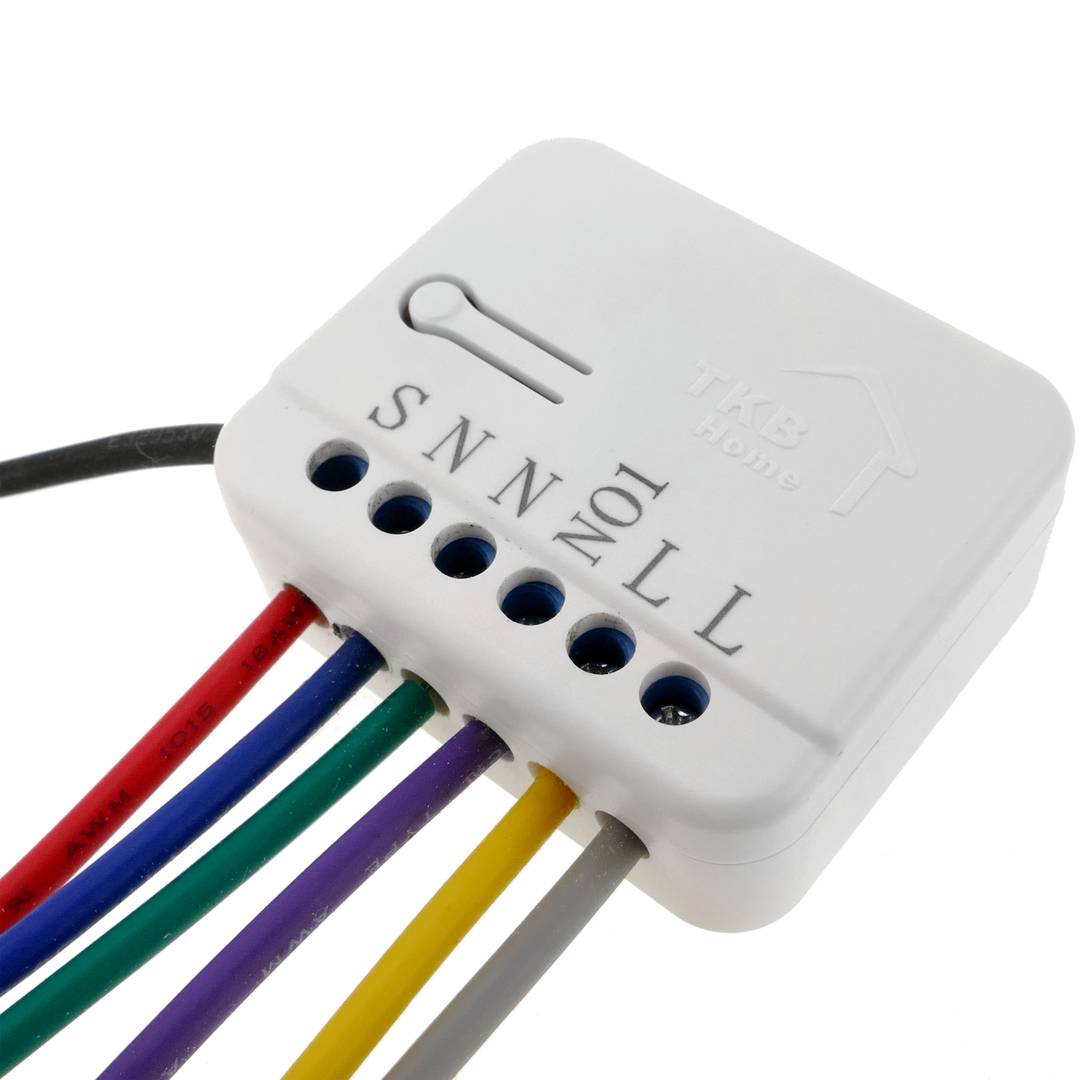
- Connections: S, N, N, NO1, L, L.
![play_button]() Watch video
Watch video
More info
 Watch video
PVP
€59.51
€16.66
Price including VAT:
€16.66
PVD
€50.95
€14.27
PVP: Retail price.
Check conditions.
PVP: Sale price to distributors.
Check conditions.
 2 years
warranty
 14 days
returns
OUTLET
We will notify you when it is back in stock.
Specifications
- Z-Wave receiver that controls a relay, which allows lamp controlras and devices.
- Maximum power: 3000W.
- Voltage: 230VAC/50Hz.
- Control of a device.
- Connections: S, N, N, NO1, L, L.
More info
Relay receiver module based on Z-Wave wireless technology. The Z-Wave protocol allows radio-frequency wireless communication. Protocol designed for control, monitoring and home automation. Z-Wave is compatible with devices from different manufacturers that use the same protocol.
Specifications Z-Wave module
- Z-Wave receiver that controls a relay, which allows lamp controlras and devices.
- Maximum power: 3000W.
- Voltage: 230VAC/50Hz.
- Control of a device.
- Connections: S, N, N, NO1, L, L.
- Operating range of 30m distance between the nearest Z-Wave device.
- Size: 42 x 35 x 18 mm.
Z-Wave Specifications
- Low consumption RF communication.
- Wireless network type mesh all the same, without needad of coordination nodes.
- Operating in the sub-1GHz band. It has no interference with other technologies in the 2.4 GHz range (bluetooth, ZibBee, etc.).
- Operating frequency: 868.42 MHz.
- Designed to be controlled from mobile devices (tablets, mobile phones, etc.).
- Data transmission up to 100 Kbps with AES125 encryption, IPV6, and multi-channel operation.
- Specificationis MAC and PHY (ITU-T G.9959 standard).
- Compatible between different versions of Z-Wave.
- Gross Weight: 60 g
- Number of packages: 1
Technical terms
- Bluetooth
- Hz
- Z-wave
- RF or Radio Frequency
Bluetooth
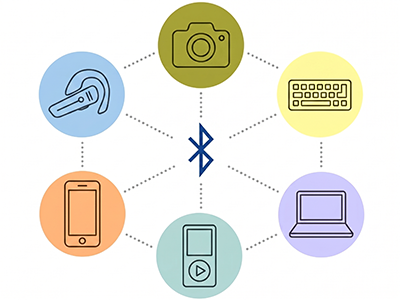
Bluetooth is a short-range wireless communication technology standard used for exchanging data and voice between digital devices using UHF radio waves in the 2.4 GHz band.
| Feature | Specification |
|---|---|
| Frequency | 2.402 - 2.480 GHz |
Technical Detail
Managed by the SIG, it uses Adaptive Frequency Hopping (AFH) to reduce interference. It distinguishes between Bluetooth Classic for streaming and BLE for low-power IoT applications.
Advantages
- Minimal power consumption.
- Global hardware compatibility.
- Robust encrypted security.
Note: Effective range varies by device class, typically between 1 and 100 meters.