

https://cablematic.com/en/products/anemometer-and-barometer-hygrometer-thermometer-model-tm-404-TM044/
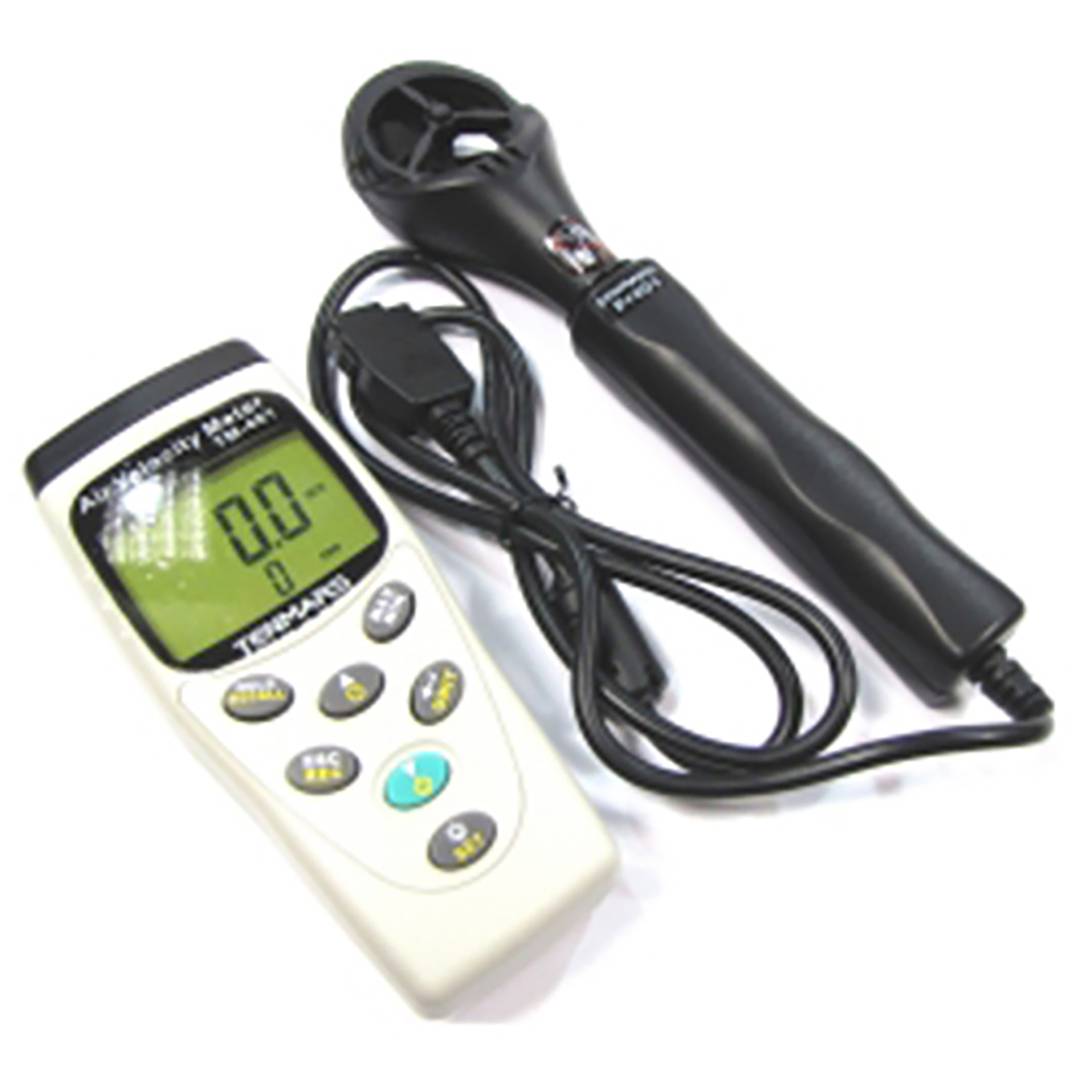
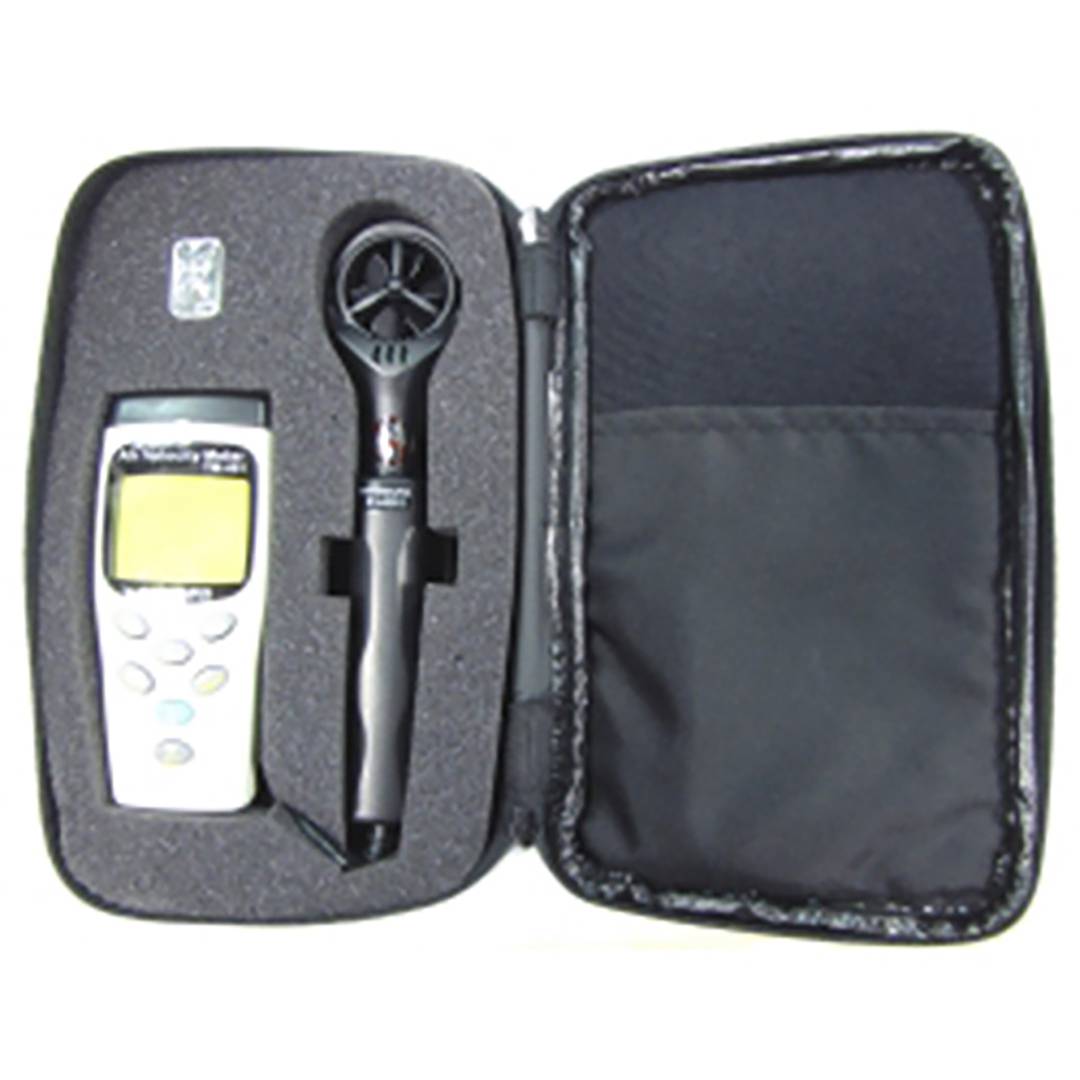
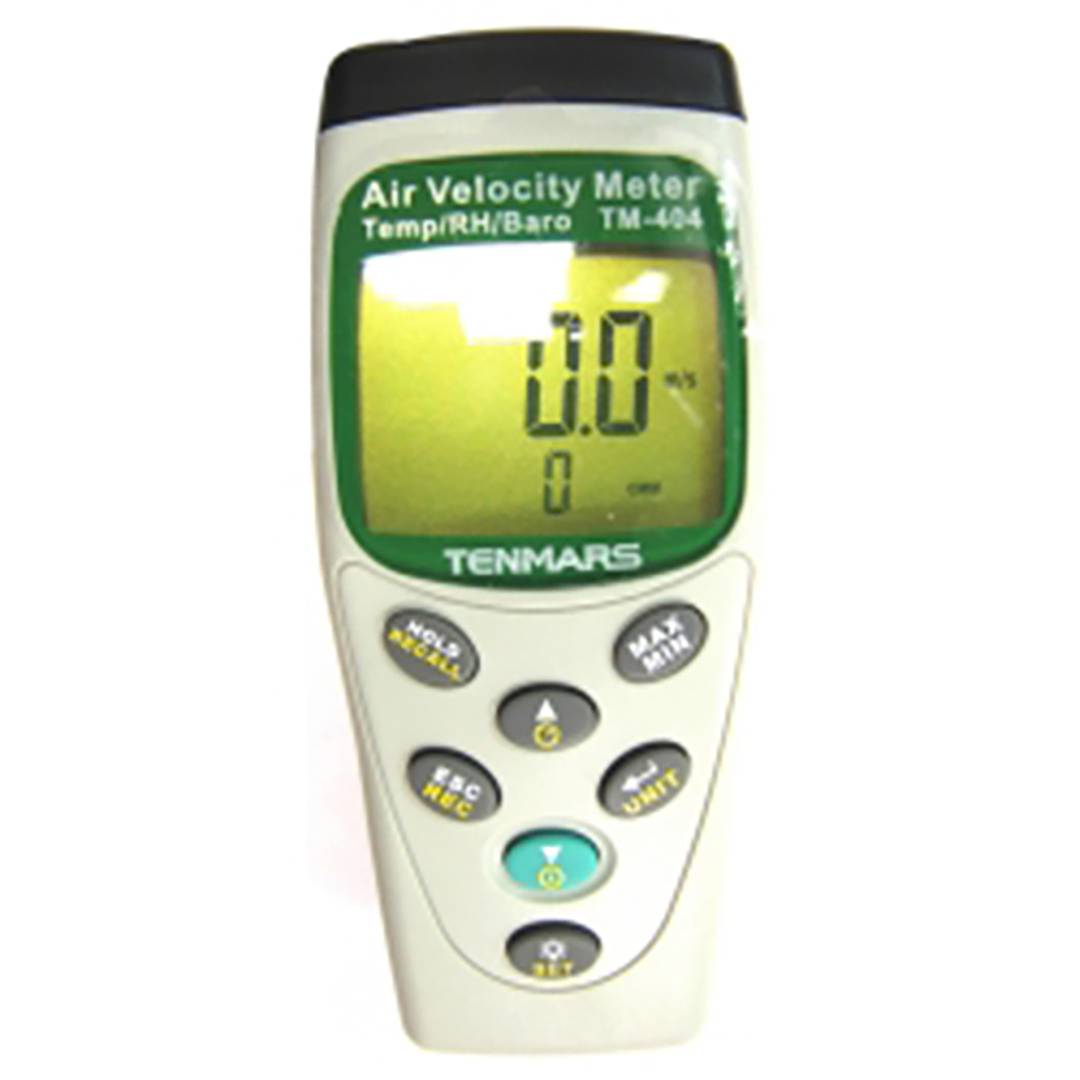
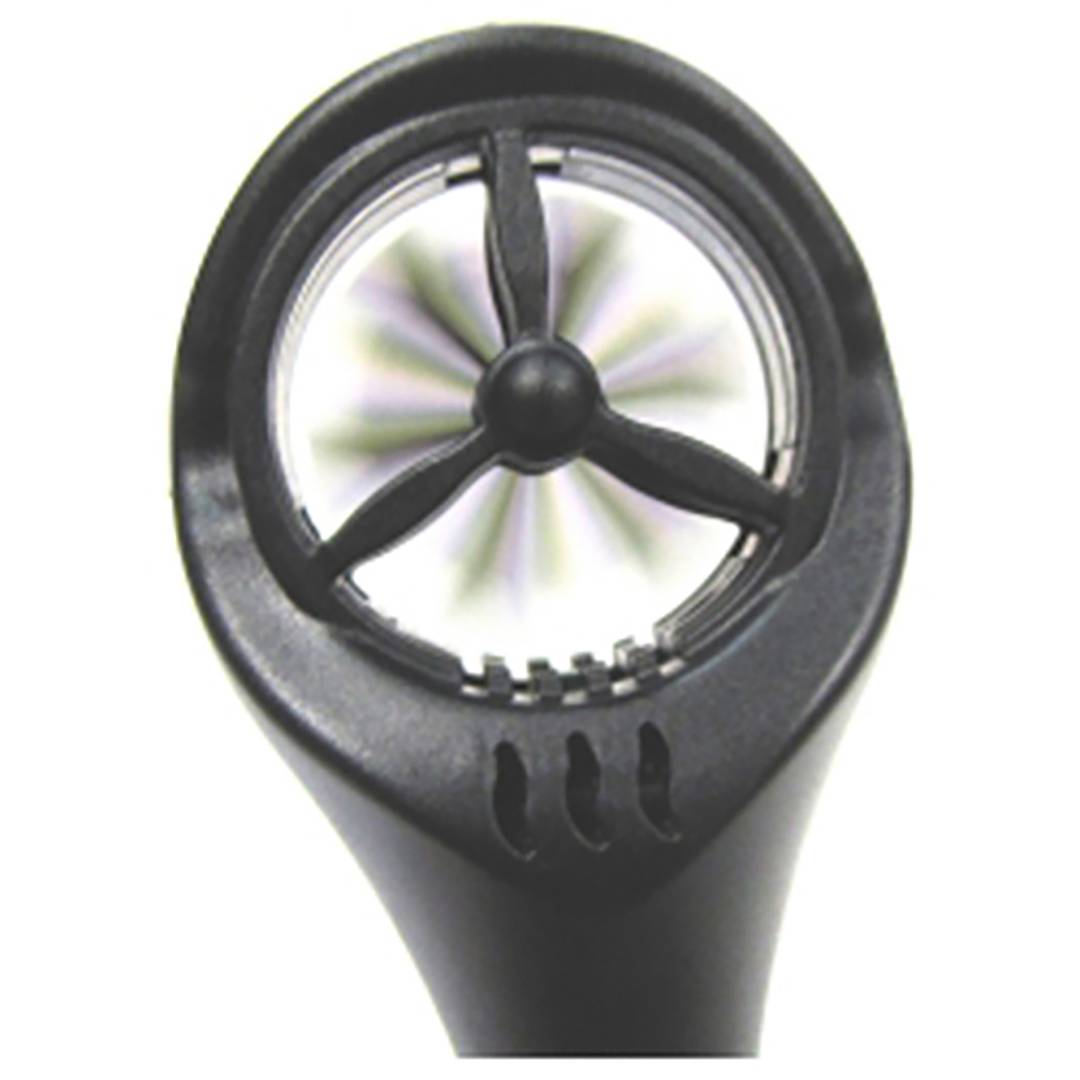


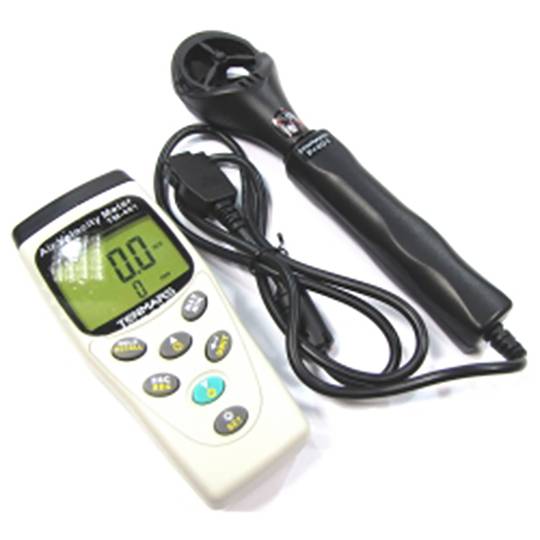
Anemometer and barometer hygrometer thermometer model TM-404

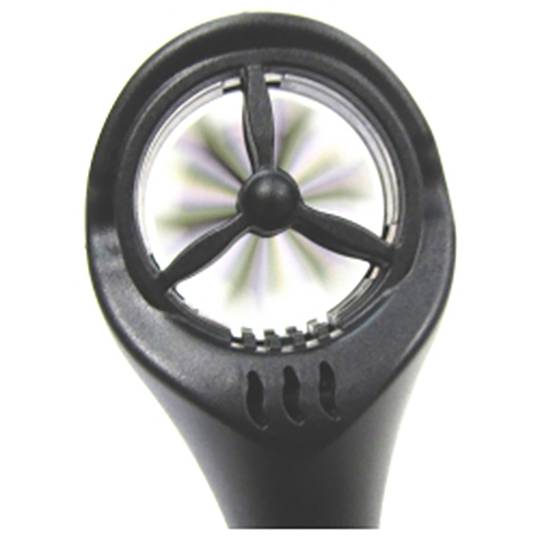
- Air speed units supported: m/s, km/h, mph, knots, feet/m and Beaufort.
- Supports a range of air velocity from 0.4 to 25.0 m/s, with resolution of 0.1 m/s and accuracy of +/- 2% + 0.2. For other measures different am/s apply the equivalent.
- Air flow units supportedas: CMM and CFM.
- Supports a range of air flow from 0 to 9999 CFM or CMM, with a resolution of 1.
- Temperature units supported: ºC and ºF.
 2 years
warranty
 14 days
returns
 100%
100%safe
- Air speed units supported: m/s, km/h, mph, knots, feet/m and Beaufort.
- Supports a range of air velocity from 0.4 to 25.0 m/s, with resolution of 0.1 m/s and accuracy of +/- 2% + 0.2. For other measures different am/s apply the equivalent.
- Air flow units supportedas: CMM and CFM.
- Supports a range of air flow from 0 to 9999 CFM or CMM, with a resolution of 1.
- Temperature units supported: ºC and ºF.
Related products
Keywords
Did not find what you were looking for? These topic could help you
More info
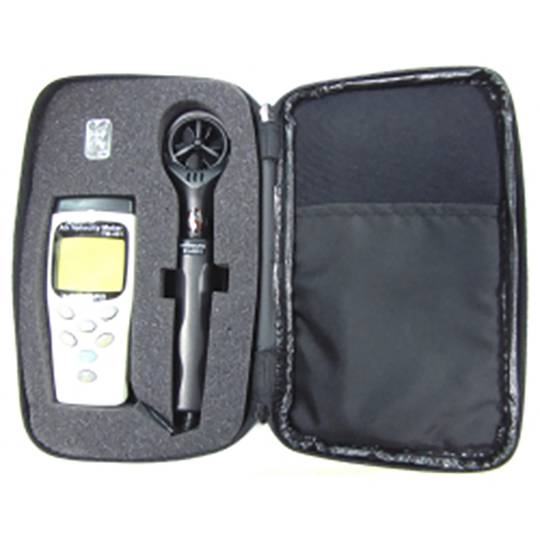
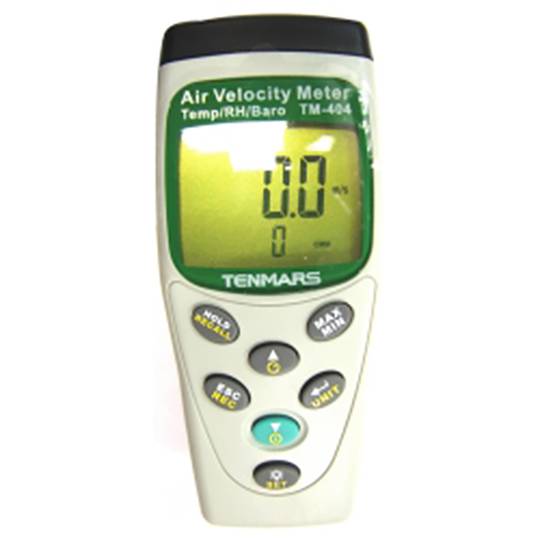
Digital meter for air speed, air flow, temperature, relative humidity and atmospheric pressure. It is a portable device composed of the central unit and a sensor composed of a mill with a diameter of 30 mm and 6 blades. It has pushbuttons for functions of minimum, maximum, average and data blocking values. It has internal memory to capture a history of 99 samples. Broad visor retro-illuminated, easy to read even in adverse conditions.
Measures taken and precision
- Air speed units supported: m/s, km/h, mph, knots, feet/m and Beaufort.
- Supports a range of air velocity from 0.4 to 25.0 m/s, with resolution of 0.1 m/s and accuracy of +/- 2% + 0.2. For other measures different am/s apply the equivalent.
- Air flow units supportedas: CMM and CFM.
- Supports a range of air flow from 0 to 9999 CFM or CMM, with a resolution of 1.
- Temperature units supported: ºC and ºF.
- It supports a temperature range of -20 to +60 ° C with a resolution of 0.1 ° C and an accuracy of +/- 1 ° C. It supports a temperature range of -4 to +140 ° C with a resolution of 0.1 ° C and a precision of +/- 1.8 ° C.
- Supported relative humidity units:% HR.
- It supports a relative humidity range of 20 to 80% RH with a resolution of 0.1 and an accuracy of +/- 3.5% RH.
- Atmospheric pressure units supported: hPa, mmHg and inHg.
- It supports a range of atmospheric pressure from 350 to 1100 hPa with a resolution of 0.1 and an accuracy of +/- 2 hPa.
- Gross Weight: 530 g
- Product size (width x depth x height): 5.5 x 13.0 x 3.5 cm
- Number of packages: 1
- Packages size: 25.0 x 15.0 x 8.0 cm
Technical terms
- Hygrometer
A hygrometer is a precision instrument designed to measure relative humidity in the atmosphere or within specific technical enclosures using water vapor sensitive transducers.
Implementation of these devices in modern systems is primarily based on the variation of physical properties in dielectric or semiconductor materials. In industrial environments and data centers, electronic hygrometers utilize capacitive or resistive sensors that modify their impedance proportionally to environmental saturation. This data is processed via microcontrollers to facilitate real-time monitoring and automation of HVAC systems through industrial communication protocols.
| Technical Parameter | Standard Specification |
|---|---|
| Measurement Range | 0% to 100% RH |
| Typical Accuracy | ±1.5% to ±3% RH |
| Response Time | < 10 seconds (t90) |
| Output Interface | I2C, 4-20mA, 0-10V |
The integration of digital hygrometers into critical infrastructure enables proactive condensation management, a decisive factor in preventing corrosion-related failures and short circuits in high-density hardware. Their recent evolution toward MEMS technology has facilitated miniaturization and the incorporation of these sensors into massive IoT deployments, where energy efficiency and long-term stability are fundamental requirements for predictive maintenance.
Capacitive Transduction Technology
Most advanced electronic hygrometers employ a dielectric polymer placed between two electrodes. As it absorbs water vapor, the polymer's dielectric constant changes, altering the circuit's total capacitance. This method is noted for its linearity and relative resistance to chemical contaminants.
Main Advantages
- High thermal stability across wide operating ranges.
- Low power consumption, ideal for remote sensors.
- Direct integration capability with PLC control systems.
- Fast response to critical humidity fluctuations.
Note: Periodic calibration under traceable standards is necessary to mitigate sensor drift.