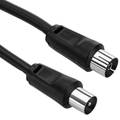


https://cablematic.com/en/products/coaxial-antenna-cable-for-television-male-female-25m-black-TT074/
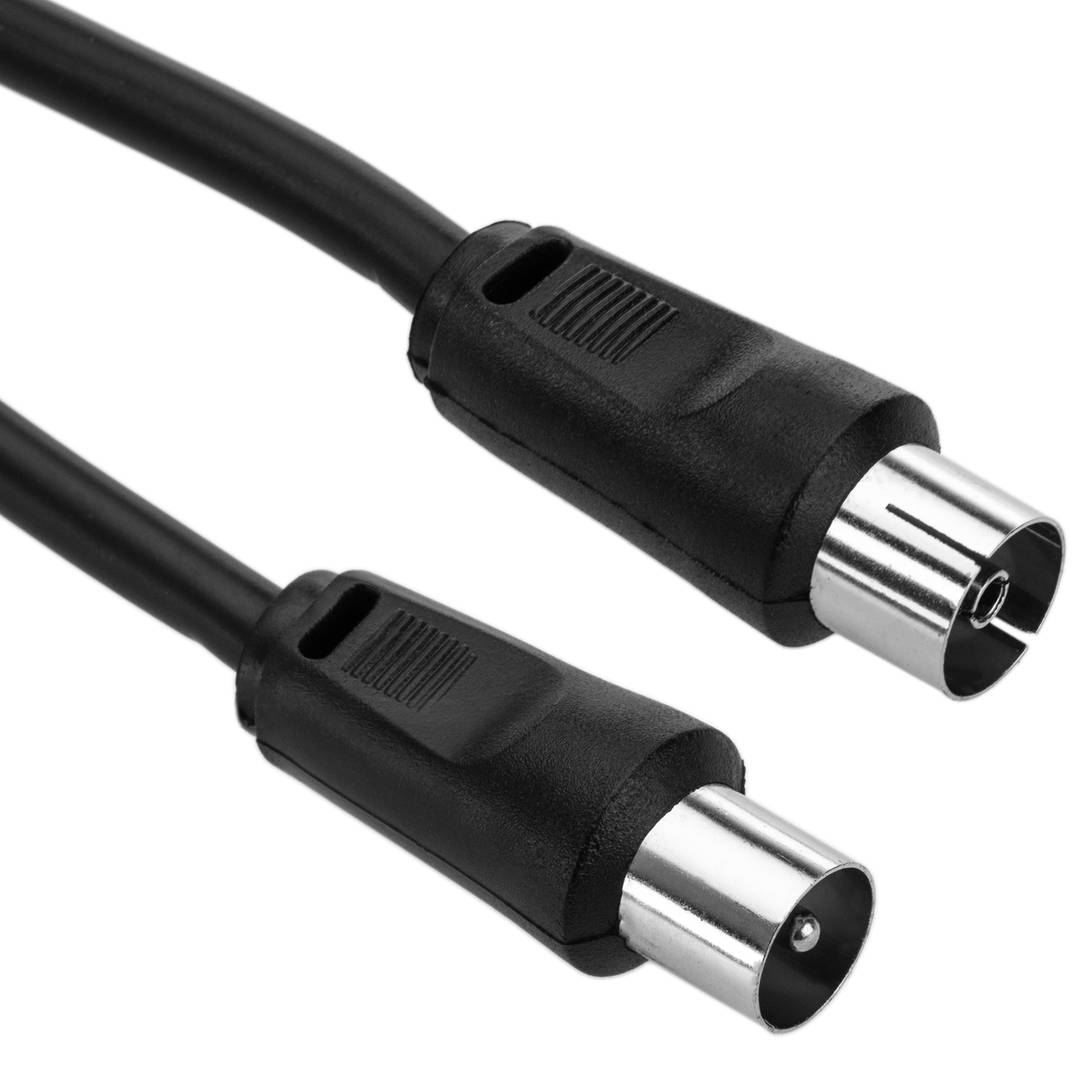
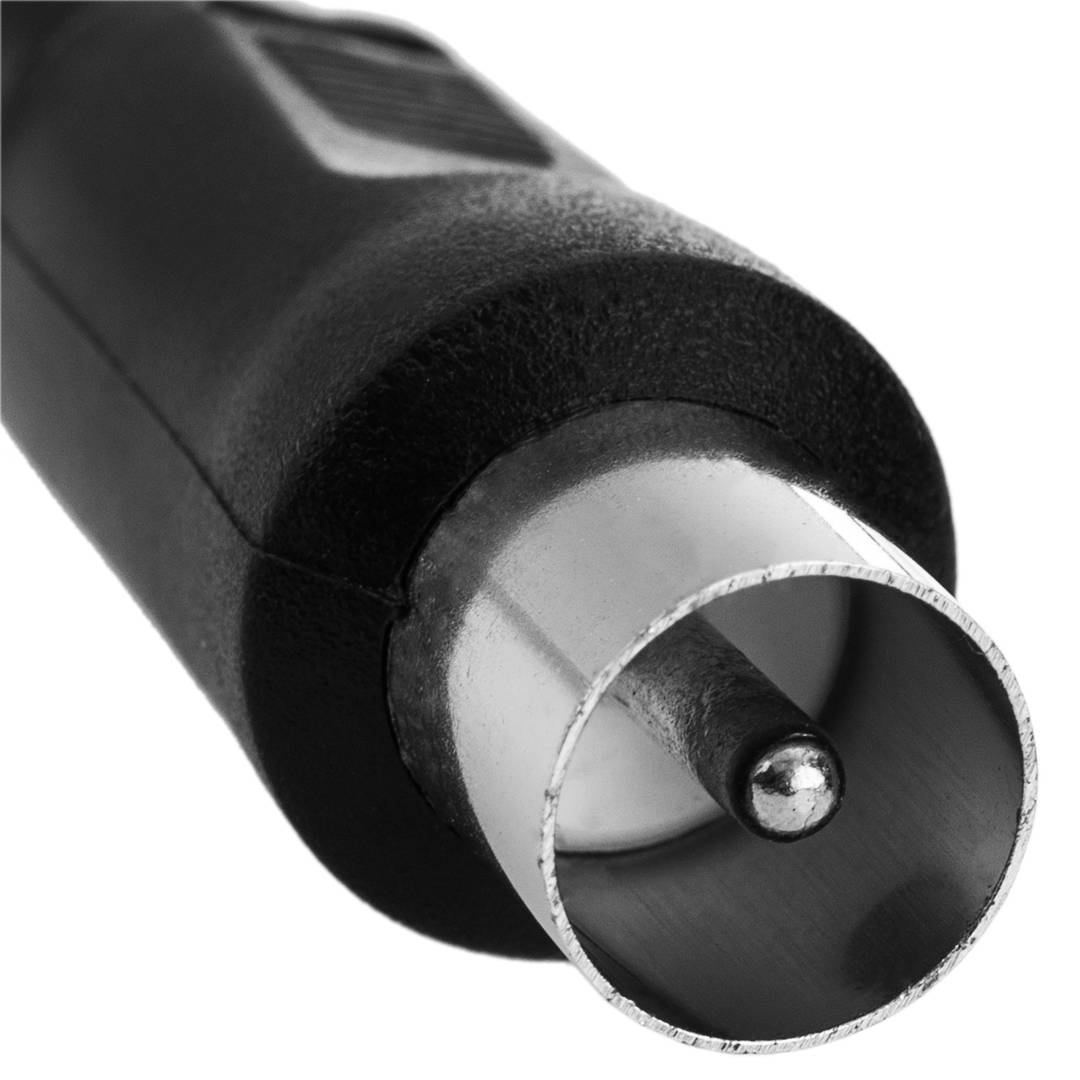
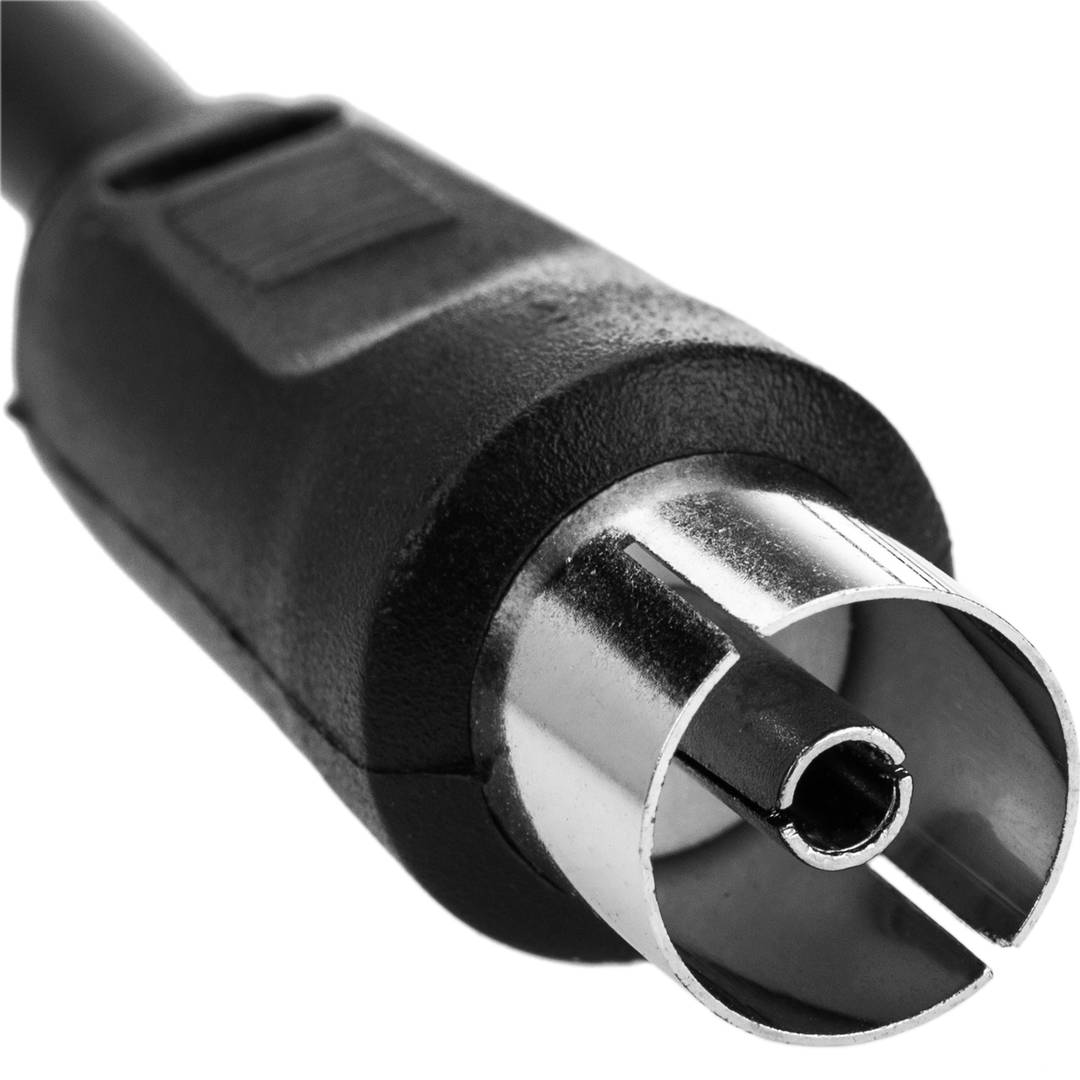
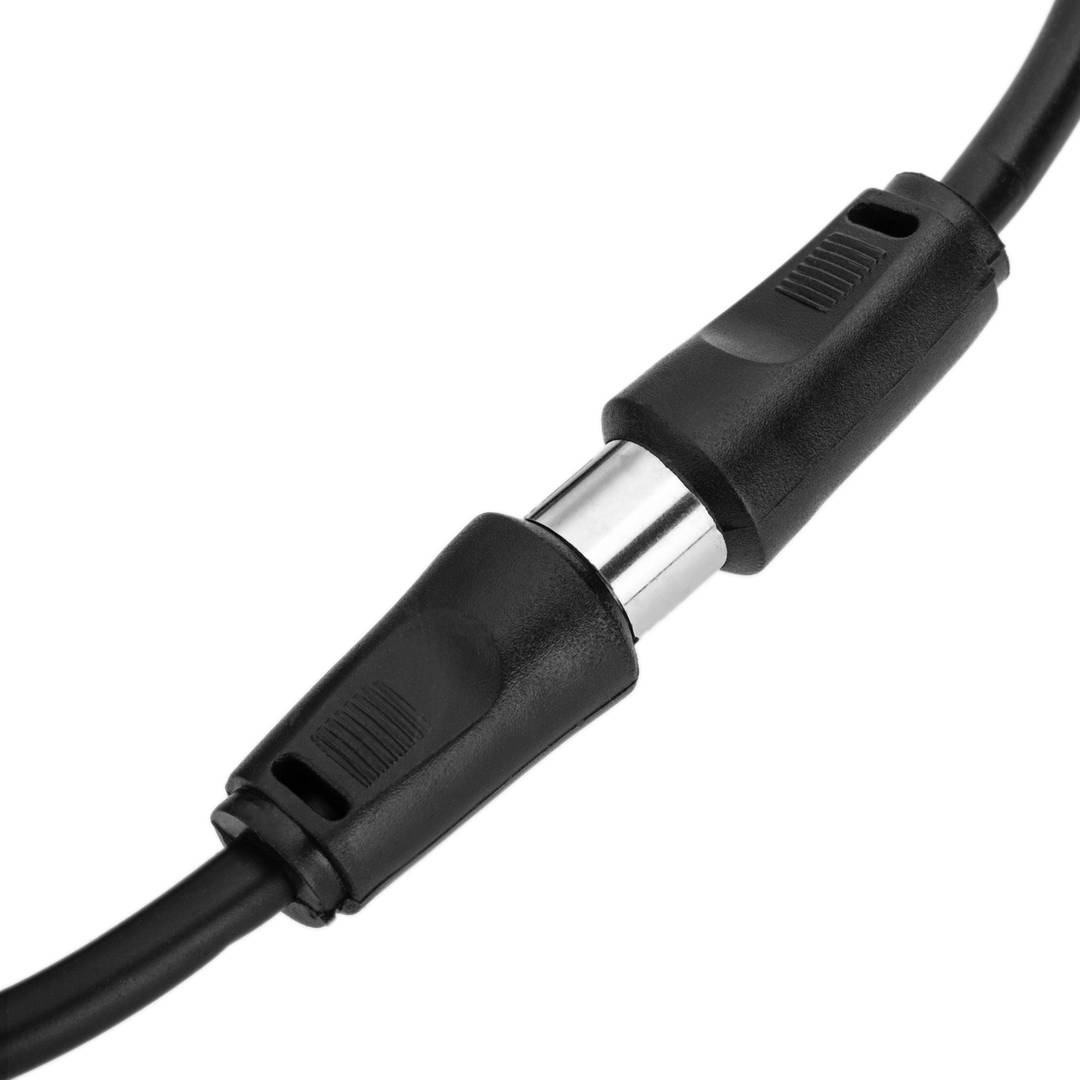
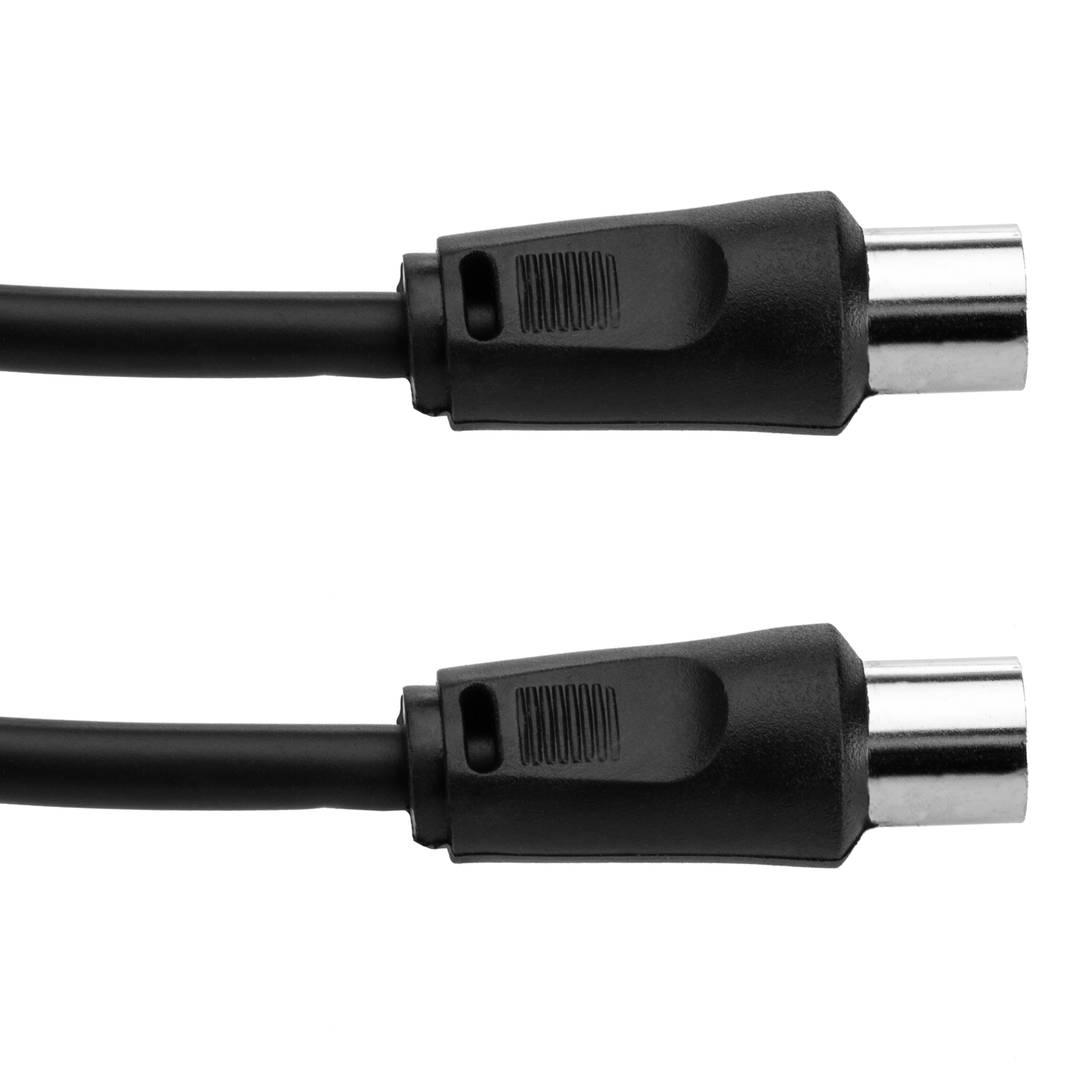
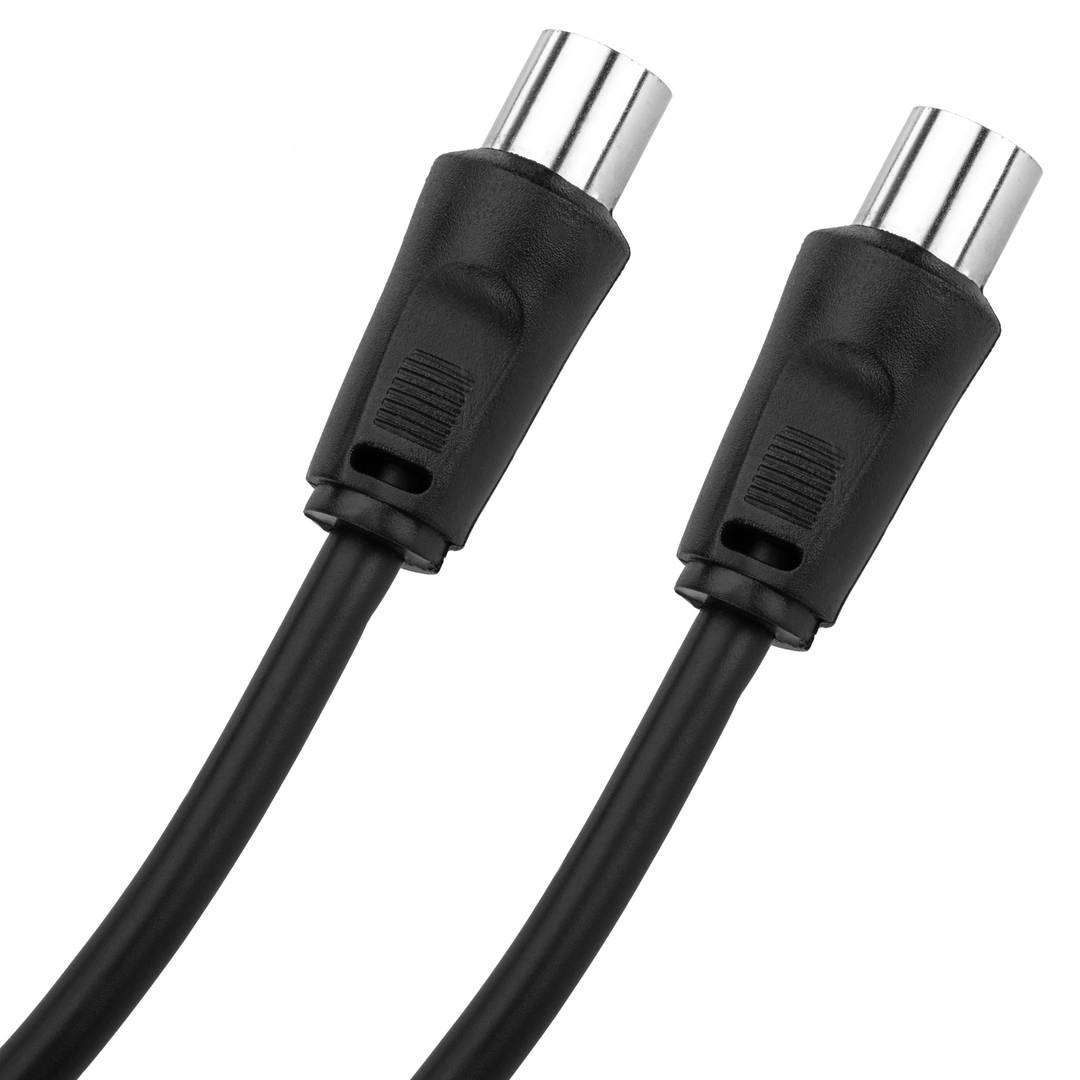
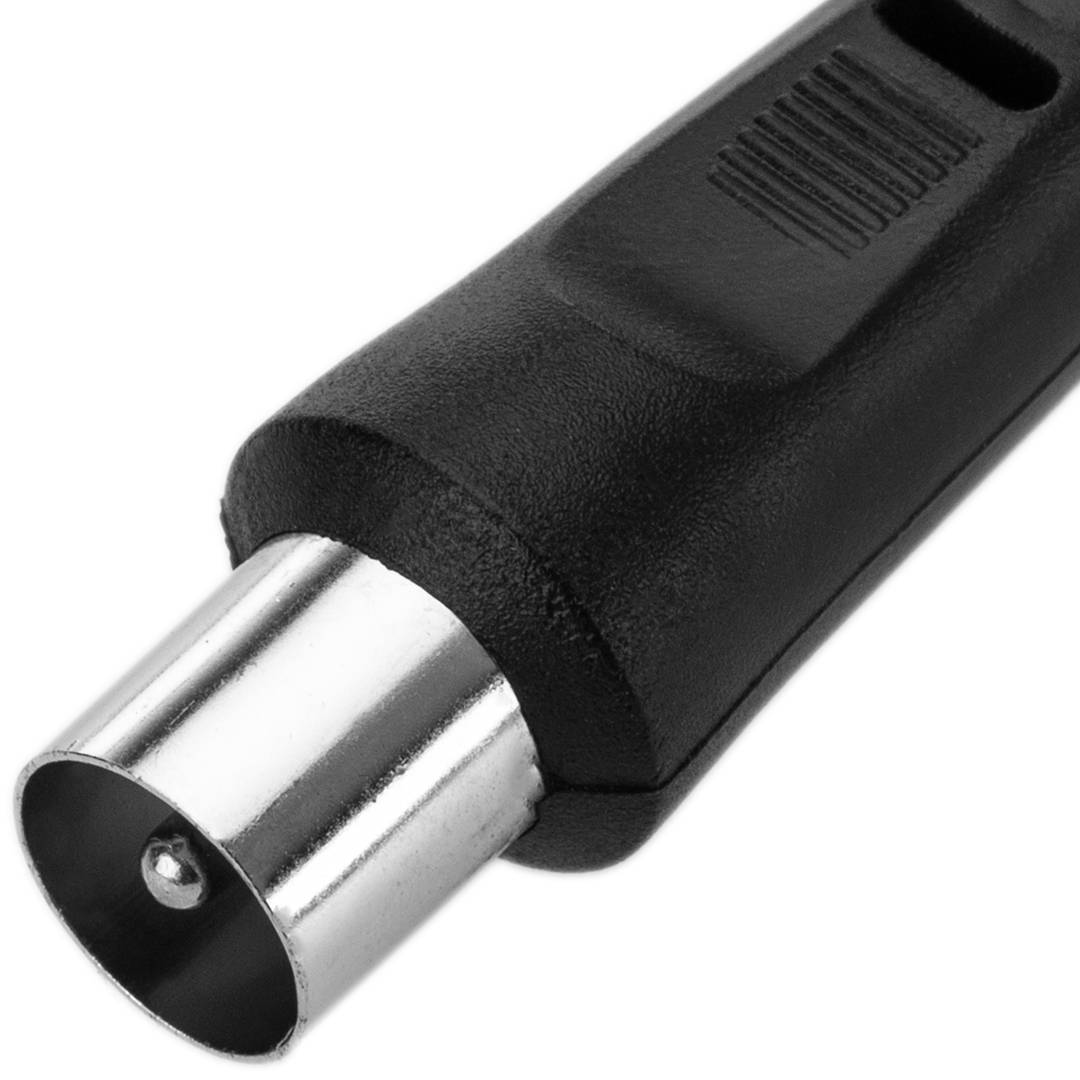
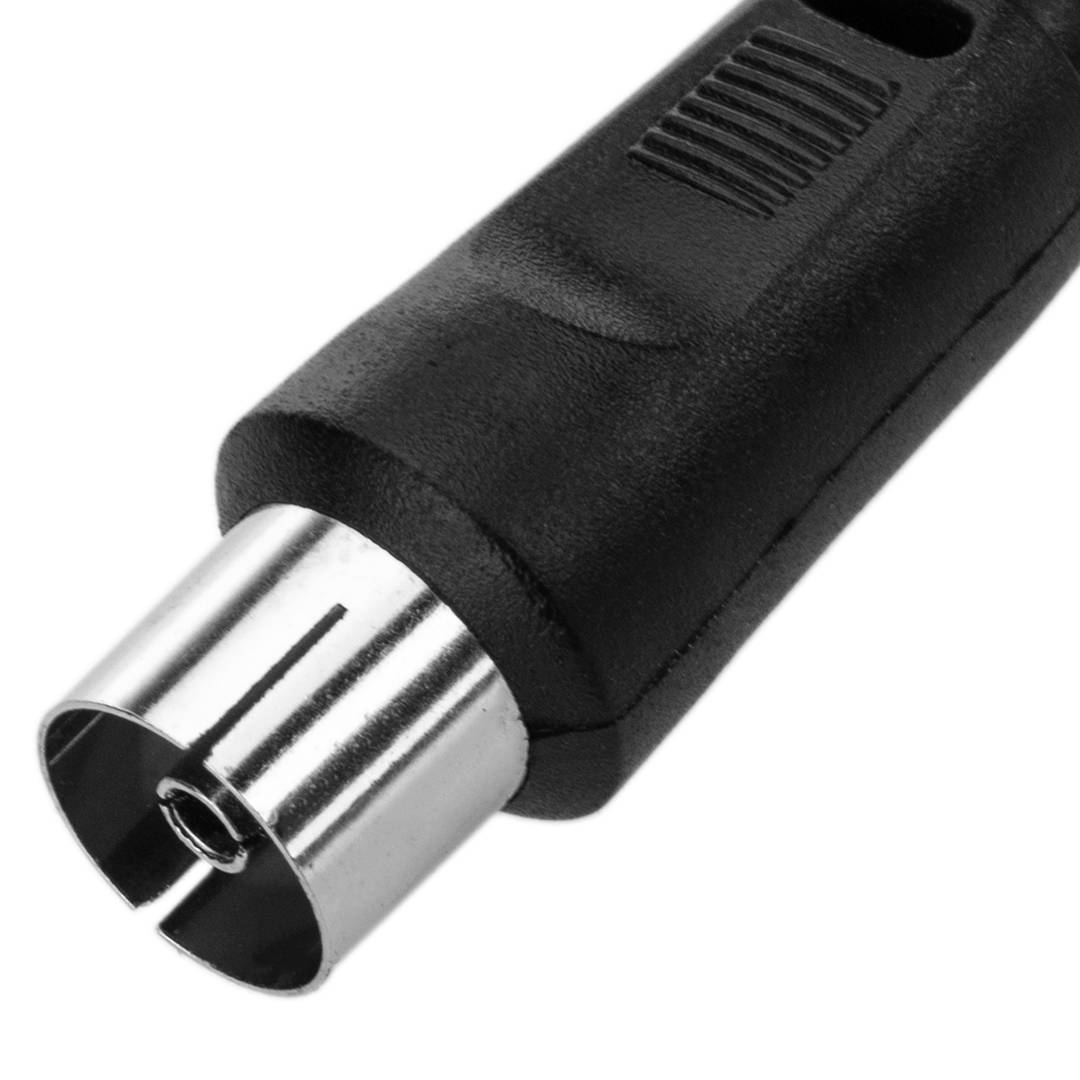


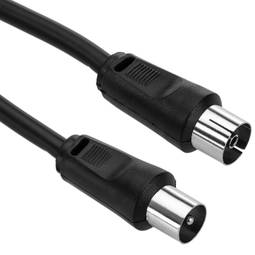
Coaxial antenna cable for television male / female 2.5m black

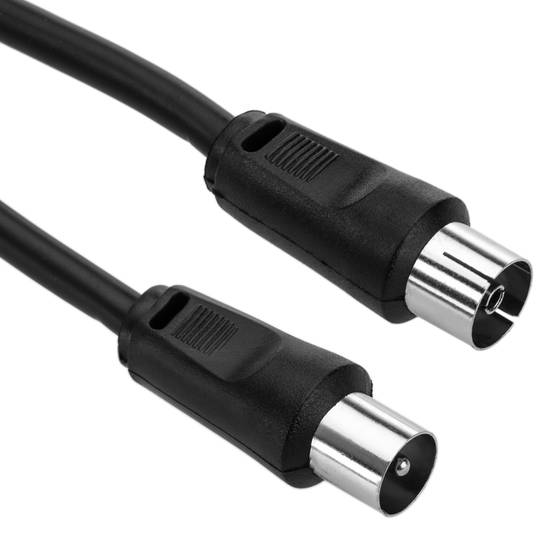
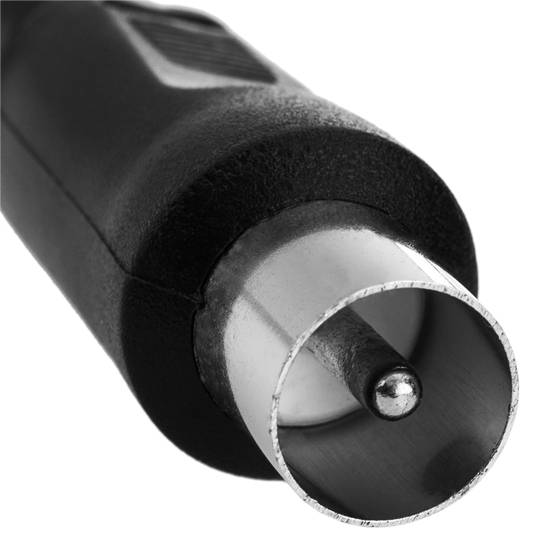
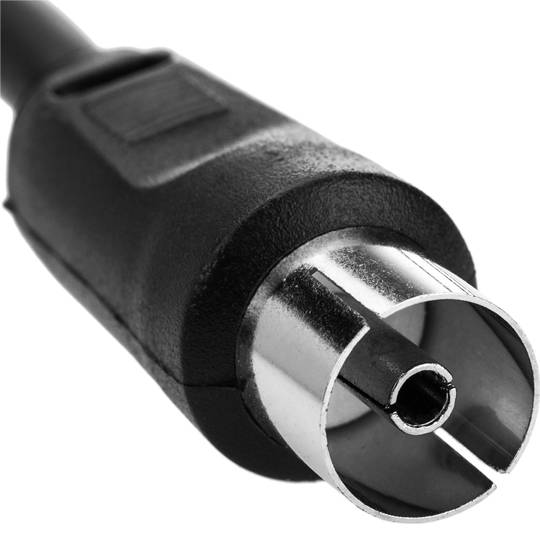
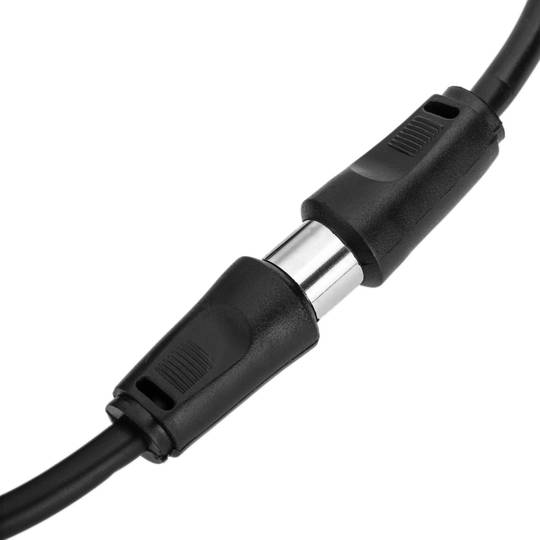
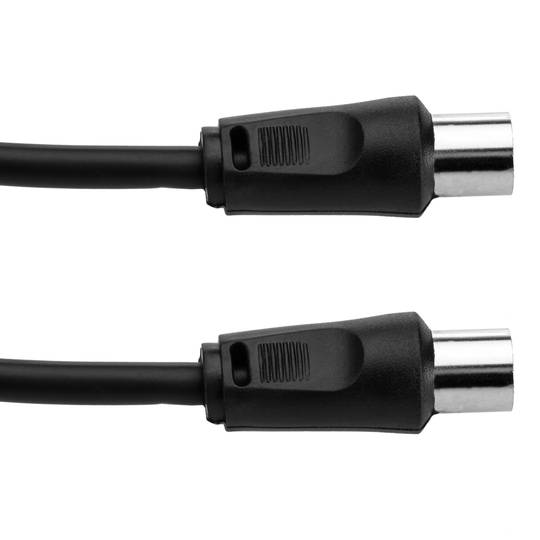
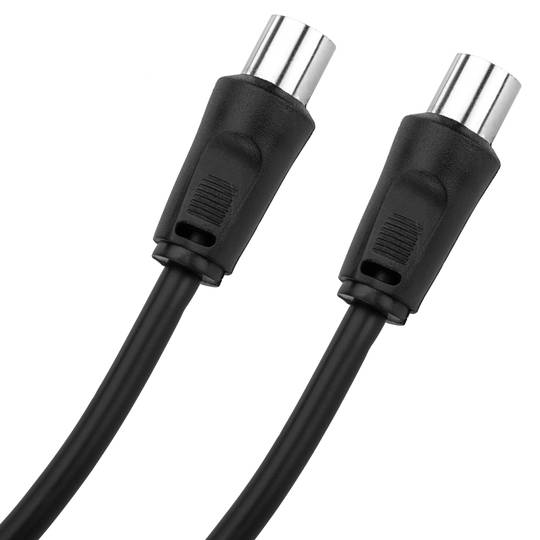
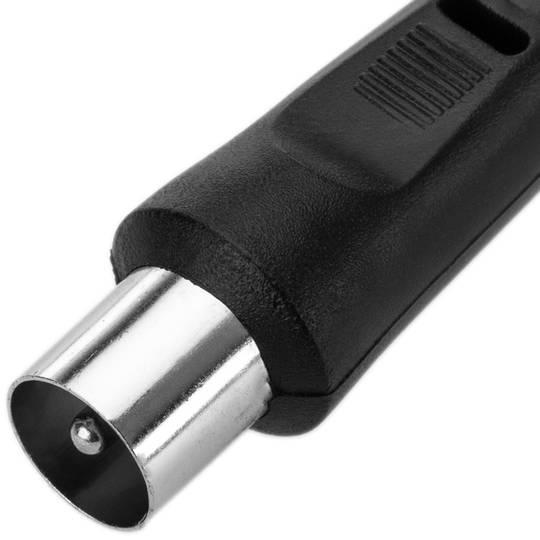
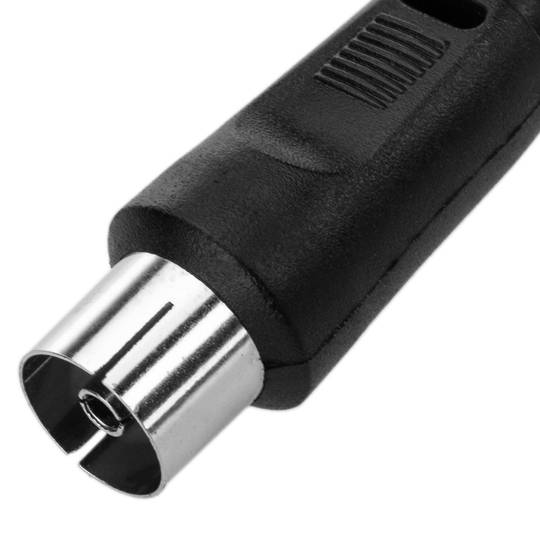
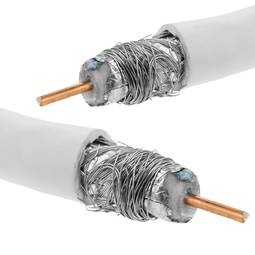
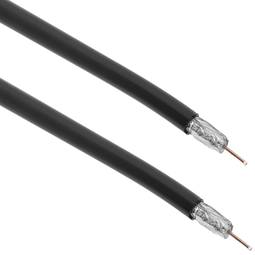
- RG59U Coaxial Cable for television antenna.
- 75 Ohms impedance.
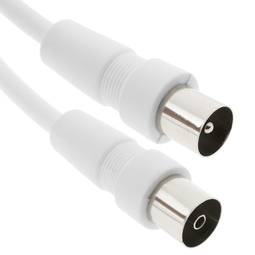
- Male connector at one end and female at the other.
- Cable measurement: 2.5 meters.
- Color: black
![play_button]() Watch video
Watch video
More info
 Watch video
 2 years
warranty
 14 days
returns
 100%
100%safe
- RG59U Coaxial Cable for television antenna.
- 75 Ohms impedance.
- Male connector at one end and female at the other.
- Cable measurement: 2.5 meters.
- Color: black
Related products

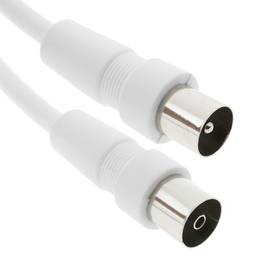
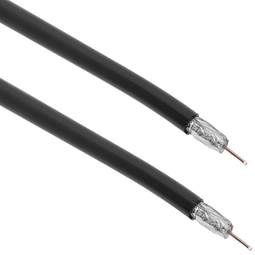
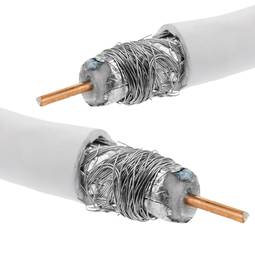

Purchased together regularly
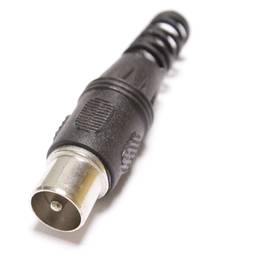
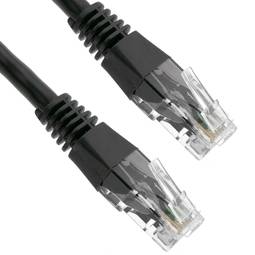
More info
Coaxial cable mounted for 75 Ohms / 3CV2 TV antenna. Cable with Male to Female connectors, 2.5m long and black.
specs
- RG59U Coaxial Cable for television antenna.
- 75 Ohms impedance.
- Male connector at one end and female at the other.
- Cable measurement: 2.5 meters.
- Color: black
- Gross Weight: 93 g
- Product size (width x depth x height): 23.0 x 12.0 x 2.5 cm
- Number of packages: 1
- Packages size: 23.0 x 12.0 x 2.5 cm
Technical terms
- Impedance
Impedance (Z) is the total opposition that a circuit offers to alternating current (AC) flow when a specific voltage is applied.
Unlike simple resistance, impedance is a complex quantity comprising resistance (the real part) and reactance (the imaginary part, representing inductive or capacitive effects). In the frequency domain, impedance is represented as a phasor, accounting for both magnitude and phase shift between voltage and current. In DC circuits, impedance reduces to pure resistance with zero phase angle.
| Parameter | Technical Spec |
|---|---|
| Symbol | Z |
| Unit | Ohm (Ω) |
Impedance management is critical in high-speed hardware design and signal integrity. In modern PCB manufacturing, controlled impedance ensures that high-frequency signals reach their destination without reflections, which is vital for PCIe or DDR5 performance.
Complex Domain Analysis
Mathematical modeling of impedance using the j-operator allows engineers to optimize filter performance and resonance characteristics in electronic systems.
Key Advantages
- Maximum power transfer through impedance matching.
- Minimized signal reflections in high-frequency transmission lines.
- Improved electromagnetic compatibility (EMC).
Note: Impedance is the cornerstone of modern AC circuit theory and high-frequency design.