

https://cablematic.com/en/products/displayport-to-hdmi-adapter-with-4-port-videowall-4k-uhd-YR003/
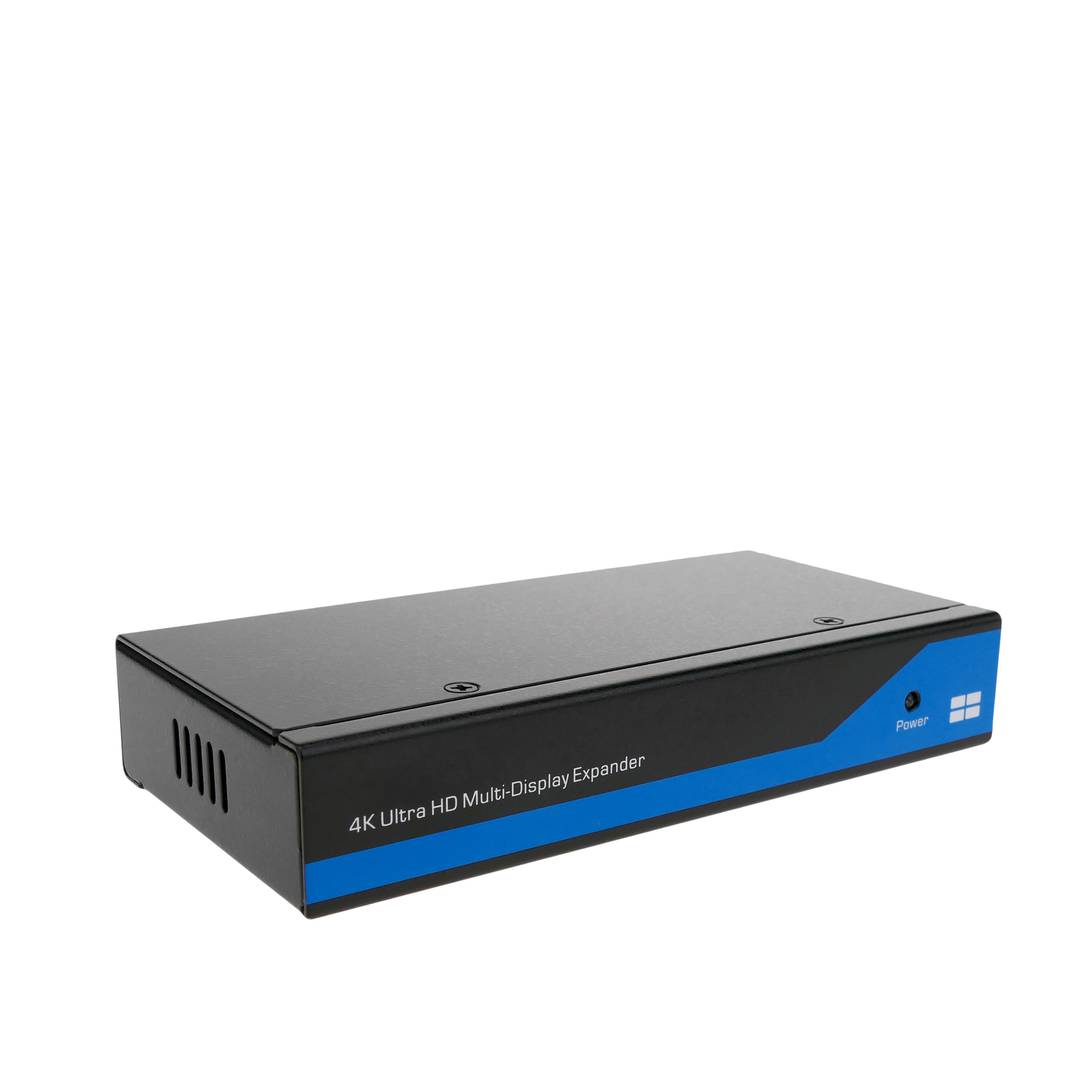
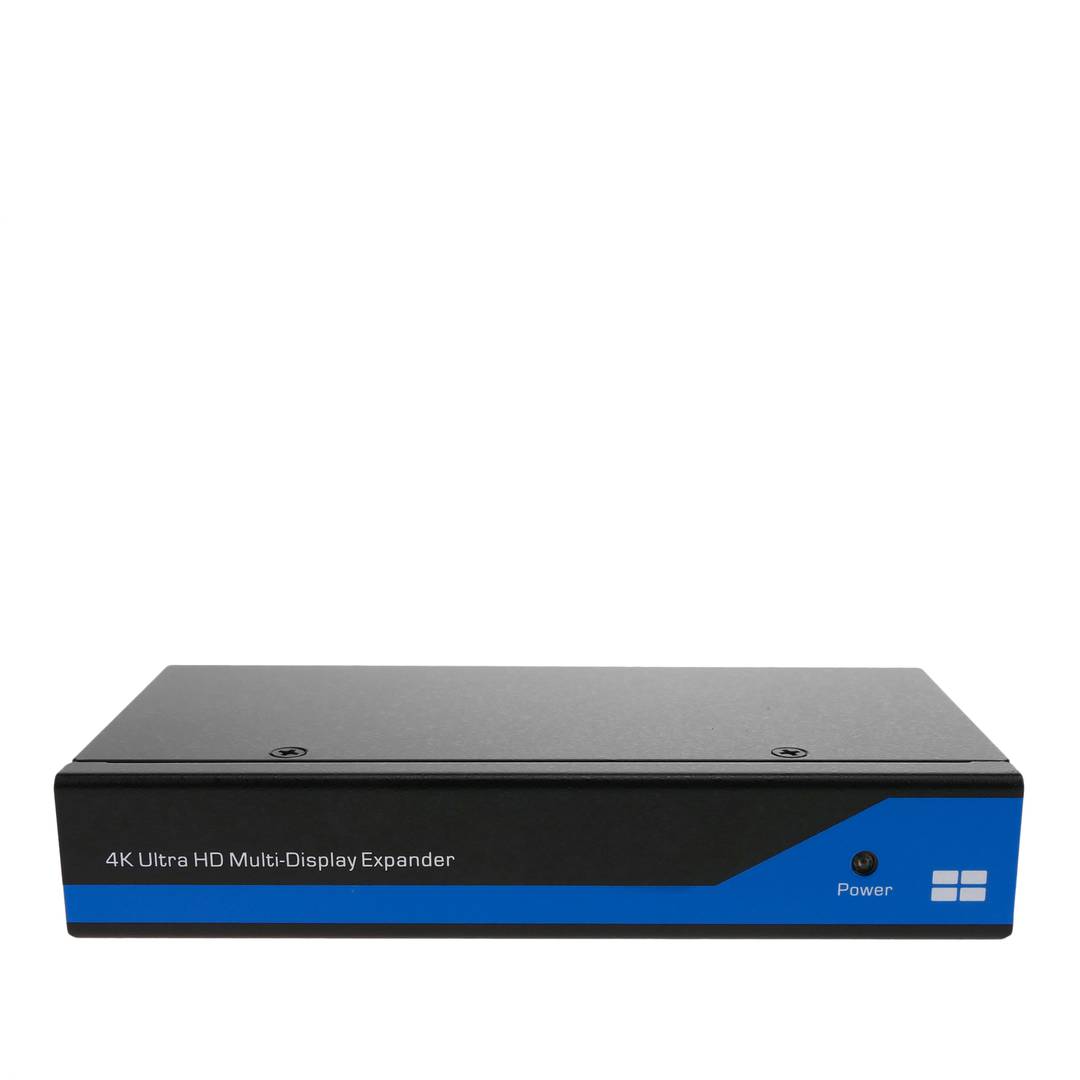
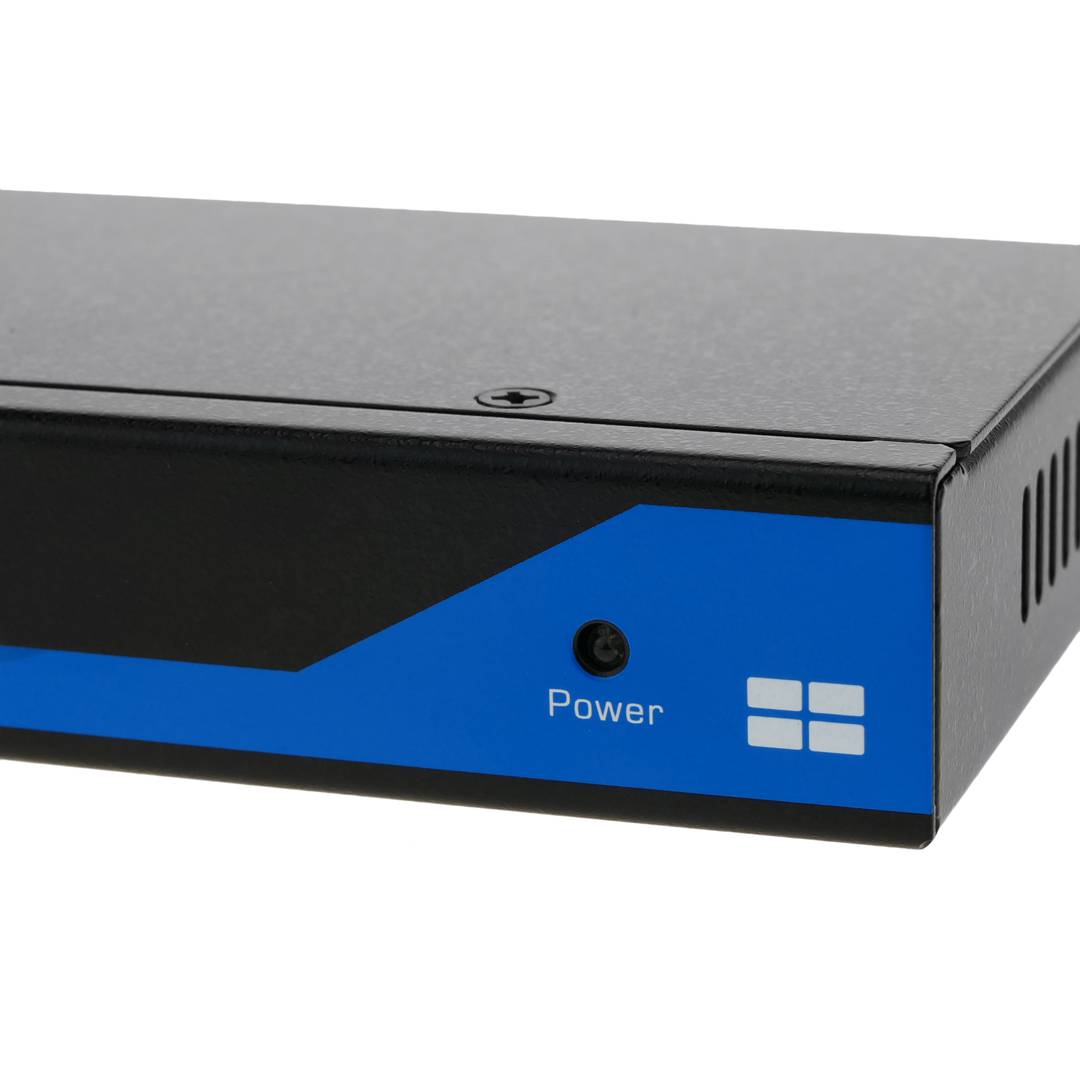
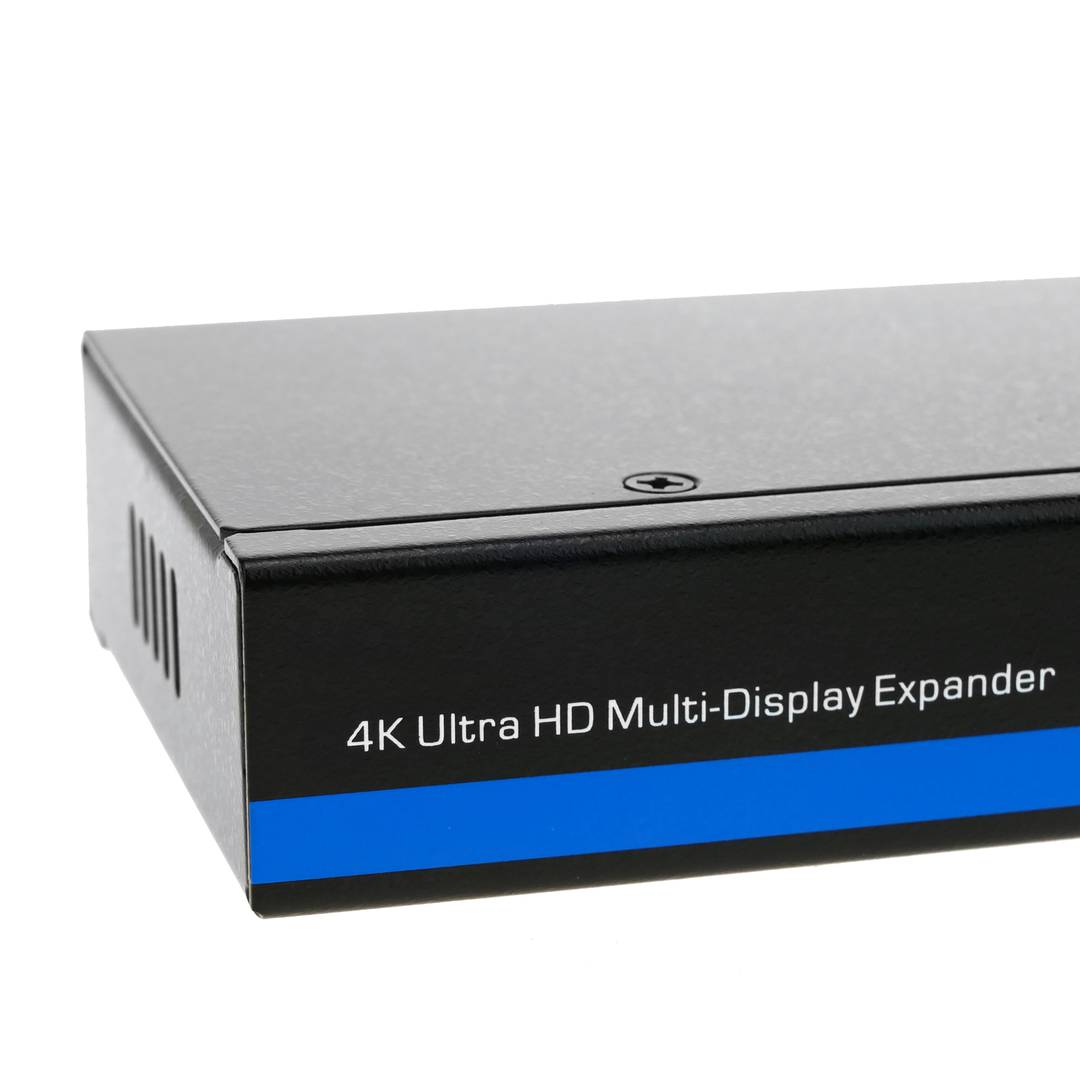
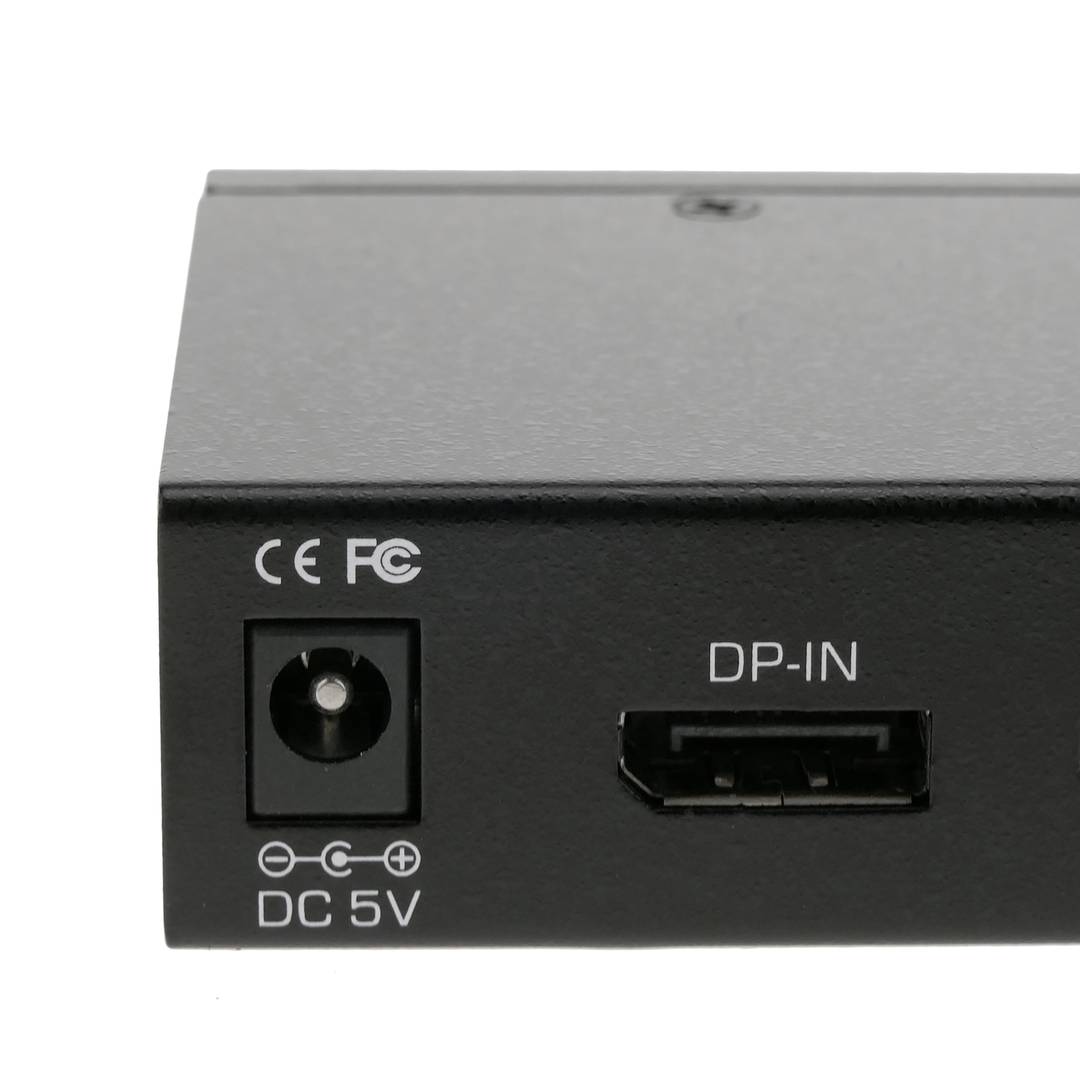


DisplayPort to HDMI Adapter with 4-Port videowall 4K UHD
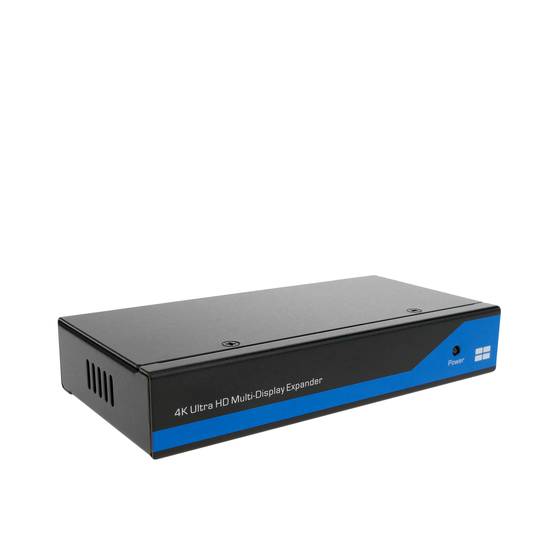
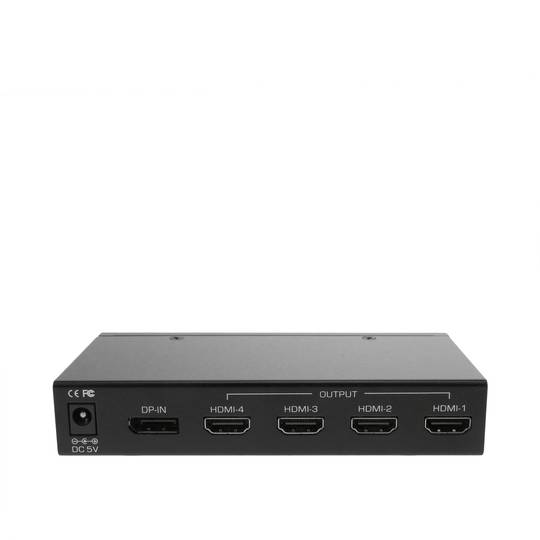
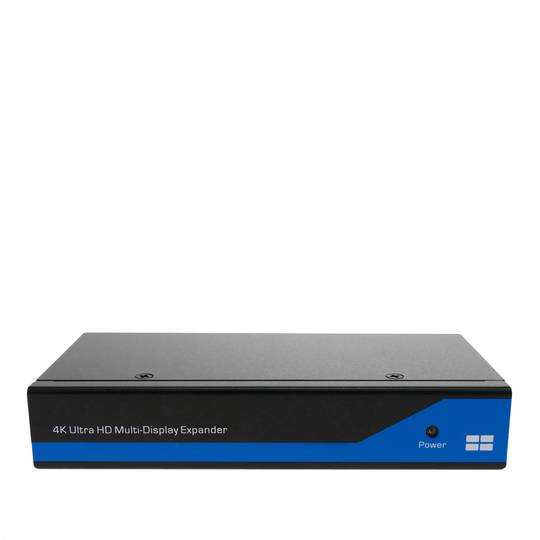
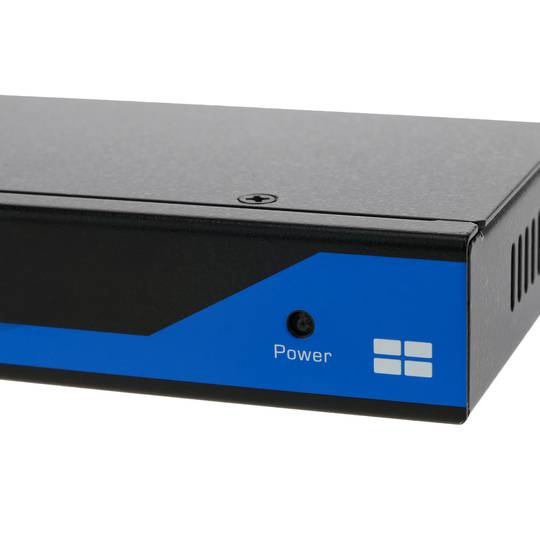
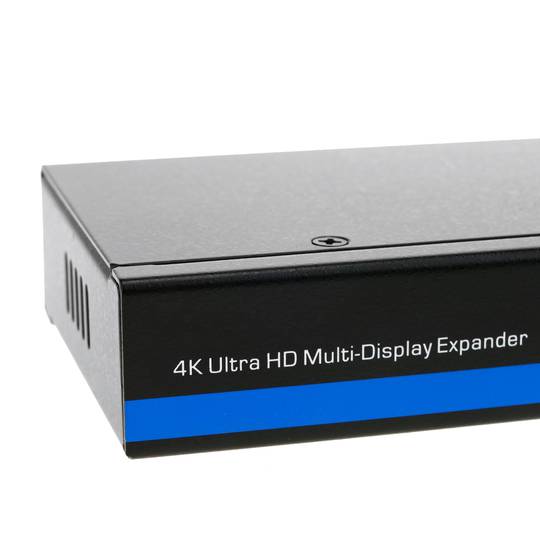
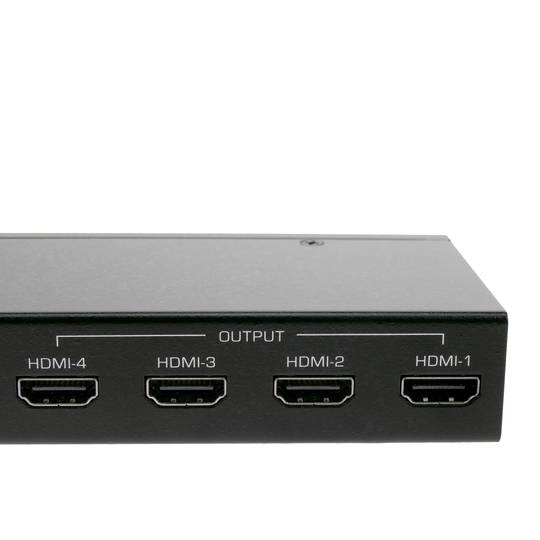
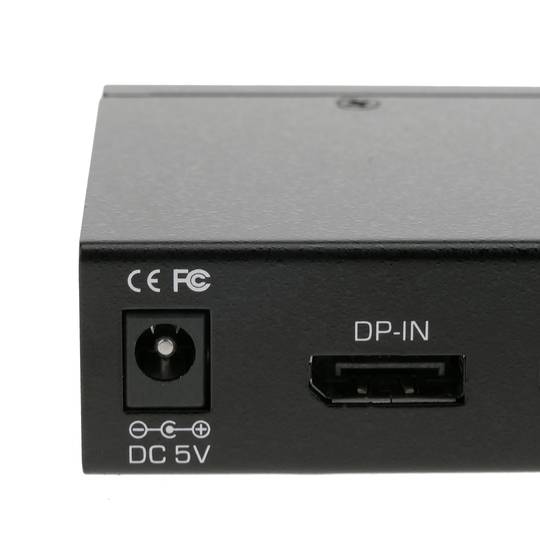
- Videowall 4K UHD Adapter DisplayPort to HDMI 4 port.
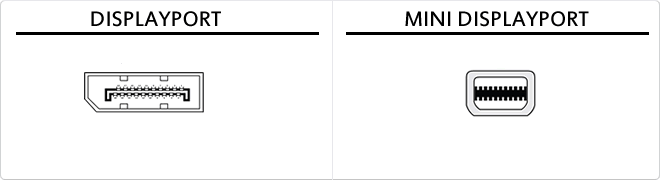
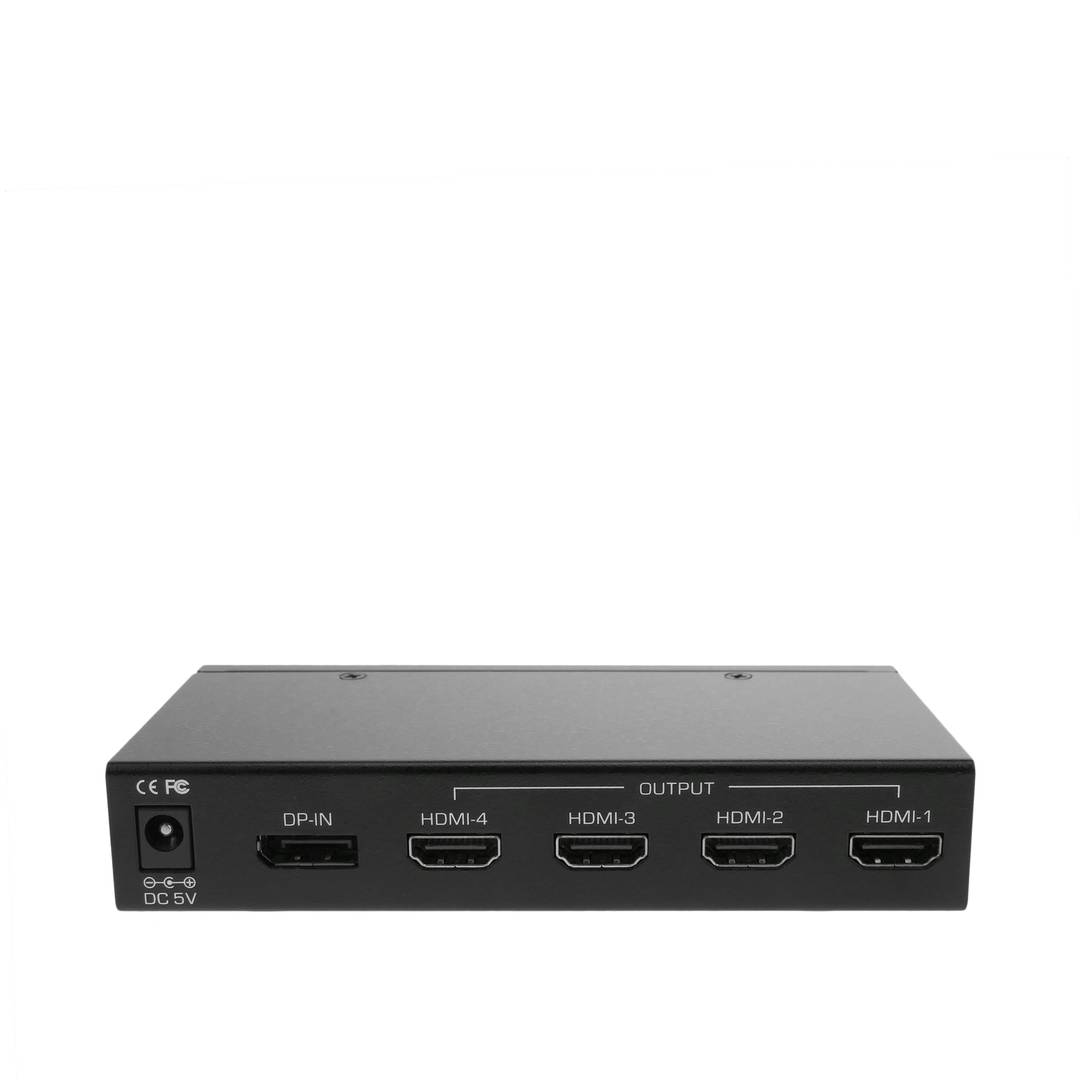
- It has 1 input DisplayPort female.
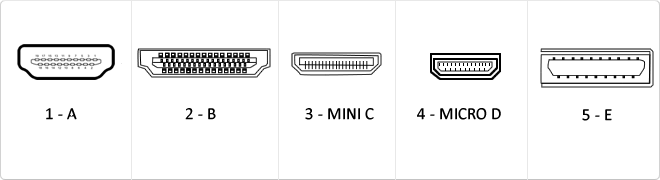
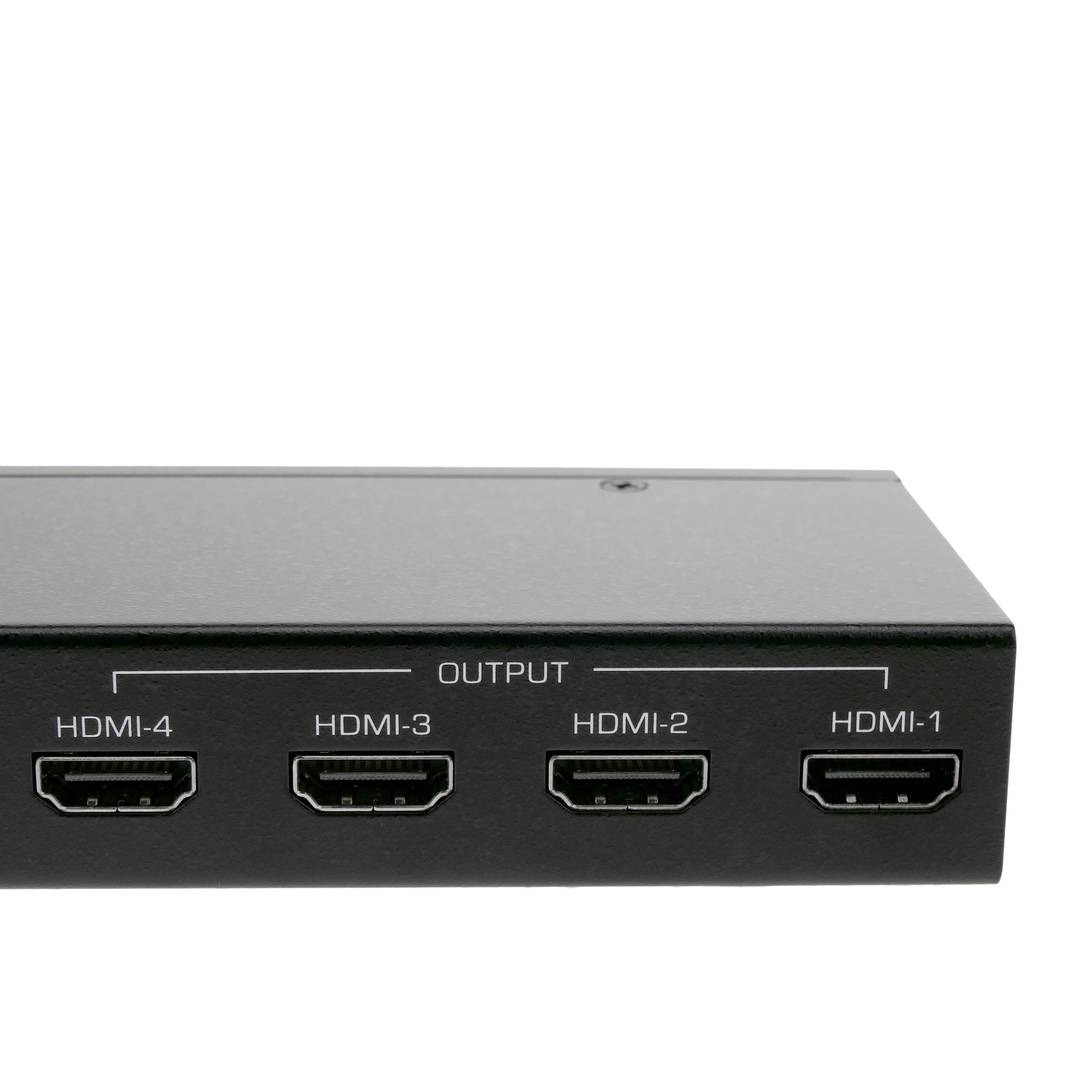
- It has 4 outputs HDMI Type female.
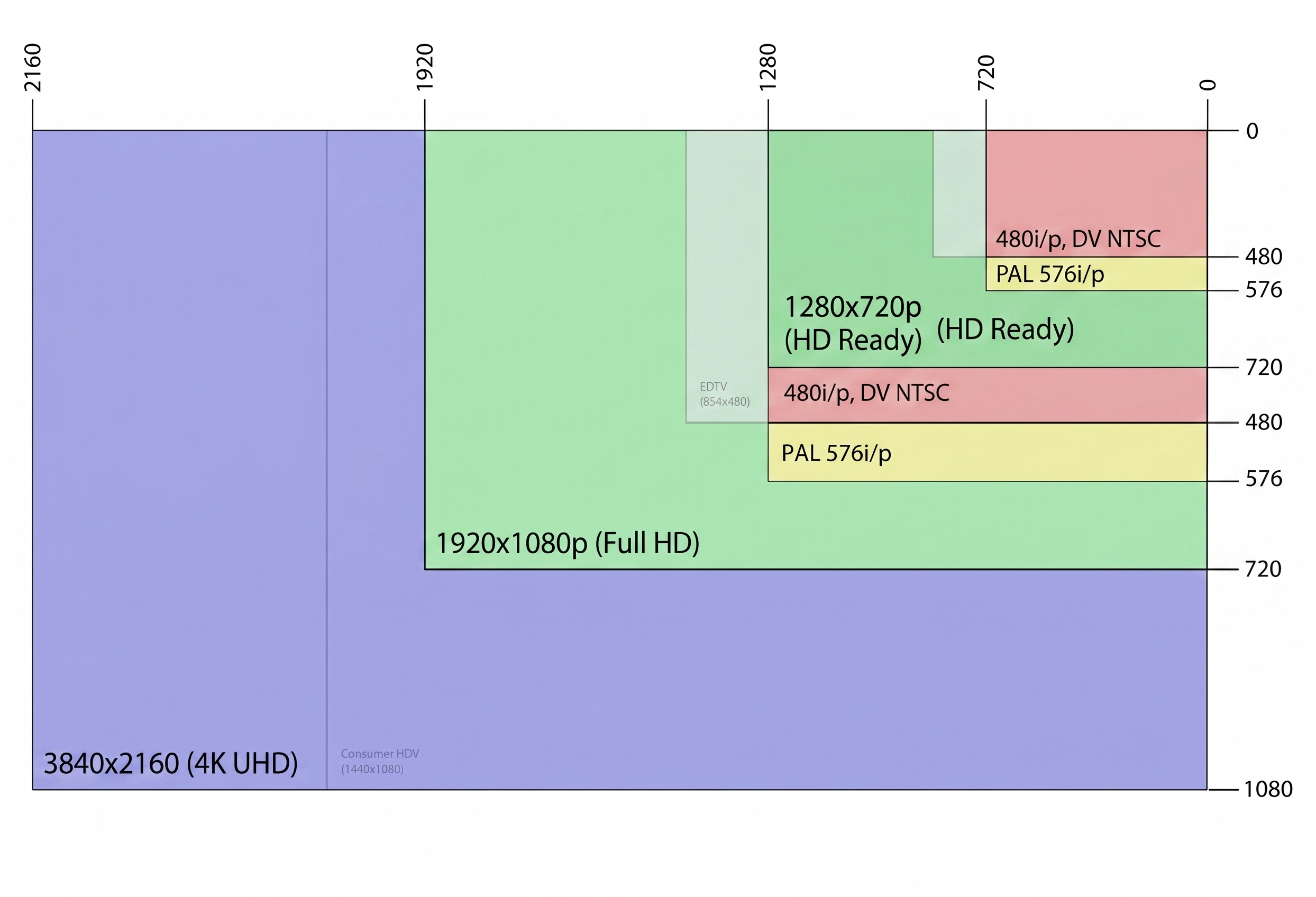
- You can work as videowall 1x4 or 2x2 matrix for each screen resolution up to 1920x1080p.
- resolutMaximum ion: 3840 x 2160 (2160p) Video Wall 2x2 configuration.
![play_button]() Watch video
Watch video
More info
 Watch video
 2 years
warranty
 14 days
returns
 100%
100%safe
- Videowall 4K UHD Adapter DisplayPort to HDMI 4 port.
- It has 1 input DisplayPort female.
- It has 4 outputs HDMI Type female.
- You can work as videowall 1x4 or 2x2 matrix for each screen resolution up to 1920x1080p.
- resolutMaximum ion: 3840 x 2160 (2160p) Video Wall 2x2 configuration.
Related products
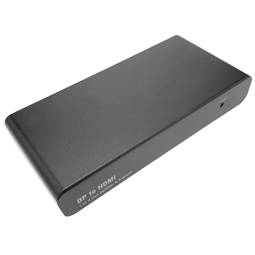
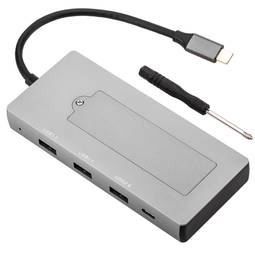
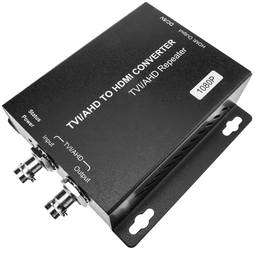
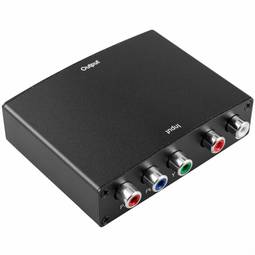
More info
Adapter, multiplier and videowall DisplayPort to HDMI 4 port. This is a device that makes 3 functions in one device:
- DisplayPort to HDMI converter. It has a DisplayPort input and HDMI outputs.
- Doubler signal. Goes into a DisplayPort signal and multiply to four HDMI outputs display the same image on all screens.
- Videowall allowing expansiondesk. Displays the expanded image elongated in four monitors arranged in 1x4 or 2x2.
Specifications
- Videowall 4K UHD Adapter DisplayPort to HDMI 4 port.
- It has 1 input DisplayPort female.
- It has 4 outputs HDMI Type female.
- You can work as videowall 1x4 or 2x2 matrix for each screen resolution up to 1920x1080p.
- resolutMaximum ion: 3840 x 2160 (2160p) Video Wall 2x2 configuration.
- Transmission distance: 3m (max) for each cable connector for maximum bandwidth (5.4GHz).
- Metal housing mounted black.
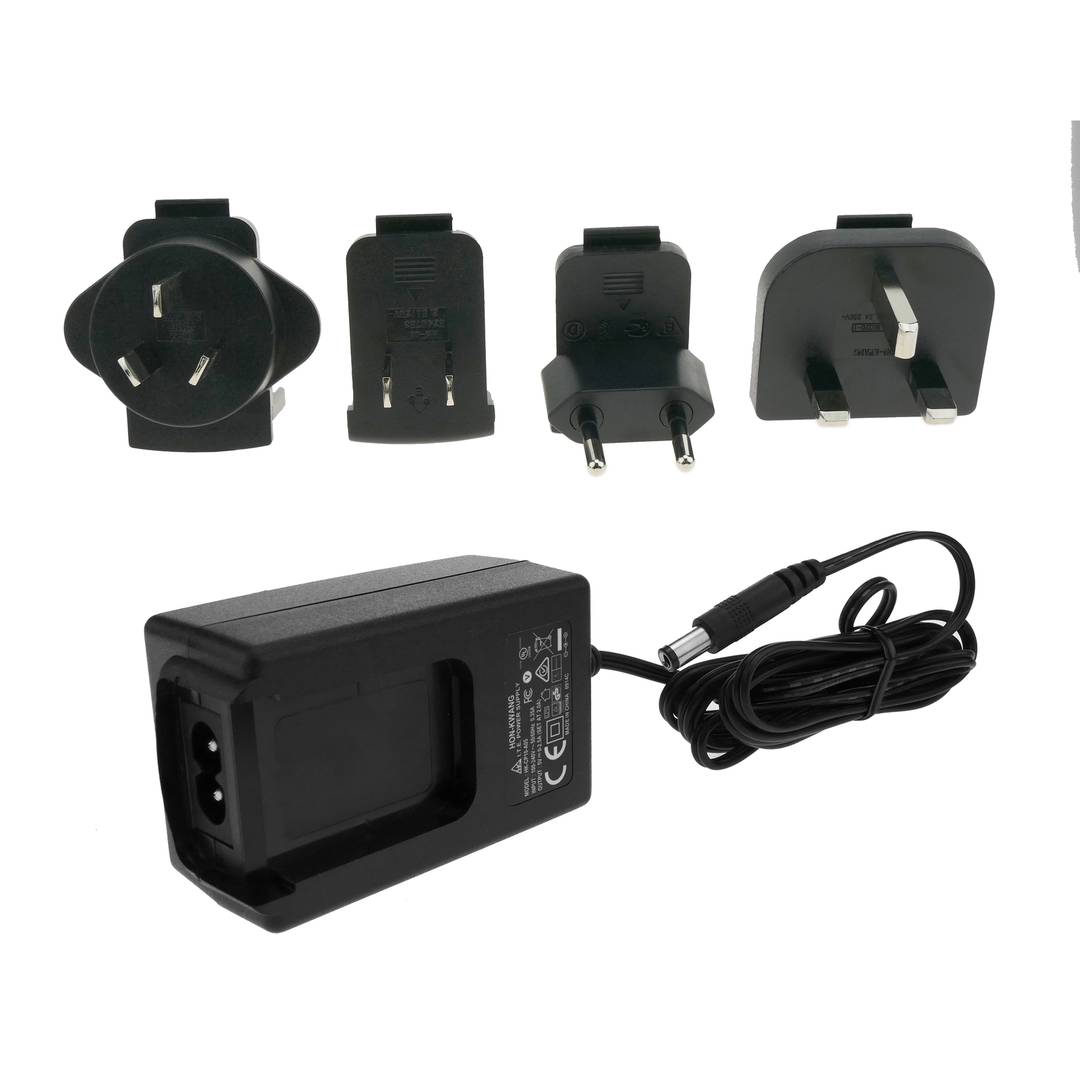
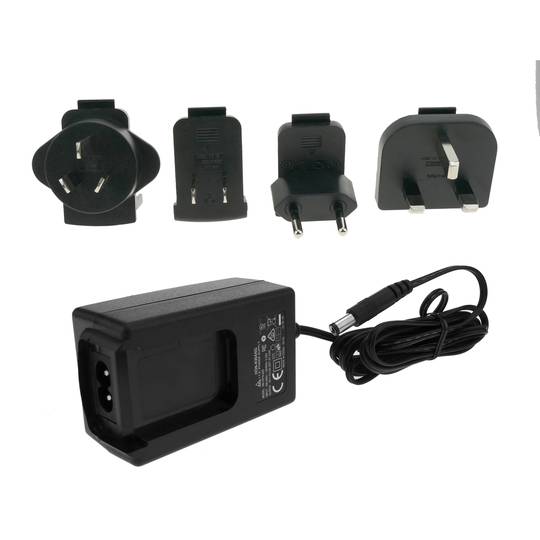
- It supplied with abrupt power source of 5 VDC to 2 A.
- Size: 140 x 70 x 25 mm.
- Gross Weight: 810 g
- Product size (width x depth x height): 14.0 x 7.0 x 2.5 cm
- Number of packages: 1
- Packages size: 19.0 x 8.0 x 27.0 cm
Technical terms
- HDMI
- DisplayPort
- 1080p
- VDC
HDMI (High-Definition Multimedia Interface) is a digital interface standard designed for the simultaneous transmission of uncompressed audio and video streams from a compatible source to a digital display or receiver.
This interface employs Transition-Minimized Differential Signaling (TMDS) to maintain data integrity at high frequencies. Throughout its revisions, HDMI has evolved from a basic digital video solution into a complex data bus capable of carrying 4K signals at 60Hz, dynamic metadata, and bidirectional control protocols between devices.
| Version | Bandwidth | Audio/Video Support |
|---|---|---|
| 1.0 - 1.2 | 4.9 Gbit/s | 1080p @ 60Hz, 8 LPCM channels |
| 1.3 - 1.4 | 10.2 Gbit/s | 4K @ 30Hz, Deep Color, ARC, Ethernet |
| 2.0 | 18.0 Gbit/s | 4K @ 60Hz, 32 audio channels, HDR |
The mass adoption of the HDMI standard has transformed the interconnect architecture in multimedia data centers and high-performance workstations. Its ability to integrate Audio Return Channels (ARC/eARC) and Ethernet connectivity (HEC) has drastically simplified structural cabling, eliminating the need for multiple redundant analog and digital cables while ensuring signal integrity over significant distances through active equalization.
CEC Control and Multi-Streaming Integration
A critical innovation in version 2.0 is the ability to deliver simultaneous dual video streams on the same screen and up to four independent audio streams, optimizing bandwidth for multi-user applications.
Key Advantages
- Pure digital transmission avoiding D/A signal degradation.
- Full backward compatibility across all standard versions.
- Native support for high-resolution audio formats like Dolby TrueHD and DTS-HD.
- Support for 21:9 cinema aspect ratios and dynamic lip-sync.
Note: Final interface performance is dependent on the cable certification (Standard, High Speed, or Premium High Speed).