

10/17/2026 5:16 a.m.
https://cablematic.com/en/products/pce-hld-10-hydrogen-detector-PC168/
https://cablematic.com/en/products/pce-hld-10-hydrogen-detector-PC168/
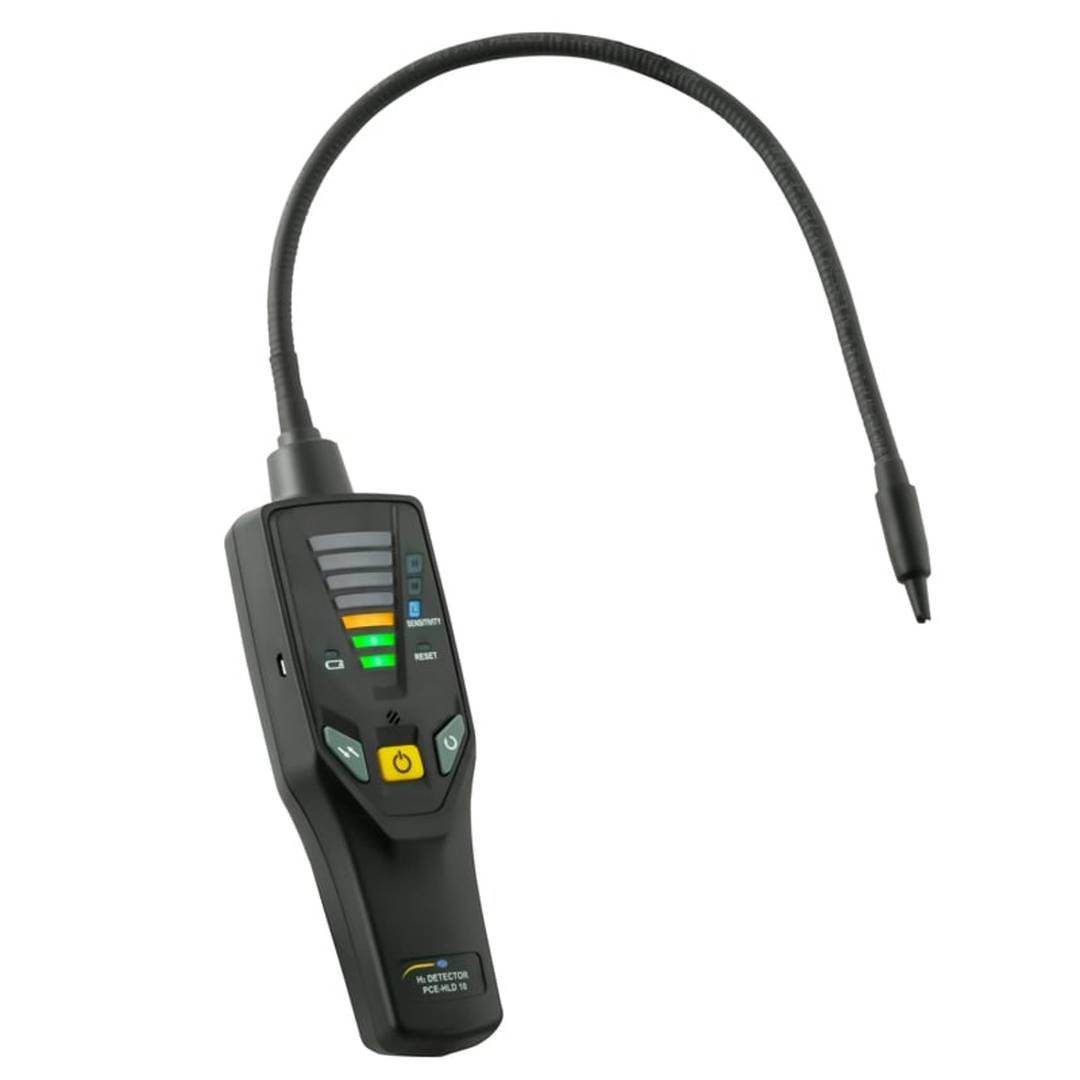



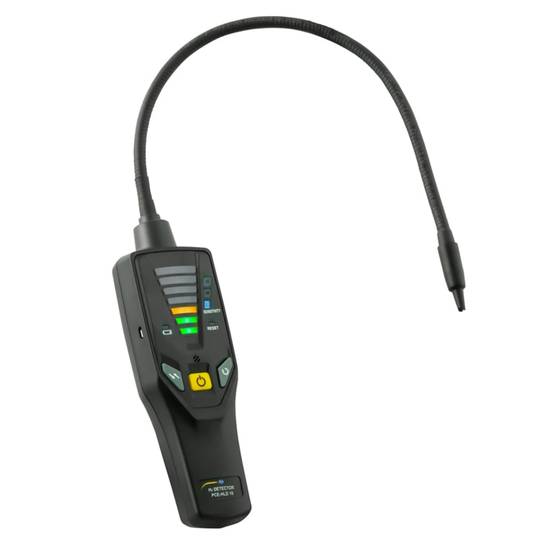
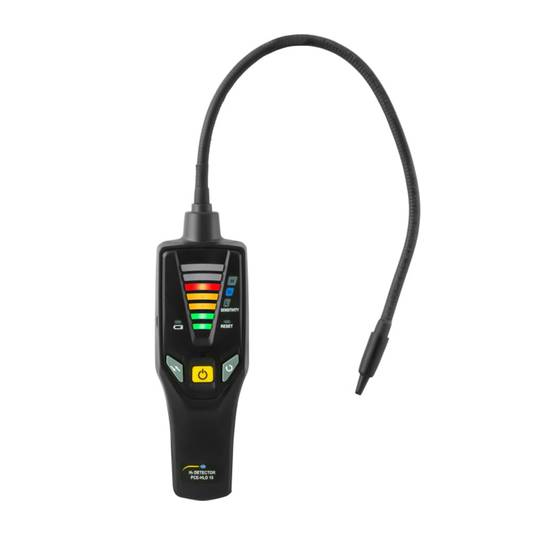
PCE-HLD 10 hydrogen detector
PCE-HLD 10 hydrogen detector
REF: PC168


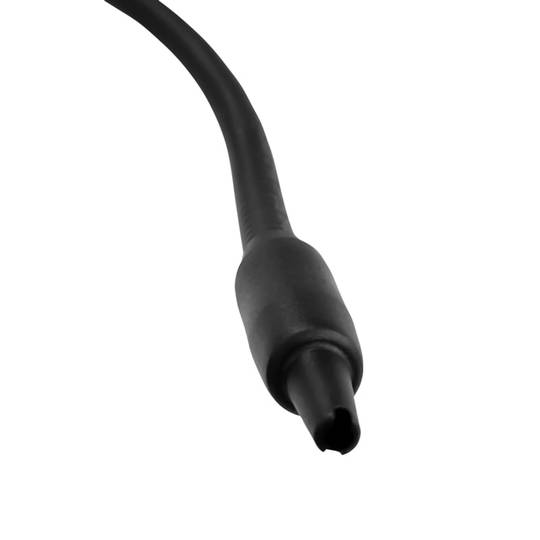
Specifications
- Hydrogen detector with acoustic and visual alarm.
- Built-in pump to improve response time.
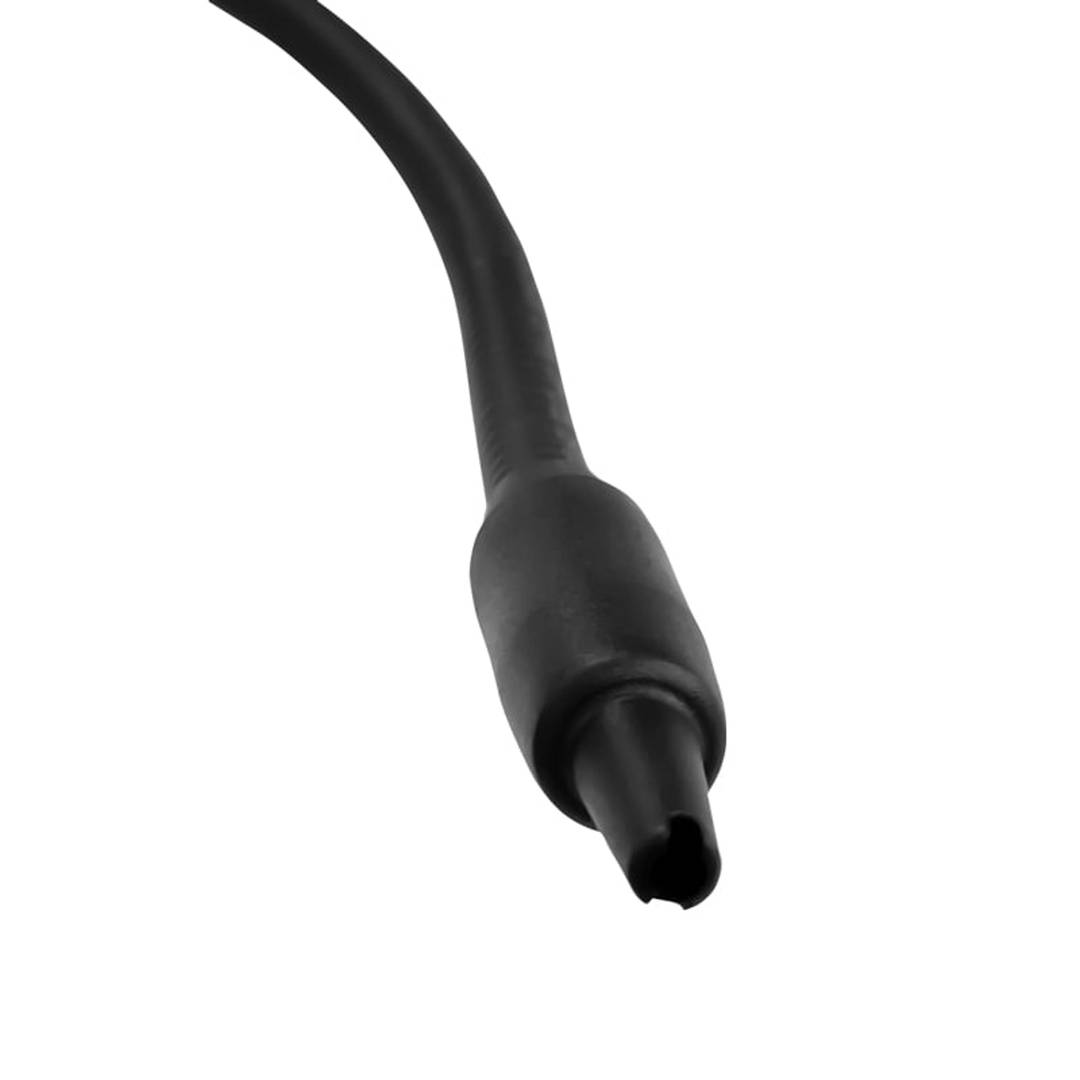
- 40 cm semi-rigid probe.
- Different adjustable sensitivity levels.
- Mobile use.
PVP
€317.88
Price including VAT:
€317.88
PVD
€295.96
PVP: Retail price.
Check conditions.
PVP: Sale price to distributors.
Check conditions.
 2 years
warranty
 14 days
returns
 100%
100%safe
Specifications
- Hydrogen detector with acoustic and visual alarm.
- Built-in pump to improve response time.
- 40 cm semi-rigid probe.
- Different adjustable sensitivity levels.
- Mobile use.
Related products


Keywords
Did not find what you were looking for? These topic could help you
More info
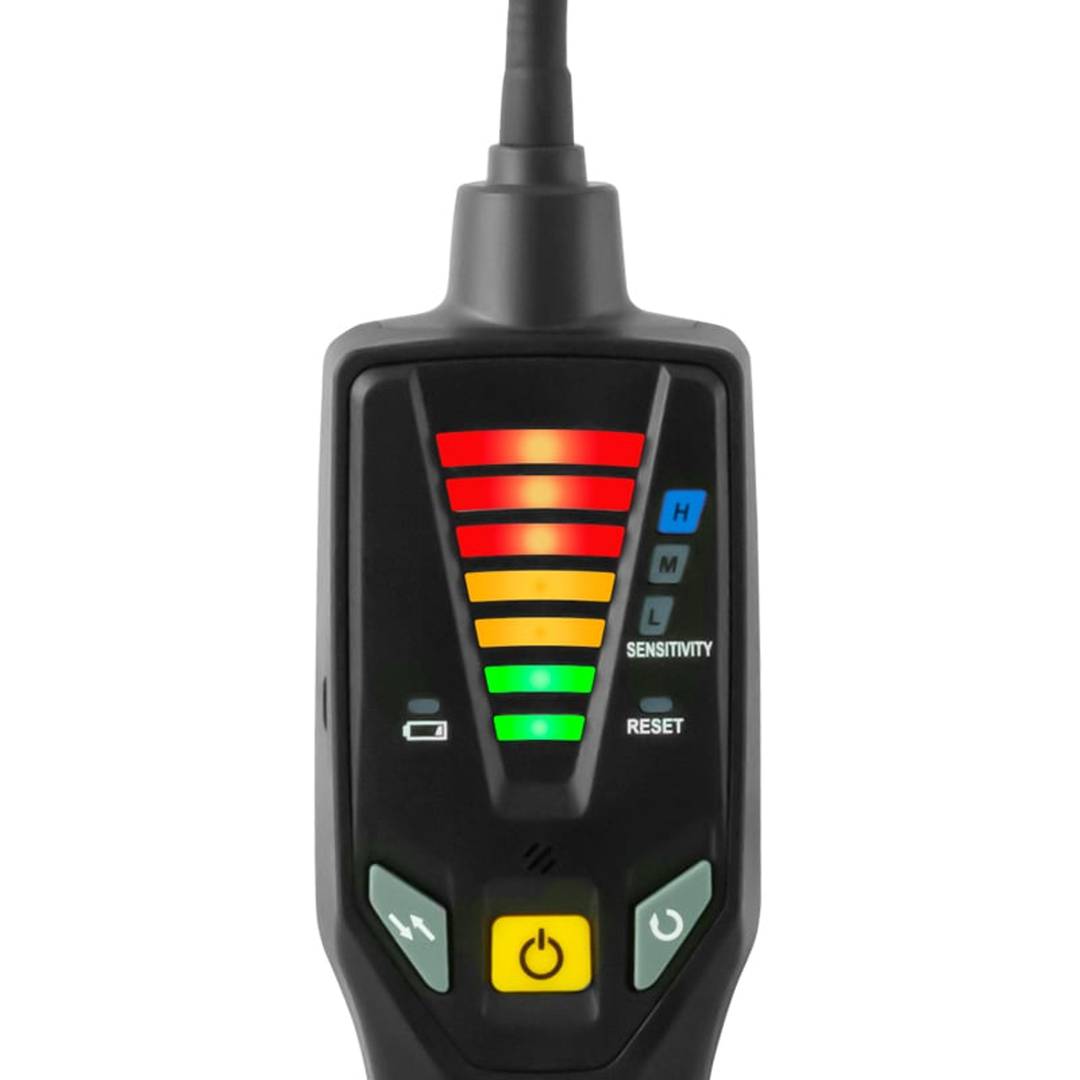
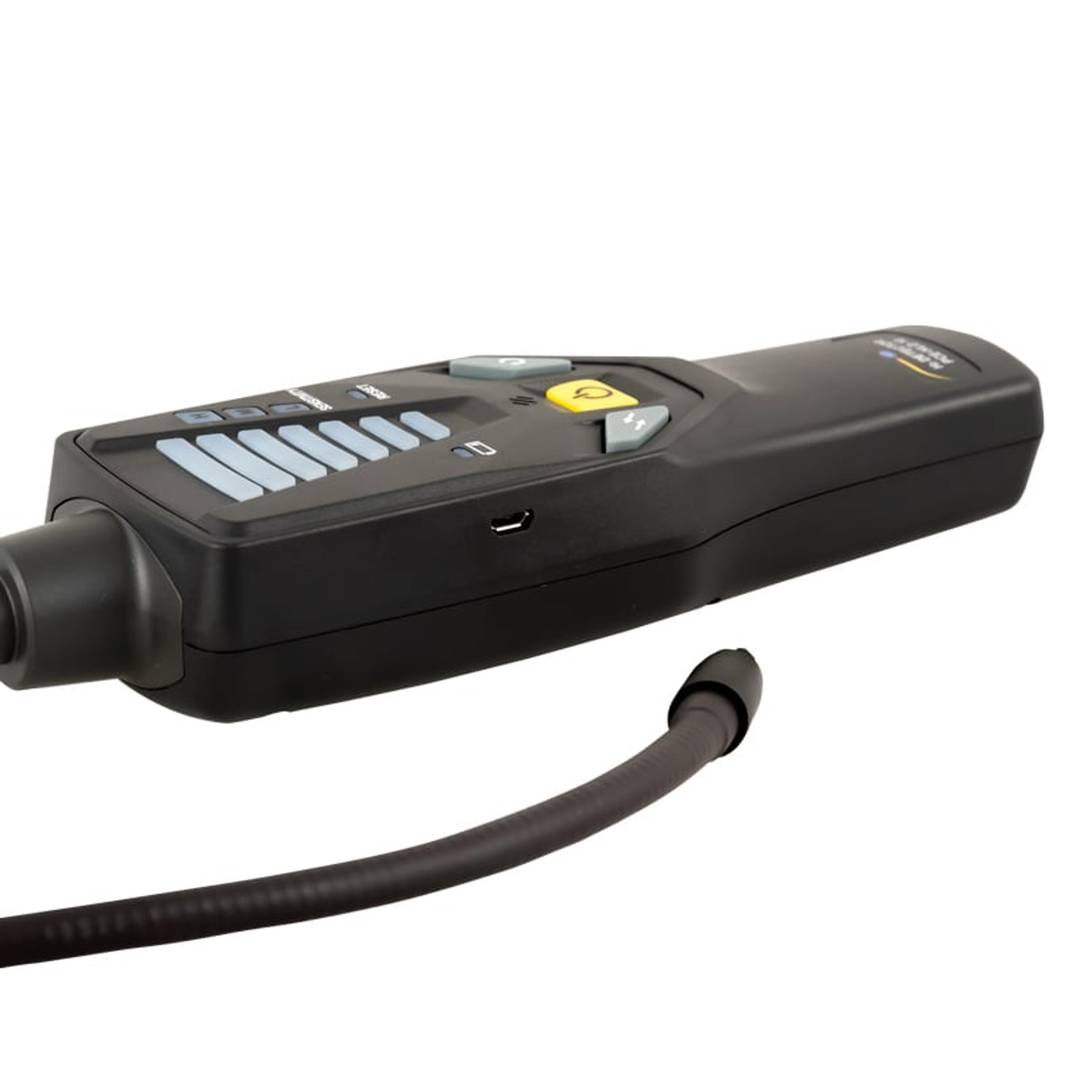
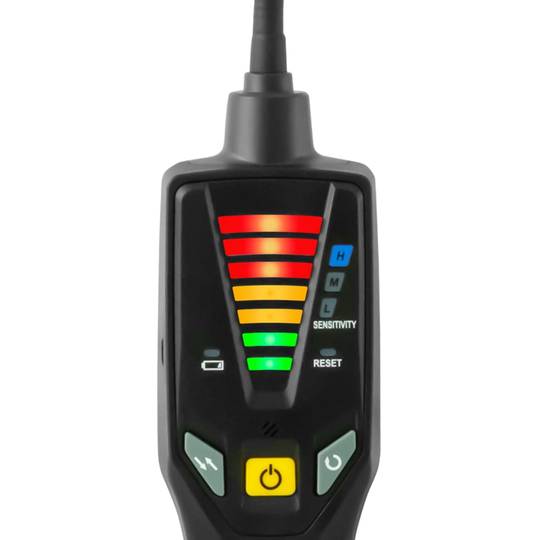
The gas leak detector is a measuring instrument used to detect the presence of hydrogen in tanks or pipes. Once the presence of hydrogen is detected, the gas leak detector displays the intensity of the leak using a tri-color bar graph and emits an acoustic signal. In addition, the sensitivity of the gas leak detector can be adjusted at three different levels: 2, 15 and 30 g/year, which makes it possible to limit the search for the leak. This device is used in several sectors, including the maintenance of hydrogen tanks. The 40 cm semi-rigid probe of the gas leak detector allows measurement in places that are difficult to access, which makes it useful for the maintenance of hydrogen vehicles. It has an autonomy of around 12 hours and when the batteries are discharged, an LED on the detector signals it. It also has an automatic shutdown function that activates after 10 minutes of inactivity. However, this feature can be disabled if preferred. The gas detector warm-up time is 45 seconds. The built-in pump improves the response time of the gas detector, which is ideal for leak location work. The gas detector is very easy to transport. It weighs only 4.5 kg. As a result, the gas detector is ideal for mobile work. Manufactured by PCE with reference PCE-HLD 10.
Specifications
- Hydrogen detector with acoustic and visual alarm.
- Built-in pump to improve response time.
- 40 cm semi-rigid probe.
- Different adjustable sensitivity levels.
- Mobile use.
- Autonomy for about 12 hours.
- Heating time: 45 seconds.
- Ideal for detecting leaks in hydrogen tanks or pipes.
- Automatic disconnection function after 10 minutes of inactivity.
- Possibility to deactivate the automatic disconnection.
- Compatible with 3.6V 4Ah lithium batteries.
- Gray.
- Technology: gas detector.
- Gross Weight: 1.088 kg
- Number of packages: 1
Technical terms
- LED
- Battery charging cycles
- Movement detector
- Lithium batteries
LED
The word LED, which is the acronym for Light Emitting Diode, is a passive optoelectronic component characterized by its versatility, taking on many forms and being integrated into many optical elements, from screens to light bulbs and even photographic flashes.
One of its best features is its low energy consumption, as well as its longer lifespan, its durability that perfectly withstands almost any type of vibration, in addition to low heat emission.
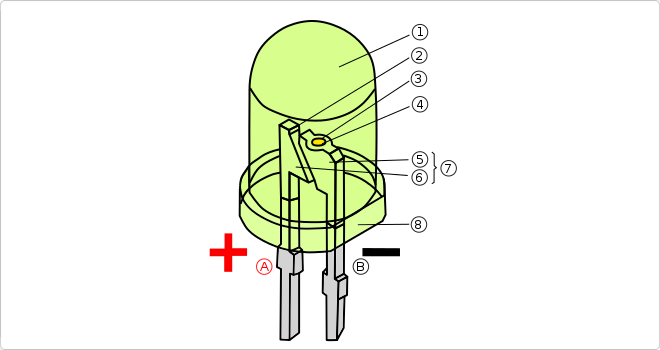
In the diagram:
One of its best features is its low energy consumption, as well as its longer lifespan, its durability that perfectly withstands almost any type of vibration, in addition to low heat emission.
In the diagram:
- Anode
- Cathode
- Lens/epoxy encapsulation (plastic capsule).
- Metal contact (conducting wire).
- Reflective cavity (reflective cup).
- Semiconductor termination.
- Anvil.
- Post.
- Anvil and post assembly replacing the filament.
- Flat edge.