

05/15/2026 12:27 p.m.
https://cablematic.com/en/products/pce-wnm-100-colorimeter-PC345/
https://cablematic.com/en/products/pce-wnm-100-colorimeter-PC345/
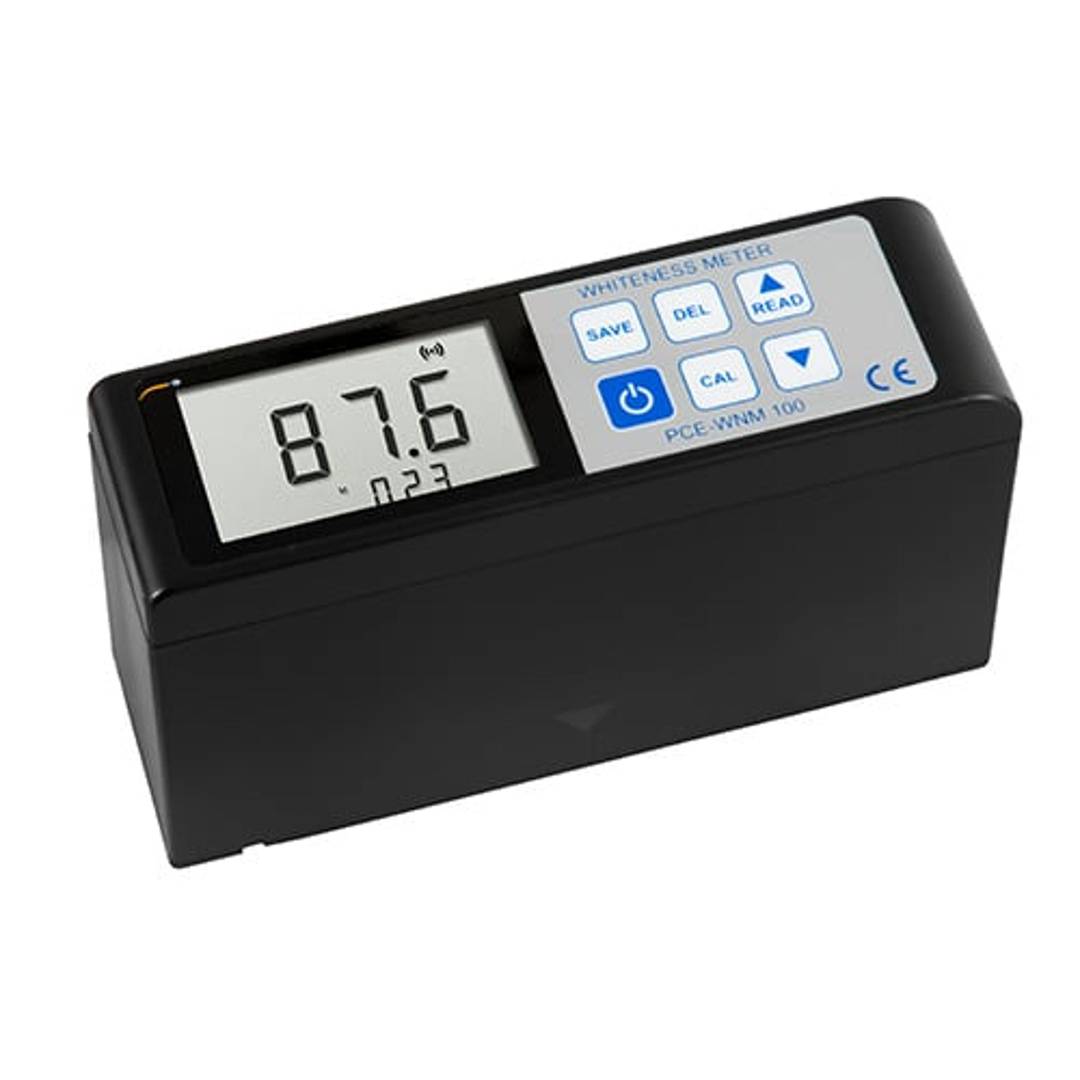
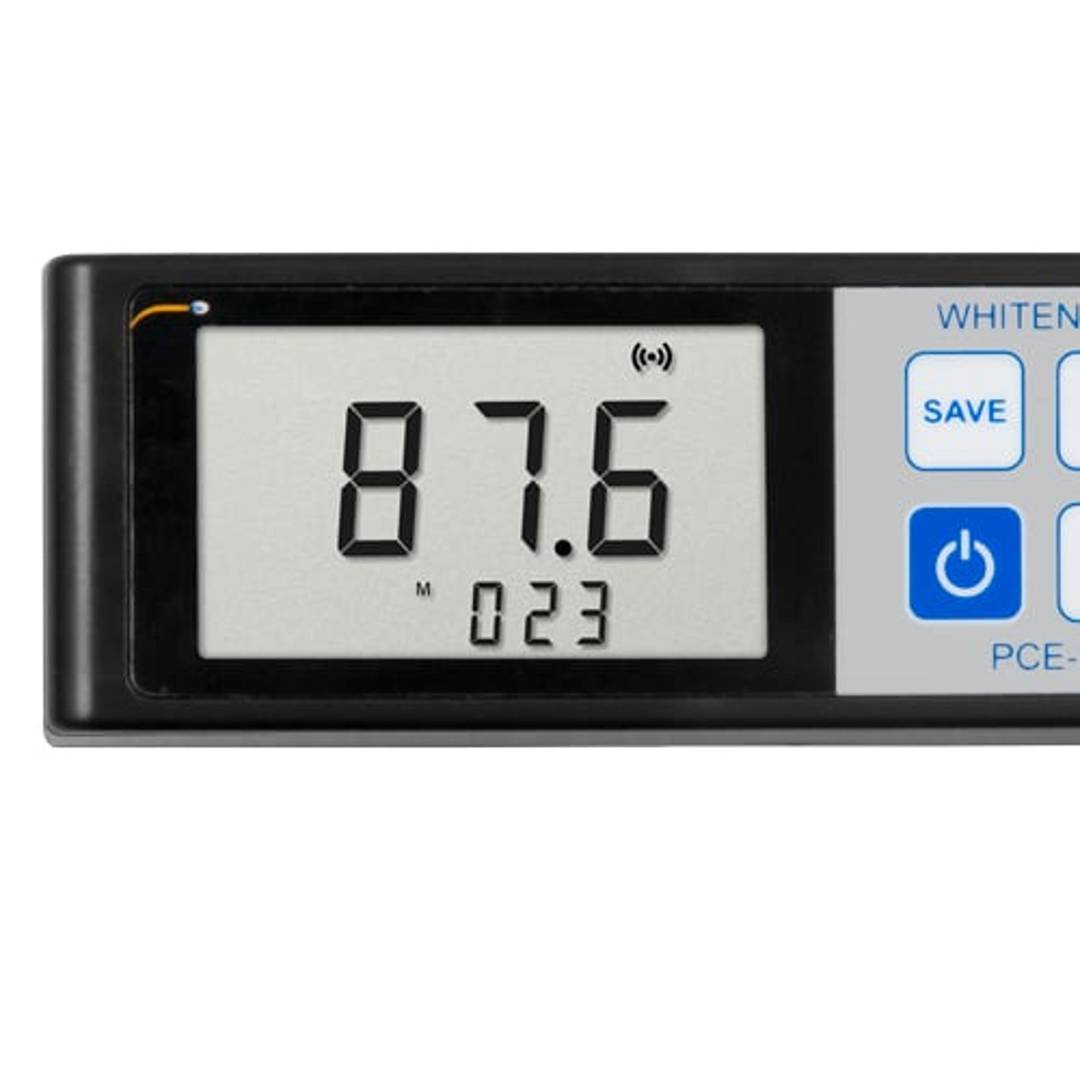
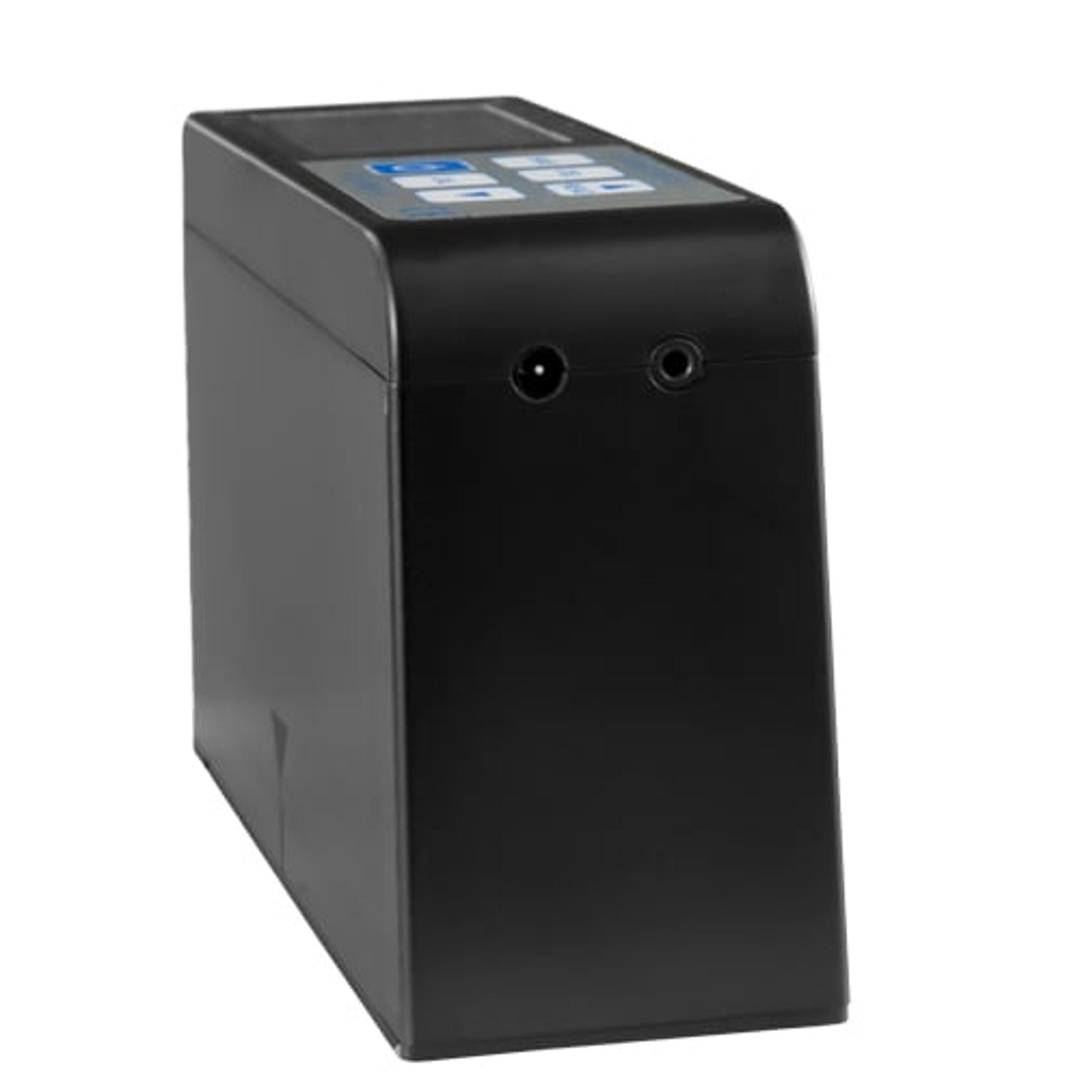
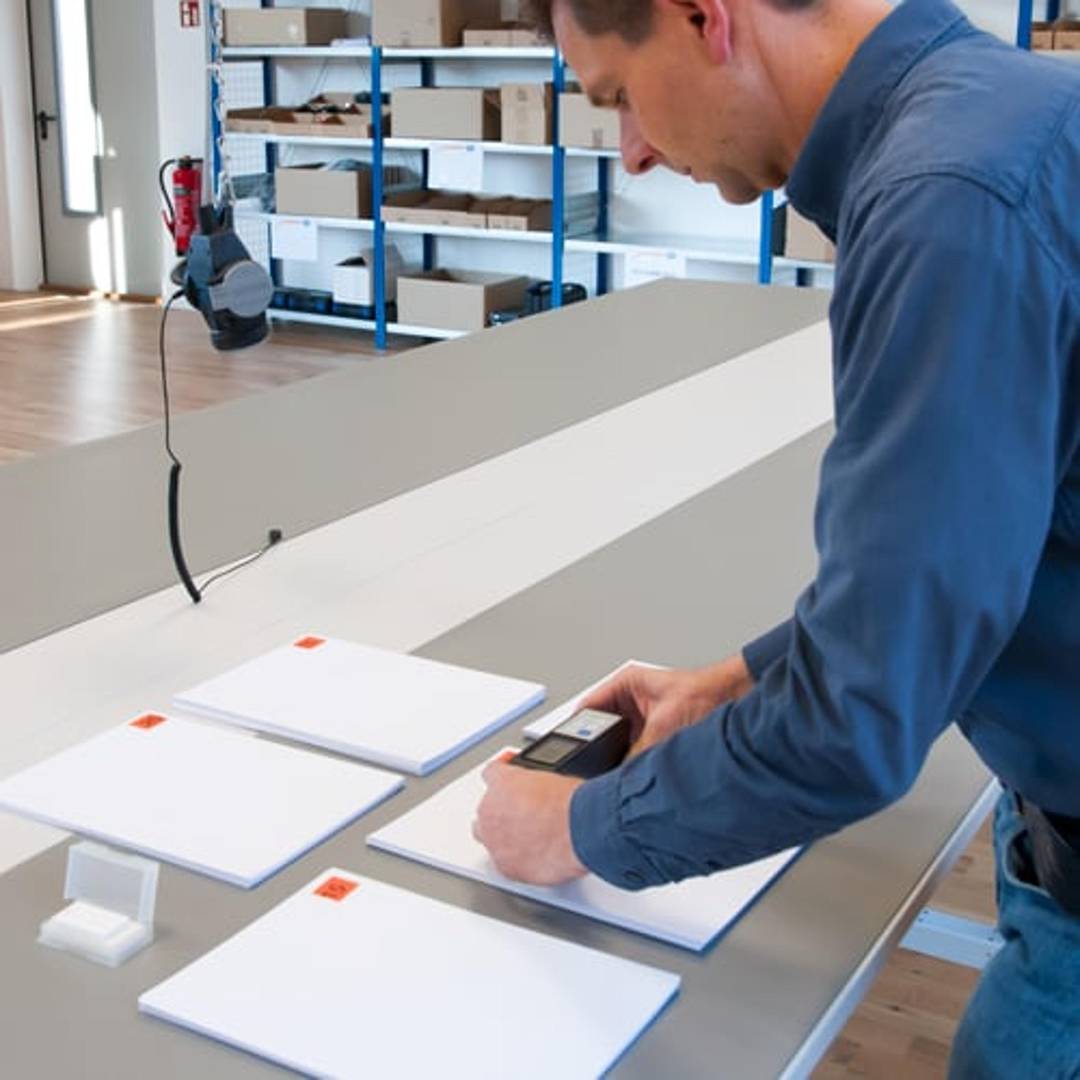
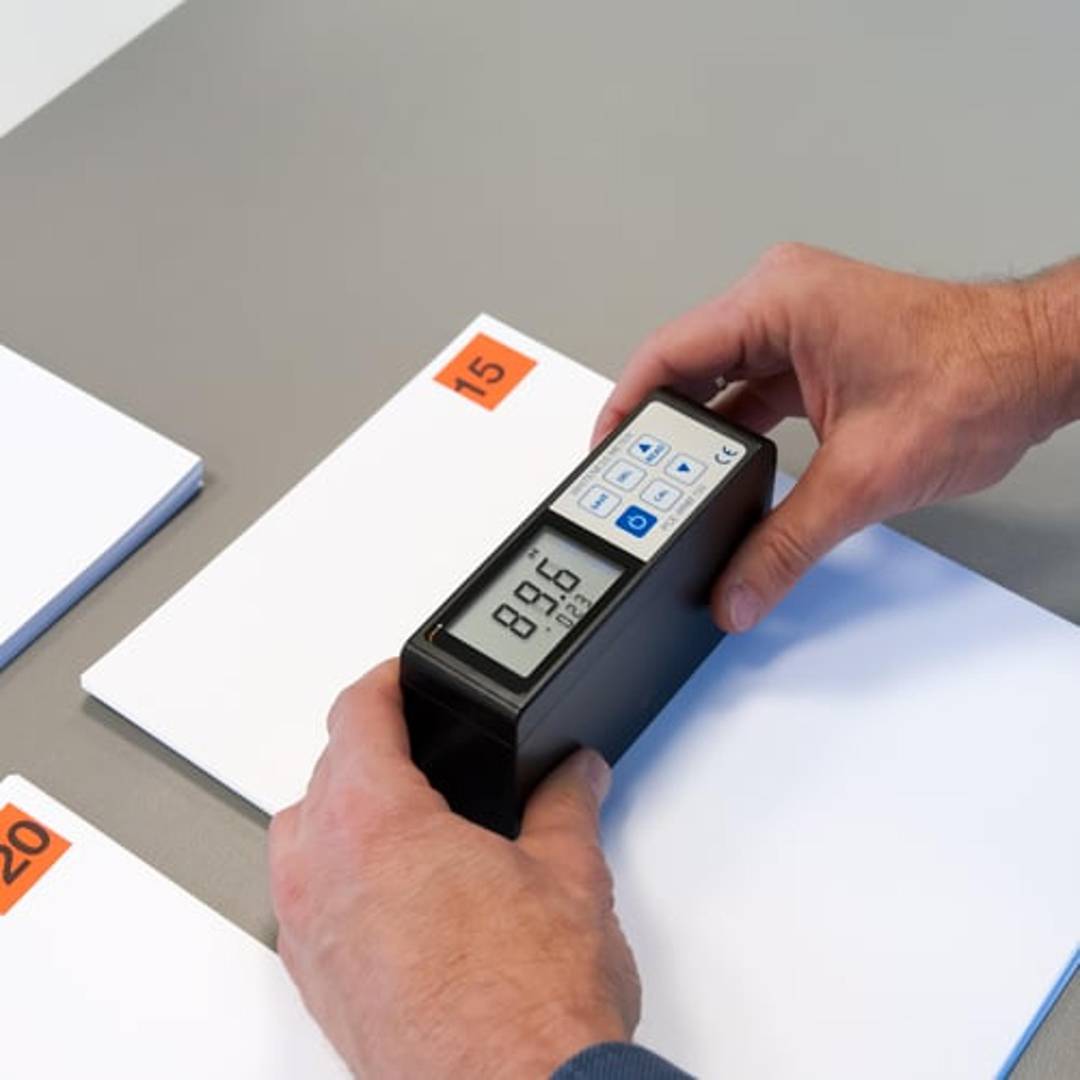


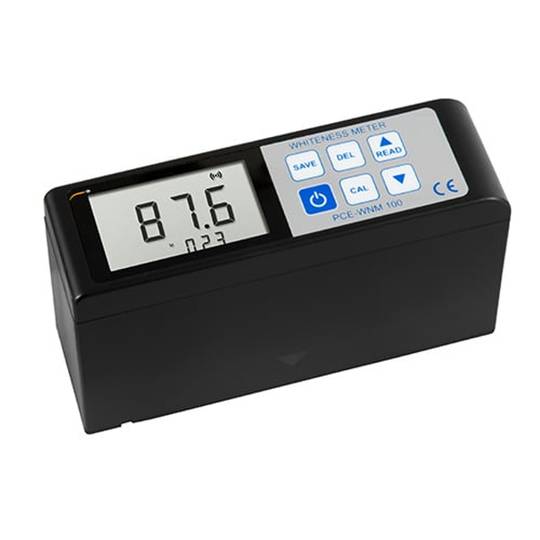
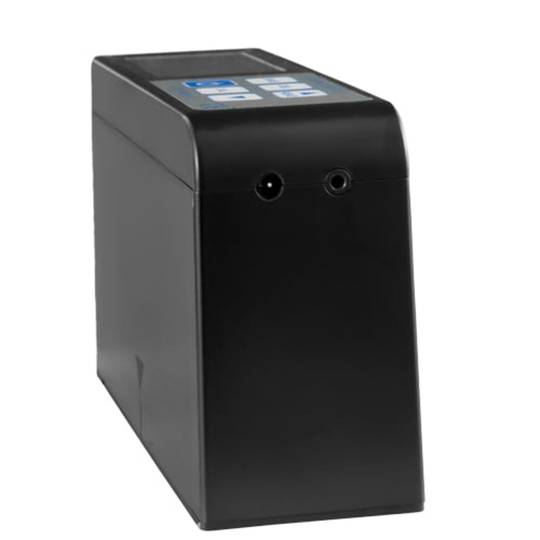
PCE-WNM 100 Colorimeter
PCE-WNM 100 Colorimeter
REF: PC345

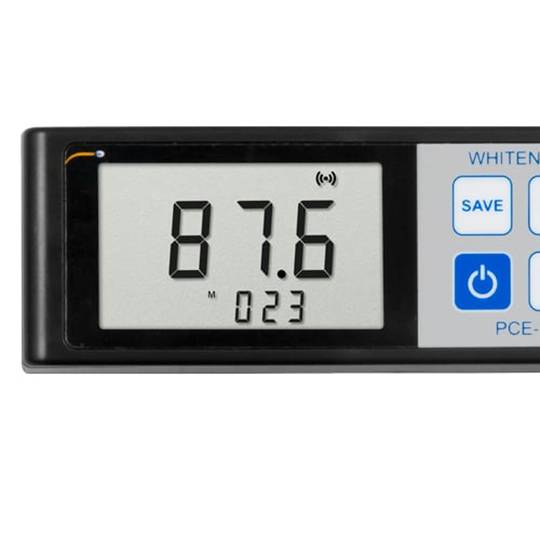
Specifications
- Measuring range up to 120.
- LCD screen.
- Li-ion battery.
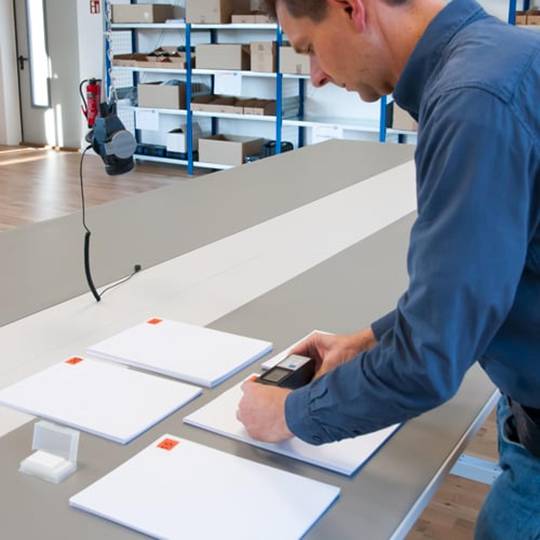
- Ideal for measuring the whiteness of flat surfaces or powders, fabric printing, coloring, construction materials, cardboard, paper and plastics.
- Light source and an optical measurement system.
PVP
€512.87
Price including VAT:
€512.87
PVD
€477.51
PVP: Retail price.
Check conditions.
PVP: Sale price to distributors.
Check conditions.
 2 years
warranty
 14 days
returns
 100%
100%safe
We will notify you when it is back in stock.
Specifications
- Measuring range up to 120.
- LCD screen.
- Li-ion battery.
- Ideal for measuring the whiteness of flat surfaces or powders, fabric printing, coloring, construction materials, cardboard, paper and plastics.
- Light source and an optical measurement system.
Related products
More info
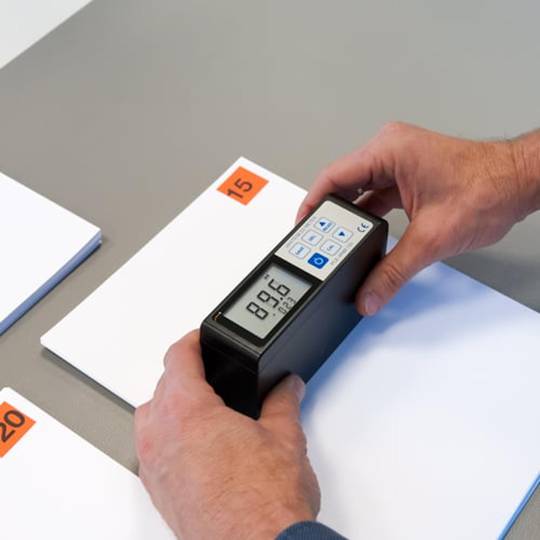
It has a measurement range of up to 120. The LCD screen allows a clear and precise reading of the results. It is portable and is powered by a lithium ion battery. It allows autonomy of up to 8 hours of continuous use. High-precision, easy-to-use measuring equipment that offers an effective solution for measuring whiteness on flat surfaces or in powders. Manufactured by PCE with reference PCE-WNM 100.
Specifications
- Measuring range up to 120.
- LCD screen.
- Li-ion battery.
- Ideal for measuring the whiteness of flat surfaces or powders, fabric printing, coloring, construction materials, cardboard, paper and plastics.
- Light source and an optical measurement system.
- Measure the whiteness based on the R457 standard.
- Calibrated with the calibration standard.
- Memory to store up to 245 values.
- Connection with a computer through the serial interface.
- Record measurement values in real time.
- Colour: black.
- Gross Weight: 940 g
- Number of packages: 1
Technical terms
- Lithium batteries
Lithium batteries
Li-Ion or Lithium batteries are one of the most common batteries used today.
We can find this type of battery in mobile phones, wireless headphones, UPS, smartwatches, cars, etc.
Lithium is a very light metal capable of generating ions easily, making it ideal for the manufacture of batteries.
Unlike other types of batteries, they are a bit more expensive, but in return, they are much smaller and lighter, capable of doubling the duration of a Ni-Cd battery.
Thanks to their composition, they can be manufactured in different shapes, adapting to the device where they are to be located, and their low memory effect makes them ideal for any type of device.
Summarizing their positive points:
We can find this type of battery in mobile phones, wireless headphones, UPS, smartwatches, cars, etc.
Lithium is a very light metal capable of generating ions easily, making it ideal for the manufacture of batteries.
Unlike other types of batteries, they are a bit more expensive, but in return, they are much smaller and lighter, capable of doubling the duration of a Ni-Cd battery.
Thanks to their composition, they can be manufactured in different shapes, adapting to the device where they are to be located, and their low memory effect makes them ideal for any type of device.
Summarizing their positive points:
- Easy to find
- Many different sizes and shapes
- Small size
- Lightweight
- Capable of accumulating more charge
- Less memory effect
- Long lasting
- Low self-discharge rate.
- Lifespan of about 3 years.
- Limited number of charges, between 300 and 1000.
- They are more expensive.
- They can overheat to the point of exploding.
- Poorer performance in cold conditions.
- Highly variable voltage.
- Lithium-ion polymer batteries.
- Lithium iron phosphate (LiFePO4).
- Olivine-type lithium iron phosphate batteries.
| BATTERY TYPE | NI-CD | NI-MH | LI-ION | LI-PO |
| Charging time | 10 to 14 hours | 2 to 4 hours | 2 to 4 hours | 1 to 1.5 hours |
| Discharge time/month | 30.00 % | 20.00 % | 6.00 % | 6.00 % |
| Number of recharges | approx. 500 | approx. 1000 | approx. 4000 | approx. 5000 |
| Discharge | Necessary | Recommended | Failure at 2.5 v | Failure at 2.5 v |
| Overcharge | Supported | NOT recommended | Supported | Supported |
| Power/kilo | 50 Wh/kg | 70 Wh/Kg | 110-160 Wh/Kg | 100-130 Wh-Kg |
| Memory effect | Very High | Low | None | None |
| Ah (Ampere hours) | 0.5 – 1Ah | 0.5 – 10 Ah | - | - |
| Voltage per cell | 1.2 V | 1.2 V | 3.7 V | 3.7 V |