

10/22/2026 1:28 p.m.
https://cablematic.com/en/products/pushbutton-transmitter-for-wireless-calling-system-1000m-2-keys-QI044/
https://cablematic.com/en/products/pushbutton-transmitter-for-wireless-calling-system-1000m-2-keys-QI044/


Pushbutton transmitter for wireless calling system 1000m 2 keys
Pushbutton transmitter for wireless calling system 1000m 2 keys
REF: QI044

Specifications
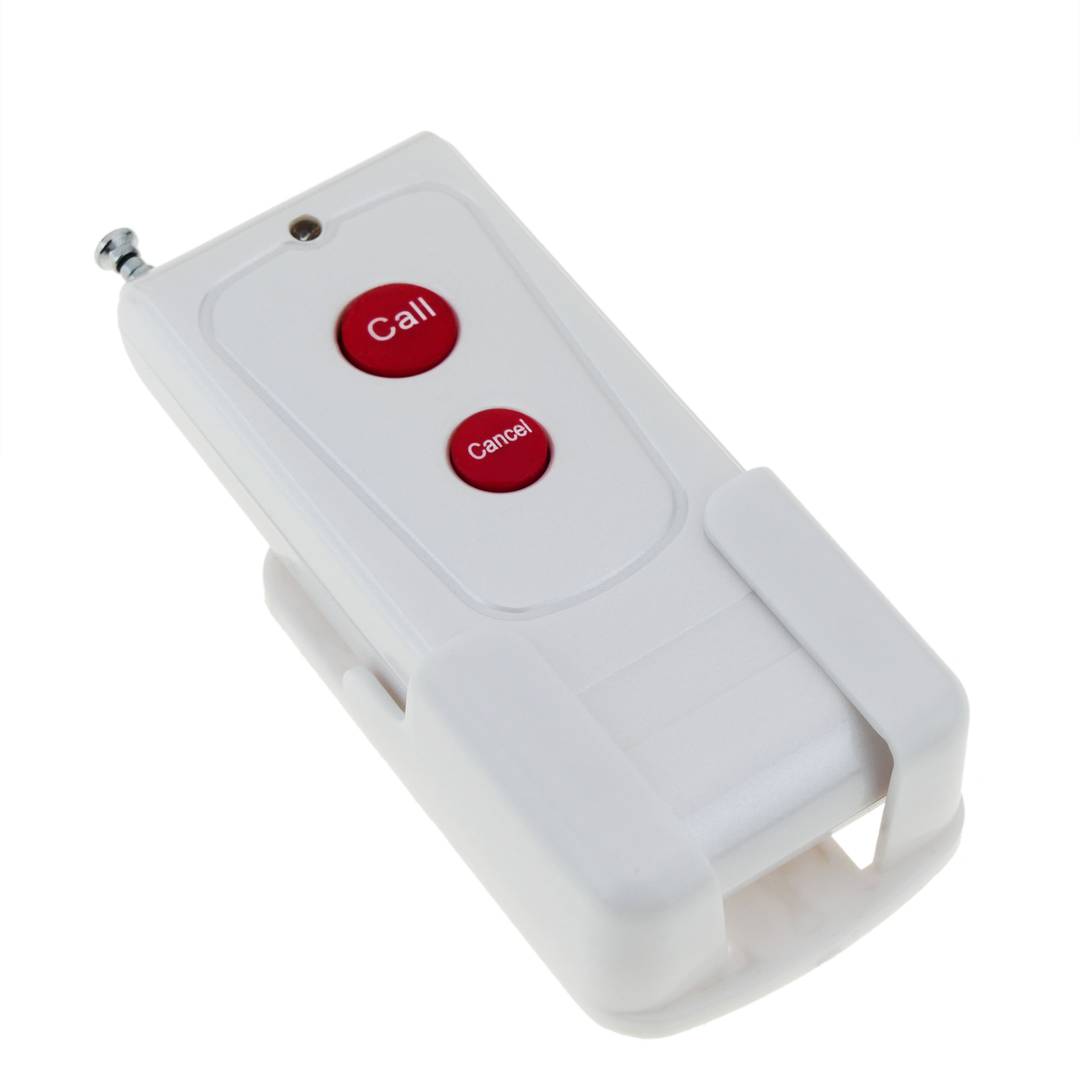
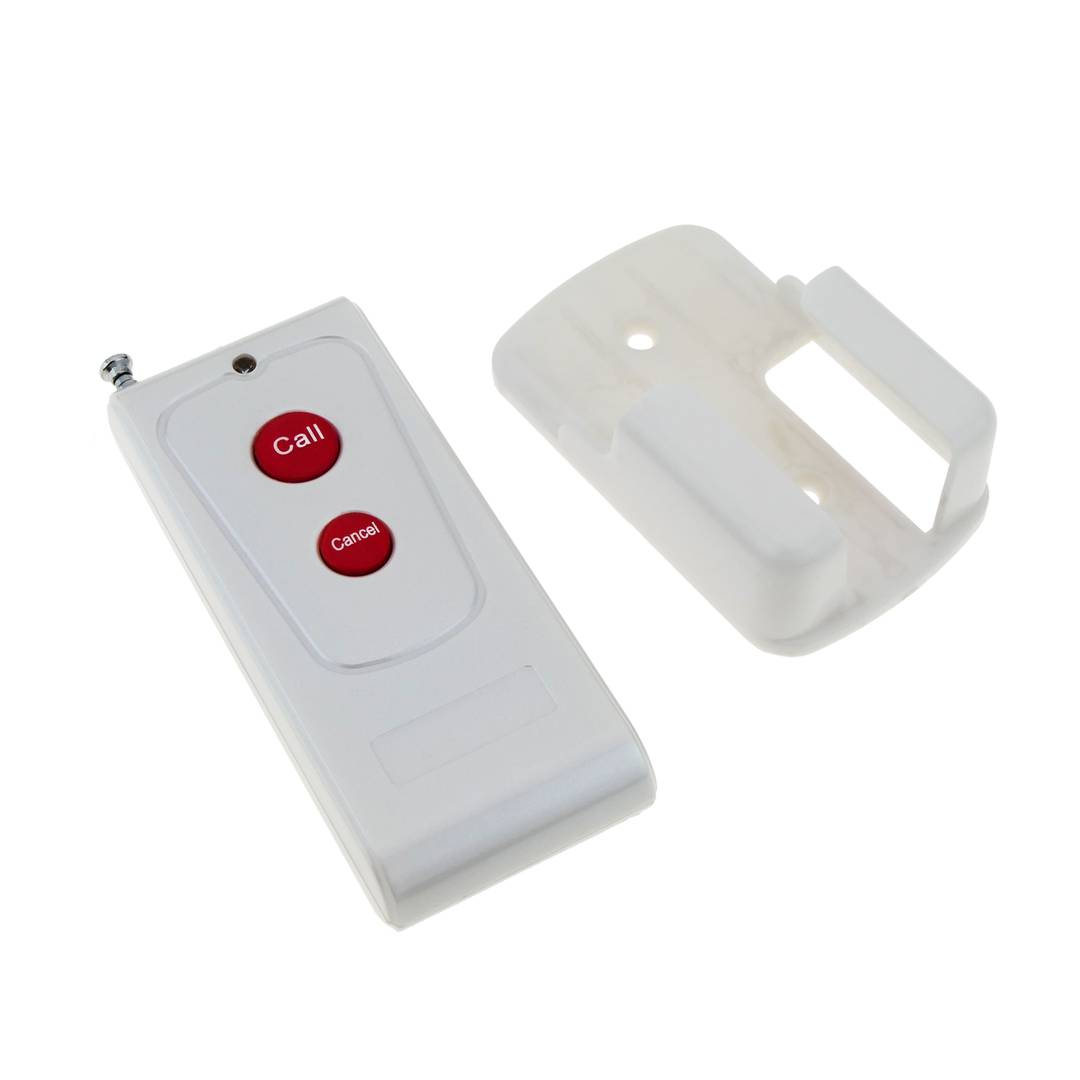
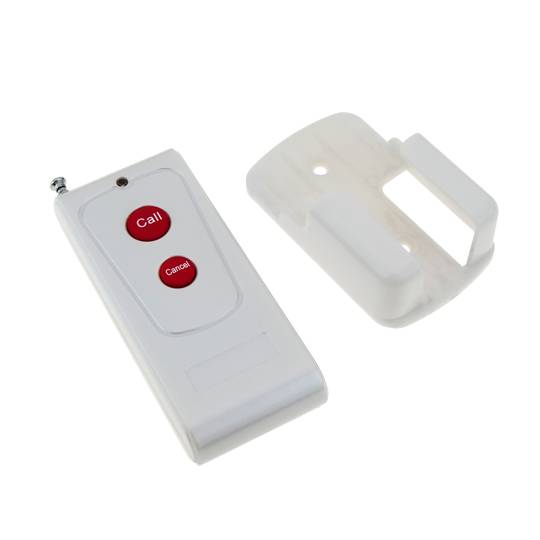
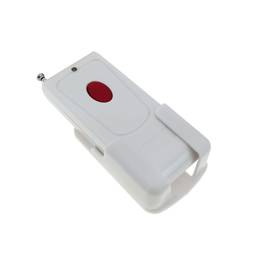
- Wireless push button to be used with an automatic call system.
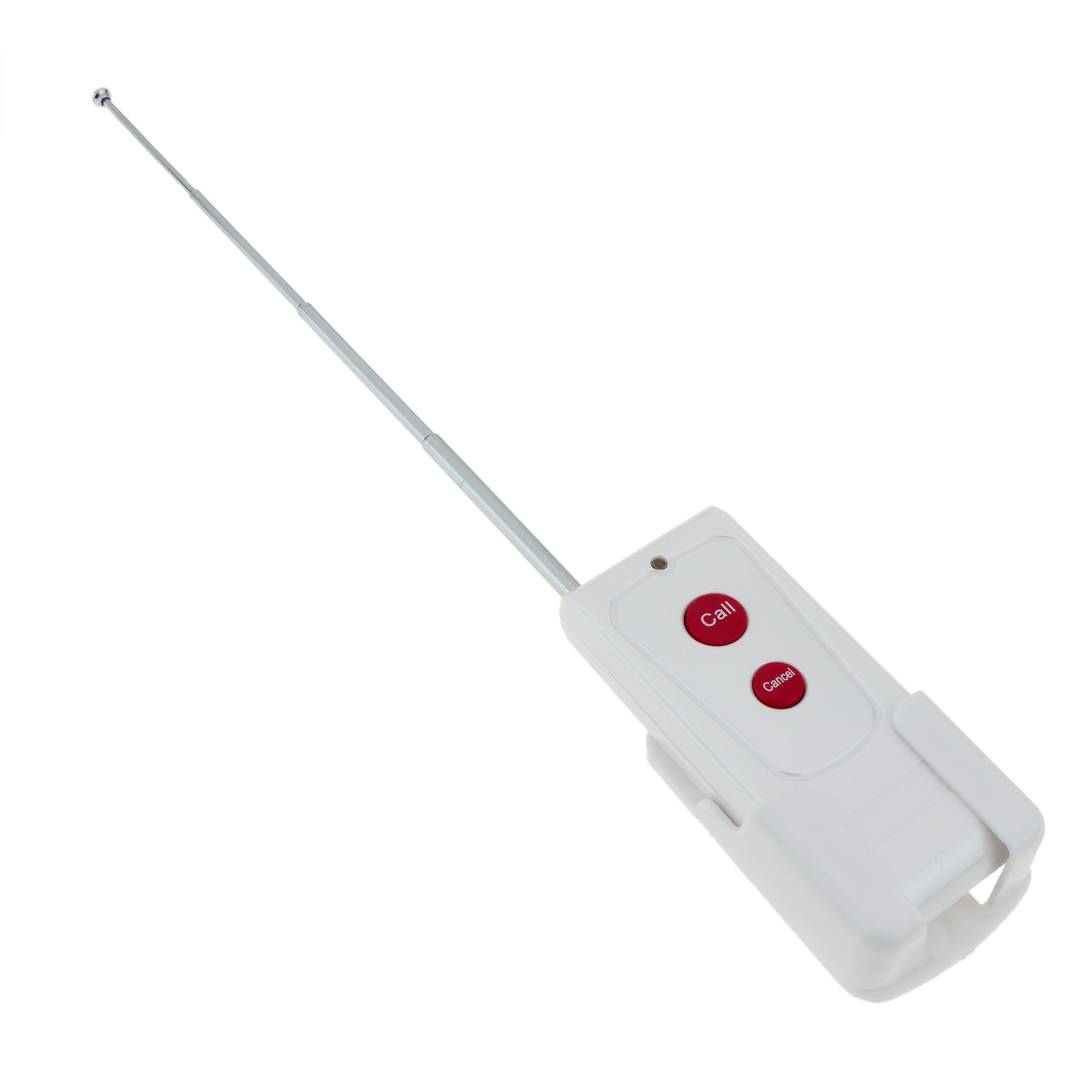
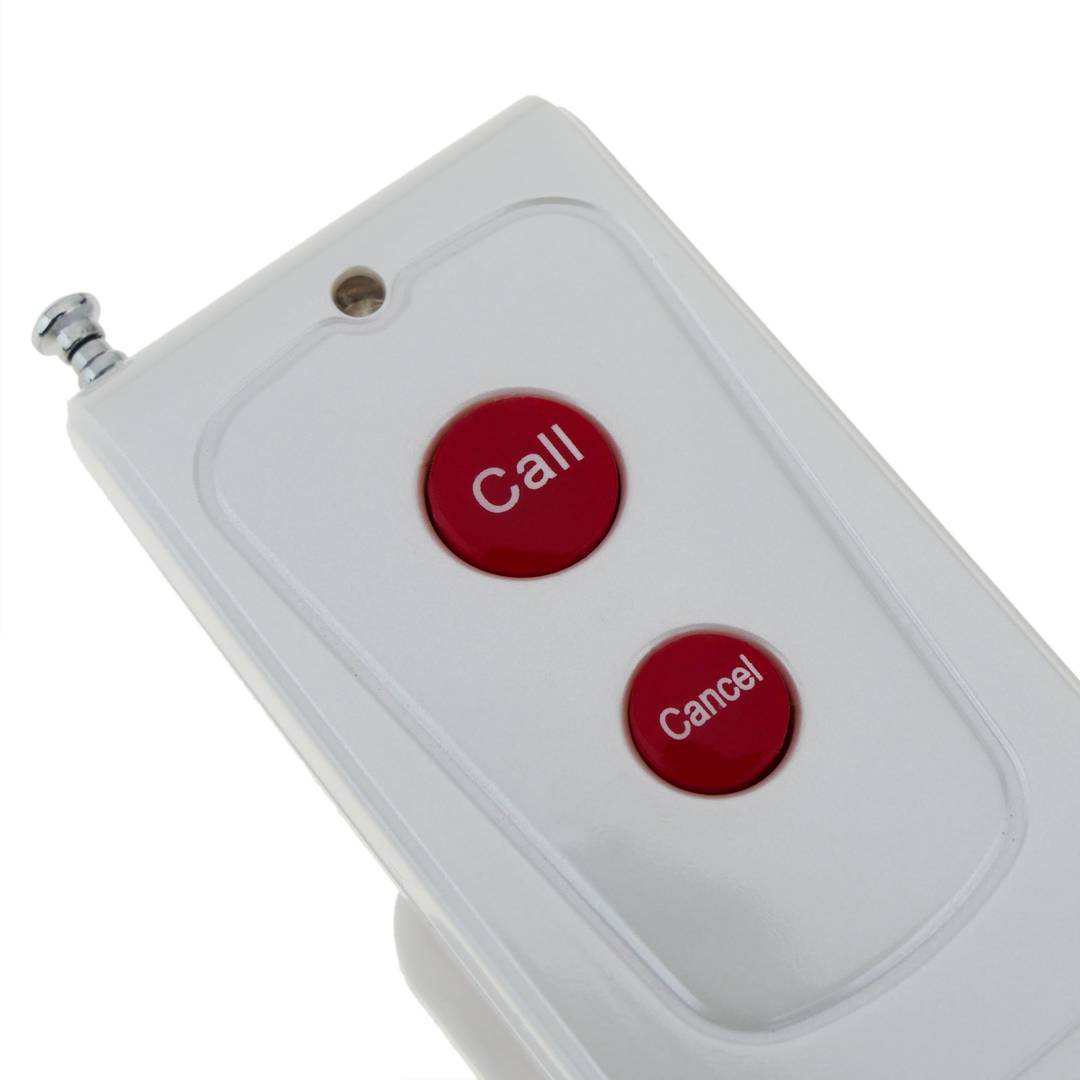
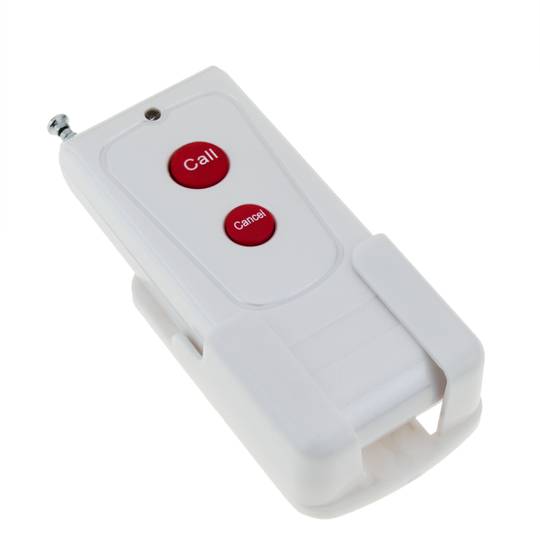
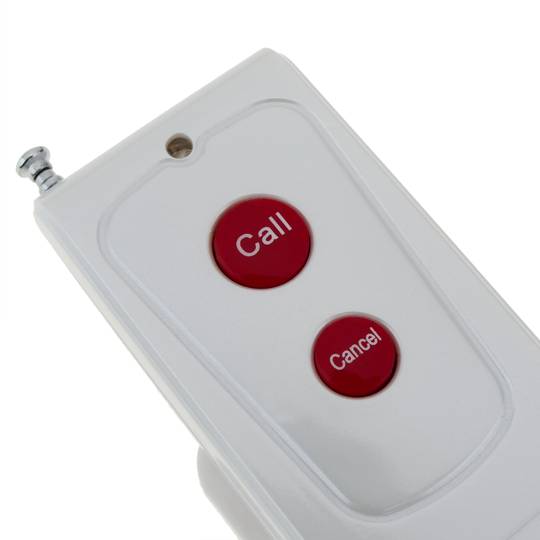
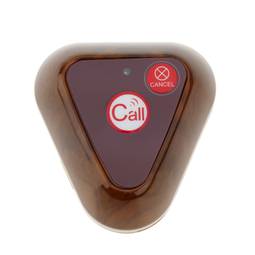
- It has a CALL and CANCEL button and a call indicator LED.
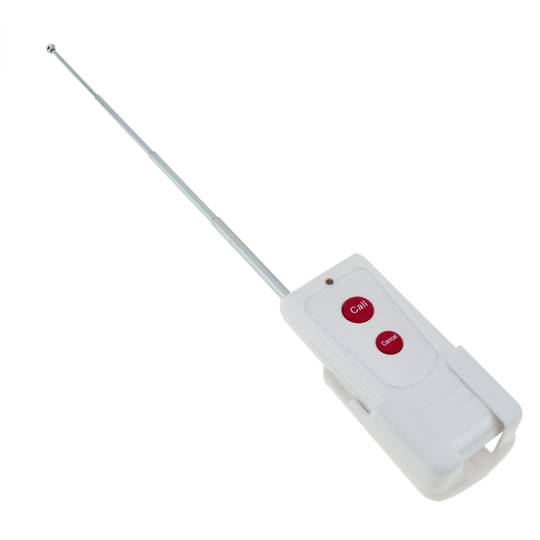
- Approximate operating range: 1000 m (in optimal conditions).
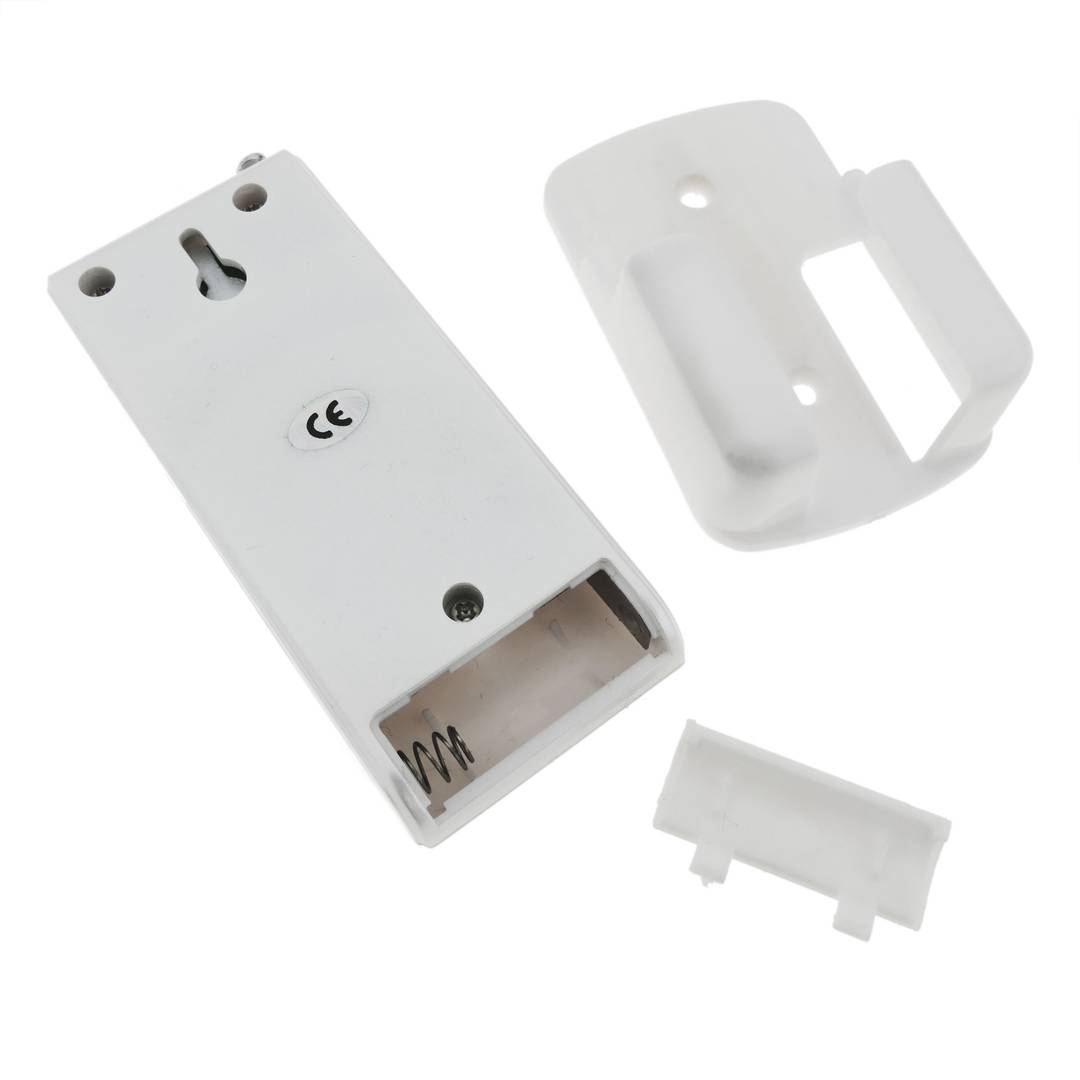
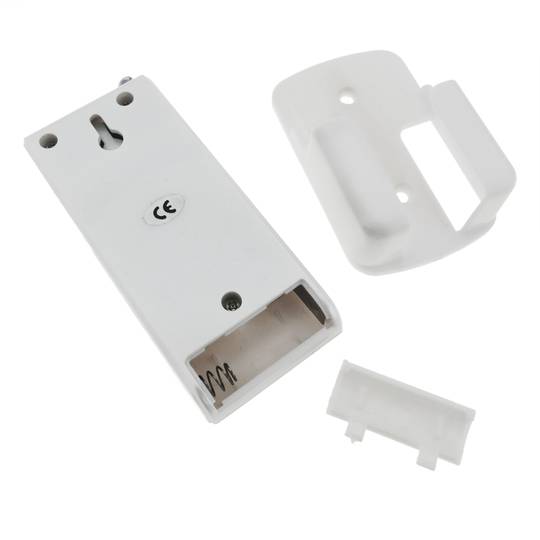
- Fixation by support (included). The support is designed to be fixed to the wall using screws (screws not included).
- Extendable antenna for wider coverage.
![play_button]() Watch video
Watch video
More info
 Watch video
PVP
€9.04
Price including VAT:
€9.04
PVD
€7.94
PVP: Retail price.
Check conditions.
PVP: Sale price to distributors.
Check conditions.
 2 years
warranty
 14 days
returns
 100%
100%safe
Specifications
- Wireless push button to be used with an automatic call system.
- It has a CALL and CANCEL button and a call indicator LED.
- Approximate operating range: 1000 m (in optimal conditions).
- Fixation by support (included). The support is designed to be fixed to the wall using screws (screws not included).
- Extendable antenna for wider coverage.
Related products
Keywords
Did not find what you were looking for? These topic could help you
Purchased together regularly
More info
Push button to be used with wireless call systems. This button must be used together with an LED display compatible with the wireless call system. These systems can be used in restaurants, bars, hotels, hospitals, shops, elderly care, etc.
To configure a wireless call system, LCD displays (vendor receivers) and call buttons (customer transmitters) must be purchased. The normal configuration is one LCD display (receiver) for several call modules or pushbuttons (transmitters). However, it is also possible to configure more than one LCD display, and all LCD displays will show the same call information.
System setup is easy. The installation does not require cables, since the communication between the LCD display and the call buttons is carried out wirelessly. The buttons must be registered on the LCD display, and each button must be assigned a specific number. This number may correspond to the table number, room number, section number, etc., depending on the type of application. When the client (button user or transmitter) presses the key, the information is shown on the LCD display to which it is paired. In this way, the seller can take the appropriate actions to provide the necessary attention to the customer.
Push Button Specifications
- Wireless push button to be used with an automatic call system.
- It has a CALL and CANCEL button and a call indicator LED.
- Approximate operating range: 1000 m (in optimal conditions).
- Fixation by support (included). The support is designed to be fixed to the wall using screws (screws not included).
- Extendable antenna for wider coverage.
- It works with a 23A 12V battery (included). It is housed in the back of the button.
- Automatic code memorizing system (self-learning).
- Size: 85 x 36 x 16mm.
- Operating frequency: 433.92 MHz.
- Compatible with various ranges of LED viewers (our references #QI1x).
- Gross Weight: 30 g
- Product size (width x depth x height): 9.0 x 4.0 x 2.0 cm
- Number of packages: 1
- Packages size: 9.0 x 5.0 x 3.0 cm
Technical terms
- LED
- Hz
LED
The word LED, which is the acronym for Light Emitting Diode, is a passive optoelectronic component characterized by its versatility, taking on many forms and being integrated into many optical elements, from screens to light bulbs and even photographic flashes.
One of its best features is its low energy consumption, as well as its longer lifespan, its durability that perfectly withstands almost any type of vibration, in addition to low heat emission.
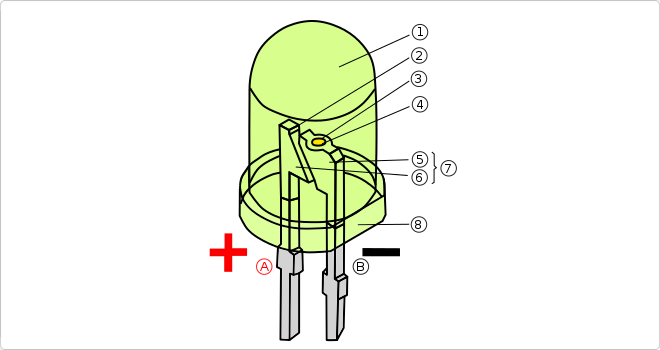
In the diagram:
One of its best features is its low energy consumption, as well as its longer lifespan, its durability that perfectly withstands almost any type of vibration, in addition to low heat emission.
In the diagram:
- Anode
- Cathode
- Lens/epoxy encapsulation (plastic capsule).
- Metal contact (conducting wire).
- Reflective cavity (reflective cup).
- Semiconductor termination.
- Anvil.
- Post.
- Anvil and post assembly replacing the filament.
- Flat edge.