

10/11/2026 9:12 p.m.
https://cablematic.com/en/products/thickness-gauge-pce-ct-5000h-PC276/
https://cablematic.com/en/products/thickness-gauge-pce-ct-5000h-PC276/
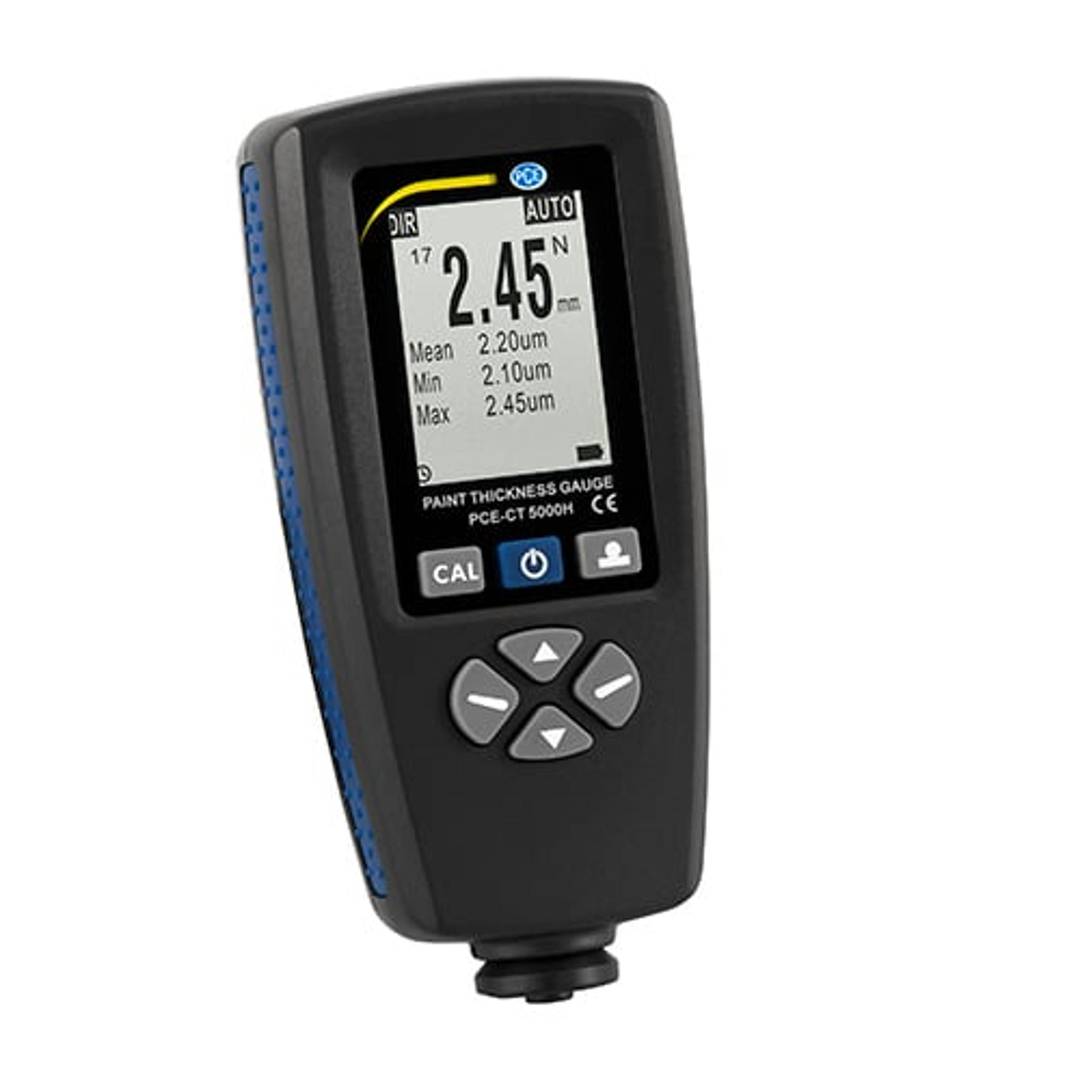
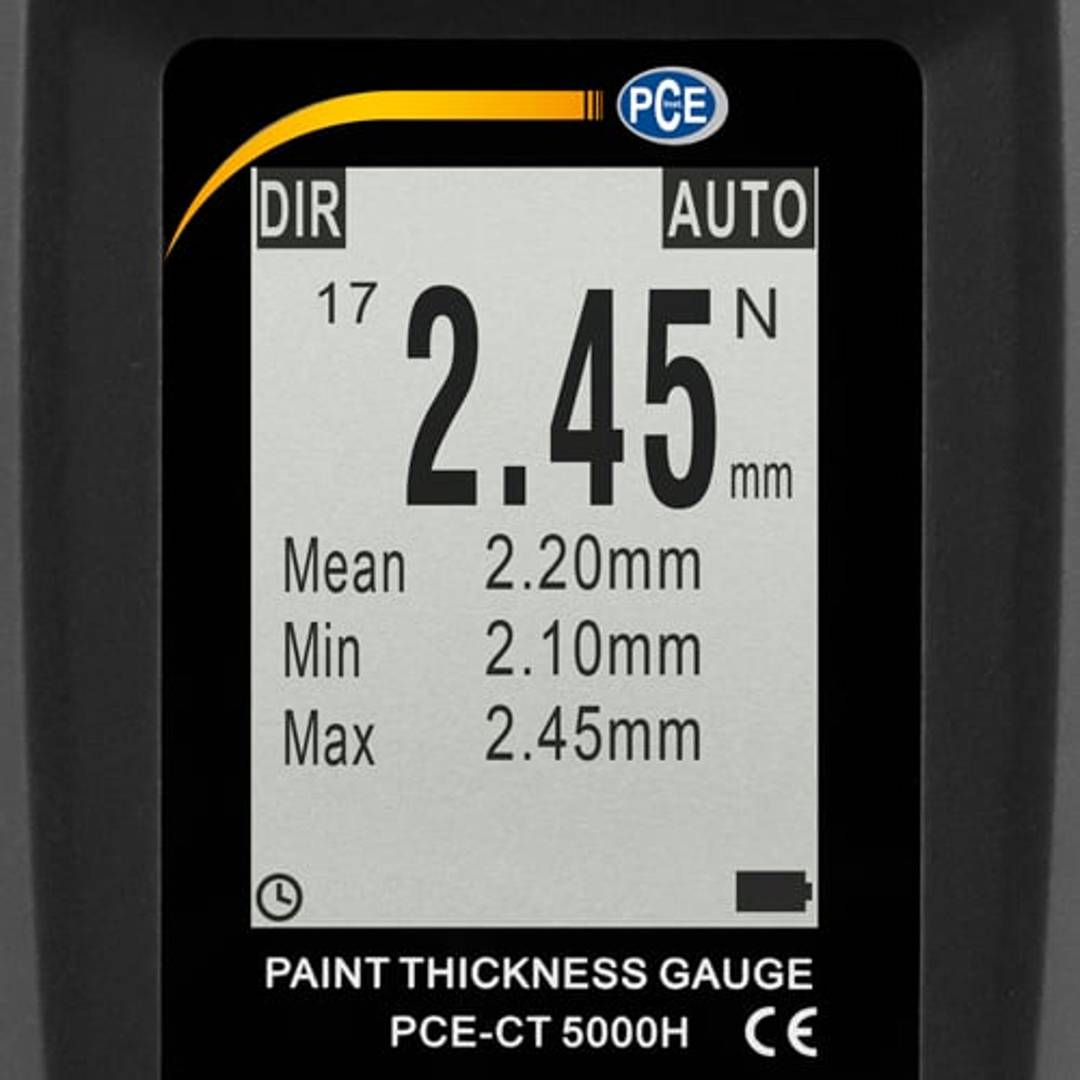
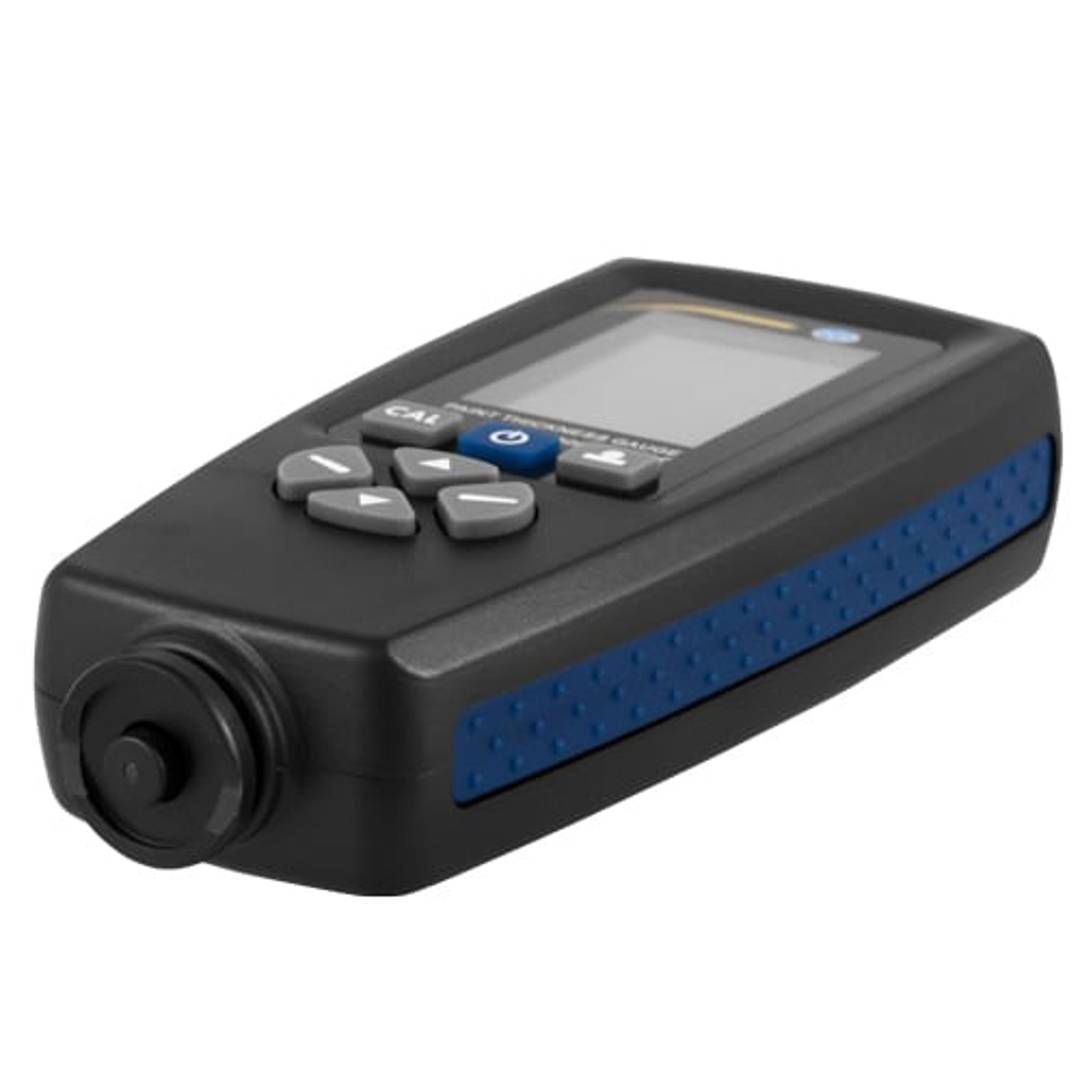
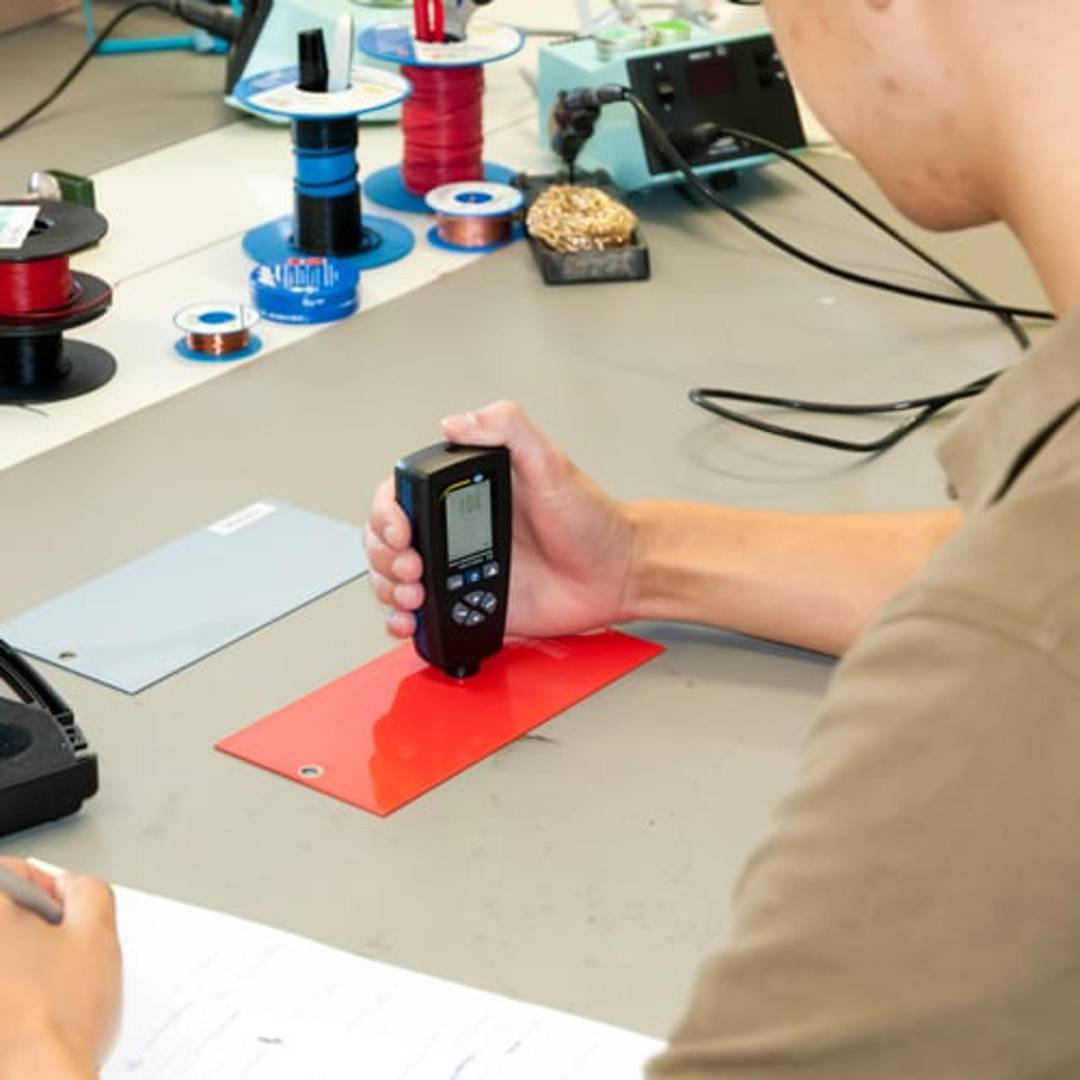


Thickness gauge PCE-CT 5000H
Thickness gauge PCE-CT 5000H
REF: PC276

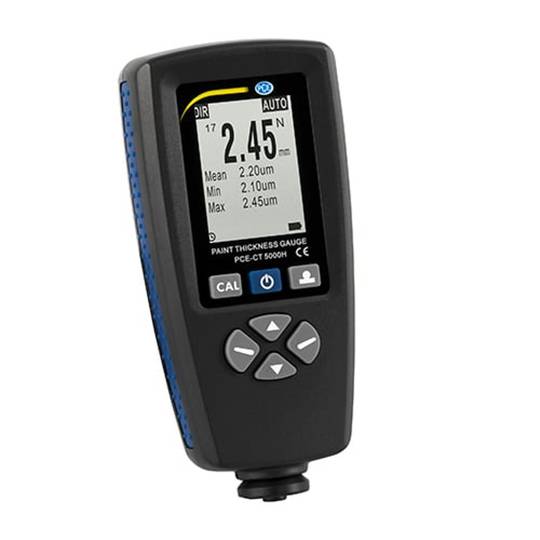
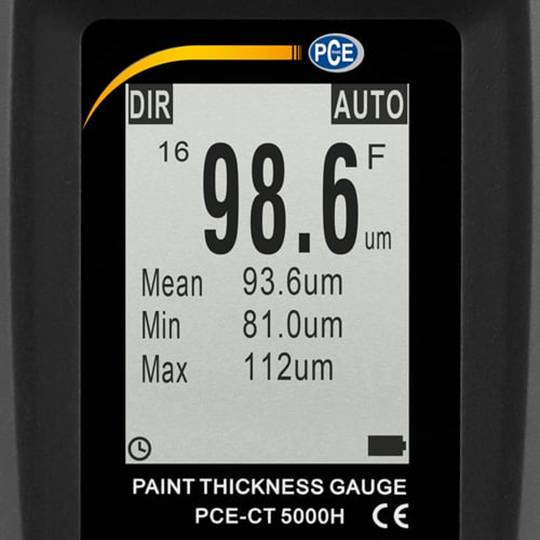
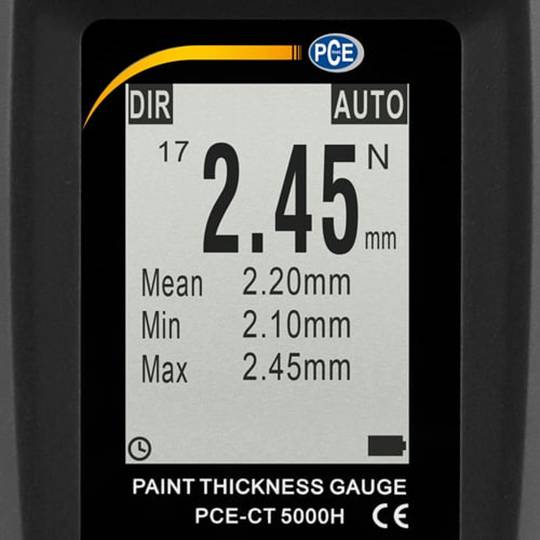
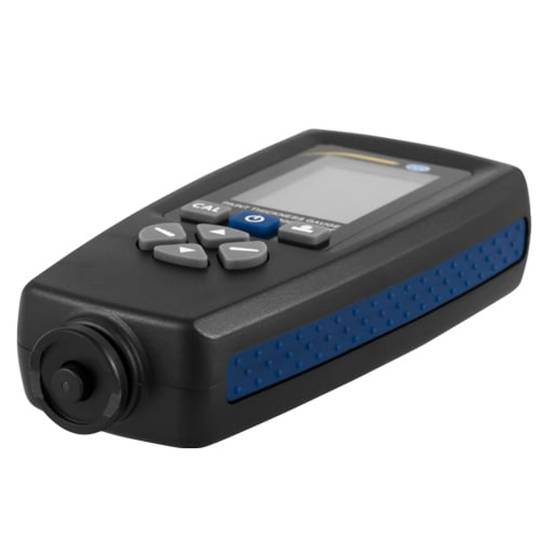
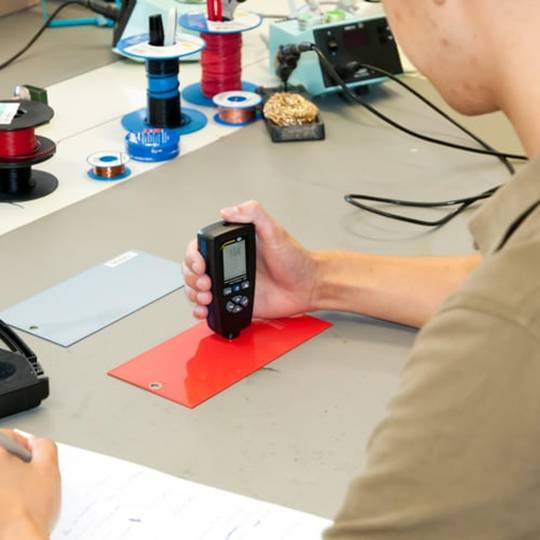
Specifications
- Instrument to quickly determine the coating thickness on ferrous and non-ferrous metals.
- Non-destructive measurement method.
- Operating principle: magnetic induction for ferrous metals and Eddy Current for non-ferrous metals.
- Internal memory.
- Automatic disconnection.
PVP
€310.88
Price including VAT:
€310.88
PVD
€289.45
PVP: Retail price.
Check conditions.
PVP: Sale price to distributors.
Check conditions.
 2 years
warranty
 14 days
returns
 100%
100%safe
Specifications
- Instrument to quickly determine the coating thickness on ferrous and non-ferrous metals.
- Non-destructive measurement method.
- Operating principle: magnetic induction for ferrous metals and Eddy Current for non-ferrous metals.
- Internal memory.
- Automatic disconnection.
Related products
Keywords
Did not find what you were looking for? These topic could help you
More info
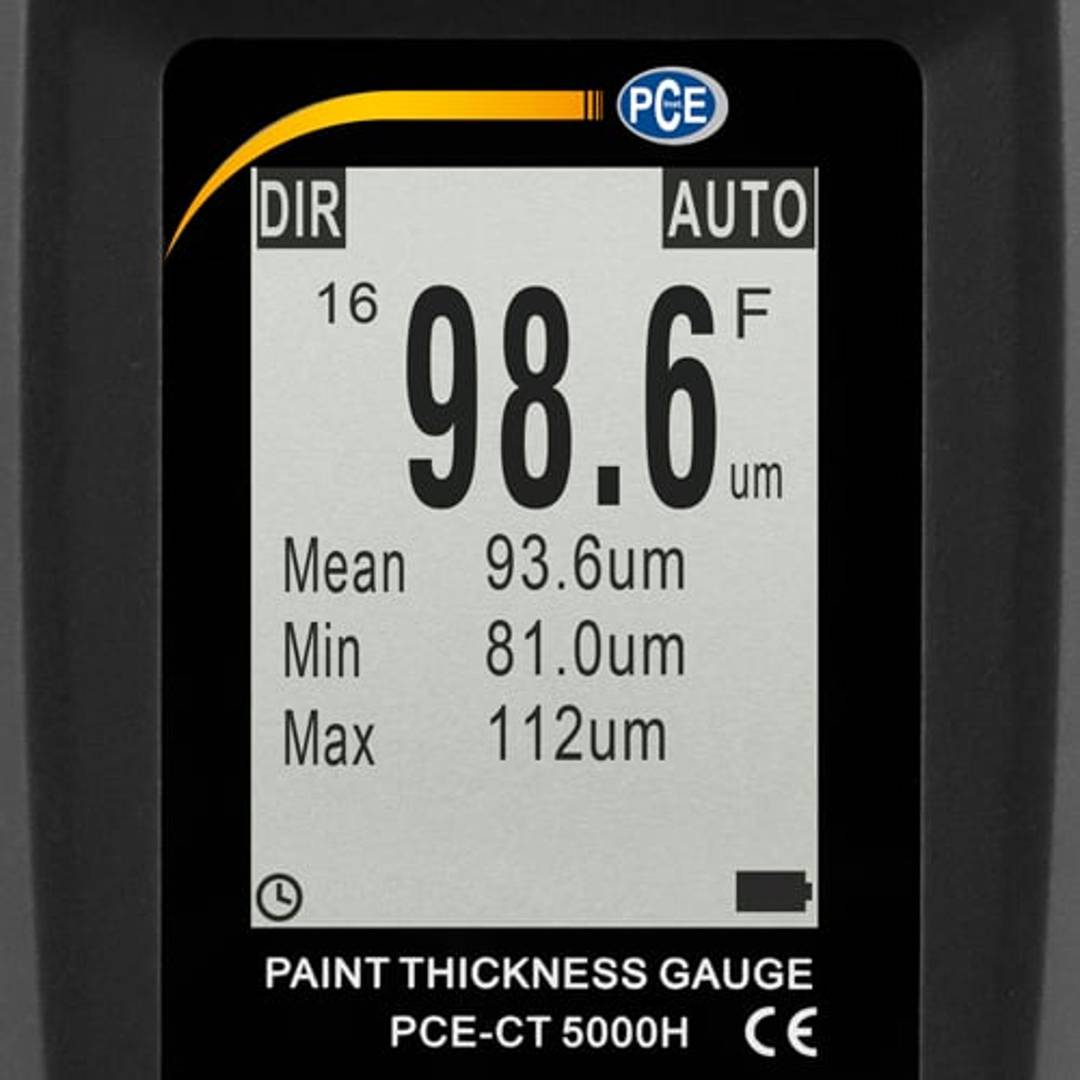
The thickness gauge also has an internal memory, which allows the measurement results to be stored. Thickness gauge calibration can be performed using 1 to 4 points and zero point calibration is also performed. This makes it possible to ensure the reliability of the measurement results. It also automatically turns off after a period of inactivity, helping to save energy. In conclusion, the use of a thickness gauge for non-destructive testing is a useful tool to guarantee a quality coating and avoid product waste. Manufactured by PCE with reference PCE-CT 5000H.
Specifications
- Instrument to quickly determine the coating thickness on ferrous and non-ferrous metals.
- Non-destructive measurement method.
- Operating principle: magnetic induction for ferrous metals and Eddy Current for non-ferrous metals.
- Internal memory.
- Automatic disconnection.
- Adjustment of limit values.
- 1 to 4 point calibration and zero point calibration.
- Ideal for checking the quality of the coating in the control of entry or exit of goods.
- Gross Weight: 560 g
- Number of packages: 1
Technical terms
- Induction charging
Induction charging
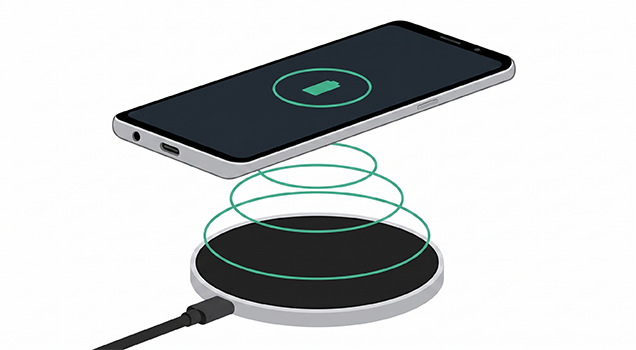
Inductive charging is a wireless power transfer method that uses electromagnetic fields to provide energy to devices over short distances.
| Parameter | Specification |
|---|---|
| Principle | Electromagnetic Induction |
Technical Detail
A transmitter coil creates an alternating magnetic field, inducing a current in a receiver coil within the device.
Advantages
- Reduced mechanical wear on ports.
- Enhanced water and dust resistance.