

10/19/2026 10:21 a.m.
https://cablematic.com/en/products/tp-link-omada-tl-sx3016fl2-switch-with-16-sfp-connectors-TP528/
https://cablematic.com/en/products/tp-link-omada-tl-sx3016fl2-switch-with-16-sfp-connectors-TP528/
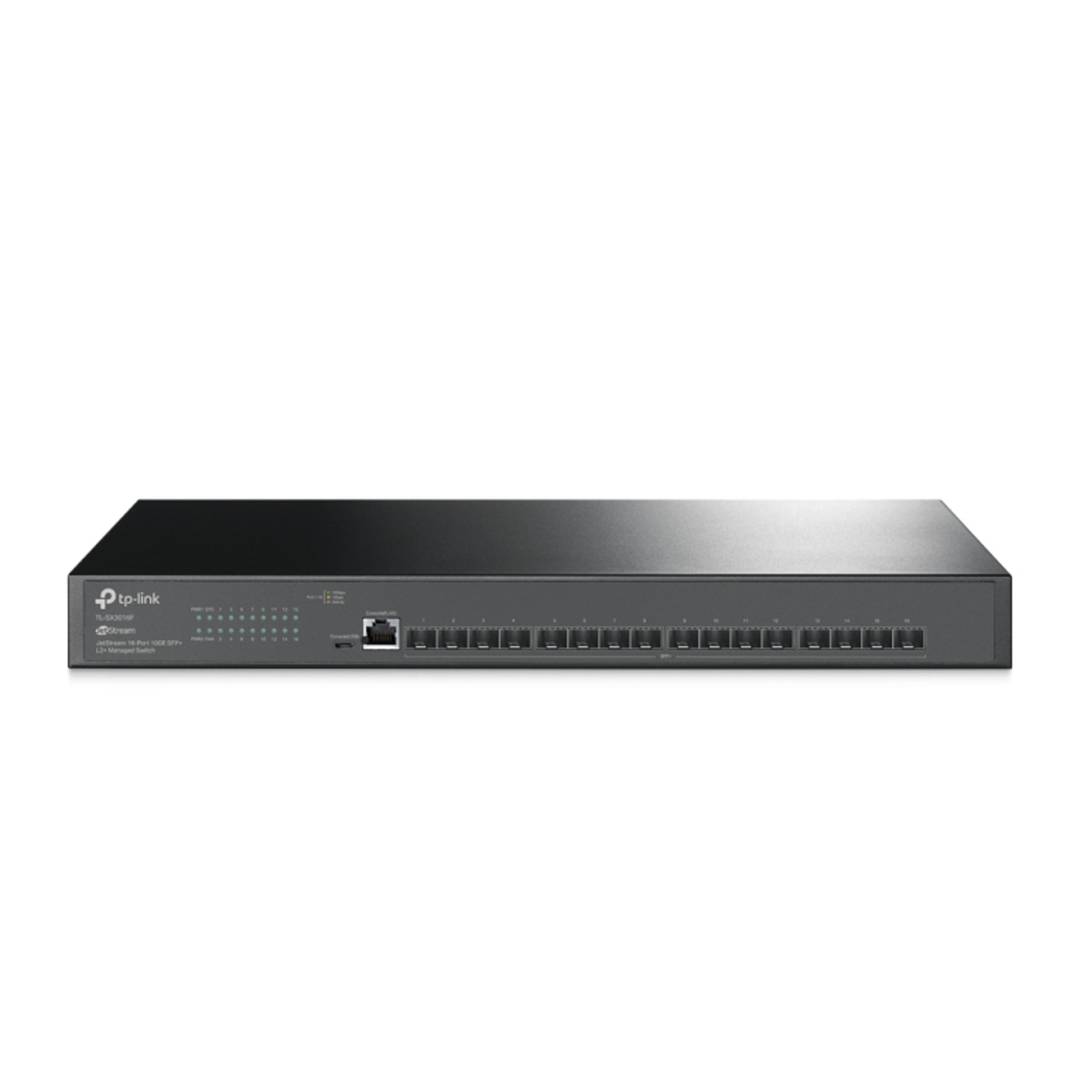

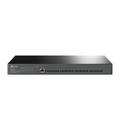
TP-Link Omada TL-SX3016F/L2+ switch with 16 SFP+ connectors
TP-Link Omada TL-SX3016F/L2+ switch with 16 SFP+ connectors
REF: TP528

Specifications
- Managed switch type, L2/L2+ switch layer.
- No basic type RJ-45 Ethernet switching ports.
- RJ-45/Micro-USB console port.
- MAC address table with 32000 entries.
- Switching capacity 320 Gbit/s.
PVP
€677.60
Price including VAT:
€677.60
PVD
€550.00
PVP: Retail price.
Check conditions.
PVP: Sale price to distributors.
Check conditions.
 2 years
warranty
 14 days
returns
 100%
100%safe
Specifications
- Managed switch type, L2/L2+ switch layer.
- No basic type RJ-45 Ethernet switching ports.
- RJ-45/Micro-USB console port.
- MAC address table with 32000 entries.
- Switching capacity 320 Gbit/s.
Related products
More info
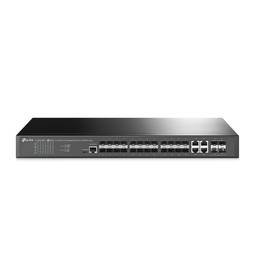
TP-Link L2/L2+ Layer Managed Switch offers a switching capacity of 320 Gbit/s and a MAC address table of 32000 entries. Compatible with various network standards, including IEEE 802.1D, IEEE 802.1Q, IEEE 802.1ab, IEEE 802.1p, IEEE 802.1s, IEEE 802.1w, IEEE 802.1x, and more. This device offers an RJ-45/Micro-USB console port for easy and secure setup. It comes with a rack mount for easy installation. Manufactured by TP-Link with reference TL-SX3016F.
Specifications
- Managed switch type, L2/L2+ switch layer.
- No basic type RJ-45 Ethernet switching ports.
- RJ-45/Micro-USB console port.
- MAC address table with 32000 entries.
- Switching capacity 320 Gbit/s.
- Supports network standards IEEE 802.1D, IEEE 802.1Q, IEEE 802.1ab, IEEE 802.1p, IEEE 802.1s, IEEE 802.1w, IEEE 802.1x, IEEE...
- Rack mount compatible.
- Advanced Layer 2 switching technology.
- Color Black.
- Gross Weight: 4.0 kg
- Number of packages: 1
Technical terms
- USB
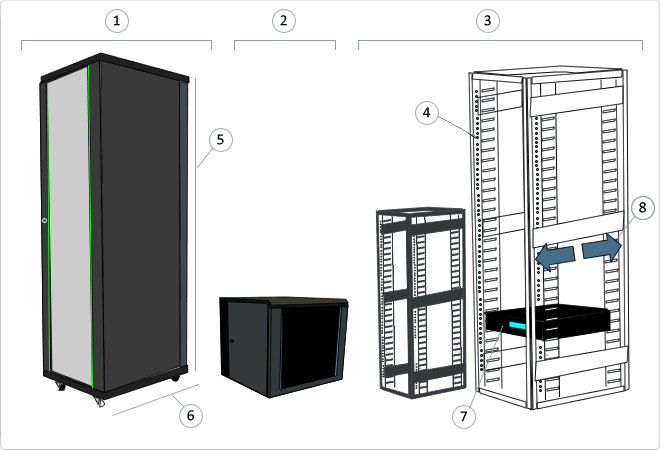
- RACK 19
- MicroUSB
- Mini USB
- USB 3.0
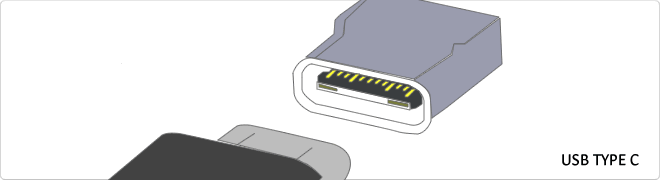
- Reversible USB Type-C
- Gbps
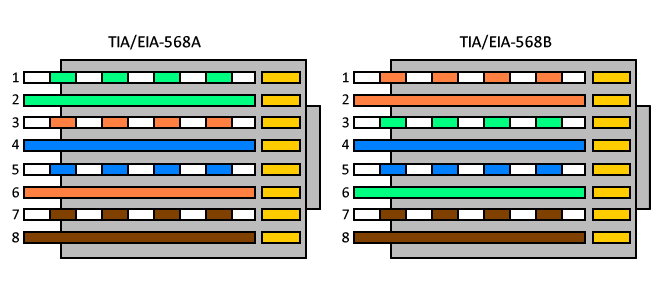
- RJ45
- Categories network cables
USB
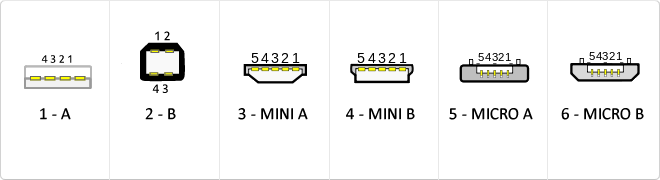
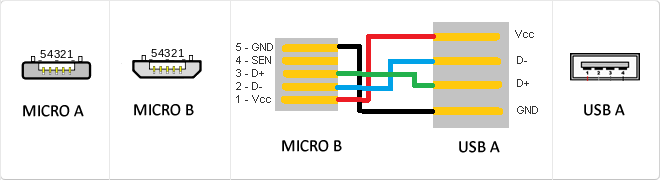
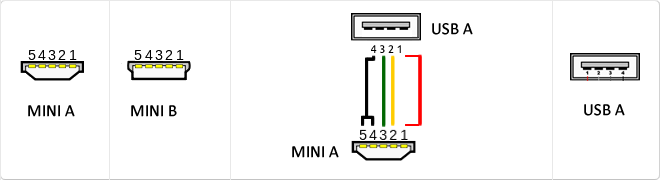
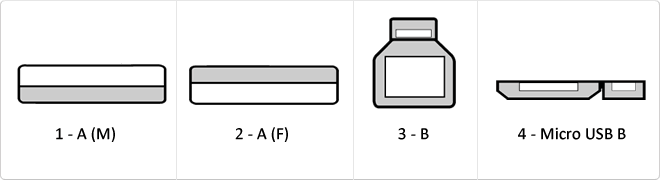
The USB (Universal Serial Bus) is a standard that defines the cables, connectors and used a bus to connect, communicate, computers, peripherals and electronic devices protocols Transmission Rates Low speed (USB 1.0). Transfer rate up to 1.5 Mbit/s (188 kB/s) used in keyboard, mouse ... transfer rate up to 12 Mbit/s (1.5 MB/s) High Speed ??(USB 2.0): Rate transferencia up to 480 Mbit/s (60 MB/s) SuperSpeed ??(USB 3.0) transfer rate up to 4.8 Gbit/s (600 MB/s) Connector Types 1 - USB type A (4 pin) 2. - USB type B (4 pin) 3 - Mini A (5-pin) 4 - Mini B (5-pin) 5 - Micro A (5-pin) 6 - Micro B (5-pin)