

10/28/2026 3:53 a.m.
https://cablematic.com/en/products/tp-link-tl-sx3008f-8-port-10-gbps-sfp-l2-switch-TP527/
https://cablematic.com/en/products/tp-link-tl-sx3008f-8-port-10-gbps-sfp-l2-switch-TP527/
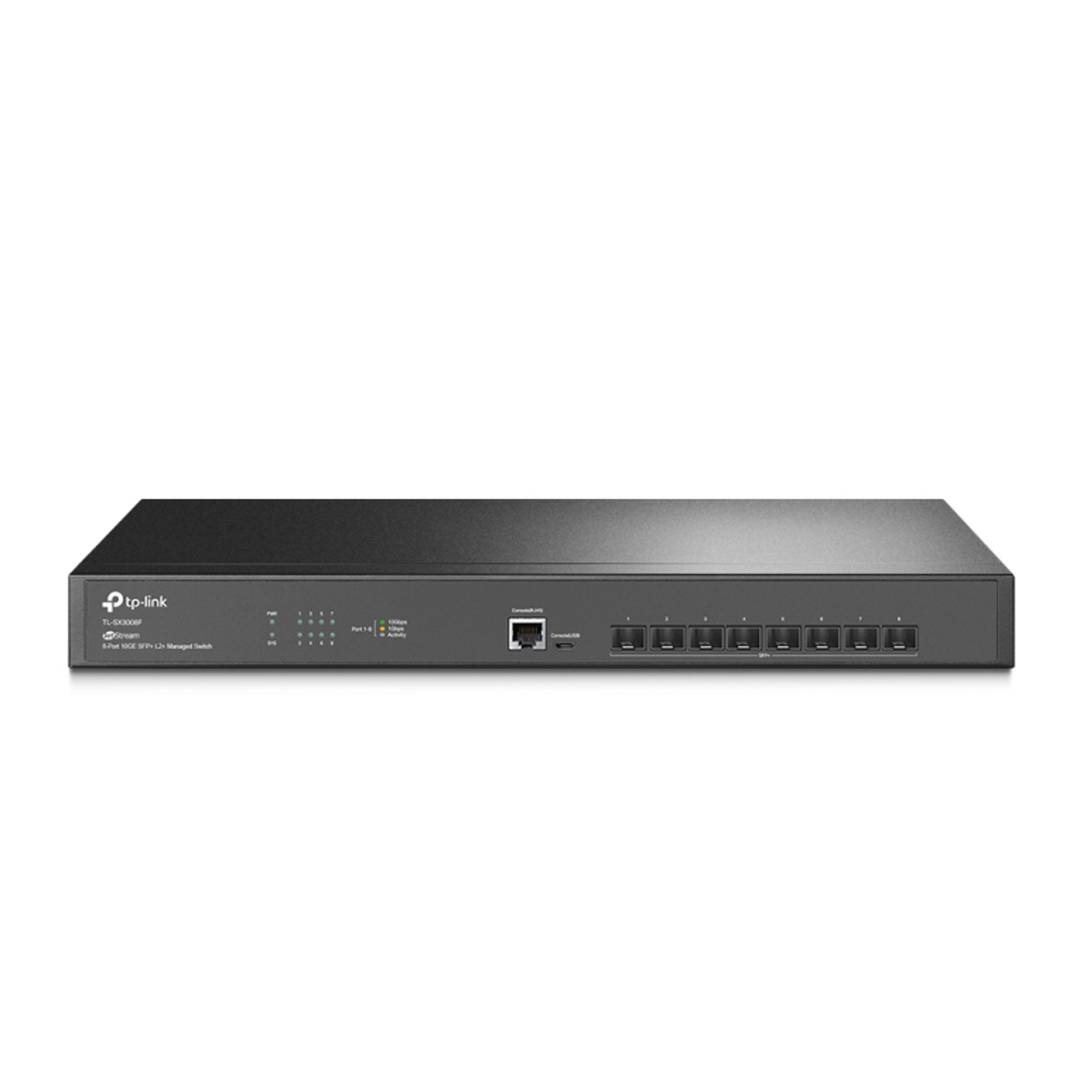

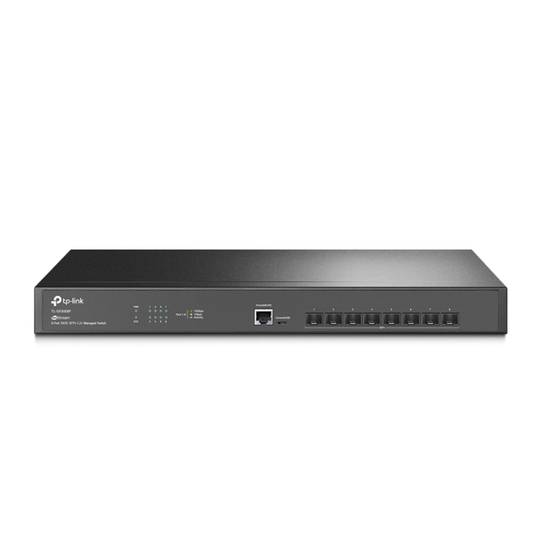
TP-Link TL-SX3008F 8-port 10 Gbps SFP L2+ switch
TP-Link TL-SX3008F 8-port 10 Gbps SFP L2+ switch
REF: TP527

Specifications
- Switch Type: Managed.
- Connections: 8 SFP+ 10Gbps Mini-Gbic ports
- Switch Layer: L2+.
- Console port: RJ-45/micro-USB.
- MAC address table: 32000 entries.
PVP
€265.53
Price including VAT:
€265.53
PVD
€255.32
PVP: Retail price.
Check conditions.
PVP: Sale price to distributors.
Check conditions.
 2 years
warranty
 14 days
returns
 100%
100%safe
Specifications
- Switch Type: Managed.
- Connections: 8 SFP+ 10Gbps Mini-Gbic ports
- Switch Layer: L2+.
- Console port: RJ-45/micro-USB.
- MAC address table: 32000 entries.
Related products
More info
8-port 10 Gbps SFP L2+ switch from TP-Link model TL-SX3008F. This Switch does not have basic RJ-45 Ethernet switching ports, but it does have an RJ-45/micro-USB console port. This tool offers a MAC address table of 32000 entries, with a switching capacity of up to 160 Gbit/s. Supported network standards: IEEE 802.1D, IEEE 802.1Q, IEEE 802.1s, IEEE 802.1w, IEEE 802.3ad, IEEE 802.3x. The electrical connector is a DC input jack. Manufactured by Tp-link with reference TL-SX3008F.
Specifications
- Switch Type: Managed.
- Connections: 8 SFP+ 10Gbps Mini-Gbic ports
- Switch Layer: L2+.
- Console port: RJ-45/micro-USB.
- MAC address table: 32000 entries.
- Switching capacity: 160 Gbit/s.
- Network standards: IEEE 802.1D, IEEE 802.1Q, IEEE 802.1s, IEEE 802.1w, IEEE 802.3ad, IEEE 802.3x.
- Electrical Connector: DC Input Jack.
- Rack mountable: Yes.
- Ideal for: High-performance, manageable networks.
- Compatibility: Compatible with most network devices and protocols.
- Features: Supports VLAN, QoS, SNMP, IGMP, etc.
- Color: Black.
- Gross Weight: 3.95 kg
- Number of packages: 1
Technical terms
- USB
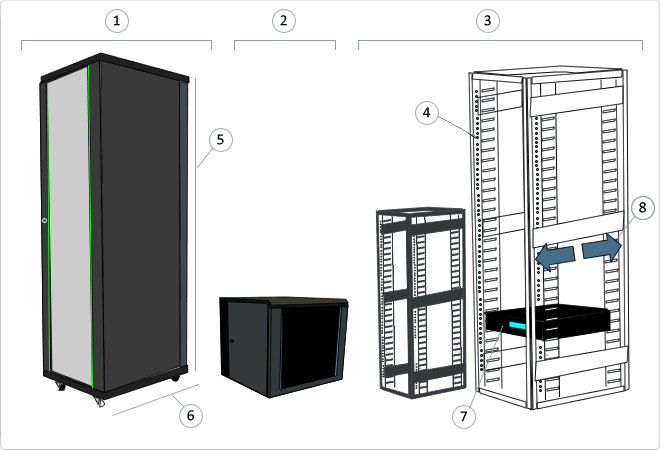
- RACK 19
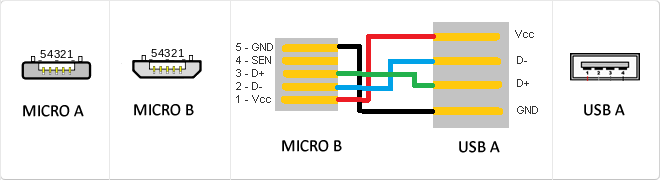
- MicroUSB
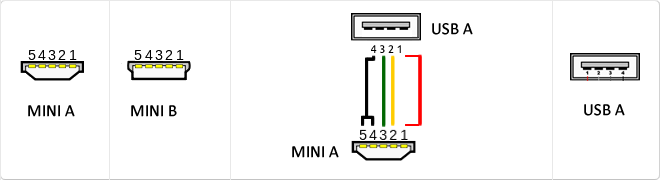
- Mini USB
- USB 3.0
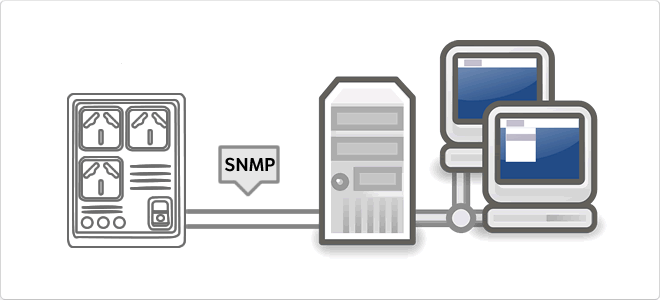
- SNMP
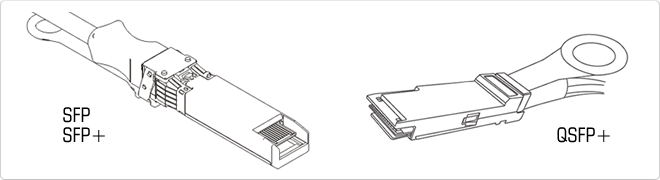
- SFP
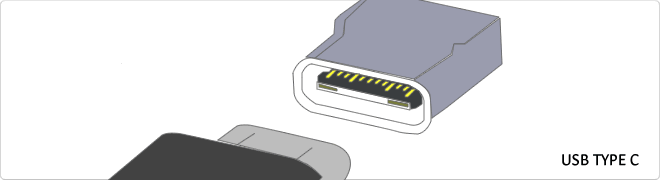
- Reversible USB Type-C
- Gbps
- RJ45
- Categories network cables
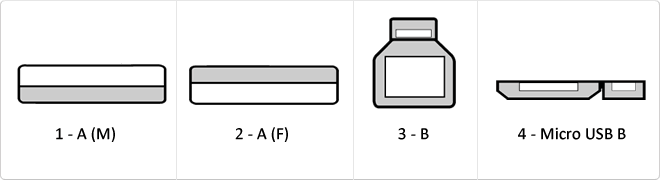
USB
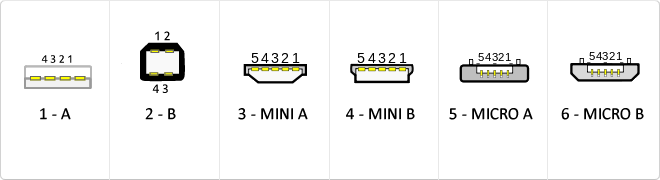
The USB (Universal Serial Bus) is a standard that defines the cables, connectors and used a bus to connect, communicate, computers, peripherals and electronic devices protocols Transmission Rates Low speed (USB 1.0). Transfer rate up to 1.5 Mbit/s (188 kB/s) used in keyboard, mouse ... transfer rate up to 12 Mbit/s (1.5 MB/s) High Speed ??(USB 2.0): Rate transferencia up to 480 Mbit/s (60 MB/s) SuperSpeed ??(USB 3.0) transfer rate up to 4.8 Gbit/s (600 MB/s) Connector Types 1 - USB type A (4 pin) 2. - USB type B (4 pin) 3 - Mini A (5-pin) 4 - Mini B (5-pin) 5 - Micro A (5-pin) 6 - Micro B (5-pin)