

10/16/2026 11:43 p.m.
https://cablematic.com/en/products/tp-link-uc400-usb-c-to-usb-30-adapter-TP426/
https://cablematic.com/en/products/tp-link-uc400-usb-c-to-usb-30-adapter-TP426/
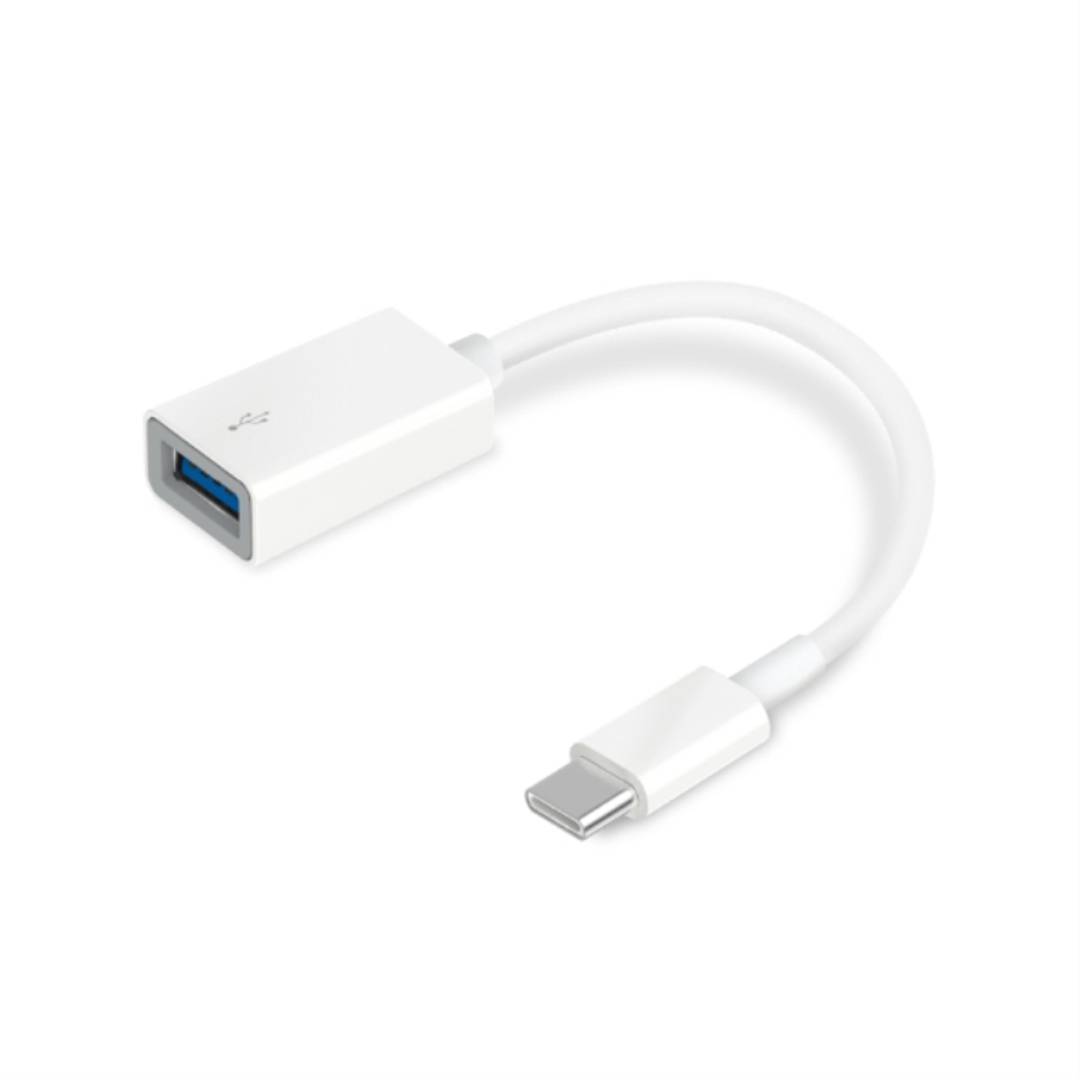

TP-LINK UC400 USB-C to USB 3.0 Adapter
TP-LINK UC400 USB-C to USB 3.0 Adapter
REF: TP426

Specifications
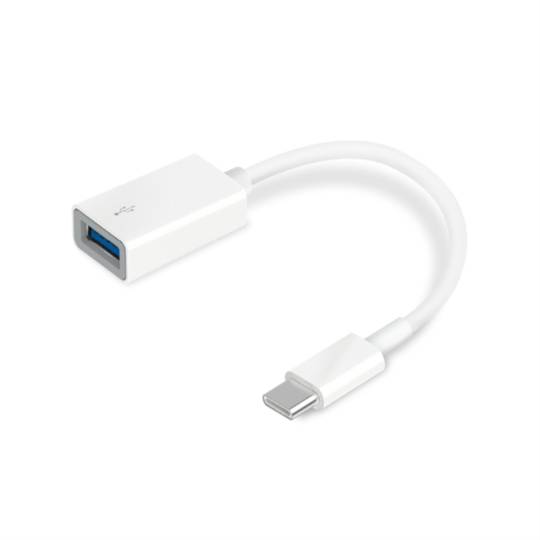
- Ideal cable solution for connecting USB-A and USB-C devices.
- Cable length: 0.133 m.
- Connector 1: USB A
- Connector 2: USB C
- Product colour: White.
PVP
€5.63
Price including VAT:
€5.63
PVD
€4.57
PVP: Retail price.
Check conditions.
PVP: Sale price to distributors.
Check conditions.
 2 years
warranty
 14 days
returns
 100%
100%safe
Specifications
- Ideal cable solution for connecting USB-A and USB-C devices.
- Cable length: 0.133 m.
- Connector 1: USB A
- Connector 2: USB C
- Product colour: White.
Related products

Keywords
Did not find what you were looking for? These topic could help you
More info
Product with a cable length of 0.133 meters. Connector 1 is a USB A connector and connector 2 is a USB C connector. The color of the product is white. This is the reference of the TP-Link UC400 product. This cable connection is ideal for connecting USB A and USB C devices to transfer data and power. The white cable stands out from the rest and is perfect for an attractive appearance. Manufactured by Tp-link with reference UC400.
Specifications
- Ideal cable solution for connecting USB-A and USB-C devices.
- Cable length: 0.133 m.
- Connector 1: USB A
- Connector 2: USB C
- Product colour: White.
- Uses: Connect USB-A and USB-C devices, connect smartphones, tablets, computers, hard drives, flash drives, digital cameras, etc.
- Ideal for fast data transfer, data synchronization and device charging.
- Compatibility: Compatible with Windows, MacOS, Linux and Chrome OS.
- Connections: USB 3.1 Gen 1 (5 Gbps).
- Features: Reversible design, connects in either direction.
- Gross Weight: 10 g
- Number of packages: 1
Technical terms
- USB
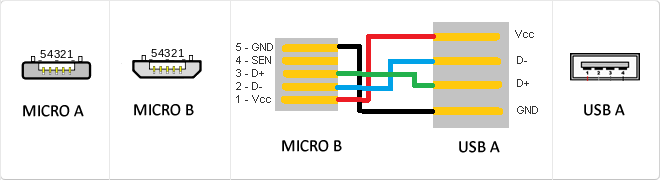
- MicroUSB
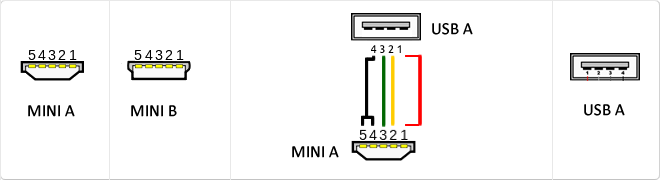
- Mini USB
- USB 3.0
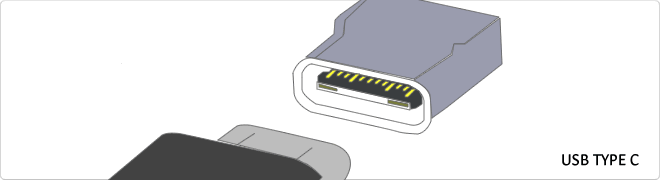
- Reversible USB Type-C
- Gbps
USB
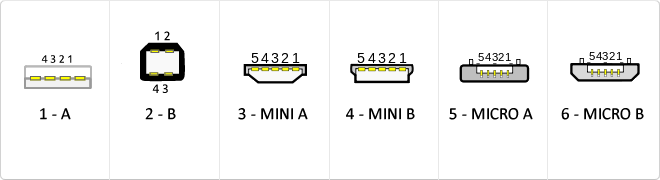
The USB (Universal Serial Bus) is a standard that defines the cables, connectors and used a bus to connect, communicate, computers, peripherals and electronic devices protocols Transmission Rates Low speed (USB 1.0). Transfer rate up to 1.5 Mbit/s (188 kB/s) used in keyboard, mouse ... transfer rate up to 12 Mbit/s (1.5 MB/s) High Speed ??(USB 2.0): Rate transferencia up to 480 Mbit/s (60 MB/s) SuperSpeed ??(USB 3.0) transfer rate up to 4.8 Gbit/s (600 MB/s) Connector Types 1 - USB type A (4 pin) 2. - USB type B (4 pin) 3 - Mini A (5-pin) 4 - Mini B (5-pin) 5 - Micro A (5-pin) 6 - Micro B (5-pin)