

https://cablematic.com/en/products/usb-hub-30-type-c-multi-port-4-x-usb-30-UH095/


USB hub 3.0 type C multi port 4 x USB 3.0

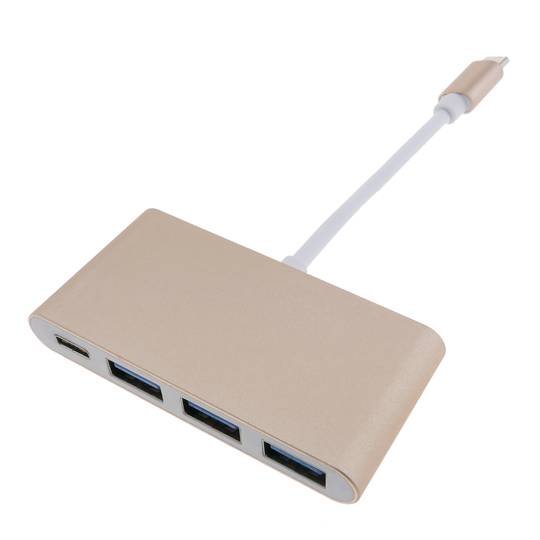
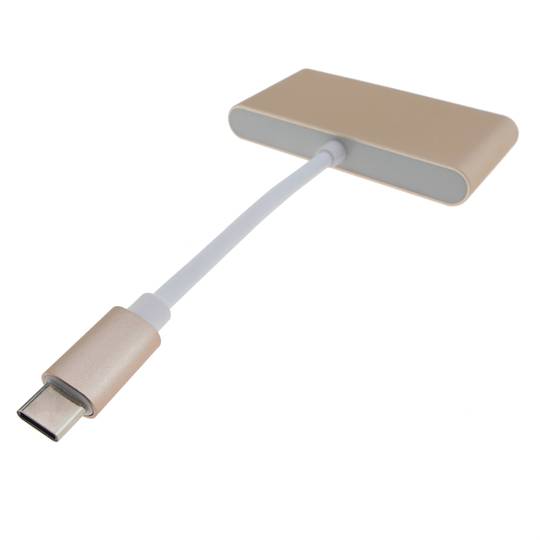
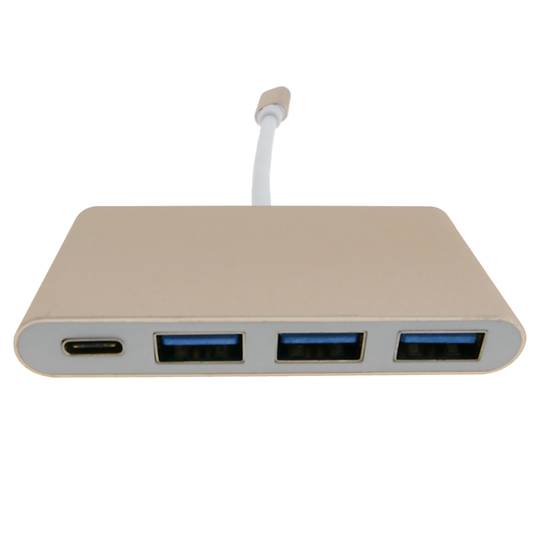
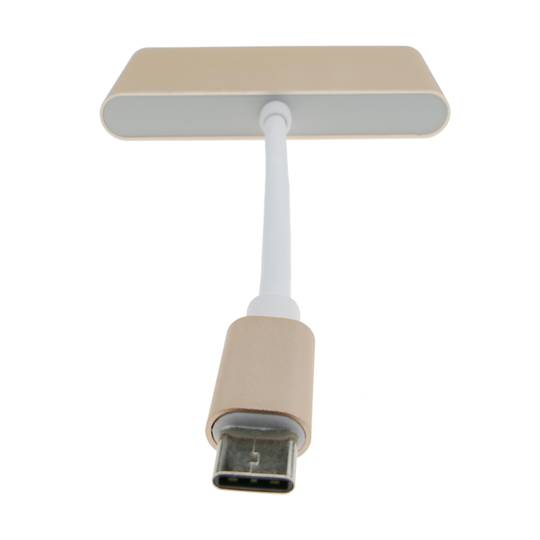
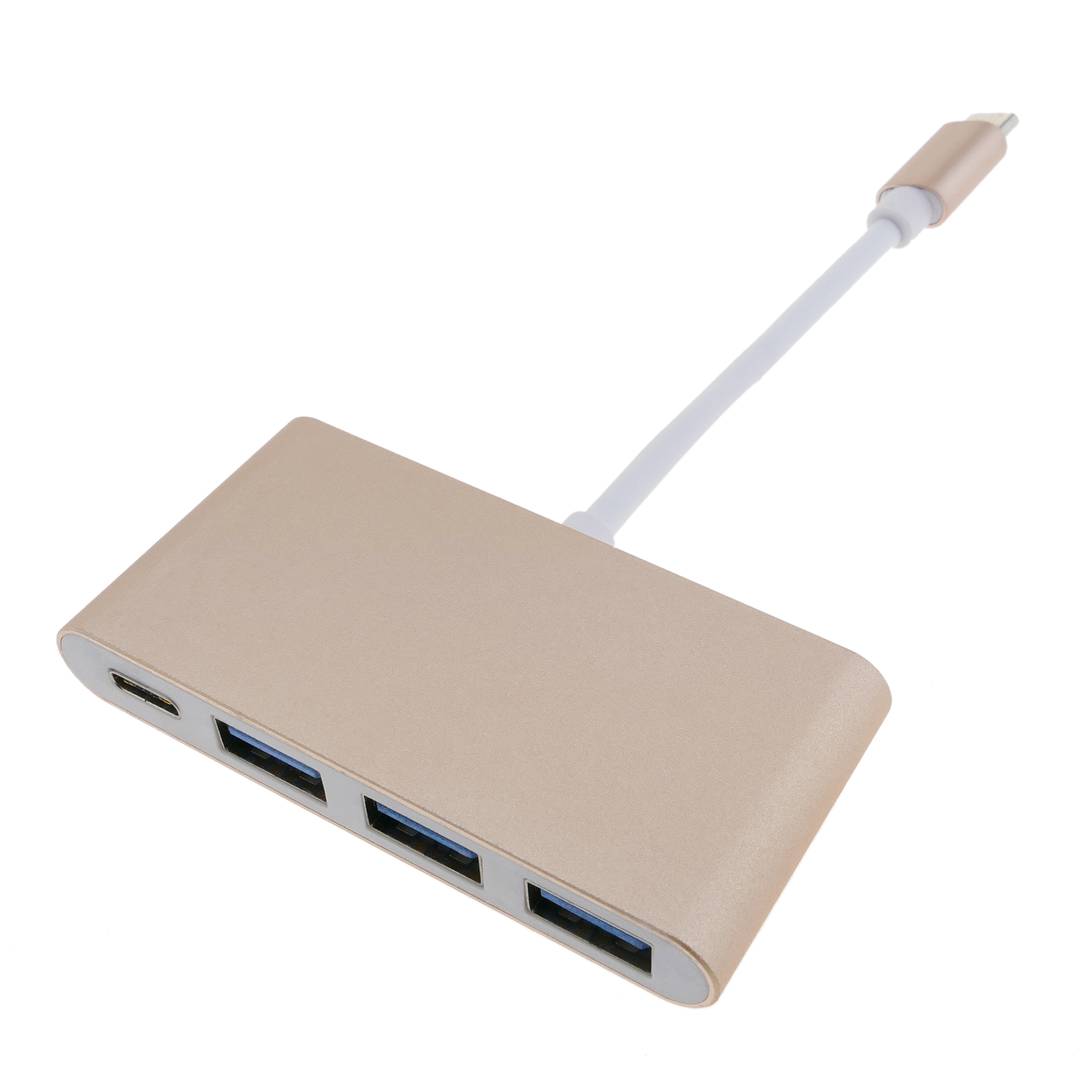
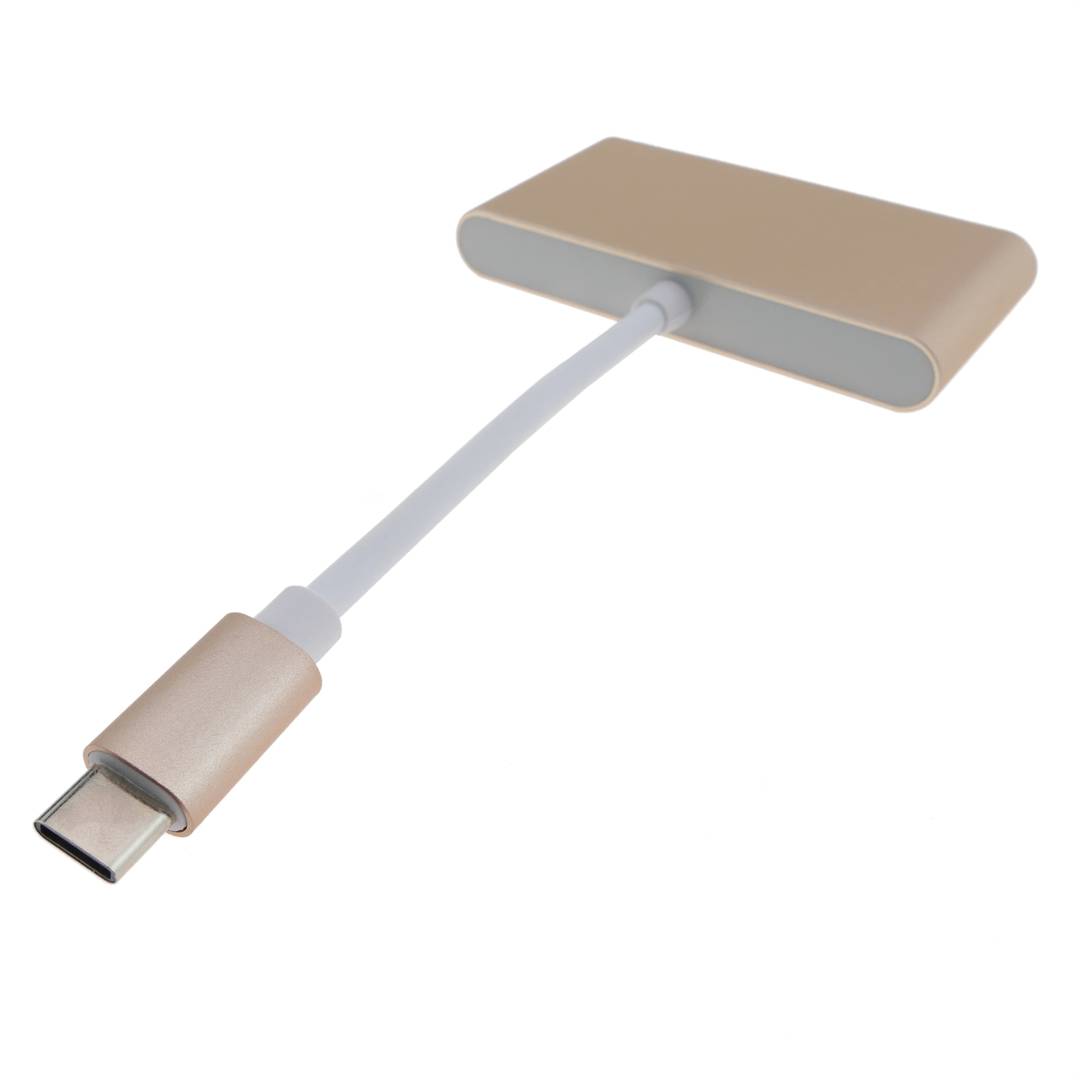
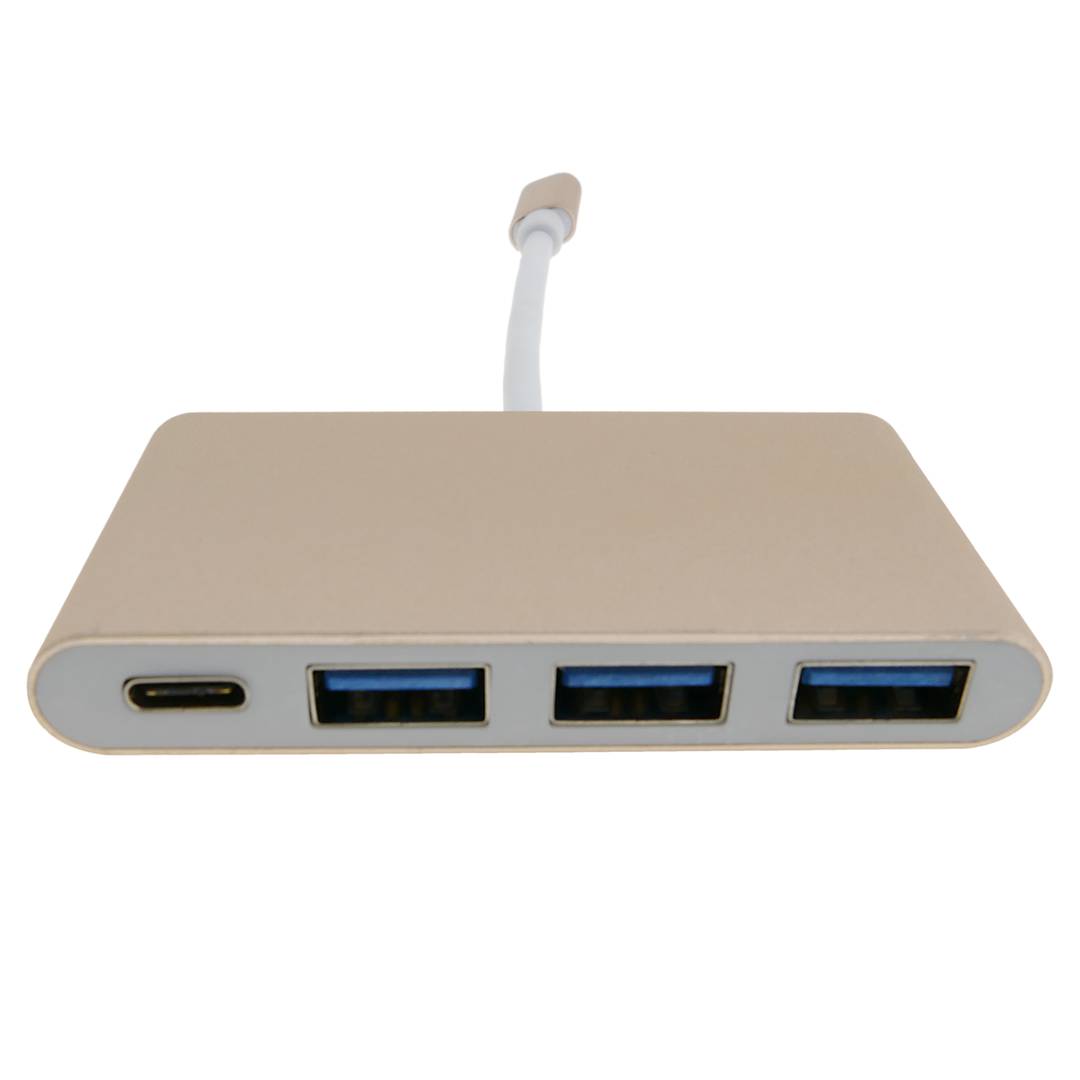
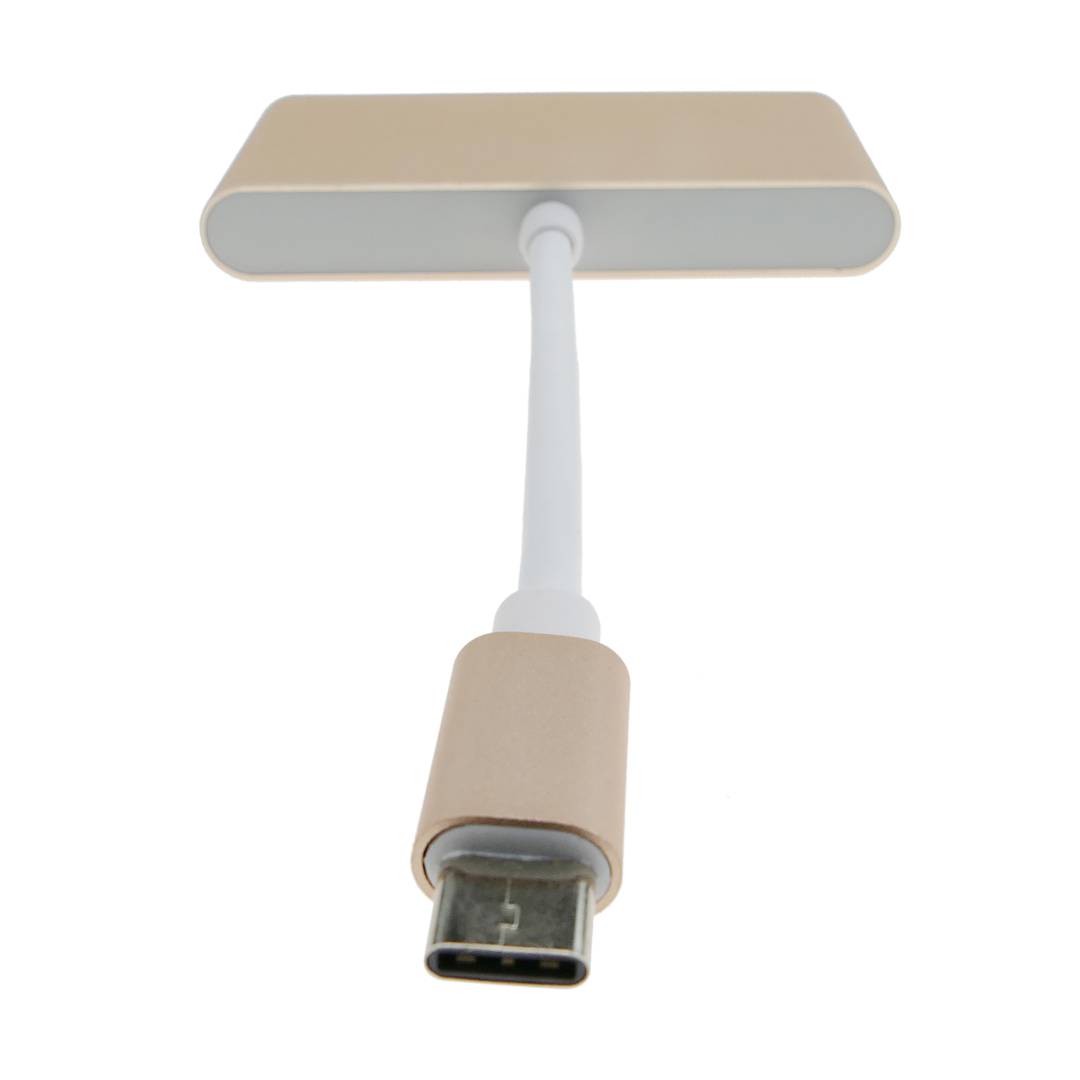
- Multiport USB 3.0 hub.
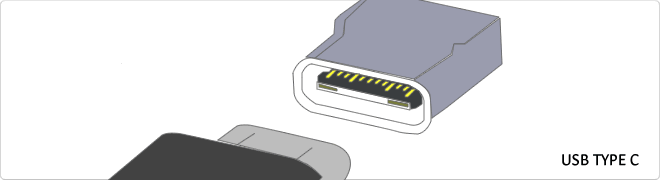
- It has a cable with a USB 3.0 type C connector.
- The hub has three USB type A 3.0 female ports, and one USB type C 3.0 connector.
- This allows multiple USB devices to be connected to a single USB 3.0 connector.
- High transmission speed of up to 10 Gbps.
![play_button]() Watch video
Watch video
More info
 Watch video
 2 years
warranty
 14 days
returns
 100%
100%safe
- Multiport USB 3.0 hub.
- It has a cable with a USB 3.0 type C connector.
- The hub has three USB type A 3.0 female ports, and one USB type C 3.0 connector.
- This allows multiple USB devices to be connected to a single USB 3.0 connector.
- High transmission speed of up to 10 Gbps.
Related products



Keywords
Did not find what you were looking for? These topic could help you
Purchased together regularly


More info
Multiport USB 3.0 hub. It has a cable with USB type C 3.0 connector. The hub has three USB type A 3.0 female ports, and one USB type C 3.0 connector. This allows multiple USB devices to be connected to a single USB 3.0 connector. High transmission speed of up to 10 Gbps. Manufactured in metal casing of advanced design.
Specifications
- Multiport USB 3.0 hub.
- It has a cable with a USB 3.0 type C connector.
- The hub has three USB type A 3.0 female ports, and one USB type C 3.0 connector.
- This allows multiple USB devices to be connected to a single USB 3.0 connector.
- High transmission speed of up to 10 Gbps.
- Manufactured in metal casing of advanced design.
- Gross Weight: 50 g
- Product size (width x depth x height): 7.5 x 3.7 x 1.1 cm
- Number of packages: 1
- Packages size: 23.5 x 13.5 x 1.1 cm
Technical terms
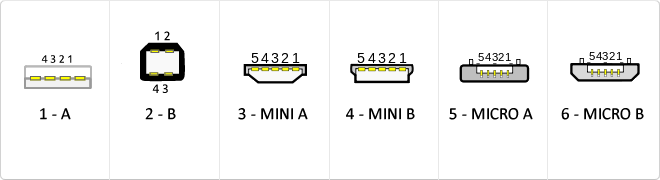
- Gbps
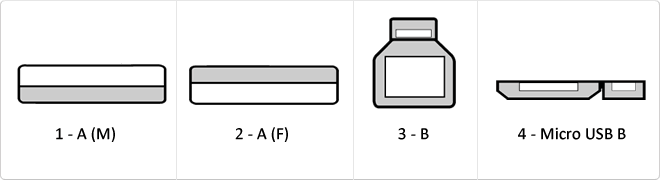
- USB
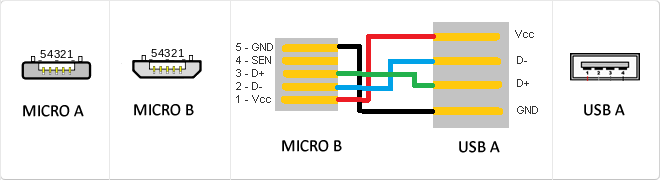
- MicroUSB
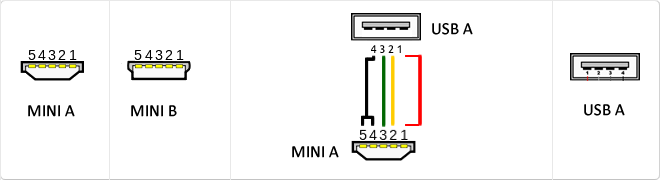
- Mini USB
- USB 3.0
- Reversible USB Type-C
Gbps (Gigabits per second) is a unit of data transfer rate equal to one billion bits per second.
In telecommunications and network engineering, Gbps defines the bandwidth capacity of fiber optic infrastructures (FTTH) and core backbones. This metric quantifies the effective throughput of a communication channel, enabling massive packet transfer without link saturation. Implementation at the physical layer requires high-speed interfaces like Gigabit Ethernet to manage digital signaling and ensure data flow integrity across the network nodes.
| Unit | Technical Equivalence |
|---|---|
| 1 Gbps (bits) | 1,000,000,000 b/s |
| 1 Gbps (Megabits) | 1,000 Mb/s |
Bandwidth Management and Network Capacity
A 1 Gbps link allows for efficient service segmentation via VLANs and traffic prioritization through QoS, supporting data-intensive real-time protocols without encountering bottlenecks at the hardware level.
Advantages of Gigabit Connectivity
- Significant reduction in latency for critical applications.
- Support for multiple concurrent 4K/8K video streams.
- Enhanced cloud synchronization and backup speeds.
- Seamless scalability for IoT device density.
Gbps is the primary performance indicator in modern broadband and enterprise networking.