

10/15/2026 4:49 p.m.
https://cablematic.com/en/products/usb-sound-level-meter-pce-sdl-1-PC517/
https://cablematic.com/en/products/usb-sound-level-meter-pce-sdl-1-PC517/
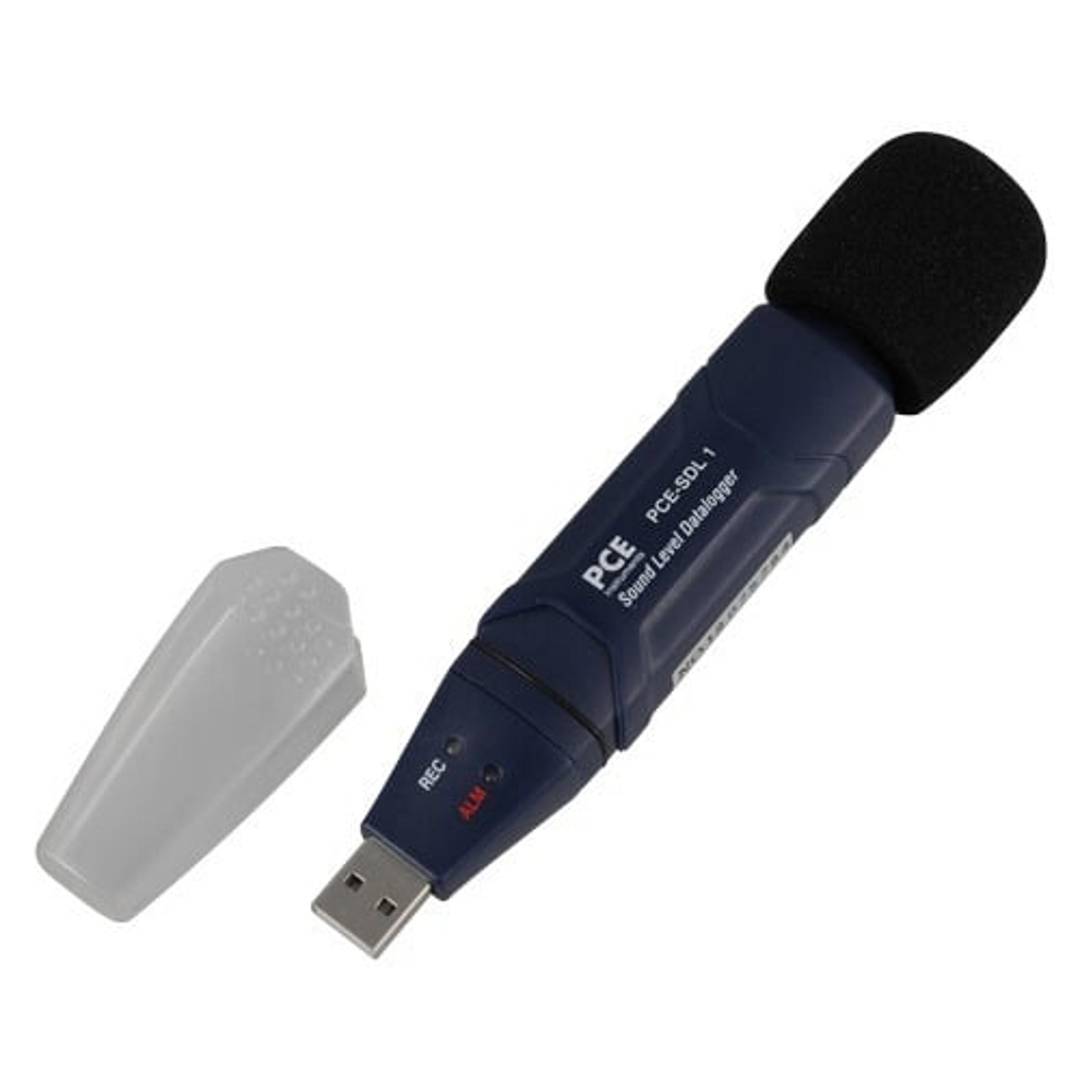


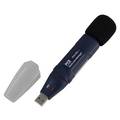
USB sound level meter PCE-SDL 1
USB sound level meter PCE-SDL 1
REF: PC517

Specifications
- USB sound level meter with a large memory (up to max. 129920 data records) for long-term recording in many different sectors.
- Detects noise levels between 30 and 130 dB.
- Mini format, with compact and robust construction.
- It can function as a stand-alone logger or be connected to a computer or laptop to transmit the values.
- Software included for analysis and graphic representation of the process.
PVP
€183.89
Price including VAT:
€183.89
PVD
€171.21
PVP: Retail price.
Check conditions.
PVP: Sale price to distributors.
Check conditions.
 2 years
warranty
 14 days
returns
 100%
100%safe
Specifications
- USB sound level meter with a large memory (up to max. 129920 data records) for long-term recording in many different sectors.
- Detects noise levels between 30 and 130 dB.
- Mini format, with compact and robust construction.
- It can function as a stand-alone logger or be connected to a computer or laptop to transmit the values.
- Software included for analysis and graphic representation of the process.
Related products
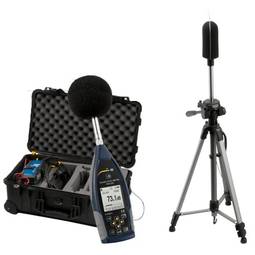
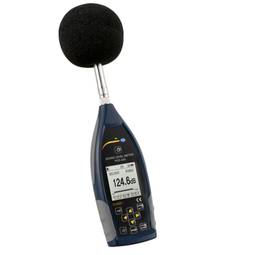
More info
A sound level meter is a measuring instrument used to determine the level of sound pressure or sound in a given environment. It consists of a sound-sensitive microphone that converts sound wave vibrations into electrical signals. These signals are processed and converted into units of decibels (dB), which is the unit of measurement for sound. Manufactured by PCE, with reference PCE-SDL 1.
Specifications
- USB sound level meter with a large memory (up to max. 129920 data records) for long-term recording in many different sectors.
- Detects noise levels between 30 and 130 dB.
- Mini format, with compact and robust construction.
- It can function as a stand-alone logger or be connected to a computer or laptop to transmit the values.
- Software included for analysis and graphic representation of the process.
- Setting of alarm limits with flashing LED light when these limit values are exceeded.
- Internal clock with date to accurately assign results.
- Powered by internal 3.6 V lithium battery with a useful life of approximately one year.
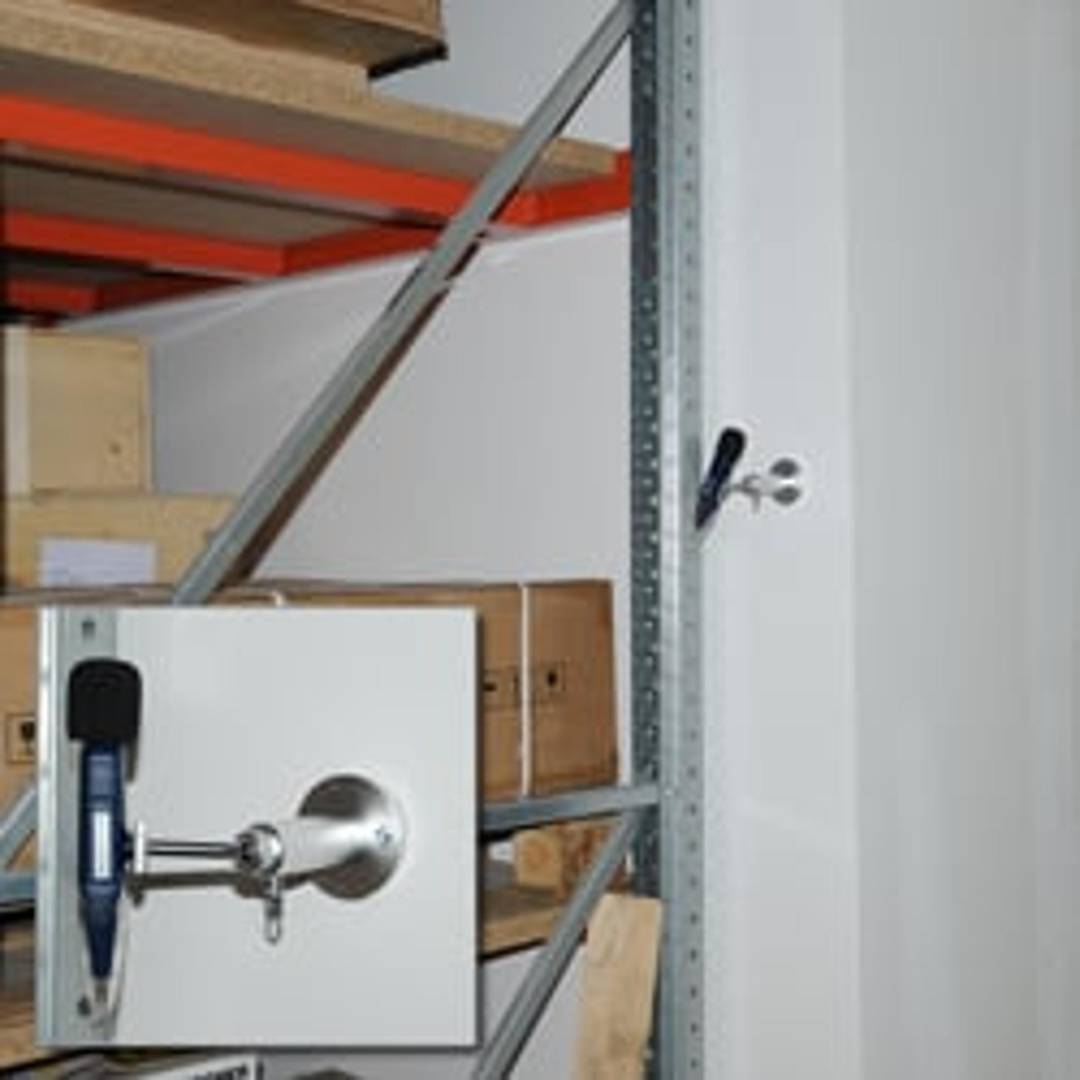
- Tripod connection and wall mount for long-term data logging.
- Gross Weight: 328 g
- Number of packages: 1
Technical terms
- LED
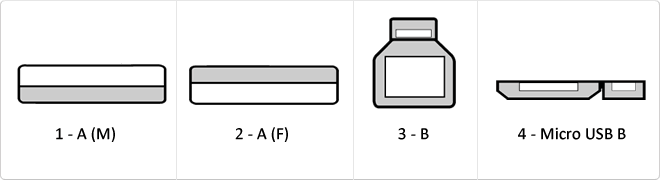
- USB
- MicroUSB
- Mini USB
- USB 3.0
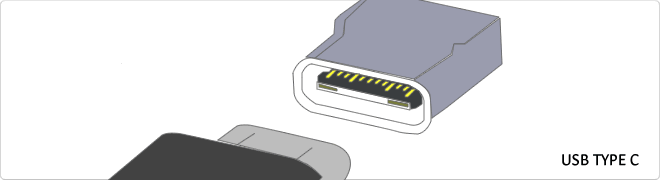
- Reversible USB Type-C
- Battery charging cycles
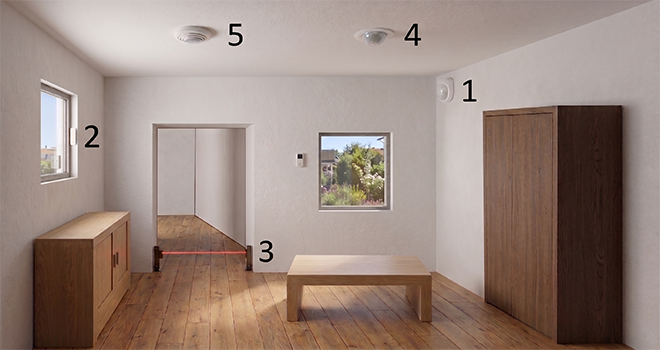
- Movement detector
- Lithium batteries
LED
The word LED, which is the acronym for Light Emitting Diode, is a passive optoelectronic component characterized by its versatility, taking on many forms and being integrated into many optical elements, from screens to light bulbs and even photographic flashes.
One of its best features is its low energy consumption, as well as its longer lifespan, its durability that perfectly withstands almost any type of vibration, in addition to low heat emission.
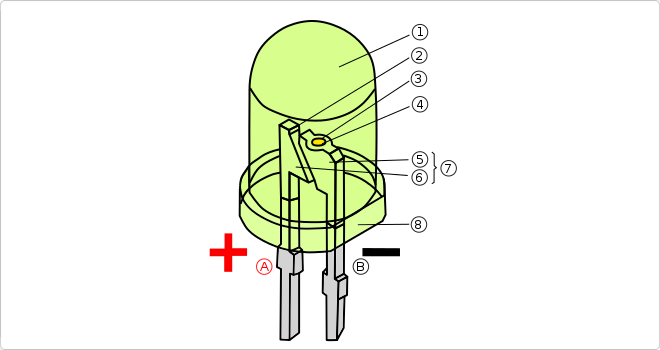
In the diagram:
One of its best features is its low energy consumption, as well as its longer lifespan, its durability that perfectly withstands almost any type of vibration, in addition to low heat emission.
In the diagram:
- Anode
- Cathode
- Lens/epoxy encapsulation (plastic capsule).
- Metal contact (conducting wire).
- Reflective cavity (reflective cup).
- Semiconductor termination.
- Anvil.
- Post.
- Anvil and post assembly replacing the filament.
- Flat edge.