

09/13/2026 9:15 p.m.
https://cablematic.com/en/products/vibrometer-pce-vdr-10-PC583/
https://cablematic.com/en/products/vibrometer-pce-vdr-10-PC583/
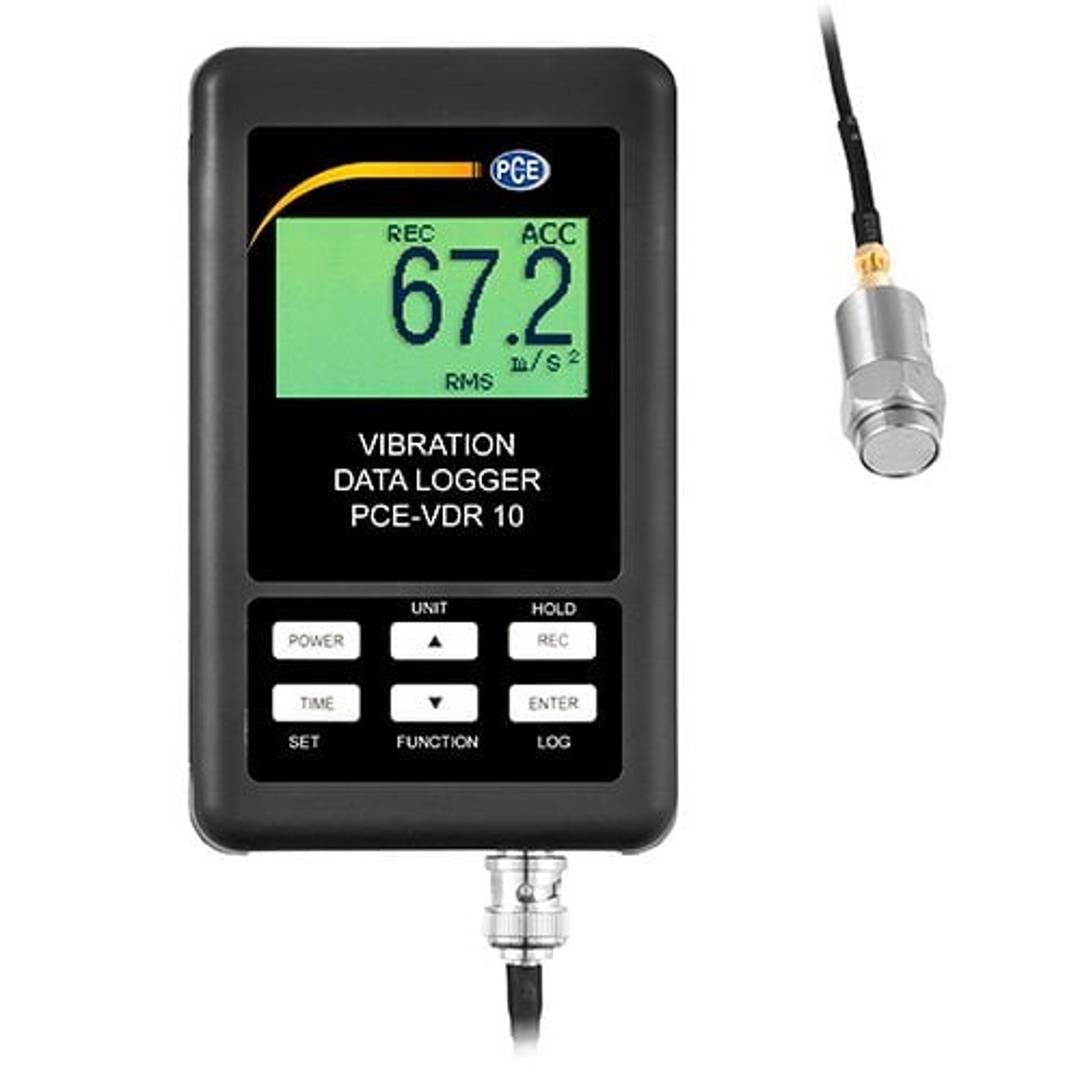
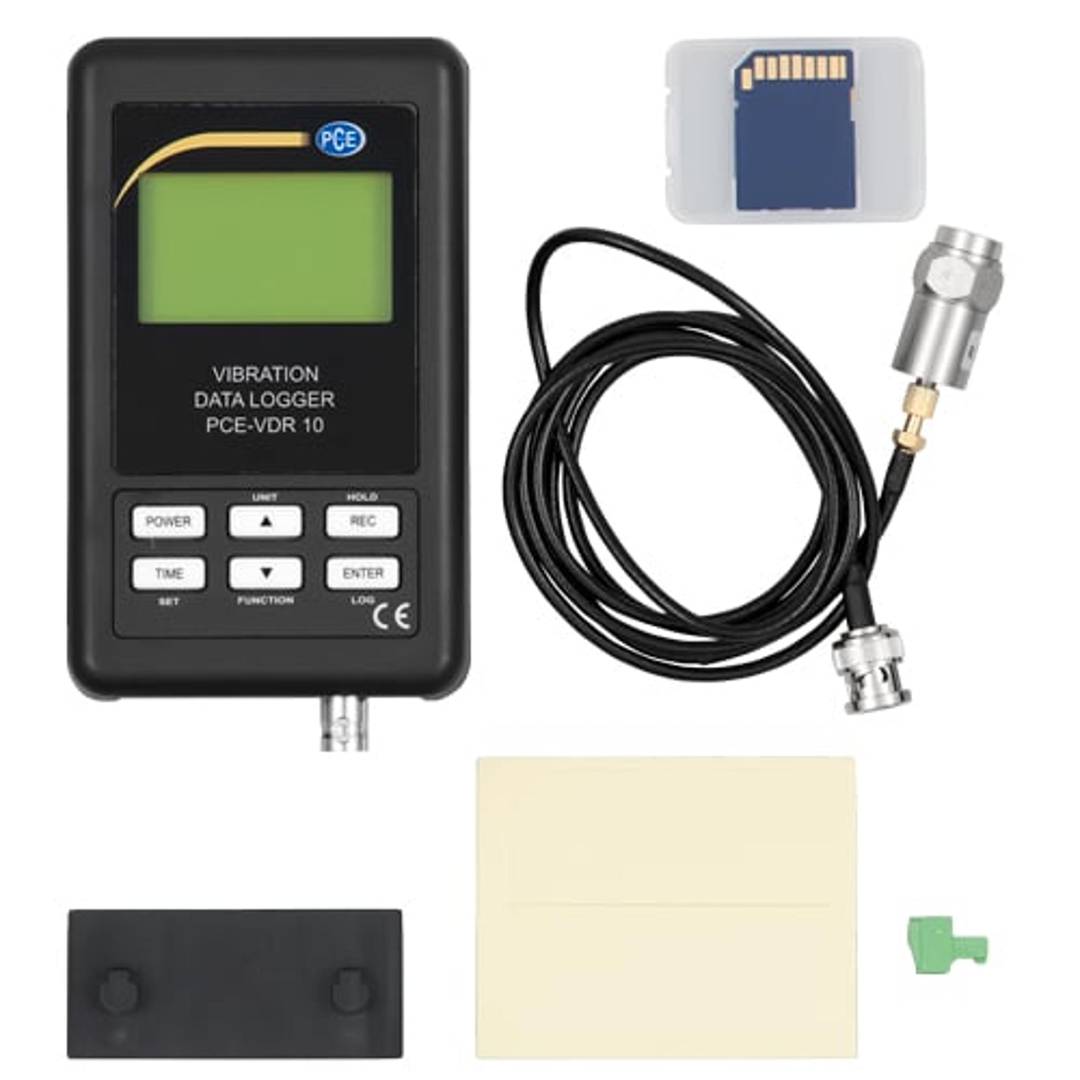


Vibrometer PCE-VDR 10
Vibrometer PCE-VDR 10
REF: PC583

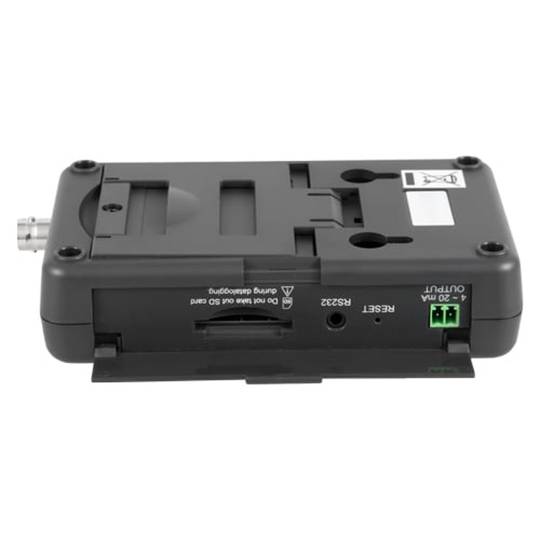
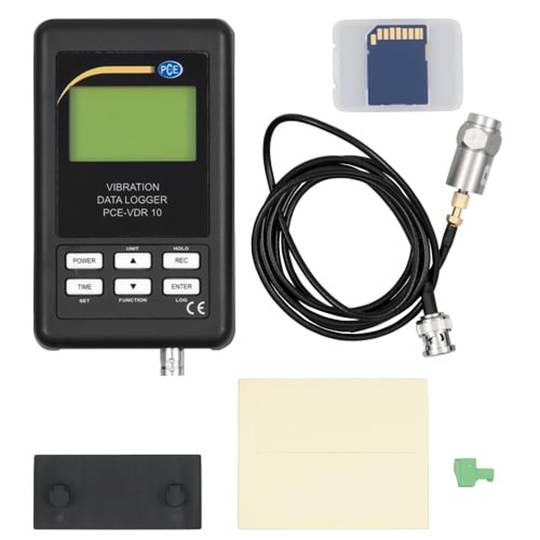
Specifications
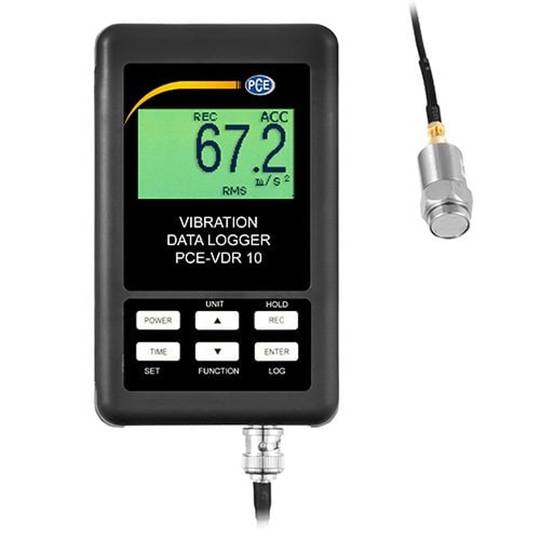
- Vibrometer for measurement of an axis.
- Measurement in real time.
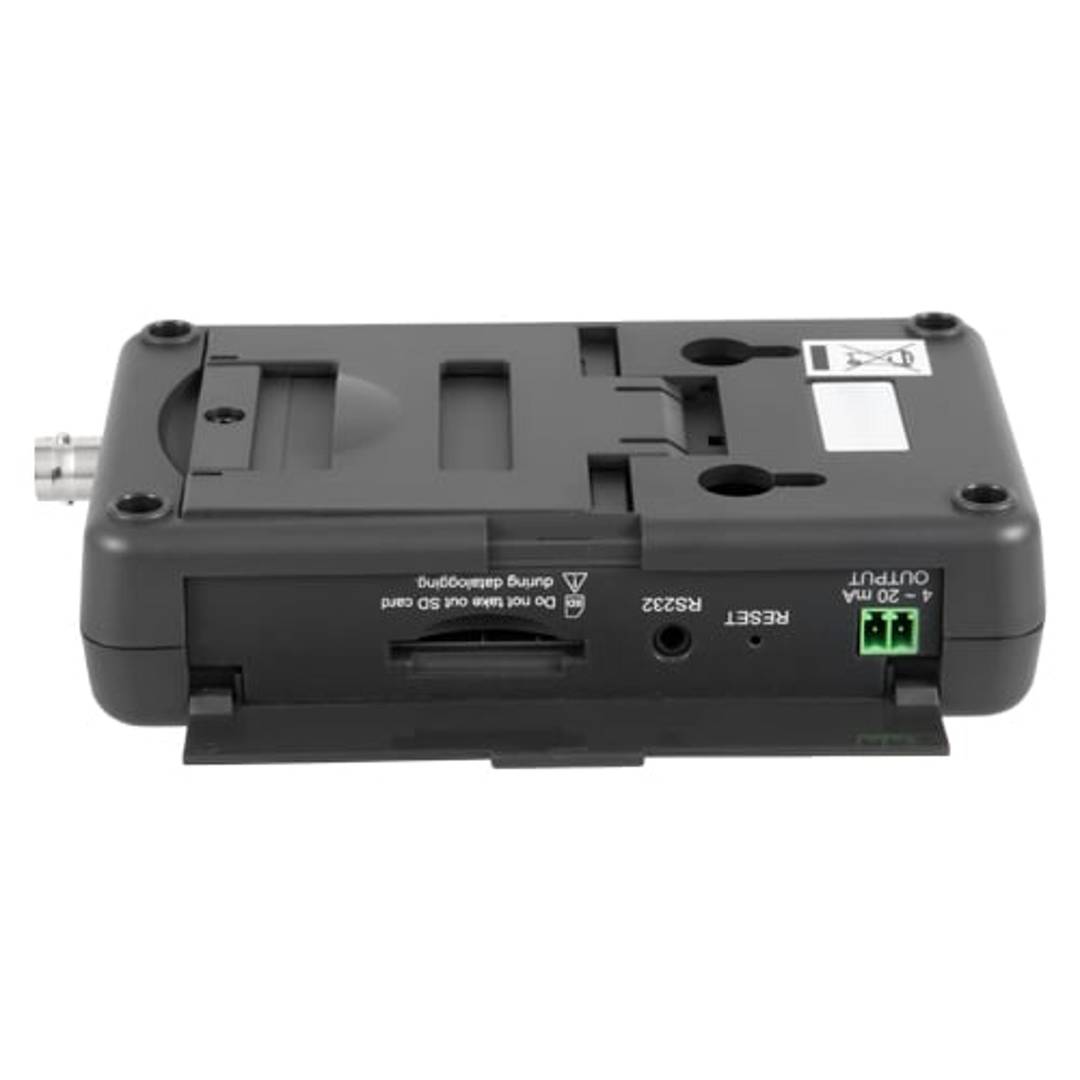
- Recording of values on SD card.
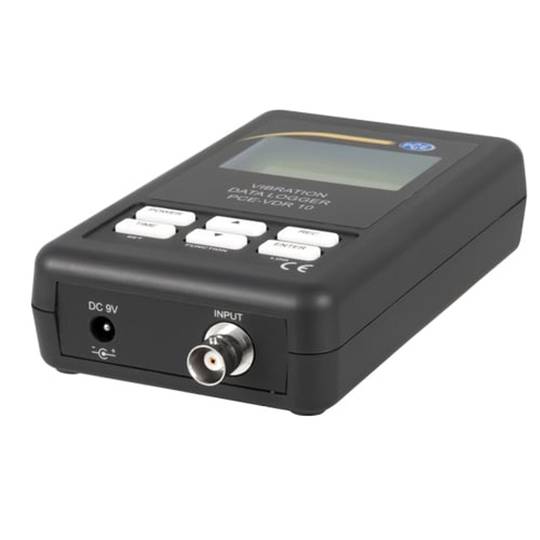
- USB and RS-232 interface.
- 4...20 mA regulator.
PVP
€832.55
Price including VAT:
€832.55
PVD
€780.68
PVP: Retail price.
Check conditions.
PVP: Sale price to distributors.
Check conditions.
 2 years
warranty
 14 days
returns
 100%
100%safe
Specifications
- Vibrometer for measurement of an axis.
- Measurement in real time.
- Recording of values on SD card.
- USB and RS-232 interface.
- 4...20 mA regulator.
Related products

Keywords
Did not find what you were looking for? These topic could help you
More info
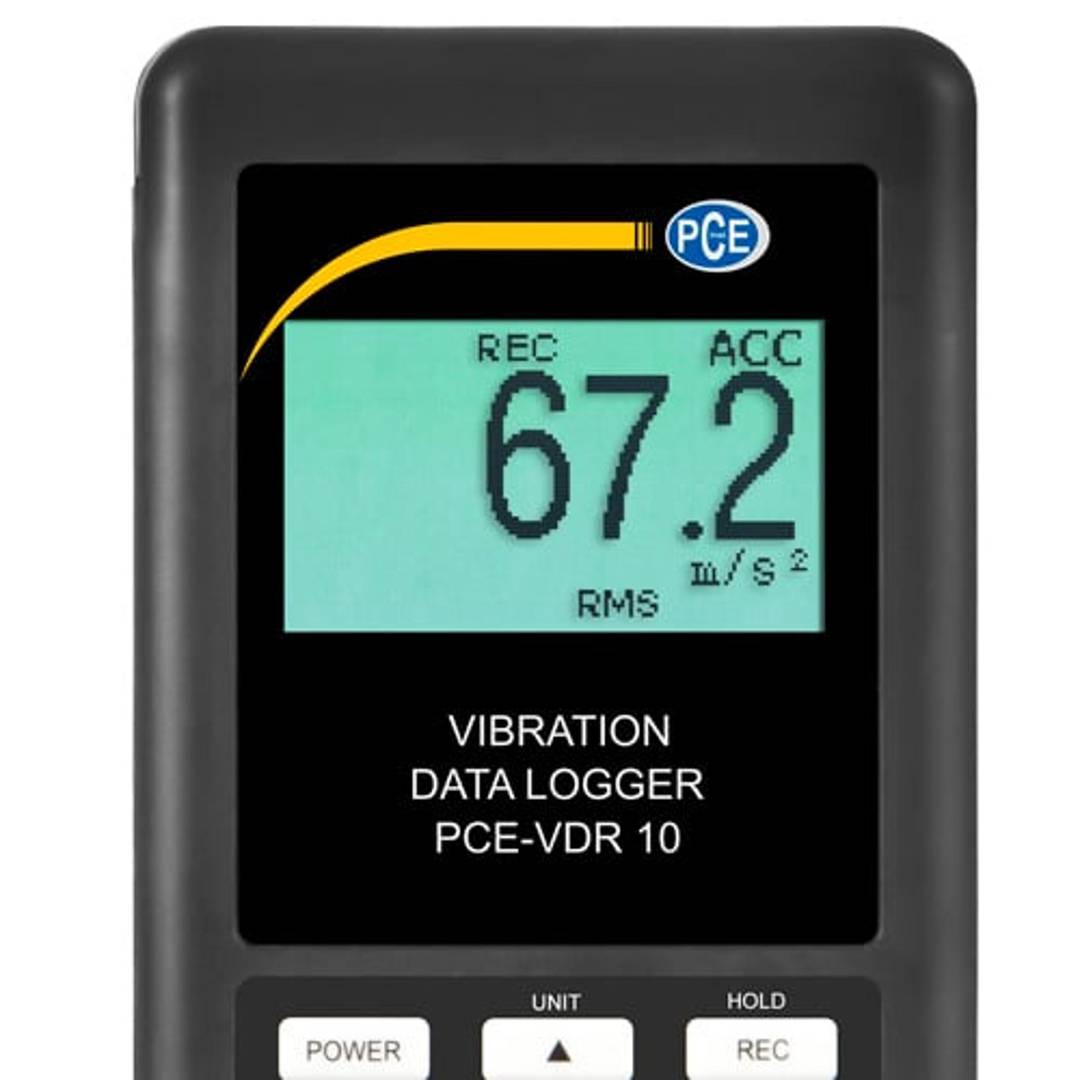
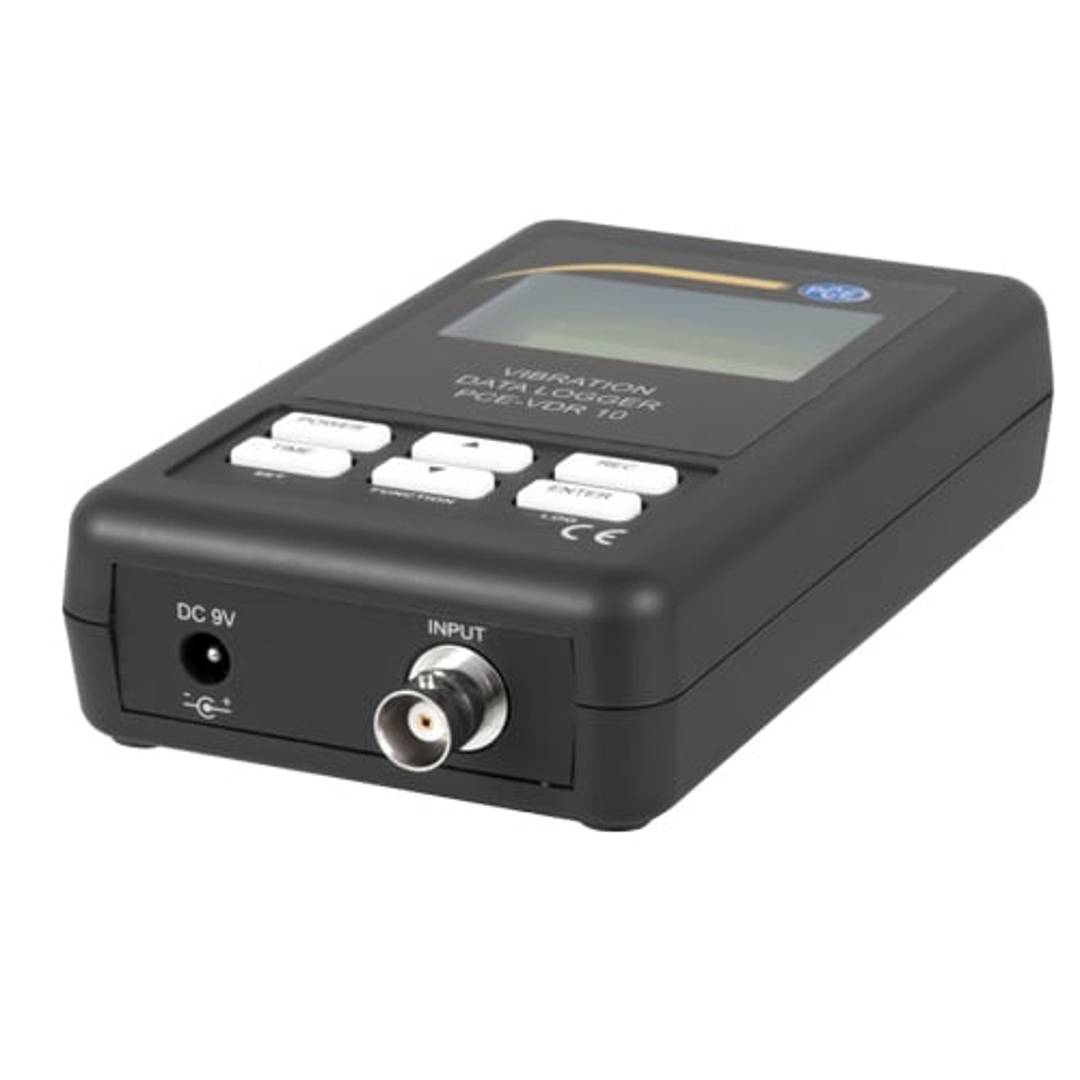
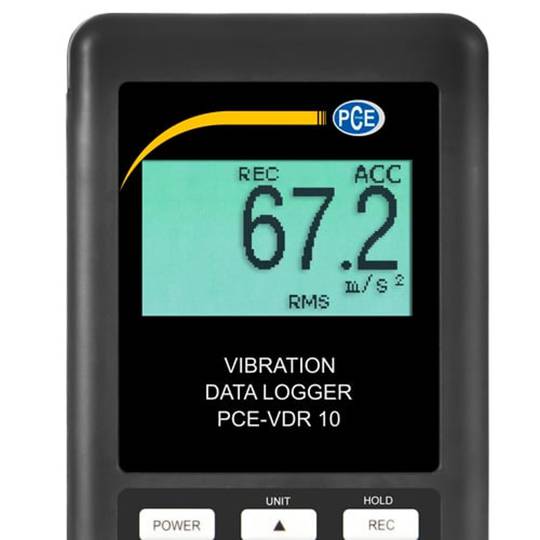
The vibrometer has a large LCD display and a USB and RS-232 interface. This allows you to connect the device to your PC for real-time measurements. This will allow you to control the values precisely. The vibrometer is a useful device for accurately measuring the vibration of a shaft. You can use it to record vibration values to an SD card, and then read them back to your PC for further analysis. It has a 4...20 mA regulator to configure it as an alarm device. It also has a USB and RS-232 interface for real-time measurements. The large LCD screen allows you to see the measured values clearly. Manufactured by PCE, with reference PCE-VDR 10.
Specifications
- Vibrometer for measurement of an axis.
- Measurement in real time.
- Recording of values on SD card.
- USB and RS-232 interface.
- 4...20 mA regulator.
- Large LCD display with display of values.
- Ideal for monitoring vibration values.
- Compatible with PC and Excel programs.
- Last generation technology.
- black colour.
- Gross Weight: 450 g
- Number of packages: 1
Technical terms
- USB
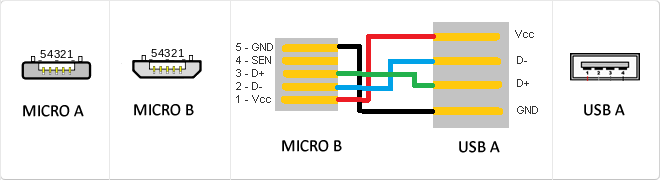
- MicroUSB
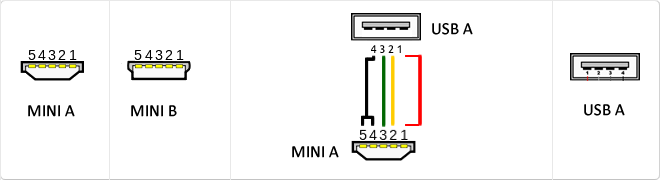
- Mini USB
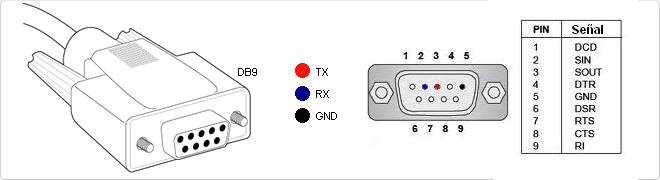
- Communication Series
- USB 3.0
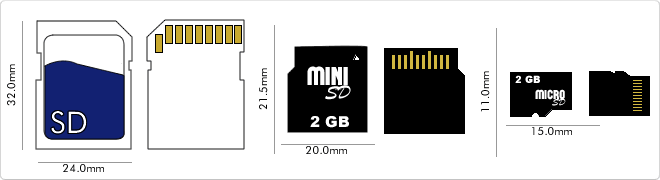
- SD, MiniSD, MicroSD
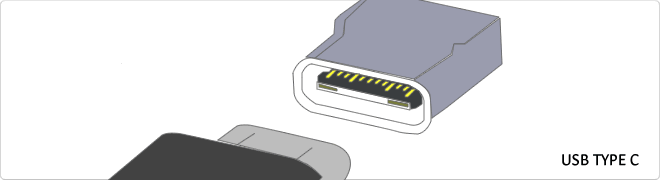
- Reversible USB Type-C
- Vibrometer
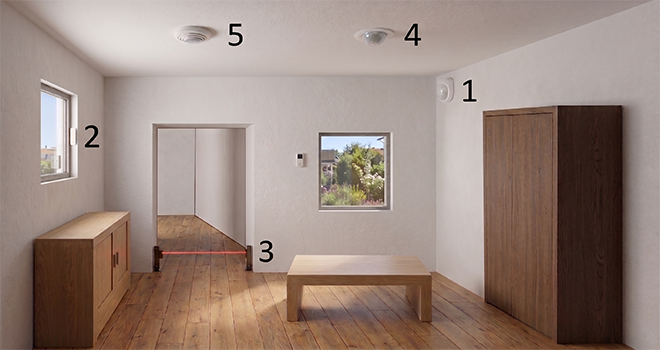
- Movement detector
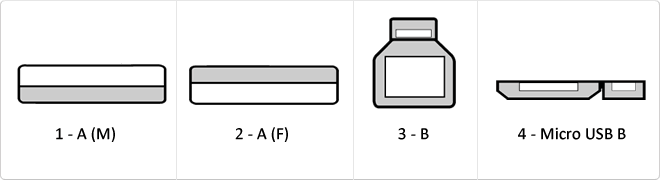
USB
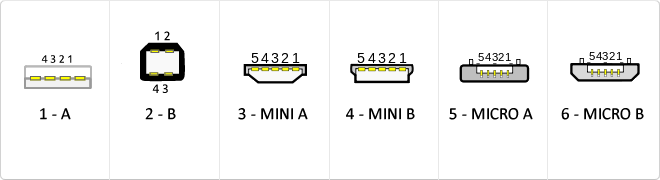
The USB (Universal Serial Bus) is a standard that defines the cables, connectors and used a bus to connect, communicate, computers, peripherals and electronic devices protocols Transmission Rates Low speed (USB 1.0). Transfer rate up to 1.5 Mbit/s (188 kB/s) used in keyboard, mouse ... transfer rate up to 12 Mbit/s (1.5 MB/s) High Speed ??(USB 2.0): Rate transferencia up to 480 Mbit/s (60 MB/s) SuperSpeed ??(USB 3.0) transfer rate up to 4.8 Gbit/s (600 MB/s) Connector Types 1 - USB type A (4 pin) 2. - USB type B (4 pin) 3 - Mini A (5-pin) 4 - Mini B (5-pin) 5 - Micro A (5-pin) 6 - Micro B (5-pin)